Road Bikes
Trek Madone SLR Review: One Race Bike for Climbs, Sprints and Fast Descents
Trek's eighth-generation Madone SLR folds the Émonda and Madone into a single race platform. Here is what changed, how it rides, and who should buy it.
Introduction
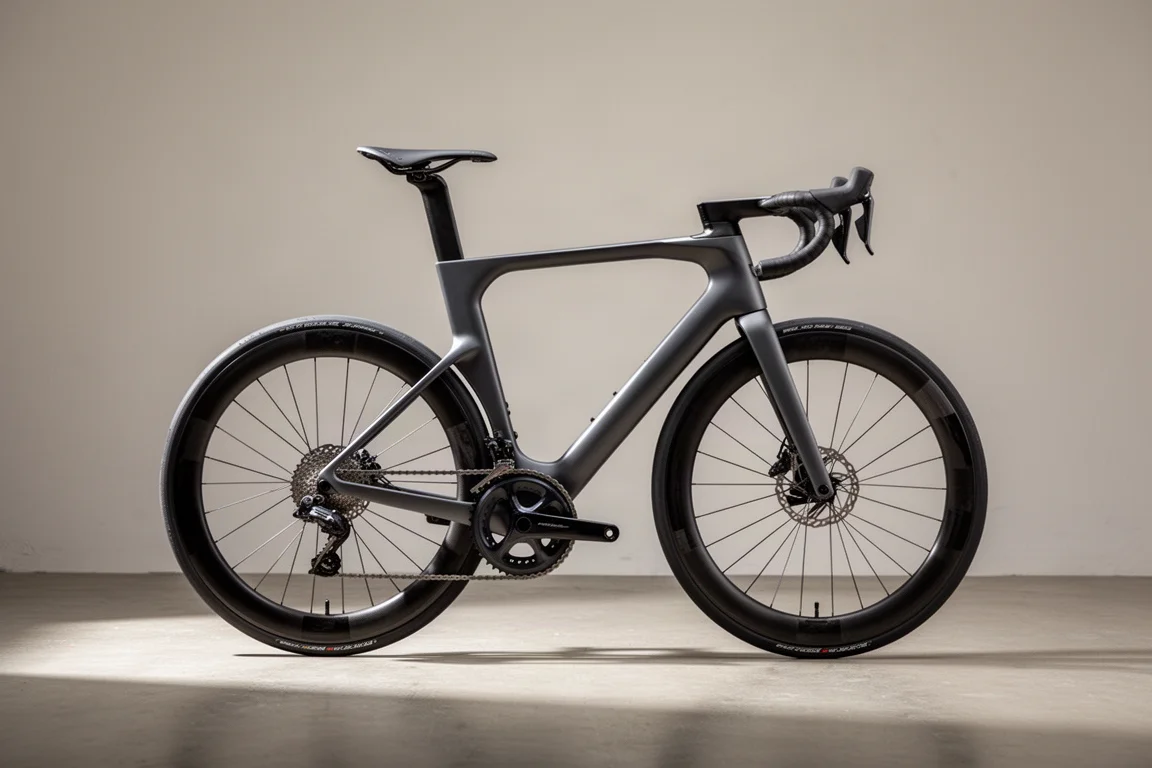
The eighth-generation Trek Madone SLR arrives with a change that matters more than any individual tube shape. Trek has retired the Émonda SLR and merged its aerodynamic and lightweight race bikes into one model, a consolidation that echoes what Specialized did when the Venge and Tarmac became a single platform. The Madone name dates back to 2003, and it is now Trek’s only road race bike.
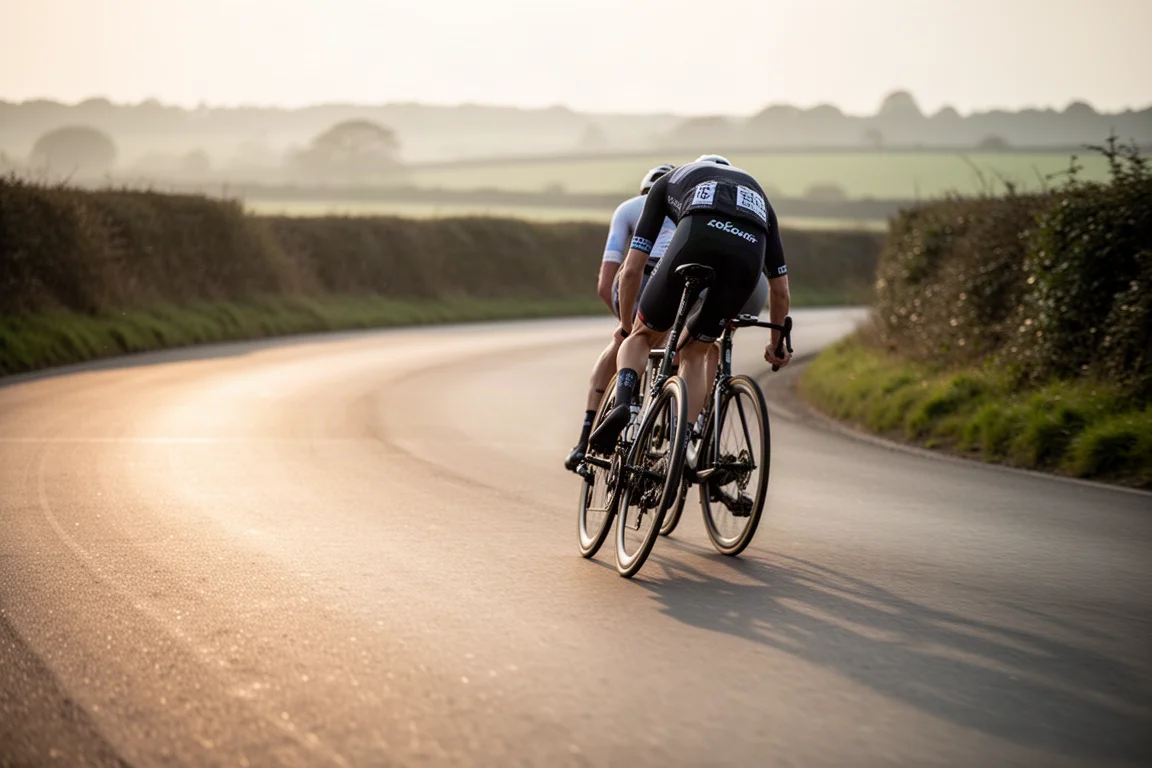
The engineering story is about combining two sets of priorities rather than picking one. Trek says the new bike is as light as the previous Émonda while being considerably faster aerodynamically, and as fast as the previous Madone while being substantially lighter. Development work began in 2021, originally aimed at a next-generation Émonda, before new tube shapes convinced the team that a very light bike could also be a very fast one, and the project shifted to a single merged platform.
What Changed for This Generation
The IsoFlow opening in the seat cluster carries over, and it remains the most distinctive visual feature of the frame. Trek claims a large increase in vertical compliance through that area compared with the previous Madone, alongside weight and stiffness improvements. Engineers worked through several seat cluster layouts, including different IsoFlow sizes and two bridge shapes, before settling on the current design as the best balance of comfort, torsional rigidity and aerodynamic performance. The frame has now been ridden hard for several seasons, and Trek reports no structural issues.
Claimed frame weight is 796 g for a painted size 56, with the fork at a claimed 350 g. Trek reaches those numbers with a new top-tier carbon layup called OCV 900, a higher grade than previously used on the Madone, plus a bladder molding process shaped to match the frame that reduces internal wrinkles and imperfections. The fork is molded as a single piece. Trek describes the result as the stiffest bike it has ever made.
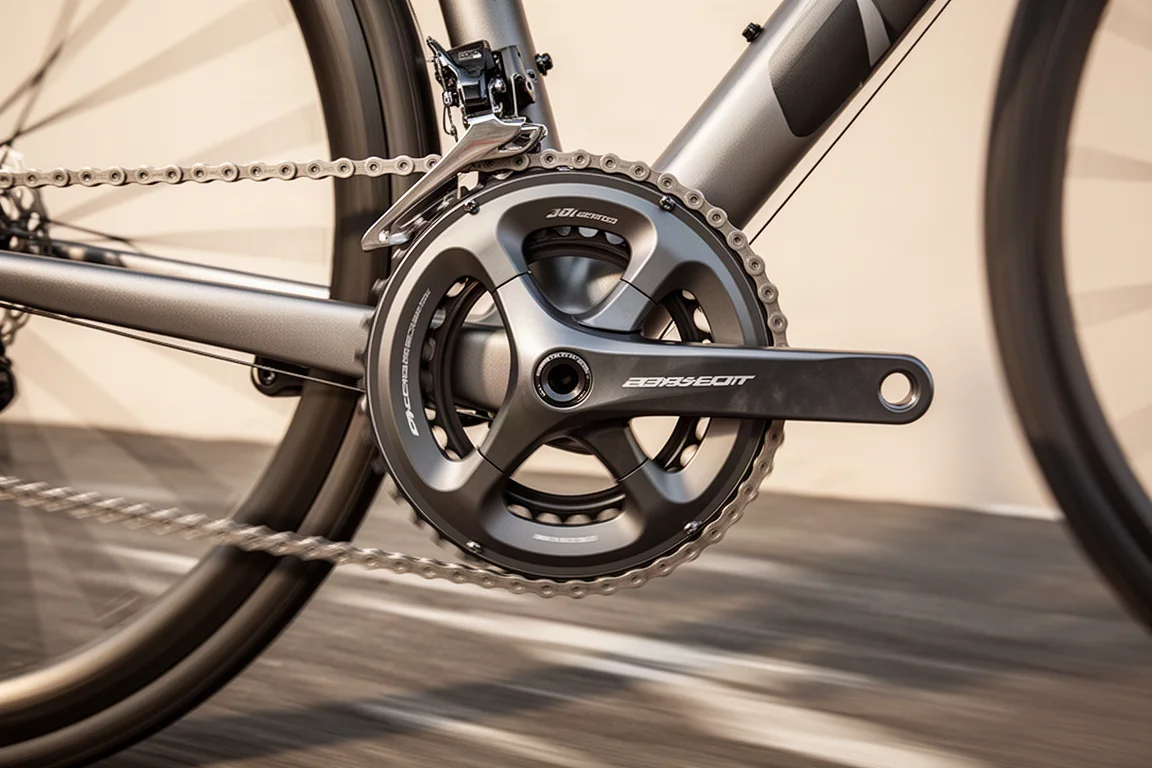
Practical details get attention too. There is a T47 threaded bottom bracket, a SRAM UDH derailleur hanger, and shared upper and lower headset bearing diameters across the entire road range, which simplifies servicing. Geometry has been revised with six sizes instead of eight, spread more widely to reduce overlap, and the frame keeps the aggressive H1.5 race position.
On aerodynamics, Trek is not claiming a step forward over the previous Madone. Performance is described as on par with the outgoing generation, and the focus instead went to weight. There are all-new tube shapes and cross-sections, a new handlebar, and aero water bottles that Trek says save three watts on their own, though standard round bottles still fit the cages. Aero road bikes in general are reaching a plateau, with recent generations from several brands delivering only small incremental gains.
Who This Bike Is For
This is a bike for racers and fast group riders who want one machine that covers climbing, sprinting and descending without choosing between an aero frame and a lightweight frame. The merged platform removes a decision that used to sit in front of every rider buying a top-end race bike.
Riders who chose the Émonda specifically for the lowest possible build weight are the ones most affected. The new Madone is heavier than the Émonda at frame level, and the chance to build a very light 6.7 or 6.8 kg bike around that platform has gone. For everyone else, the trade is straightforward: a single bike that performs well in every scenario rather than two specialised ones.
Main Strengths
Stiffness and response are the standout qualities. Sprinting or closing a gap, the Madone SLR reacts sharply, and out-of-the-saddle efforts on steep gradients feel planted. The front end stays composed under hard pedalling rather than wandering from side to side. In terms of feel, it sits above the Tarmac SL8 for stiffness but below the Dogma F.
The cockpit shape does a lot of the work. The hood position is narrow, while the drops are 3 cm wider than the hoods. Trek claims that alone delivers a 15-watt drag reduction, largely because it brings the shoulders and arms closer together for a smaller frontal area. The result is a bar that is efficient on the flat and confidence-inspiring when the road tips downward, which is a rare combination.
Descending and rolling terrain suit the bike particularly well. On flowing roads with sweeping corners it carries speed easily, and the wide drops add leverage for steering input. On a route with long climbs, punchy climbs and fast descents, it never feels out of place.
Ride Impressions and Handling
Over two days of riding in the hills southwest of Madrid, the new Madone felt much more like a Madone than an Émonda, and the handlebar shape is a large part of that impression. On flat roads the narrow hood position is efficient and comfortable to hold for long stretches.
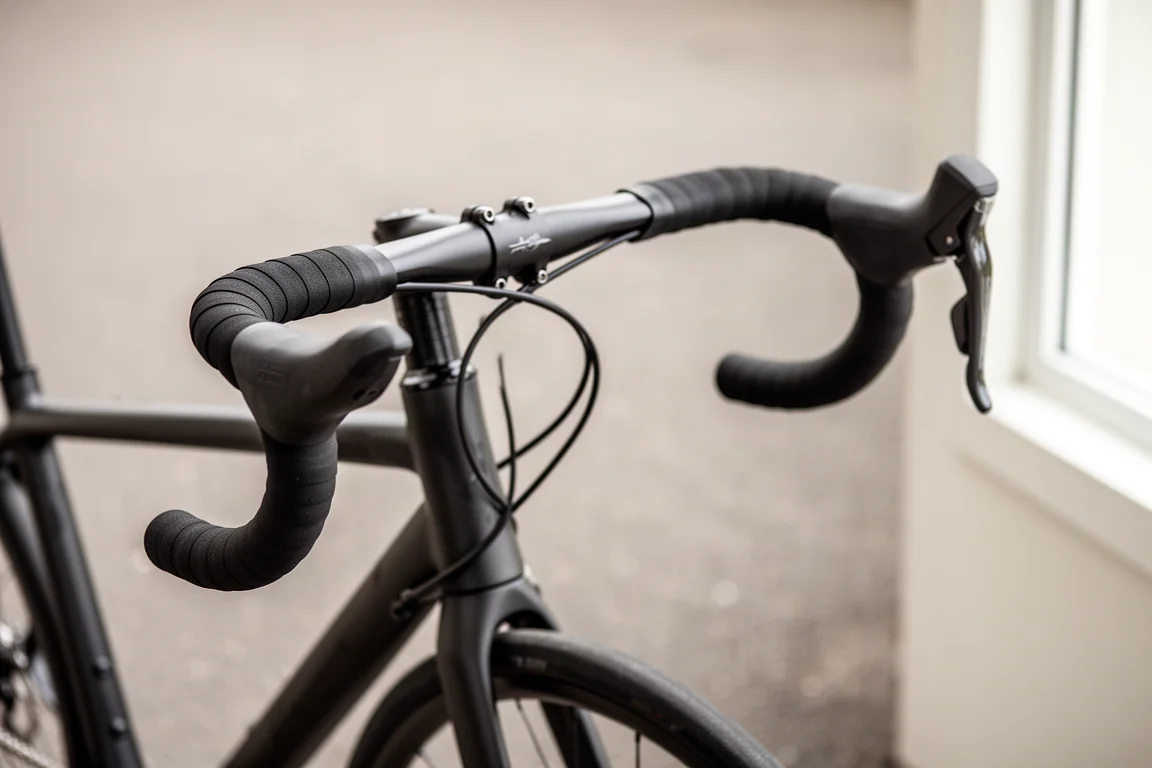
In the drops, the extra width pays off. Descending felt controlled and natural, and climbing out of the saddle was noticeably better than on a Dogma F, which tended to flop from side to side in the same situation. The roads in the region were mostly smooth, and on broken tarmac the ride did not absorb impacts especially well, so the claimed compliance gains are worth verifying on rougher, more familiar surfaces before treating them as settled.
Things to Consider Before Buying
Weight is the main caveat. Trek claims an SLR 9 with SRAM Red AXS in size ML weighs 7 kg. The bike actually ridden, a size ML with SRAM Red AXS and no bottles, pedals or computer fitted, measured 7.34 kg on the scales. That is roughly the same as the previous Madone, heavier than several all-rounder rivals in the same category, and heavier even than a dedicated aero race bike such as the Giant Propel Advanced SL. The claimed frame weight is also above the Émonda’s sub-700 g figure.
Aerodynamics are another point to weigh carefully. Trek positions the new bike as matching the previous Madone rather than beating it, so riders upgrading from a recent Madone are buying lower weight and added stiffness rather than more speed. Anyone expecting a meaningful aero jump should reset expectations.
Compliance remains the open question. Trek’s claims are ambitious, and the smooth roads of the launch route were not a fair test. Riders who prioritise comfort on rough tarmac should try the bike on their own roads before committing.
Buying Advice and Build Options
Trek offers the Madone in eight builds. The SL tier uses a lower grade of carbon fibre but keeps the same frame features, with prices starting around $3,500 and rising to roughly $6,400. The SLR tier uses a lighter carbon frame and costs considerably more, and Project One paint options include the Interstellar finish. Framesets are available in both SL and SLR versions for riders building from their own parts.
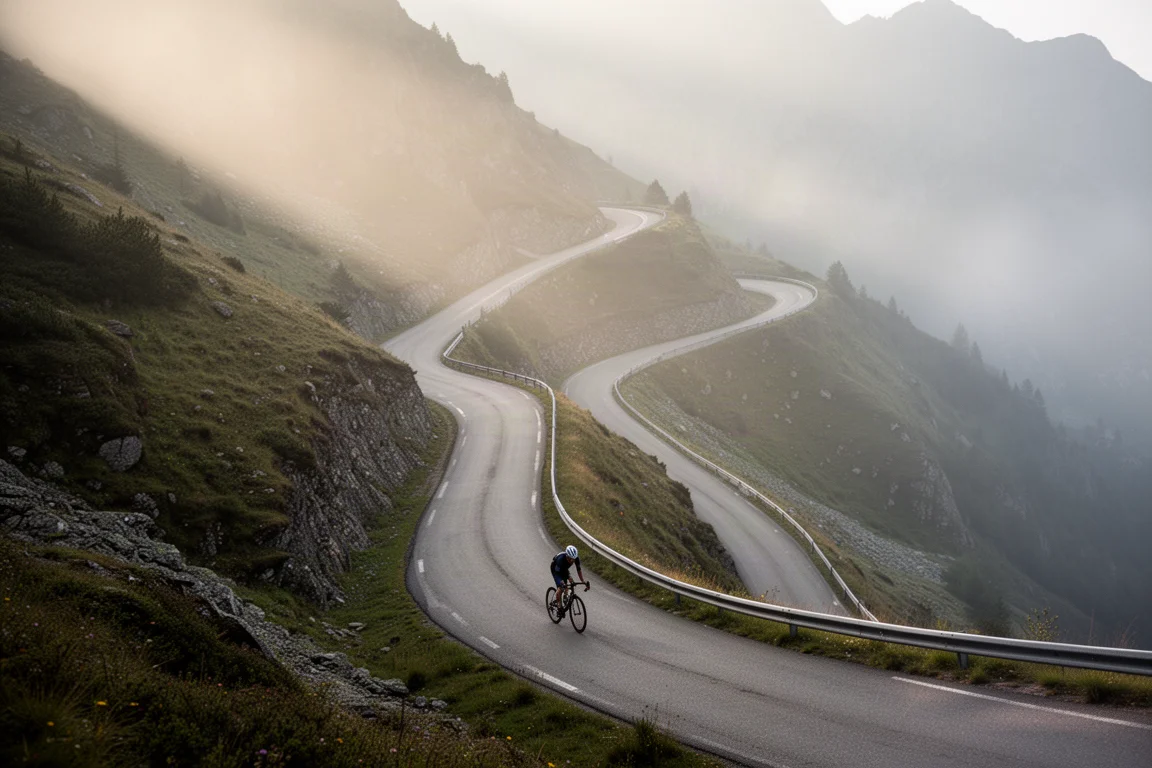
For most riders the SL builds look like the sweet spot, since they carry the same design, geometry and features with only a modest weight penalty. Step up to the SLR if the lightest possible frame matters to you, or if you want a specific Project One finish. If your priority is the lowest achievable build weight, the Émonda remains the reference point and the Madone is not a like-for-like replacement. If you want one race bike that handles climbs, sprints and descents without compromise in any single area, this is a strong and genuinely versatile option.
Conclusion
The eighth-generation Madone SLR is a stiff, fast and confident race bike that works across a wide range of terrain, and the merged platform makes the buying decision simpler for racers and fast riders. The compromises are real and worth naming: it is not as light as the Émonda it replaces, and its aerodynamic performance matches rather than beats the outgoing Madone. Riders who value low build weight above all else should look carefully at the alternatives, while riders who want a single bike for climbing, sprinting and descending will find very little to fault here.
Product link
View more details for Trek Madone SLR
This product is mentioned in the review. Check the specifications, options, and compatibility before buying.
View more details for Trek Madone SLRFurther reading
Related Reviews

Road Bikes
10 New Road Bikes Worth Watching: Aero, Titanium, Steel and Endurance Standouts
A practical roundup of 10 new road bikes, from aero flagships chasing single-watt gains to titanium, steel and endurance platforms built for real roads.
Road Bikes
2026 Tour de France Road Bikes: Six Race Machines Worth a Closer Look
Six race bikes from the 2026 Tour de France grid, reviewed for paint, silhouette, wheels and the specification details that matter to buyers.
Road Bikes
3T Strada Italia Review: A Radical Aero Road Bike That Rides Smooth
A made in Italy carbon aero road bike with a deep head tube, wide tire clearance and a genuinely comfortable ride. Here is what to know before buying.