Road Bikes
Trek Madone SLR (Gen 8) Review: One Race Bike for Climbs, Sprints and Flat Speed
Trek has folded the aero Madone and the lightweight Emonda into a single race platform. Here is what changed on the Gen 8 Madone SLR, how it rides, and who should buy it.
Introduction
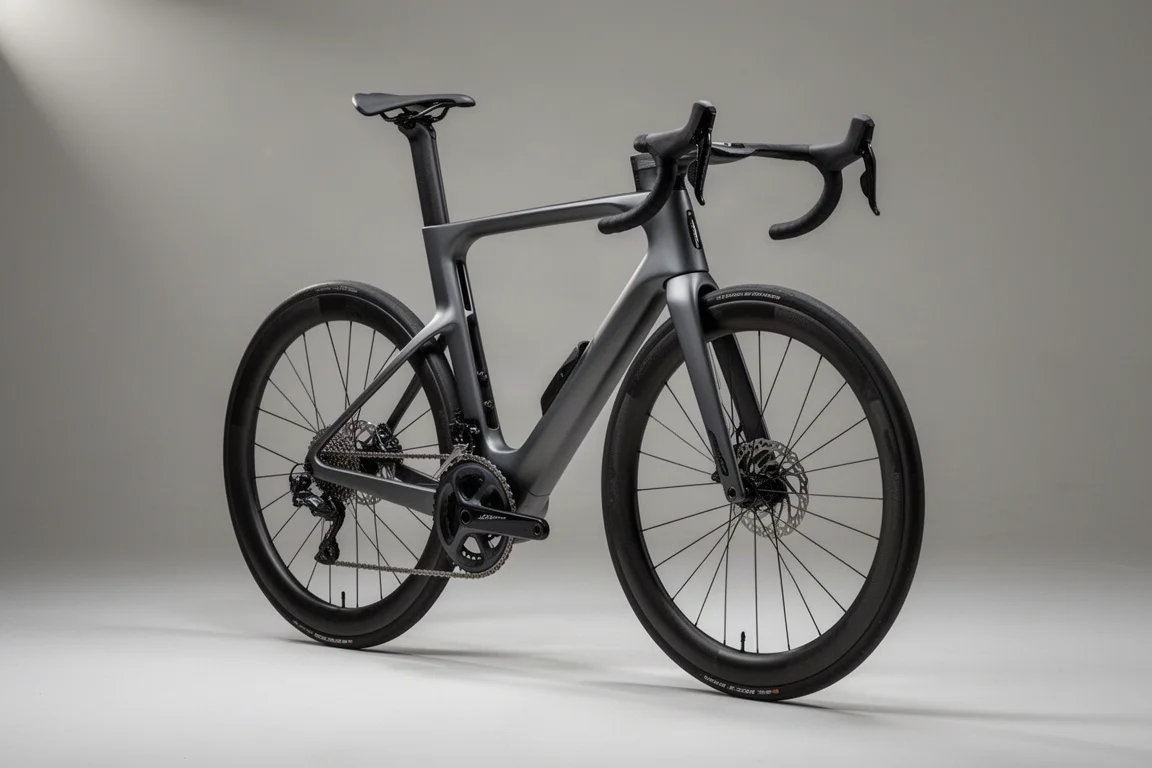
Trek has consolidated its road racing range into a single model. The eighth-generation Madone SLR replaces both the outgoing Madone and the Emonda SLR, which has been discontinued. It is a similar move to the one Specialized made when it folded the Venge into the Tarmac, and it reflects a wider shift in the road market: riders are increasingly offered one frameset that is expected to climb, sprint and hold speed on the flat.
The Madone name has been Trek’s race bike since 2003. It began as a lightweight carbon racer and became steadily more aerodynamic, while the Emonda arrived in 2014 as a dedicated climbing platform. Ten years later the two ideas have converged again. Trek’s central claim is straightforward: riders coming from an Emonda get a bike that is just as light but dramatically faster aerodynamically, while riders coming from the previous Madone get a bike that is just as fast but dramatically lighter.

That is an appealing promise, and it removes a decision that has frustrated buyers for years. The question is whether the numbers behind it hold up in the real world, particularly on weight, where the new bike faces stiff competition.
Who the Trek Madone SLR (Gen 8) Is For
The Gen 8 Madone SLR is aimed at racers and fast group riders who want a single bike that performs everywhere: long climbs, punchy ramps, sprint finishes and flat, fast roads. It also suits riders who prefer the simplicity of one race platform over choosing between an aero bike and a climbing bike.
It is less obviously aimed at riders whose top priority is the lowest possible build weight, since the new frame is heavier than the Emonda it replaces, and at riders who want the very lightest frame currently available in the all-round race category.
What Changed: One Bike Instead of Two
Trek says development began in 2021, initially as work towards a next-generation Emonda. New tube shapes developed during that project showed that a very light bike could also be genuinely fast, and the project shifted into the new Madone. Rather than pursuing incremental gains across two separate platforms, Trek chose one larger step.
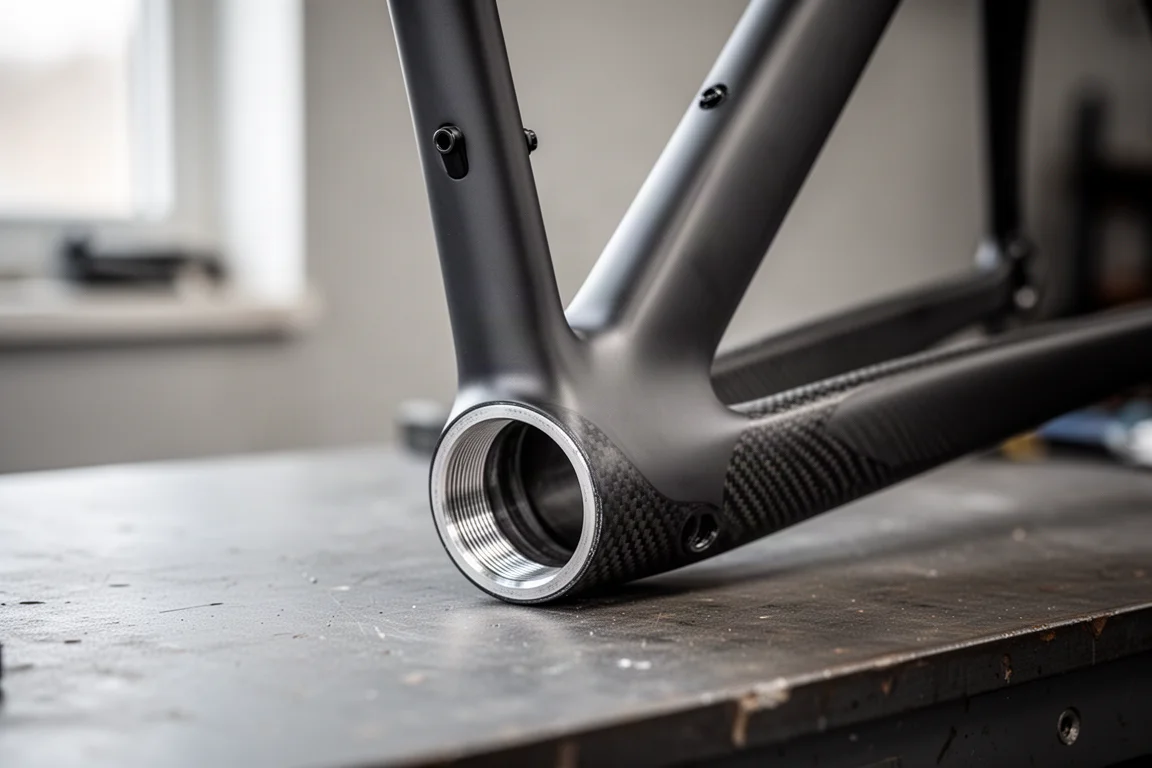
Two manufacturing developments underpin the frame. The fork is moulded as a single piece using a new moulding technology, which contributes to its low weight. A new bladder moulding process, shaped to match the frame, reduces wrinkles and imperfections on the inside of the tubes, which saves weight and improves structural integrity. The IsoFlow opening in the seat tube, introduced on the seventh-generation Madone, carries over to the new bike.
Frame, Weight and Stiffness
Trek claims 796 g for a size 56 painted frame. That is 370 g lighter than the previous Madone, but still heavier than the Emonda, which sat just under 700 g. The fork drops to 350 g. The savings come from a new top-level carbon layup called OCLV 900, along with the bladder moulding process described above. Trek says the result is also the stiffest bike it has ever made.
Complete-bike weight is where the picture becomes more complicated. Trek claims around 7 kg for an SLR 9 with SRAM Red AXS in size ML. A size ML SLR 9 with the same groupset weighed 7.34 kg without bottles, pedals or a computer, which is a meaningful gap from the claim.
Even taking the claimed figure, the new Madone is heavier than a Specialized Tarmac SL8 and a Pinarello Dogma F, two all-round race bikes chasing the same aero and lightweight balance, and heavier than a Giant Propel Advanced SL, which is a pure aero race bike. For riders who prioritise weight, that is the central caveat of this bike, and it closes off the option of building a 6.7 to 6.8 kg bike that the Emonda made possible.
Aero Performance and the New Cockpit
The new Madone is not more aerodynamic than the bike it replaces. Trek states that aero performance is the same as the previous generation, with the focus placed on reducing weight instead. There are still all-new tube shapes and cross-sections, a new handlebar and new aero water bottles, which Trek claims save three watts on their own. Standard round bottles still fit the cages, so the aero bottles are an option rather than a requirement.
The cockpit does much of the work. The hoods are narrow, as on the previous Madone, while the drops are 3 cm wider than the hoods, a shape claimed to reduce drag by 15 watts by bringing the shoulders and arms closer together and shrinking frontal area. In practice the narrow hood position encourages an efficient posture on flat roads, while the flared drops add leverage and control when descending.
Where the new bike does show a large aero advantage is against the outgoing Emonda. Trek’s claimed savings grow with speed: 13 watts at 22 mph, 43 watts at 34 mph and 74 watts at 40 mph.
IsoFlow: Comfort, Compliance and Durability
The opening in the seat tube remains the most distinctive feature of the frame. Trek claims it delivers an 80 percent increase in vertical compliance compared with the previous Madone and 24 percent more than the Emonda, while also helping weight and stiffness. Development involved multiple seat cluster concepts, different stay layouts and several IsoFlow sizes, including a prototype tool with flat and V-shaped bridges. The final design was chosen as the best balance of comfort through the seat mast, torsional rigidity where the stays meet the top tube, and aerodynamics.
The new OCLV 900 process also allows meaningful weight savings in this area of the frame. The design has now been in service for several seasons, and Trek notes that the bike has been raced in punishing conditions, including cobbled racing, and put through laboratory testing without failures. That addresses the early scepticism about whether an opening in the seat tube could compromise structural integrity.
Ride Impressions and Handling
On the road, the Gen 8 Madone feels closer to a lighter Madone than to an Emonda, and much of that impression comes from the handlebar, which shares a similar shape and geometry with the previous Madone’s. On flat roads the narrow hood position puts the rider into an efficient, aero tuck. In the drops, the extra width and flare give noticeably more control and steering leverage on descents, and the combination works well.
Climbing out of the saddle on steep gradients, the front end stays planted and drives forward rather than wandering from side to side. That is a contrast with the Dogma F, which felt less settled when ridden hard out of the saddle. The Madone is clearly stiff under sprinting and when closing a gap, responding sharply. In stiffness terms it sits between two well-known references: stiffer than a Tarmac SL8, but not quite as stiff as a Dogma F.
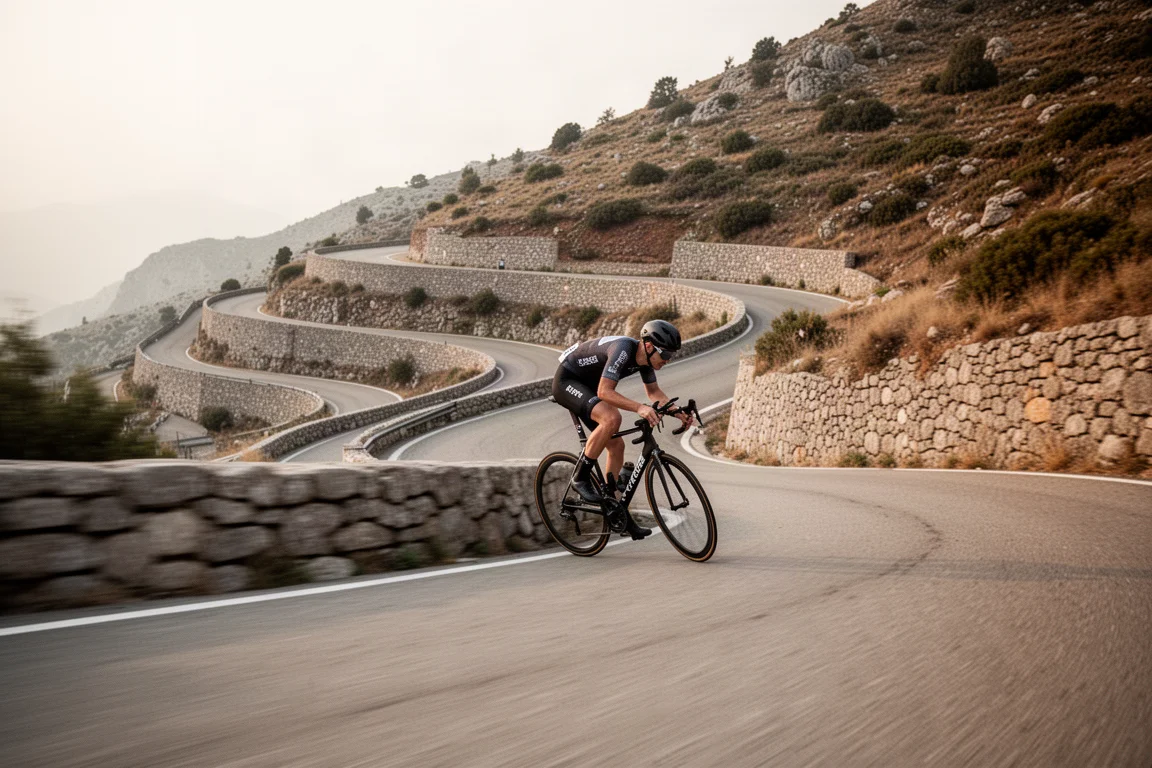
On smooth tarmac the bike is superb, and the terrain used for the first rides, rolling hills with long climbs, punchy ramps and flowing descents, suited it well. On broken surfaces, however, jolts and bumps came through more than expected. The claimed compliance gains need further testing on rougher, more familiar roads before they can be fully verified. Overall the ride is smoother than a Dogma F and closer to a Tarmac, which is a useful reference point for riders weighing comfort against outright race feel.
Things to Consider Before Buying
The biggest question mark is weight. The Gen 8 Madone SLR is a light frame, but it is not the lightest in its class, and the measured complete-bike weight sits above Trek’s claim. Riders who want the lightest possible build now have to look outside the Madone range, because the Emonda is no longer an option.
Aerodynamics are effectively carried over from the previous generation. That is not a weakness, since the previous Madone was already a fast bike, but anyone expecting a step forward in drag savings over the outgoing Madone will not find one.
Sizing has changed. The range drops from eight sizes to six, with less overlap between adjacent sizes and a wider overall spread, so choosing a size should be simpler even though there are fewer options. The H1.5 geometry is race-focused and low at the front, so a professional bike fit is worth the time before committing.
Finally, the price ladder is steep. SL builds start at around $3,500 and run to about $6,400, while SLR builds with the lighter carbon frame cost considerably more. A Project One Interstellar paint finish adds a significant premium because the finish is unusually time consuming to apply.
Buying Advice: Which Madone Build Makes Sense
Trek offers the new Madone in eight builds. The SL models use a lower grade of carbon fibre but keep the other features of the platform, including the frame shape, the IsoFlow seat tube and the aero cockpit. The SLR models step up to the lighter carbon frame. Framesets are also available, with the SL frameset priced at around $3,800.
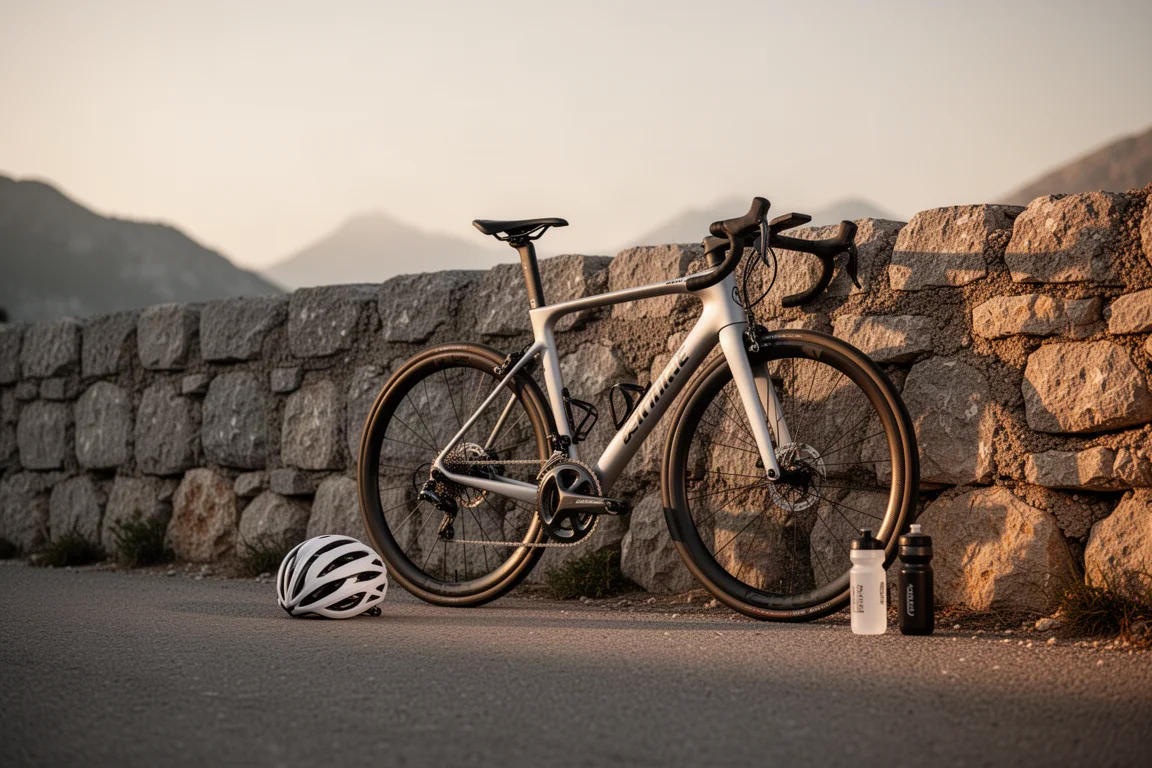
For most riders, the mid-range SL builds look like the sensible entry point: they carry the same design and much of the same performance at a far lower price. The SL6 in particular looks like a sweet spot in the range, offering close to the performance of the top-end model with a small weight penalty. Riders who race at a high level, or who simply want the lightest frame Trek offers, will gravitate to the SLR builds, but the gap in weight between SL and SLR is smaller than the gap in price.
A few ownership details are worth noting. The bottom bracket is a threaded T47 design, which many mechanics and home wrenches prefer for serviceability. The frame uses a SRAM UDH derailleur hanger, which makes replacement straightforward. Trek has also standardised headset bearings across its entire road range, with the same upper and lower bearing diameter, which simplifies spares.
Conclusion
The eighth-generation Madone SLR is a convincing all-round race bike. It is fast, stiff, composed on descents and much quicker aerodynamically than the Emonda it absorbs, and it removes the aero-versus-lightweight decision that used to sit in front of every buyer. For racers who want one bike for every kind of road, that is a genuinely useful outcome.
The caveat is weight. Against the lightest all-rounders in the category, the new Madone is not the standout, and the measured complete-bike figure lands above Trek’s own claim. Riders who treat low weight as the deciding factor should look carefully at the alternatives, while riders who want a fast, planted and practical race bike with a strong frame platform and sensible standards will find a lot to like here.
Product link
View more details for Trek Madone SLR
This product is mentioned in the review. Check the specifications, options, and compatibility before buying.
View more details for Trek Madone SLRFurther reading
Related Reviews

Road Bikes
10 New Road Bikes Worth Watching: Aero, Titanium, Steel and Endurance Standouts
A practical roundup of 10 new road bikes, from aero flagships chasing single-watt gains to titanium, steel and endurance platforms built for real roads.
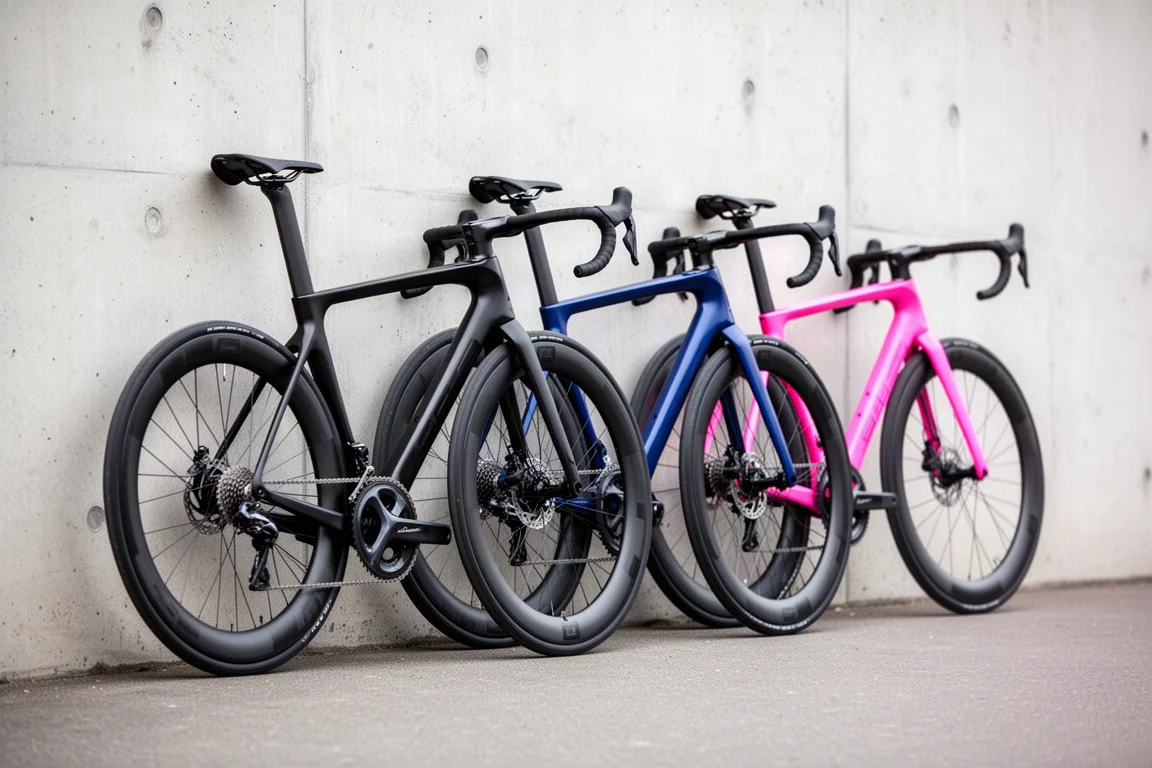
Road Bikes
2026 Tour de France Road Bikes: Six Race Machines Worth a Closer Look
Six race bikes from the 2026 Tour de France grid, reviewed for paint, silhouette, wheels and the specification details that matter to buyers.
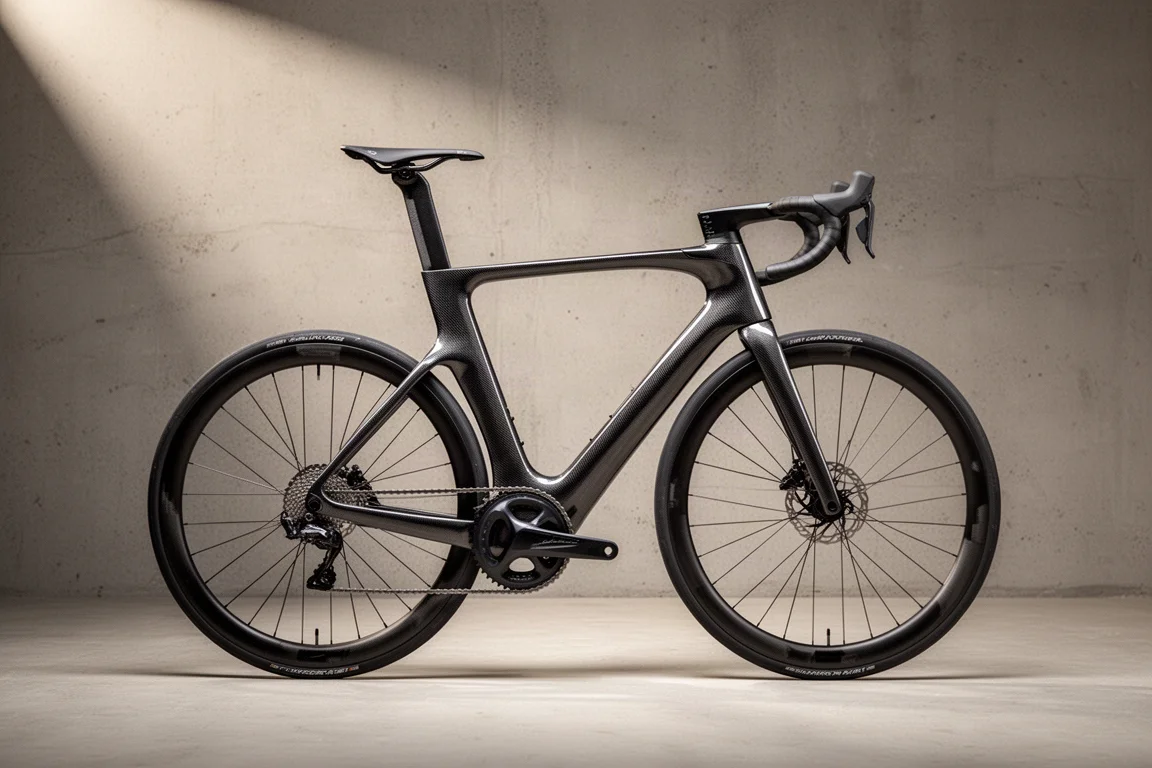
Road Bikes
3T Strada Italia Review: A Radical Aero Road Bike That Rides Smooth
A made in Italy carbon aero road bike with a deep head tube, wide tire clearance and a genuinely comfortable ride. Here is what to know before buying.