Road Bikes
Trek Emonda SLR Review: A Lively, Firm Race Bike Two Years On
A close look at the Trek Emonda SLR, a lightweight race bike that climbs and handles brilliantly but asks riders to accept a firm, uncompromising ride.
Introduction
The Trek Emonda SLR is Trek’s lightweight race platform. The Emonda name first appeared in 2014 as a pure climbing bike, launched alongside the more aerodynamic Madone to give weight-conscious riders a dedicated option. That original flagship model was remarkably light for its time. The latest generation arrived roughly two years ago, and it is the version most riders will find in shops today.
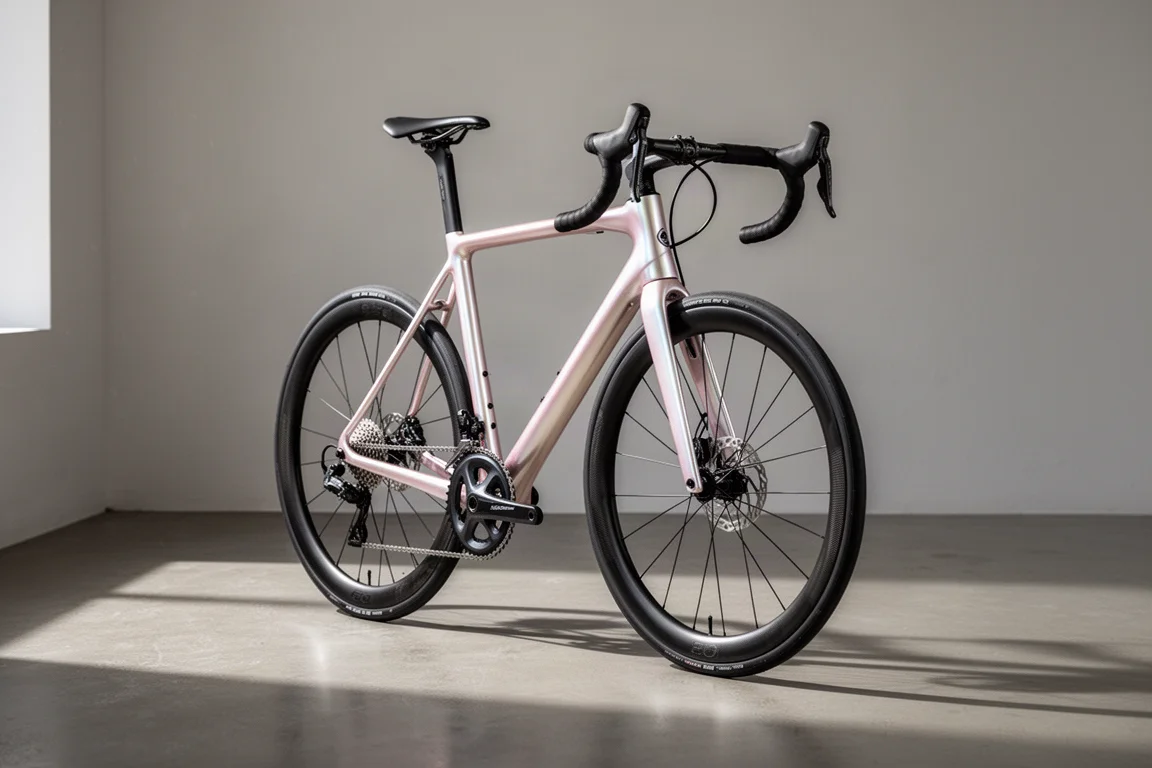
What has changed is the direction of travel. The new frame has had an aerodynamic makeover, with a narrow head tube, deep fork blades, and a reshaped down tube. What has not changed is frame weight. The original frame was claimed at 665 grams, while this one is 698 grams, so the pursuit of aero has come at a small cost rather than a gain.
That sets up the central question for anyone shopping in this category: does the Emonda SLR still make sense as a lightweight all-round race bike, and what kind of rider will actually enjoy it? The answer depends heavily on how much you value sharp, reactive handling versus a smooth ride.
In the UK the SLR range starts at around £6,000. Below it sits the SL range, which uses the same frame shapes but a lower grade of carbon fibre and starts at roughly £2,000. That price gap matters, because the SL frame weight rises from under 700 grams to over 1,100 grams, which is a substantial difference for a bike sold on the promise of low weight.
Who this product is for
This is a bike aimed squarely at racing and fast, focused riding. It suits riders who want a machine that feels alert and eager, who spend their time on climbs and smooth tarmac, and who prioritise a punchy, connected feel over long-distance comfort.
It is also a reasonable fit for riders who like to work on their own setup. The frame accepts a standard round handlebar and stem while still routing cables internally, so you are not locked into a one-piece cockpit. That is a genuinely useful detail for anyone who wants to change stem length, bar width, or stack height without buying a whole new front end.
It is a less obvious choice for riders whose roads are rough, who ride long gran fondo distances, or who want a race bike that stays comfortable deep into a five-hour day. Riders in that group should look carefully at how the frame behaves on broken surfaces before committing.
Main strengths
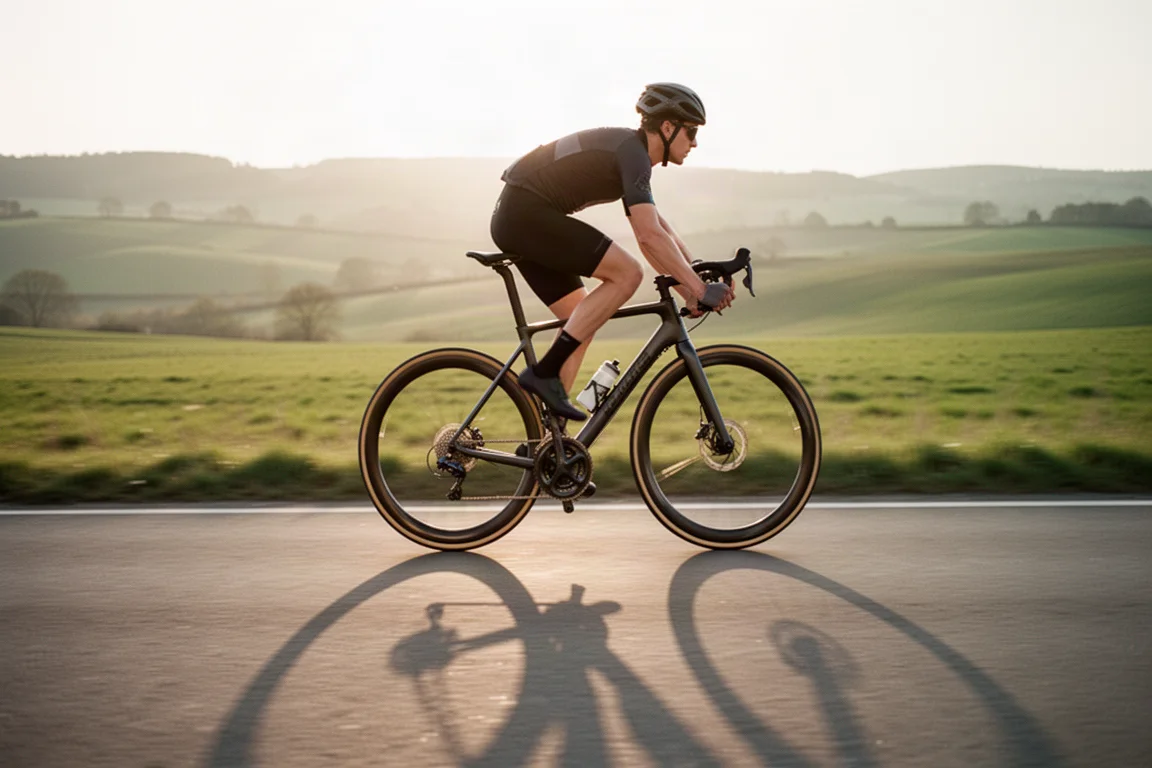
The standout quality of the Emonda SLR is how alive it feels. It is one of the most reactive race bikes around, responding immediately to accelerations and holding speed with very little encouragement. It urges you to ride fast, and it makes hard efforts feel rewarding rather than punishing.
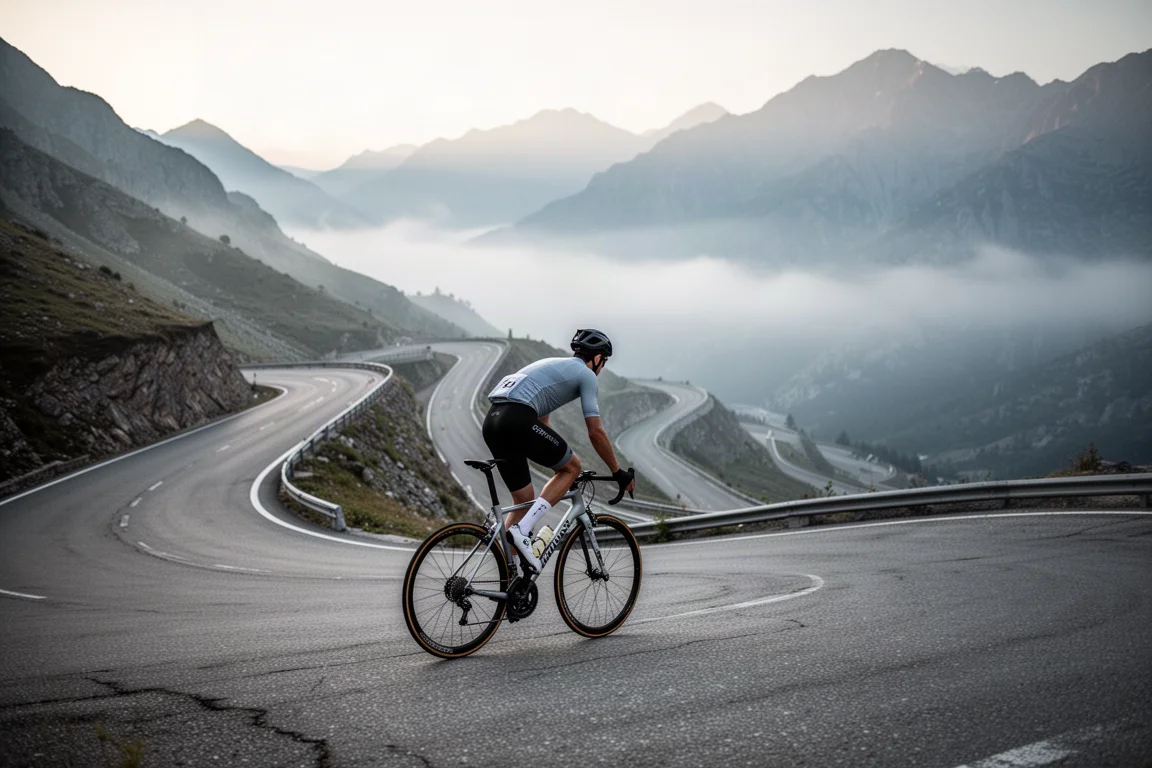
Climbing is the other clear strength. Despite a frame weight that is not exceptional on paper, the bike climbs better than its numbers suggest, likely helped by how stiff the frame is under load. Riders chasing personal bests on longer climbs will notice the difference.
Handling is exactly what you would expect from a race bike. Steering is precise, cornering is confident, and the bike does what you ask without drama. The H1.5 geometry strikes a sensible balance, neither aggressively slammed nor upright, and there is still room to drop the stem further if you want a lower, faster position.
There are practical wins too. The frame uses a T47 threaded bottom bracket, an oversized threaded design that is far easier to live with than the older press-fit standard Trek previously used. Official tyre clearance is 28mm, but 30mm tyres on a wide rim fit without issue, and there appears to be room for 32mm, which gives a useful route to extra comfort.
Finally, the finish deserves a mention. The pearlescent paintwork shimmers and shifts in sunlight, and it is one of the most striking finishes you will find on a production race frame.
Frame details and build notes
The aerodynamic story is worth understanding before you buy. When this generation launched, a significant part of its aero advantage came from the one-piece carbon handlebar and stem fitted to flagship models. On a build with a conventional round bar and stem, as tested here, a large share of that claimed benefit is given up. So the frame is shaped for aero, but how much of the package you actually get depends on which cockpit comes with your build.
The rear stays are not dropped, which keeps a more traditional silhouette, and the seat mast is not aerodynamically shaped either. Cable routing is fully internal. The bike as tested was built around a SRAM Force AXS groupset with deep-section wheels, and it weighed 7.4 kilograms in a size 56, which is respectable but not remarkable for this category.
Trek itself sells a Force-equipped Emonda SLR with its own wheels for around £8,000, so a comparable off-the-shelf build lands in that region. Shifting on the SRAM setup has been faultless, with clean front shifts and a wide gear range that suits steep terrain.
Things to consider before buying
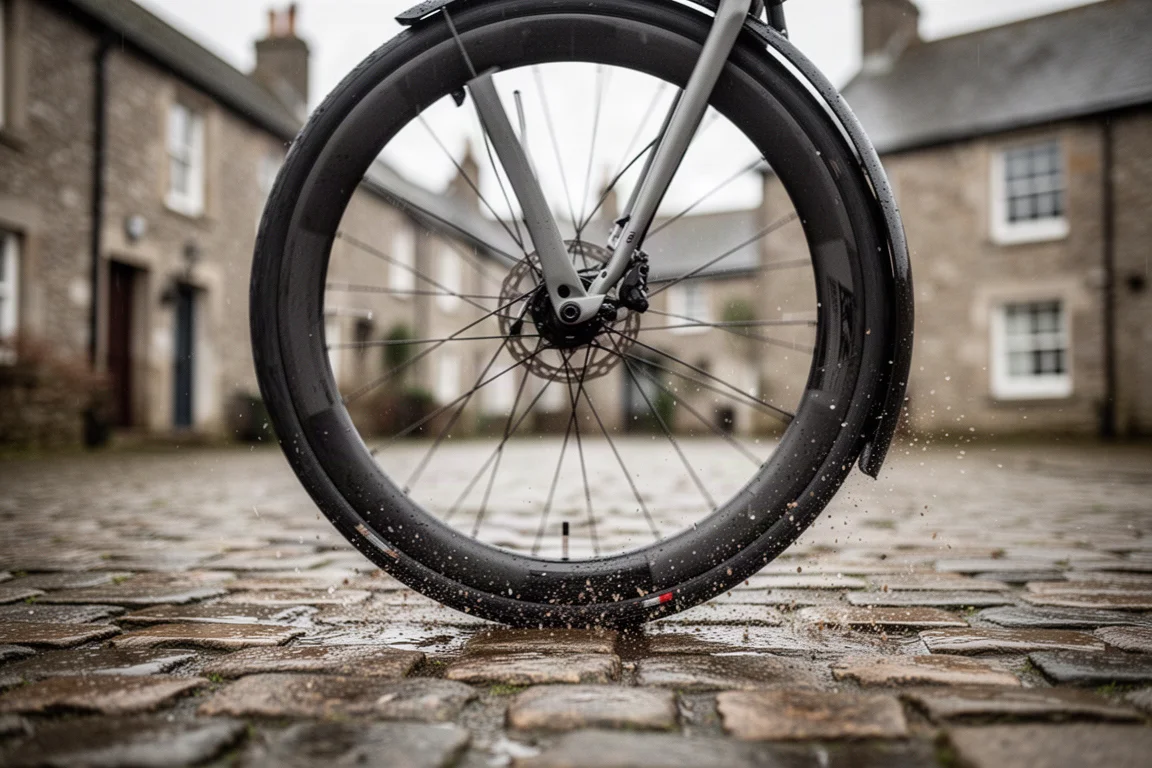
The main trade-off is ride quality. This is a firm bike, and on rough tarmac it crosses into harsh territory. It transmits more surface noise through the handlebar and saddle than most race bikes in the same class, and on cobbles it becomes a genuinely hard ride, even with 30mm tyres run at low pressure. If your local roads are broken or you race on pavé, that stiffness stops being a performance asset and starts being a daily annoyance.
The seat mast is another point to weigh up. Trek has used this design for years, and it means you cannot simply fit any round seatpost with a conventional clamp. It is a proprietary system, and from the saddle the benefits are hard to detect, so it mainly adds a constraint for owners who like to swap components or travel with a bike.
Two smaller gripes are worth noting. The downtube logo is very large, running up onto the head tube, which may not appeal to riders who prefer a subtler look. And the SL version below the SLR carries a frame weight above 1,100 grams, which undercuts the whole point of the Emonda name for weight-conscious buyers.
Aero performance is also difficult to verify in real-world riding. On flat roads at a steady effort, the bike does not feel noticeably faster than other race bikes, which is worth bearing in mind if aerodynamic efficiency is your main reason for looking at this frame.
Buying advice
If you are set on an Emonda, the SLR is the version that delivers the lightweight character the range is known for. The step down to the SL saves a lot of money, but the jump in frame weight is large enough that wheels, tyres, and groupset upgrades will not close the gap. Riders shopping specifically for a light bike should treat the SLR as the target and budget accordingly.
Set expectations on price as well. With SLR builds from around £6,000 and a Force-equipped model at roughly £8,000, this sits in premium territory, and there are strong alternatives in the lightweight aero all-rounder class that cost less or offer more for similar money. Within Trek’s own range, the more aerodynamic Madone is lighter in top-end builds, so riders whose priority is outright speed should compare the two carefully before deciding.
Size and fit are worth attention. The round handlebar and stem mean you can fine-tune reach and stack cheaply, and there is room to lower the front end if you want a racier position. Buyers who ride rough roads should plan on fitting the widest tyres the frame accepts, which will take some edge off the ride without changing the bike’s character.
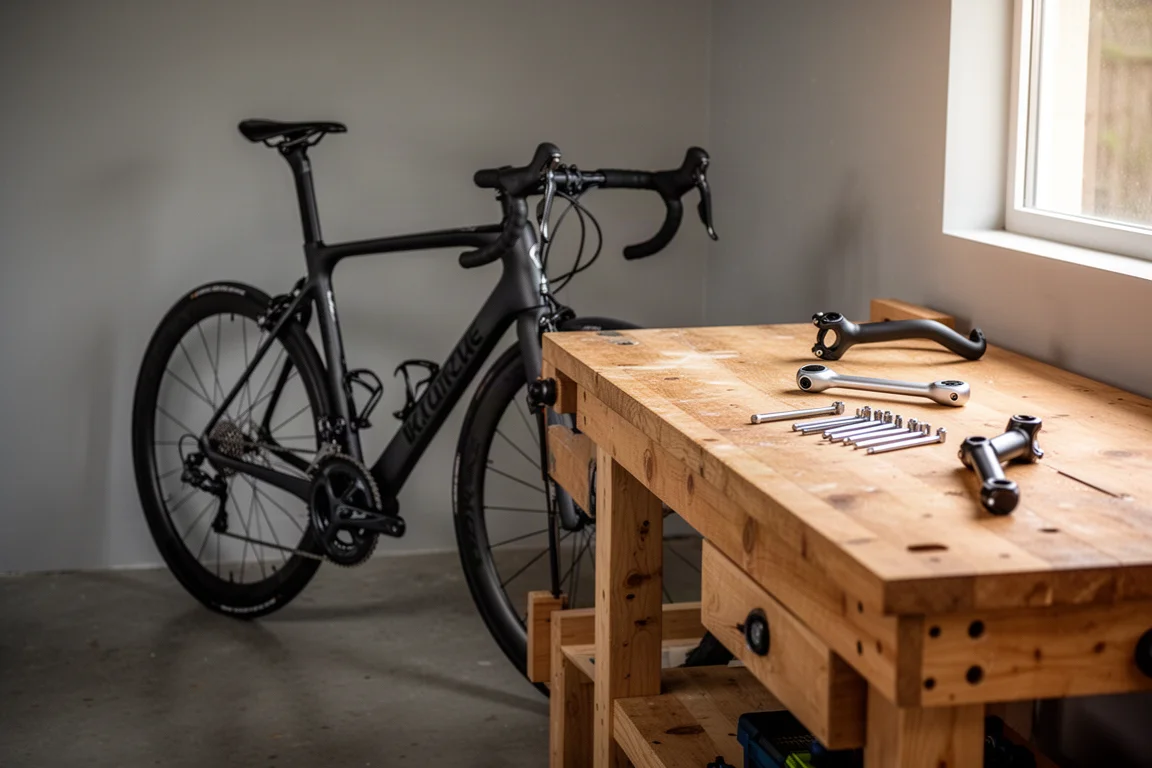
Above all, match the bike to your roads. On smooth climbs and fast descents this is a thrilling machine that rewards hard riding. On broken surfaces and cobbles, the same stiffness works against you, and that is the deciding factor for most buyers.
Conclusion
The Trek Emonda SLR is fast, stiff, and genuinely exciting to ride. It climbs better than its weight suggests, handles beautifully, and brings sensible details like a T47 threaded bottom bracket and a standard bar and stem with internal routing. The pearlescent finish is a highlight in its own right.
It is not, however, an easy recommendation for everyone. The ride is firm to the point of harshness on rough roads, the seat mast limits component freedom, and much of the aero advantage depends on the one-piece cockpit fitted to flagship builds. Riders who value comfort and all-day smoothness will find more complete race bikes elsewhere in the category.
Buy it if you want a lively, sharp, climb-focused race bike and your riding is mostly on reasonable tarmac. Think carefully if your local roads are rough, if you race on cobbles, or if you want a single bike that does everything comfortably.
Product link
View more details for Trek Emonda SLR
This product is mentioned in the review. Check the specifications, options, and compatibility before buying.
View more details for Trek Emonda SLRFurther reading
Related Reviews
Road Bikes
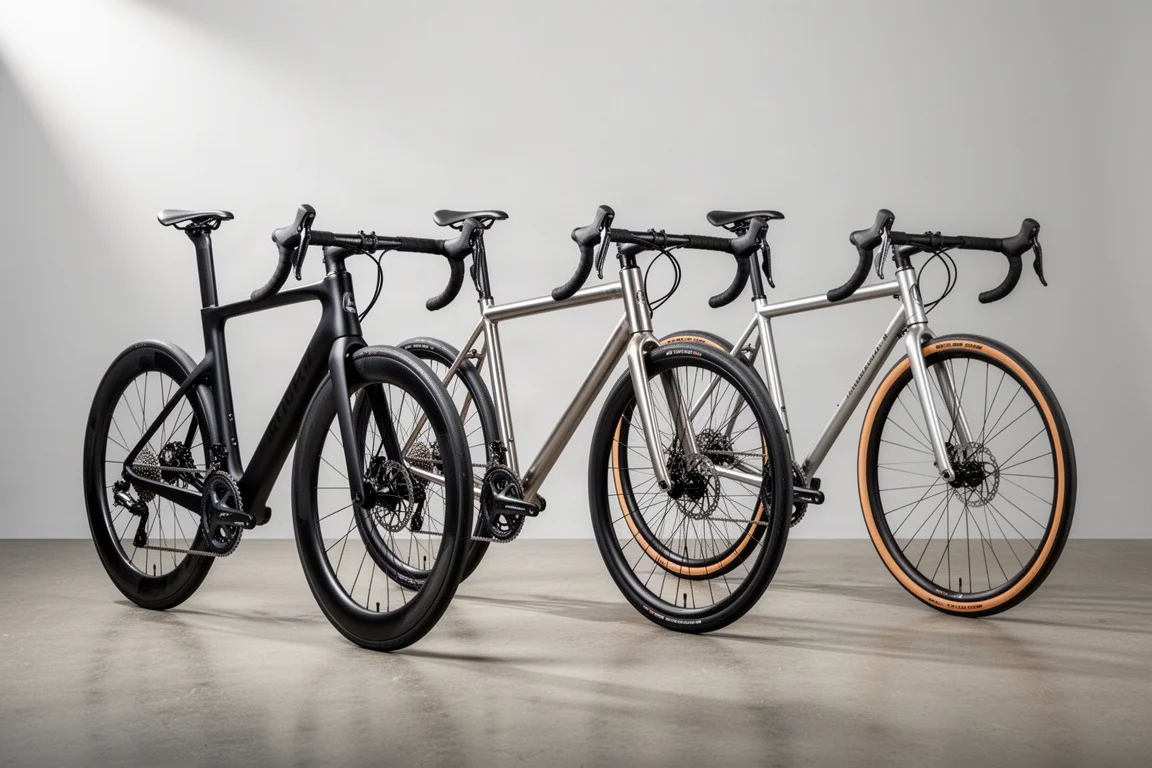
10 New Road Bikes Worth Watching: Aero, Titanium, Steel and Endurance Standouts
A practical roundup of 10 new road bikes, from aero flagships chasing single-watt gains to titanium, steel and endurance platforms built for real roads.
Road Bikes
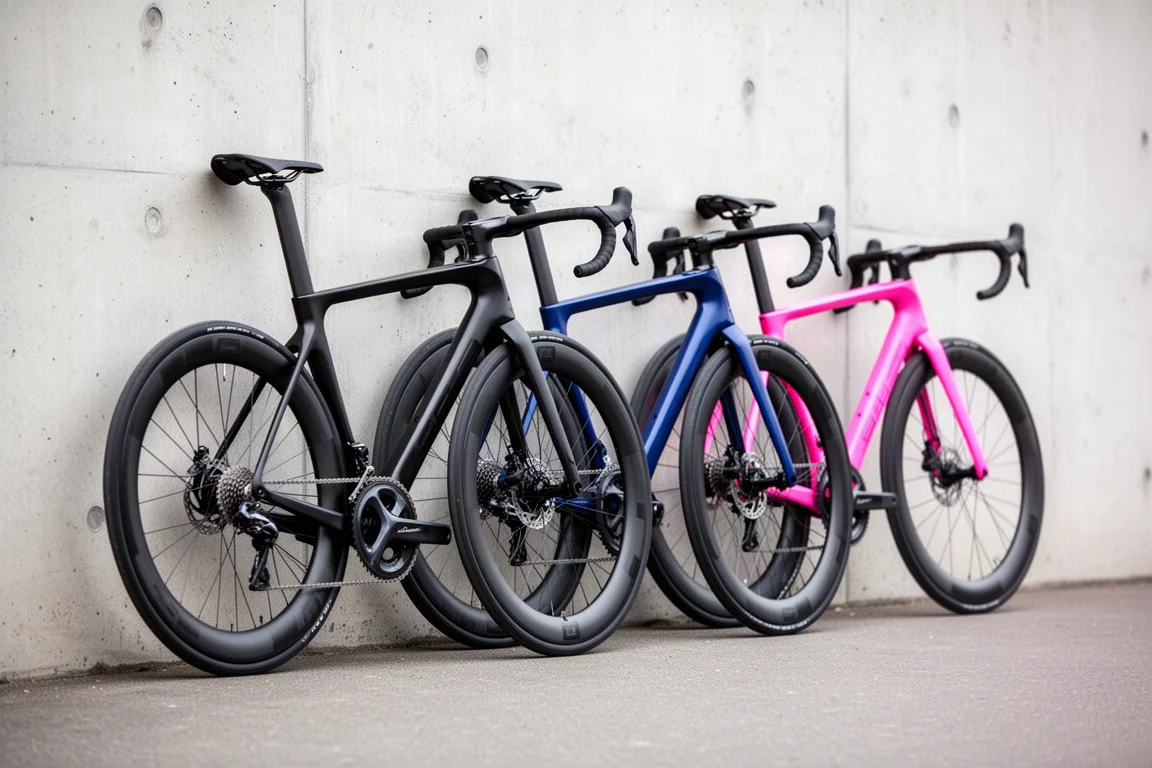
2026 Tour de France Road Bikes: Six Race Machines Worth a Closer Look
Six race bikes from the 2026 Tour de France grid, reviewed for paint, silhouette, wheels and the specification details that matter to buyers.
Road Bikes
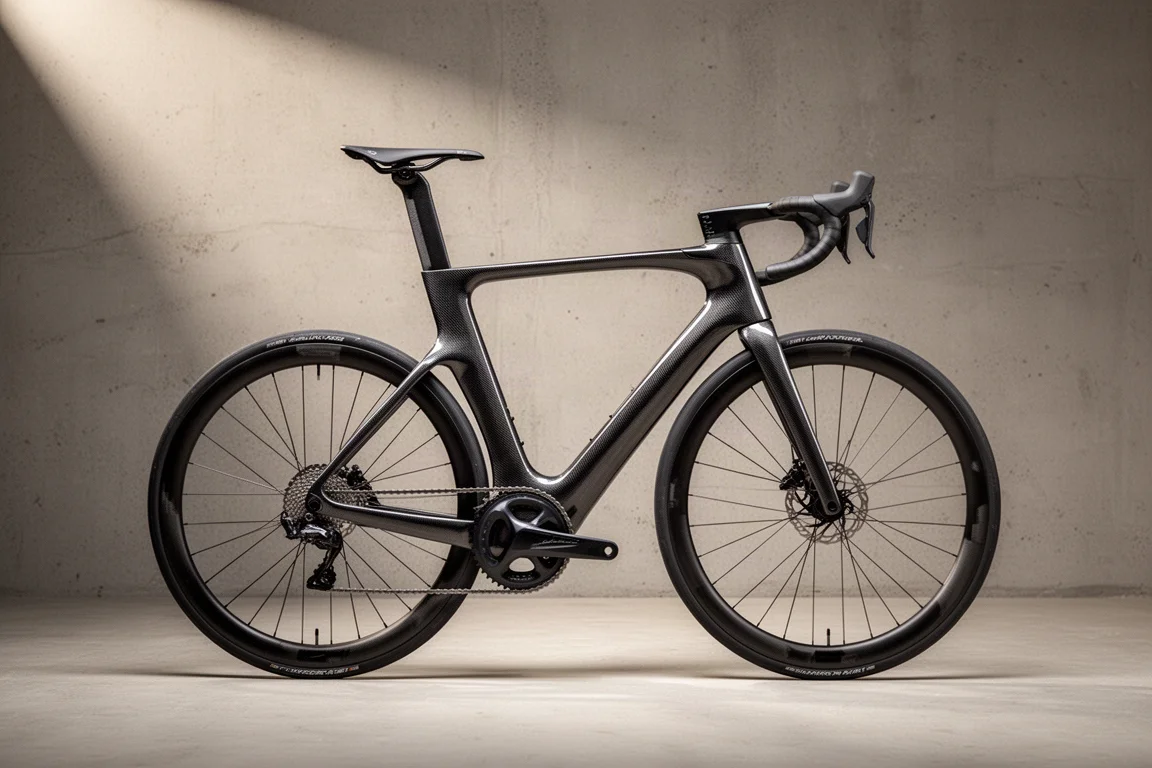
3T Strada Italia Review: A Radical Aero Road Bike That Rides Smooth
A made in Italy carbon aero road bike with a deep head tube, wide tire clearance and a genuinely comfortable ride. Here is what to know before buying.