Road Bikes
Trek Emonda ALR vs Specialized Allez Sprint vs Cannondale CAAD13: Premium Aluminum Race Bikes Compared
A practical comparison of three premium aluminum road race bikes, covering claimed weight, geometry, build options, tire clearance and value.
Introduction
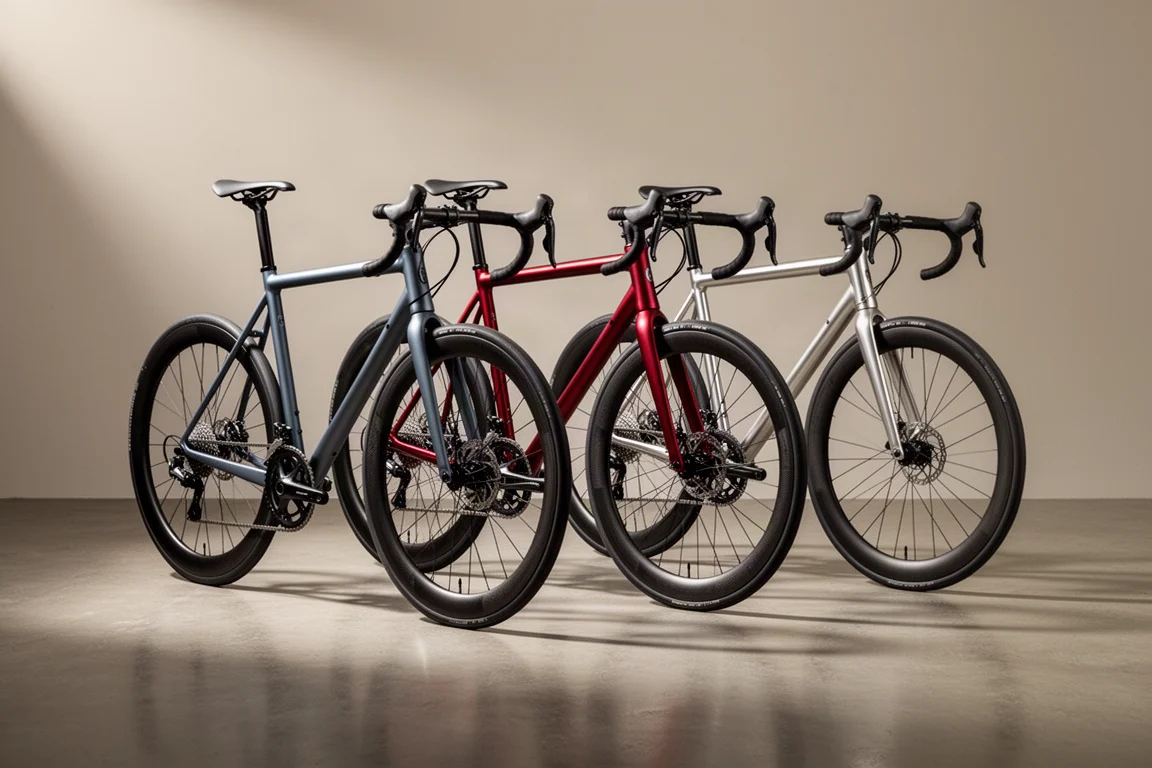
Trek has added a new Emonda ALR to its range, the aluminum counterpart to the carbon Emonda, positioned as the highest value road race bike in the lineup. It arrives in a category that is already well populated. The Specialized Allez Sprint and the Cannondale CAAD13 have occupied the premium aluminum race bike space for years, and each one approaches the brief from a slightly different direction.
The new Emonda ALR brings a lighter claimed frameset, a threaded bottom bracket and a more aggressive fit than the bike it replaces, but it also makes a few compromises worth understanding before you commit. This comparison sets out what each of the three bikes does well, where it falls short, and who it suits.
All three are built around the same idea: race-ready geometry and dependable components in an aluminum frame, at a price below a comparable carbon machine. The differences show up in claimed frame weight, fit, aero detailing, tire clearance and the range of builds on offer.
What Defines a Premium Aluminum Race Bike
Riders shopping in this space generally weigh five things: claimed frame and complete build weight, geometry and fit, aero detailing, tire clearance, and how many build options or frameset-only options are available.
Those criteria matter because the three bikes diverge sharply on them. One is the cheapest of the group but heavier as a complete bike, one claims a meaningful weight advantage and asks more money for it, and one has been on sale long enough that its design has started to date in a few visible ways.
Trek Emonda ALR: Lighter Frame, Sharper Fit
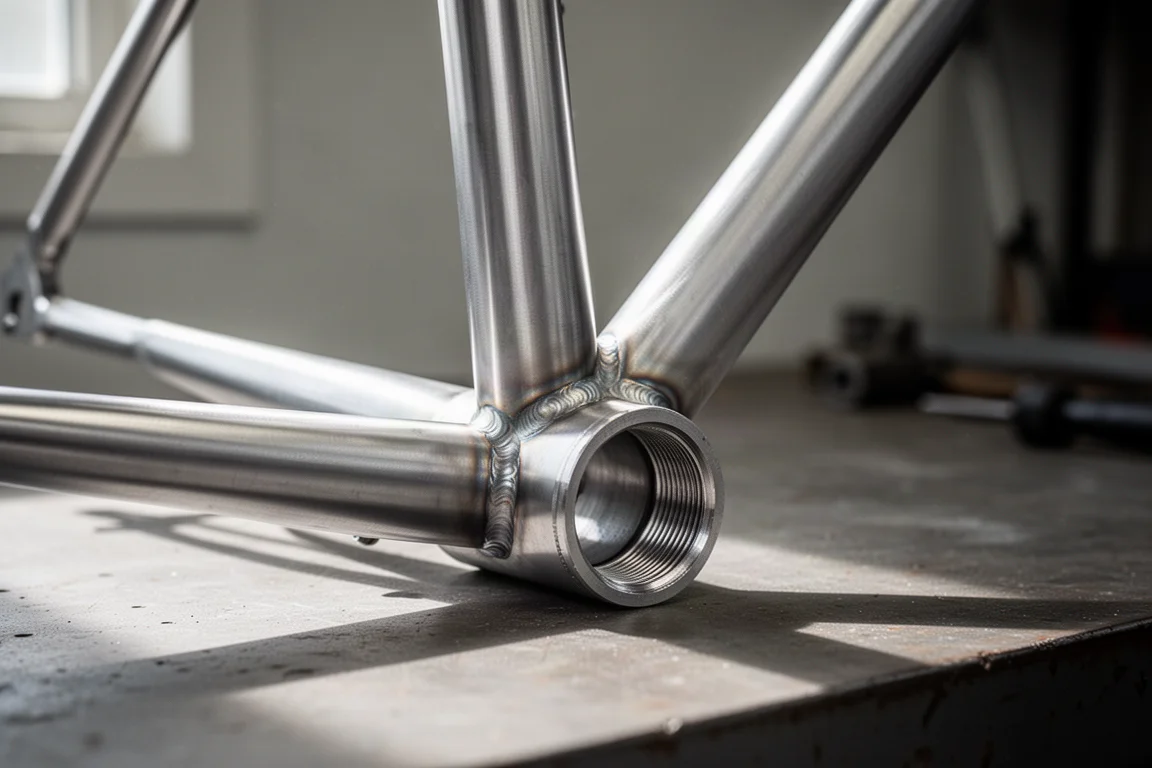
The biggest technical change sits at the bottom bracket, where Trek has replaced the previous press fit design with a threaded T47 unit. That is a meaningful update for anyone who services their own bike, since threaded bottom brackets are simpler to work with and less prone to creaking.
The frameset is also claimed to be lighter than before. Trek quotes 1,667 grams for the new frameset against 1,910 grams for the outgoing version, a difference of roughly 250 grams. Complete builds tell a different story: the ALR 5 with mechanical Shimano 105 is only around 40 grams lighter than the bike it replaces, and it still totals roughly 9 kg, so the saving is unlikely to be noticeable out on the road.
Geometry has moved in a more race-focused direction as well. The previous Emonda ALR used Trek’s H2 fit, while the new frame adopts H1.5. For context, the carbon Emonda SL uses H2 and the race-ready Emonda SLR is available in H1, so the new ALR sits between the two. Depending on frame size, the head tube is around 1.9 cm lower, which should give a more direct front end and a slightly more aero riding position.
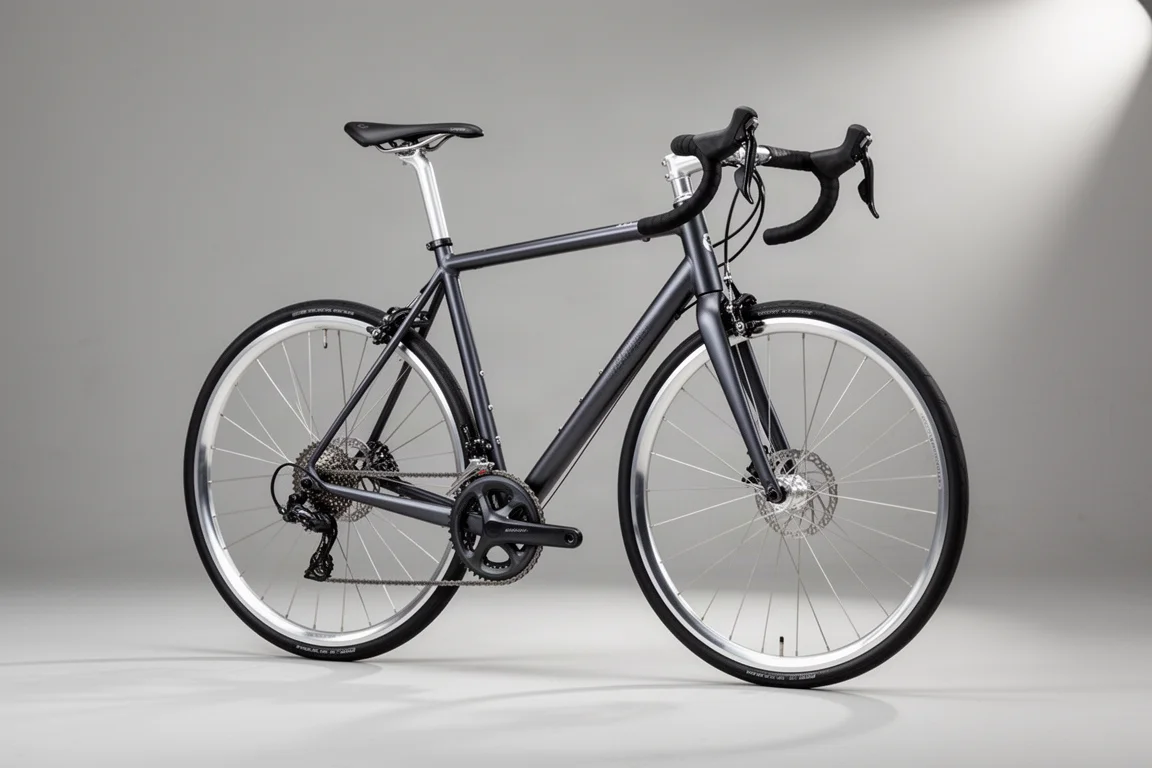
The frame also gains aero-profiled tubes and an integrated bar and stem, and visually the new frameset is straighter and more angular than before. Two practical points are worth flagging. Tire clearance is limited to 28c, which is tighter than the 25c to 30c range now common on race bikes, and build options start at £2,325 in the UK with a 105 mechanical build, a 105 Di2 build above it, and a £1,300 frameset. There is no Tiagra build or anything cheaper, so riders working to a tighter budget are pointed toward Trek’s endurance-focused Domane range instead.
Specialized Allez Sprint: Aero Shaping and Lower Weight
The Allez Sprint was updated with geometry taken directly from the Tarmac SL7, alongside work on weight, aero efficiency and frame stiffness. It remains the most overtly aero of the three, with sculpted tube shapes and an aero carbon seatpost in place of the standard 27.2 mm post found on the Emonda ALR.
In the Shimano 105 mechanical build, Specialized claims the Allez Sprint is around half a kilo lighter than the Emonda ALR, and its front end sits about 6 mm lower. The two frames are otherwise very close in geometry, within a millimetre here and there, so the lower front end is the main fit difference, and the same position can be reached on the Emonda ALR with a more negative drop stem.
The trade-offs are price and finish. The Allez Sprint costs roughly £500 to £575 more than the Emonda ALR in comparable builds, and it is not offered with a Shimano 105 Di2 option, which on the same pricing pattern could have landed somewhere around £3,600 to £3,700. Its welds are also more prominent than those on the Emonda ALR, which is a matter of taste rather than performance. Specialized does offer a lower-priced Allez that carries many of the same characteristics for riders who do not need the Sprint’s aero detailing.
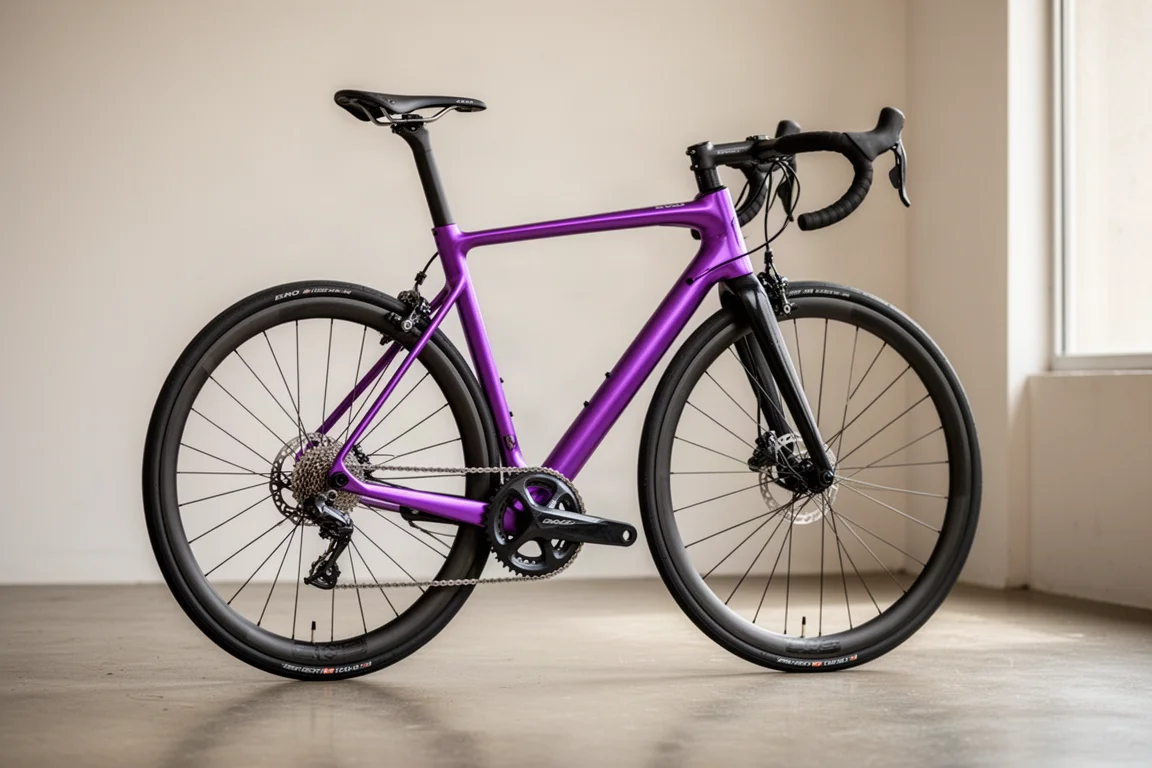
Cannondale CAAD13: The Established Aluminum Race Bike
The CAAD13 is the longest-running design of the three. It was released in 2019 and has been through more iterations than either the Emonda or the Allez Sprint, which has earned it a loyal following.
It still matches its newer rivals closely on price, and the main area where it shows its age is the cockpit: there is no integrated bar and stem, so the front end looks and behaves more traditionally. Cannondale has not published a claimed weight for the CAAD13 disc 105 build, which makes direct weight comparisons difficult, and the bike is no longer available as a frameset only, which removes an easy route for riders who want to build it up themselves. It also does not ship with a groupset-correct chainset.

For riders who want a proven aluminum race platform and prefer the adjustability of a separate bar and stem, that combination is not necessarily a drawback. It does mean the CAAD13 is less flexible than the other two if you plan to buy a frame and choose your own components.
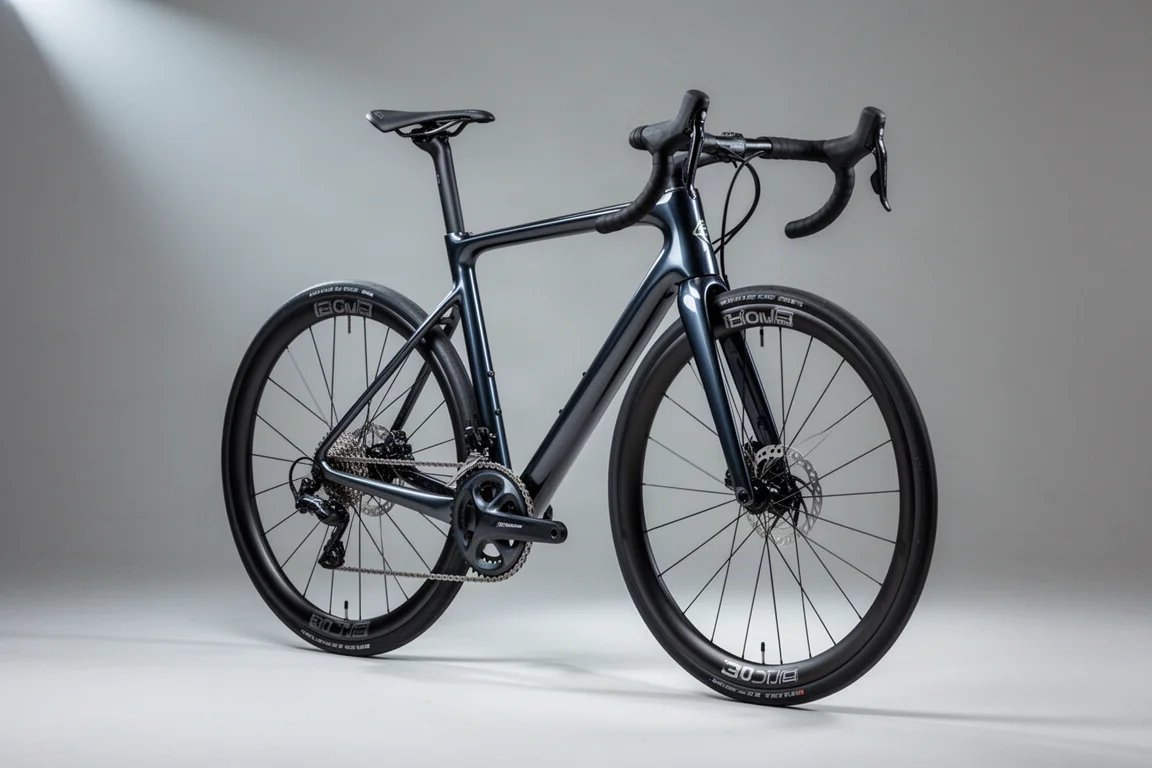
Aluminum Versus Entry-Level Carbon
The obvious objection to all three bikes is price. For similar money, carbon options such as the Vitus Zenium or the Giant Defy Advanced 2 with a Shimano 105 groupset are within reach.
Weight is not automatically the reason to choose them. The Giant Defy is claimed to be around 100 grams heavier than the Emonda ALR in the same specification. Ride feel is a fairer argument in favour of carbon, but a well-made aluminum frame has its own advantages: it is typically stiffer, it lasts a long time if you keep it clean, it can be lighter than a value carbon frame, it will not shatter into fragments in a crash, and in some cases the quality control and manufacturing standards are better.
Buying Advice: Matching the Bike to Your Goals
On paper, the Emonda ALR takes the value win. It is around £500 to £575 cheaper than the Allez Sprint, and while it is roughly half a kilo heavier as a complete bike, that saving can go straight toward a faster wheelset, which would close most of the gap.
Choose the Allez Sprint if weight and aero shaping matter more than price, and if the more prominent welds do not bother you. The lower front end also suits riders who want a long and low position without changing stems.
The CAAD13 remains a sound choice for riders who value a long track record and a traditional cockpit, but the absence of a frameset option makes it harder to recommend for custom builds. Whichever you choose, check tire clearance against the roads you actually ride. 28c is the limit on the Emonda ALR, and if you want to run wider rubber, that constraint should shape your decision more than any weight claim.
Conclusion
The premium aluminum race bike category is more interesting now than it has been for a while. The new Emonda ALR brings a lighter frameset, a threaded bottom bracket and a sharper fit at a price below its closest rival. The Allez Sprint counters with less weight and more aero detailing for riders willing to pay for it, and the CAAD13 continues to offer a proven package with a traditional cockpit.
For anyone who wants to go racing without moving into carbon territory, all three are credible options. The Emonda ALR simply makes the strongest case on value.
Further reading
Related Reviews
Road Bikes
10 New Road Bikes Worth Watching: Aero, Titanium, Steel and Endurance Standouts
A practical roundup of 10 new road bikes, from aero flagships chasing single-watt gains to titanium, steel and endurance platforms built for real roads.
Road Bikes
2026 Tour de France Road Bikes: Six Race Machines Worth a Closer Look
Six race bikes from the 2026 Tour de France grid, reviewed for paint, silhouette, wheels and the specification details that matter to buyers.
Road Bikes
3T Strada Italia Review: A Radical Aero Road Bike That Rides Smooth
A made in Italy carbon aero road bike with a deep head tube, wide tire clearance and a genuinely comfortable ride. Here is what to know before buying.