Road Bikes
Trek Émonda ALR Review: A Light Alloy Road Build With Real Pace
A considered Trek Émonda ALR build that rides light, accelerates hard, and grips well in the wet, with a short list of details to check before you buy.
Introduction
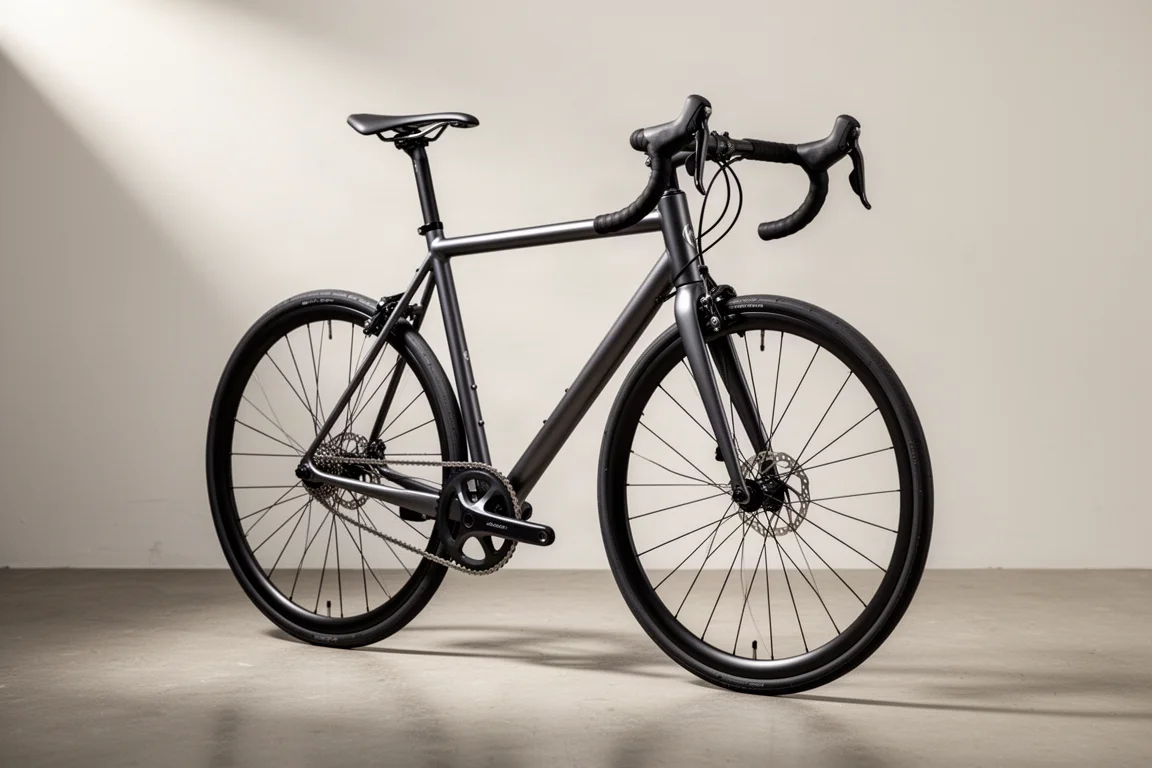
Some bikes are bought off the shelf, and some are assembled piece by piece around a frameset. The Trek Émonda ALR sits firmly in the second category here: an alloy road platform built up from the frame with a mix of components chosen to balance high performance against cost, and with an eye on what a typical ride actually looks like.
After a few months of regular riding, the verdict is mostly a positive one. The bike is light, it responds quickly, and it feels planted when conditions are less than perfect. What follows is a fair look at where it shines, plus the handful of details that are worth knowing before you commit to the same platform.
Who the Trek Émonda ALR Is For
This is a bike for riders who want an alloy road frameset as a foundation rather than a finished statement. It suits someone happy to think about bar width, stem length, and seatpost setback, and who would rather spend on wheels and tires than on a heavier frame material.
It also appeals to riders who care about weight without chasing a carbon frame. In winter trim this build sits at around 7.8 kg, and there is confidence that a summer setup can drop below 7.5 kg. That is a meaningful figure for an alloy bike, and it shapes how the bike feels on climbs and out of corners.
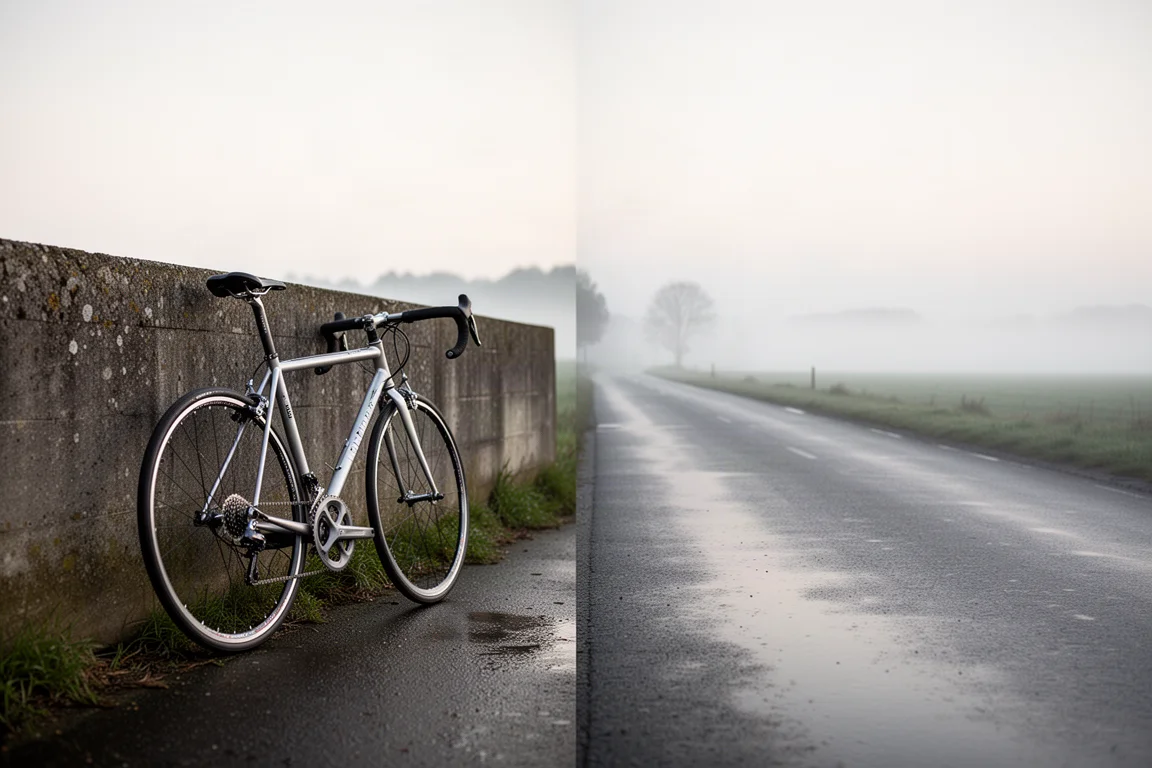
Finally, it is a good fit for riders who spend time on mixed surfaces and in wet weather. The tire and wheel combination here was chosen with grip and contact patch in mind, which matters more on real roads than on a test loop.
Main Strengths
The frame itself shows what the manufacturer is capable of. The head tube interior is finished to a standard you would expect on a premium alloy frame, with no sharp edges and no burrs. That kind of internal tidiness matters when cables and hoses run through the frame.
Acceleration is the other headline strength. Lightweight wheels make the bike feel eager, and the response when you press on the pedals is immediate rather than soft. It is the sort of trait that keeps a bike enjoyable long after the novelty of a new build wears off.
The finishing kit has also held up well. Time spent getting the bar width and stem length right, and the decision to move from a setback seatpost to an inline one, all paid off. The result is a riding position that feels deliberate rather than approximated.
Ride Feel, Weight, and Wet-Weather Confidence
Weight is where this build quietly overachieves. At roughly 7.8 kg in winter mode, with a realistic path below 7.5 kg once the season changes, the bike climbs and changes direction with very little effort. That low mass, paired with light wheels, is what produces the sharp acceleration the bike is known for in this configuration.
Wet-weather behavior deserves its own mention. The tires offer strong grip, a supple ride feel, and, thanks to the wide internal width of the rims, a generous contact patch with the road. The practical effect is confidence. When the surface turns slick or broken, the bike still communicates what the front end is doing, and that is worth more than a few grams on a spec sheet.
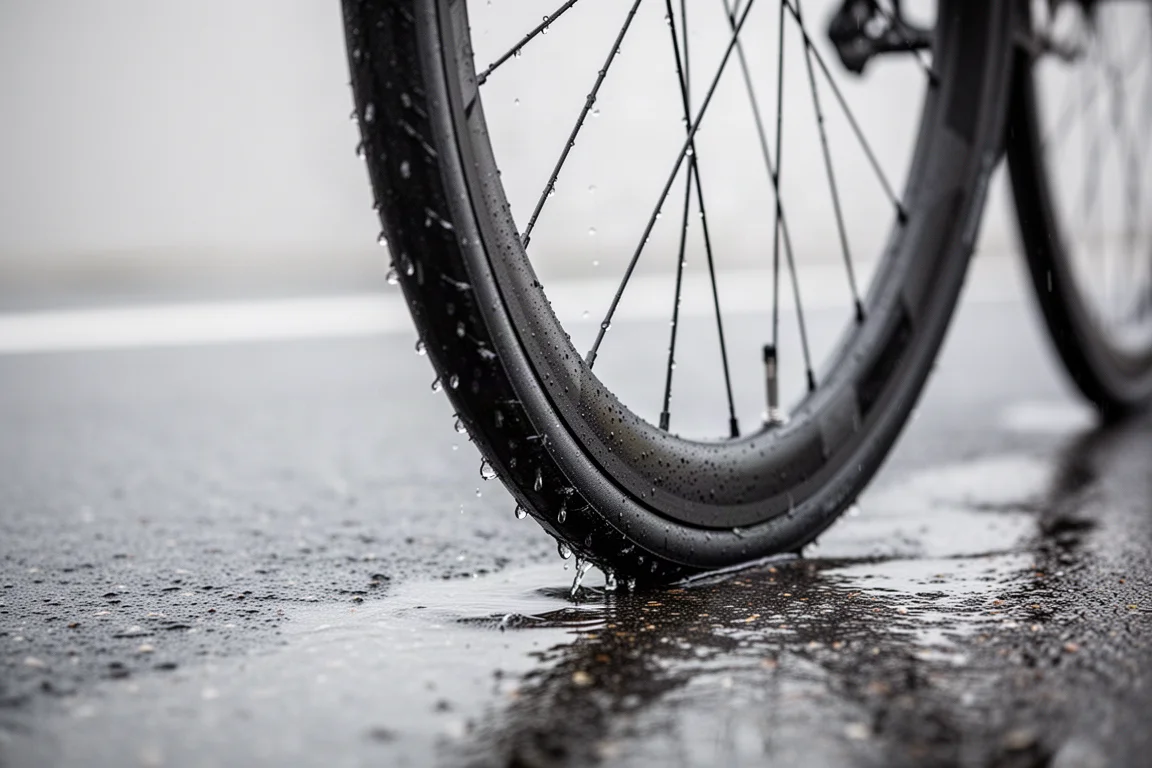
The wider contact patch also softens the ride slightly, which helps on longer days when road texture starts to wear you down.
Frame Details and Finish
Two details near the front of the bike are worth understanding. The first is the top headset bearing. Its outer race is visible, which is unusual, because most bikes cover the bearing with a seal that keeps out liquids and debris. Here the bearing sits exposed, which leaves it open to road spray carrying grit, grime, and corrosive salts, and also to sweat if you train indoors. A spare seal was sourced during the build, but none would fit because of the internal routing, so the bearing needs watching rather than ignoring.
The second is the shaping at the top of the fork. There is a small edge where the fork meets the frame that does not line up flush, and the fork profile looks noticeably different from the current generation of carbon models. The likely explanation is aerodynamic shaping being prioritized over perfect visual continuity, which is a defensible trade, though a seamless junction would look better.
Color is subjective, and the available options are restrained: a gray-black finish or a white one. The gray reads considerably lighter in person than it appears in product imagery, where it looks closer to black. As a sum of parts the bike performs extremely well, but it is not a head-turner, and a respray is a reasonable long-term plan for anyone who wants more visual character.
Things to Consider Before Buying
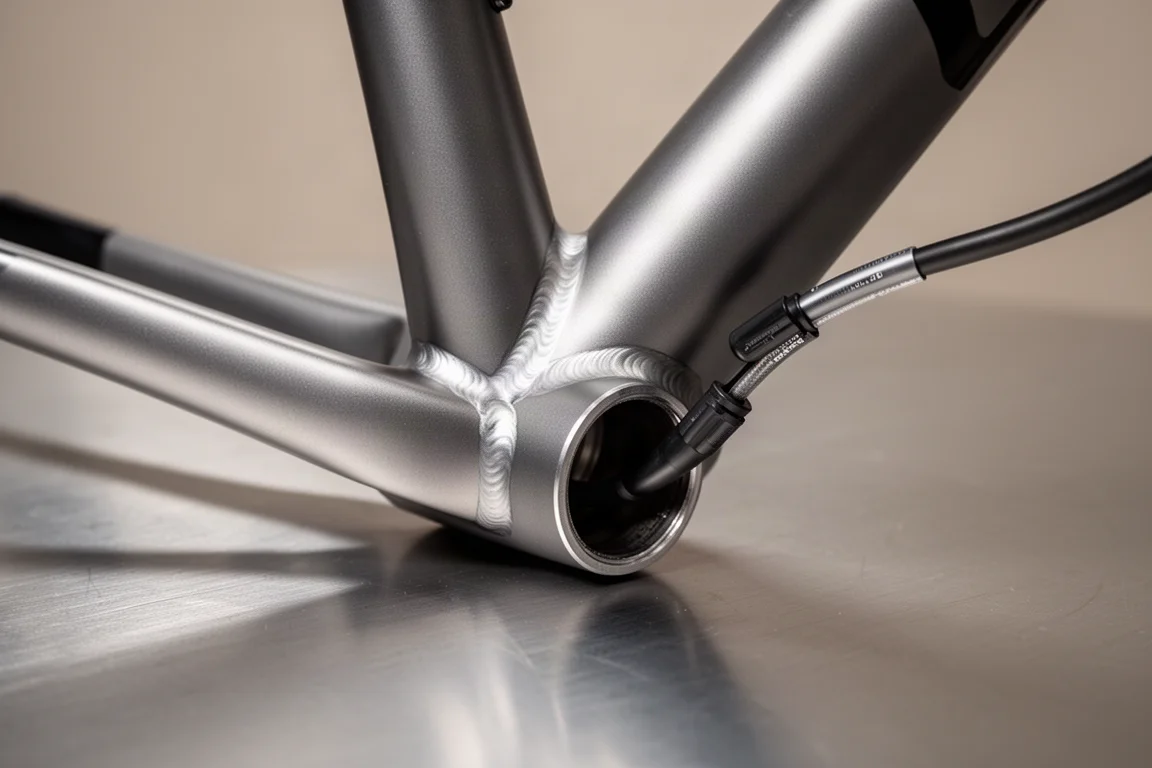
The bottom bracket shell is the detail that deserves the most attention. Where the non-drive-side chainstay meets the shell, the internal metalwork has a noticeably sharp edge. If the rear brake hose were left loose inside the frame, that edge could wear into the housing over time, and a worn hose can mean losing hydraulic pressure at the rear brake. It is a routing detail rather than a design flaw you cannot manage, and the fix is simple: secure the hose so it cannot rattle against the frame. That is the approach taken on this build, and it is worth asking for the same at assembly or checking it yourself.
The seat clamp is a smaller point. It works perfectly well, but it looks bulkier than it needs to be, and a slimmer version would save a few grams as well. It is a cosmetic and marginal-weight complaint rather than a functional one.
Front wheel installation is the other recurring annoyance. With the wheel removed for car transport, refitting it does not slot into the dropouts the way most through-axle front wheels do. Instead, aligning everything takes a bit of guesswork in mid-air while pushing the axle through and tightening it at the same time. The process feels closer to fitting a rear wheel, and while it hardly ruins a ride, it shows up every time the bike travels in a trunk.
Component Choices and Fit
The specification decisions behind this build are the reason it works so well. Bars at the right width, a stem at the right length, and an inline seatpost instead of a setback one all add up to a bike that fits properly from the first pedal stroke.
That also means the platform is a strong starting point rather than a finished project. The base build is already something to be happy with, so any future changes are refinements to a bike that is enjoyable to ride as it stands. Anyone buying into the same frameset should budget the same kind of thought for contact points, because that is where the gains come from.
Buying Advice
If low weight, quick acceleration, and wet-weather confidence top your list, this frameset is a sensible place to start. The alloy frame is well finished where it matters most, and the numbers this build achieves are genuinely competitive for the material.
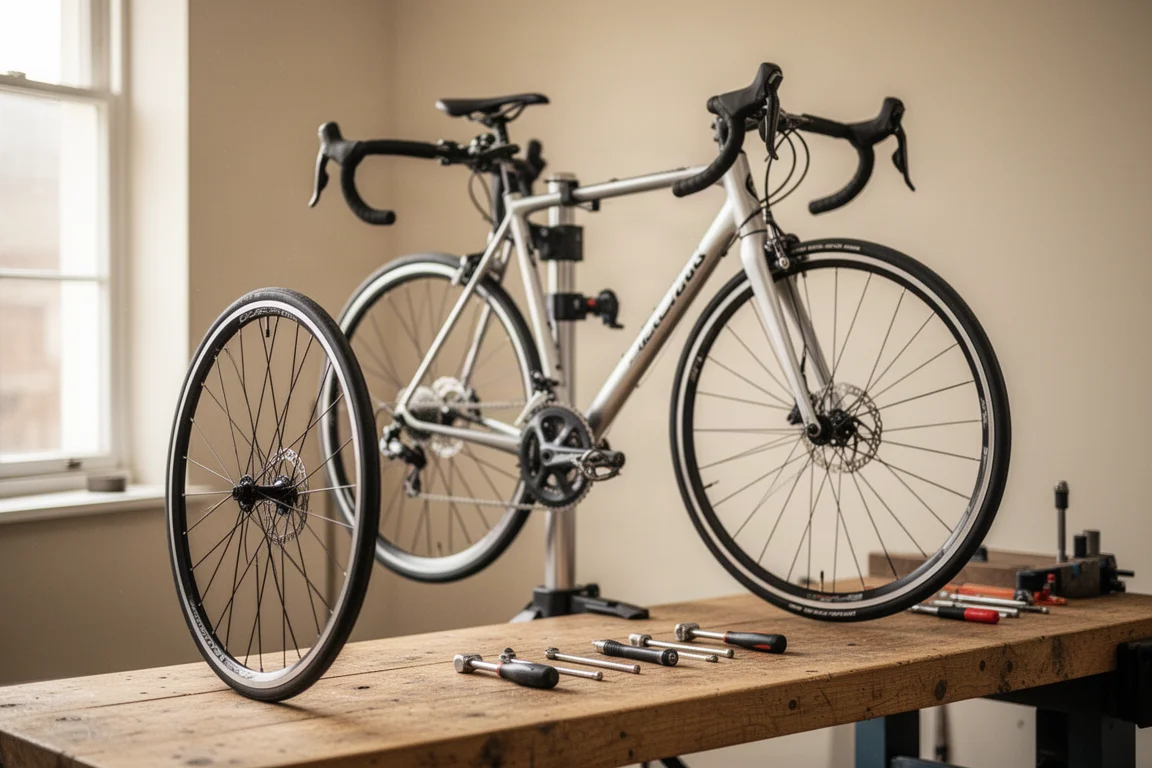
Go in with eyes open on three things. First, the exposed top headset bearing needs periodic inspection, especially if you train indoors where sweat is a factor. Second, the internal edge at the bottom bracket shell should be addressed by securing the rear brake hose during assembly. Third, plan for the front wheel fit when transporting the bike, since refitting takes more care than on many through-axle road bikes. Buyers who want a striking finish should also factor in a respray, because the stock colorways are deliberately understated.
Conclusion
Taken as a whole, the Trek Émonda ALR earns its place. It is light, it responds immediately to input, and it feels secure when the road turns wet and rough. The headset bearing exposure, the sharp internal edge near the bottom bracket shell, and the fiddly front wheel fit are real points to manage, but none of them undermine the ride.
The overwhelming positives outweigh the small frustrations. The foundation is sound, the fit is dialed in, and the bike is genuinely enjoyable to ride. For riders who want an alloy road platform to build on and refine over time, that is exactly the right place to begin.
Product link
View more details for Trek Emonda ALR
This product is mentioned in the review. Check the specifications, options, and compatibility before buying.
View more details for Trek Emonda ALRFurther reading
Related Reviews

Road Bikes
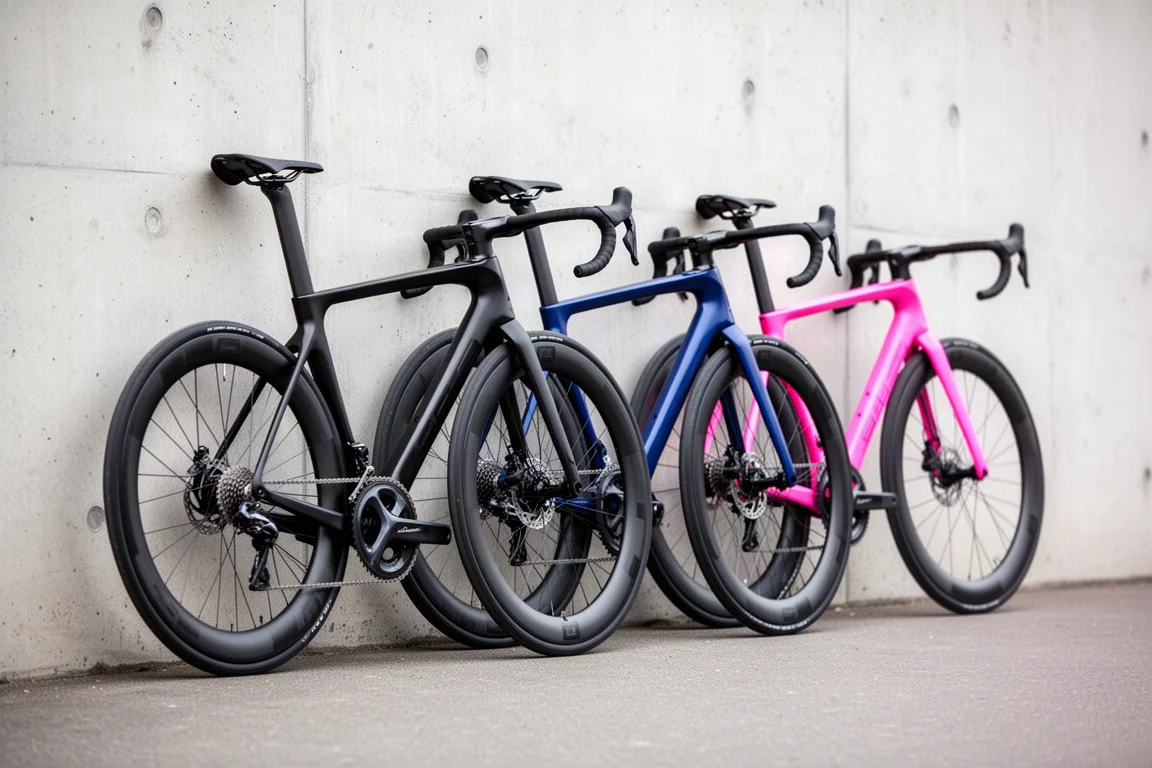
10 New Road Bikes Worth Watching: Aero, Titanium, Steel and Endurance Standouts
A practical roundup of 10 new road bikes, from aero flagships chasing single-watt gains to titanium, steel and endurance platforms built for real roads.
Road Bikes
2026 Tour de France Road Bikes: Six Race Machines Worth a Closer Look
Six race bikes from the 2026 Tour de France grid, reviewed for paint, silhouette, wheels and the specification details that matter to buyers.
Road Bikes
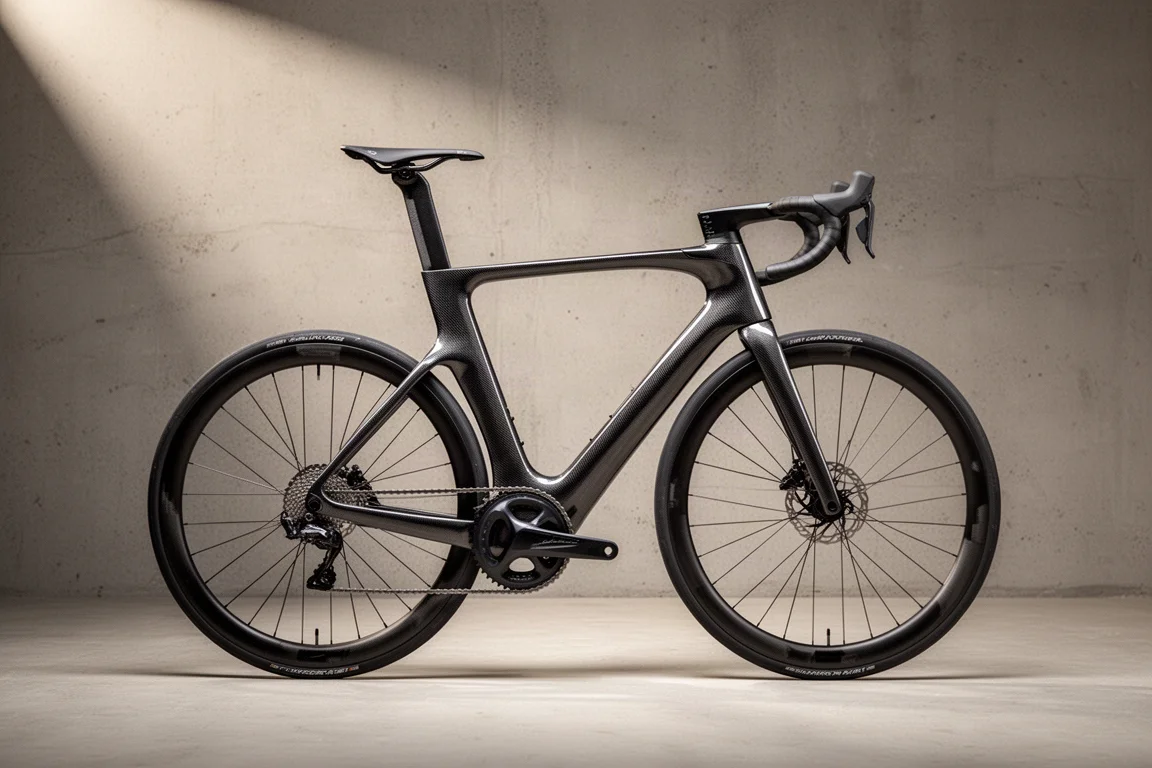
3T Strada Italia Review: A Radical Aero Road Bike That Rides Smooth
A made in Italy carbon aero road bike with a deep head tube, wide tire clearance and a genuinely comfortable ride. Here is what to know before buying.