Road Bikes
Trek Emonda ALR Custom Build Review: 7.8 kg of Alloy Road Bike With Ultegra R8100
A close look at a deliberately specified alloy road bike: Trek Emonda ALR frameset, Shimano Ultegra R8100, Hunt Aerodynamicist 32 wheels and a 7.8 kg complete weight.
Introduction
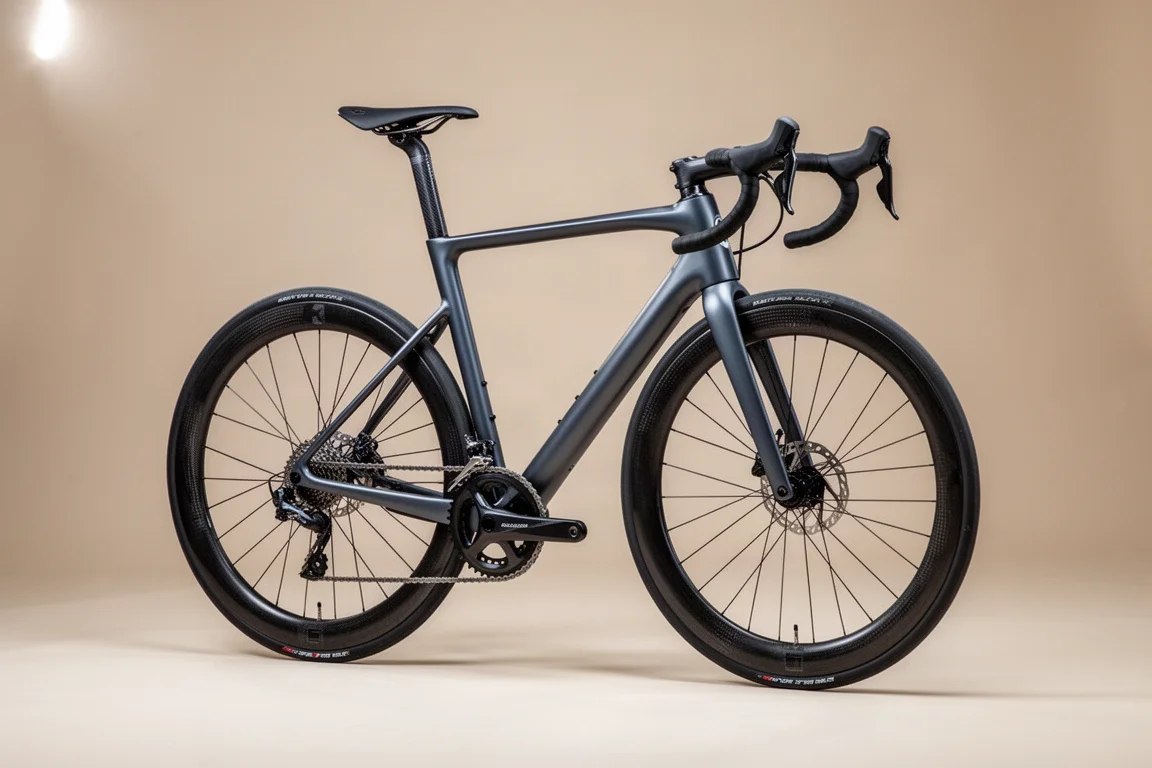
A custom road bike build is a slow, deliberate process. Every part is chosen for a reason, and the finished machine says something about the rider’s priorities. This particular build centres on the Trek Emonda ALR frameset, a premium aluminium platform, and surrounds it with components selected to balance performance against price rather than to chase the highest possible specification.
The result is a road bike that weighs exactly 7.8 kg in a 52 cm frame size, complete with pedals, a computer mount and a bottle cage. It runs a second-tier groupset and an alloy frame, yet it carries the kind of high-end touch points usually reserved for far more expensive machines.
Who This Bike Is For
This build makes most sense for riders who enjoy the specification process itself. Choosing the frame, the groupset, the wheels and every small detail takes time, and the payoff is a bike shaped around a particular type of riding rather than a catalogue category.
It also suits riders who value premium aluminium. As complete bike prices continue to climb, a top-end custom alloy build becomes an increasingly sensible route for anyone who wants high-end components without paying carbon frame money.
Finally, it is a natural fit for riders whose local roads mix rolling hills with steeper inclines. Light wheels and a modest overall weight matter more on that kind of terrain than outright aerodynamic bragging rights.
Specification at a Glance
- Frame: Trek Emonda ALR
- Groupset: Shimano Ultegra R8100, 52/36 chainrings, 170 mm cranks, 11-30 cassette
- Wheels: Hunt Aerodynamicist 32, claimed 1,213 g, carbon spokes
- Tyres: Specialized S-Works Mondo, set up tubeless with sealant and the valves supplied with the wheels
- Cockpit: Bontrager Aeolus RSL VR-C integrated bar and stem, 38 cm width, 90 mm stem, Trek Blendr computer mount
- Bar tape: Supacaz Super Sticky Kush
- Seatpost: Trek RSL inline carbon
- Saddle: Fizik Vento Argo 00
- Rear light: Exposure TraceR on a 3D printed saddle-rail mount
- Pedals: Look Keo Blade
- Complete weight: 7.8 kg (52 cm, with pedals, computer mount and bottle cage)
Main Strengths
The headline figure is the weight. Hitting 7.8 kg with pedals, a computer mount and a bottle cage fitted is a strong result for an aluminium frame paired with a second-tier groupset. With summer tyres fitted, the expectation is a further 150 g saving, and with a few other planned changes the summer version of the bike should sit below 7.5 kg.
Shimano Ultegra R8100 was chosen because it balances price against performance better than anything else in the range. The 52/36 chainset with 170 mm cranks and an 11-30 cassette gives a gear range that covers most riding, with the option of swapping the 36-tooth inner ring for a 38 later on.
The Hunt Aerodynamicist 32 wheels are another deliberate compromise. A claimed 1,213 g weight, helped by carbon spokes, translates into quick acceleration and a snappy feel under power.
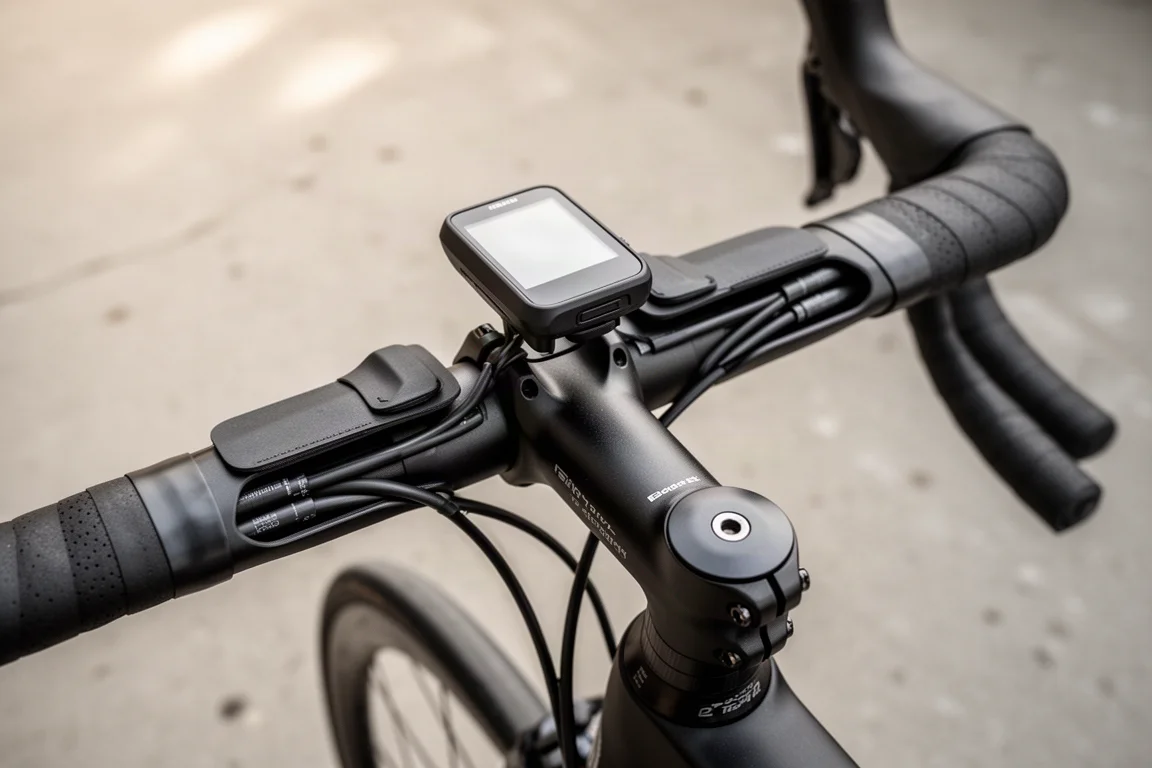
The Bontrager Aeolus RSL VR-C cockpit solves a problem that fully integrated setups often create. Brake hoses sit in an external channel running along the outside of the bars and are held in place by a cover, so the front end looks clean without requiring everything to be routed internally. The bars also work with a normal steerer tube, which makes it far easier to experiment with bar height and settle on a position. The Trek Blendr mount keeps a Garmin sitting flush with the top of the bars.
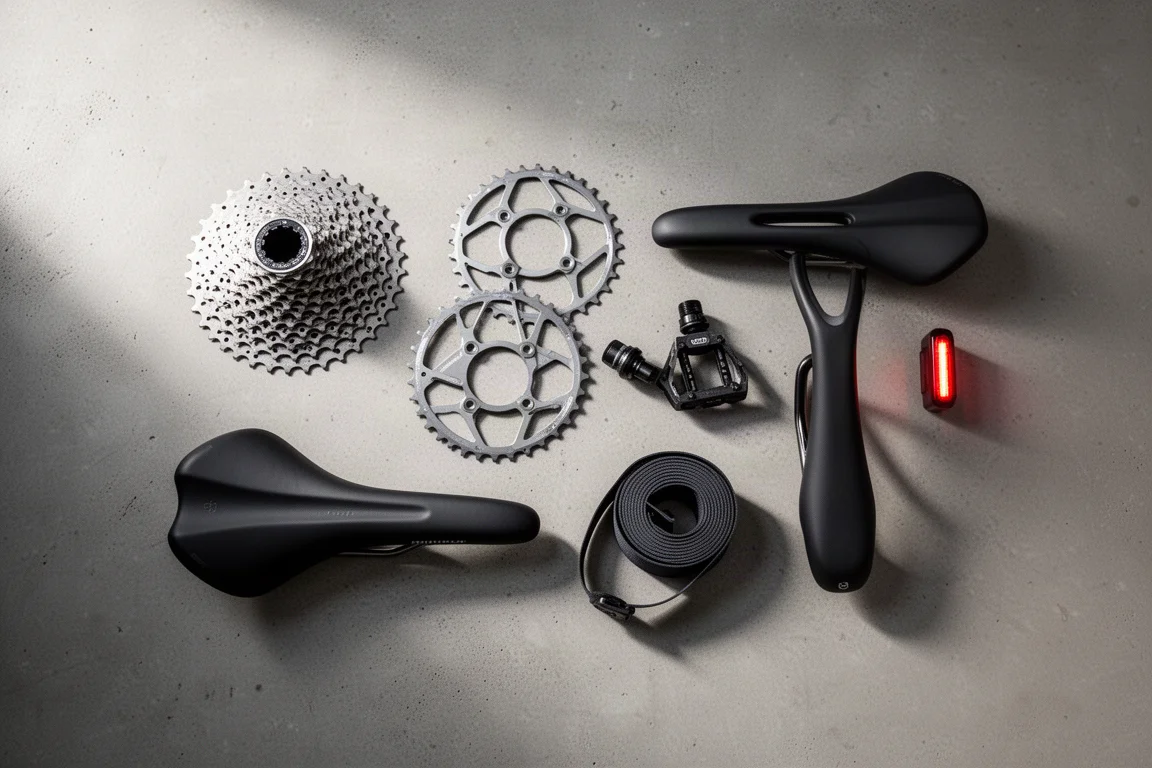
Smaller details hold up well too. The 3D printed rear light mount attaches to the saddle rails and holds an Exposure TraceR high and visible, while keeping the light away from the carbon seatpost so the finish stays intact. The Fizik Vento Argo 00 saddle and Supacaz Super Sticky Kush bar tape are long-standing favourites, and the Look Keo Blade pedals have been in service for around eight years, recently refreshed with new retention clips and carbon blades.
Things to Consider Before Buying
The main hesitation concerns the wheels. This is the first hookless tubeless setup with carbon spokes on a personal bike, and adopting newer technology always adds a layer of uncertainty. It may well prove flawless, but it is a genuine unknown rather than a settled quantity.
Adjusting the cockpit is easier than on a fully integrated design, but not effortless. There is not a great deal of give in the hoses, so moving the bars up or down takes some gentle maneuvering.
Weight projections deserve caution as well. The 7.8 kg figure is a real measurement, but the sub-7.5 kg summer figure depends on tyres and other changes that have not been fitted yet.
Rolling Terrain and Winter Riding
The intended use is local riding over rolling hills with some steep inclines, terrain where a light, responsive build should feel at home. The bike should handle that mix well, though only time on the road will confirm it.
It also looks like a strong winter machine. The S-Works Mondo tyres use the same rubber compound as the S-Works Turbo but with a stronger casing, which makes them better suited to all-weather riding, and they are set up tubeless with sealant and the valves supplied with the wheels.
The open question is summer. A bike that feels reassuring through winter is not automatically the one that feels lively on fast, dry roads, and that is the part of the year this build is ultimately designed for.
What the Build Cost
Bringing this specification together came to £4,695.57 at the time the build was completed, based on hunting down the best available prices for each part. That figure excludes the pedals, the bottle cage, the computer, the rear light and any labour to assemble the bike, and parts pricing in the US varies compared with the UK.
For the same money, a fully built carbon bike is an obvious alternative. The Canyon Ultimate CF SL8 Aero sits at a very similar price with a very similar claimed weight, and it includes a power meter. What it does not offer is the freedom to choose every component in the exact size and specification you want.
Buying Advice
A build like this is worth considering if you already know which components suit you and you want a machine that reflects those choices. The Trek Emonda ALR frameset provides a strong alloy platform, and pairing it with Ultegra R8100, light carbon-spoke wheels and a carefully chosen finishing kit produces a bike that feels far more expensive than its frame material suggests.
It is less compelling if you would rather buy once and ride immediately, or if a power meter and a carbon frame matter more to you than component choice. In that case, a comparable off-the-peg carbon bike at the same price is the simpler route.
Budget carefully before committing. The quoted build cost does not include pedals, a bottle cage, a computer, a rear light or assembly labour, and those items add up quickly once the frame is on the bench.
Conclusion
This is a well-judged custom build: an alloy frame, a sensible groupset, quick wheels and a finishing kit chosen for real-world practicality rather than showroom appeal. At 7.8 kg complete, with a realistic path below 7.5 kg, it delivers a high-end feel without carbon frame pricing. The hookless tubeless wheels are the one element to watch, and anyone tempted to copy the specification should factor in the parts and labour that sit outside the headline figure.
Product link
View more details for Trek Emonda ALR Custom Build
This product is mentioned in the review. Check the specifications, options, and compatibility before buying.
View more details for Trek Emonda ALR Custom BuildFurther reading
Related Reviews

Road Bikes
10 New Road Bikes Worth Watching: Aero, Titanium, Steel and Endurance Standouts
A practical roundup of 10 new road bikes, from aero flagships chasing single-watt gains to titanium, steel and endurance platforms built for real roads.
Road Bikes
2026 Tour de France Road Bikes: Six Race Machines Worth a Closer Look
Six race bikes from the 2026 Tour de France grid, reviewed for paint, silhouette, wheels and the specification details that matter to buyers.
Road Bikes
3T Strada Italia Review: A Radical Aero Road Bike That Rides Smooth
A made in Italy carbon aero road bike with a deep head tube, wide tire clearance and a genuinely comfortable ride. Here is what to know before buying.