Cycling
Trek Dual Sport Review: A Hybrid Commuter Built for Hills, Gravel and City Traffic
A practical look at the Trek Dual Sport hybrid commuter platform, covering mixed-surface comfort, the manual versus assisted decision, and what cycling to work really saves.
Introduction
Cycling to work is one of the simplest ways to fold exercise into a day that already has to happen, and it carries a financial argument with it. A bike can be the quickest way across a city, it sidesteps the unreliability of strikes and road works, and over a year or two it usually works out cheaper than running a car or buying a season of tickets. It also tends to be a genuinely pleasant way to start the morning.
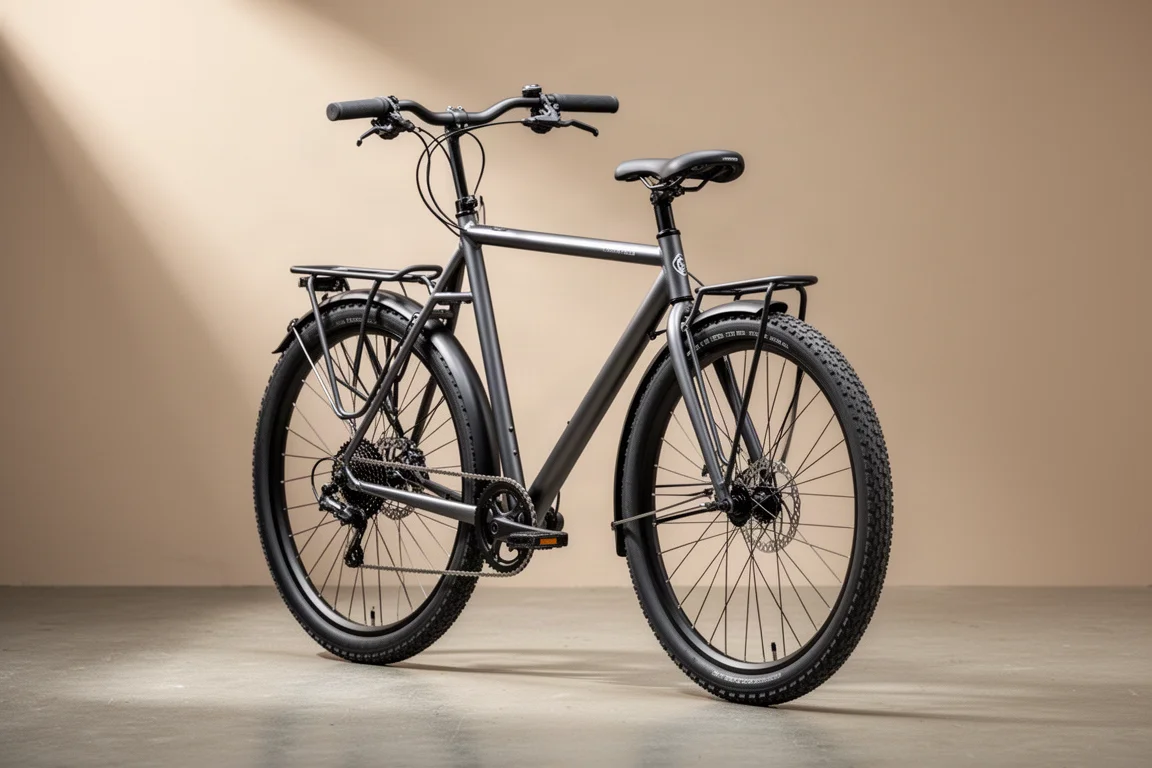
The open question is which bike does the job best. A traditional manual hybrid and a bike with motor assistance solve the same problem in different ways, and the Trek Dual Sport is built to sit across that divide. It is a flat-bar hybrid with wide tyres, clearance for mudguards and a rack-ready frame, and the same platform is available with electric assistance. What follows is a practical look at how that platform copes with two very different commutes.
Who the Trek Dual Sport Is For
The Dual Sport suits riders whose journey is not one clean, uniform surface. Canal towpaths, gravel links, patchy suburban tarmac and city streets with broken edges all fall inside its comfort zone, and the wide tyres and mudguard clearance are the reason why. It is also a sensible choice for anyone who wants one bike to cover commuting, errands and weekend riding rather than a dedicated road machine.
It is less obviously aimed at riders chasing pure speed. The upright position and sturdy build prioritise control and durability over pace, which is the trade-off most commuters end up accepting anyway.
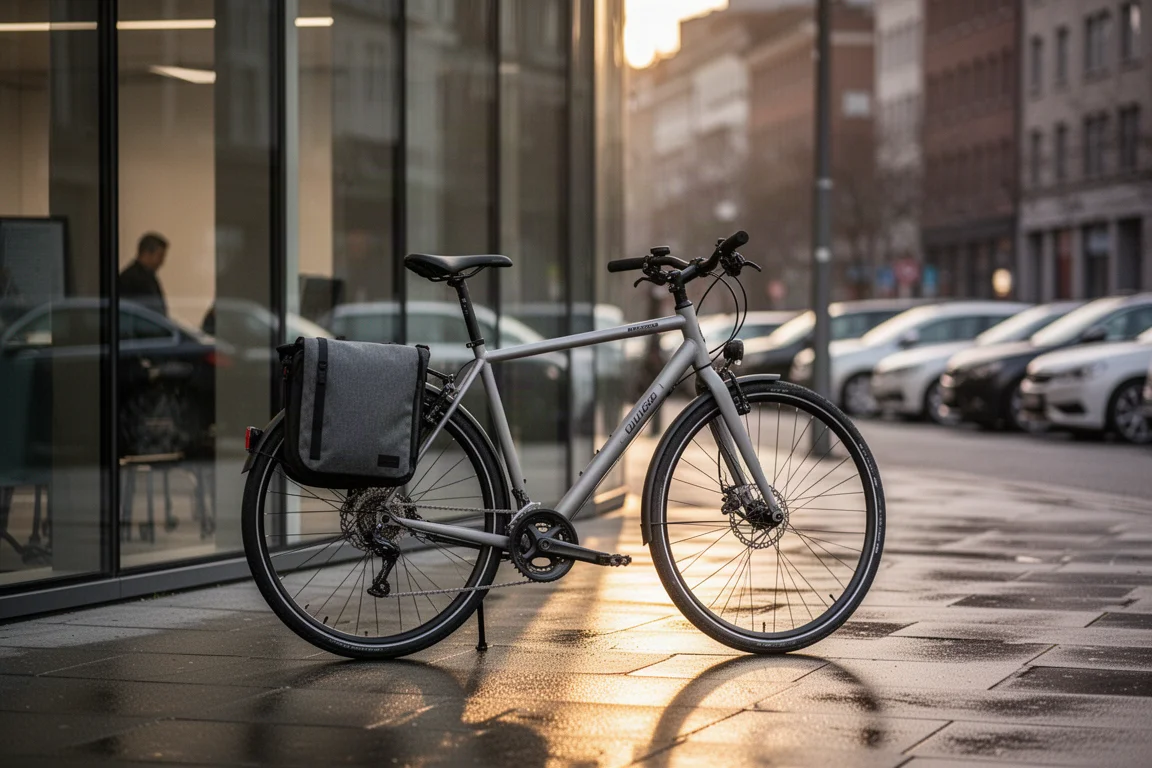
Riders who carry a laptop, a change of clothes or a week of shopping will also appreciate that the frame takes a rack without fuss. That matters more than it sounds, because getting weight off your back keeps you noticeably cooler on a warm morning.
Main Strengths of the Dual Sport Platform
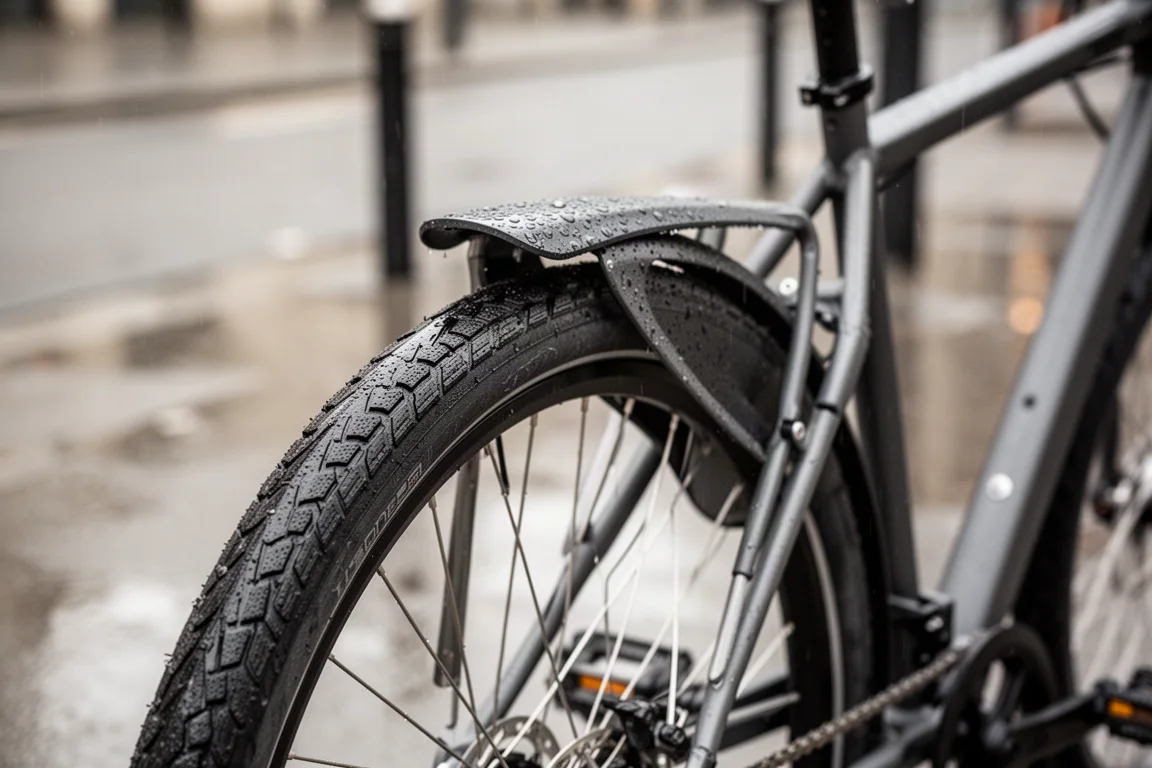
The first strength is surface tolerance. The bike runs wide tyres, and there is room to fit mudguards, which is the combination that turns a rough gravel towpath from a chore into an ordinary ride. Wider rubber also takes the sting out of the cracked and patched surfaces that city centres tend to offer.
The second is practicality built into the frame. A rear rack lets you carry a bag on the bike rather than on your back, and on the assisted version the lighting is integrated into the bike and switched from a small control unit at the handlebar. Being able to turn lights on and off without hunting for separate battery units is a small thing that becomes a large thing over a winter of commuting.
Third, the drivetrain options cover different terrain. A two-by setup with a large outer ring is pleasant when you have a tailwind and want to keep speed up, while a single-ring setup keeps things simpler. Which one suits you depends mostly on how hilly your route is.
Comfort and Practicality on Real Commutes
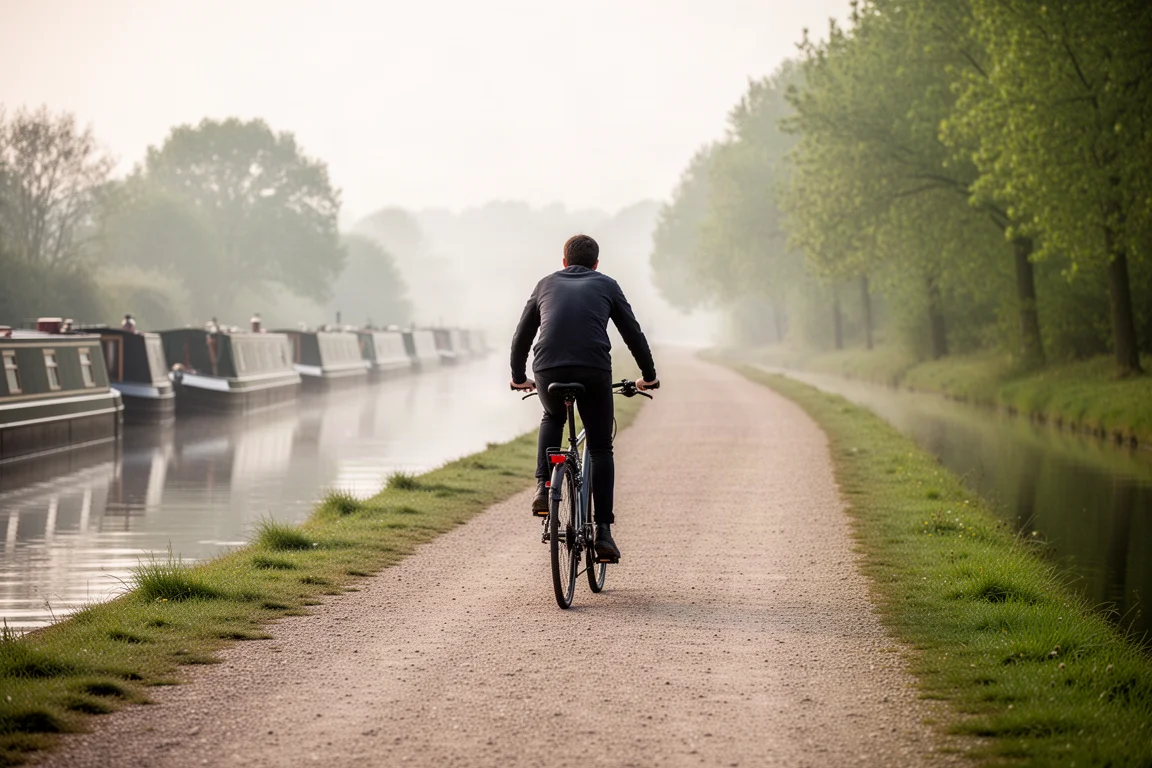
The honest test of a commuter bike is what it feels like on the route you actually ride, not on a smooth cycle lane. A flat canal towpath running to twelve kilometres is a good example: the surface is gravel, it is fast and enjoyable when dry, and it turns soft and muddy through the winter months. That is where mudguards stop being an accessory and start being a requirement.
Wider tyres earn their place in town as well. City surfaces are rarely smooth for long, and the extra volume smooths out the brokenness without slowing the ride down noticeably.
The rack deserves a mention too. On a warm day, arriving with your bag on the bike rather than strapped to your back means you finish the ride drier and cooler, which makes a real difference to how the rest of the morning goes.
The Commute Test: Hills, Canal Paths and City Streets
Two routes tell the story. The direct route is roughly eight kilometres and includes a genuinely steep hill. The scenic alternative runs along a flat canal path and stretches the distance to around twelve kilometres. Riding both on a manual bike and on an assisted one makes the differences obvious.
On the manual bike, the climb does what climbs do. Heart rate rises into the region of 170 beats per minute, the legs do all the work, and you arrive warm. There is a reward on the other side: the long descent into town is a chance to cool down and catch your breath, and the effort itself is a training session you did not have to schedule.
The assisted bike takes the sting out of the hill entirely and produced the easiest and fastest ride of the day on the direct route. The motor is most useful in the places you might not expect: pulling away from junctions among pedestrians, and getting back up to speed repeatedly in town, which is genuinely tiring on a heavier bike. Assistance also offsets the extra weight of the rack and the sturdier build.
Once in the city, both versions feel at home. Traffic moves at a pace a bike can match, and the streets are pleasant to ride. On the assisted bike, being able to hold city traffic speed tends to mean fewer cars feel the need to overtake.
What Cycling to Work Actually Costs
The financial case depends heavily on what you are comparing against, and a real commute makes the numbers concrete. Take a route between two cities in the south west of England, one with a workplace in the centre and a home on the edge.
By bus, the return fare is around four pounds and the door-to-door time is roughly an hour and twenty minutes, assuming the bus turns up. By train, the journey itself takes only thirteen minutes, but the walking at either end stretches the door-to-door figure to about forty-four minutes, and the return fare is around ten pounds sixty. Driving takes about an hour and ten minutes in the morning, with roughly eight pounds of diesel, around ten pounds of parking, and a nine pound daily clean air zone charge for an older car.
By bike, the main road route takes about forty minutes and the flat canal path takes around an hour. Against those alternatives, a bike tends to pay for itself quickly, and it does so without depending on a timetable.
Things to Consider Before Buying
The manual version asks something of you on steep terrain. If your route includes a serious climb, expect to arrive warm, and expect the climb to be part of your training rather than something you avoid. That suits some riders and not others.
The assisted version removes that effort, but it adds weight, and the assistance is most valuable on hills and in stop-start traffic. If your commute is already flat, quiet and short, the extra capability may not be doing much for you.
Route surface deserves a thought too. Gravel towpaths are quick and enjoyable in summer and noticeably slower and messier in winter, so budget for mudguards from the start rather than after the first wet week. It is also worth deciding whether you want the simpler single-ring drivetrain or the wider range of a two-by setup before you buy.
Finally, think about the end of the journey. Secure parking, a shower and somewhere to dry riding kit change how much you can get out of any commuter bike, and they are worth confirming before you commit to a route.
Buying Advice
Choose the manual Dual Sport if your route is mostly flat, if you want the commute to double as a workout, or if the budget is better spent elsewhere. Choose the assisted version if your route has a climb you would rather not face before a morning of work, if you ride in traffic where pulling away quickly matters, or if you simply want to arrive fresh.
Either way, plan the practical extras into the purchase. Mudguards are close to essential on gravel and wet surfaces, a rack keeps the weight off your back, and decent lights are non-negotiable if you ride at either end of the day. If the assisted version appeals, the integrated lighting and the frame-mounted rack are the details that make it an easier bike to live with day to day.
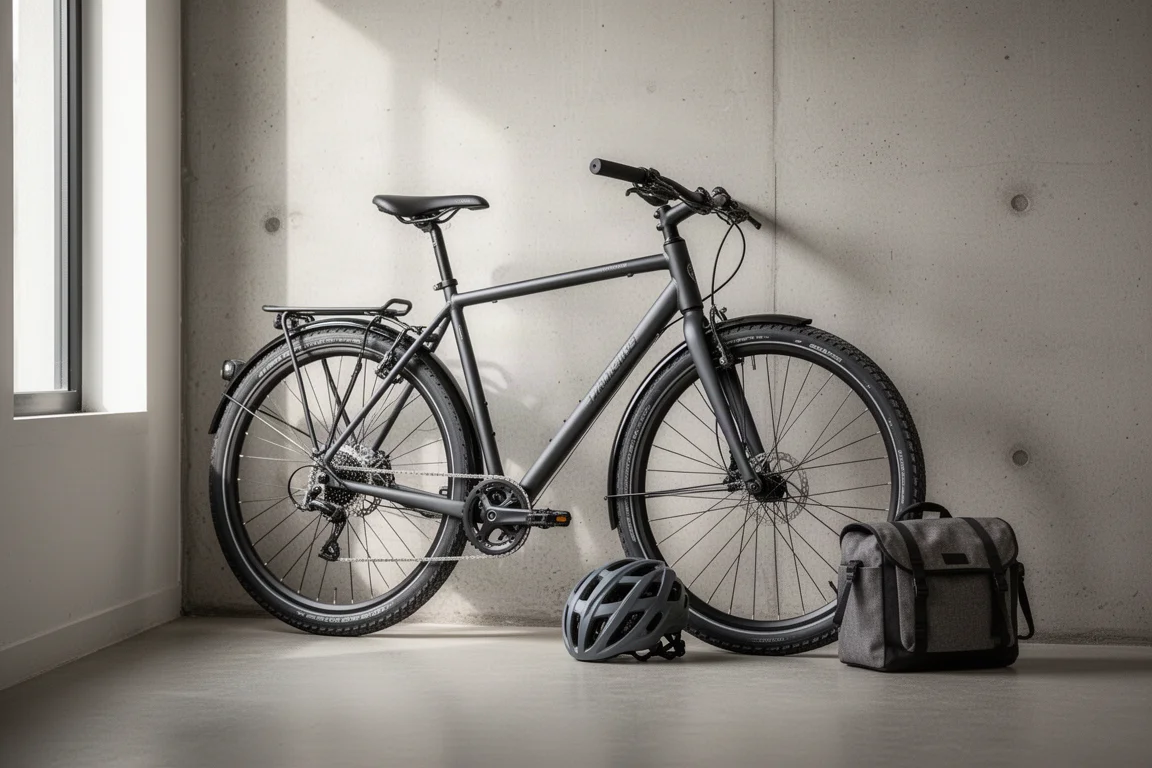
On balance, the platform rewards riders who think about their route first and the bike second. Match the version to the terrain and the budget, then let the practical fittings do the rest.
Conclusion
The Trek Dual Sport works as a commuter because it is honest about what commuting involves: mixed surfaces, stop-start traffic, weather, and a bag you would rather not carry. Its wide tyres, mudguard clearance and rack-ready frame cover the practical side, and the choice between manual and assisted comes down to how much of your route you want to feel.
If you want the ride itself to be the workout, the manual bike is the straightforward answer. If you want the hill to stop being the deciding factor in whether you ride at all, the assisted version earns its place.
Product link
View more details for Trek Dual Sport
This product is mentioned in the review. Check the specifications, options, and compatibility before buying.
View more details for Trek Dual SportFurther reading
Related Reviews
Cycling
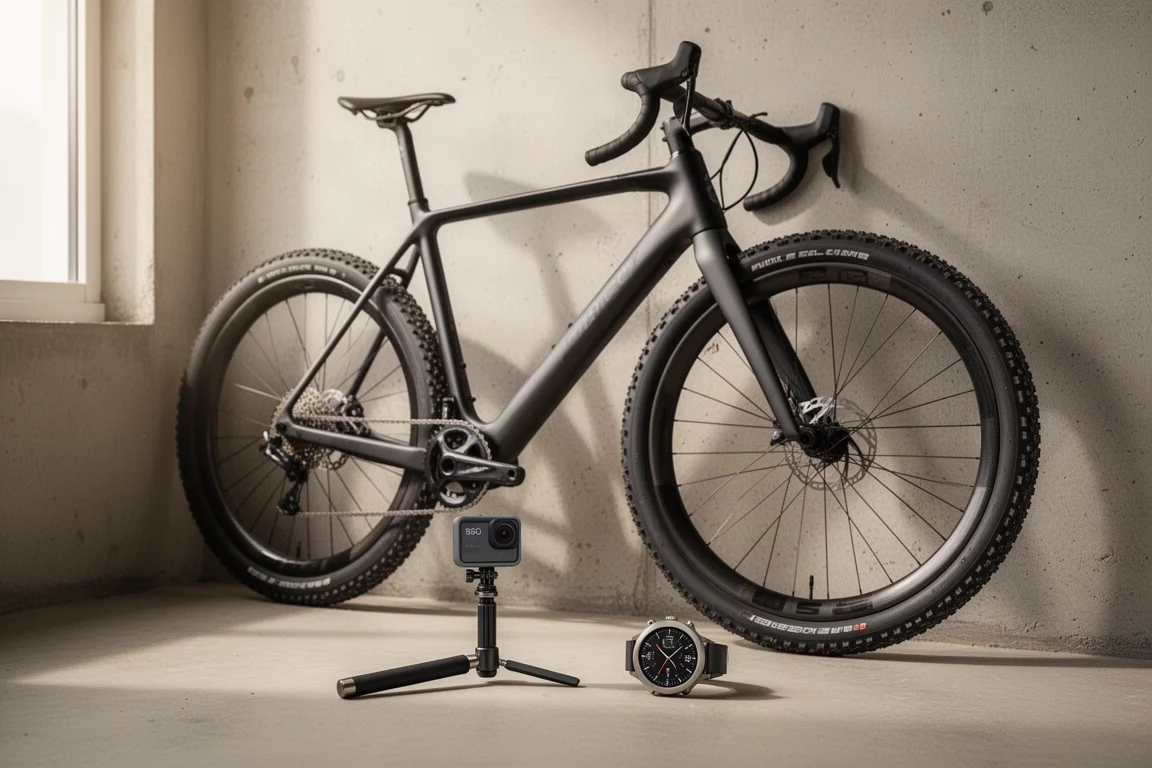
2026 Bike of the Year and the Cycling Gear Worth Watching
A drop bar roundup for 2026 covering the Ridley Kanzo Fast 2.0, Shimano Dura-Ace Di2 R9300, Trek Checkpoint ALR Gen 3, Specialized Tarmac SL9, Garmin Fenix 9 and Insta360 X6.
Cycling
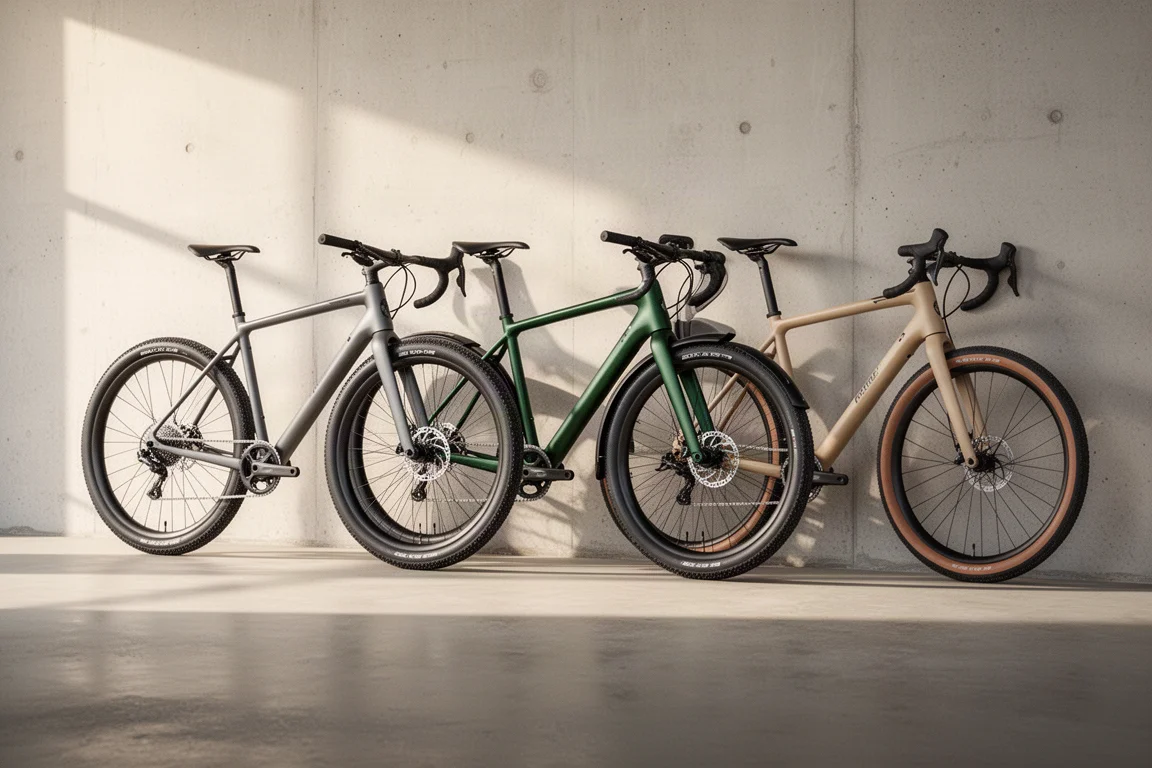
Best All-Road Bikes 2026: Six Versatile Endurance Road Bikes Worth Considering
A practical look at six all-road and endurance road bikes, from lightweight carbon speed machines to steel all-rounders and comfort-focused mile eaters.
Cycling
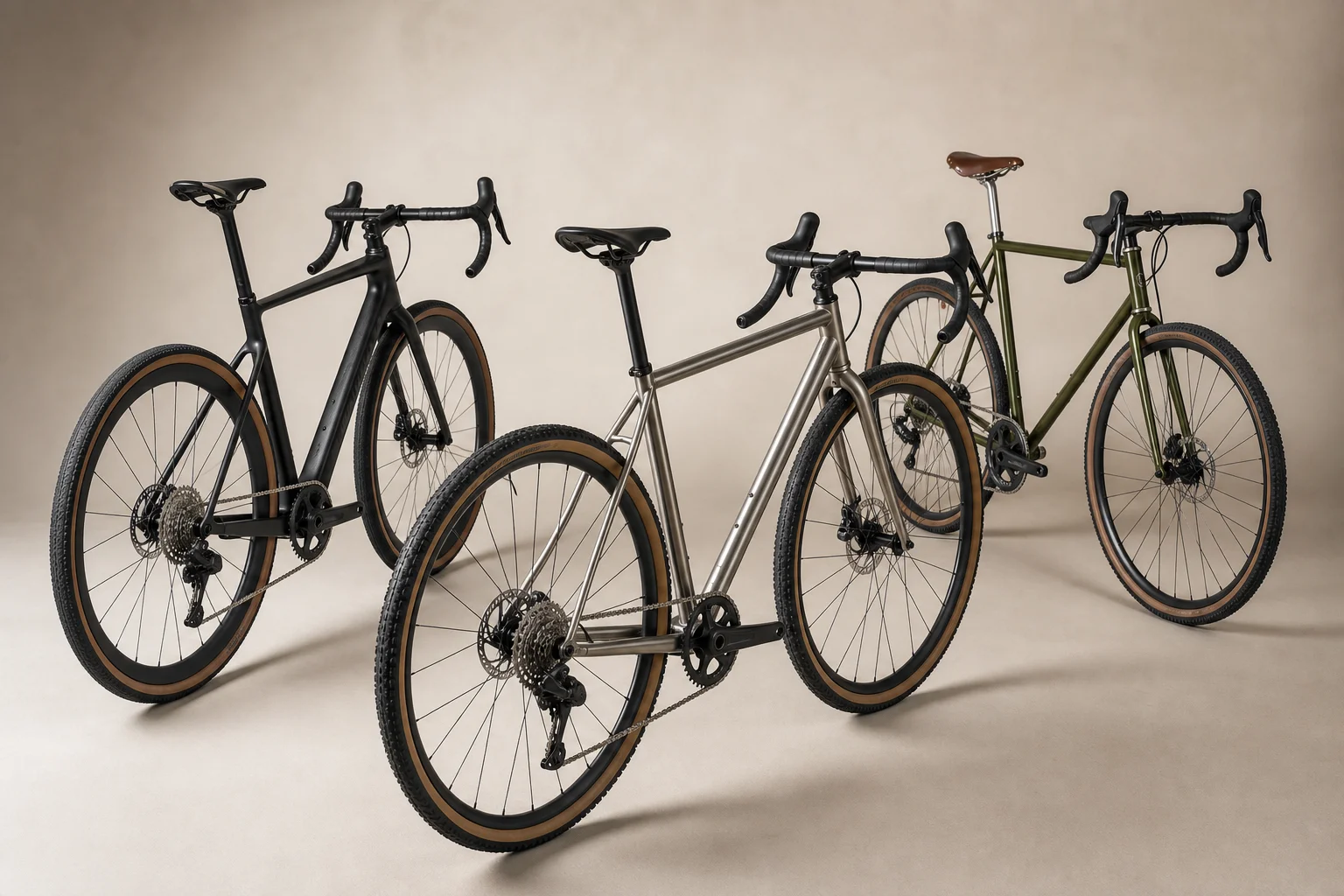
Best All-Road Bikes 2026: 8 Endurance Bikes for Road and Light Gravel
Eight all-road bikes that blur the line between endurance road and light gravel, compared on tire clearance, ride character, practicality, and value.