Endurance Road Bikes
Trek Domane Review: Inside the Fourth-Generation Endurance Road Bike
Trek's fourth-generation Domane trims weight, keeps 38c tire clearance and splits into SL, SLR and RSL tiers. Here is what matters before you buy.
Introduction
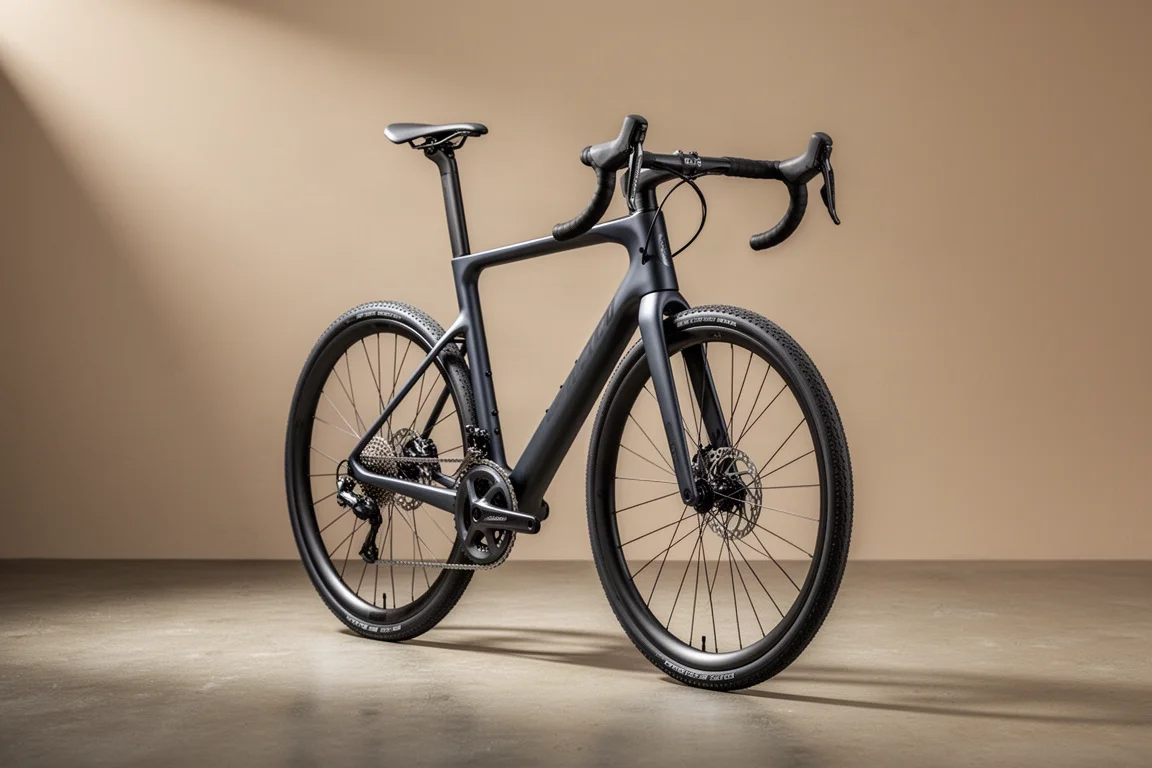
Trek has moved its endurance road platform into a fourth generation. The new Domane arrives after the Madone that launched earlier in the year, and it brings changes across the frame, the compliance system, the build options and the structure of the range itself.
The headline figures are easy to follow. Trek claims a 300 g reduction at frame set level compared with the third generation, and roughly 700 g across a comparable complete build. The adjustable IsoSpeed decoupler has been simplified into a fixed design, the front IsoSpeed point has been removed, and tire clearance stays at a maximum of 38c.
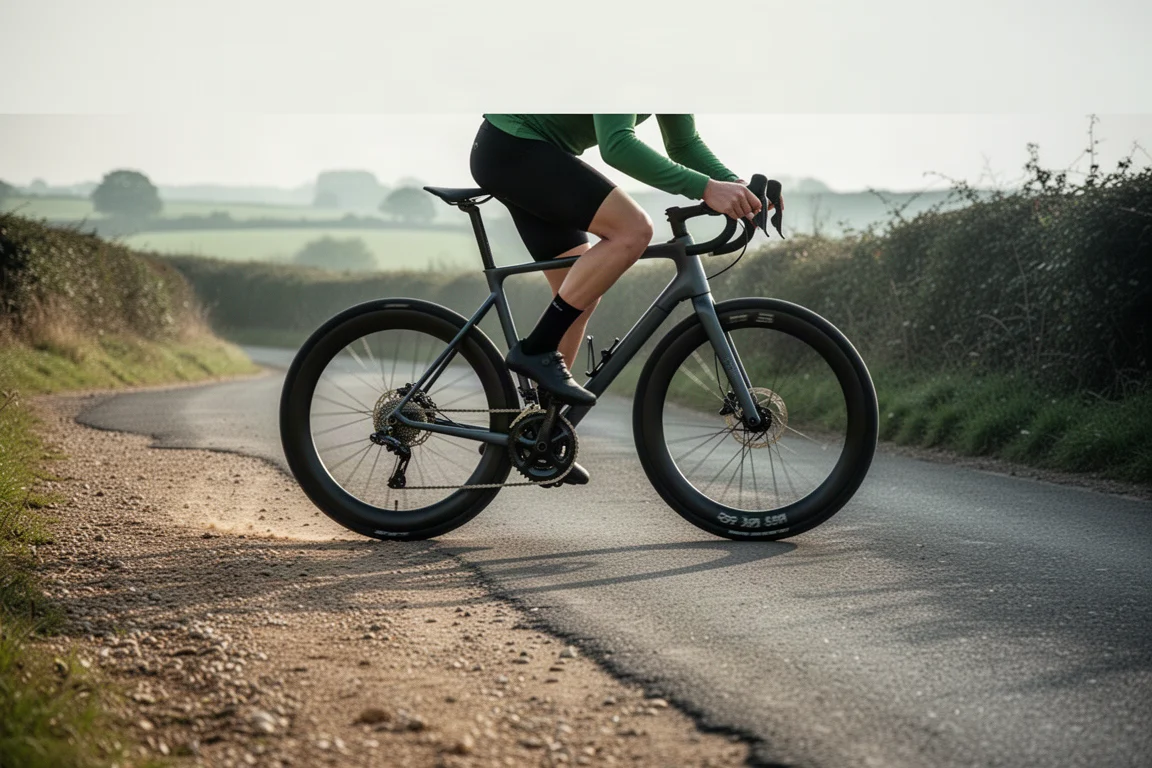
The direction of travel is practical rather than radical. The endurance geometry that defines the Domane stays in place on the SL and SLR, the useful frame features remain, and the changes focus on cutting the weight and complexity that had accumulated over the previous generation.
Who the Trek Domane Is For
The Domane has always been the Trek road bike built around long distances rather than race-day aggression. That makes it relevant to riders who want a stable, comfortable position for multi-hour rides and who would rather run wider rubber at lower pressure than chase the stiffest possible frame.
Tire clearance is central to that appeal. Bikes ship with 32c tires as standard, and the frame accepts up to 38c, which opens the door to lower pressures, more grip and comfort, and light gravel use when the urge strikes.
Practical details matter too. Internal frame storage lets you carry ride essentials inside the frame instead of in jersey pockets, hidden mudguard mounts make wet-weather riding easier, and a top tube mounting point is there for longer days in the saddle.
Main Strengths: Weight, IsoSpeed and Tire Clearance
Weight is the most obvious improvement. The previous Domane was a heavy bike for its class, and Trek has addressed that directly. Making IsoSpeed non-adjustable alone accounts for a claimed 300 g saving at frame set level, and when a complete third-generation SL5 is compared with the fourth-generation SL5, the difference grows to around 700 g. That is a meaningful change for a bike that has to be lifted, accelerated and climbed.
The compliance system has also been simplified. Where earlier Domanes used two IsoSpeed points, the new frame keeps just one, positioned in the top tube near the seat clamp. Trek found that neither consumers nor professional riders adjusted the system after the initial setup, so the decision was made to fix it at the most commonly used setting. That setting varies by frame size, so each size is tuned individually rather than sharing one configuration.
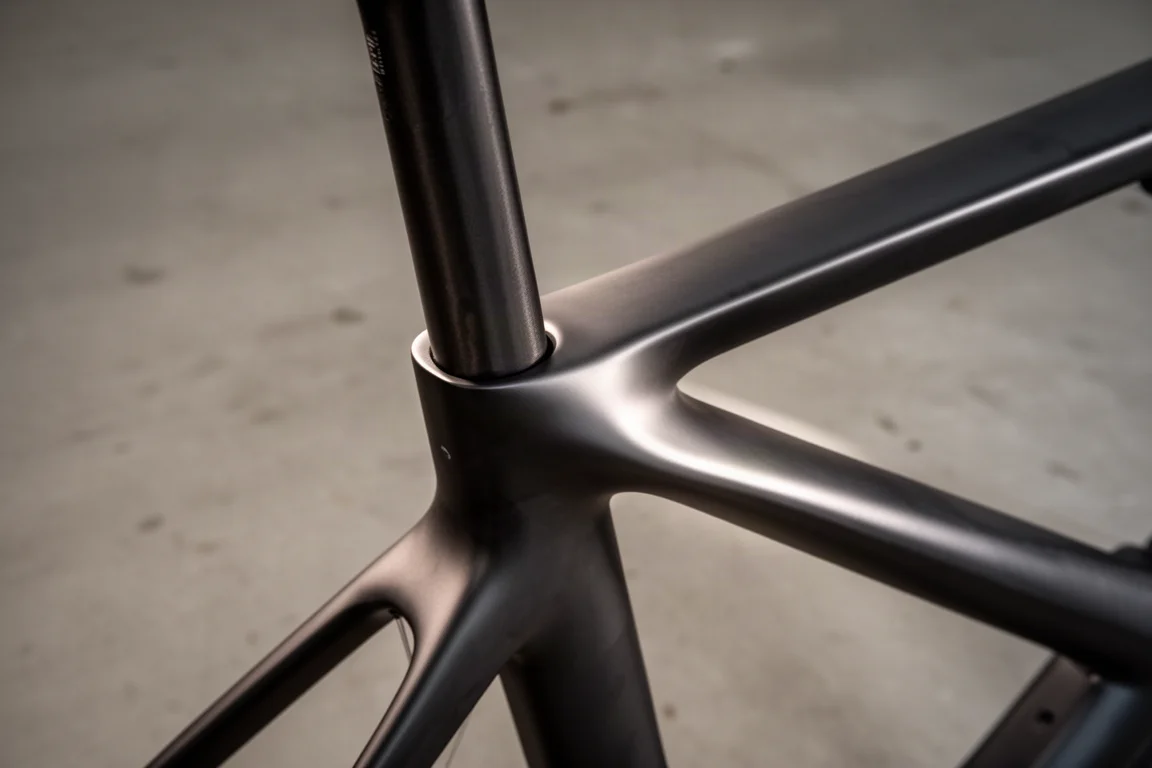
The front IsoSpeed point was dropped for a different reason. As tubeless tire technology developed, more real-world compliance came from the tires than from the front decoupler, which was largely adding weight. With 32c tires fitted as standard and room for 38c, that trade-off is easy to understand. Fitting mudguards reduces the maximum tire size to 35c, which is still generous for road use.
Things to Consider Before Buying
The most important thing to check is which tier you are actually looking at. The RSL is not simply a lighter Domane. It is a frameset-only option aimed at racing, with a head tube 4 cm lower than the endurance models, clearance reduced to 35c, and no mudguard mounts, internal storage or top tube bag mount. It also runs electronic groupsets only. The endurance geometry that makes the Domane what it is does not apply here, and the bike was built with a race like Paris-Roubaix in mind, where it was ridden to a win earlier in the year.
On the SL and SLR, the main consideration is the fixed IsoSpeed design. Riders who previously liked tuning the system will no longer have that option, although Trek’s position is that most owners never used it.
Budget is the other factor. The range spans a wide spread, from entry builds through to top-tier electronic groupsets, so the model you choose matters more than the badge on the down tube. It is also worth noting that the previous generation sat nearly 1.2 kg heavier than a size and spec comparable Specialized Roubaix, which is exactly the gap this update sets out to close.
The Domane Lineup: SL, SLR and RSL
Three tiers make up the range, and the differences between the first two come down to carbon. The SL uses Trek’s 500 series carbon, while the SLR uses the 800 series, which is both lighter and stiffer. Frames and geometry are otherwise shared between them, and the endurance fit carries over from the previous generation.
Build options differ by tier. The SL is offered in five builds: 105 mechanical, 105 Di2, Ultegra Di2, Rival eTap and Force eTap. The SLR steps up to six builds: 105 Di2, Ultegra Di2, Dura-Ace Di2, Rival eTap, Force eTap and Red eTap. The RSL, using the same 800 series carbon, is sold as a frameset only.
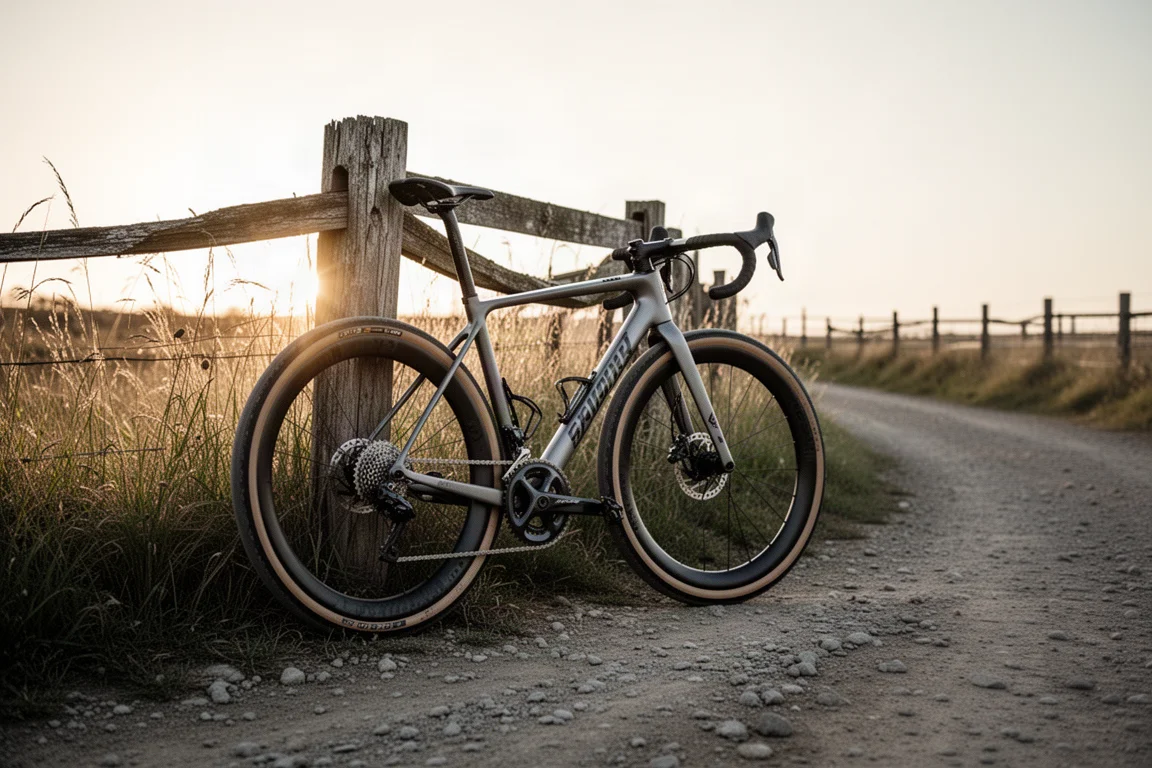
Servicing is straightforward across the range thanks to T47 bottom brackets, which are standard on every model. Buyers planning a custom or mechanical build should note that the SL and SLR framesets accept mechanical groupsets, while the RSL does not.
What the Pricing Means for Buyers
Pricing spans a wide band. In the UK, the range runs from around £3,300 to £12,500. In the United States, it starts at roughly $3,500 and reaches about $13,200. The spread reflects the number of build options rather than any difference in frame philosophy, with the entry SL builds at the lower end and the SLR electronic builds at the top.
Buying Advice
The right Domane depends on what you want from an endurance bike. If comfort, wide tire clearance and frame storage matter most, the SL is the sensible starting point, and the mechanical 105 build keeps the cost at the lower end of the range while preserving the same frame features as the rest of the line.
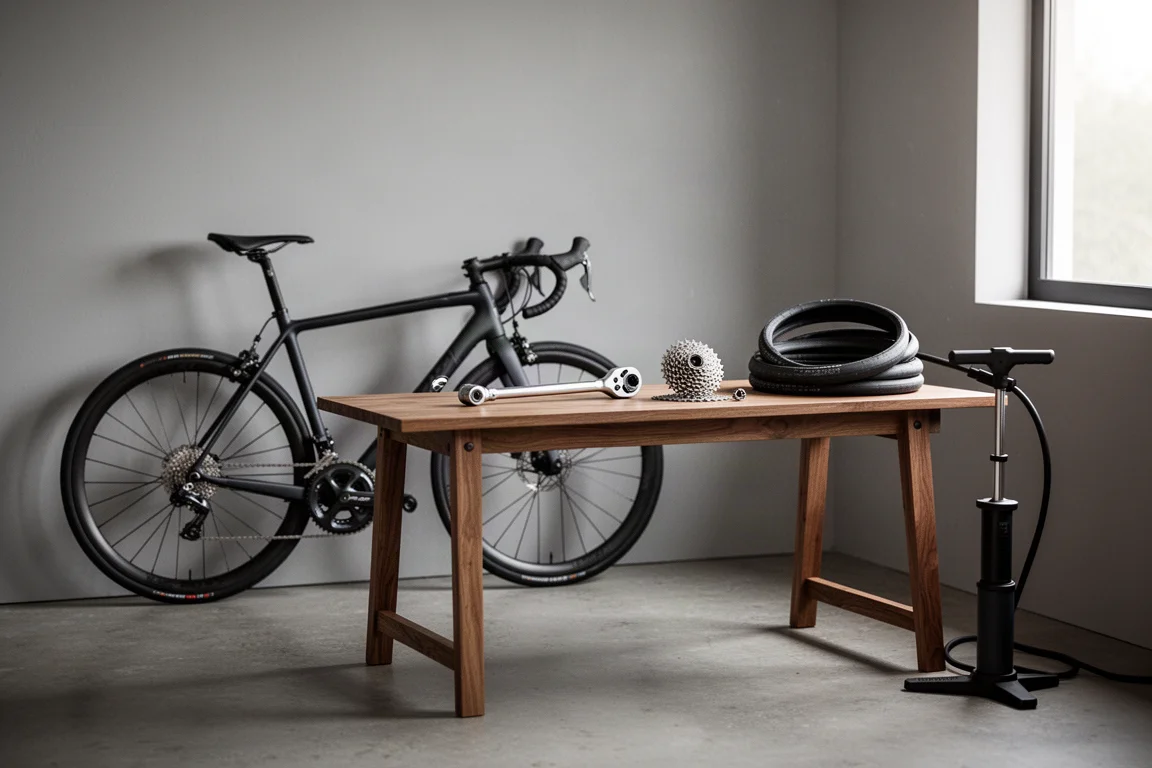
If you want the lighter and stiffer 800 series carbon without stepping into a race frame, the SLR is the natural upgrade, and its build list gives you room to choose between electronic groupsets and higher-end options.
The RSL only makes sense if you are chasing a race-oriented frameset and can live without mudguard mounts, internal storage and clearance above 35c. For most endurance riders it is a different proposition entirely.
Either way, factor in tire choice. Running 32c or wider at lower pressure is where much of the comfort advantage lives, and if you plan to fit mudguards, remember the 35c limit.
Conclusion
The fourth-generation Domane answers the main criticism of its predecessor by cutting weight while keeping the features that made the platform practical. The single IsoSpeed point, the retained 38c clearance and the internal storage all point to a bike built for long days rather than spec-sheet bragging.
The lineup does ask buyers to choose carefully. The SL and SLR deliver the endurance experience with different carbon and build levels, while the RSL is a focused race frameset that shares the name but not the priorities. Match the tier to your riding, and the Domane makes a strong case as a comfortable, capable road bike.
Product link
View more details for Trek Domane
This product is mentioned in the review. Check the specifications, options, and compatibility before buying.
View more details for Trek DomaneFurther reading
Related Reviews
Endurance Road Bikes
Best Endurance Bikes Compared: Merida Scultura Endurance, Cervélo Caledonia and Vitus Venon Evo RS Aero
Three endurance road bikes tested on long, wet road loops: relaxed classic comfort, sporty road pace, and an all-road machine with genuine gravel room.
Endurance Road Bikes
Best Endurance Road Bikes: Eight Comfort-Focused Picks for Speed and Stability
Eight endurance road bikes compared on fit, comfort features, tire clearance, storage and value, from the smoothest carbon options to steel and titanium alternatives.
Endurance Road Bikes
BMC Roadmachine Review: An Endurance Road Bike Built Around 40mm Tires
A closer look at the updated BMC Roadmachine, from its 40mm tire clearance and down tube storage to the trade-offs of its integrated rear light.