Endurance Road Bikes
Trek Domane Gen 5 Review: Lighter, Stiffer Endurance Road Bike Without IsoSpeed
Trek's fifth generation Domane drops the IsoSpeed decoupler, claims a 305 g frameset saving and opens at 2,400 dollars. Here is what changes and who it suits.
Introduction
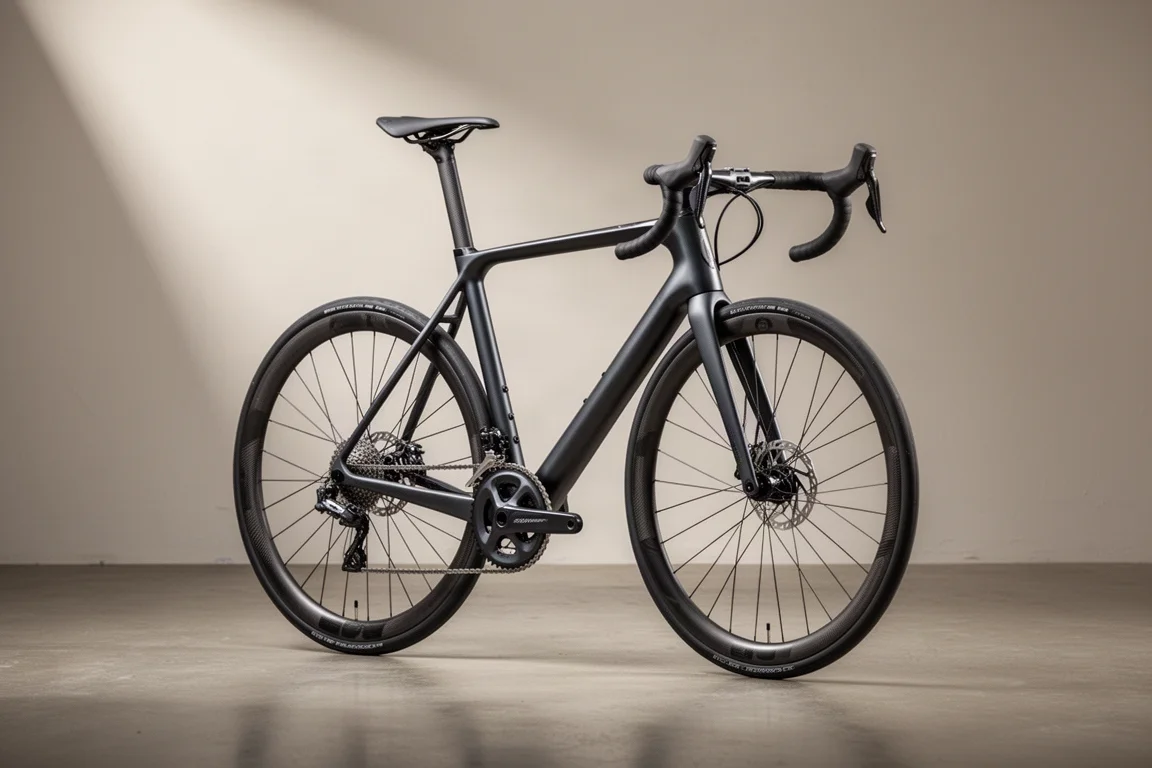
Trek’s Domane has been one of the defining endurance road bikes for more than a decade, and the fifth generation is its biggest redesign so far. The IsoSpeed decoupler, the pivoting seat tube assembly that arrived with the original Domane in 2012, has been removed completely.
That change makes more sense in context than it does at first glance. When the first Domane launched, maximum tire clearance was 25 mm, and frame-level compliance was one of the few tools available to soften a narrow, high-pressure tire. Clearance has since grown to 38 mm on the outgoing model and 40 mm here, so the frame no longer has to carry the entire comfort brief. Instead, Trek has reworked the carbon layup in the frame and the seatpost.
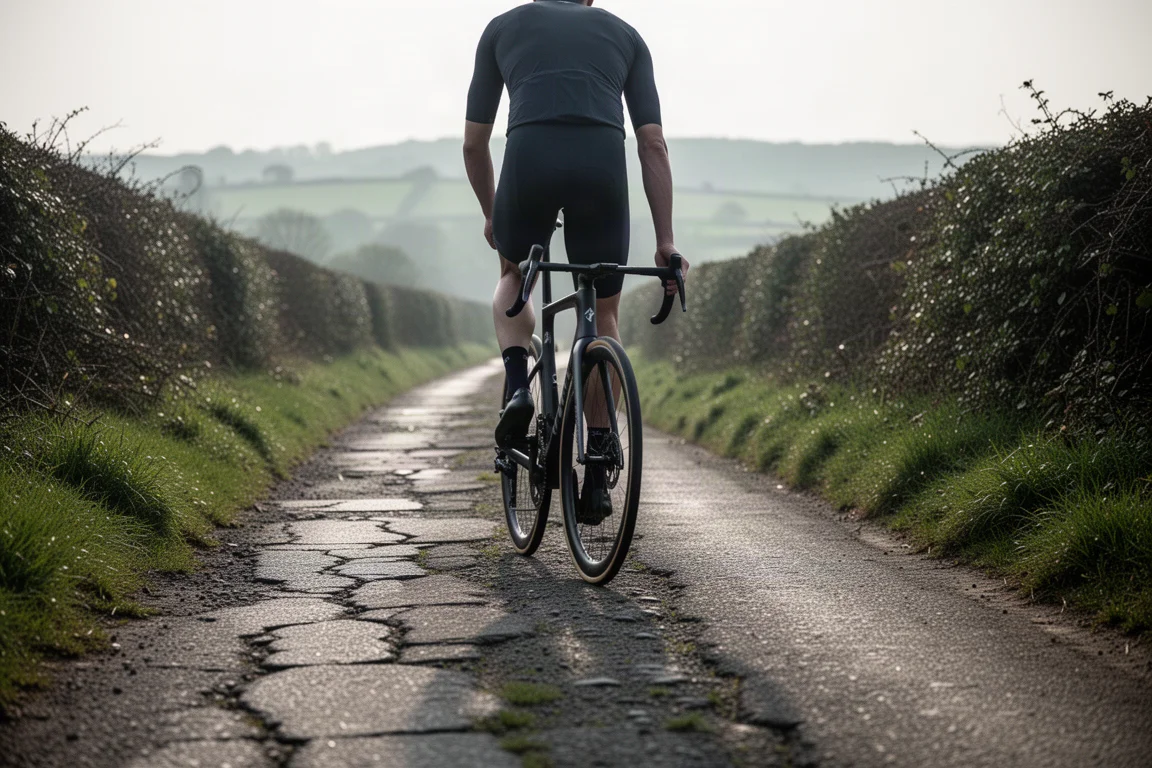
The trade is a small loss of smoothness for a large weight saving. Trek’s comparison data places the new bike within roughly 5 percent of the previous generation on compliance, while the frameset sheds a claimed 305 g and the lightest builds land at a claimed 6.6 kg. The range also opens lower than before, with the Domane SL starting at 2,200 euros or 2,400 dollars.
Who the Trek Domane Gen 5 Is For
This is a bike for riders who want a sporty road feel without a race bike position. The geometry is unchanged from the previous generation and remains more upright than the Madone, with a higher stack and a shorter reach than Trek’s aggressive race platform.
It suits riders who spend long days on rough or deteriorating tarmac, who want to run wide tires, or who want a single bike that can take fenders, extra bottles and light bikepacking loads. The third bottle cage mount on the down tube, the hidden fender mounts and the additional cargo mounts in the frame all point in that direction.
It also suits riders who want the option of a 1x drivetrain. The UDH dropout means a SRAM XPLR setup can be fitted, and one of the higher-end models is built that way.
It is less suited to riders who want the lowest possible stack, or who are chasing maximum plushness above all else, since that is exactly where the new bike makes its concession.
Main Strengths
A Meaningfully Lighter Frameset
Weight is where the new bike moves furthest. Trek claims a 305 g frameset saving, with the frame itself at a claimed 835 g, down from over 1,000 g on the previous version. That is a substantial shift for an endurance platform.
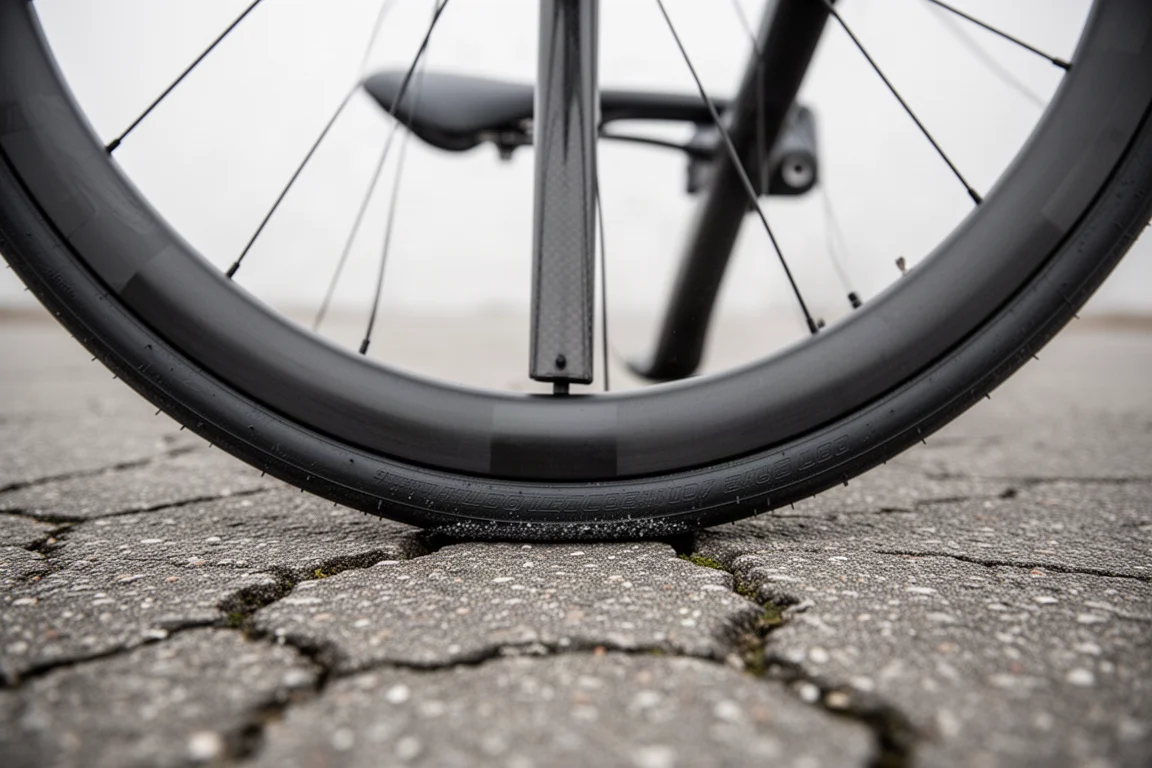
The builds reflect it. The lightest SRAM 1x configuration is claimed at 6.6 kg, and Trek also lists a superlight build claimed at 6.62 kg with a SRAM Red 2x eTap groupset, 28 mm Pirelli tires, the RSL Race handlebar and shallow Aeolus carbon wheels. Those numbers sit in race bike territory.
More Pedaling Stiffness
Removing the decoupler and reworking the layup has made the frame stiffer as well. Trek cites a 6 percent gain in pedaling stiffness testing, which it says positions the new Domane between the fourth generation Domane and the current Madone. For riders who found the older bike soft under hard efforts, that is a meaningful change.
Wider Tire Clearance and Practical Mounts
Clearance has grown from 38 mm to 40 mm, matching the widest options in the endurance category, and bikes now ship with 35 mm tires rather than 32 mm. Trek has also shortened cranks across the range, from 160 mm and 165 mm on the medium and medium-large sizes to 170 mm on the larger frames.
Practical details carry over and expand: hidden fender mounts, a third bottle cage mount on the down tube, additional cargo mounts in the frame, and compatibility with the aero bottle cages used on the Madone. On the aerodynamic side, Trek says the frame carries about 1 watt more drag than the previous model when running 35 mm tires, while those wider tires recover roughly 1.5 watts in rolling resistance, so the two effects broadly cancel out.
Things to Consider Before Buying
Comfort Gives Up a Little
The honest trade-off is smoothness. Trek’s own testing shows the new bike is not quite as compliant as the fourth generation, with a gap of around 5 percent. Whether that is noticeable depends on your roads, your tire pressure and what you are stepping off.
Compliance now comes from the carbon layup and a conventional 27.2 mm seatpost, which is round on the outside and ovalized internally to keep lateral stiffness while allowing fore-aft flex.
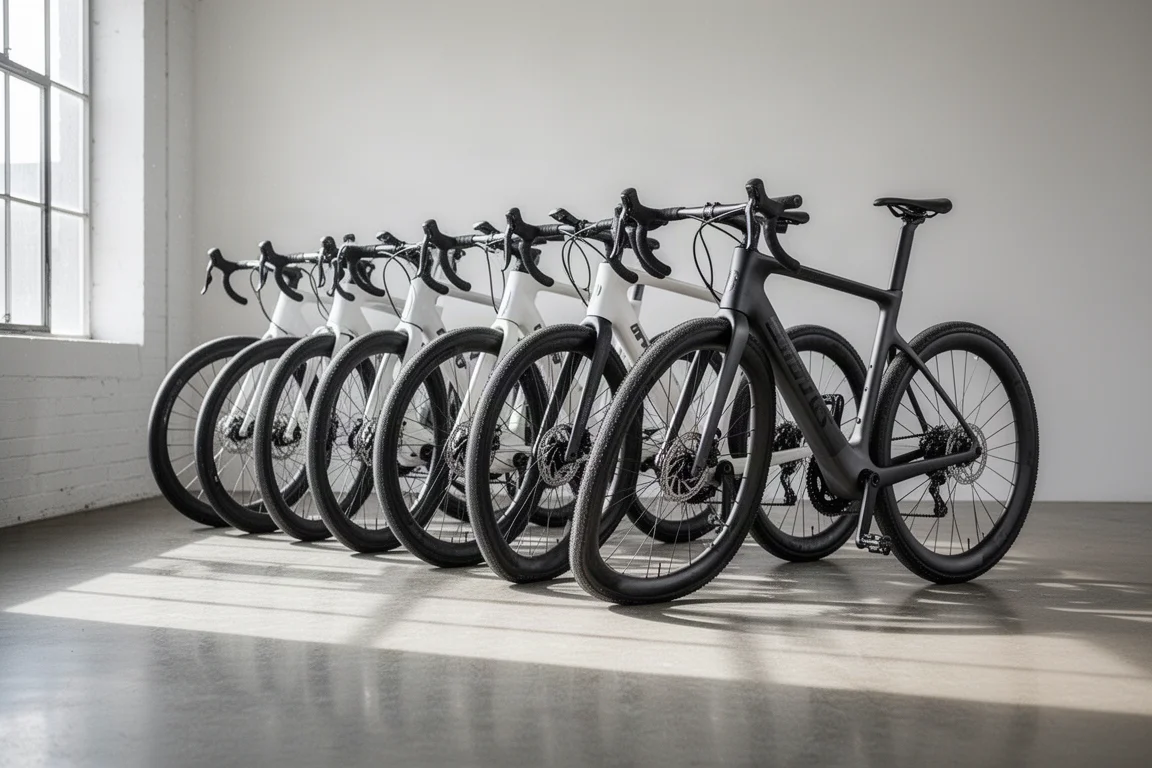
That is a deliberate direction: lighter and stiffer, with wide tires doing more of the comfort work than before. Riders who prioritise maximum plushness should weigh that against the weight and stiffness gains rather than assume the newest version is automatically the softer one.
Handlebar Shape and Rise
The new cockpit uses a riser handlebar with 20 mm of rise from the stem to the tops, swept back to shorten reach, with slightly flared drops. It adds stack and trims reach, which fits the endurance brief, but riders who are already comfortable on the previous geometry may want a flat alternative. Trek has not said whether a non-rise version will follow.
Buying Advice
The range splits into two tiers. The SL models use the entry carbon layup, and the SLR models use a higher grade fibre with the same features and details. The SL line opens at 2,200 euros or 2,400 dollars with a Shimano Tiagra 2x groupset, then steps through Shimano 105 and SRAM Rival up to SRAM Force at 5,000 dollars.

The SLR tier starts at 7,000 euros with Shimano Ultegra Di2, rises to 10,500 euros with a SRAM Red eTap 1x build and tops out at 11,500 euros with SRAM Red eTap 2x. There is also a limited edition number 76 model through Trek’s Project One programme at 13,000 euros, marking the company’s 50th anniversary, with just 124 units planned.
If the entry SL is within budget, it is a strong place to start, since the frame and the practical features are shared across the range and the main variables are groupset and wheels. If low weight is the priority, the 1x SLR builds and the superlight configuration are the ones to look at.
Conclusion
The fifth generation Domane is a clear statement of intent. Trek has moved away from the mechanical decoupler that defined the model for over a decade, saved a serious amount of weight, added stiffness and kept the practical details that make an endurance bike easy to live with. The cost is a small reduction in smoothness compared with the previous generation.
For most riders shopping in this category, the combination of a claimed 835 g frame, 40 mm clearance, mounts for fenders and cargo, and a starting price of 2,400 dollars is a compelling package. If comfort above all else is the priority, the trade-off deserves a closer look before you commit.
Product link
View more details for Trek Domane Gen 5
This product is mentioned in the review. Check the specifications, options, and compatibility before buying.
View more details for Trek Domane Gen 5Further reading
Related Reviews
Endurance Road Bikes
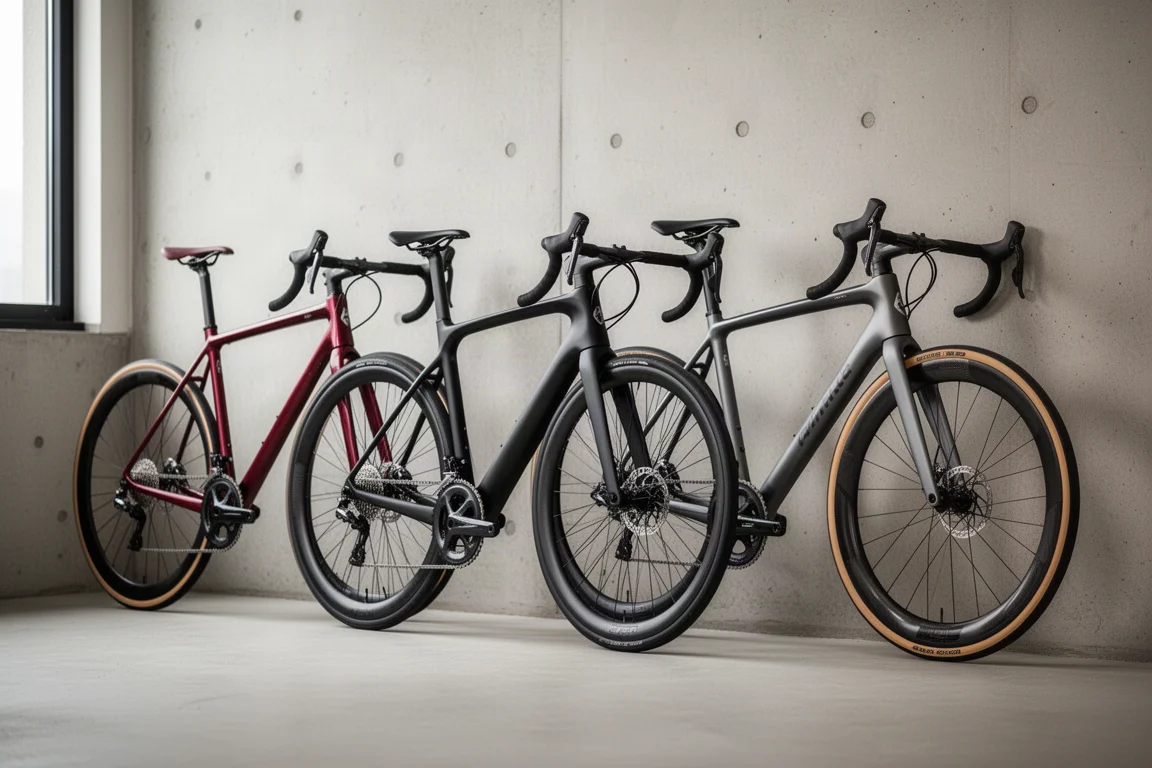
Best Endurance Bikes Compared: Merida Scultura Endurance, Cervélo Caledonia and Vitus Venon Evo RS Aero
Three endurance road bikes tested on long, wet road loops: relaxed classic comfort, sporty road pace, and an all-road machine with genuine gravel room.
Endurance Road Bikes
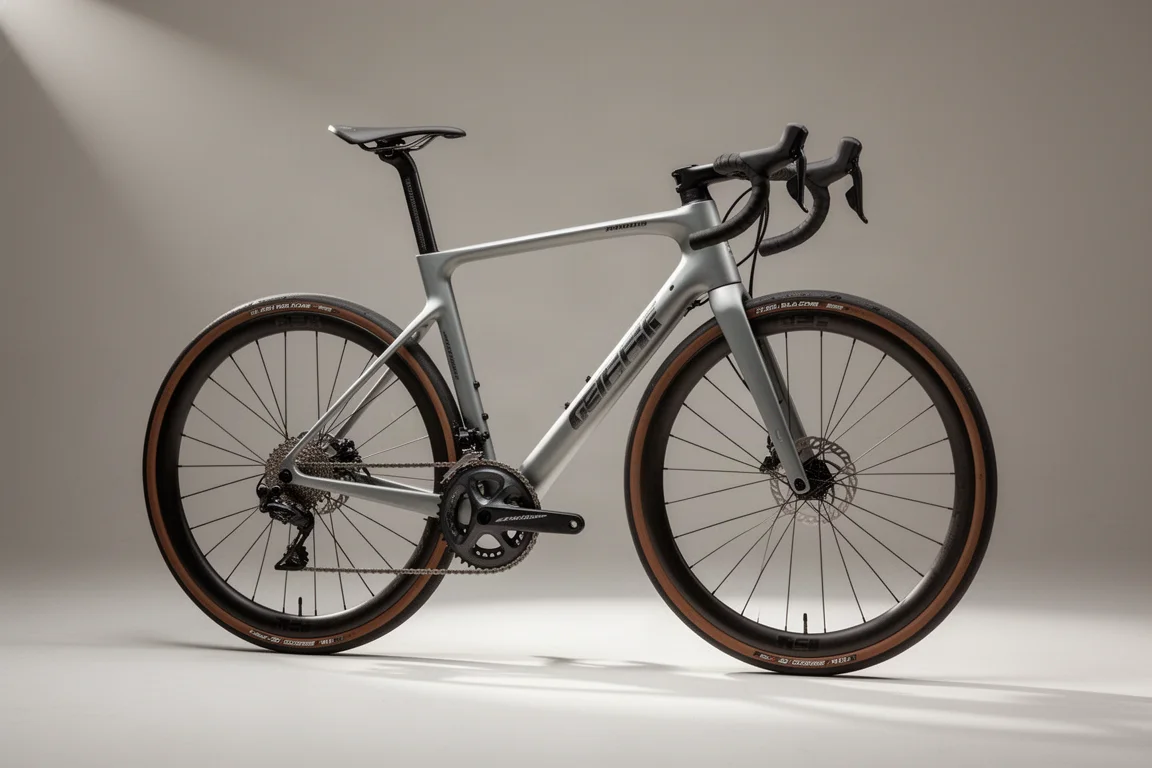
Best Endurance Road Bikes: Eight Comfort-Focused Picks for Speed and Stability
Eight endurance road bikes compared on fit, comfort features, tire clearance, storage and value, from the smoothest carbon options to steel and titanium alternatives.
Endurance Road Bikes
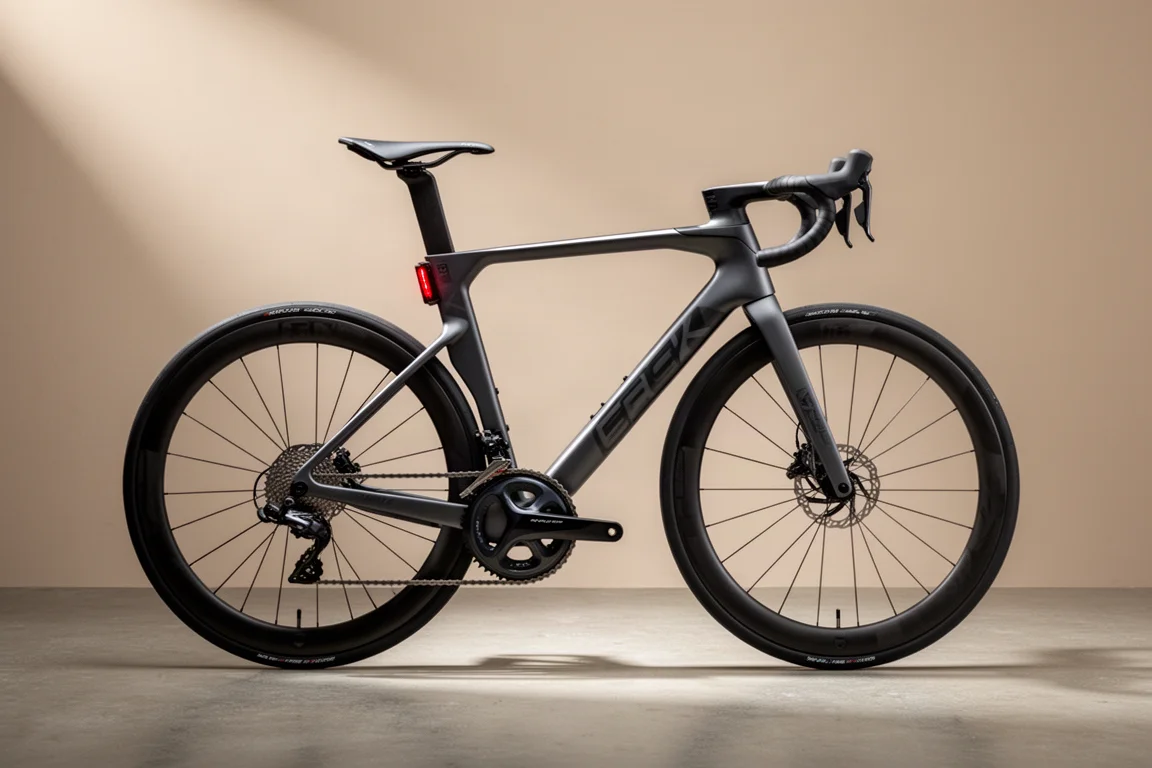
BMC Roadmachine Review: An Endurance Road Bike Built Around 40mm Tires
A closer look at the updated BMC Roadmachine, from its 40mm tire clearance and down tube storage to the trade-offs of its integrated rear light.