Road Bikes
Trek Domane AL 2 vs Giant Contend 1: Two Budget Endurance Road Bikes Compared
A practical comparison of two sub-£1,000 alloy endurance road bikes, covering frame design, groupset choices, braking, and real ride quality.
Introduction
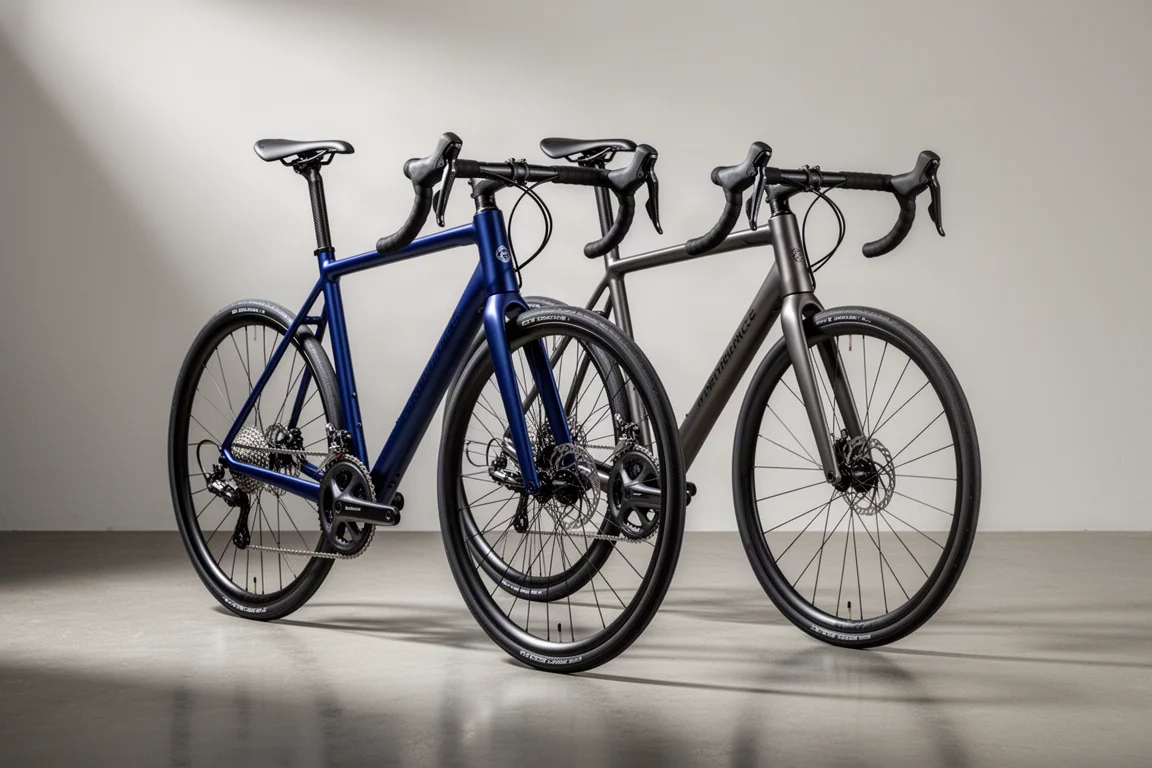
Two alloy-framed, rim-brake endurance road bikes sit at the heart of the sub-£1,000 market, and they are close enough on paper that the differences only emerge once you ride them. The Trek Domane AL 2 at £775 and the Giant Contend 1 at £949 both target riders who want all-day comfort without giving up the feel of a proper drop-bar road machine. Both are happy to be used as winter trainers or commuters, and both make a sensible first serious road bike. The real question is whether the Giant’s extra spend buys enough to justify it.
Frame and Build Quality
Both bikes use alloy frames paired with carbon fiber forks, and both show neat, smooth welds. From a distance the Giant could be mistaken for carbon thanks to tube shaping borrowed from the brand’s own carbon racer. The Trek takes a similar approach, with a head tube formed to echo the signature shape of its carbon counterpart. Carbon forks on both bikes help absorb vibration, and the Trek also carries the brand’s anti-vibration IsoSpeed technology in the fork.
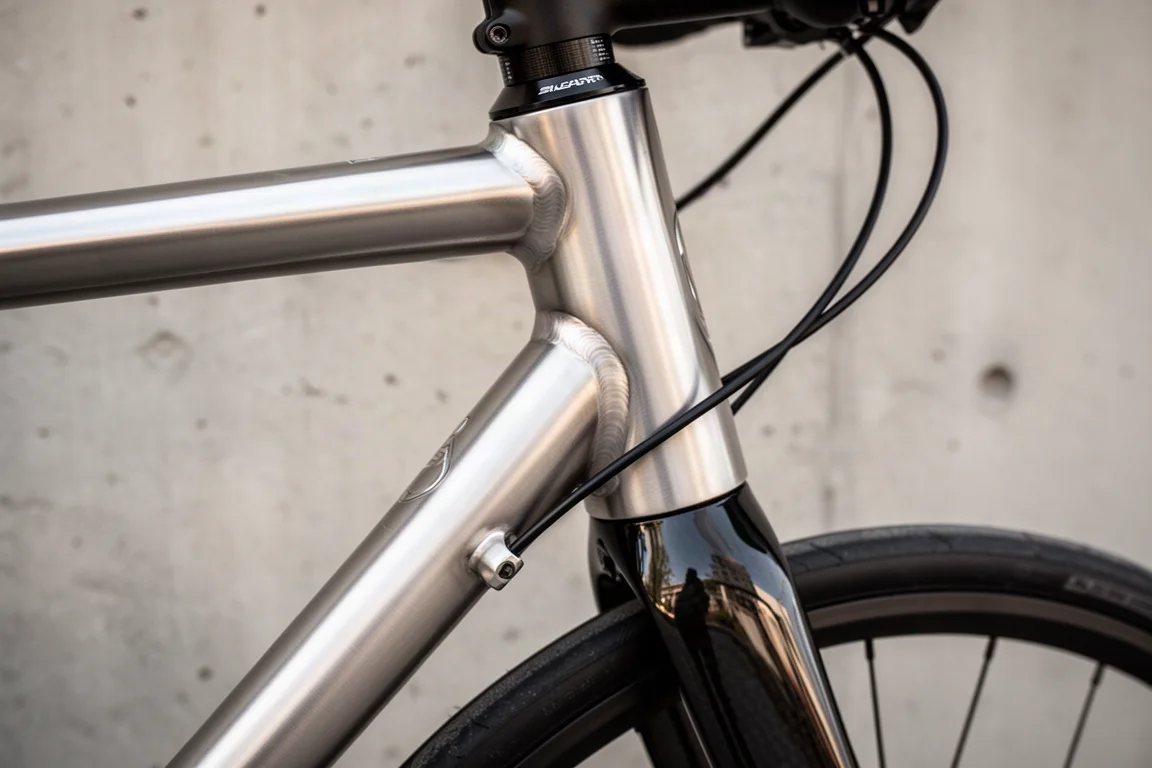
The weights sit close together: the Giant at 9.51 kg, the Trek a shade heavier at 9.62 kg. Geometry is tuned for endurance use. The Giant uses a compact frame design with a 72.5-degree head angle, while the Trek is slightly slacker at 71.3 degrees. Seat tube angles land at 73.5 and 73.7 degrees respectively, and the Giant’s wheelbase is 20 mm shorter. The Trek runs more bottom bracket drop, which combined with its longer wheelbase should add stability on rough tarmac.
Trek Domane AL 2: Comfort First, With Some Compromises
The Domane AL 2 is built around the brand’s endurance road fit and delivers comfort straight from the box. Its 8-speed Shimano Claris groupset sits a step below the Giant’s drivetrain, though the setup is not pure Claris: a non-series RS200 double chainset and unbranded rim brake calipers complete the build. In-house alloy finishing kit covers the stem, handlebars and seat post, and the plush bump-smoothing saddle helps the overall ride quality.
Unlike the higher-spec carbon Domane models, there are no IsoSpeed elements integrated into the alloy frame; the fork carries the technology instead. The Bontrager TLR wheels are tubeless-compatible, but the supplied 25 mm tires are not, even though they measure closer to 27.5 mm once fitted. There is clearance for 28 mm rubber, which would be an easy way to add comfort, and the frame accepts mudguards as well as a rear rack, making it a genuinely practical winter or commuter option.
The Claris levers are ergonomic, but shifting has less finesse than the Giant, with larger jumps across the 11-32 tooth cassette. The front mech occasionally needs a little coaxing to avoid sticking mid-shift. Braking is the real low point: the caliper action feels lively, but the pads have almost no bite on alloy rims and stop with a wooden feel. Rim brake pads are cheap and easy to swap, so it is an inexpensive fix, but it is a fix you will want to make.
Giant Contend 1: Sora Shifting and All-Day Compliance
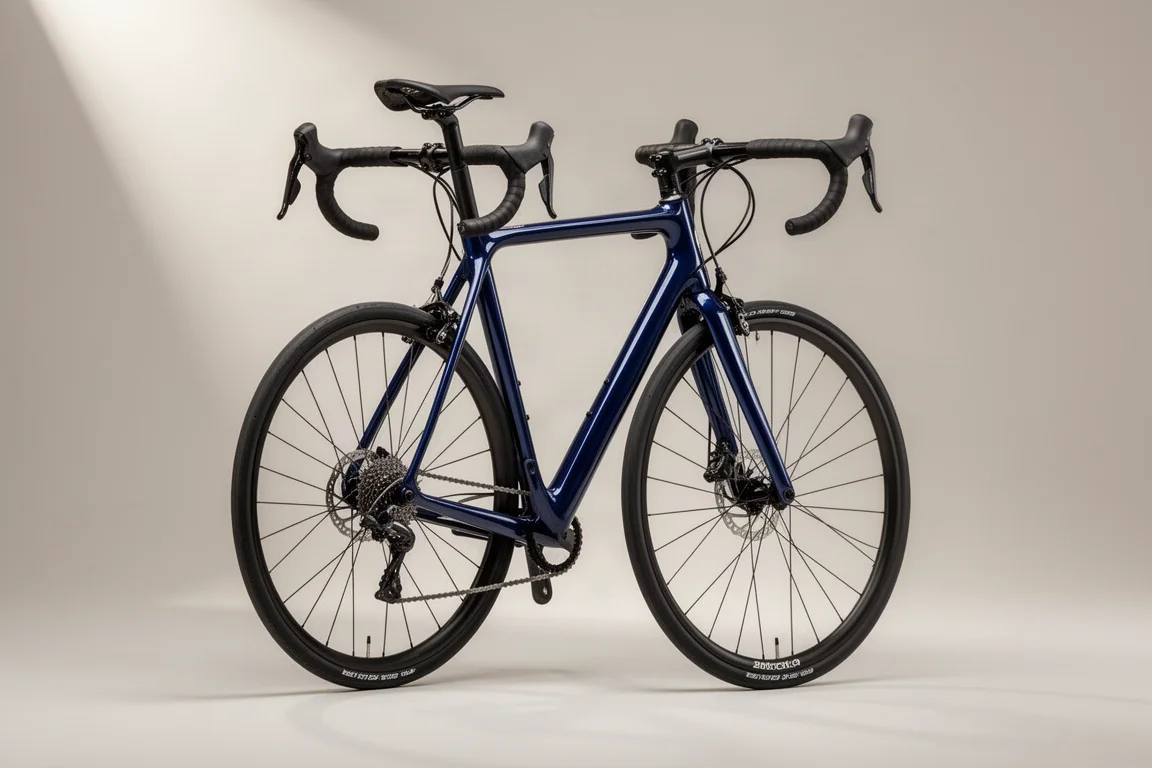
The Contend 1 takes a different route to comfort and the result is just as impressive. A carbon fork and an alloy D-shaped seat post combine to smooth long days in the saddle. The flat-backed post design offers enhanced flex at the rear, amplified by its slim diameter, and the firmer, well-shaped saddle should keep its structure longer than a very soft alternative. Clearance runs up to 32 mm tires, so there is room to soften the ride further if you want it.
The front end is not quite as well damped as the rear, but vibration absorption is still good and the bike encourages a faster line even on questionable surfaces. The 9-speed Shimano Sora groupset offers a 1:1 ratio at its easiest end and a 50x11 top gear, so it can handle almost any road. The extra sprocket keeps the cassette less gappy than Claris, and shifting is snappy and smooth with comfortable ergonomic levers. Tektro rim calipers stop with an unremarkable but entirely suitable level of performance.
Impressively for this price point, both the wheels and the 28 mm tires are tubeless-ready, a genuine benefit if you plan to convert. The slightly deeper rims accelerate quickly enough to make things fun without becoming an anchor on long climbs, and the rounded tires offer predictable grip with great cornering confidence.
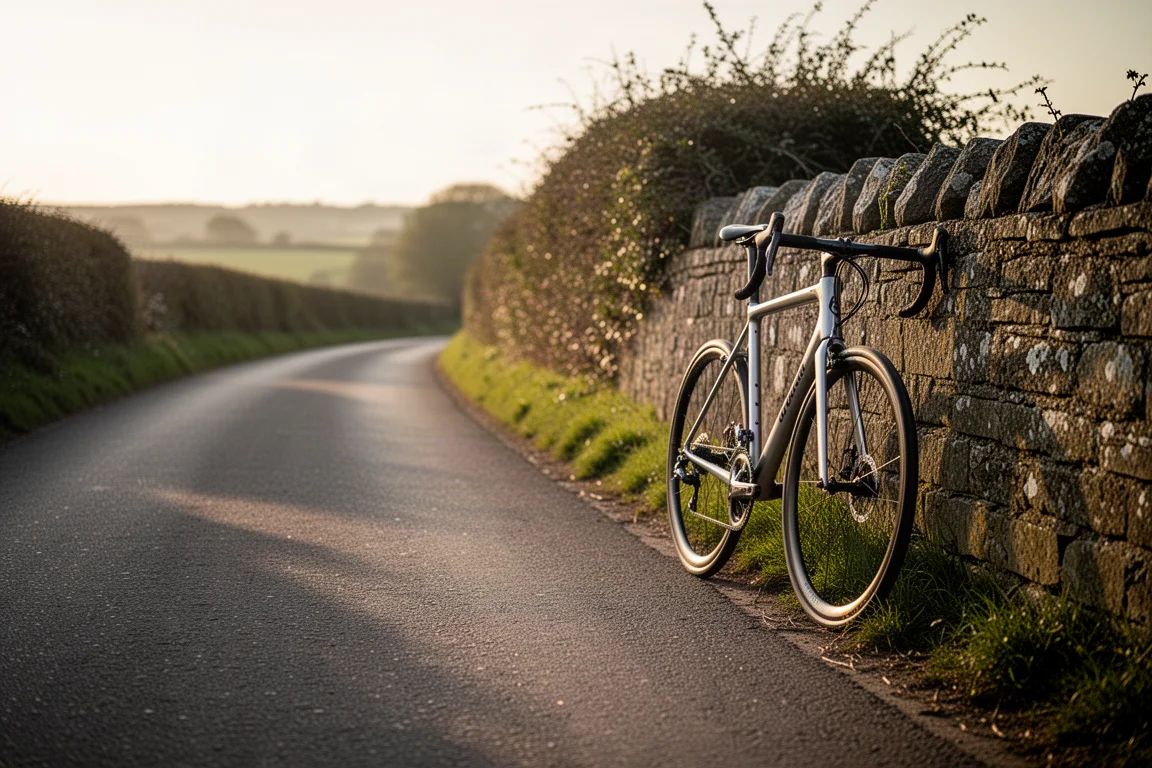
The Contend is coherent in the way the brand’s better bikes tend to be, and the whole feels greater than the sum of its parts. It responds well to being pushed, which is rare at this price.
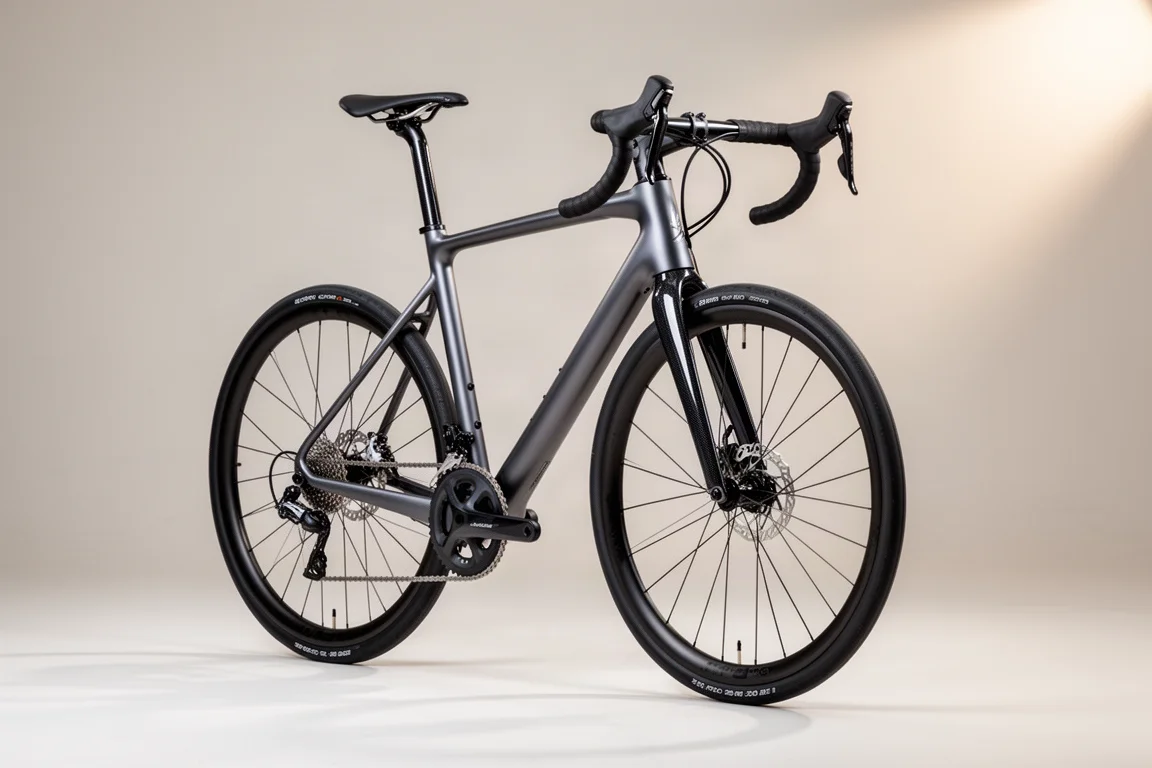
Drivetrain and Braking Compared
The groupset gap is one of the clearest differences between the two bikes, separated by both a performance level and a sprocket. Sora’s 9-speed setup shifts with more finesse and smaller jumps than the 8-speed Claris on the Trek. Claris front shifting is acceptable but occasionally needs more coaxing, and the 11-32 cassette feels gappier on rolling terrain.
Braking is where the two really diverge. Both use rim brakes, which is expected at this price, but their performance is far from equal. The Giant’s Tektro calipers are unremarkable yet suitable, while the Trek’s unbranded calipers and pads let the build down. They have no bite and feel wooden, and rim brakes cannot compensate with the pad compression that disc brakes use. Because rim brake pads are cheap and easy to replace, this is a straightforward upgrade rather than a deal-breaker.
Ride Quality and Handling
The Giant gave a good fit with generous overlap between neighbouring frame sizes, so even a medium test frame felt comfortable with only a 50 mm difference in reach compared to the usual medium-large. The Trek also fit well straight out of the box, reinforcing the brand’s reputation for endurance road fit.
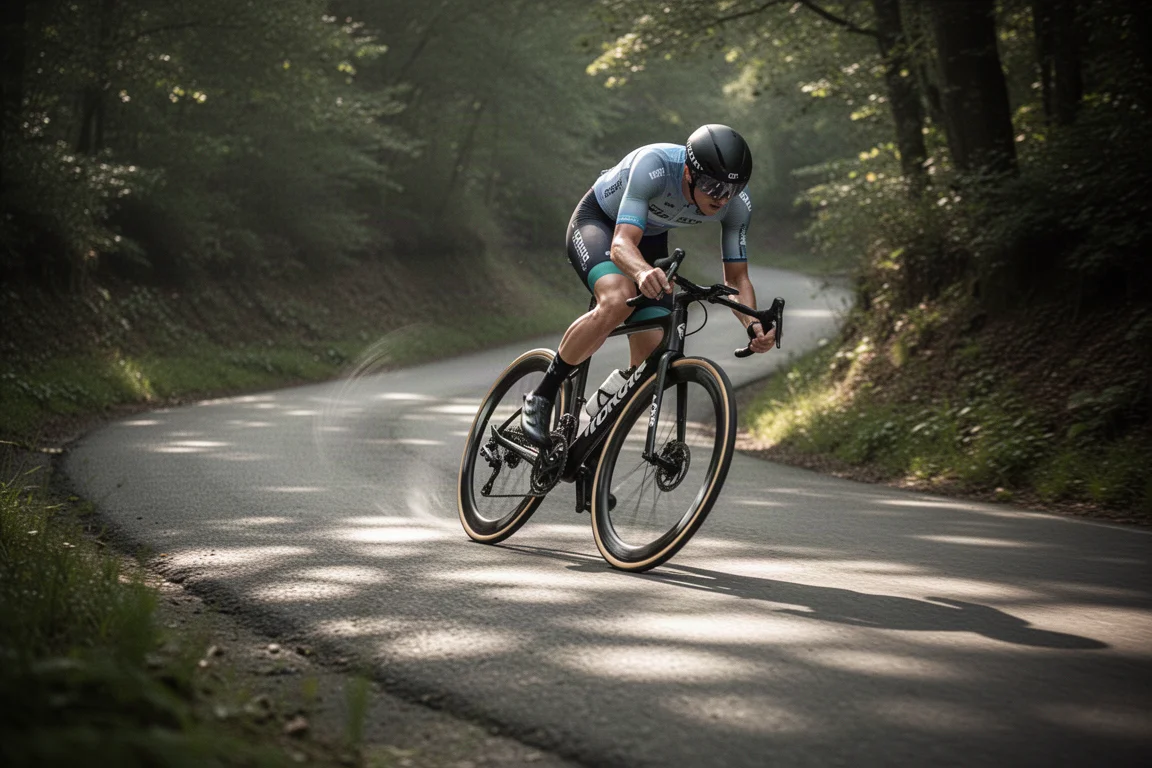
Out on the road the distinction becomes clear. The Giant rolls along pleasantly but also responds when pushed, a rare quality at this price. The wheels spin up quickly, the tires grip predictably, and the handling is accomplished and relaxing. The Trek, by contrast, has wheels that warrant improvement: on short drags the approach speed to hills is slower, and mastering a town-sign sprint takes more power than it should. With a tailwind and a gradient, though, the Trek can still fly, and its cornering and descending feel stable and confidence-inspiring.
Overall Buying Advice
If outright value is the priority, the Giant Contend 1 makes a stronger case at £949. It offers the better groupset, tubeless-ready wheels and tires, a more comfortable and compliant ride, and more responsive handling. It is also practical: rim brakes mean repairs and upgrades stay inexpensive, and Giant dealers will usually convert the wheelset to tubeless for you.
The Trek Domane AL 2 at £775 still earns a strong recommendation, particularly if rack and mudguard mounting for commuting matters to you. But budget for a rim brake pad upgrade before getting too carried away, since the stock braking is the weak point. For riders who want a dependable endurance platform with room to grow, either bike works. The Giant simply arrives with fewer compromises out of the box.
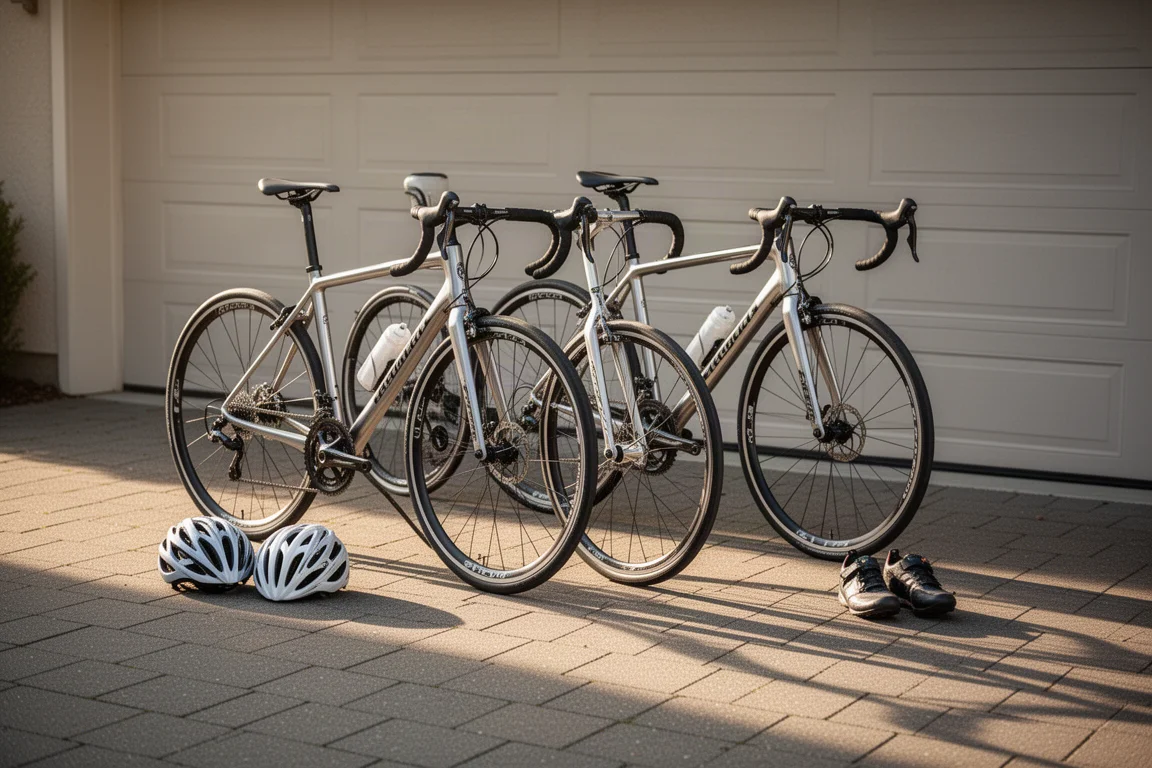
Both bikes sit firmly in the endurance category, ready for long days without sacrificing comfort, and both are sensible first road bikes for riders who prefer a traditional rim-brake setup.
Conclusion
Within the budget endurance road bike bracket, the Giant Contend 1 takes the win for its rewarding and reassuring handling, refined ride quality, and better-equipped build. The Trek Domane AL 2 remains a solid option at a lower price, with generous tire clearance and practical mounting points, but it benefits from a brake pad upgrade before you ride it hard.
Further reading
Related Reviews

Road Bikes
10 New Road Bikes Worth Watching: Aero, Titanium, Steel and Endurance Standouts
A practical roundup of 10 new road bikes, from aero flagships chasing single-watt gains to titanium, steel and endurance platforms built for real roads.
Road Bikes
2026 Tour de France Road Bikes: Six Race Machines Worth a Closer Look
Six race bikes from the 2026 Tour de France grid, reviewed for paint, silhouette, wheels and the specification details that matter to buyers.
Road Bikes
3T Strada Italia Review: A Radical Aero Road Bike That Rides Smooth
A made in Italy carbon aero road bike with a deep head tube, wide tire clearance and a genuinely comfortable ride. Here is what to know before buying.