Road Bikes
Trek Domane AL 2 Review: The Case for a Rim-Brake Entry-Level Road Bike
The Trek Domane AL 2 pairs an aluminium frame and a carbon fork with an 8-speed Shimano Claris groupset and rim brakes at £750. Here is who it suits, what it does well, and what to weigh up before buying.
Introduction
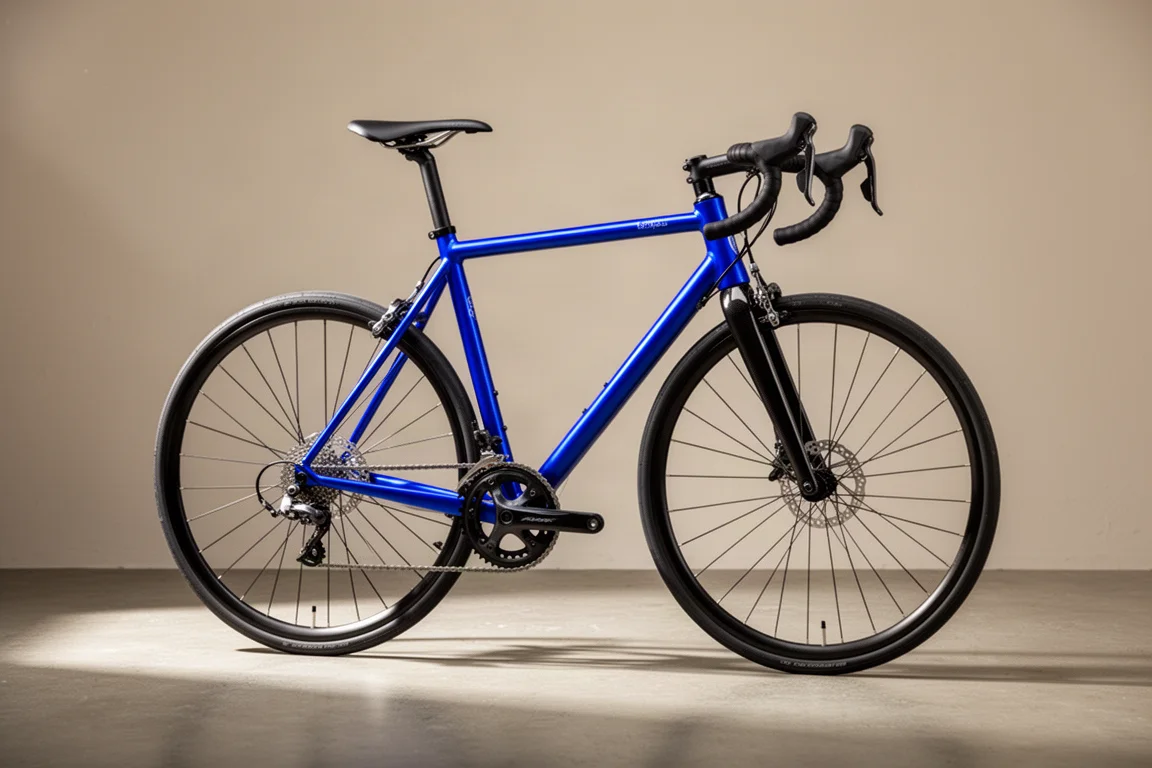
The Trek Domane AL 2 sits right at the edge of the entry-level category. In the UK it retails at £750 for the exact specification reviewed here, and on paper the build looks modest: an aluminium frame with mudguard mounts, a carbon fork, Bontrager tubeless-ready wheels and an 8-speed Shimano Claris groupset with rim brakes.
What makes it notable is how unusual that recipe has become. Most brands have shifted their affordable road bikes to disc brakes, and prices have climbed with them. The Domane AL 2 keeps the simpler, lighter approach, and it does so with component choices that are better matched to the frame than is typical at this price.
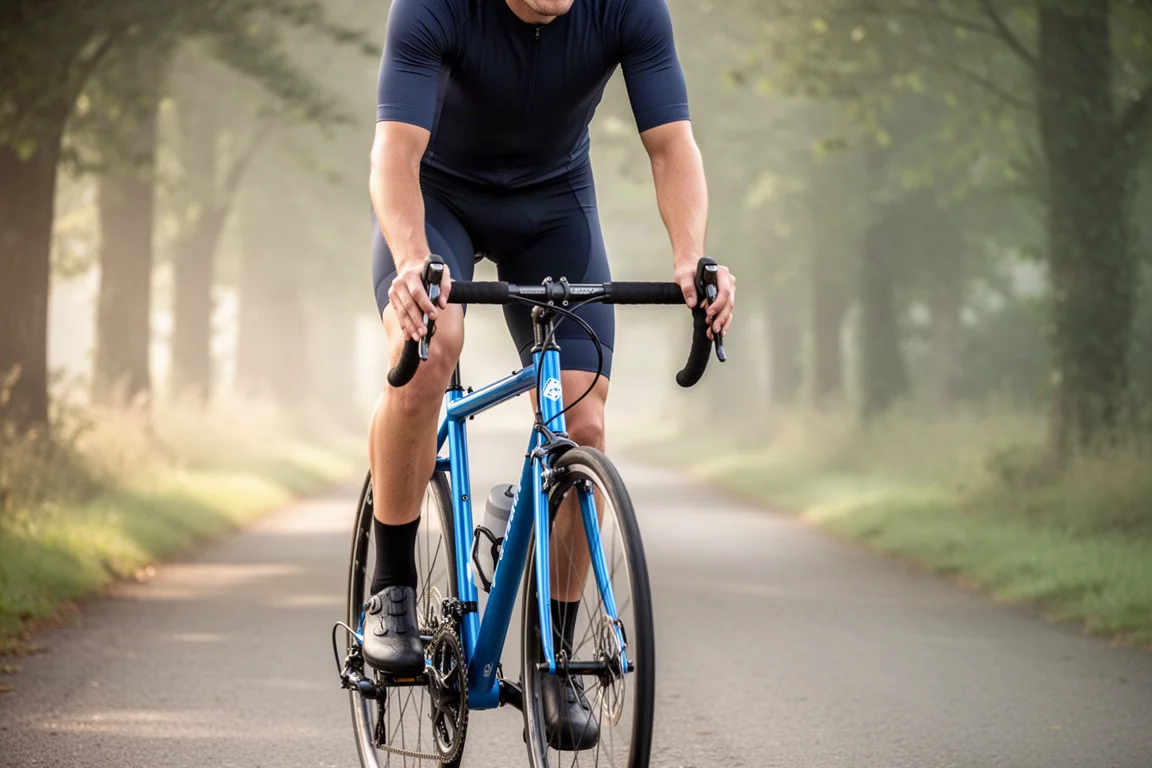
The claimed weight is 9.57 kg, and the bike measured 9.55 kg, which makes it lighter than the 10.53 kg recorded for the similarly priced Triban 520. Two finishes are offered: a black frame with gold accents, and the royal blue version tested here. Both are restrained, well-executed paint jobs that look more expensive than the price suggests.
Who This Bike Is For
The Domane AL 2 makes the most sense for a specific kind of buyer rather than for everyone shopping at this price.
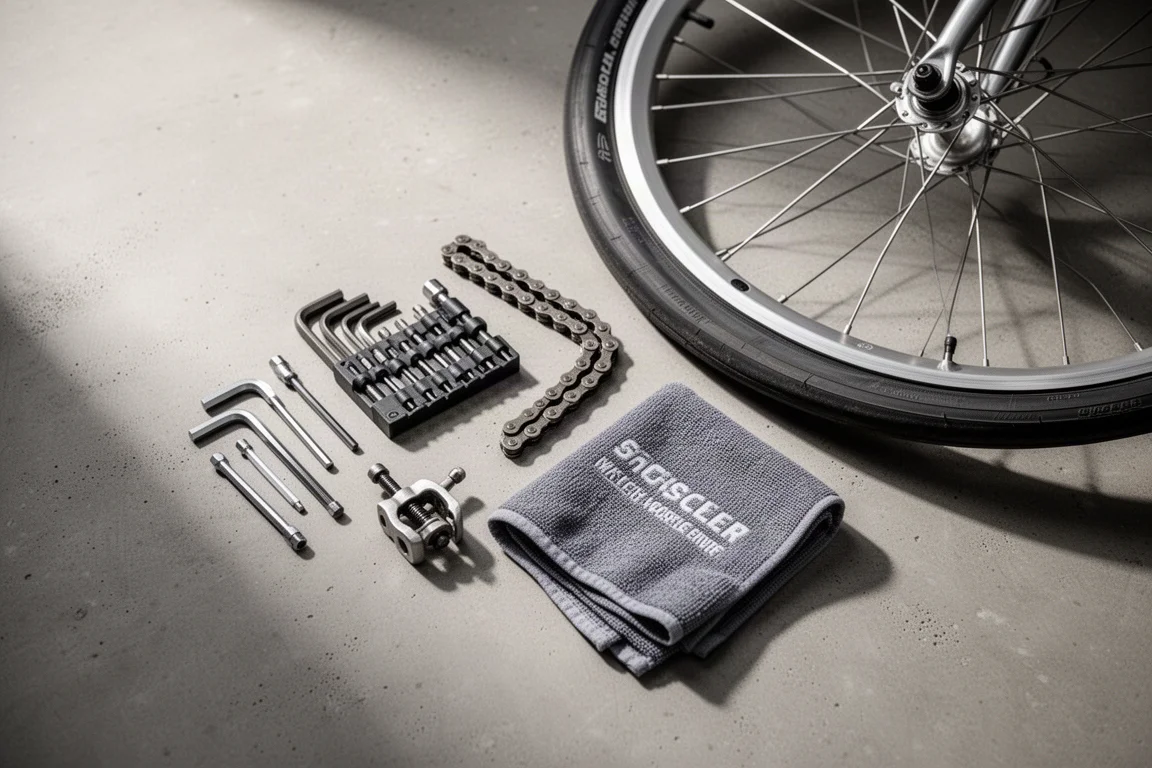
It suits riders who live within reach of a Trek dealer, since parts, servicing and warranty support are easier to arrange locally. It also suits riders who prefer to maintain their own bikes. Rim brakes, external cable routing and standard bar, stem and seatpost dimensions mean most routine work can be done with basic hand tools.
It is a good fit for anyone who wants to save weight relative to a disc brake bike at the same price, and for riders who simply want a road bike that looks good in the hallway. That last point is not trivial. A bike that appeals visually is a bike that gets ridden more often.
Main Strengths
Component proportions are the standout detail. On the 52 cm frame the stem measures 90 mm and the cranks measure 170 mm, and the finishing kit scales sensibly with frame size. Many entry-level bikes ship with parts that are too long or too wide for smaller frames, so this is a meaningful advantage.
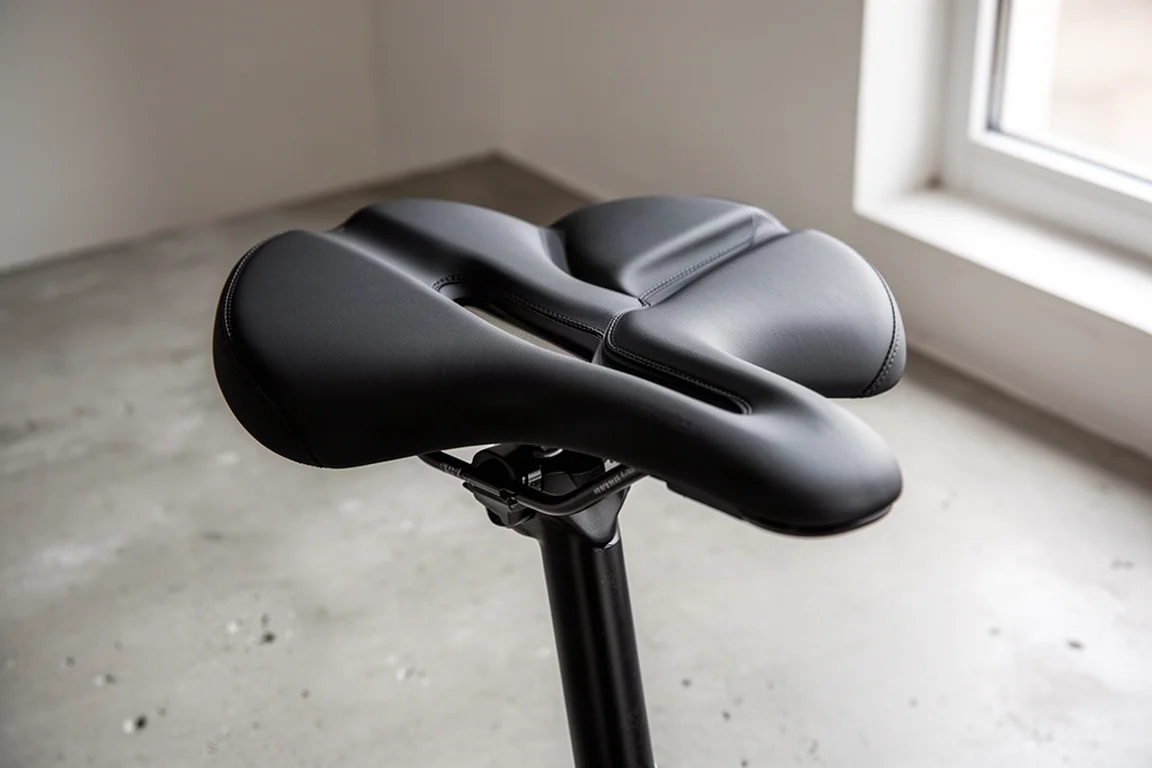
The saddle deserves particular mention as the most comfortable unit found on an entry-level road bike, helped by a large central pressure relief channel. Since the frame, fork and wheels are all aluminium or carbon with 25 mm tyres and inner tubes, the contact points carry a lot of the comfort workload, and the saddle does that job well.
The Shimano Claris groupset is 8-speed and mechanically simple, but it works. The levers are reachable from the drop position, the shifters feel comfortable in the hand, and the system does everything a newer rider needs without fuss. Braking is stronger than the specification suggests: the wheels use an aluminium braking surface, so the pads bite firmly and provide as much stopping power as most riders will want. Modulation feels softer than a hydraulic disc setup, which is expected at this price.
Livability is close to ideal. Everything is external, nothing is proprietary, and bars, stems and seatposts can be swapped freely. As a platform for gradual upgrades over time, the frame is a willing starting point.
Ride Quality and Comfort
It is worth being clear about the ride character. An aluminium frame, aluminium wheels and 25 mm tyres with tubes is close to the least forgiving combination available, and only the carbon fork softens the picture. On rough surfaces the bike communicates everything underneath it.
Even so, it is firm rather than genuinely uncomfortable, largely because the well-chosen saddle and sensible contact point sizing absorb more than the frame does. On dry roads it corners with confidence and feels planted. In the wet, the stock tyres ask for more restraint, and grip is the limiting factor rather than the frame.
The geometry is endurance-oriented, with the handlebar positioned relatively high and close. For newer riders and for most buyers this is exactly the right choice, and the stack and reach figures are well judged across the size range. Riders accustomed to aggressive racing geometry may find themselves wanting a size smaller than usual, since the 50 cm frame has almost the same reach while sitting lower.
Things to Consider Before Buying
A few details are worth checking against your own body and riding before committing.
The handlebar has a notably long 100 mm reach, which pushes the controls further away than most drop bars. If reach is already a concern, swapping to a shorter-reach bar is a sensible upgrade, and several brands offer bars in the 50 mm to 70 mm range that would bring the levers noticeably closer.
Frame sizing runs from 47 cm to 62 cm. That spread covers most riders well, but it does not go small enough for riders around 5’2” or shorter, where the reach remains long and fit becomes a compromise.
Rim brakes are a genuine dividing line. They are strong, simple and light, and they make the bike easier to work on. The counterpoint is availability: rim brake and quick release components are likely to become less common over time, which matters if you plan to keep and upgrade the bike for years.
Two smaller notes. The bike ships with 25 mm tyres, and the brand’s own listing has referenced 28 mm, so it is worth confirming what arrives. And braking feel is spongy compared with hydraulic disc systems, though that comparison only becomes obvious if you have spent time on much more expensive setups.
Buying Advice
At £750 the Domane AL 2 lands in a crowded part of the market. The Triban 520 is the closest rival at around £700 and counters with 10-speed Microshift gearing and semi-hydraulic disc brakes, though its specification has been reduced from the 105 groupset it once carried at the same price. The Specialized Allez starts at £1,000 with disc brakes, and the Giant Contend with rim brakes starts at £849, both a step above this bike on price.
That leaves a clear choice. The Domane AL 2 trades outright specification for simplicity, lower weight and, arguably, better looks. If you want the most features per pound, the disc brake alternative is the more logical pick. If you want a lighter, easier-to-live-with bike that you can service yourself, this one is the more satisfying answer.
It is also a capable base for upgrades. The frame can be raced as it stands, and it responds well to gradual improvements such as better tyres and a shorter-reach handlebar. Budget for a tyre change if comfort on rough roads matters to you, and treat the rest of the build as a sound starting point rather than a compromise.
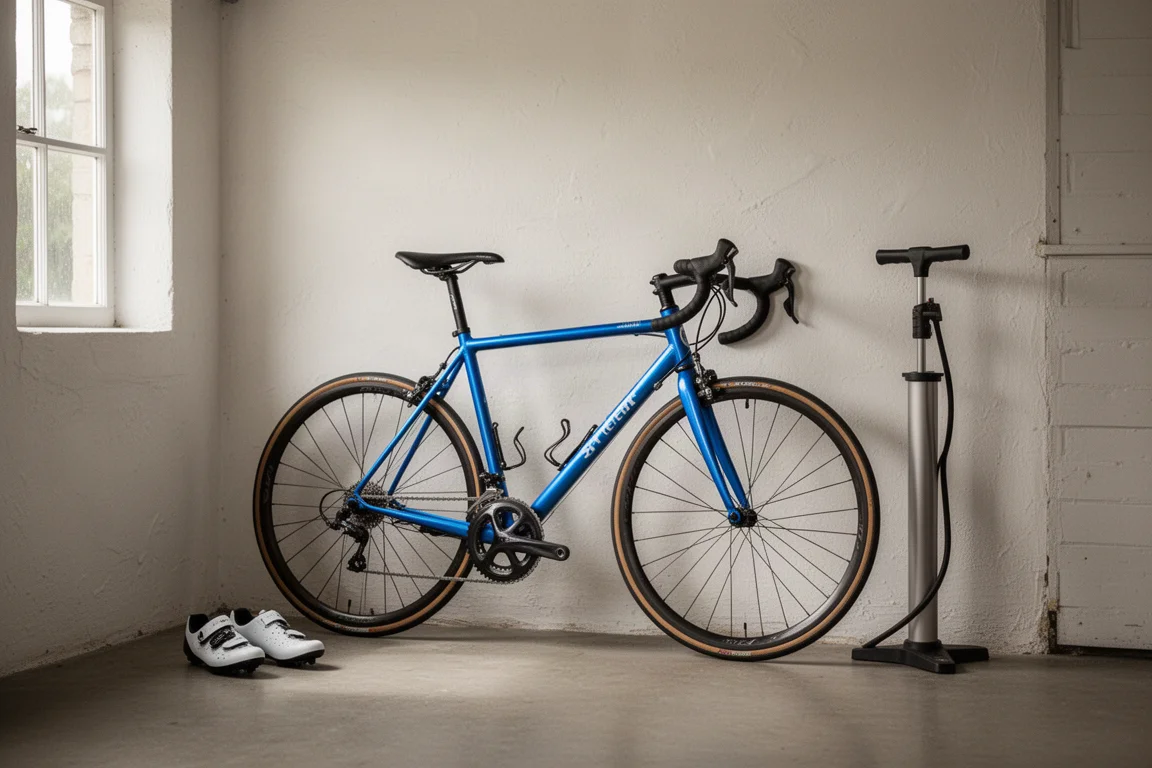
Worth noting for context: an entry-level aluminium road bike with a carbon fork and a lower-tier groupset carried a £650 price in 2009, which adjusts to roughly £1,092 in today’s money. Judged against that benchmark, the Domane AL 2 delivers a better bike for considerably less.
Conclusion
The Trek Domane AL 2 is a well-judged entry-level road bike with a clear identity. It is light, comfortable where it counts, easy to maintain and pleasant to look at, and its component choices show more care than the price implies. The trade-offs are honest ones: long handlebar reach, limited sizing at the smallest end, and a rim brake platform whose long-term parts availability is uncertain. Buy it for simplicity, low weight and self-serviceability, and it will reward you for years.
Product link
View more details for Trek Domane AL 2
This product is mentioned in the review. Check the specifications, options, and compatibility before buying.
View more details for Trek Domane AL 2Further reading
Related Reviews

Road Bikes
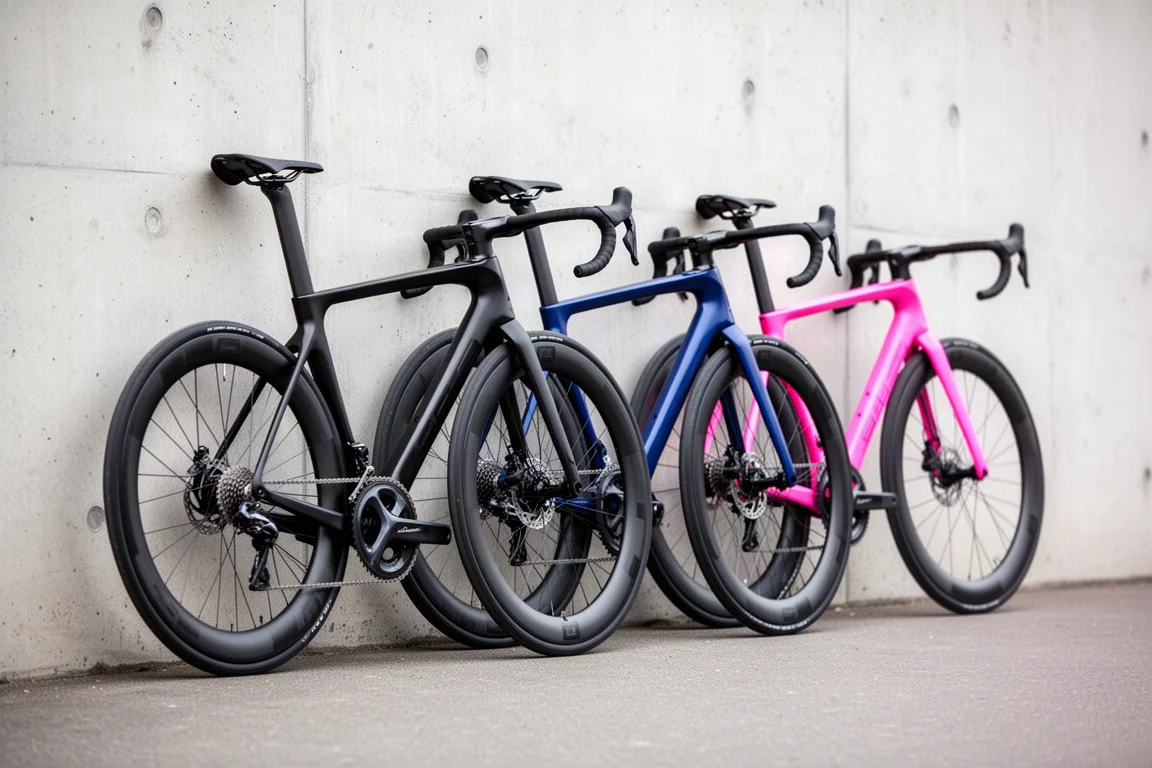
10 New Road Bikes Worth Watching: Aero, Titanium, Steel and Endurance Standouts
A practical roundup of 10 new road bikes, from aero flagships chasing single-watt gains to titanium, steel and endurance platforms built for real roads.
Road Bikes
2026 Tour de France Road Bikes: Six Race Machines Worth a Closer Look
Six race bikes from the 2026 Tour de France grid, reviewed for paint, silhouette, wheels and the specification details that matter to buyers.
Road Bikes
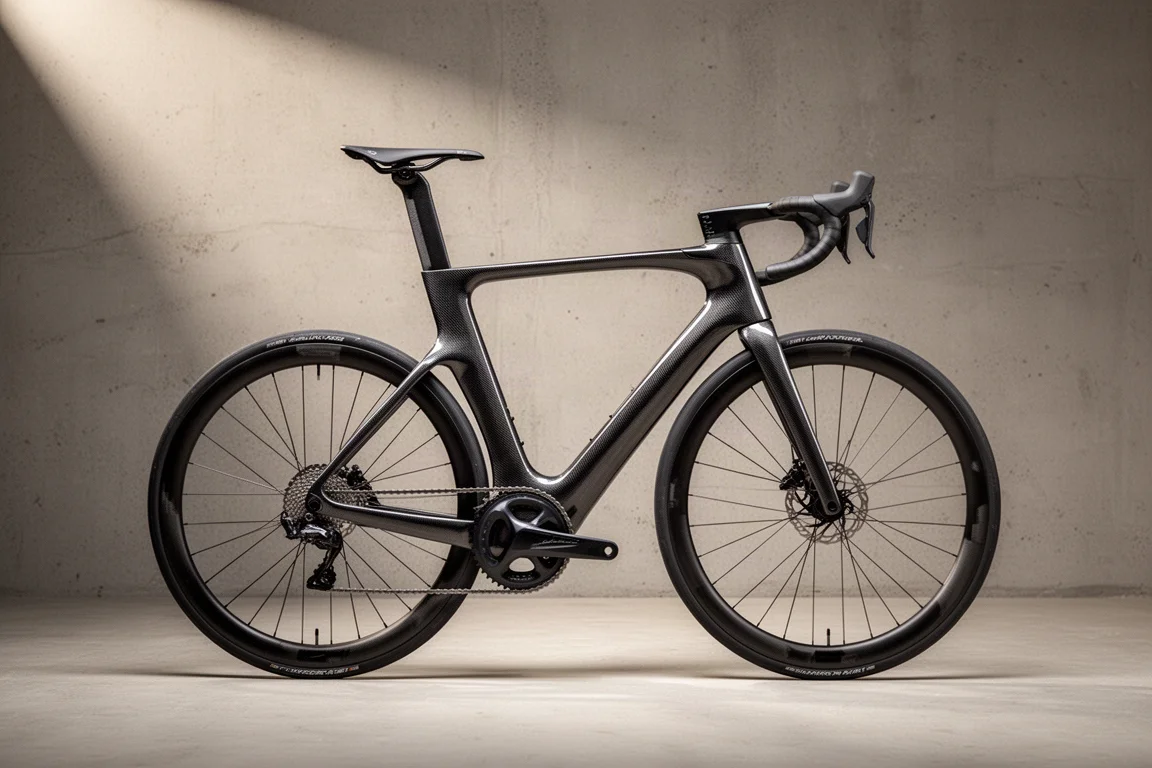
3T Strada Italia Review: A Radical Aero Road Bike That Rides Smooth
A made in Italy carbon aero road bike with a deep head tube, wide tire clearance and a genuinely comfortable ride. Here is what to know before buying.