Stationery
Traveler's Notebook Regular Size Brown: Why This Simple Leather Cover Wins People Over
A closer look at the Traveler's Notebook Regular Size Brown, plus the Starbucks Reserve Roastery Passport Size Camel limited edition, and five reasons this analog system earns a permanent place in daily carry.
Introduction
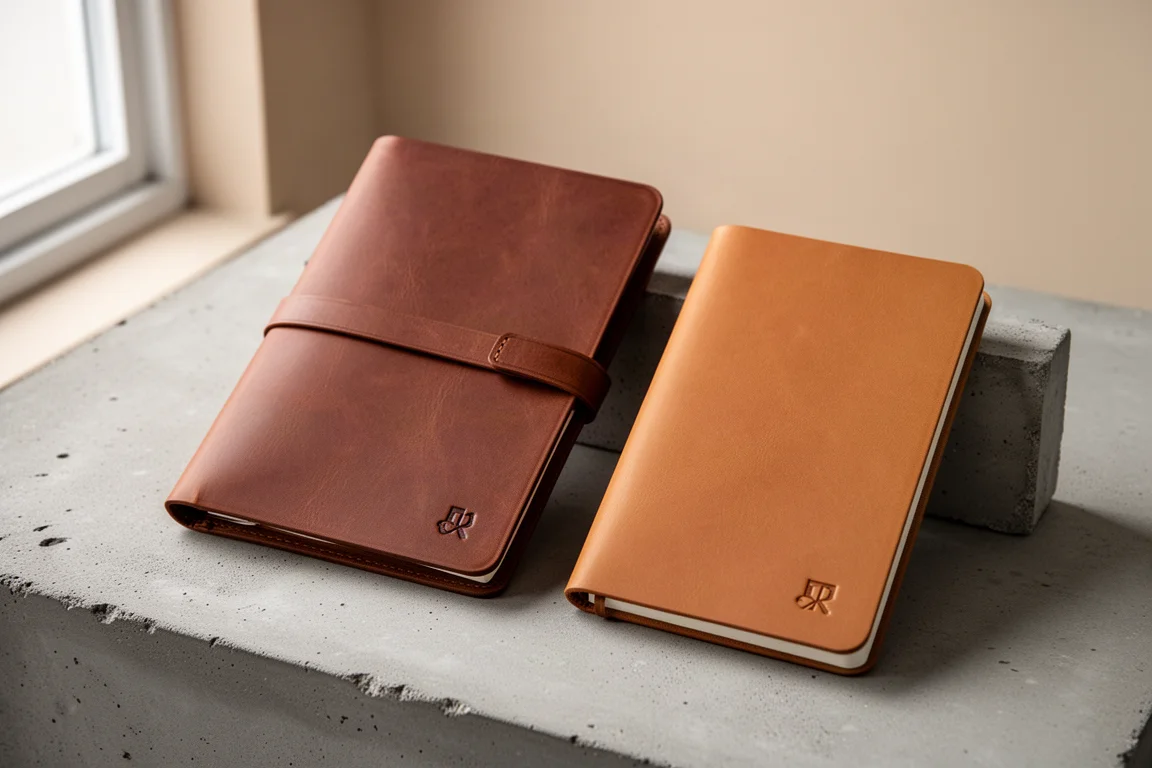
Some stationery purchases make sense immediately. The Traveler’s Notebook is not really one of them, and that is part of its charm. After years of using structured planner systems, the simple one-piece leather cover can look underwhelming at first glance. Yet the more you learn about it, the more the appeal becomes clear. This article walks through five reasons the Traveler’s Notebook Regular Size Brown earns a place as a main notebook, along with a look at the Starbucks Reserve Roastery Passport Size Camel limited edition that shows a different side of the same system.
A Bit of Background First
Traveler’s Notebook was originally launched by Midori, a company founded in 1950. The product debuted in 2006, and a year later the company changed its name to Designphil, at which point Midori shifted from being the company name to being a brand. Designphil today operates several well-known stationery brands, including Midori, Knox, Traveler’s Company, PLOTTER, and TOOLS. Traveler’s Notebook itself grew into its own standalone brand under the Traveler’s Company name, which explains why the brand identity is woven so deeply into the product.
The Leather Is the Point
The Regular Size Brown is, on the surface, about as simple as a notebook can be: a single piece of leather with a small embossed mark on the back, held closed by an elastic band. Refills slide under the band, and that is the whole system.
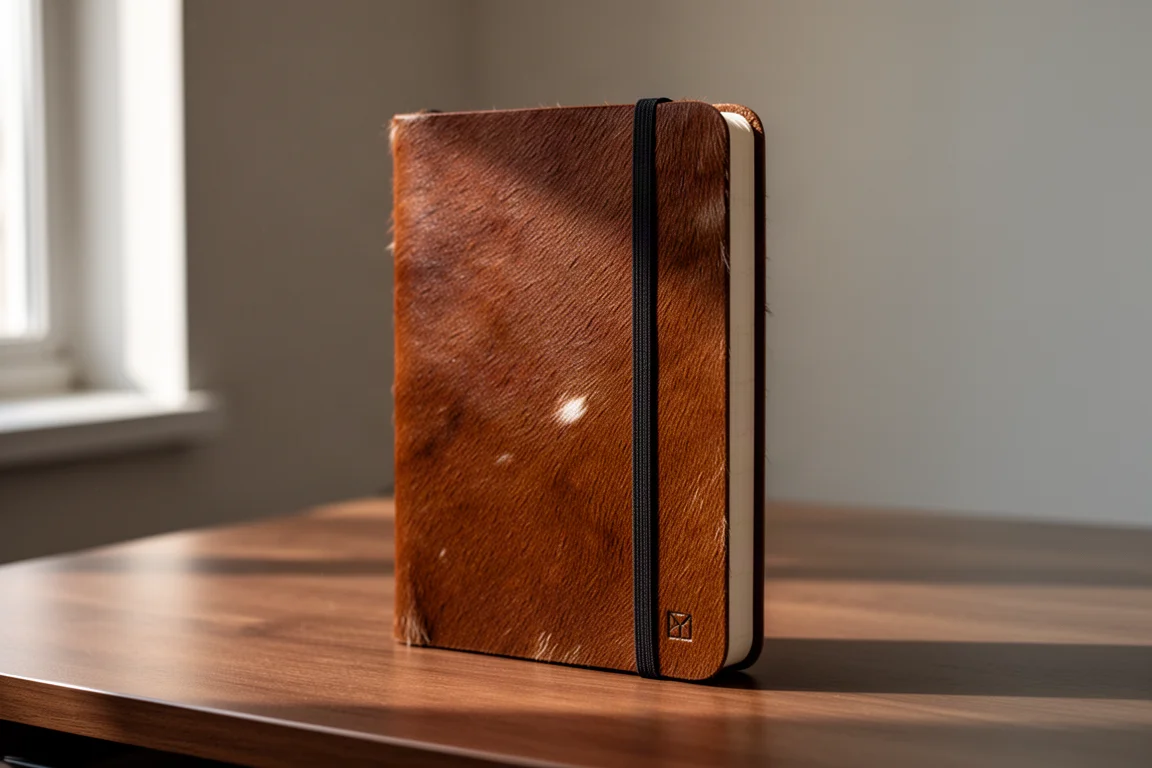
But the leather changes everything. It is a thick, textured cowhide produced in Chiang Mai, with a noticeable heft and a pleasant natural scent, no chemical smell at all. It ages remarkably fast in the best sense: with use it develops a glossy patina and deeper color, and the scratches and scuffs it picks up become part of its character. Rather than looking worse over time, a well-used cover looks like it has lived through something with you.
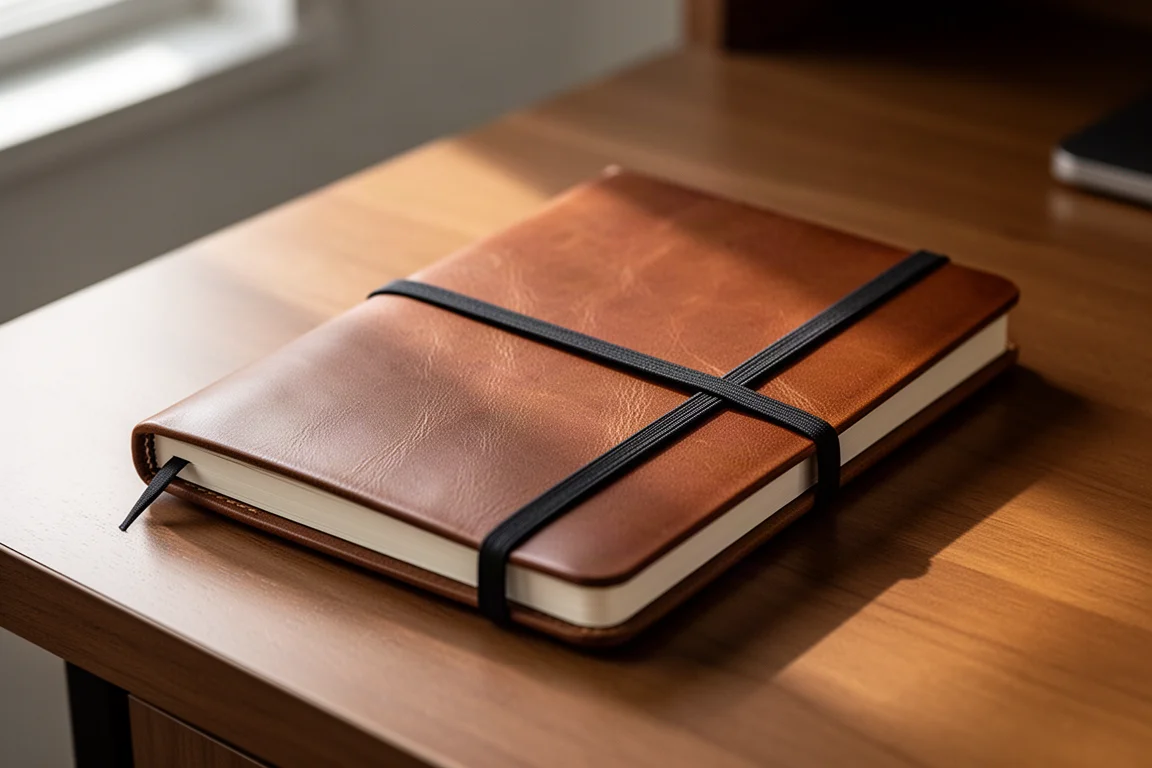
The cover comes in five colors: black, brown, camel, blue, and olive, in two sizes, Regular and Passport. The Regular size shown here is essentially a shortened B-format, large enough for serious writing but still portable.
Freedom Comes From the Refills
The biggest misconception about this system is that it is rigid. In reality, the refill lineup is enormous. The base package includes one notebook made with domestically produced MD Paper, a famously fountain-pen-friendly stock, and beyond that the options branch out quickly.
For this setup, three additional refills were added: a Free Diary, a sticker storage refill, and a Kraft File. The Free Diary uses cream MD Paper with one page per day covering two months, well suited to daily schedules and to-do lists. The sticker refill has pages designed so stickers can be applied and peeled off, which pairs naturally with the growing popularity of sticker-style journaling. The Kraft File adds a card slot and pockets, solving one of the cover’s genuine weaknesses: the standard cover has no built-in pockets, so tickets and cards need somewhere to live.
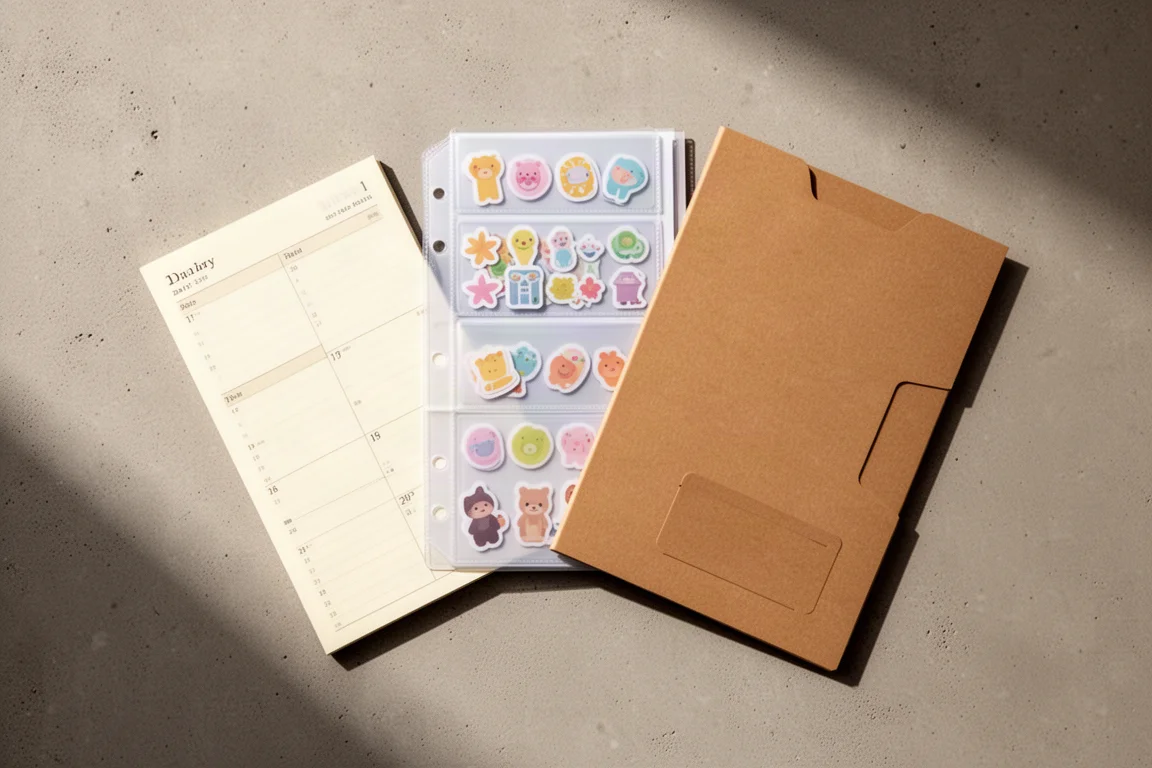
Seasonal releases add more fun. The 2026 lineup included a monthly diary, customization stickers, a yearly redesigned underlay sheet, and a limited-quantity leather tag. A connecting band is also worth picking up if you plan to carry multiple notebooks at once, since the system holds up to around four.
Customization Runs Deep
Simplicity is what makes this cover so customizable. Charms attach directly to the elastic band, and the official range includes cameras, cutlery, pens, mugs, and plenty of limited editions. Custom shops exist as well, offering patches, buttons, and stamps applied to the cover, or interior pockets added to make the notebook truly your own.
Accessories solve smaller problems too. Index clips help you find where you wrote what, and since the cover has no pen holder, a matching pen holder from Traveler’s Company fills that gap. Brass hardware is especially popular: a brass charm sits at the center of the elastic band, while brass tags clamp onto notebook edges or pen cases with pliers. Some owners attach tags to the front and back edges where the elastic wears the leather, protecting the most vulnerable spots. At 660 yen each, they are an easy experiment.
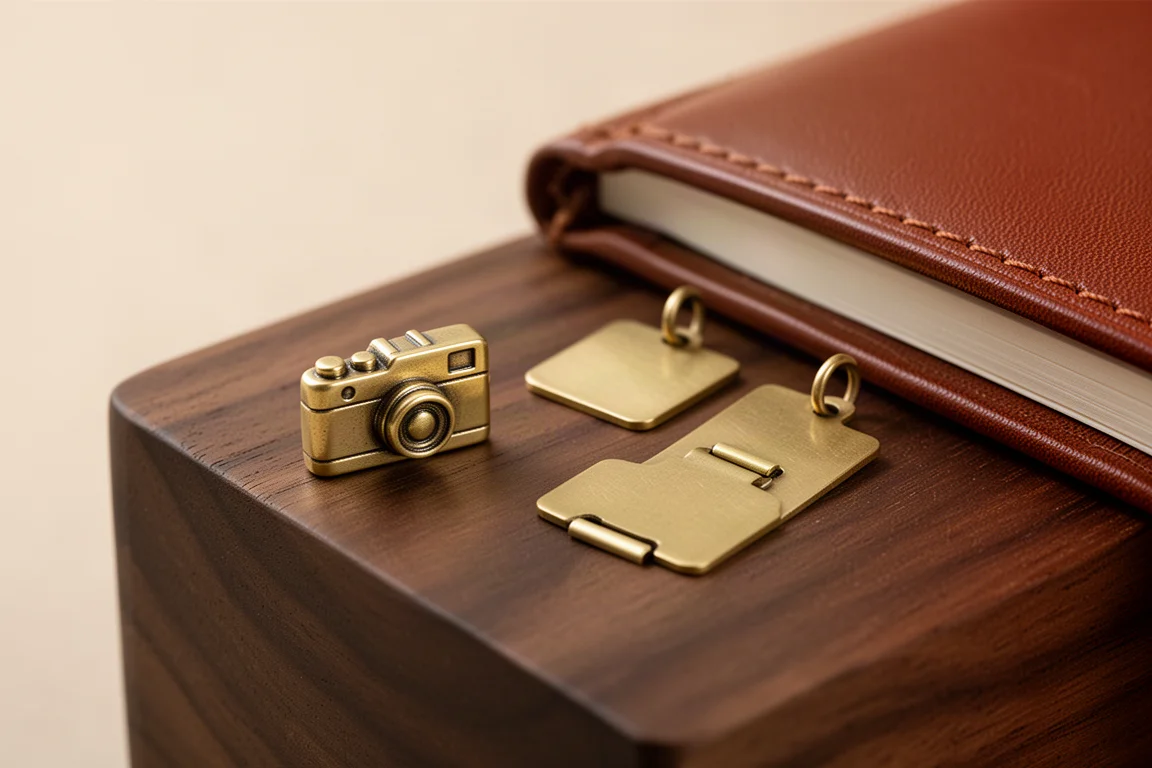
The elastic band does stretch over time and the cover edges can dent, but these quirks are accepted as part of the aging process rather than flaws.
Limited Editions Add Another Layer
Beyond the standard lineup, Traveler’s Notebook collaborates regularly with companies on quantity-limited models. These editions often feature bold foil-stamped designs on the cover, with matching limited refills and charms. Past editions are long gone, which makes each release feel like an event, and cover designs in the series are consistently impressive.
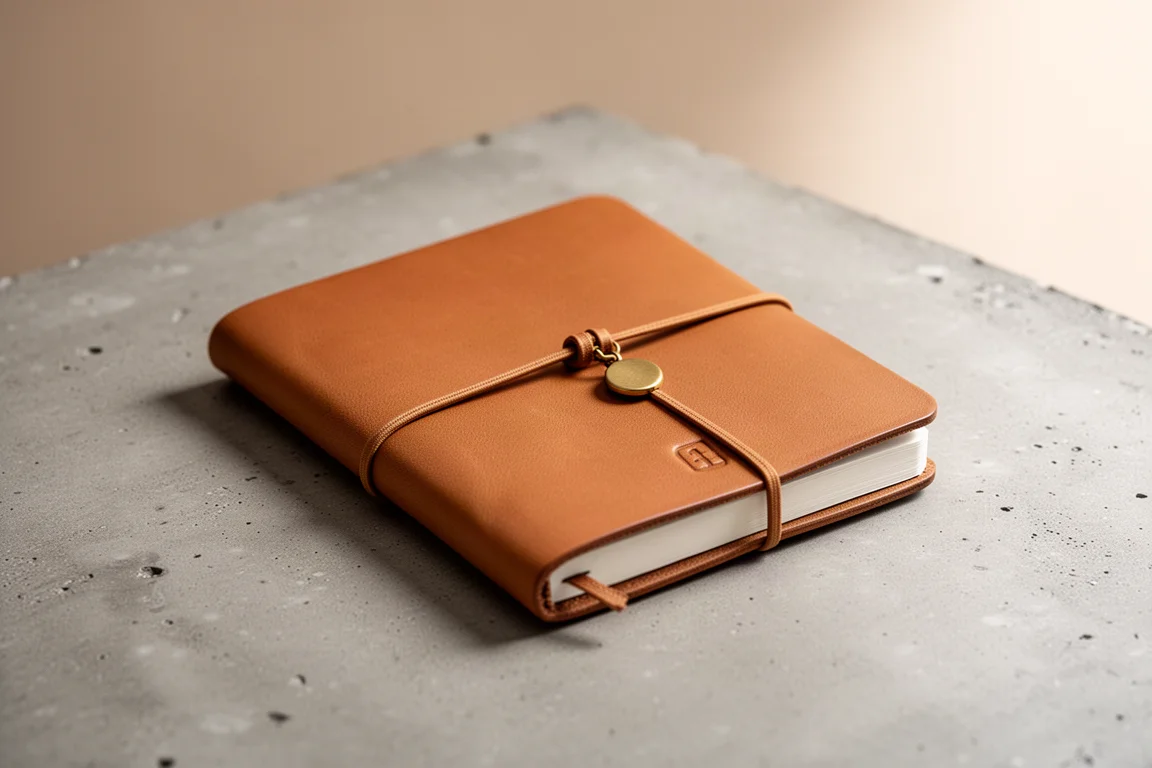
The Starbucks Reserve Roastery Passport Size Camel is exactly this kind of release, sold only at the Starbucks Reserve Roastery in Nakameguro. It uses a different leather than the standard cover: softer and moister to the touch, a real tactile difference in hand. There is no foil stamping, just a single blind-embossed mark on the front, keeping it clean and easy to use daily. It arrived with a limited charm attached, and the Passport size makes it especially pocketable.
The Joy of Keeping It Analog
The fifth reason is the least tangible and arguably the most important. This cover can work as a wallet, it grows with customization, and the more you use it, the more it becomes a record of your own habits and taste. The Passport size in particular is a great carry-everywhere option.

To be honest, it is not as convenient as a traditional planner. Open it and it closes again unless you hold it down, and it does not hold as many notebooks as you might like. But there are solutions, like clips that hold the notebook open for writing, and the option to buy separate covers for separate purposes. That is the real distinction: a planner is a business tool, while the Traveler’s Notebook is a notebook built for enjoyment. Its inconveniences are part of the analog experience. Instead of optimizing everything digitally, there is real value in touching paper, turning pages, clipping things together, and writing with a favorite pen.
Buying Advice
If you want a dependable, structured planner experience, a traditional system may still serve you better. But if you want a notebook that improves with age, adapts through refills and accessories, and turns daily planning into something closer to a hobby, the Regular Size Brown is the natural starting point. Start with the base cover and its included MD Paper notebook, add a Free Diary and a Kraft File, and build from there. Collectors and fans of limited releases should also keep an eye on collab editions like the Starbucks Reserve Roastery Camel, which offers a noticeably softer leather in a more compact format.
Conclusion
The Traveler’s Notebook rewards patience and participation. Its simple leather cover, deep refill ecosystem, and strong customization culture make it far more flexible than its first impression suggests, and limited editions like the Starbucks Passport Camel show how far the platform can stretch. For anyone tired of rigid planners and looking to enjoy analog again, this is an easy recommendation.
Further reading
Related Reviews
Stationery
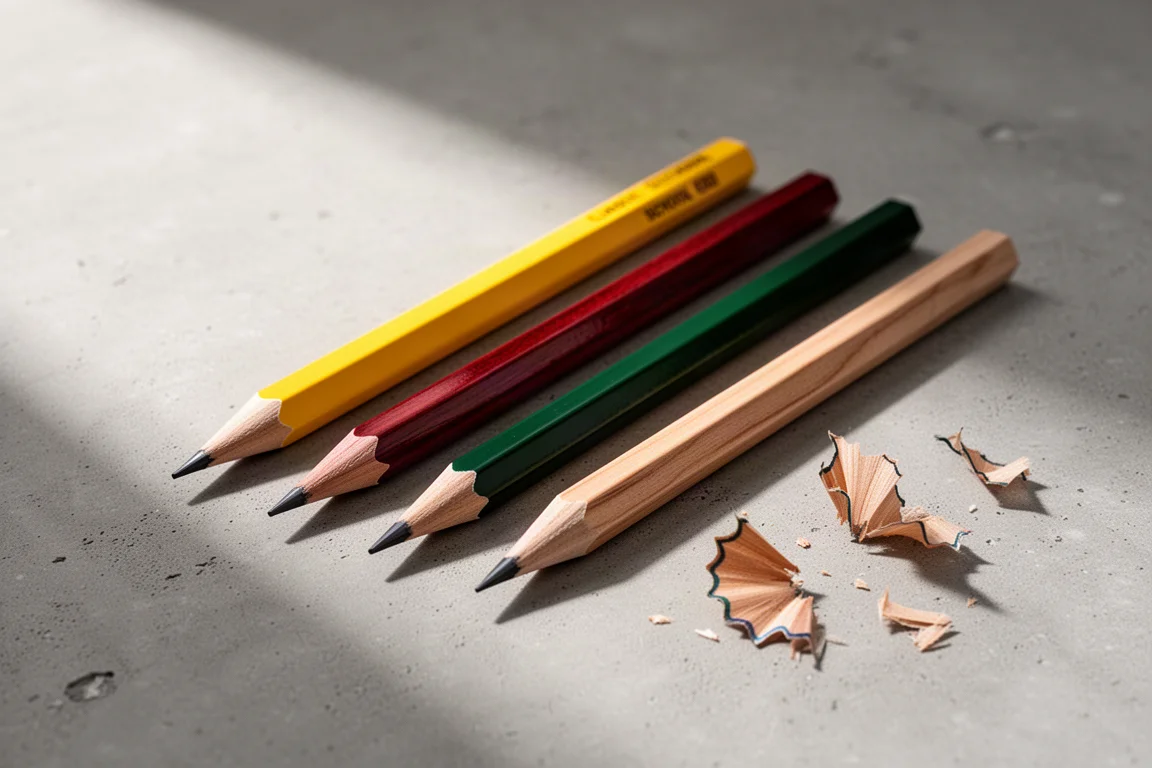
Musgrave Pencils Review: Four Classic Pencils from Tennessee's Last Pencil Factory
We put four Musgrave pencils to paper, from the classic Harvest to the Unigraph 1200 drawing pencil, to see what a century-old Tennessee workshop can still do.
Stationery
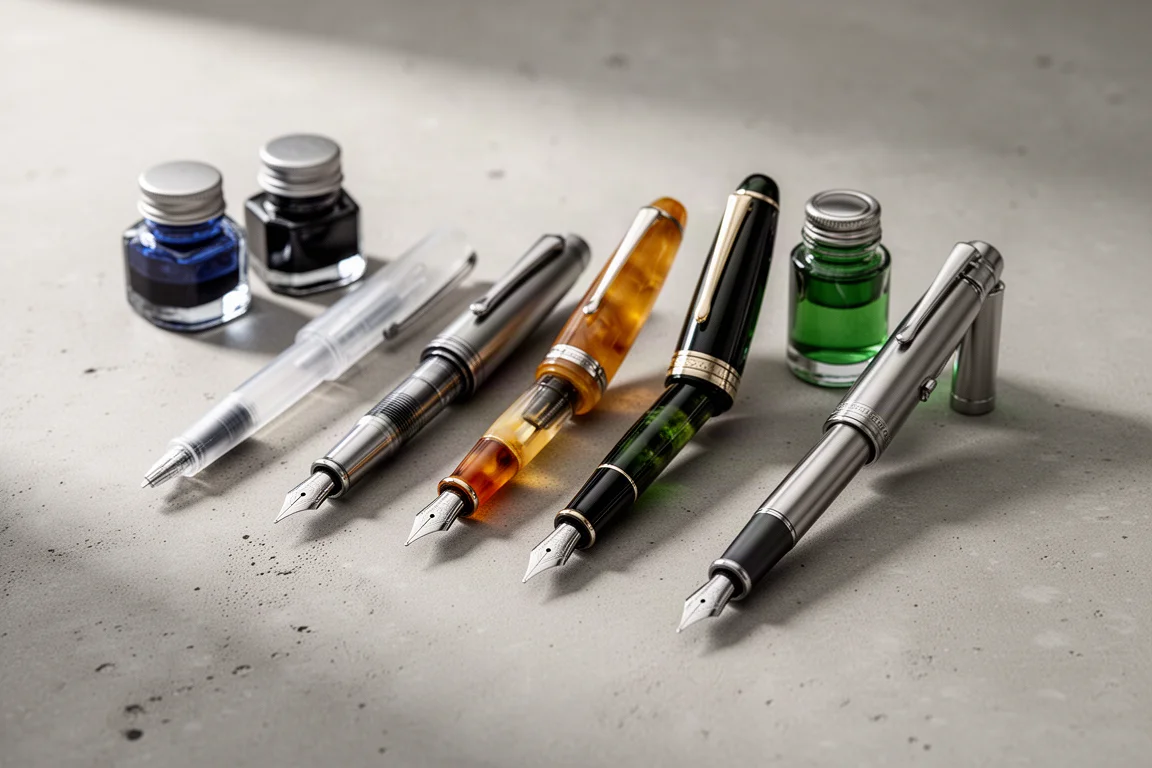
Fountain Pen Tiers Explained: From Starter Pens to Luxury Grails
A practical overview of the different levels of fountain pens and inks, from a sub-$20 starter setup to Italian piston fillers and retractable gold-nib everyday carries.
Stationery
HP Premium 32 lb Copy Paper Review: A Fountain Pen Friendly Everyday Printer Paper
A heavy, smooth 120 GSM copy paper that handles fountain pens far better than standard printer stock, with only minor trade-offs in shading and sheen.