Headphone Audio
Travel DAC Amp Comparison: iFi iDSD Diablo vs Compact Alternatives
A four-way look at portable DAC amps, from a flagship unit at around $1,000 to a $10 phone adapter, and what each one realistically delivers.
Introduction
A portable DAC amp is one of the few upgrades that can change how a phone, laptop, or tablet sounds without changing your headphones. The question is how much that improvement is worth in practice.
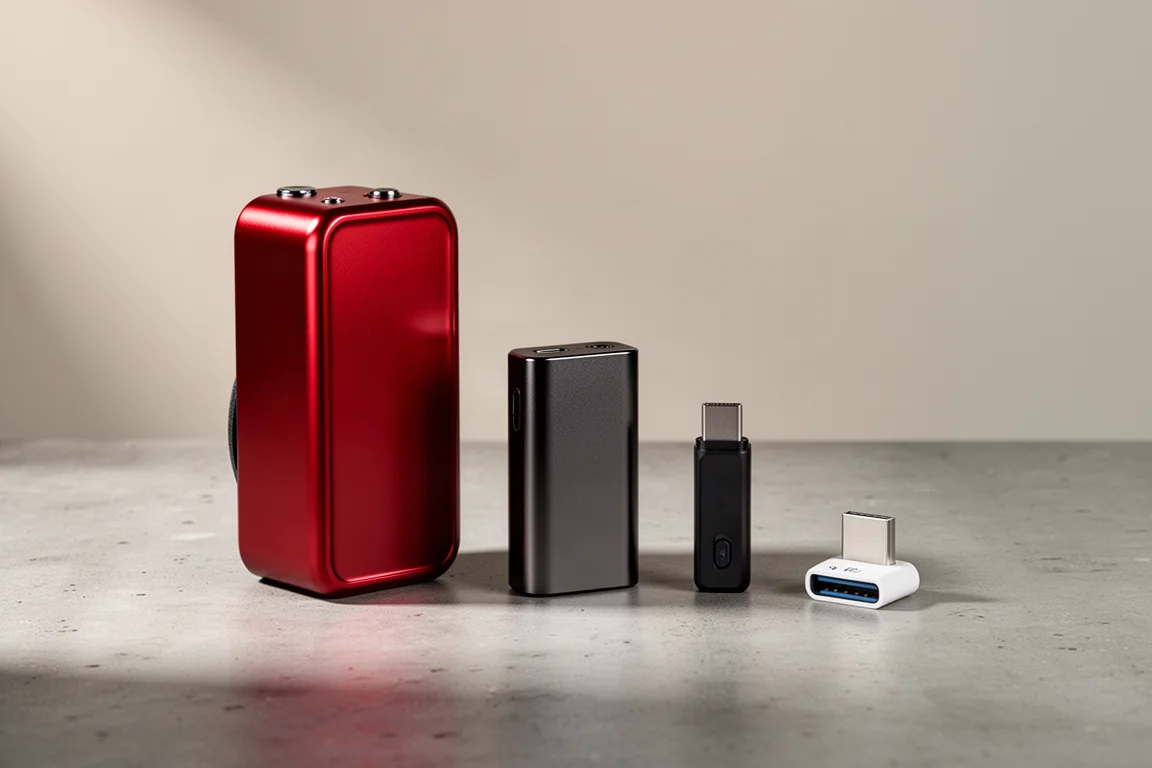
This comparison places four very different options side by side: a flagship travel DAC amp at around $1,000, two compact battery-powered units at roughly $80 and $119, and a $10 phone adapter that many listeners already own. The price spread is enormous. The difference in sound quality is real, but it is far narrower than the numbers suggest.
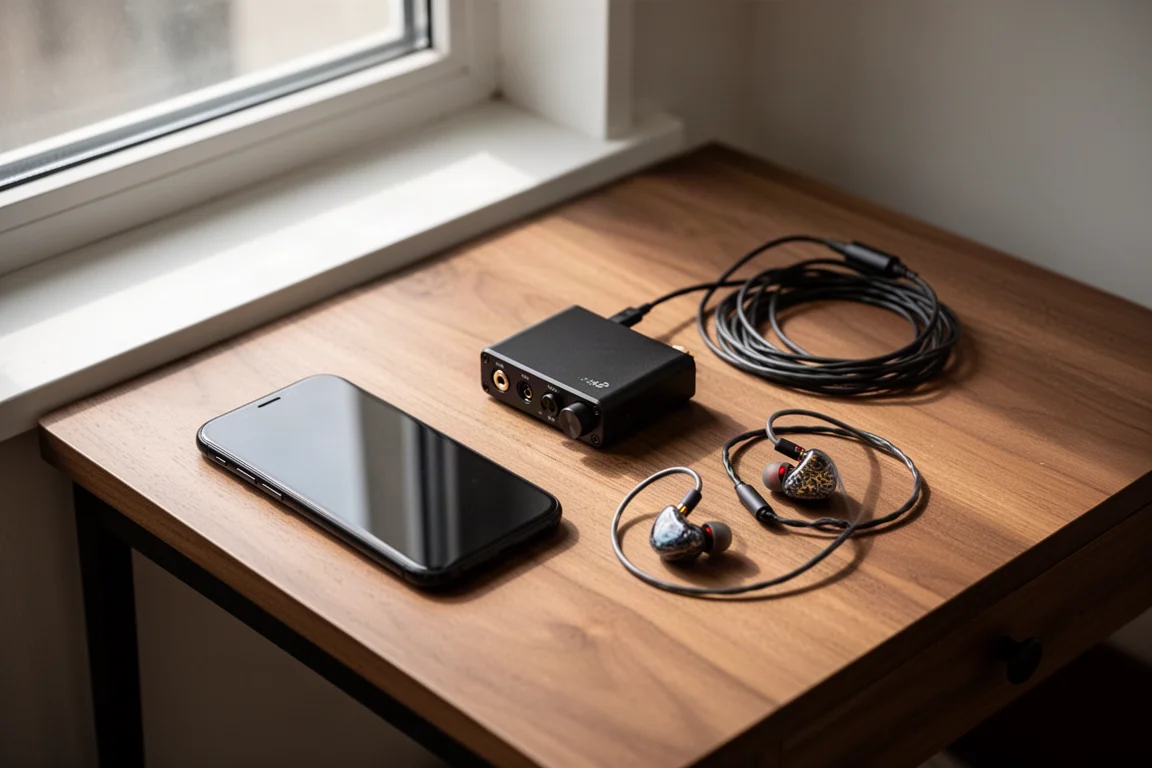
Each device here has a clear role. The right choice depends less on specifications than on which headphones you actually travel with and how much inconvenience you are willing to accept.
What Changes as You Spend More
Three things scale with price: output power, resolution support, and connection convenience.
Output power is the one that shapes real listening. A small dongle drives in-ear monitors comfortably but runs out of headroom with high-impedance or planar magnetic headphones. Resolution support matters most to listeners who keep high-resolution files and want them handled natively. Connection convenience is the least glamorous factor and the most likely to decide whether a device actually gets used away from home.
There is also a portability dimension. Larger units can drive almost anything, but they occupy suitcase space and often depend on adapters that are easy to leave behind. Smaller units travel effortlessly but have limits.
iFi iDSD Diablo: Reference Sound, Demanding Setup
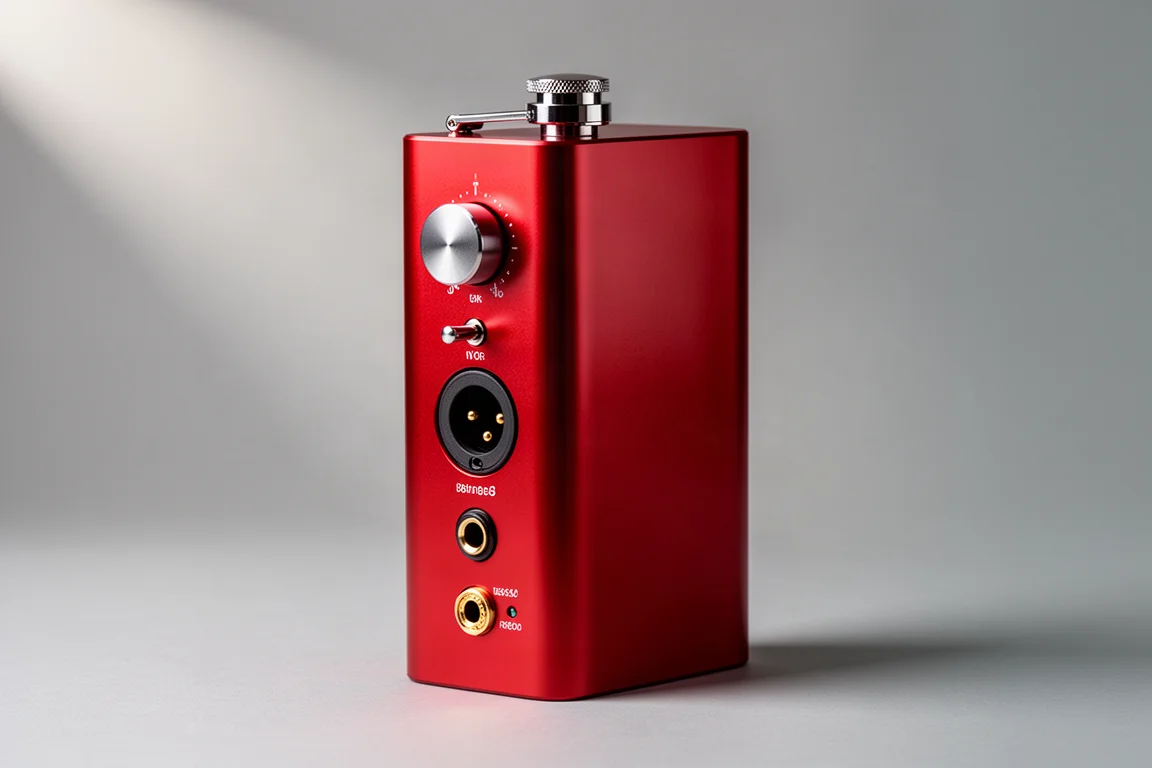
The iFi iDSD Diablo is an oblong, cigar-shaped DAC amp finished in a bold fire engine red. The front panel is deliberately simple: a combined volume and power knob with a small indicator light, a three-position gain selector labelled Eco, Normal, and Turbo, a 4.4 mm balanced output, and a 6.35 mm single-ended headphone jack.
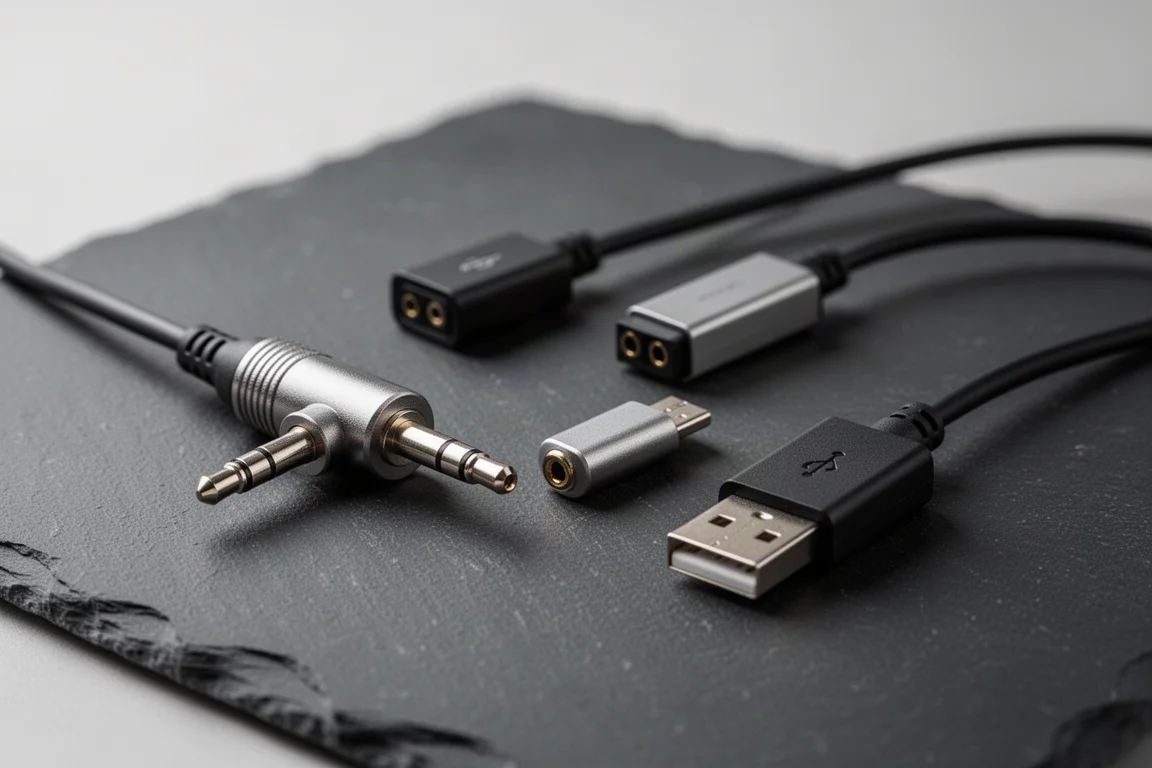
That 6.35 mm jack is where the practical friction begins. There is no 3.5 mm output on the unit, so anyone travelling with standard 3.5 mm headphones needs a 6.35 mm adapter, and that adapter is not something you can count on finding locally once you are on the road.
The rear panel continues in the same spirit. It offers a mini SPDIF optical input that requires its own adapter, a second 4.4 mm balanced output, USB-C power, and a male USB input that needs a specific cable with a female connector at one end. An optional iPurifier module, sold separately at around $150, is designed to reduce noise and jitter further. A well-made carrying case is included, which helps, because the accessory list is long.
Build quality is mixed. The unit has reassuring weight in the hand, but the painted enclosure shows wear, and paint chipping on a well-used example is difficult to justify on a device at this price point.
Sonically, the Diablo is the strongest performer in this group. Its presentation is neutral and fast, with an open soundstage and clear separation between instruments. Percussion stays clean and there is no sense of sibilance, which makes long listening sessions easy.
In direct comparison it moves ahead of the compact options here, though not by the margin the price implies. The advantage is clearest with hard-to-drive headphones that smaller devices cannot push with authority.
For a listener who already owns demanding headphones and wants maximum fidelity at home, with occasional trips, the Diablo delivers. For a genuine travel kit, its connection requirements make it a demanding companion.
EarStudio ES100 MK2: Bluetooth and EQ Flexibility
The EarStudio ES100 MK2 takes a different approach. At around $80, it is battery powered, offers both a 3.5 mm unbalanced output and a 2.5 mm balanced output, and includes a 10-band equalizer. It also works as an LDAC Bluetooth receiver for wireless listening and doubles as a USB DAC when connected by cable.
Its output power is well below the Diablo’s, so difficult headphones are out of reach. In sound quality terms it sits a step behind the flagship, but it covers far more use cases for far less money: wireless listening, wired listening, and tonal adjustment through the EQ.
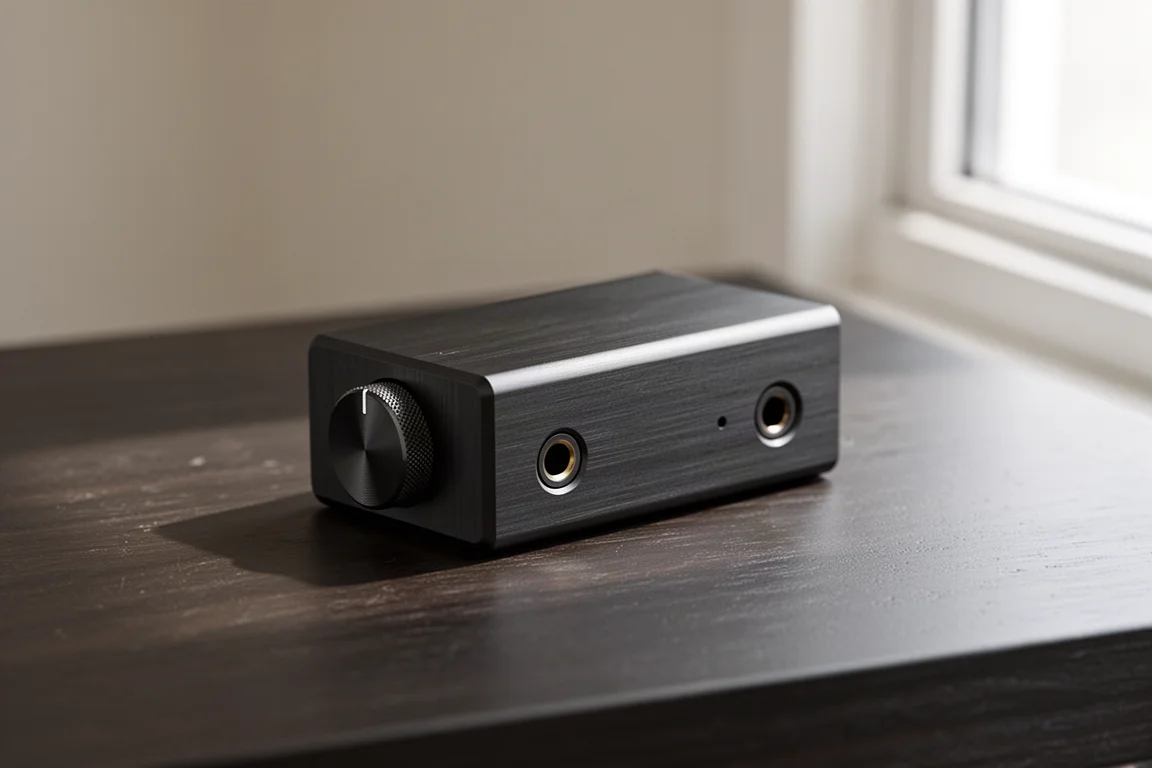
Hidizs S9 Pro: Compact Middle Ground
The Hidizs S9 Pro sits at around $119 and takes the form of a small, cable-attached dongle DAC amp. It is the kind of device that disappears into a pocket or a laptop bag and needs no special packing.
Compared with the flagship, it gives up some refinement and some power, but the gap is not proportional to the price difference. It is a meaningful step above a basic phone adapter, and it handles everyday listening with in-ear monitors and easier-to-drive headphones without fuss.
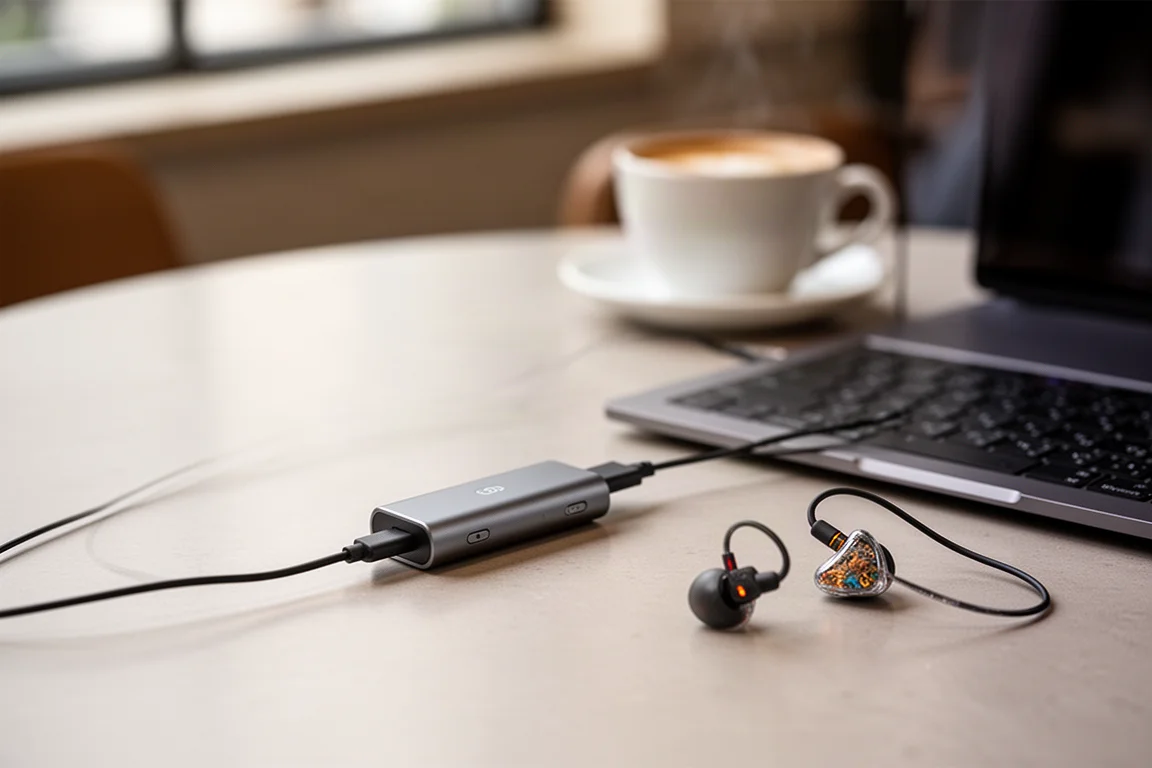
Its appeal is straightforward: a small, self-contained upgrade that does not require a collection of adapters. For anyone who wants better sound on the move without carrying a second device bag, it is a sensible middle point.
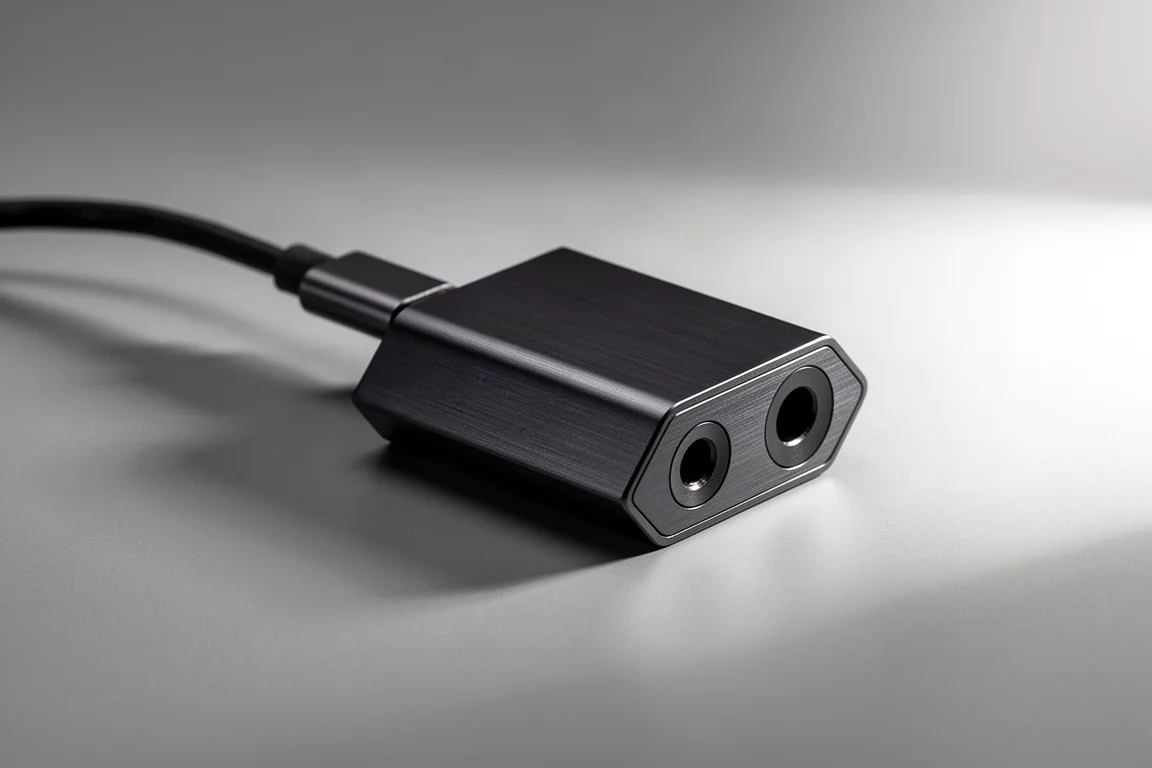
Apple Lightning to 3.5 mm Adapter: The Ten Dollar Baseline
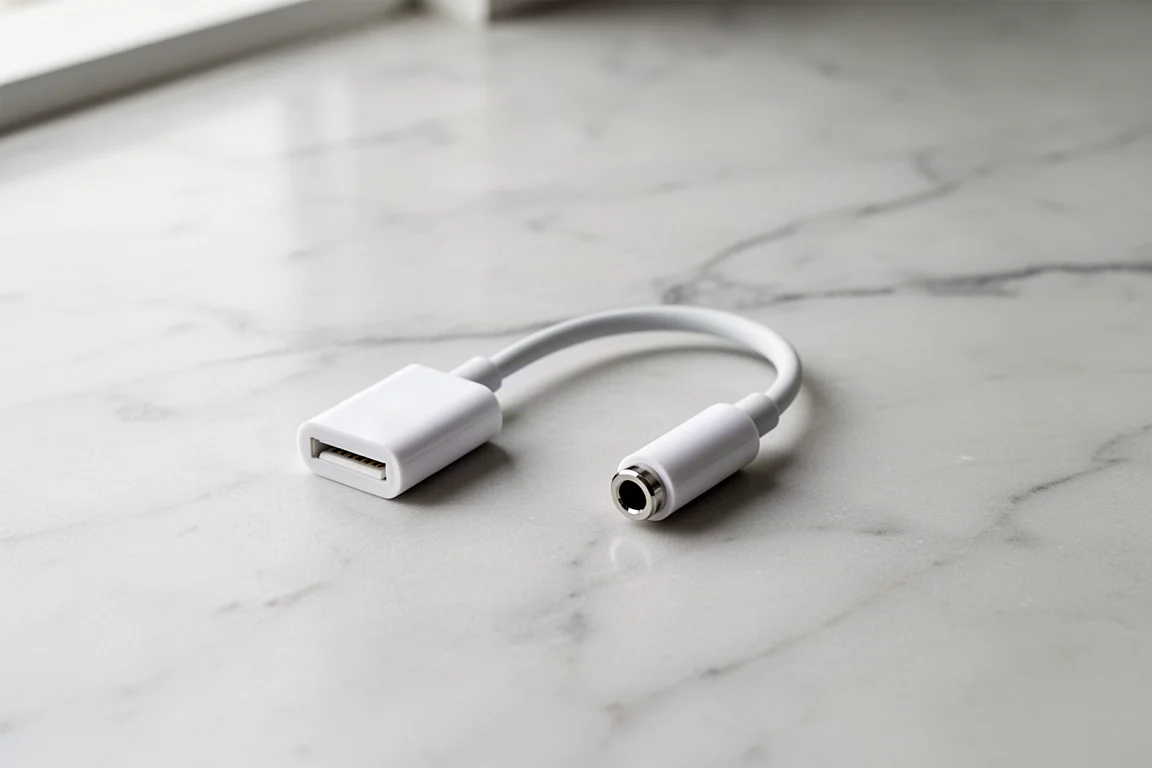
The Apple Lightning to 3.5 mm headphone jack adapter costs around $10 and is widely available, including at ordinary retail stores. It plugs into a phone and provides a standard 3.5 mm output for wired headphones and in-ear monitors.
Its limits are clear. It does not deliver full-resolution output, working around 24-bit/96 kHz, and it does not provide the power needed for demanding headphones. With in-ear monitors and easy-to-drive designs, though, it is a surprisingly capable baseline and a useful reference point when judging more expensive gear.
Convenience and Portability in Practice
The differences that matter most on a trip are rarely the ones on the specification sheet.
A device that needs a 6.35 mm adapter, a mini optical adapter, and a specific USB cable asks its owner to remember three small items. A device with a standard 3.5 mm output and a common connector asks for nothing. Over years of travelling with audio gear, the second category is the one that keeps getting used.
Packing also matters. Larger DAC amps take up suitcase space and compete with the headphones they are meant to drive. Compact dongles and small battery-powered units leave room for an extra pair of headphones instead.
Buying Advice: Matching the DAC Amp to the Trip
Start with the headphones, not the DAC amp. Hard-to-drive planar magnetic or high-impedance models justify a powerful unit. In-ear monitors and portable headphones rarely do.
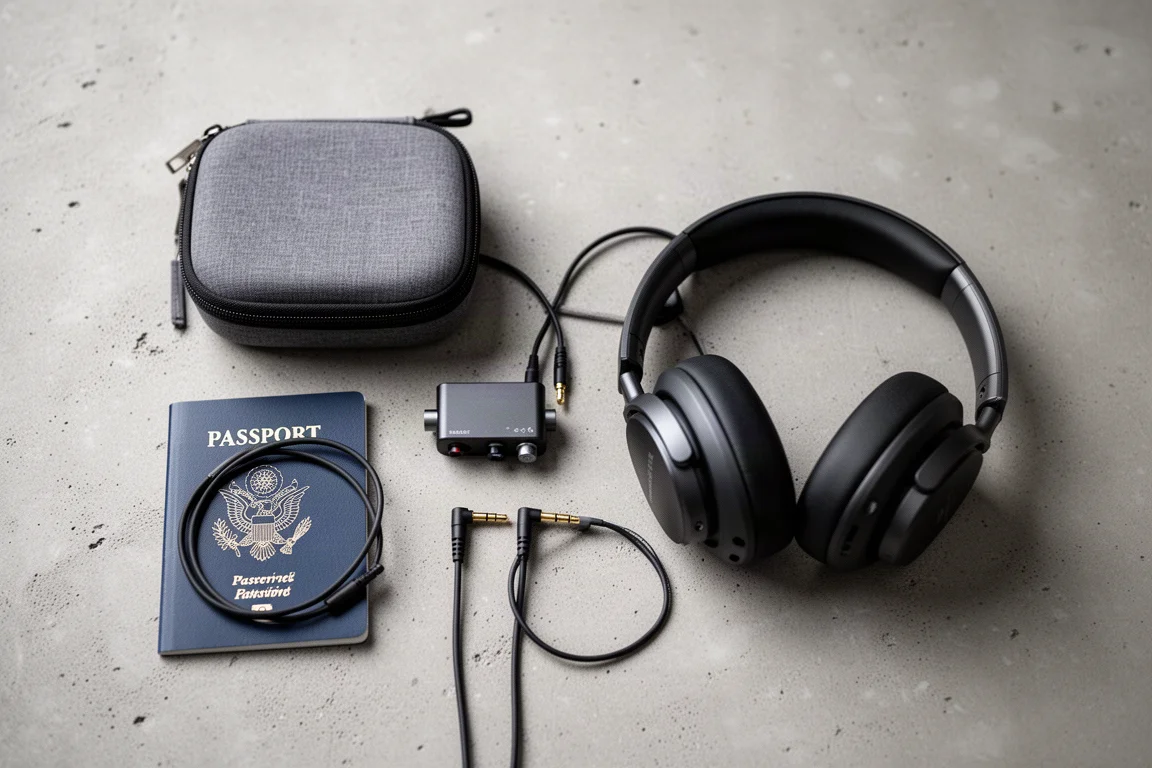
If sound quality is the only priority and budget is not a constraint, the flagship delivers the best fidelity in this group. If the goal is a genuinely portable setup, the $80 and $119 options cover most real-world listening, and the $10 adapter remains a legitimate baseline for in-ear monitors.
It is also worth weighing the alternatives. The same budget that buys a top-tier travel DAC amp could instead cover a desktop DAC amp stack, a couple of pairs of headphones, and a smaller portable device, with money left over. For most listeners, that combination serves more situations.
Conclusion
The flagship DAC amp in this comparison sounds remarkable. It is neutral, fast, and clean, and it drives headphones that smaller devices cannot. But it is also expensive, it omits a standard 3.5 mm output, it depends on a set of easy-to-forget adapters, and its painted finish does not hold up the way a premium product should.
The compact alternatives make more sense for most people. The $80 battery-powered unit adds Bluetooth, a balanced output, and a 10-band EQ. The $119 dongle delivers a clear step up from a phone adapter in a pocketable form. And the $10 adapter proves that the entry point is better than many listeners assume.
Buy the flagship for fidelity with demanding headphones at home. Buy the smaller units for travel. Either way, spend the difference on headphones you will actually use.
Further reading
Related Reviews
Headphone Audio
Best Value Headphone Gear: Seven Components Worth Considering
A practical guide to building a high-value headphone system, from affordable headphones and a desktop DAC to a premium step up.

Backpacking Gear
Building a 10 lb Base Weight: An Ultralight Backpacking Gear List
A practical walkthrough of the ultralight pieces behind a 10 lb base weight, from a 765 g pack and a roomy one-person tent to a full camp chair and a dependable water filter.

Road Bikes
10 New Road Bikes Worth Watching: Aero, Titanium, Steel and Endurance Standouts
A practical roundup of 10 new road bikes, from aero flagships chasing single-watt gains to titanium, steel and endurance platforms built for real roads.