Trail Footwear
Trail Footwear Roundup: Hiking Shoes, Boots, and Socks to Watch for 2027
A practical look at new trail shoes, boots, sandals, and socks from Danner, Merrell, Oboz, Lowa, Chaco, Farm to Feet, Salewa, and Scarpa, with the details that matter before you buy.
Introduction
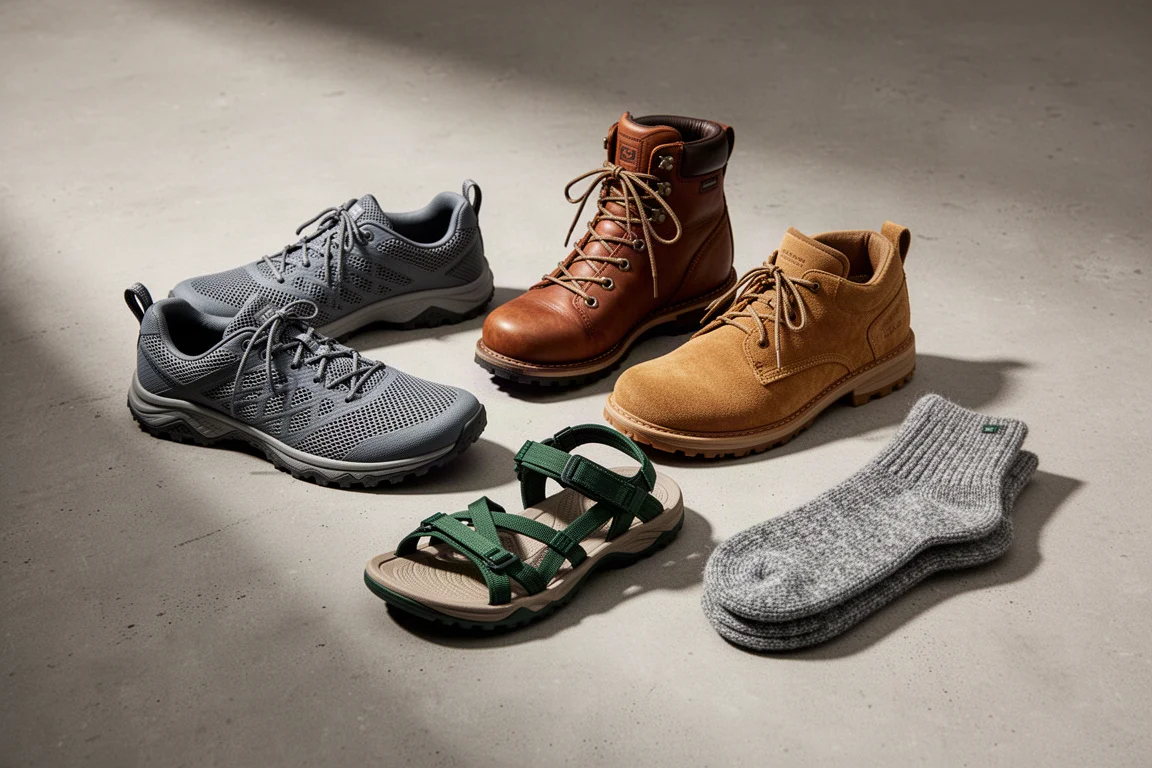
Trail footwear is in the middle of a quiet rethink. Shoes are getting lighter, midsoles are being engineered to hold their shape for longer, and several brands are making repair part of the ownership story instead of an afterthought. This roundup covers the trail shoes, boots, sandals, and socks worth knowing about from Danner, Merrell, Oboz, Lowa, Chaco, Farm to Feet, Salewa, and Scarpa, based on what each brand has confirmed about fit, construction, and intended use.
Some of these are available now and some arrive in spring 2027, so the goal here is not to push you toward a single pair. It is to help you work out which of these designs actually matches the miles you walk.
How to Choose Trail Footwear That Lasts
The most common reason a trail shoe starts to feel flat is midsole compression. Foam loses height and rebound over time, which is why several brands now build midsoles that resist packing out, including nitrogen-infused footbeds, firmer durometer EVA, and supercritical foams injected with gas. Outsoles are the other half of the equation. A softer, stickier rubber grips well but wears faster, while harder compounds last longer and give up some bite on wet rock.
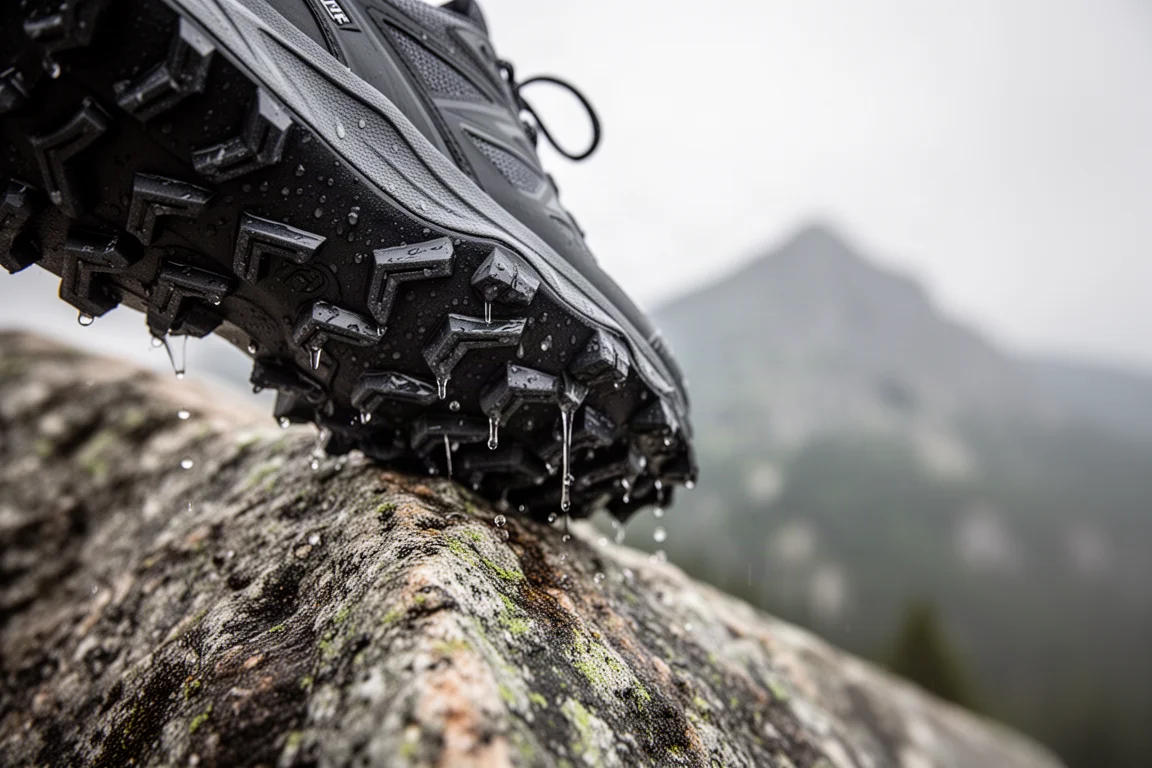
Drop and toe box shape affect comfort as much as cushioning does. A lower heel-to-toe drop changes how your foot loads through the stride, and a wider toe box leaves room for feet that swell over long days. Waterproof membranes add protection in wet conditions but reduce breathability, so the better choice depends on where you actually walk. It is also worth checking whether a shoe can be resoled or recrafted, because repairability is one of the biggest factors in how many seasons you get out of a pair.
Danner: Recraftable Trail Shoes
Danner’s trail series is built around two shoes named for long-distance trails, and the headline change is that the brand’s most popular trail model is now recraftable. The 2652 keeps the fit of the shoe it replaces, while the 2198 takes the same foundation in a wider, lower-drop direction.
Danner Trail 2652
The Trail 2652 is the direct successor to the Trail 2650, which has been on the market for about seven years. Danner kept the last and the overall fit the same and changed only the areas that were ready for improvement. The outsole moves to a Vibram 505 with Megagrip, and each lug carries smaller micro lugs that increase surface area and grip. Underfoot, a Plyolite midsole handles shock absorption and an Enduro foam footbed is nitrogen-infused to resist compression over time.
The heel is where the 2652 differs most visibly. The original gained a reputation for being blister-free out of the box, largely because its external heel counter sits slightly away from the heel rather than pressing against it. Danner kept that idea but streamlined the shape, so the shoe looks cleaner than the version it replaces. It is also roughly three ounces lighter per shoe than the old model. The recrafting program is the real story: when the outsole wears down it can be replaced, and the same goes for the midsole and other parts that need attention.
Danner Trail 2198
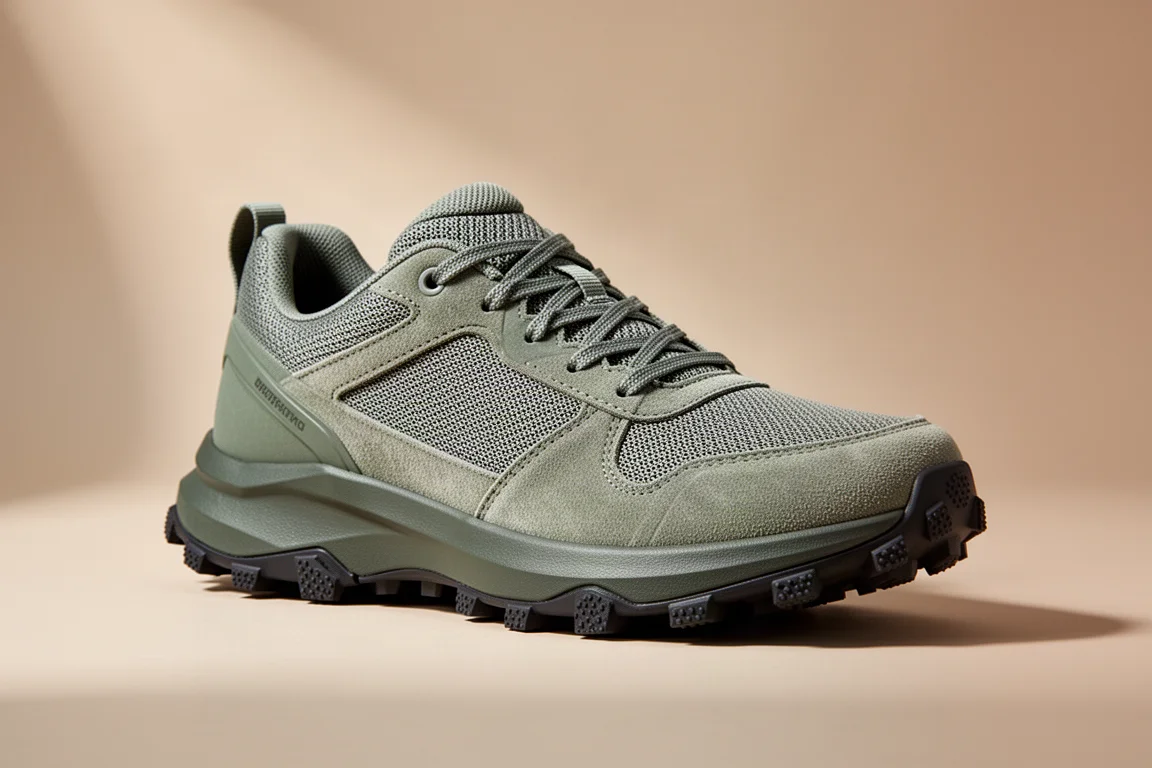
The Trail 2198, named for the Appalachian Trail, is for hikers who want a hint of minimal footwear feel without giving up the structure of a proper hiking shoe. The toe box is wider, which gives toes room to spread when feet swell, and the heel-to-toe drop comes down to 4 mm from 8 mm on the 2652.
The upper is mesh rather than suede, so it breathes better and flexes more. It carries over the Enduro foam footbed, the Plyolite midsole, and the EXO heel system from the 2652, but pairs them with a Vibram 217 outsole that is more flexible and adds shock absorption through the stride. Danner positions it for long, high-mileage days where you want to move quickly.
Merrell: Trail Racers and Everyday Trail Runners
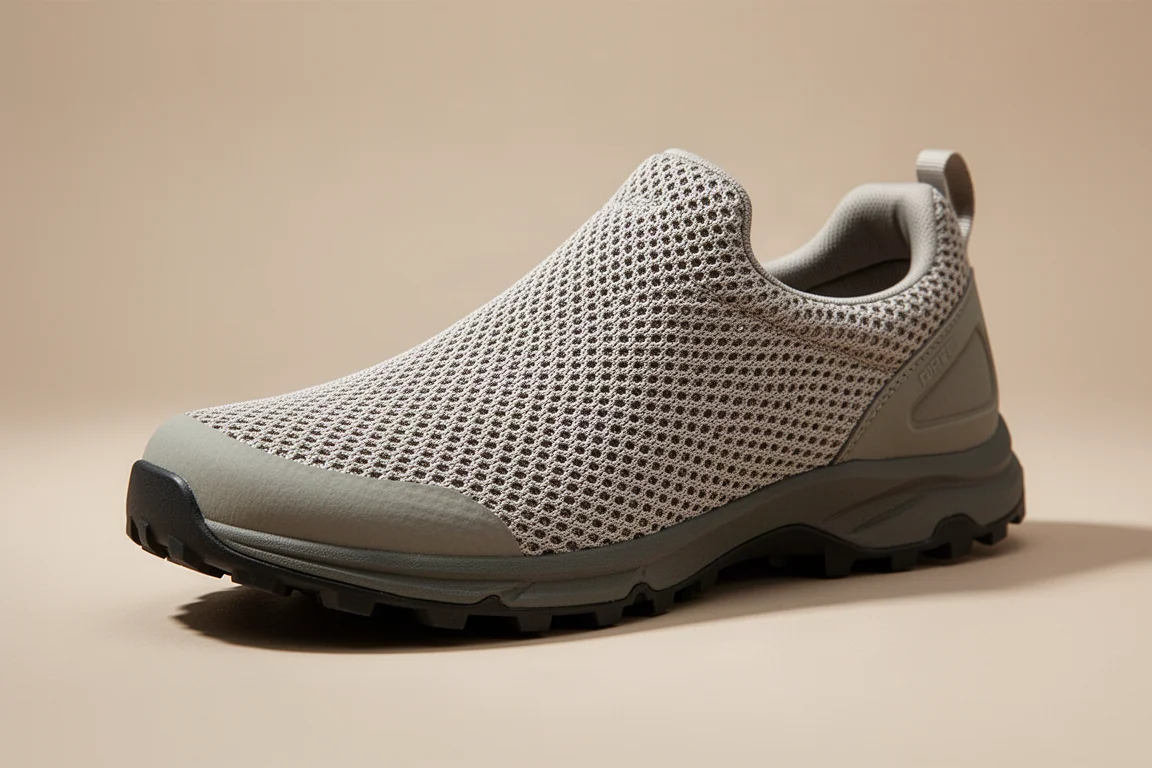
Merrell’s trail line splits between a laboratory-developed race shoe and a more forgiving everyday runner. The differences between them come down to propulsion, lifespan, and how much of the trail you feel underfoot.
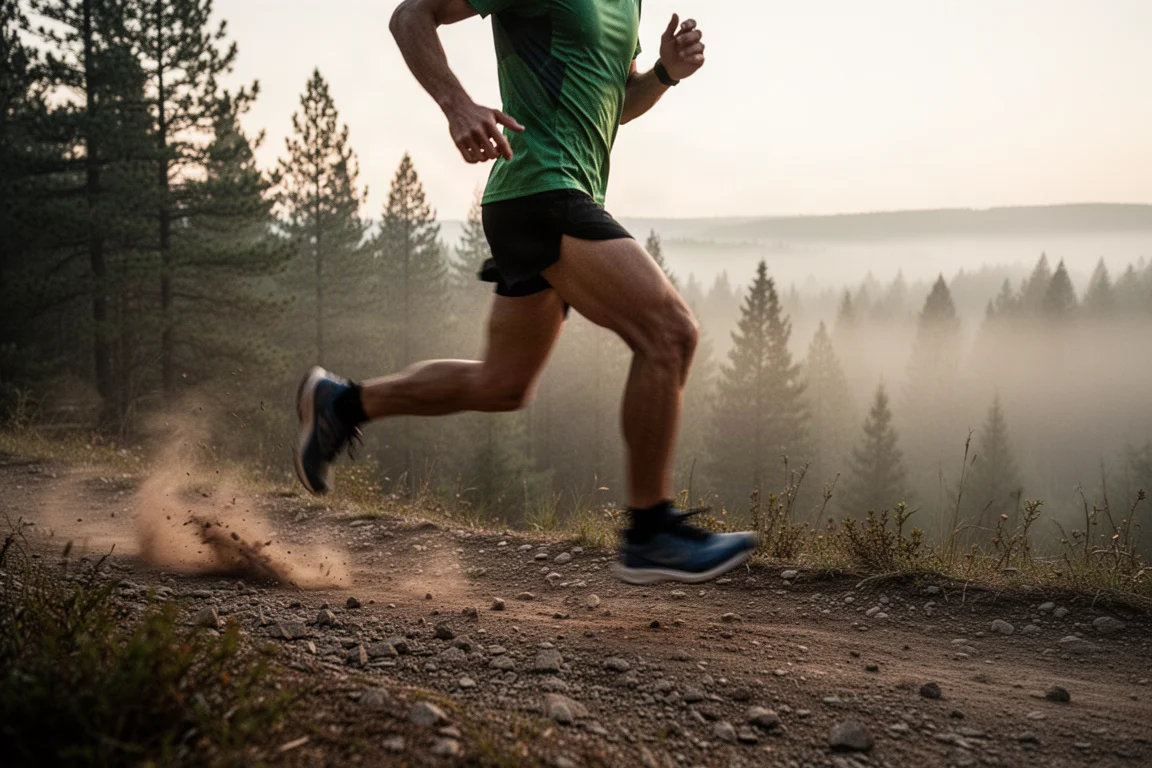
The racer is built for a small number of big days. The everyday model is built to keep going season after season, and for most trail runners that trade-off matters more than outright speed.
Merrell MTL Speed Arc Peak
The MTL Speed Arc Peak comes out of Merrell Test Lab, the brand’s development program with its athletes. The shoe went through more than 130 prototypes over five years before reaching this final form. The build layers a Vibram Megagrip Elite outsole, a Peba midsole, and a more durable foam sandwiched around a flex plate that works something like a spring to push you forward.
That combination makes it a trail racer rather than a general trail runner, aimed at 50K and 100-mile efforts. Merrell says it should last three to four long-distance races plus training, which is far more than a road racing super shoe typically manages. The upper uses a matrix woven material with Kevlar reinforcement, and it is split into two panels that move independently as feet swell and shift over a long race. It retails at $290, so it is a considered purchase rather than an impulse one.
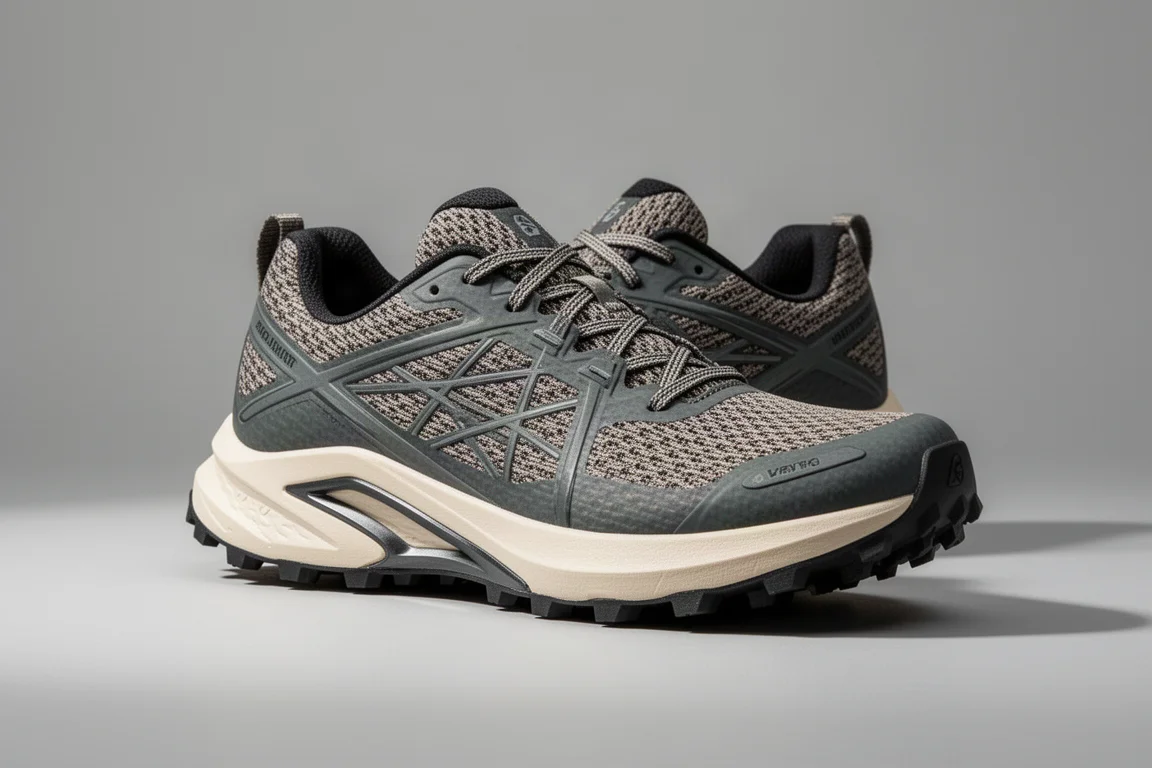
Merrell Agility Peak 6
The Agility Peak 6 launched in February 2026 and is the more practical choice for anyone not chasing a podium. It works across entry-level and experienced trail runners, and it is the shoe to pick if you want to run trails recreationally rather than race them.
It may be a little heavier than some other trail runners, and that weight goes into a rock plate that keeps the lugs from squashing and rubbing against each other. The result is a longer-lasting shoe and less sensation of rocks, sticks, and roots pressing into the bottom of your foot. If you are not racing, this is the better starting point.
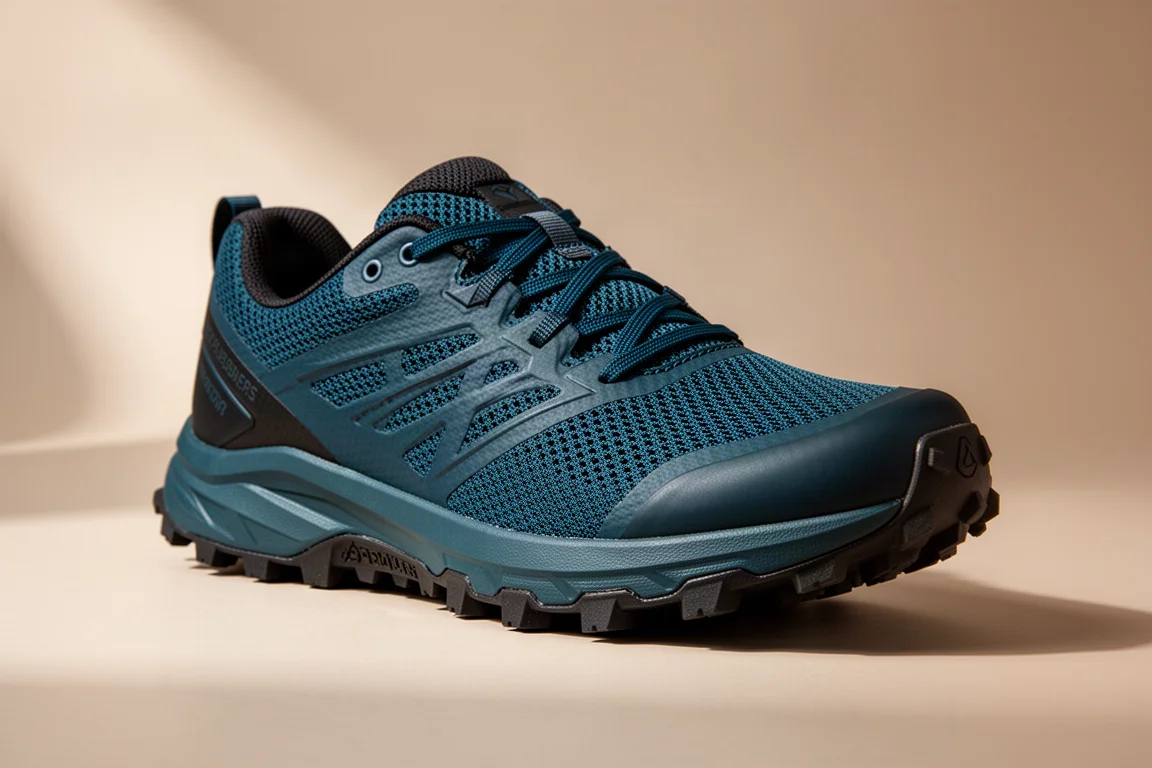
Oboz: Built in Bozeman
Oboz takes its name and its testing grounds from the country outside Bozeman, Montana, and the brand’s fit philosophy runs through everything here: a structured heel cup, a wider forefoot, and an ample toe box.
Oboz Bozeman 2
The Bozeman 2 has become the brand’s best seller. It has approach-shoe styling without being a true approach shoe, which keeps it comfortable for everyday wear. The suede upper is lightweight, and the fit follows the Oboz pattern with a wider toe box and a heel that stays locked in.
That combination makes it an all-day shoe that moves easily from a mountain trail to town, and it is trail-ready enough for walking the dog or knocking around camp.
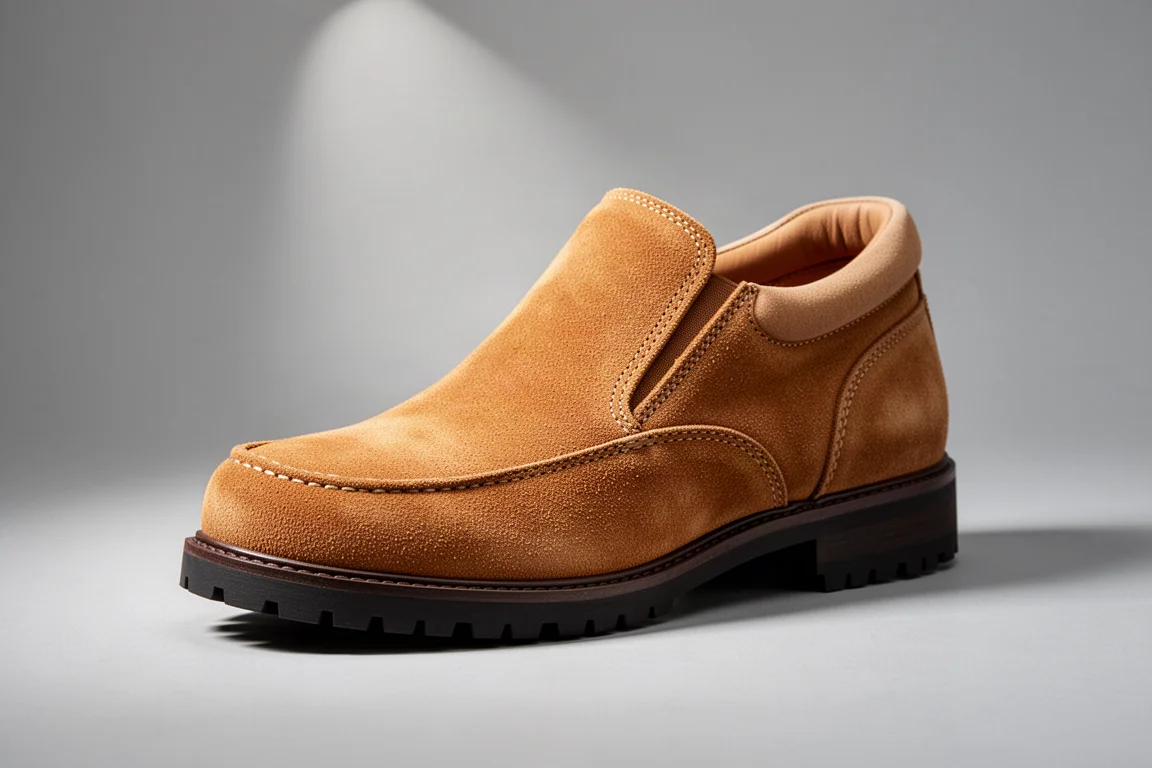
Oboz Katabatic Storm
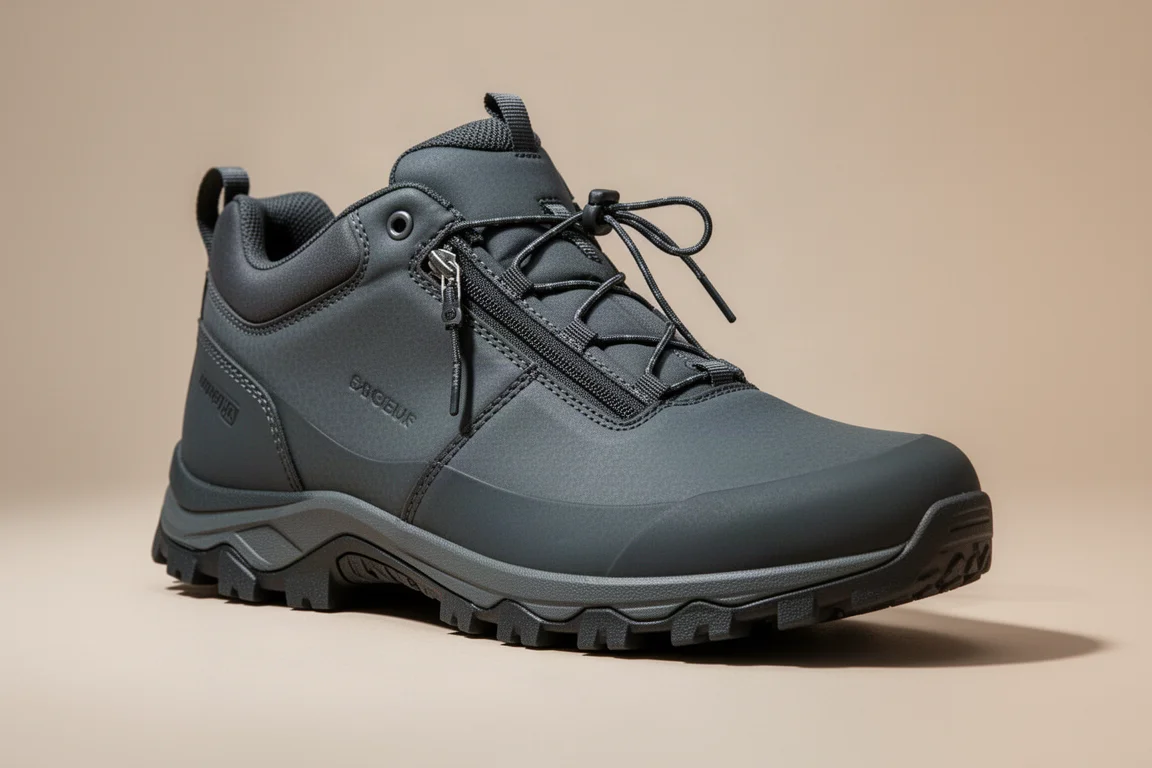
The Katabatic Storm returns this fall as a pinnacle product for the brand. It pairs a Vibram outsole with Gore-Tex Invisible Fit, and it uses Solarcore insulation, described as one of the lowest thermally conductive materials known. The point of that material is warmth without overheating, and the shoe stays breathable rather than turning into a sealed winter boot.
It uses drawstring laces with a zipper over the top, and it is built to move rather than to stand still in. For cold-weather hiking and snowshoe approaches, worn with gaiters over the top, it offers insulation and protection in a package that still looks and moves like a trail shoe.
Lowa: Lightweight Racing and Leather Boots
Lowa covers both ends of the spectrum here: a racing shoe built to shed every possible gram, and a leather boot designed to be resoled and worn for years.
Lowa Pace Tera Pro
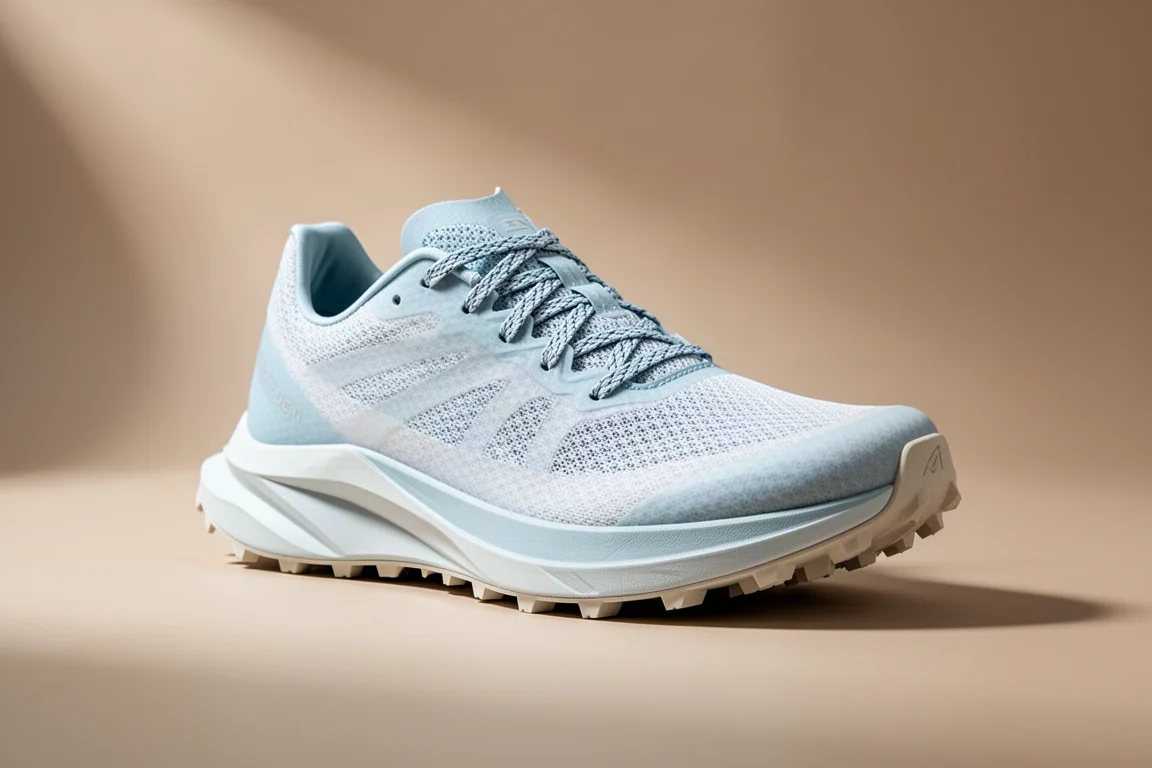
The Pace Tera Pro is new for spring 2027 and, based on Lowa’s research, is the brand’s most innovative trail running shoe. Lowa describes it as the lightest trail racing shoe currently on the market at 208 g.
Almost every detail on the shoe exists to cut weight. The crinkle-style laces are lighter than standard laces, and the strobel board is removed so the foot sits directly on the midsole, which also increases responsiveness. The midsole is a supercritical TPEE injected with nitrogen gas, a durable high-performance material that keeps its lightweight character. Average lifespan is around 180 miles, which is above average for a race shoe but still short enough that it makes more sense for race day than for everyday training.
Lowa Explorer
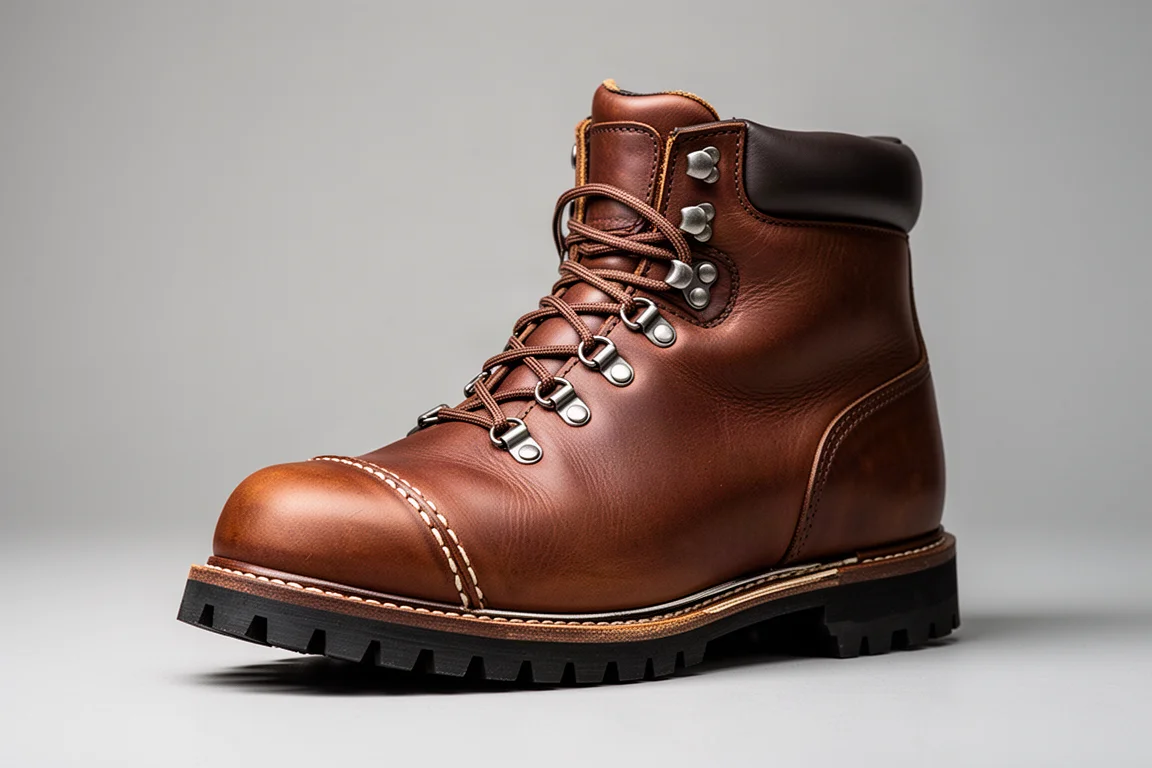
The Explorer is new for this fall and makes the case that there is still a place for a proper leather boot. It weighs 550 g, which is lighter than it looks, and it is made in Lowa’s Germany factory. It is also resoleable, so a worn-out sole does not mean the end of the boot.
The X lacing feature is a Lowa patent that keeps the tongue in place so it does not slide around on the foot, a small detail that solves a common annoyance. A low-cut version of the same design is also available.
Chaco: River-Born Comfort
Chaco started in Paonia, Colorado, where the founder worked as a raft guide, and the brand’s identity still comes from the river. The footbed is the through-line: it does not compress underfoot, and the arch support is APMA certified.
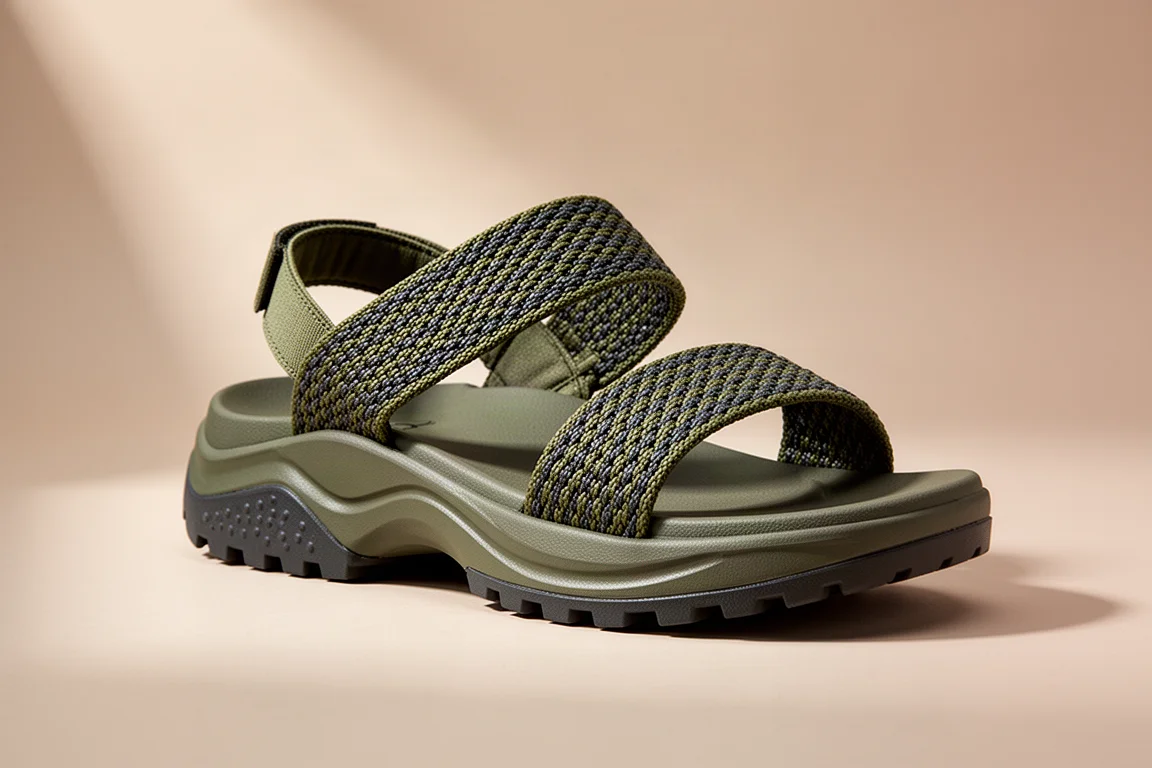
Chaco Z Sandal
The Z sandal is the brand’s bread and butter, and there is a version for essentially everybody. The footbed does not compress underfoot, so it holds its shape over a long service life rather than packing down the way soft foam does.
That durability and the arch support are what Chaco is known for, and the certification backs up the comfort claim rather than leaving it as marketing language.
Chaco Ramble Rugged Canvas Clog
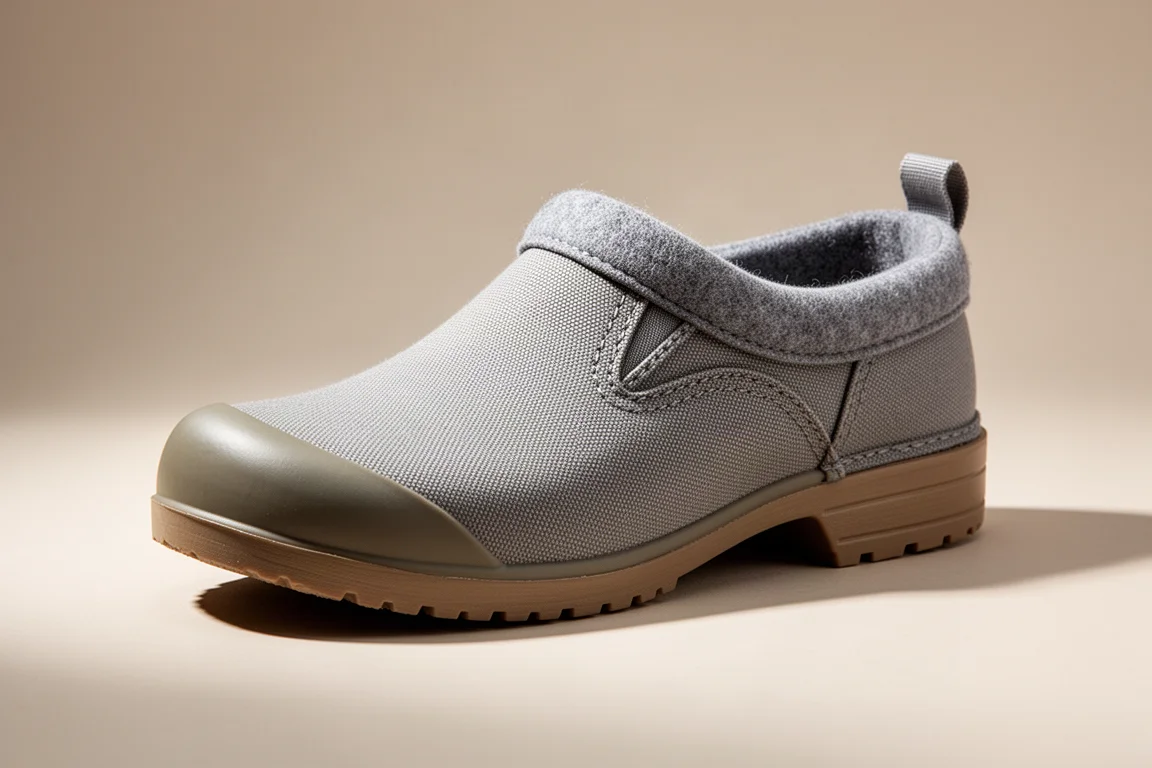
The Ramble Rugged Canvas Clog is the après-ski shoe in the range: something to slip into after taking off boots. The felt interior is soft, and the semi water-resistant upper wicks a little moisture rather than soaking through immediately.
There is a loop on the back for clipping the pair to a backpack, which is more useful than it sounds for camp. It keeps the same arch support found across Chaco’s line, and it is available online now with new colors refreshing for fall.
Farm to Feet: American-Made Socks
Farm to Feet is based in Mount Airy, North Carolina, and runs a fully US-based supply chain. Wool is sourced in the West, shipped to South Carolina to be processed, treated, and spun into yarn, then sent to Mount Airy to be knit into socks.
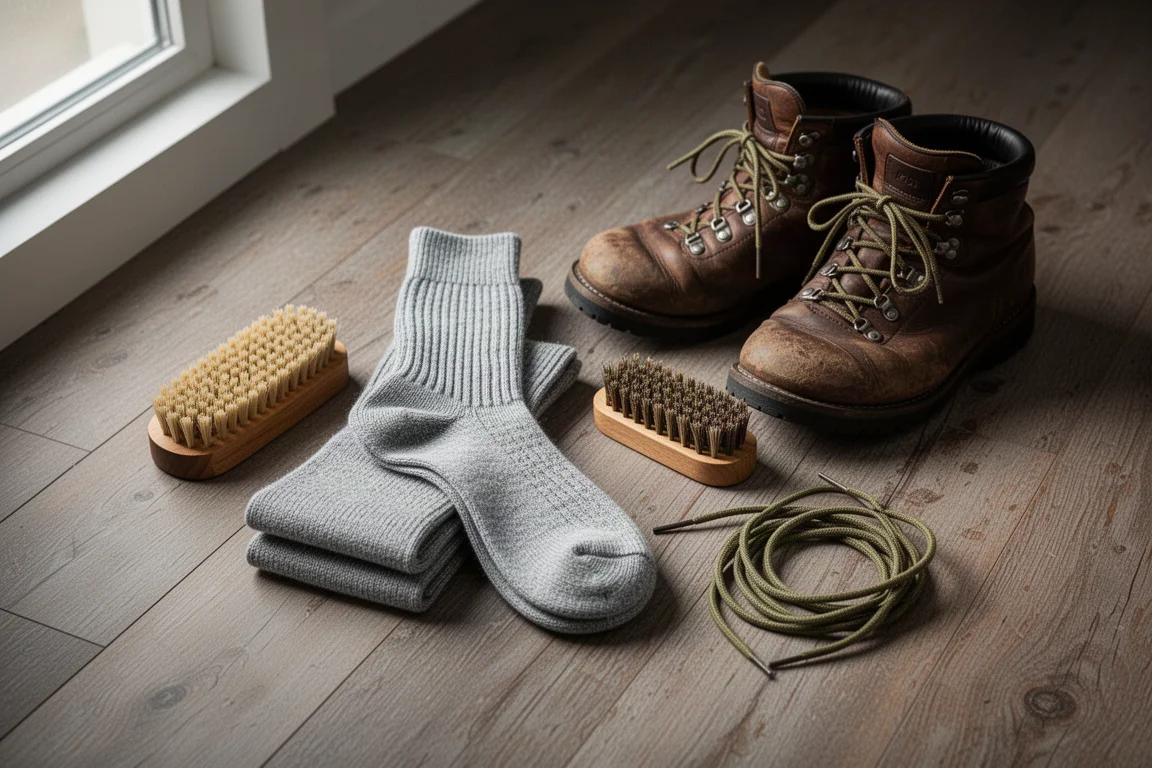
That domestic pipeline is unusual in outdoor apparel, and it is the reason the brand talks about traceability as much as it talks about merino content. The socks themselves are built around fit details rather than thickness alone.
Farm to Feet Damascus
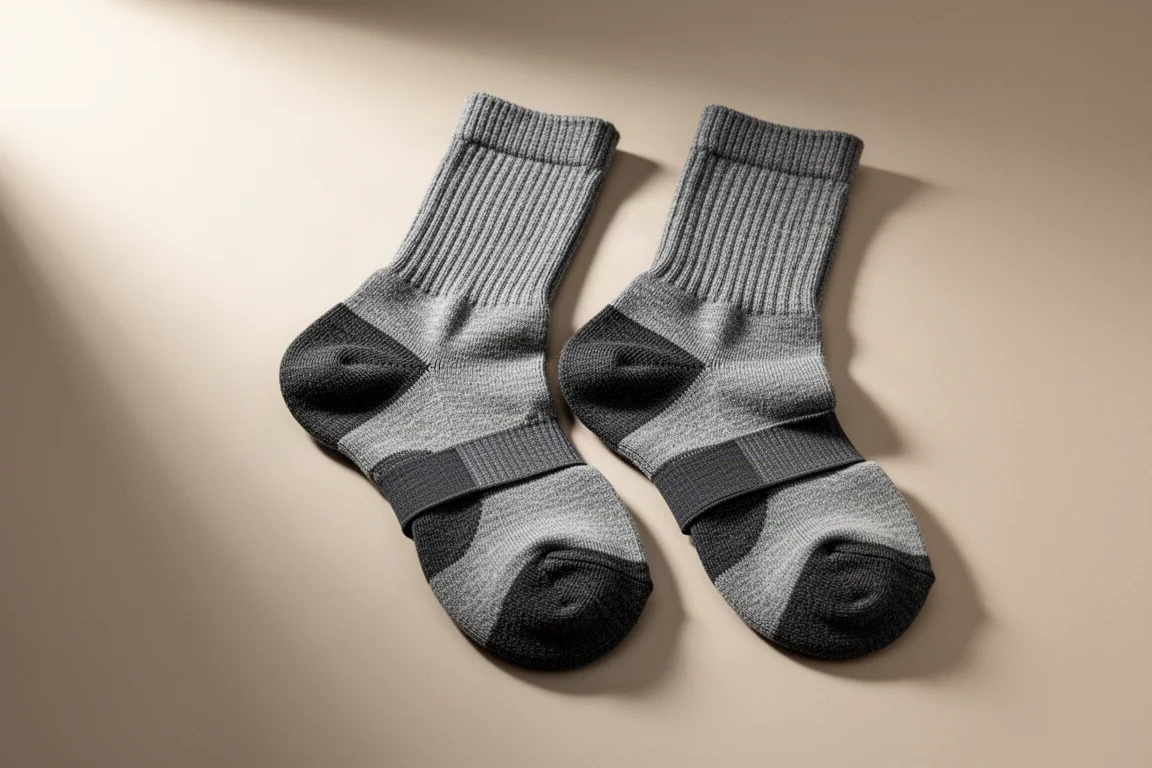
The Damascus is built around targeted cushioning in the places that usually develop hot spots, such as the base of the toes and around the heel. A seamless toe closure reduces bunching inside a boot, and the sock adds arch compression and ventilation channels across the top to move moisture and keep feet dry.
A No Fly Zone version treats the yarn itself with permethrin to help repel ticks and mosquitoes, and the treatment is designed to last more than 70 washes rather than needing regular reapplication. A Damascus Compression sock with graduated compression up the leg is also coming next year.
Salewa: Mountain Footwear
Salewa builds from a mountaineering background, and the priorities follow from that: fit, durability, and support over softness. The brand’s 3F system locks the foot down in three places, at the heel and along the medial and lateral sides of the top of the foot, and it has been redone across every new product since 2025. Midsoles use a firmer durometer of EVA than a trail running brand would choose, because firmer foam does not compress as quickly and delivers more supported miles.
Salewa Wildfire Cross
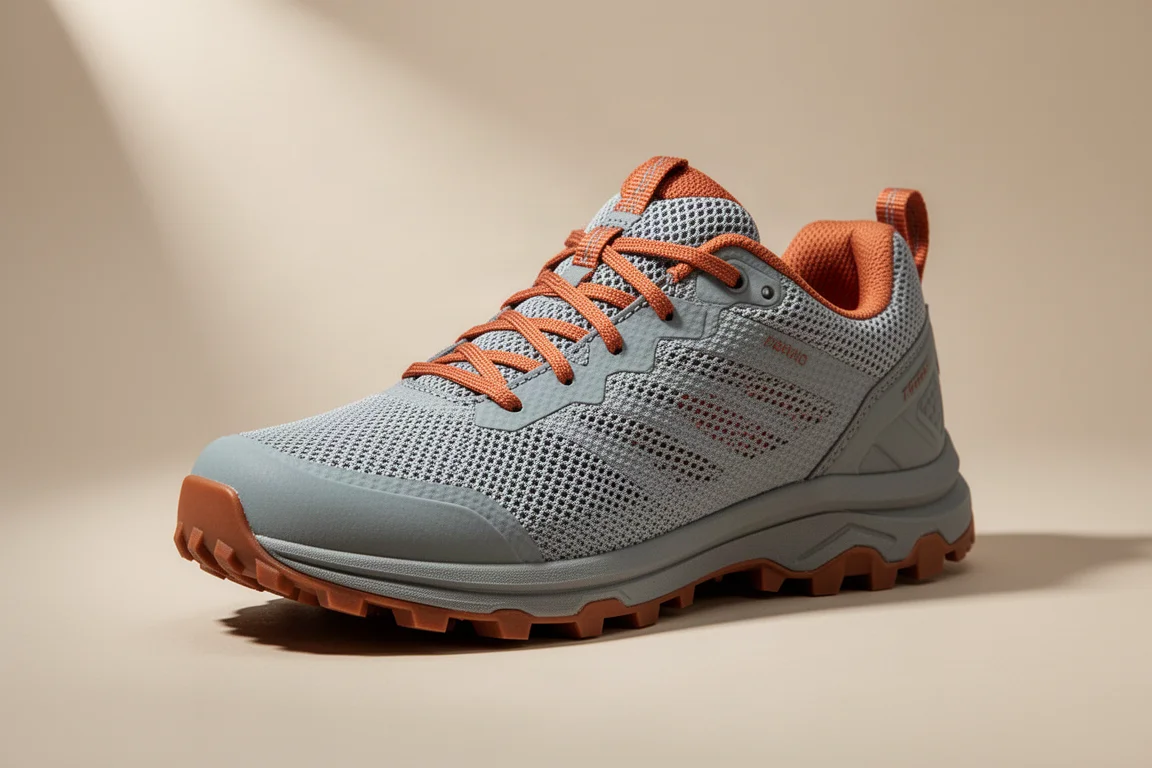
The Wildfire family, one of Salewa’s best sellers, gets an update for spring 2027 with a cleaner, more everyday look. The foot-holding structure that used to be visible on the outside is now hidden, which keeps the technical benefit while making the shoe easier to wear casually.
The Wildfire Cross takes the family’s light hiking foundation and pulls in cues from trail running. A TPU rand wraps around the shoe, a technique borrowed from climbing footwear, which adds lateral structure without adding much weight. The fit is wider and more accommodating than a technical mountain shoe, and it is built to cross over from hiking into lighter, faster use.
Scarpa: Approach and Backcountry
Scarpa’s approach and backcountry designs borrow from climbing and mountaineering, which shows up in protective rands, sticky rubber, and stiffer platforms for uneven ground.
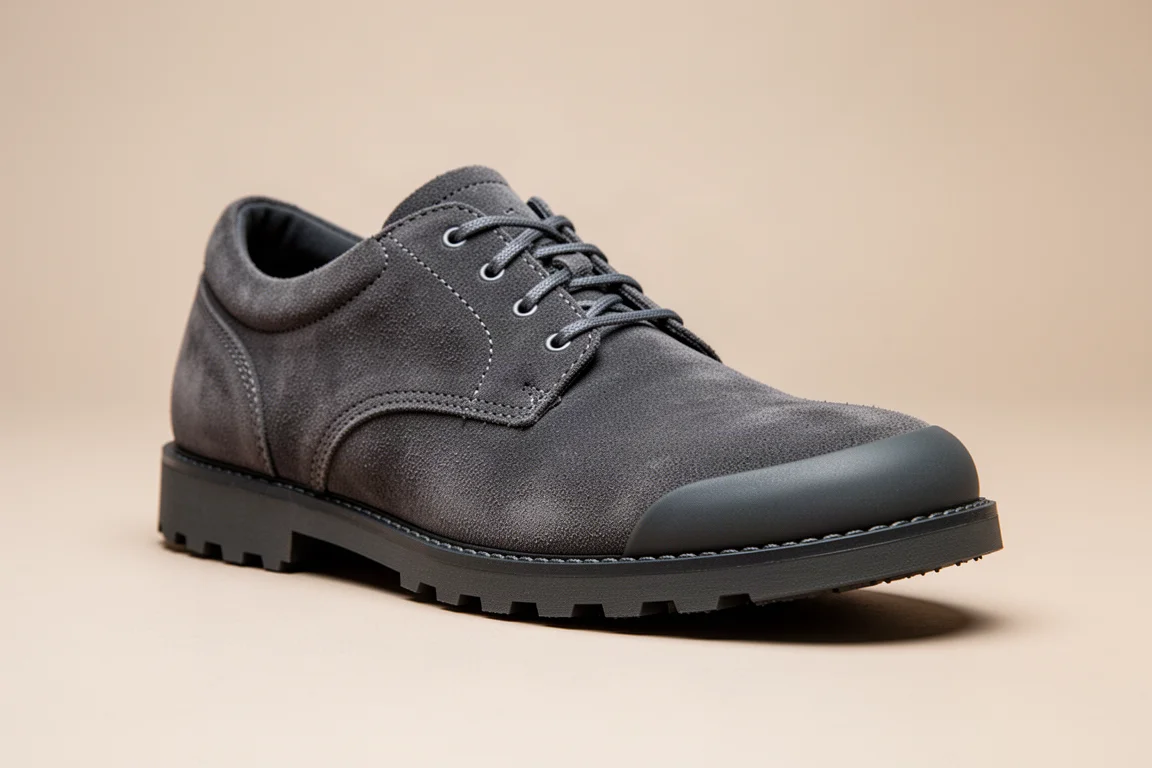
Scarpa Mescalito
The Mescalito is a true approach shoe, intended for routes where you might do a little easy climbing or scrambling on rock. Plenty of people also use a shoe like this for hiking in rugged terrain where stickier rubber makes a real difference.
A new version arrives for spring 2027 with a full style change and, more importantly, a new midsole that blends EVA with rubber. The front of the shoe carries more rubber content, which makes it stronger and more sensitive where you need feel on rock, while the heel stays EVA for cushioning.
Scarpa Rebel 8 HD
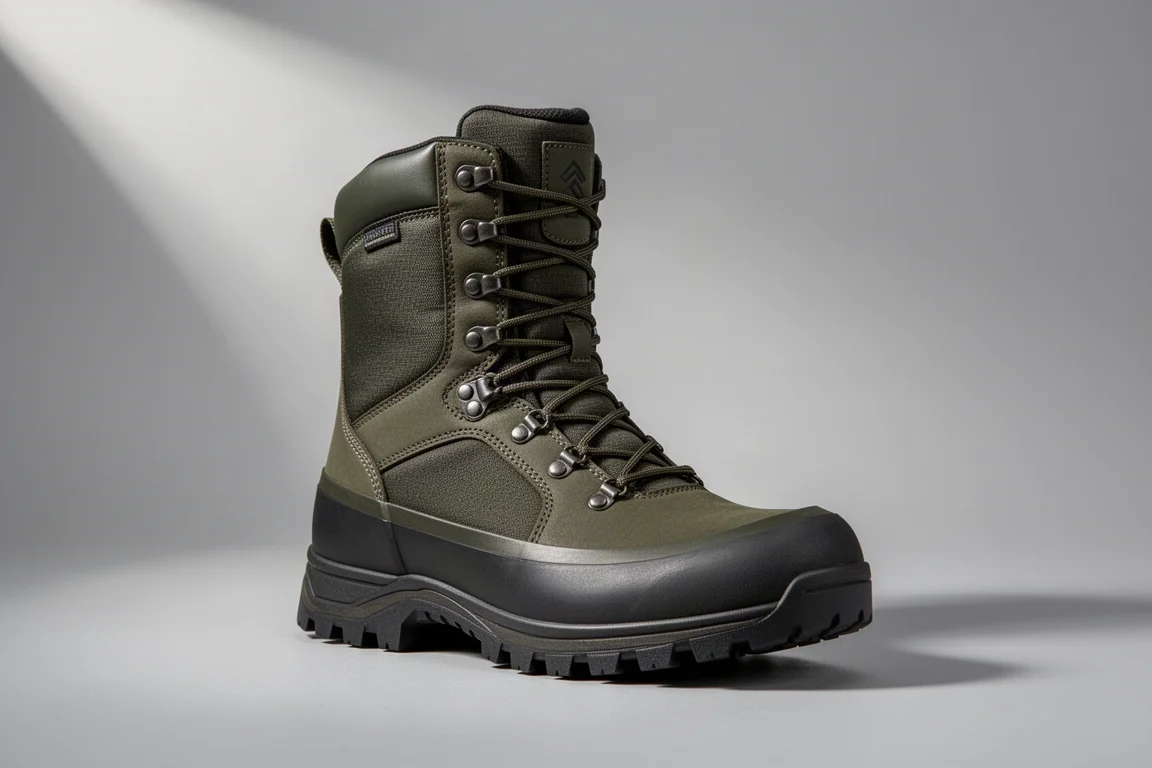
The Rebel 8 HD is what Scarpa calls a field boot, a category that covers trail work and backcountry hunting. It evolved out of a collaboration Scarpa had with the hunting brand Kuiu, though it is not the same boot, and the work done on that project shaped this one.
A rubber rand wraps the shoe to protect it against rock and scree, and the build uses a lot of synthetic materials to keep weight down for this style of boot. That stiffness matters when you are sidehilling across uneven ground with a load on your back, which is exactly the job this boot is designed for.
Overall Buying Advice
Start by matching the shoe to the job rather than the spec sheet. A race shoe with a 180-mile lifespan is the wrong choice for daily training, and a stiff field boot is overkill for a groomed day hike. If you walk mostly in wet conditions, a waterproof membrane is worth the breathability trade-off. If you hike in heat and dry terrain, a mesh upper will keep your feet cooler and drier overall.
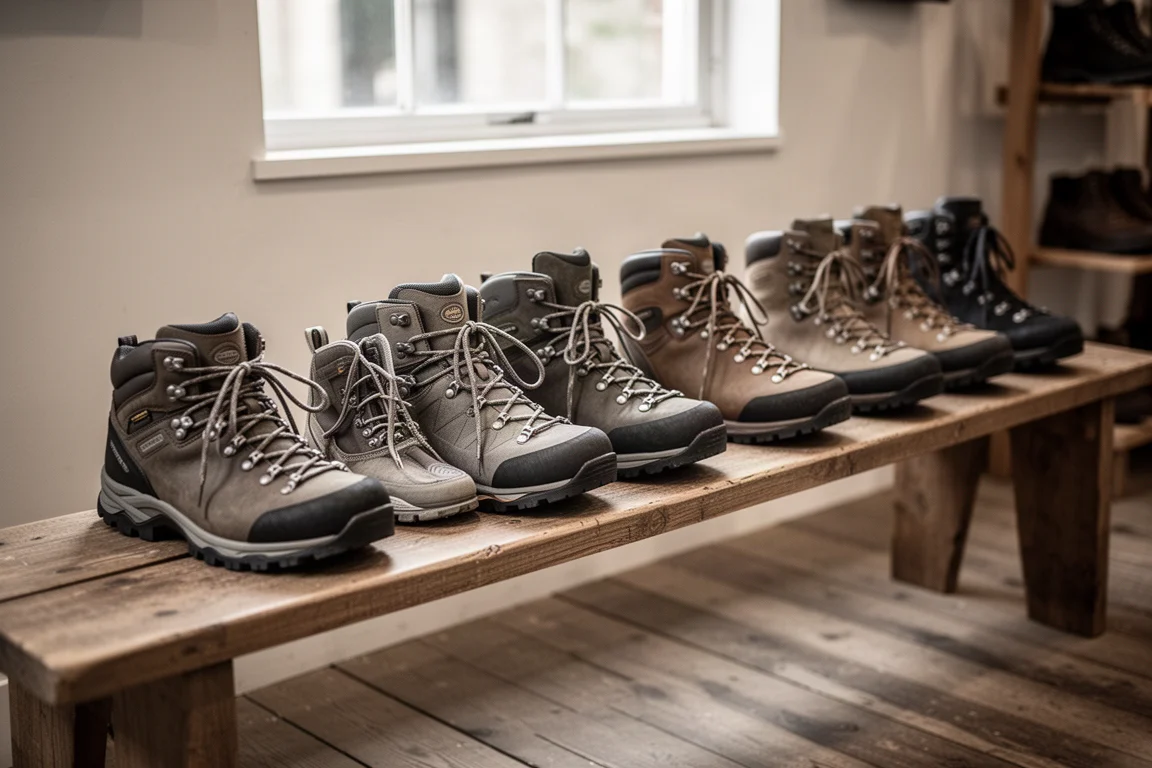
Sizing deserves more attention than it usually gets. Feet change over time, and the recommendation is to have them measured at least every two years. A proper measurement covers length, width, and arch support, and it should be taken both seated and standing, because a weighted foot splays wider than an unweighted one. Brands like Oboz build around a structured heel cup, a wider forefoot, and an ample toe box, and they tend to fit true to size, so adding a half size usually buys length rather than width. Try both sizes when you are between them.
Do not overlook socks. Targeted cushioning, a seamless toe, and light arch compression reduce the friction and bunching that cause blisters, and they cost far less than replacing a pair of boots.
Conclusion
The most useful trend in this roundup is repairability. Danner’s recrafting program on the Trail 2652 and Lowa’s resoleable Explorer both extend how long a good pair stays in service, and that matters more than any single specification. Beyond that, the choice comes down to matching drop, cushioning, waterproofing, and weight to the ground you actually cover. If you race, the Merrell MTL Speed Arc Peak and Lowa Pace Tera Pro are built for speed with a defined lifespan. If you hike, the Danner and Oboz options are the more durable long-term picks, and a better sock will make any of them feel better on a long day.
Further reading
Related Reviews

Backpacking Gear
Building a 10 lb Base Weight: An Ultralight Backpacking Gear List
A practical walkthrough of the ultralight pieces behind a 10 lb base weight, from a 765 g pack and a roomy one-person tent to a full camp chair and a dependable water filter.

Road Bikes
10 New Road Bikes Worth Watching: Aero, Titanium, Steel and Endurance Standouts
A practical roundup of 10 new road bikes, from aero flagships chasing single-watt gains to titanium, steel and endurance platforms built for real roads.
Bikepacking Gear
11 Bikepacking Essentials for Long-Distance Cycling
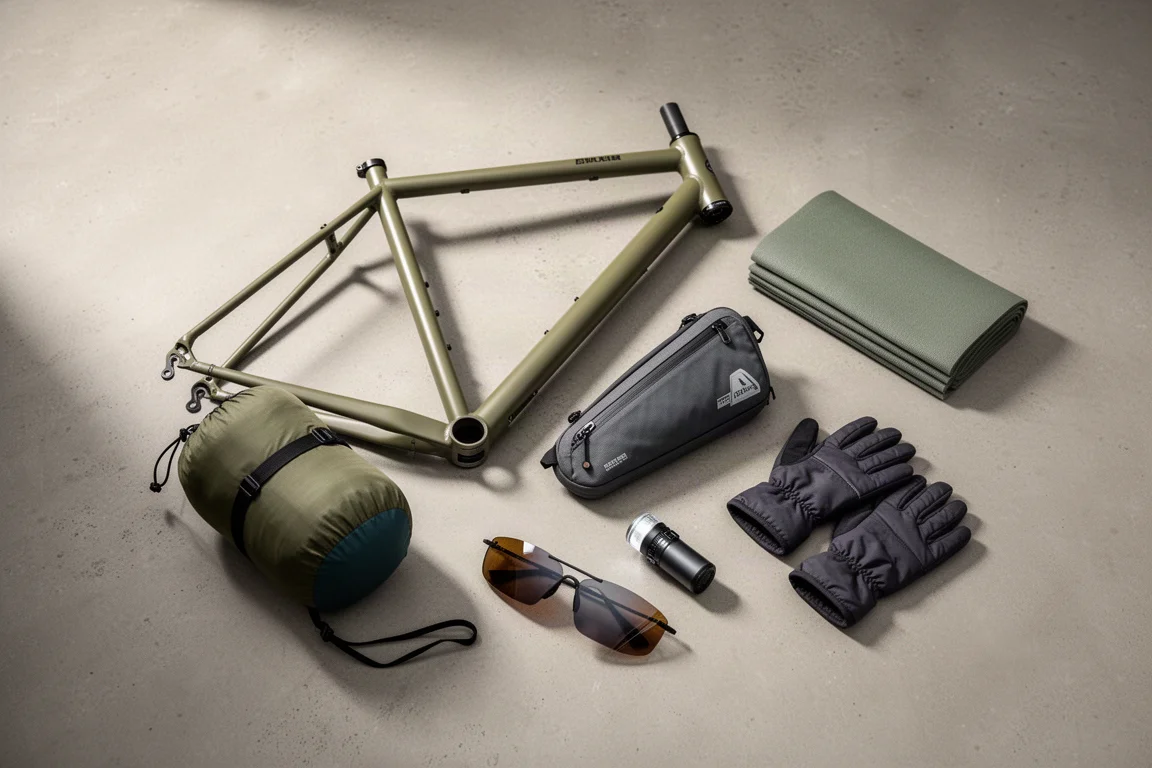
Eleven bikepacking essentials for long-distance cycling, from a steel gravel frame and a two-person tent to helmet lights, packable gloves, and a frame bag that puts weight in the right place.