Trail Footwear
Altra Olympus 4 vs Timp 3 vs Lone Peak 5: Which Trail Shoe Should You Buy?
A practical comparison of three Altra trail shoes: cushioning, outsole grip, upper durability, weight, fit, and price, plus which one suits long thru-hikes.
Introduction
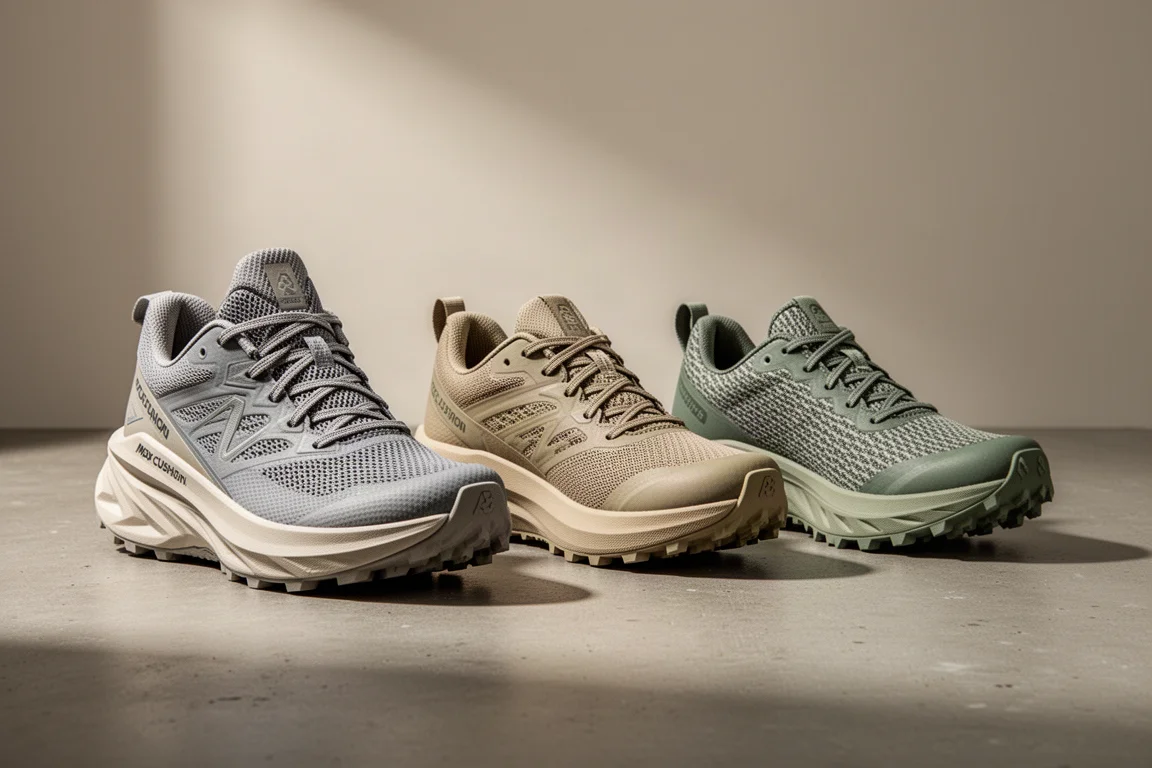
Altra builds its trail lineup around two consistent ideas: a zero-drop platform and a wide toe box that gives the foot room to spread out as it swells over long days. The Olympus 4, the Timp 3, and the Lone Peak 5 all share that foundation, but they split sharply on cushioning, outsole grip, upper materials, and price.
That split is what makes the decision interesting. The Olympus 4 is the most cushioned shoe in the range and the most expensive at $170. The Timp 3 sits in the middle at $140. The Lone Peak 5 carries the least cushion and the lowest price at $130.
This guide compares stack heights, outsoles, uppers, weights, and durability for all three, then narrows down which shoe makes sense for desert miles, technical trails, and long thru-hikes where several pairs are needed.
How These Three Altra Shoes Compare
All three models are zero drop, so the real differences come down to how much foam sits underfoot and how the shoe is built around it.
- Olympus 4: 33mm stack height, full mesh upper, MegaGrip outsole with Vibram rubber, a men’s size 12 weighing 1 lb 7.8 oz without insoles, $170.
- Timp 3: 29mm stack height, Quantic midsole, full mesh upper, Inner Flex outsole without a rock plate, a men’s size 13 weighing 1 lb 5.4 oz without insoles, $140.
- Lone Peak 5: 25mm stack height, EVA foam midsole, ripstop nylon upper, MaxTrac rubber outsole with Trail Claw lugs and a rock plate, a men’s size 12 weighing 1 lb 5.7 oz without insoles, $130.
Those weights were measured in different men’s sizes, so treat them as close rather than directly comparable. The more meaningful differences are the outsole construction, the upper material, and how much structure each shoe keeps after a few hundred miles.
Altra Olympus 4: Maximum Cushion for Hard-Packed Trails
The Olympus 4 is Altra’s max-cushion trail shoe, and the 33mm stack is the main reason to consider it. That extra foam is most useful on hard-packed soil, sand, and dirt, where impact adds up mile after mile. It is also a sensible pick for anyone whose knees need a softer landing after a long season of hiking.
The outsole is Altra’s MegaGrip sole with Vibram rubber, the only model in this group with Vibram, and it is built to last. Previous versions of the Olympus have covered a lot of miles before breaking down.
The trade-off is bulk. On rocky, root-covered trails the thick sole feels clunky and tends to catch on obstacles, which costs attention on technical ground. On wide, open desert stretches that same sole feels comfortable rather than clumsy.
Altra Timp 3: Balanced Cushion With a Roomier Fit
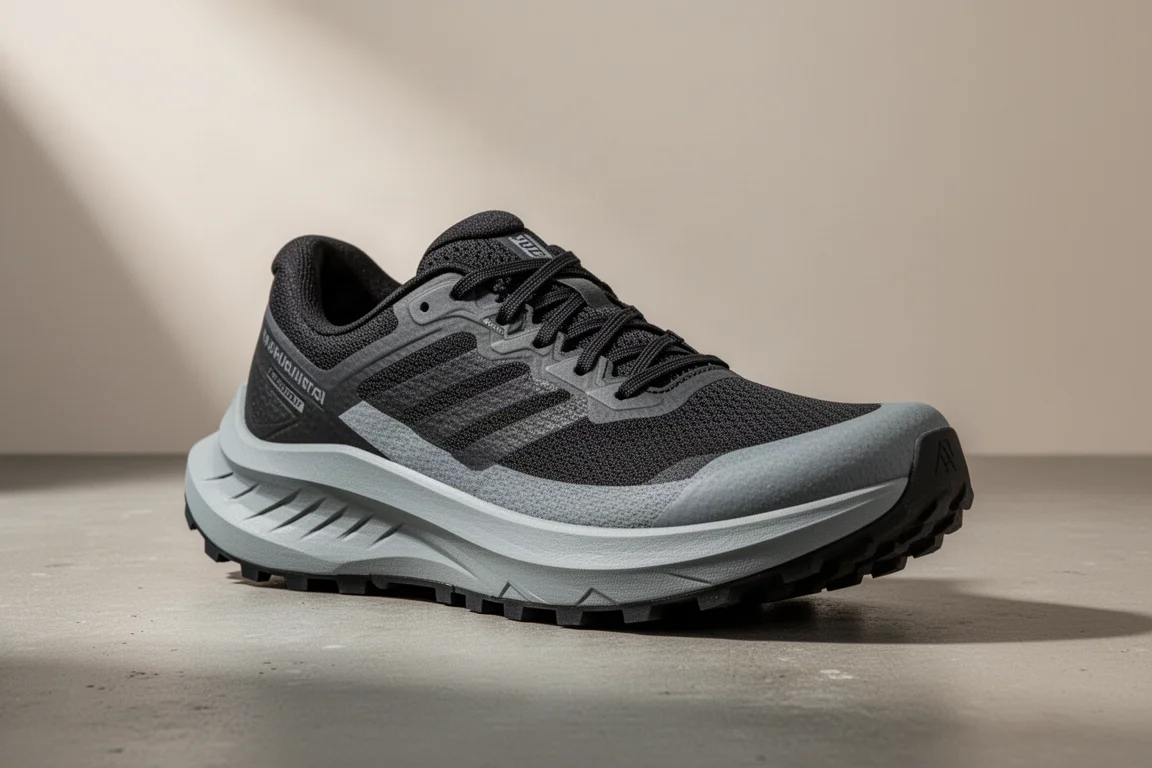
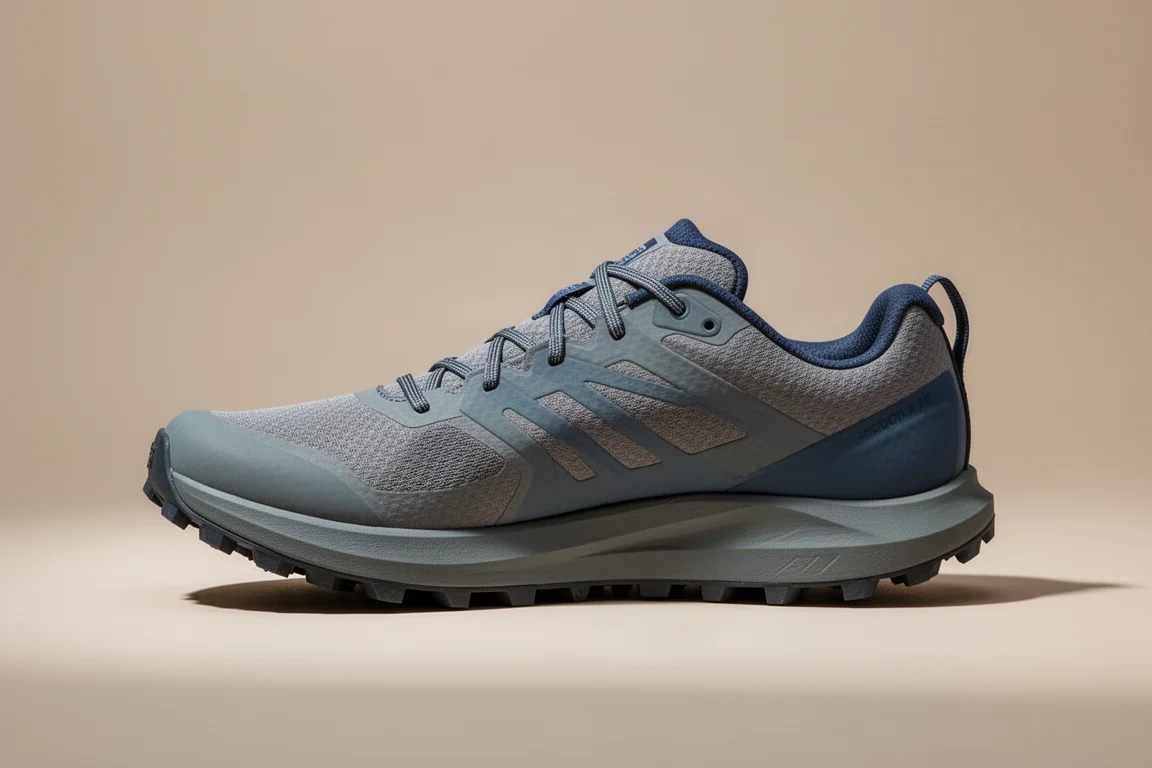
The Timp 3 lands in the middle of the range with a 29mm stack height, a Quantic midsole, and the widest toe box of the three. The Inner Flex outsole has no rock plate, which makes the shoe noticeably more flexible underfoot.
On fit, the Timp 3 runs narrow across the top of the foot: a men’s 12.5 felt tight around the laces, and moving up to a men’s 13 solved it. A men’s size 13 pair weighs 1 lb 5.4 oz without insoles, so it stays light for the cushion it offers.
The problem is durability. After roughly 40 miles, the shoe showed delamination, with the upper and midsole starting to come apart, and it lost structure quickly. Without a rock plate and with a lot of mesh in the upper, there is little to hold the shape together. A realistic lifespan looks closer to 150 miles than the 400 to 500 miles a thru-hiker expects from a shoe.
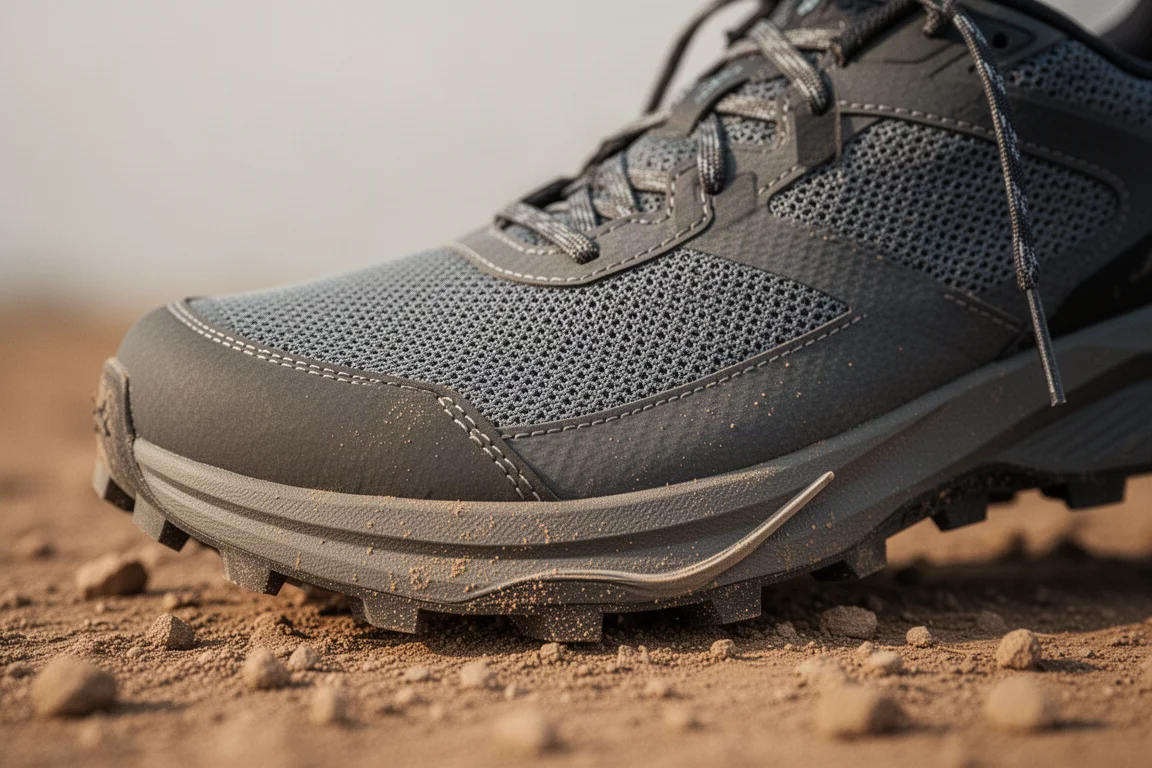
That short lifespan is the reason to think twice before relying on the Timp 3 for a long-distance hike, even though the fit and cushioning are genuinely comfortable.
Altra Lone Peak 5: The Do-It-All Trail Shoe
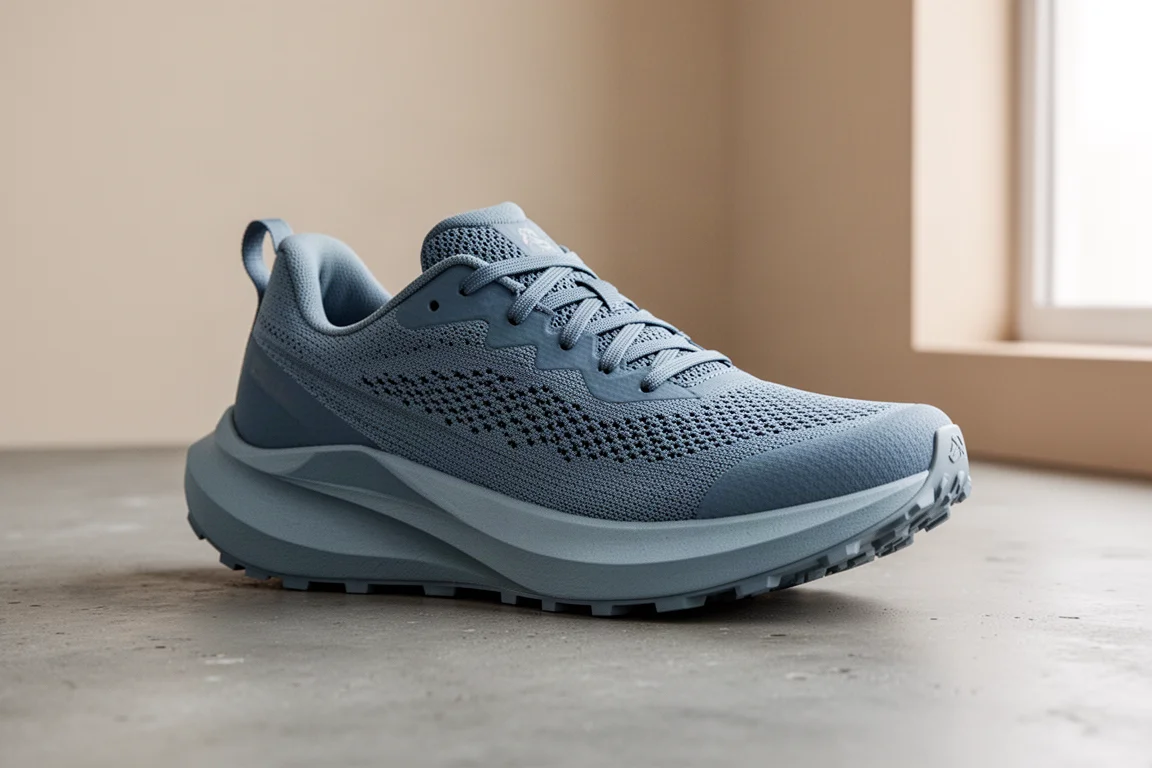
The Lone Peak 5 is the lightest on cushion here at a 25mm stack height, and it pairs an EVA foam midsole with a rock plate and a MaxTrac rubber outsole using Trail Claw lugs. Instead of mesh, the upper is ripstop nylon, which should resist holes and abrasion better over a long season.
After about 60 miles the shoe is holding up well: no delamination, no loss of structure, and no clumsiness on rocky ground. Grip is strong, cushioning is reasonable, and it fits a men’s size 12 at 1 lb 5.7 oz without insoles. At $130 it is also the cheapest of the three.
The main compromise is heel cushioning. Runners who land on the heel may want more foam back there, and the firmer heel does encourage a flatter, less heel-heavy landing over time.
Durability, Weight, and Value Compared
Durability separates these shoes more than any single spec. The Olympus 4 is the most heavily built, with Vibram rubber and a history of covering long distances before wearing out. The Lone Peak 5 is holding up well after 60 miles with its ripstop upper. The Timp 3 is the outlier, showing early delamination and structural collapse.
Weight is close across all three, from 1 lb 5.4 oz to 1 lb 7.8 oz per pair without insoles, with the Olympus 4 the heaviest and the Timp 3 the lightest. None of them is a heavy shoe for the cushion on offer.
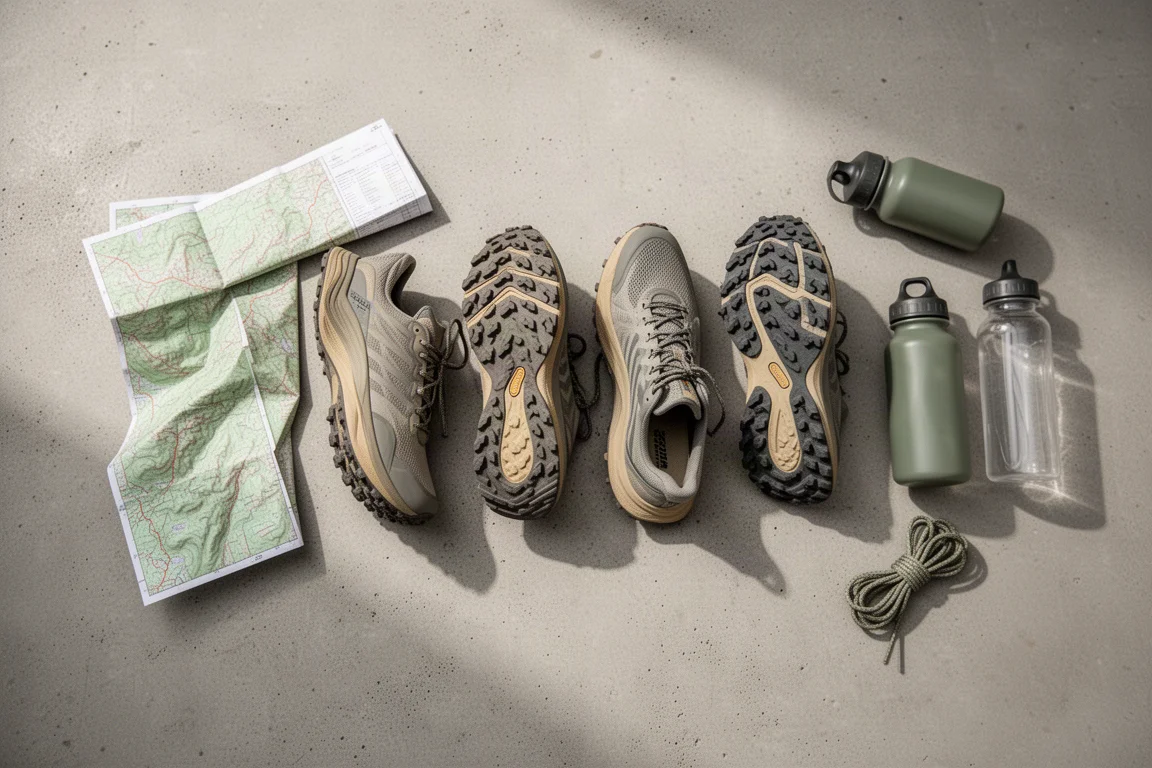
Value is where the Lone Peak 5 pulls ahead. Thru-hikers replace shoes often, sometimes several times in a single season, and the $40 gap between the Lone Peak 5 and the Olympus 4 adds up quickly. The Timp 3 sits between them on price but not on lifespan.
Fit Notes for Wide Feet and Long Distances
All three shoes use Altra’s wide toe box, which matters for anyone with wide feet or for hikers whose feet swell over long days. The extra room lets the toes splay instead of pressing against the sides of the shoe.
Sizing is not identical across the lineup. The Lone Peak 5 fit well in a men’s 12, where earlier versions needed a 12.5 or even a 13. The Timp 3 required going up to a 13 from a too-tight 12.5. The Olympus 4 worked in a men’s 12 with custom insoles in place. Try before buying where possible, and expect to size up in the Timp 3.
Buying Advice: Matching the Shoe to Your Hike
Choose the Olympus 4 if cushioning is the priority and the terrain is mostly hard-packed dirt, sand, or desert. Its Vibram outsole and durable build suit long, non-technical miles, and the $170 price is the cost of the most protection in the lineup.
Choose the Timp 3 only if comfort and toe room matter more than longevity. It is the most flexible and one of the most comfortable shoes here, but the early delamination makes it a poor bet for a thru-hike.
Choose the Lone Peak 5 for long thru-hikes, technical trails, and anyone buying multiple pairs. It has a rock plate, strong grip, a ripstop upper that should last, and the lowest price at $130.
If the decision comes down to one shoe for a long trail, the Lone Peak 5 covers the most ground with the fewest compromises. The Olympus 4 remains the better choice for maximum cushion on forgiving surfaces, and the Timp 3 is best treated as a comfortable shoe for shorter efforts rather than a long-distance workhorse.
Conclusion
The Olympus 4, the Timp 3, and the Lone Peak 5 all deliver Altra’s zero-drop platform and wide toe box, so the choice comes down to cushioning, durability, and price. The Olympus 4 is the most cushioned and the most expensive, the Timp 3 is the most comfortable but the least durable, and the Lone Peak 5 balances grip, structure, and cost at the lowest price of the three. For long trails where shoes are replaced often, the Lone Peak 5 is the easiest recommendation.
Further reading
Related Reviews
Trail Footwear
Trail Footwear Roundup: Hiking Shoes, Boots, and Socks to Watch for 2027
A practical look at new trail shoes, boots, sandals, and socks from Danner, Merrell, Oboz, Lowa, Chaco, Farm to Feet, Salewa, and Scarpa, with the details that matter before you buy.
Trail Footwear
Altra Olympus 4 Review: A Wide, Zero Drop Trail Shoe for Long Distance Hiking
A close look at the Altra Olympus 4 for long distance hiking, covering its wide zero drop fit, plush 33 mm cushioning, Vibram MegaGrip outsole and the upper durability concerns worth knowing before you buy.

Backpacking Gear
Building a 10 lb Base Weight: An Ultralight Backpacking Gear List
A practical walkthrough of the ultralight pieces behind a 10 lb base weight, from a 765 g pack and a roomy one-person tent to a full camp chair and a dependable water filter.