Trail Footwear
Altra Olympus 4 Review: A Wide, Zero Drop Trail Shoe for Long Distance Hiking
A close look at the Altra Olympus 4 for long distance hiking, covering its wide zero drop fit, plush 33 mm cushioning, Vibram MegaGrip outsole and the upper durability concerns worth knowing before you buy.
Introduction
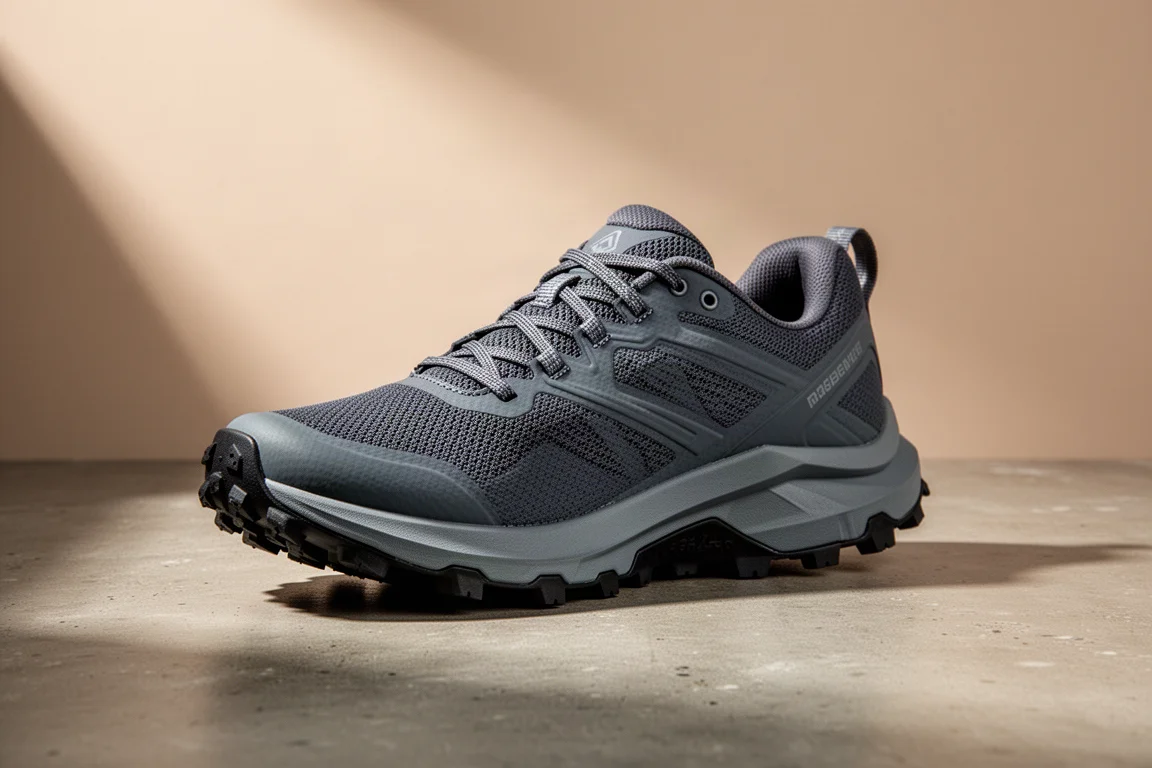
The Altra Olympus 4 is a heavily cushioned trail shoe built around two ideas that matter to long distance hikers: a wide toe box and a zero drop platform. It sits at the premium end of the trail shoe market, with a price of around $170 in the United States and €170 in Europe, and it is aimed at people who plan to spend long days and long distances on their feet.
This article looks at the Olympus 4 specifically as a thru-hiking shoe, where durability and comfort carry more weight than outright speed. The observations below come from a three day hike in the Pyrenees, several technical trail runs on loose terrain, and shorter runs on small hills near Barcelona.
Who This Shoe Is For
Three priorities shape the case for the Olympus 4.
The first is a preference for light trail runners over hiking boots. Boots add weight, and a lighter shoe makes for quicker, more nimble movement over rough ground. The second is a wide fit. A roomy toe box lets the toes splay naturally, which feels more stable and is a healthier position for the foot than a narrow shoe that compresses the toes together over hundreds of kilometres.
The third is zero drop. There is no height difference between the heel and the forefoot, so the foot sits level rather than angled slightly downward. Anyone moving from a shoe with a higher heel drop, such as an 8 mm drop model, should make the change gradually and let the feet, calves and ankles adapt over several weeks rather than switching overnight.
Zero drop is not for everyone, and it is worth being honest about the trade-offs. A higher heel drop can suit some hikers better on steep, sustained climbs. The Olympus 4 makes most sense for people who already lean toward a level platform, or who are willing to build up to it slowly.
Main Strengths: Comfort, Fit, and Cushioning
Comfort is the headline. The EVA midsole gives the shoe a 33 mm stack height, so the whole foot sits 33 mm off the ground, and the cushioning is generous from the very first wear. The roomy toe box and the natural toe splay are a large part of that first impression.
The upper details support a precise fit. The tongue is very lightly cushioned and thin, which lets the laces close snugly over the foot without the tongue bunching or pushing back. Two extra lace holes at the top allow a lace lock technique, which helps hold the heel down and keeps the fit secure on descents.
There is a toe cap around the front of the shoe, and the ankle collar is low cut. A low collar is not a problem for everyone, and the stability here comes from the wide heel and the broad base of the shoe rather than from ankle height. That wide platform is what helps limit over pronation and supination on uneven trails.
Outsole Grip and Traction on Technical Terrain
The Olympus 4 uses a Vibram MegaGrip outsole, the most aggressive grip compound in the Vibram range. Each lug carries two teeth, and the lugs can move independently: pressing on one lug leaves the rest of the outsole relatively still, so a single portion of the sole can absorb pressure from a rock without tilting the whole shoe.
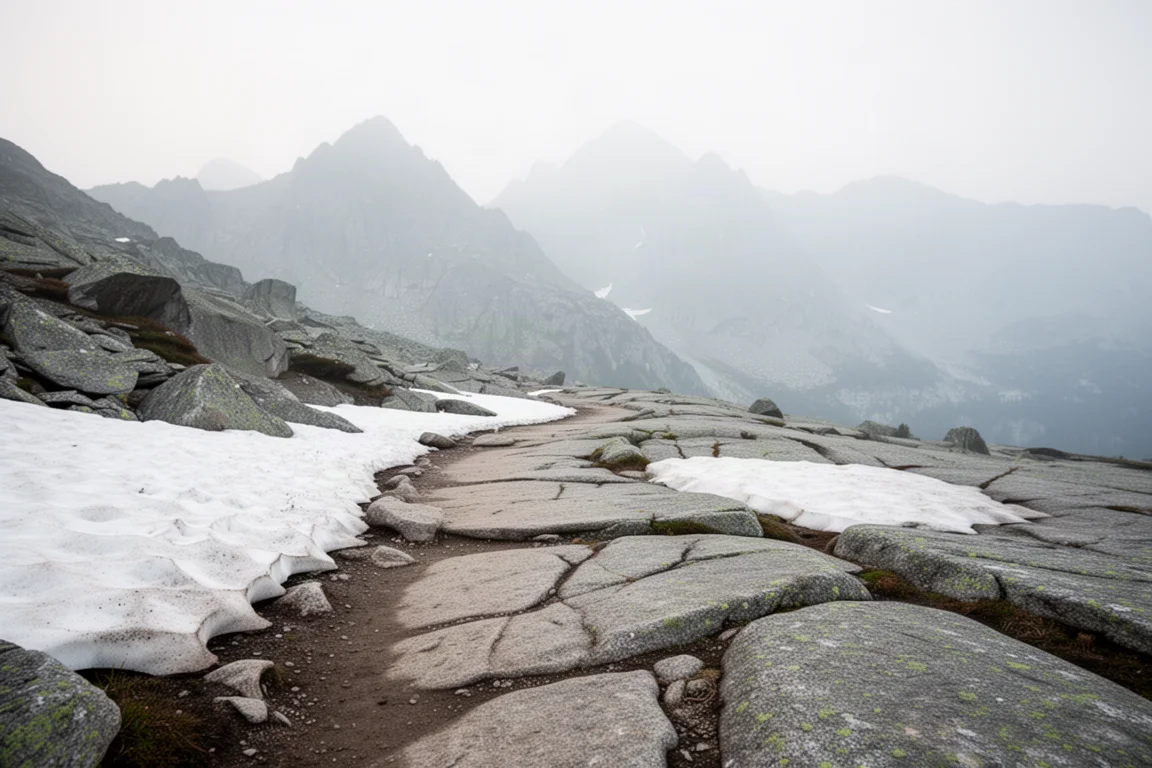
That design showed up well on real ground. On a three day Pyrenees hike the shoe held traction in snow, helped by a firmer edge around the outsole, and it felt responsive on alpine rock. On the loose, technical terrain of Montserrat it stayed composed, and the same was true on shorter runs over small hills.
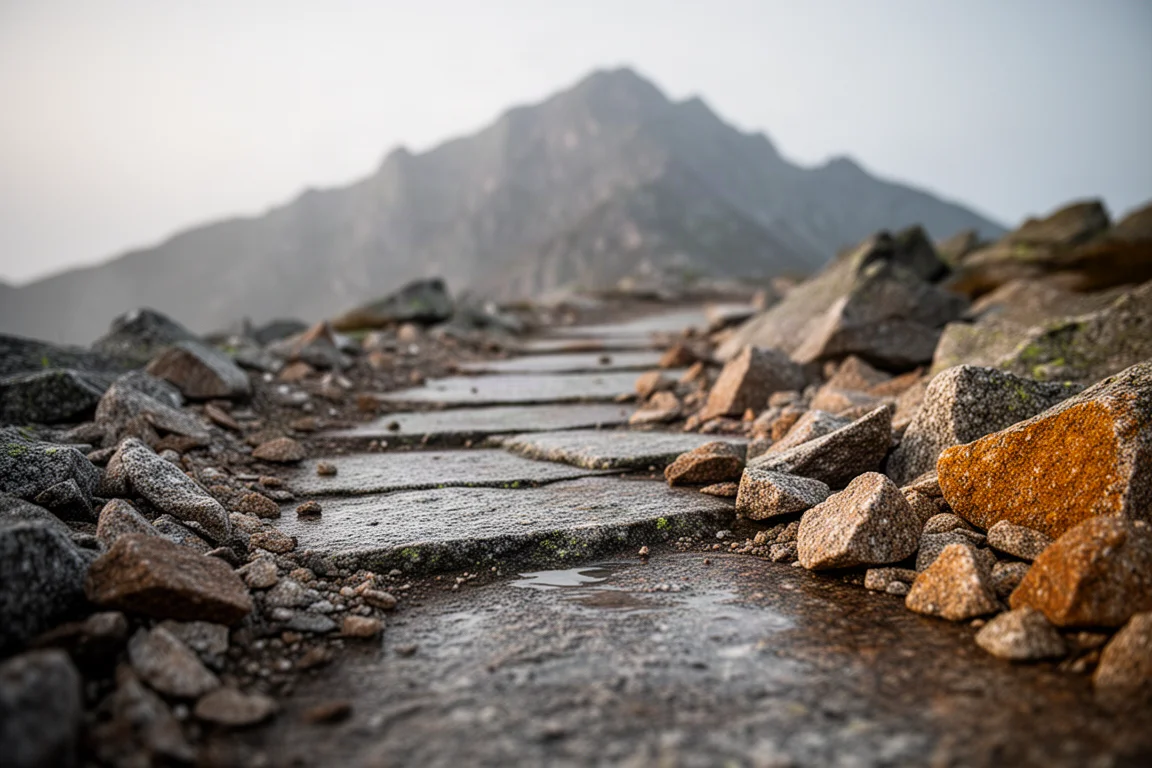
There is a caveat. After roughly 100 kilometres of use, some wear was already visible on the outsole. It is a durable type of Vibram rubber, but it is reasonable to question how much tread will remain after 800 kilometres. The rubber itself keeps gripping even as the lugs wear down, which softens the concern, though tread life is worth watching.
Weight, Sizing, and Feature Details
On the scales the shoe came in at 355 grams per shoe in a US 11.5. That is heavy by trail running standards, where many shoes sit well below that figure, but it is light compared with hiking and mountaineering boots. For anyone arriving from a hiking background, 355 grams feels quick and nimble on the trail, and weight is unlikely to be the deciding factor.
At the back of the shoe there is a gaiter trap, a small velcro tab that accepts the heel strap of a trail gaiter, and a gaiter hook at the front. Purpose-built gaiters for this shoe are likely to line up best; older or generic gaiters can sit slightly too far forward and feel forced.
Things to Consider Before Buying
Durability is the main concern, and it is a serious one.
The upper has worn through near the little toe on one shoe after only about 50 kilometres of hiking, leaving a sizeable hole in the mesh at the front of the foot box. The other shoe is starting to show the same pattern of wear in the same area. The mesh on this model is described as more durable than the previous version, but the wear appeared quickly enough to raise doubts about that claim.
A repair was attempted from the inside using shoe adhesive and a fabric patch for extra support. Whether it holds over a full thru-hike is still open. If the hole keeps growing, the realistic outcome is buying a fresh pair of shoes shortly before a long trip, which is far from ideal.
The Rock Plate Question
As far as can be determined, the Olympus 4 does not have a rock plate. For hikers who expect sharp stones and long stretches of rough ground underfoot, that is a genuine gap in the specification. A wide, zero drop shoe with a proper rock plate is hard to find, and the closest alternative that was considered proved too narrow to be a realistic option. Wide fit came first, and everything else was treated as a bonus.
Buying Advice
At around $170 in the US and €170 in Europe, the Olympus 4 is one of the more expensive trail shoes on the market, so the decision deserves care.
Buy it if comfort, a wide toe box and a zero drop platform are the qualities you are looking for, and you accept the durability risk. The cushioning, the fit and the MegaGrip outsole all perform well, and on snow, alpine rock and loose technical ground the shoe has been impressive. If a long thru-hike is the plan, budget for the possibility of replacing the pair partway through, or reinforce the toe box area before the trip starts.
Look elsewhere if the upper mesh has to survive a full season of hard use, or if you want a rock plate underfoot. Hikers who are happy with a conventional heel drop and a narrower fit will find plenty of alternatives.
A final note on fit: order your usual size and expect a roomy front. The wide base and the lace lock option make it easy to dial in a secure hold once the shoes are on.
Conclusion
The Altra Olympus 4 gets a great deal right for long distance hiking: a wide toe box, a level zero drop platform, a plush 33 mm EVA midsole and a Vibram MegaGrip outsole that handles snow, rock and loose ground with confidence. The 355 gram weight is modest for anyone used to boots, and the fit details, from the thin tongue to the lace lock holes, make the shoe easy to wear for hours.
The problem is the upper. Wear through the mesh near the little toe after about 50 kilometres is a real warning sign for a shoe intended to cover 800 kilometres, and it is the reason to think carefully before paying a premium price. Buy it for the comfort and the fit, but go in with a repair plan.
Product link
View more details for Altra Olympus 4
This product is mentioned in the review. Check the specifications, options, and compatibility before buying.
View more details for Altra Olympus 4Further reading
Related Reviews
Trail Footwear
Trail Footwear Roundup: Hiking Shoes, Boots, and Socks to Watch for 2027
A practical look at new trail shoes, boots, sandals, and socks from Danner, Merrell, Oboz, Lowa, Chaco, Farm to Feet, Salewa, and Scarpa, with the details that matter before you buy.
Trail Footwear
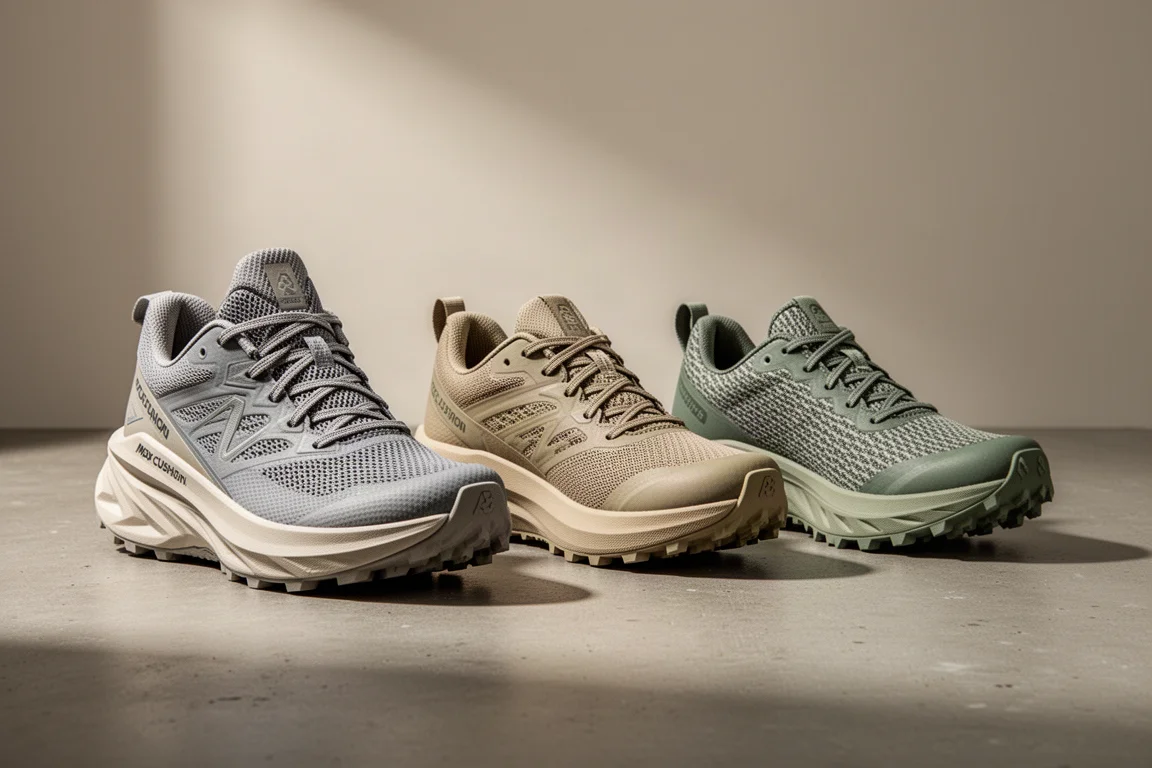
Altra Olympus 4 vs Timp 3 vs Lone Peak 5: Which Trail Shoe Should You Buy?
A practical comparison of three Altra trail shoes: cushioning, outsole grip, upper durability, weight, fit, and price, plus which one suits long thru-hikes.

Backpacking Gear
Building a 10 lb Base Weight: An Ultralight Backpacking Gear List
A practical walkthrough of the ultralight pieces behind a 10 lb base weight, from a 765 g pack and a roomy one-person tent to a full camp chair and a dependable water filter.