Cycling Gear
Tour de France Tech Roundup: Six Cycling Products Worth a Closer Look
A practical look at six pieces of cycling tech from this race season, including a sub-£1,000 road bike, a 192 g folding camera drone, new flagship wheels, a 30 mm race tire and the hubs the pros rely on.
Introduction
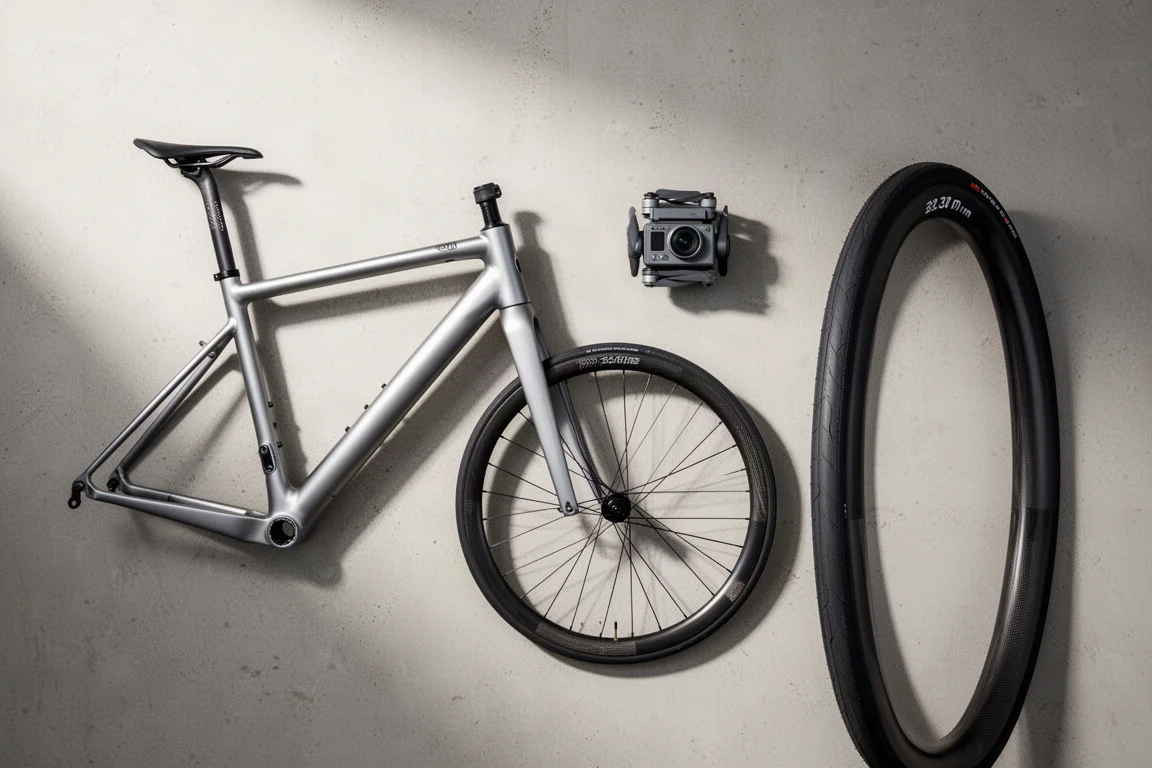
Race season always brings a surge of new equipment, and this year’s selection is unusually wide: a genuinely affordable road bike, a folding camera drone, a gradient simulator, a new flagship wheel range, a single-size race tire and the hubs quietly doing the work underneath the fastest riders in the peloton.
Some of it is easy to recommend. Some of it is a solution looking for a problem. The six items below cover the range, with the strengths that matter and the trade-offs worth knowing before you spend anything.
Canyon Endurance All Road: A Serious First Road Bike
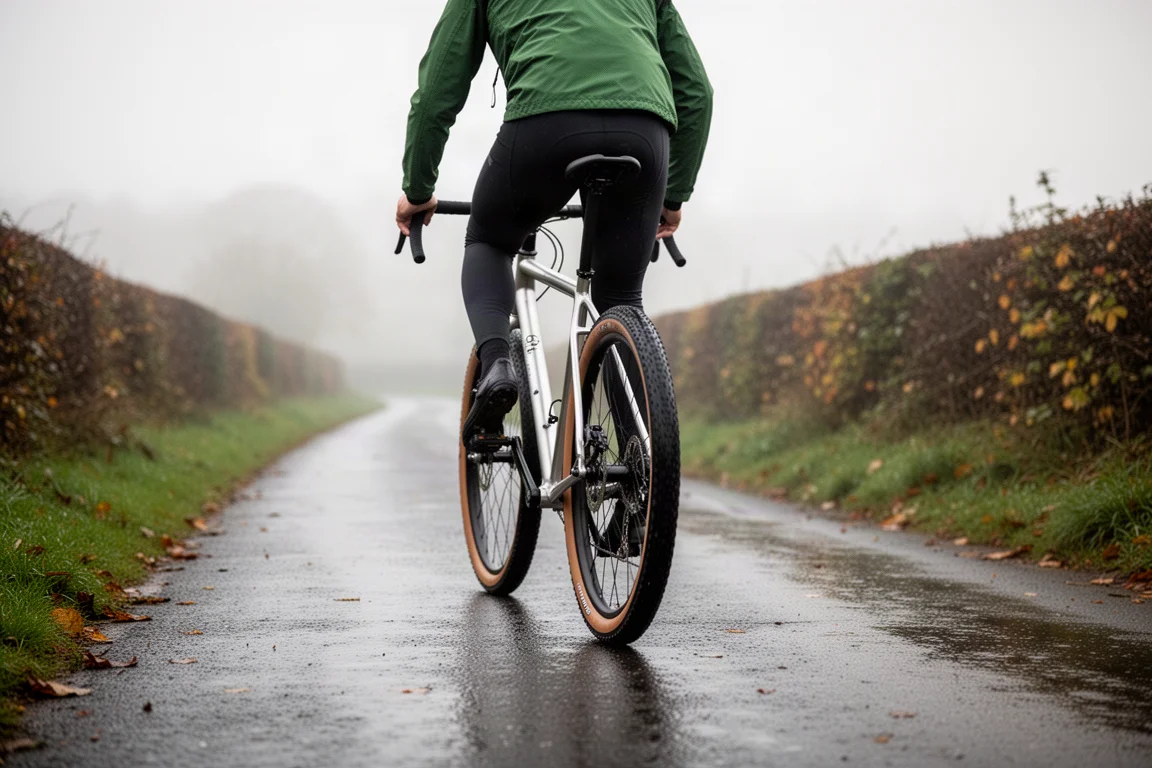
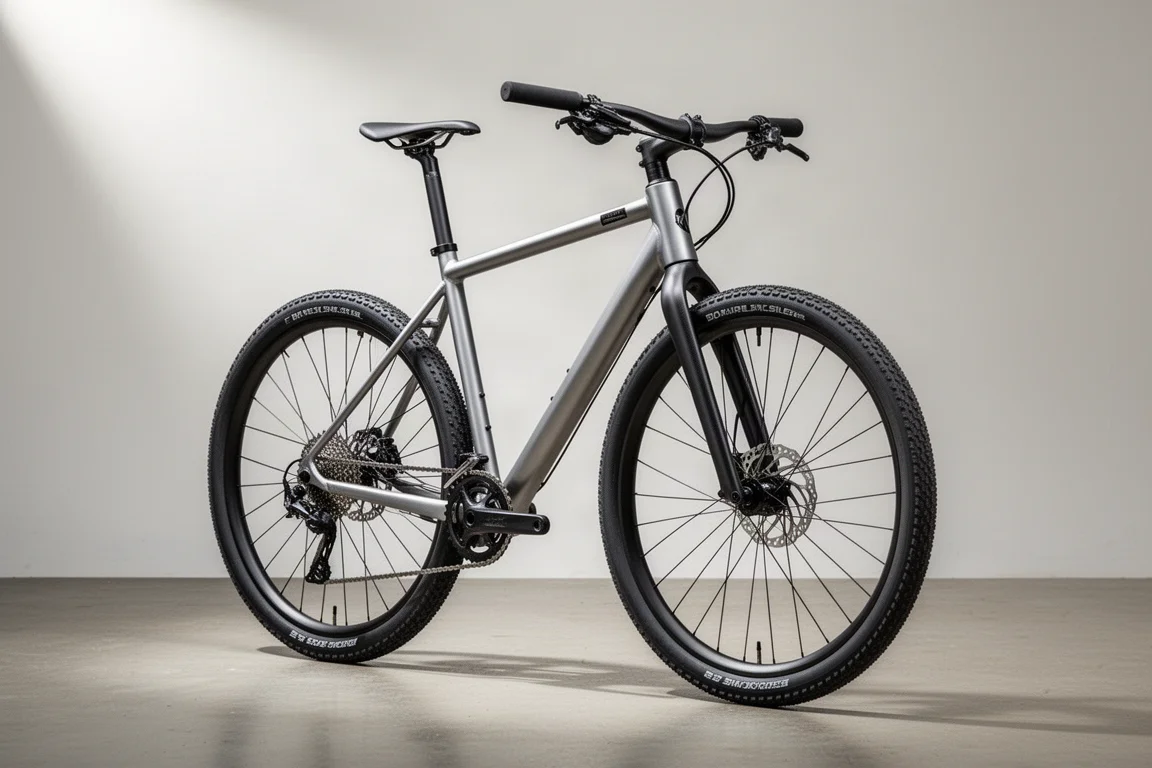
Canyon’s new Endurance All Road is the most convincing value story of the season. The frame is aluminium and the fork is carbon, and crucially the bike comes with full hydraulic disc brakes rather than the cable-operated discs that dominate at this price. That alone puts it ahead of rivals such as the Triban RC520 and the equivalent Cube models.
The drivetrain is one of the first to use the new Shimano CUES groupset, and Canyon has specced it sensibly for real riding. An 11-39 cassette paired with a 50/34 chainset gives a genuinely wide gear range, and there is clearance for 40 mm tires with 35 mm fitted as standard. Mounting points for a top tube bag and mudguards round out the practical package.
The weaknesses are all about fit on the smallest sizes. Canyon offers the bike from 2XS to 2XL, which is commendable, but the narrowest handlebar is 400 mm and the shortest crank is 170 mm. Riders on a 2XS frame would be better served by a 360 or 380 mm bar and a 165 mm crank, and those parts are simply not offered. Because there is no internal cable routing, swapping the bars is a straightforward job, but it is still an extra cost and an extra task for someone buying their first serious bike.
Pricing is the strongest argument in its favour: under £1,000 in the UK, under €1,000 in Europe and $1,399 in the United States. It comes in silver and purple, though only the silver version is sold in the US. The stock wheels and tires are heavy but sturdy, and a tire change alone is enough to noticeably alter how the bike feels.
HoverAir X1 Pro Max: Aerial Footage That Fits in a Jersey Pocket
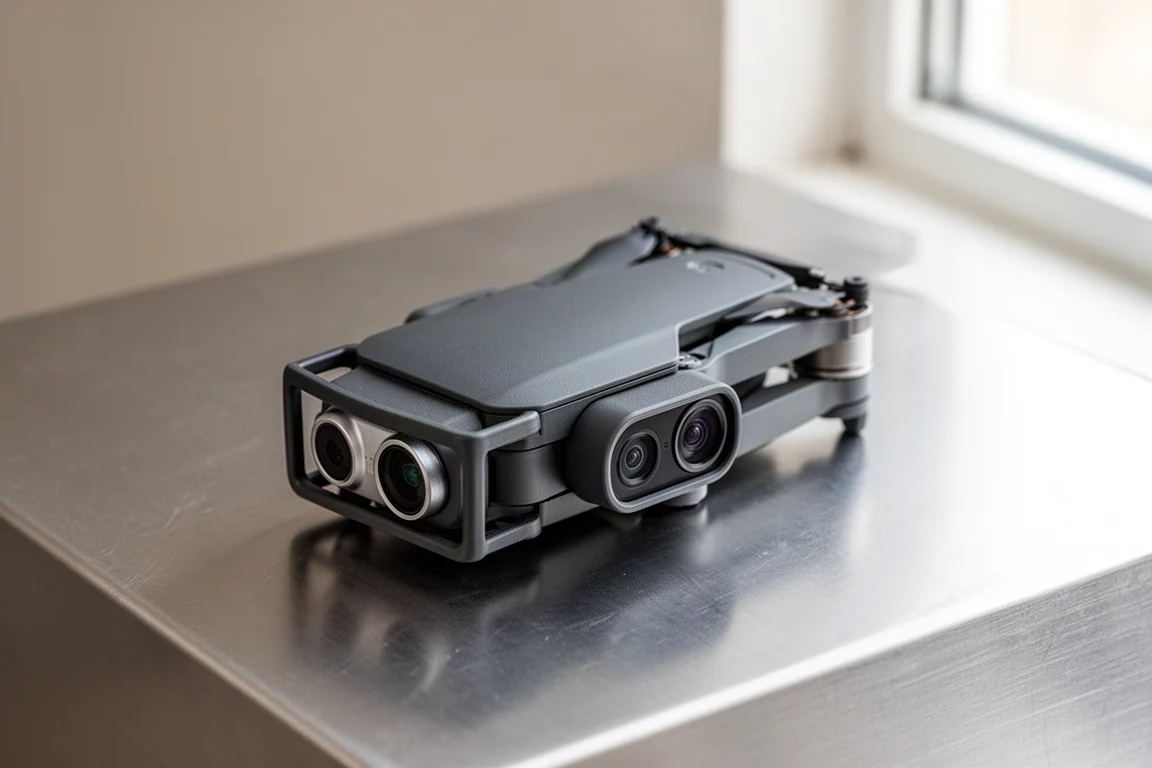
The HoverAir X1 Pro Max is a folding camera drone that weighs 192 g, which means it fits in a jersey pocket on a ride. It can reach speeds of up to 28 mph and is built around a press-a-button-and-go workflow, with a simple interface on the body itself.
If you want more control there is an app, and there is also an optional beacon controller that mounts on your handlebars and shows you what the camera is seeing. New functionality lets you change the camera’s view, so it can follow you from behind or track you from the side. All of that footage is captured in 8K.
For cyclists and anyone who spends time outdoors, that combination of size, speed and simplicity is genuinely unusual, and it removes the need for a second person on the ground with a camera.
Tacx Alpine: Gradient Simulation at a Serious Price
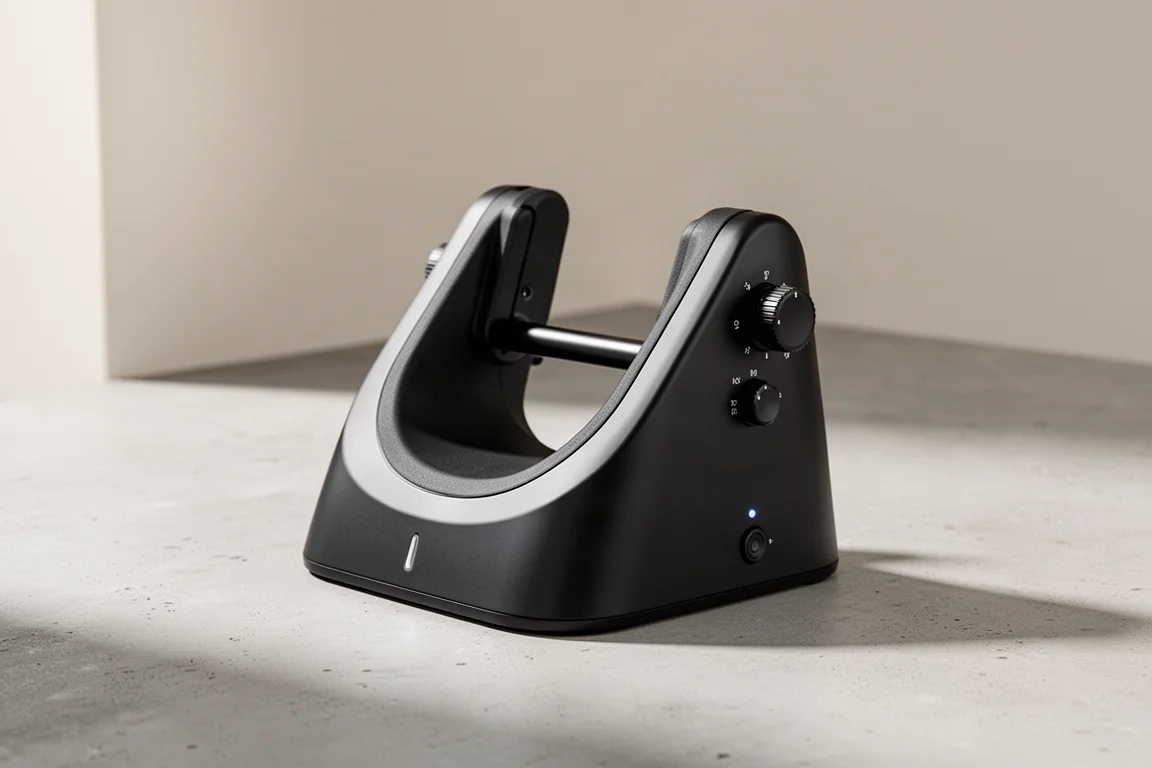
The Tacx Alpine attaches to your fork while you train indoors and raises or lowers the front of the bike to simulate the gradient you are riding. It also adds steering, which is a neat trick and something that has not always been well integrated into this category. Alternative systems have come from Wahoo and Elite, and while gradient simulation is not new, this is a far more polished take than a couple of blocks of wood under the front wheel.
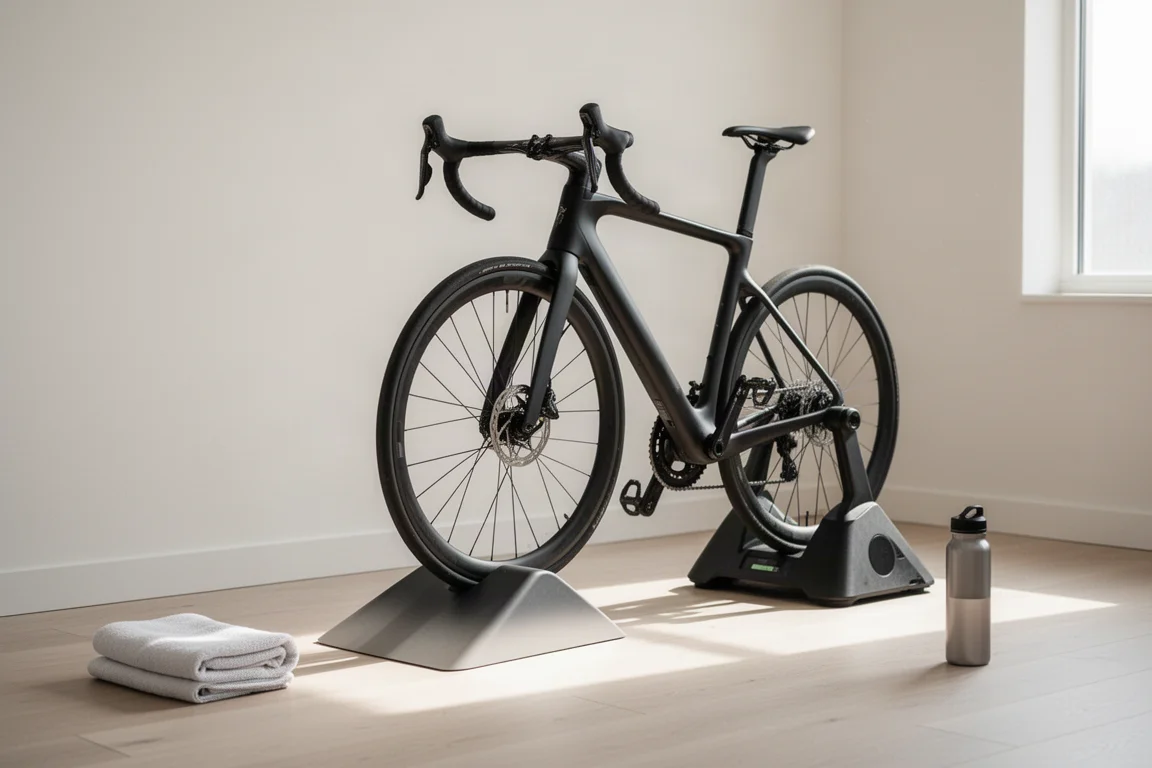
The problem is the price: £929.99 or $1,100. That is roughly what a complete smart trainer costs, and it doubles the cost of an existing setup. For that money you could buy a set of performance wheels, a decade of tires, or a cycling holiday. Tacx generally builds good hardware and the brand sits under the Garmin umbrella, so quality is unlikely to be the issue. Demand probably will be, and discounts seem likely before long.
Specialized Rapid CLX3: Deeper at the Front
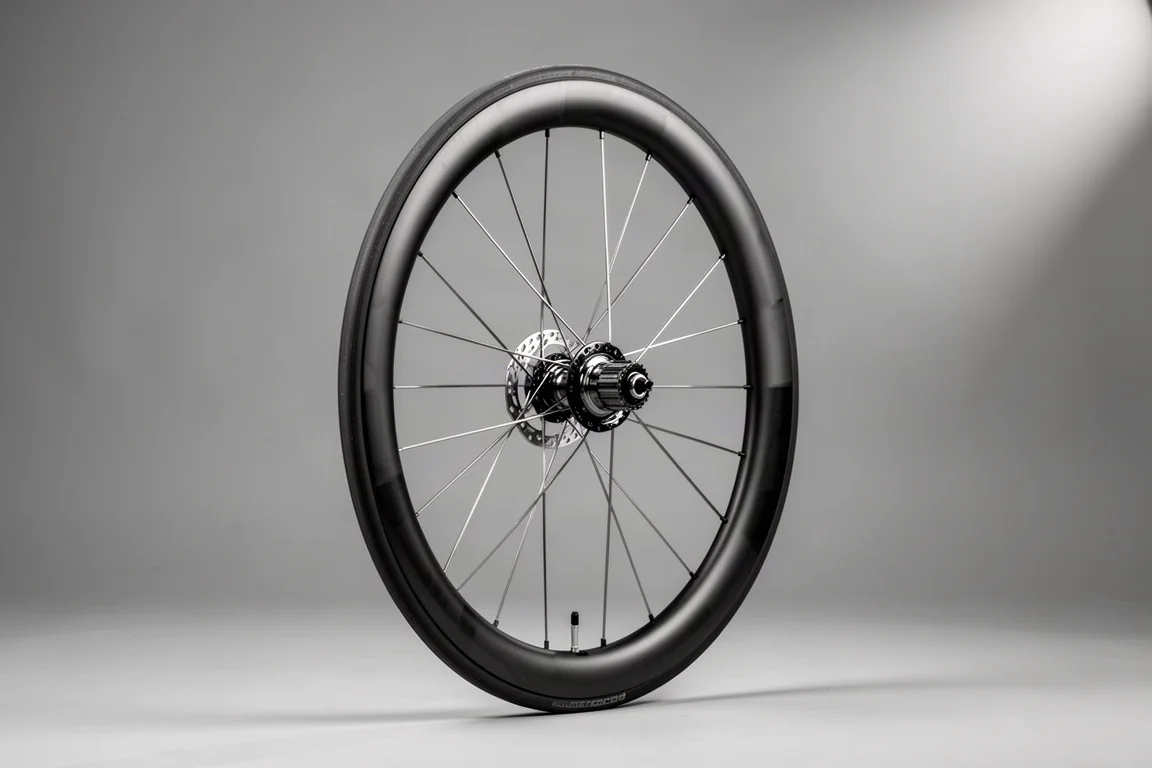
Specialized released three new wheel sets before the race season: the Rapid CLX3, the cheaper Rapid CL3, and the most intriguing of the three, the Rapid Sprint. All of them invert the usual convention by running a deeper rim at the front than at the rear.
The CLX3 uses DT Swiss 180 hubs and measures 51 mm at the front and 48 mm at the rear, with a quoted weight of around 1,350 g. The CL3 steps down to DT Swiss 350 hubs and a quoted 1,555 g. The Rapid Sprint goes deeper still at 63 mm front and 58 mm rear, quoted at around 1,395 g.
The reasoning behind the deeper front wheel comes down to the balance between aerodynamics and weight, though it runs against the long-standing practice of using a shallower front wheel to keep steering calm in crosswinds. Specialized also says its testing shows a 21 mm internal width is fastest with a 28 mm tire, and all three sets are hooked, which many riders prefer.
Continental Archetype: A 30 mm Race Tire
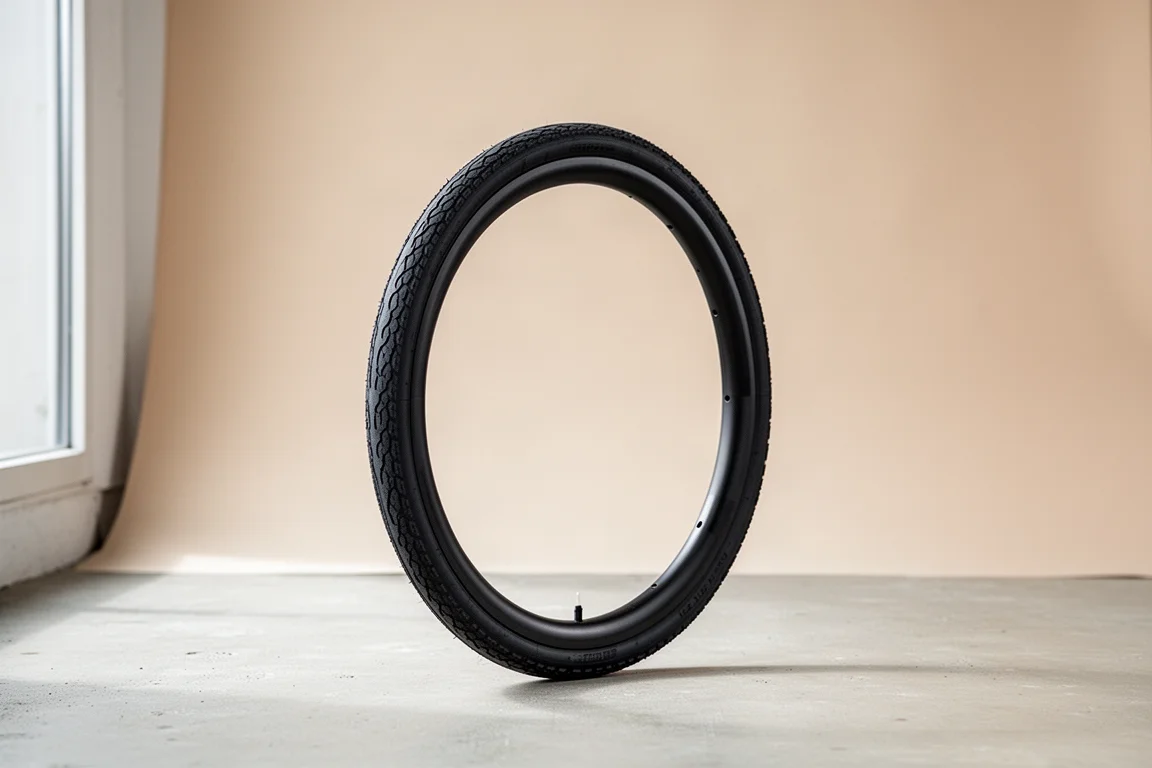
The Archetype is Continental’s new road tire, and it comes in a single size: 30 mm. It is a limited run, and stock appears to have sold out in most places. It is around 35 g lighter than the GP5000 S TR, though still heavier than the TT TR that many pro teams have been racing on, often paired with an Aero 111 at the front.
One of the top teams is running it exclusively at 30 mm this season, which says something about where race tire widths are heading. At $94.99 per tire it is an expensive way to find out for yourself.
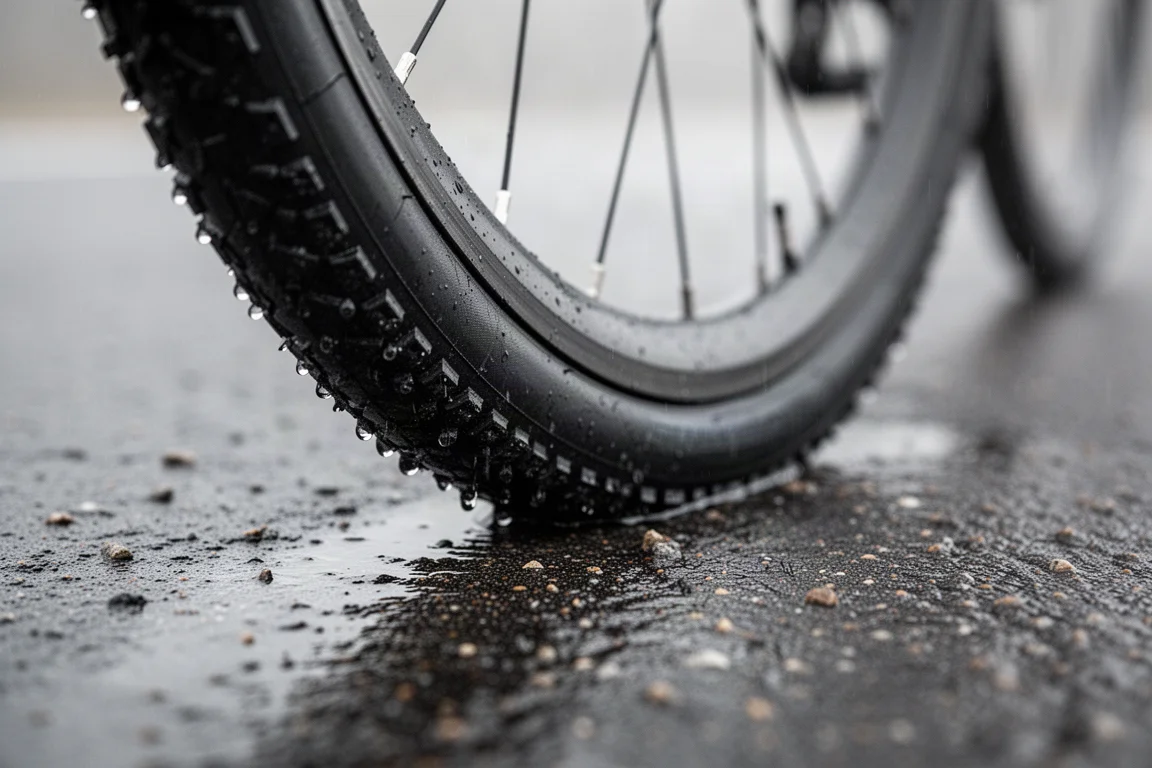
For most riders the more relevant detail is the direction of travel. A 28 mm tire remains the most common race size, with more riders moving to 30 mm and 32 mm for everyday riding, which is exactly where a tire like this sits.
DT Swiss Hubs: What the Pro Peloton Runs
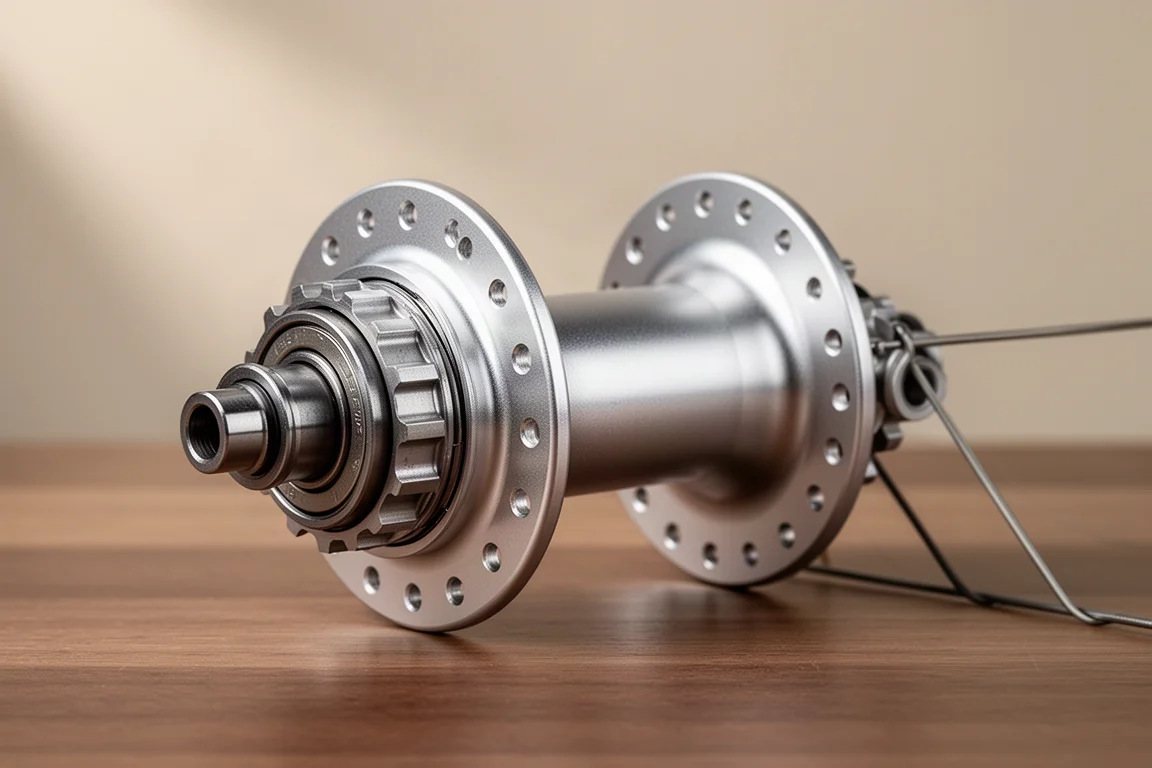
Hubs are the least glamorous part of a wheel and often the place where manufacturers cut costs. That is why so many riders, including a large share of the professionals on one leading team, end up on DT Swiss 240 hubs, which use larger bearings than some rivals.
Above the 240 sits the 180, the lightest hub in the range, and below it the 350, which appears on more affordable wheel sets such as the Rapid CL3. The pattern is consistent: the 240 is chosen for reliability rather than for a headline weight figure, and that is normally the smarter way to spend money on a wheel.
What the New UCI Rules Mean for Buyers
Rule changes matter to buyers because they filter down into what actually reaches the shops. The most controversial is the new minimum handlebar width: at least 400 mm measured outer to outer, and at least 320 mm between the closest points on the hoods. That affects smaller riders disproportionately and makes life harder for many women, plenty of whom ride 36 cm or 38 cm bars. It also encourages odd workarounds, with unusual shifter angles and shapes that are not technically fairings but function in a similar way. Some national federations, including British Cycling, may simply decline to enforce the rule, and manufacturers may keep building bikes for the people who ride them rather than for a small group of grand tour racers.
Gearing is the second change, with a restriction that would rule out anything bigger than 54x11. That is awkward for teams running large single chainrings, although the biggest sprockets on time trial bikes are usually there to keep the chain line efficient rather than to raise top speed. Smaller gears will not make descents any safer, and the practical safety gains in racing lie elsewhere, in barrier design, road furniture and clear markings at sprint finishes.
The wheel rule is the most defensible of the three: a ban on anything deeper than 65 mm. Deep rims have become far more stable than they were a decade ago, but a 50 mm wheel is still more predictable than a 65 mm one. There is also a fork width limit of around 115 mm arriving from 2026, which will shape how far designers can push the deep fork legs seen on the newest aero bikes.
Buying Advice: Matching the Product to the Rider
The right purchase here depends entirely on what you already own and what you actually want to do. If you are new to road riding, the Canyon Endurance All Road has the clearest case of anything on this list: hydraulic brakes, sensible gearing, room for wider tires and a price that leaves something in the budget for a better set of tires and, later, better wheels.
If you already train indoors and want more engagement, the Tacx Alpine is a premium addition rather than a necessity, and the price makes it hard to justify unless a Tacx trainer is already part of your setup. For riders chasing speed, the Specialized Rapid CLX3 is a competitive flagship wheel set, though the 21 mm internal width may look narrow to anyone who has moved to 30 mm or 32 mm tires. The Continental Archetype is a race tire with a limited production life, and the DT Swiss 240 is the quiet, sensible choice that most riders will never notice and never regret.
The HoverAir X1 Pro Max sits outside the usual upgrade path, but for anyone who wants aerial footage of their own riding without a second person on the ground, it is the most interesting piece of kit here.
Conclusion
This season’s tech is a reminder that the most useful products are rarely the most radical ones. A well-priced aluminium road bike with hydraulic brakes and a wide-range groupset does more for most riders than any amount of gradient simulation or deeper front rims. The exotic items have their place, but the practical ones are the ones you will actually ride.
Further reading
Related Reviews
Cycling Gear
8 Cycling Products Riders Keep Coming Back To
Eight cycling components and accessories with clear strengths, honest trade-offs and long-standing reputations among riders and mechanics.
Cycling Gear
Aero Helmets and Bottle Setups Tested: Six Options Ranked by Measured Watt Savings
Wind tunnel data on six aero helmets and bottle setups, with real watt savings, practical trade-offs, and guidance on what is worth buying first.
Cycling Gear
Aero Road Bikes and Fast Tires Worth Watching in 2026
Four aero road bikes and one fast road tire, with the real strengths, the open questions, and what to check before you buy.