Cycling Gear
Tour de France Tech Roundup 2026: Seven Releases Worth a Closer Look
Seven products from this season's biggest race, from a versatile Factor road frame and a 192 g 8K drone to a sub-£1,000 Canyon that makes a strong case for new riders.
Introduction
The biggest race of the season doubles as the sport’s most efficient product launch. New frames, wheels, tires and training gear all appear within the same few weeks, and separating genuine progress from noise takes some work. This roundup covers seven releases that stood out, chosen because each one answers a question a real rider is likely to ask.
They range from a versatile Factor road frame to a pocket-sized drone, a set of hubs with titanium axles, a premium indoor gradient simulator, a new Roval wheelset, a limited-run Continental tire, and a Canyon that brings a serious road bike back under the £1,000 mark.
How We Assessed This Roundup
Four things shaped the shortlist. First, does the product solve a problem a normal rider actually has, rather than one that only matters inside a team bus? Second, do the design choices match how most people ride, which usually means endurance-friendly geometry, sensible gearing and tires that cope with real roads. Third, is the price proportionate to the benefit? And fourth, is there a clear mechanical reason behind the claim, whether that is a wider fork, larger hub bearings or a wider gear range.
Aerodynamics still matters, and so does weight, but neither is the whole story. Several of the products here are faster than they look, and a couple are less impressive than their positioning suggests. Where a claim could not be verified, we say so rather than repeating it.
Factor Monza: A Practical All-Rounder for Most Riders
Factor’s range now spans the Monza, the Ostro VAM and the O2 VAM, and this season added a striking aero model with a very wide fork that borrows thinking from track bikes. The UCI’s 2026 rulebook limits fork width to roughly 11 to 12 cm from next year, and the new design is expected to sit inside that limit, so the debate about its legality is likely to fade.
For most riders, though, the Monza is the more interesting bike of the three. It carries internal frame storage and uses a shorter reach and a higher stack than Factor’s race-focused models, which means it does not demand the flexibility of a professional rider. If the choice is between an Ostro VAM, an O2 VAM and the Monza, the Monza is the one that fits the widest range of riders.
That matters because most cyclists are probably better served by an endurance-oriented bike than by a pure aero race machine. Very few people can keep two bikes ready for different parcours, and a single versatile frame usually delivers more value across a season.
HoverAir X1 Pro Max: Pocket-Sized Aerial Footage
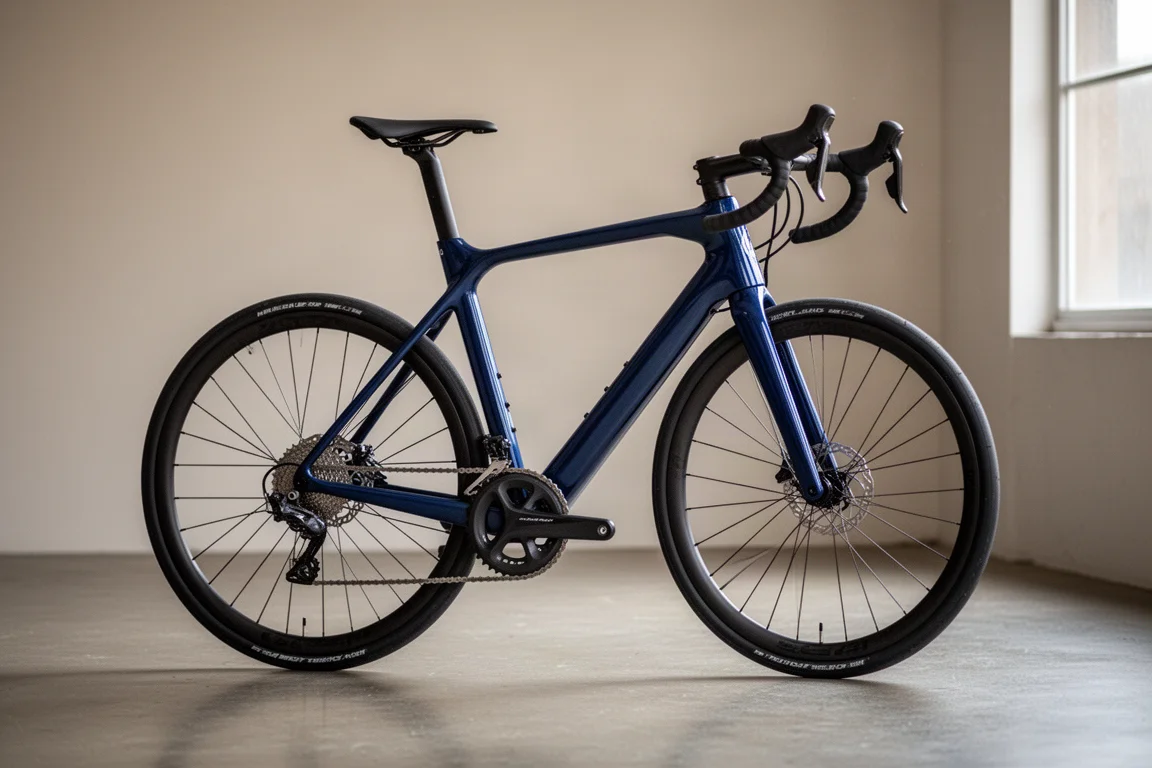
Aerial footage has always required a bag, a controller and a fair amount of nerve. The HoverAir X1 Pro Max compresses that into something you can carry in a jersey pocket. It weighs 192 g, folds down neatly, and can reach speeds of up to 28 mph, which is enough to keep pace with a rider on the move.
Control is deliberately simple. You can start it with a button on the body, take over through the app, or add a beacon remote that mounts on your handlebars and shows what the camera is seeing. Recent updates added the ability to change the viewing angle, so the drone can follow from behind or track from the side, and it captures all of this in 8K.
For cyclists and anyone else who spends time outdoors, the appeal is the combination of portability and one-press operation. It is a compact, carry-anywhere tool rather than a full production kit.
Lavell Hubs: Big Bearings, Titanium Axles and Cooling Fins
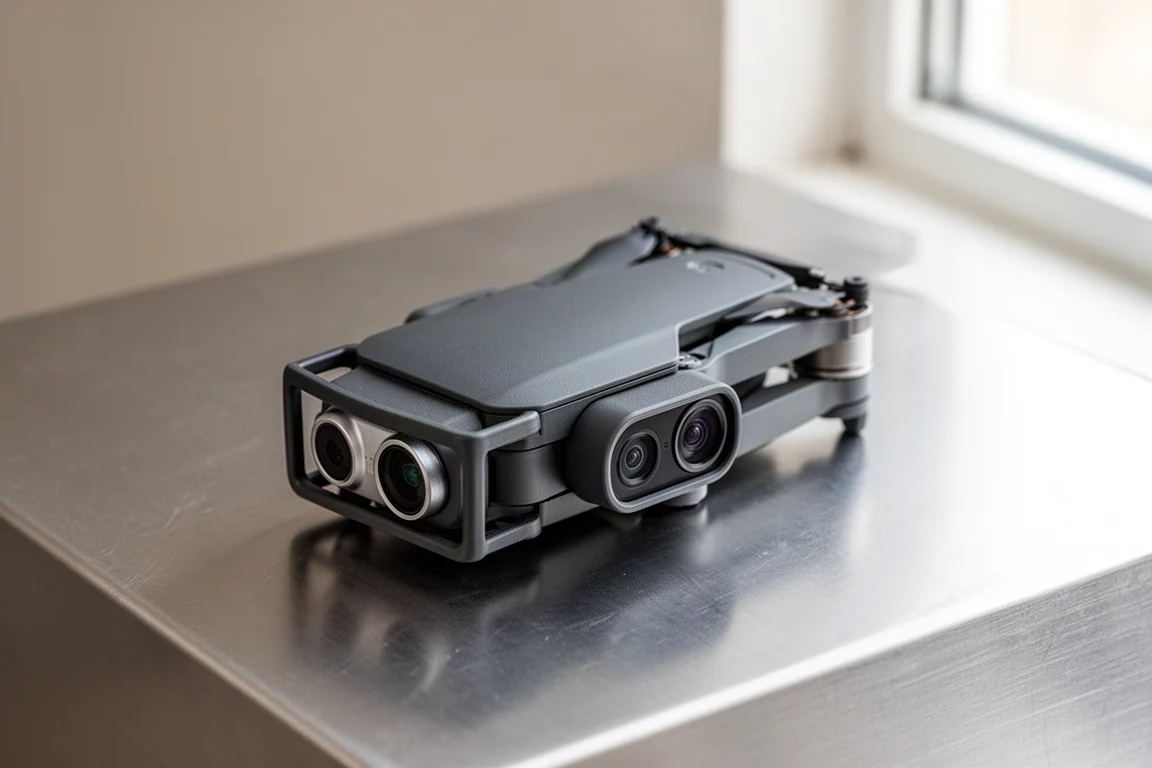
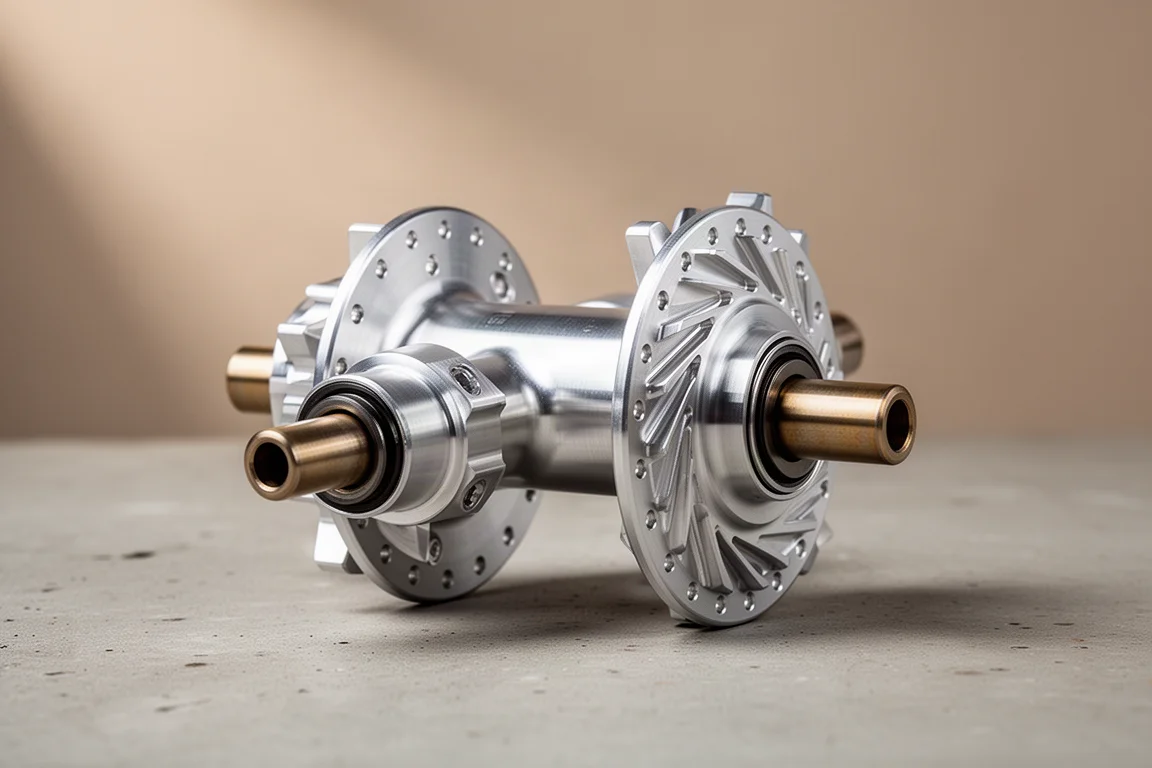
Hubs rarely get much attention, but they are where a lot of wheel performance is won or lost. DT Swiss’s lightest hub is the 180, while most riders on pro teams run the DT 240, which uses larger bearings. A brand called Lavell is making a more unusual argument, and the internals are genuinely different: large bearings, titanium axles running through the middle, and a four-bearing layout that the company says can be kept perfectly aligned.
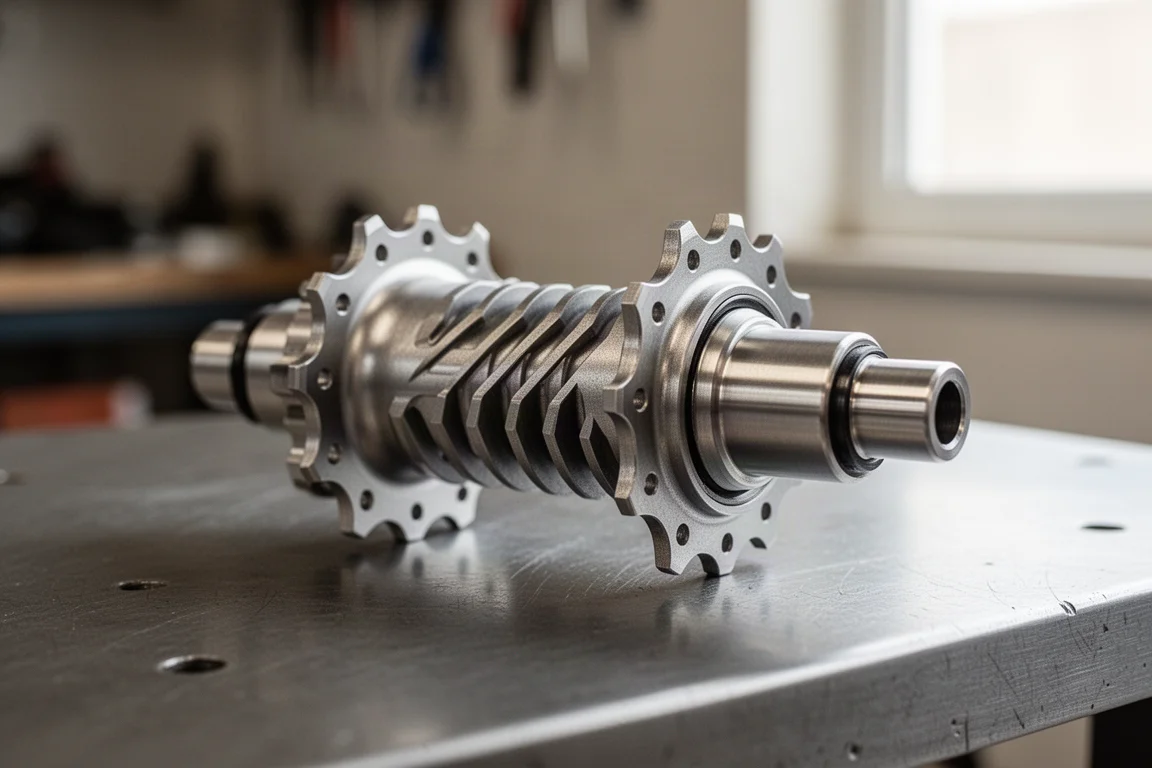
The most distinctive feature is a set of fins on the outside. Lavell claims they cool the hub, an idea that comes from downhill mountain biking, where long descents heat the hub shell and can disturb bearing alignment. The company describes its machining as aerospace grade and says the result is smoother operation, less drag and greater efficiency. The freehub is also, by some distance, one of the loudest you are likely to hear.
A second version uses a clutch with instant engagement, aimed mainly at downhill and potentially gravel. Pricing has not been confirmed, and whether any of this is noticeable on a typical road ride is an open question, but the engineering is interesting enough to watch, particularly for riders chasing small gains on long descents.
Tacx Alpine: Gradient Simulation at a Premium
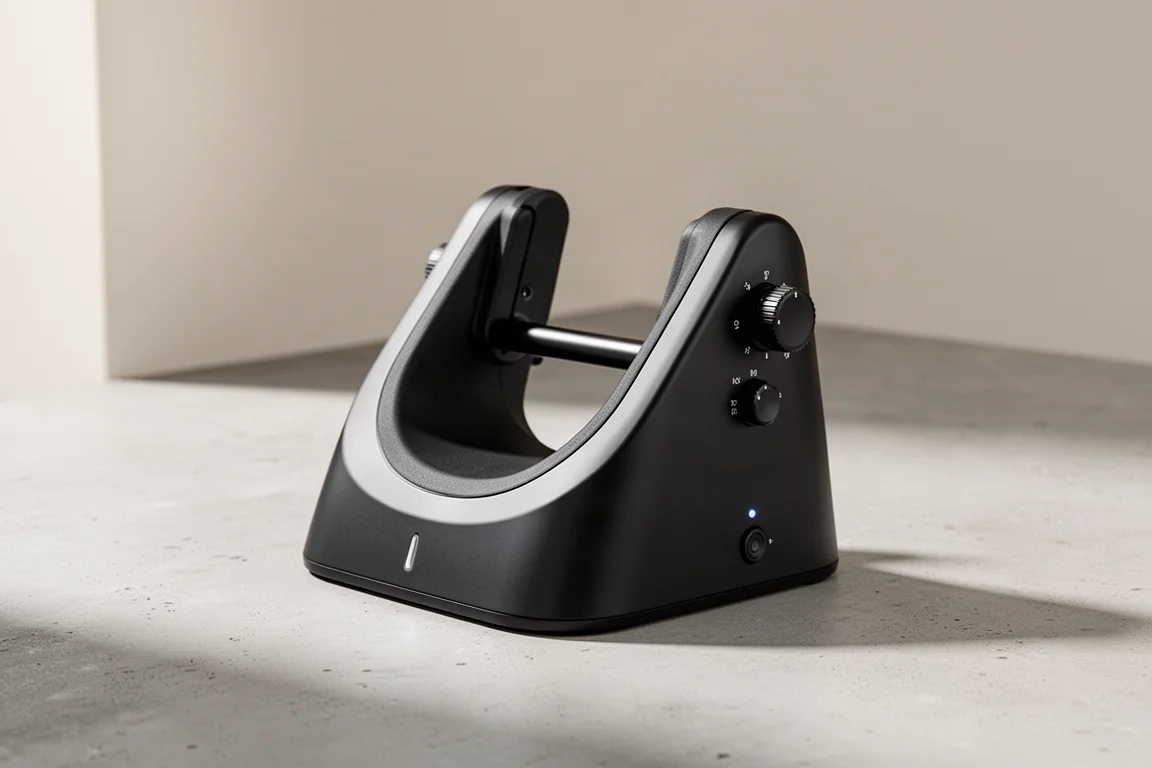
The Tacx Alpine attaches to your fork while you train and simulates gradient by lifting and lowering the front of the bike. It also adds steering, which is a more involved piece of integration than simply raising the front end. Tacx is owned by Garmin, and similar products already exist from Wahoo and Elite, so the concept is established rather than new.
The problem is the price. At £929.99 or $1,100, the Alpine costs roughly as much as a complete smart trainer, which effectively doubles the cost of an indoor setup. That is a lot to spend on a device that, for many riders, replaces a stack of blocks under the front wheel.
None of this is a comment on build quality. Tacx generally makes solid equipment, and if you already run a full Tacx system and want everything under one roof, the Alpine will do what it says it does. Deals seem likely before long. For everyone else, the money is probably better spent elsewhere.
Roval Rapide CLX III: Inside the New Rapide Range
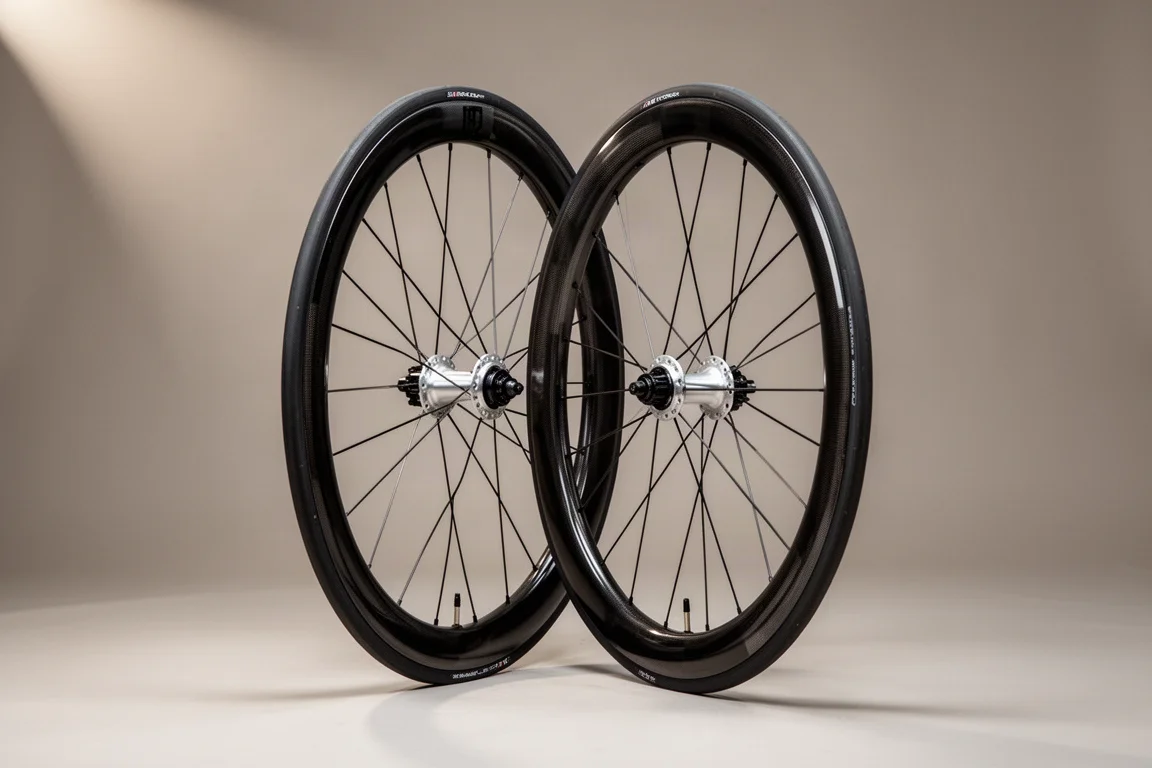
Roval released three new wheelsets ahead of the race. The Rapide CLX III is the headline model, with DT 180 hub internals, a 51 mm front rim, a 48 mm rear rim and a claimed weight of 1,350 g. All three sets share a 21 mm internal width and hooked beads, and Roval says its testing shows 21 mm is fastest with a 28 mm tire.
The range also includes the Rapide CL III at 1,555 g with DT 350 hubs, and the Rapide Sprint, which runs a deeper 63 mm front rim against a 58 mm rear and weighs 1,395 g. That reversed depth pairing is unusual, since most mixed setups put the shallower wheel at the front to reduce steering input.
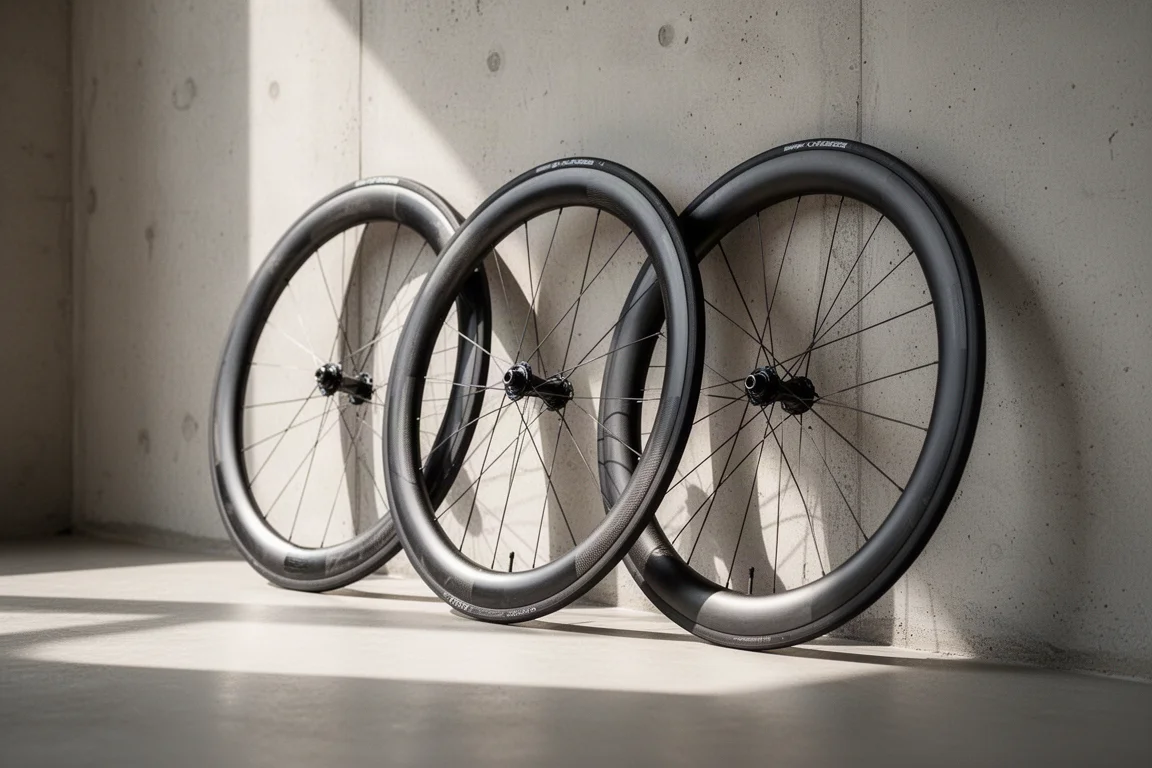
Roval’s front wheels have a strong reputation for stability, and the new front rim is deeper than before, so that reputation is now being tested at a larger profile. The 21 mm internal width is the more debatable choice. It works with the 28 mm tires that dominate racing, but plenty of riders are moving to 30 mm and 32 mm, where a wider rim usually makes more sense.
Continental Archetype: A Limited-Run 30 mm Race Tire
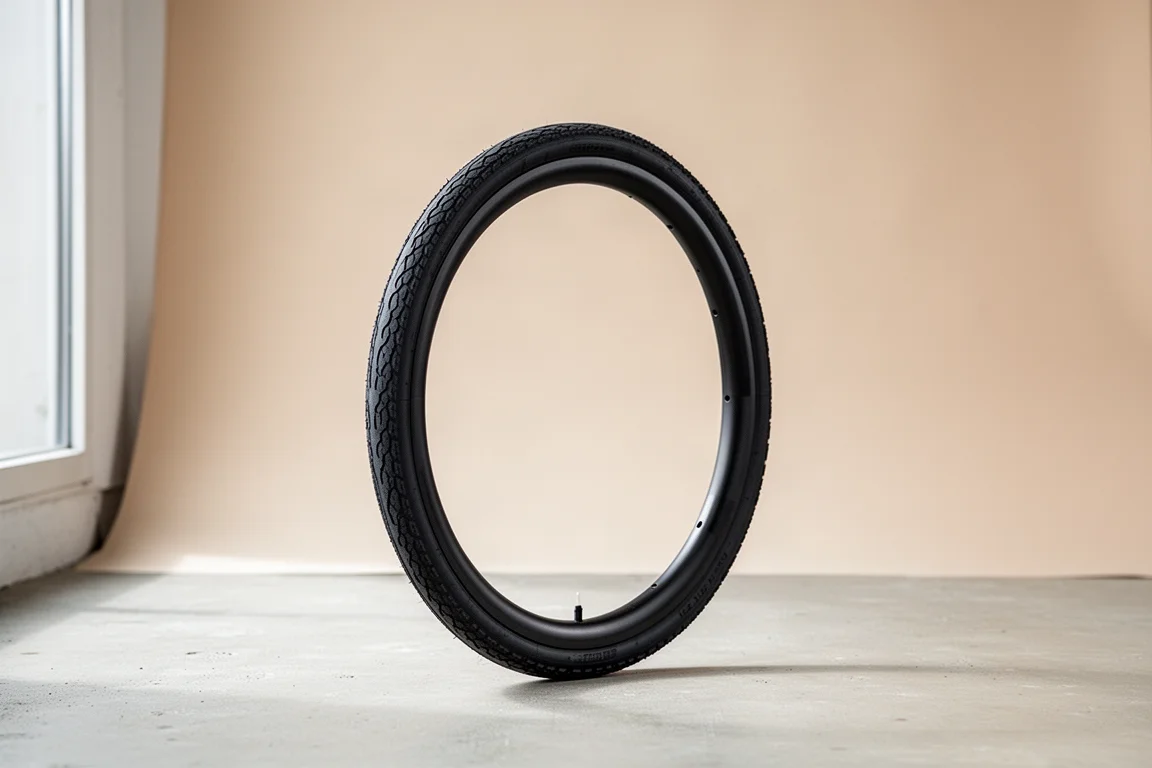
Continental’s new Archetype tire is a single-width proposition. It is available only in 30 mm, and a top-tier pro team is expected to race on that one size. The tire is a limited run, and it has reportedly sold out in many places already.
Weight sits between Continental’s existing options: roughly 35 g lighter than the STR, but still heavier than the TT that many pro teams have been pairing with aero front tires. The sidewall graphic is a little different from the norm, which is a small thing but a visible one. At $94.99 per tire, it is priced as a premium race product.
For riders who have already settled on 30 mm as their width of choice, a limited-run tire from a brand with this much racing pedigree is an appealing proposition. For anyone still on 28 mm, or moving up to 32 mm, the single size is a hard limit.
Canyon Endurace All Road: A Serious First Road Bike
A wave of new riders tends to follow a good race season, and the usual advice has been to hunt for a used bike. The Canyon Endurace All Road makes the new-bike argument much stronger. It has an aluminium frame and a carbon fork, top tube bag mounts, fender mounts and, unusually at this price, full hydraulic disc brakes rather than cable-operated ones.
The groupset is Shimano’s new CUES, with an 11-39 cassette and a 50/34 chainset, which gives a genuinely wide gear range for climbing. Tire clearance is 40 mm and the bike ships with 35 mm tires, so rough roads and light gravel are both within reach. Canyon offers sizes from 2XS to 2XL.
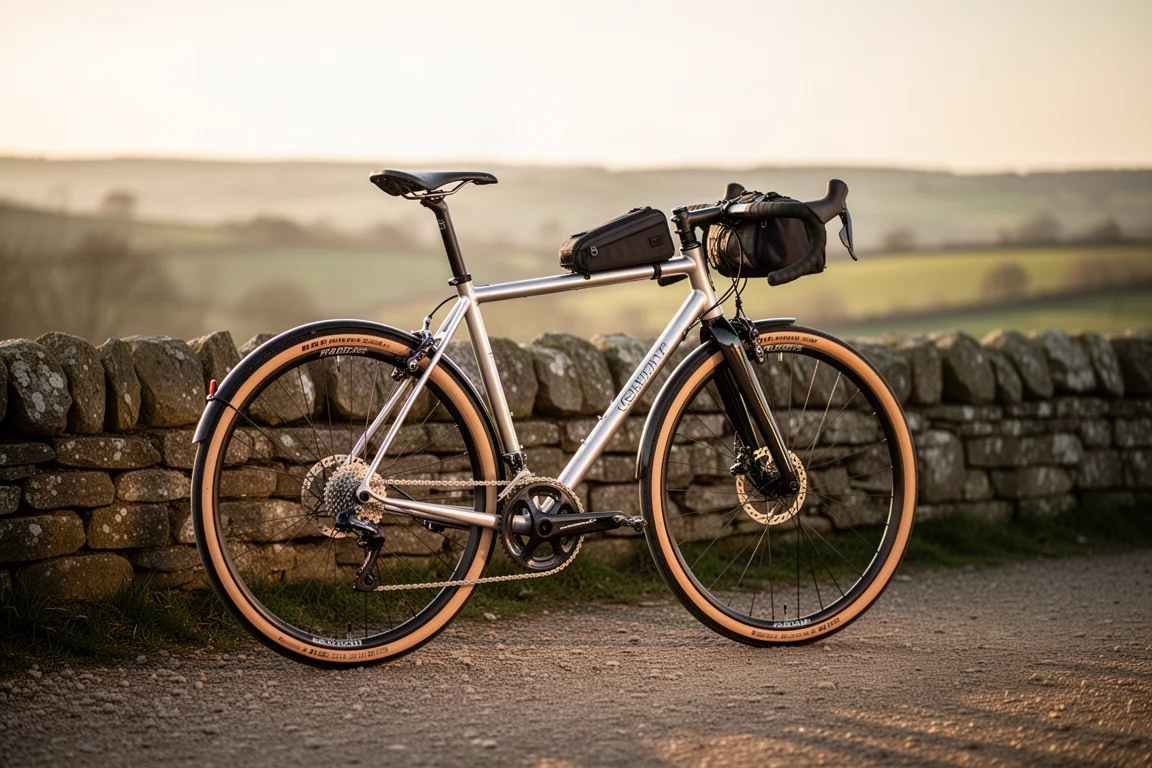
Two details hold it back from being an automatic recommendation. The narrowest handlebar is 400 mm, which is wide for a rider on a 2XS frame, and the shortest crank length is 170 mm even though 165 mm exists elsewhere. Both are fixable, and because the bike does not use internal cable routing, a bar swap is a comparatively simple job. The wheels and tires are heavy but sturdy, and a tire change alone will alter how the bike feels.
Pricing is the strongest argument of all: under £1,000 and under €1,000 in the UK and Europe, and $1,399 in the US. Two colorways are offered, with only the silver one reaching the US market.
Buying Advice: Matching the Purchase to the Rider
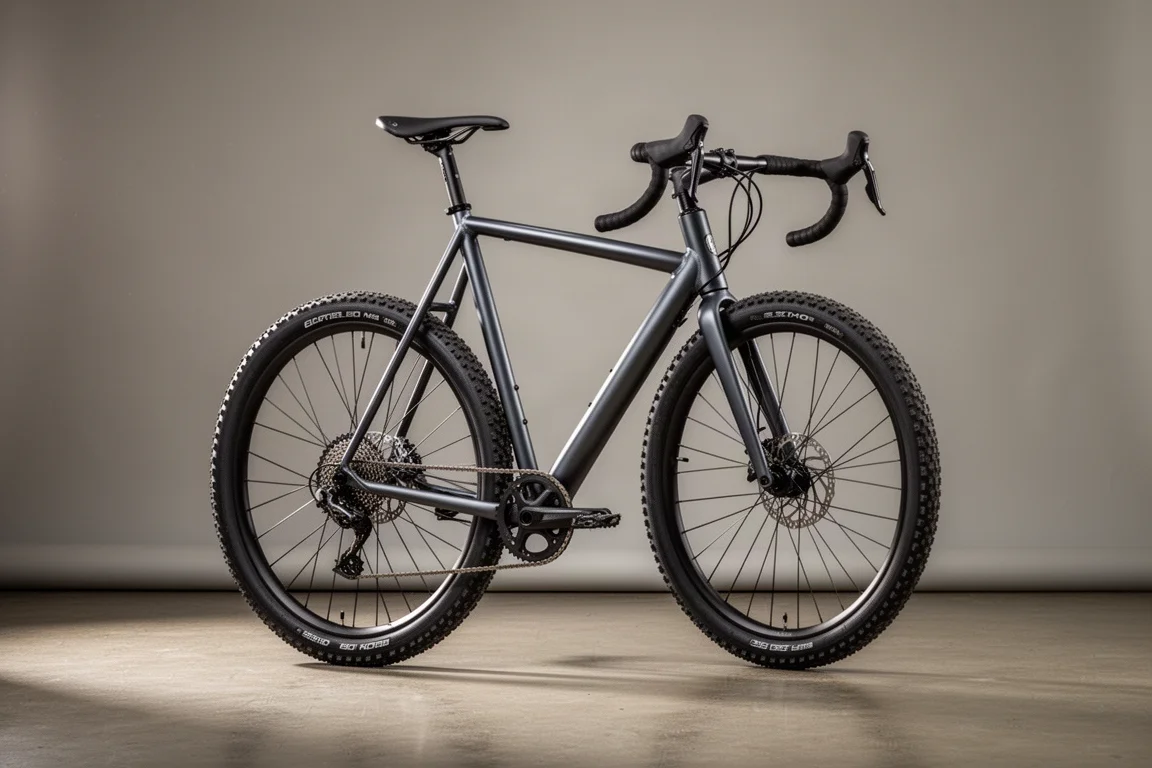
Start with the problem you are actually solving. If you want one bike that handles everything, a versatile frame with sensible geometry and internal storage will serve you better than the most aggressive aero model in a range. If you are new to the sport, a well-specced aluminium bike with hydraulic brakes and wide gearing removes most of the early frustrations.
On upgrades, wheels and tires remain the highest-impact changes on almost any bike, and tires are the cheapest way to change how a bike feels. Indoor training accessories deserve more caution. A gradient simulator that costs as much as a trainer is a luxury purchase rather than a value one, and it only makes sense if you already have the ecosystem and the budget to match.
Finally, be skeptical of absolutes. Rim width, wheel depth and frame shape all involve trade-offs, and a claim that everything you knew was wrong is usually a claim about one specific test setup. Buy for the riding you actually do, not the riding in the marketing.
Conclusion
This season’s standout releases split into two groups. The Factor Monza, the Canyon Endurace All Road and Continental’s 30 mm Archetype are practical answers to real questions about fit, value and tire width. The HoverAir X1 Pro Max, the Lavell hubs, the Tacx Alpine and the Roval Rapide CLX III push in more specialized directions, and each is worth considering only if its specific benefit matters to you.
That is the useful way to read a season of new equipment. The most exciting product is rarely the fastest one. It is the one that fits the way you ride.
Further reading
Related Reviews
Cycling Gear
8 Cycling Products Riders Keep Coming Back To
Eight cycling components and accessories with clear strengths, honest trade-offs and long-standing reputations among riders and mechanics.
Cycling Gear
Aero Helmets and Bottle Setups Tested: Six Options Ranked by Measured Watt Savings
Wind tunnel data on six aero helmets and bottle setups, with real watt savings, practical trade-offs, and guidance on what is worth buying first.
Cycling Gear
Aero Road Bikes and Fast Tires Worth Watching in 2026
Four aero road bikes and one fast road tire, with the real strengths, the open questions, and what to check before you buy.