Cycling
Tour de France Team Bikes Ranked by Price: Cheapest to Most Expensive
A price-ordered look at the main road bikes raced by Tour de France teams, from the most affordable team build to the most expensive machine in the peloton.
Introduction
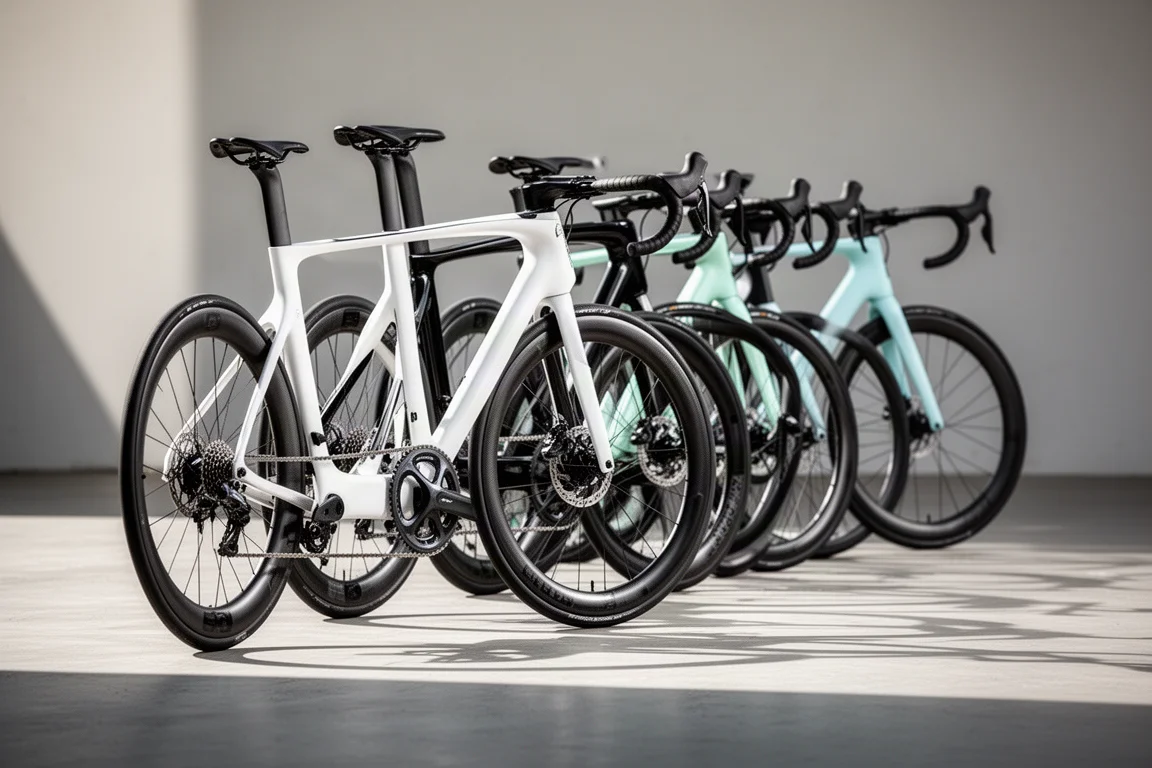
Twenty-two teams line up for the Tour de France, and from the roadside their bikes look like they arrived from a different era of engineering. They are all aero, all disc-braked, and all expensive. The more useful question is how expensive, exactly.
This guide works through the main drop-bar race bike used by each team and orders them by price, starting with the build that comes closest to being affordable and finishing with the machine that sits at the very top. Time trial bikes are left out, since those can cost considerably more once custom components are added. It is also worth remembering that the bike a rider races is not always identical to the one on a shop floor, and that a crash can split a great deal of expensive equipment in half at the side of the road.
Where a bike is not sold in the United States, dollar figures are a straightforward currency conversion rather than a US list price.
How These Team Bikes Compare
Every bike in this list is a top-tier race frame with an electronic groupset, carbon wheels and an integrated cockpit. What separates them is the depth of the wheelset, the finishing kit, and how much of the team specification a customer can actually buy.
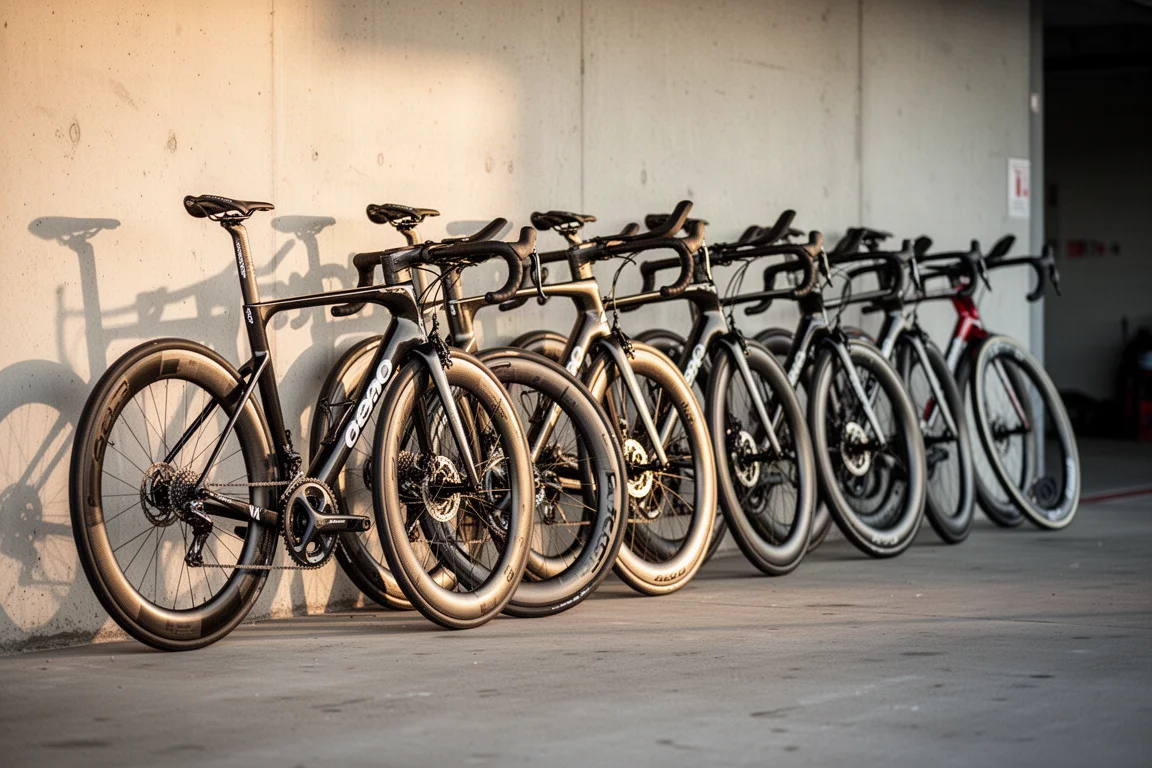
A few practical points apply across the board. Team builds often use wheels, power meters and cockpits that are not part of the retail package, and the same frame is frequently sold with different groupsets at very different prices. Weight matters too: a handful of these frames sit close to the UCI’s minimum weight limit, while others trade a little weight for aerodynamic shaping. Finally, currency and market availability change the picture, because some of these bikes simply are not sold in every region.
The Cheapest Way In: Dare VSR
The most affordable route to a Tour team bike is the Dare VSR raced by Uno-X. On paper the bike comes in at around $6,990, which is less than the headline figure once import costs are added, since shipping into the UK means adding 20% VAT on top.
The team build is a full Shimano Dura-Ace Di2 setup with a very deep DT Swiss wheelset, which makes it a genuinely high-end race bike at nearly half the price of the most expensive machine here. For many riders, this is about as expensive as a top-end bike should reasonably go.
Cube Litening Aero: Dura-Ace Value at the Lower End
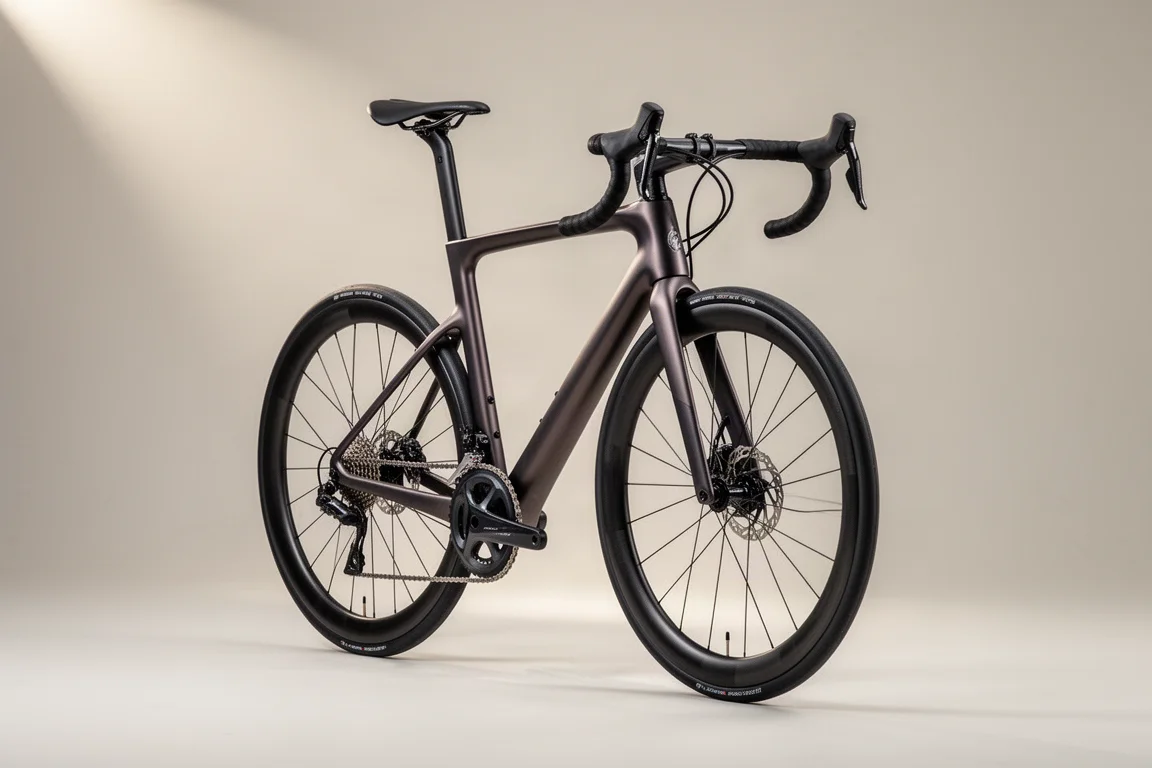
Intermarché-Wanty race the Cube Litening Aero for most stages, and it sits in the same value bracket as the Dare. The build is a full Shimano Dura-Ace Di2 groupset, with Newmen supplying the wheels.
The rims use hidden valves, a neat detail that cleans up the airflow around the valve area and shows the level of attention that goes into a team specification. It is the kind of bike that proves a full top-tier groupset does not have to come with a top-tier price.
Canyon Aeroad: Aero Speed Below £10,000
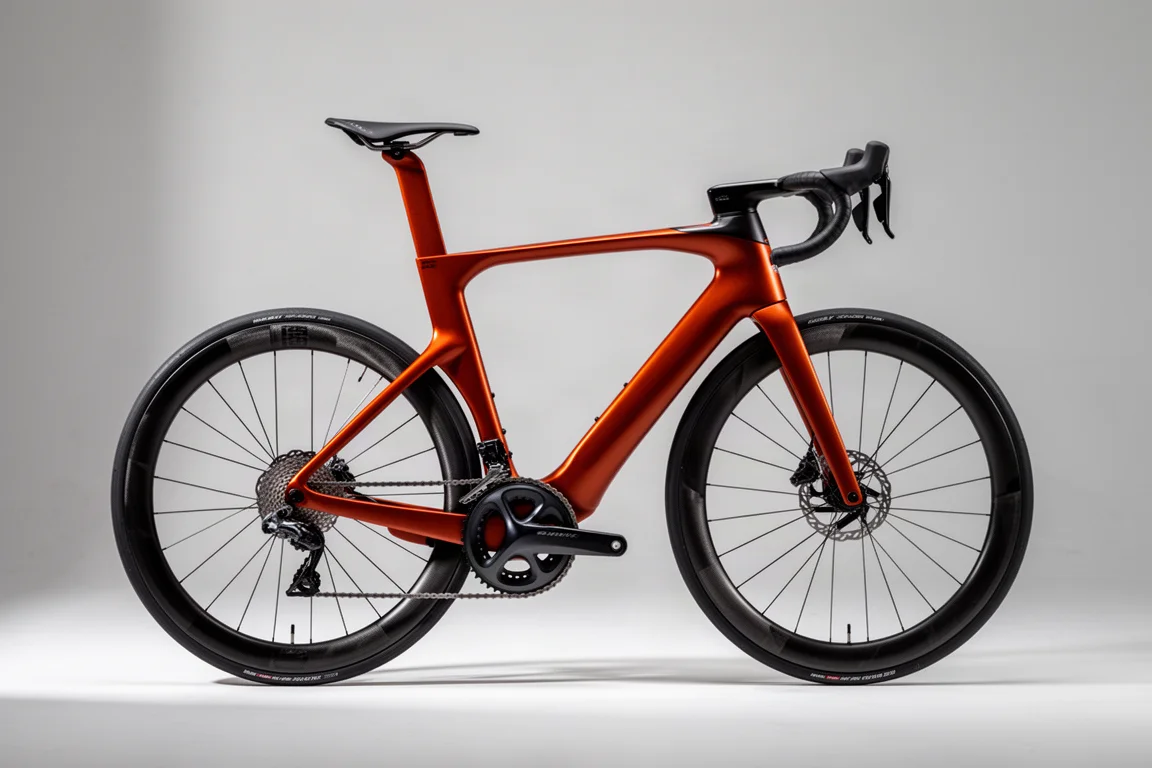
Canyon has long been seen as the value option, and its top-end race bikes remain among the cheapest in the Tour. The Aeroad is also one of the fastest, having carried Jasper Philipsen to the green jersey in the previous season.
The team has used a Shimano build, and the same platform has also appeared with a SRAM Red AXS groupset. At the Dauphiné an updated bike with what looked like a new front end was spotted, which may explain the discounts that have appeared on some of Canyon’s aero models. For riders who want sprint-winning aerodynamics without paying the top-tier premium, this is one of the strongest cases in the peloton.
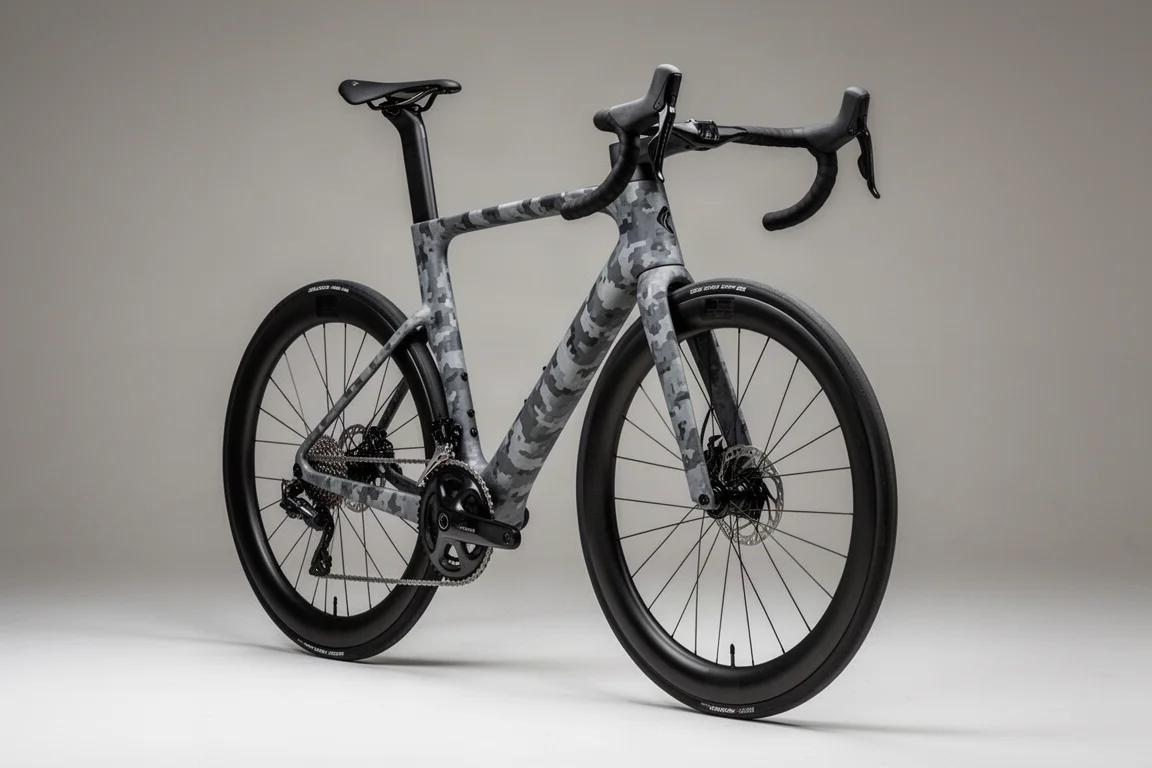
Van Rysel RCR: The Last Bike Under £10,000
The RCR is the final bike in this list that stays under the £10,000 mark. Expectations were high that the team model would land below £8,000, and it did not quite get there.
The build is Shimano-based with a few notable additions, including carbon chainrings, and it is genuinely good to see the team running Look pedals. Those upgrades are part of why a team bike can end up costing more than the equivalent shop build, but they also make it a more interesting machine to own.
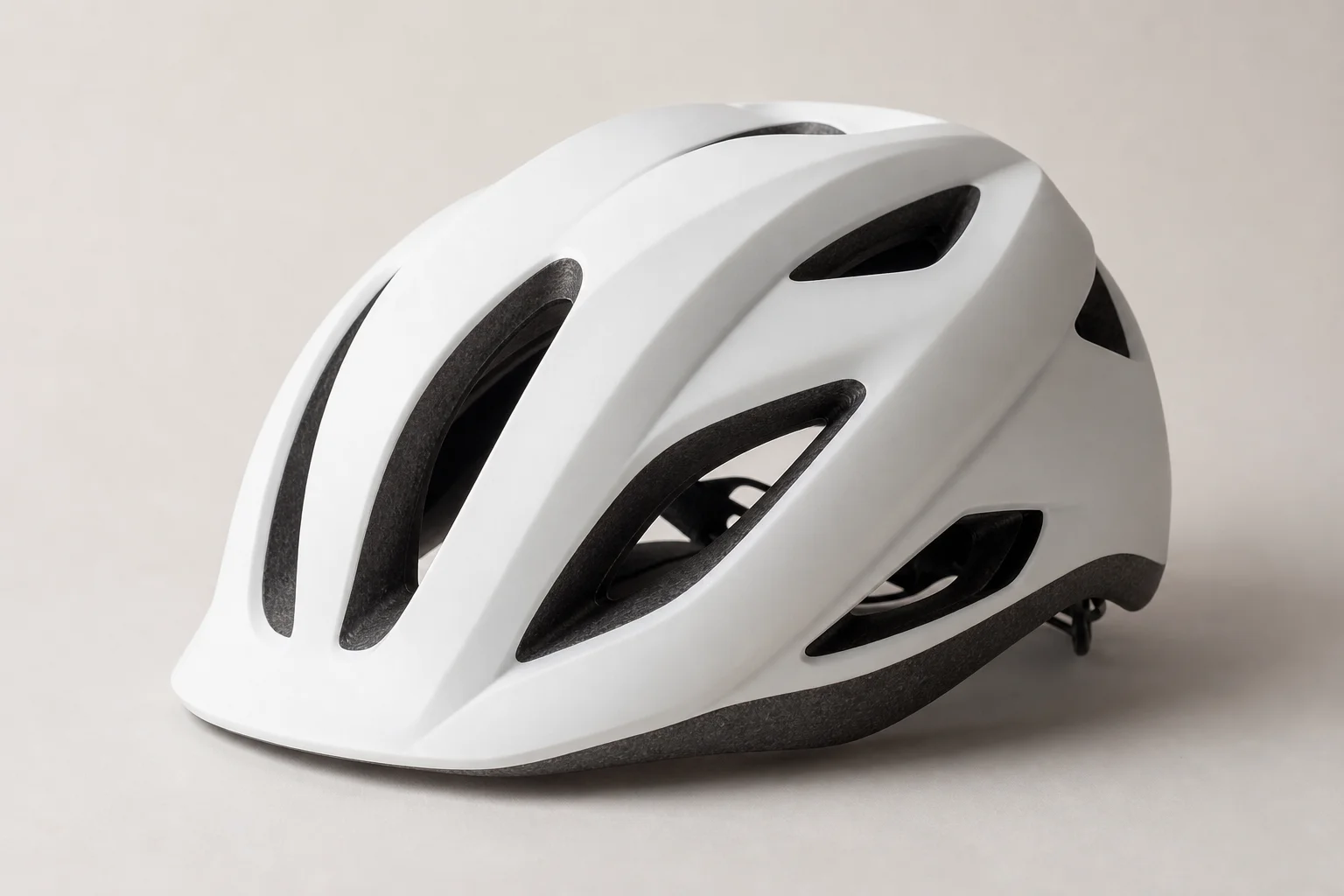
Scott Foil: Close to the UCI Weight Limit
DSM is one of the main Shimano-sponsored teams and was among the first to appear on the latest Dura-Ace components. The Scott Foil they race is an aero frame that gets remarkably close to the UCI’s minimum weight limit, which is unusual for a bike built around aerodynamic tube shapes.
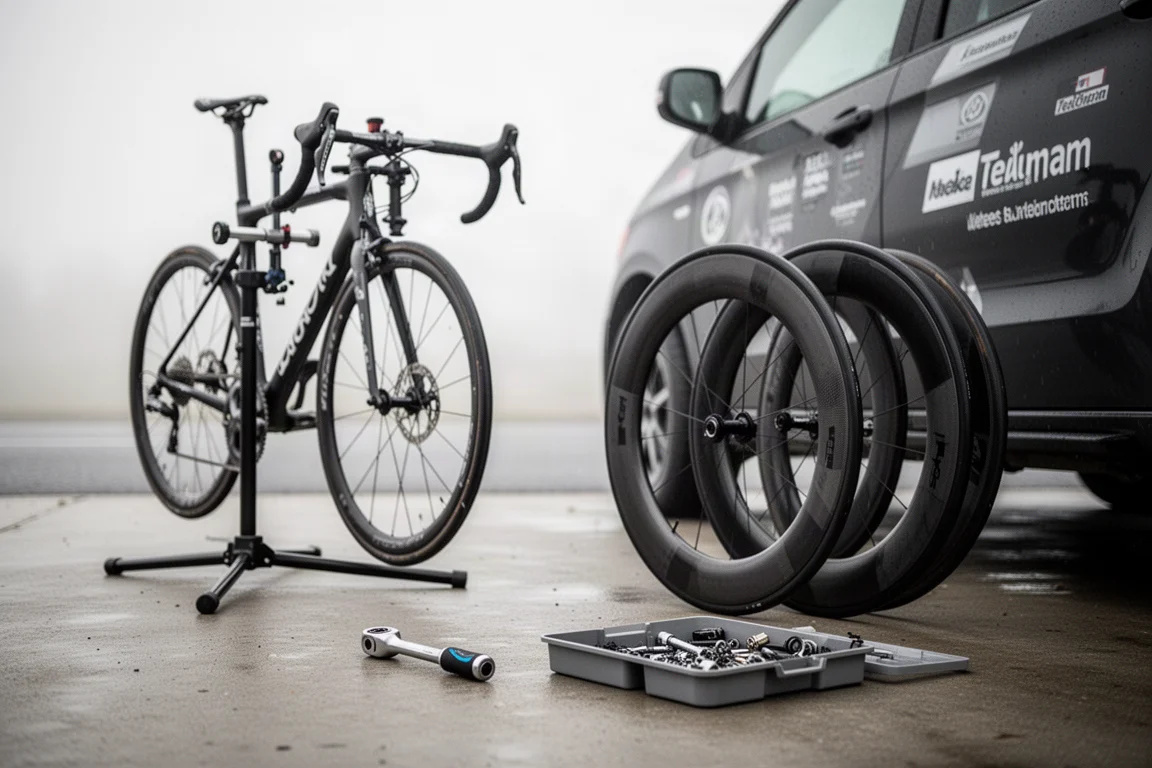
That combination is the real appeal here. Plenty of aero frames are fast in a straight line, but few get this close to the weight floor, and the result is a bike that feels quick on the climbs as well as on the flat. It is a step up in price from the RCR, and for riders who want aero shaping without a weight penalty it is one of the most rewarding options in this group.
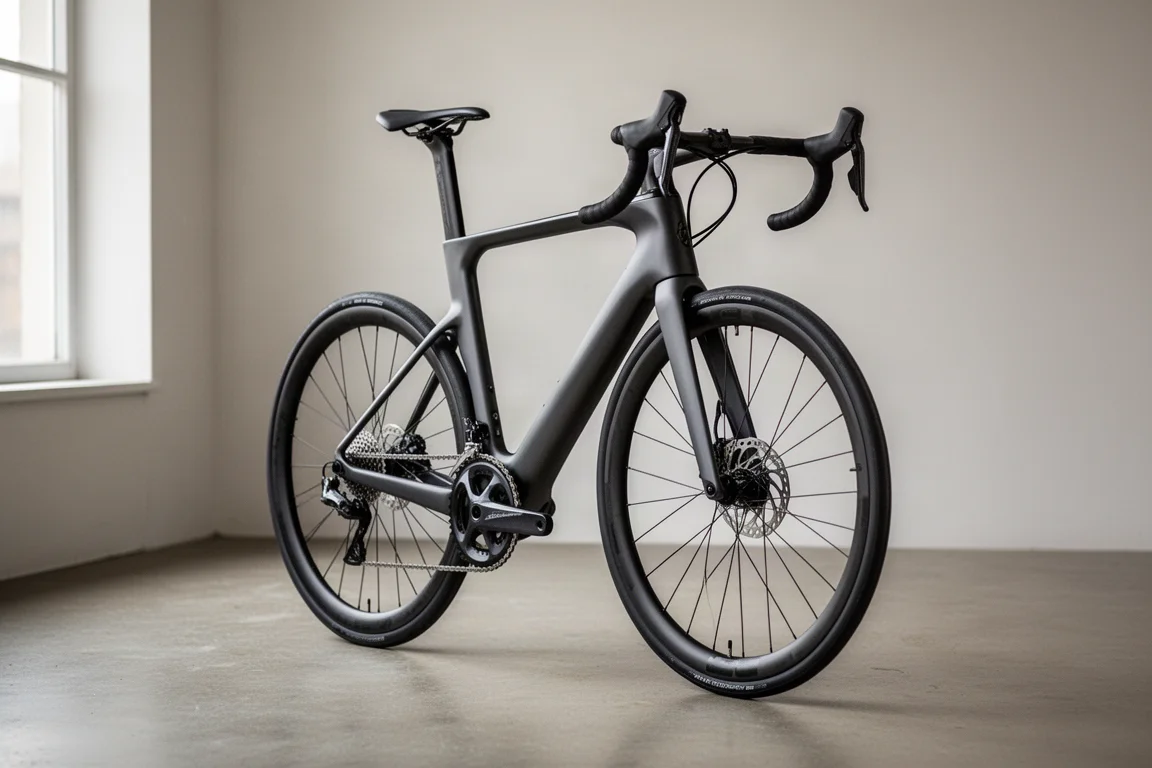
Look 795 Blade: French Components and Bold Paint
Cofidis ride the Look 795 Blade, and the build is one of the most distinctive in the peloton thanks to a mandarin paint scheme and a long list of French components.
The SRM Origin power meter alone costs around €1,800, which is a good illustration of how team-spec components push the price of a race bike above what the same frame costs in a shop. If you like a build with character rather than a plain black race frame, this is one of the most visually interesting bikes in the list.
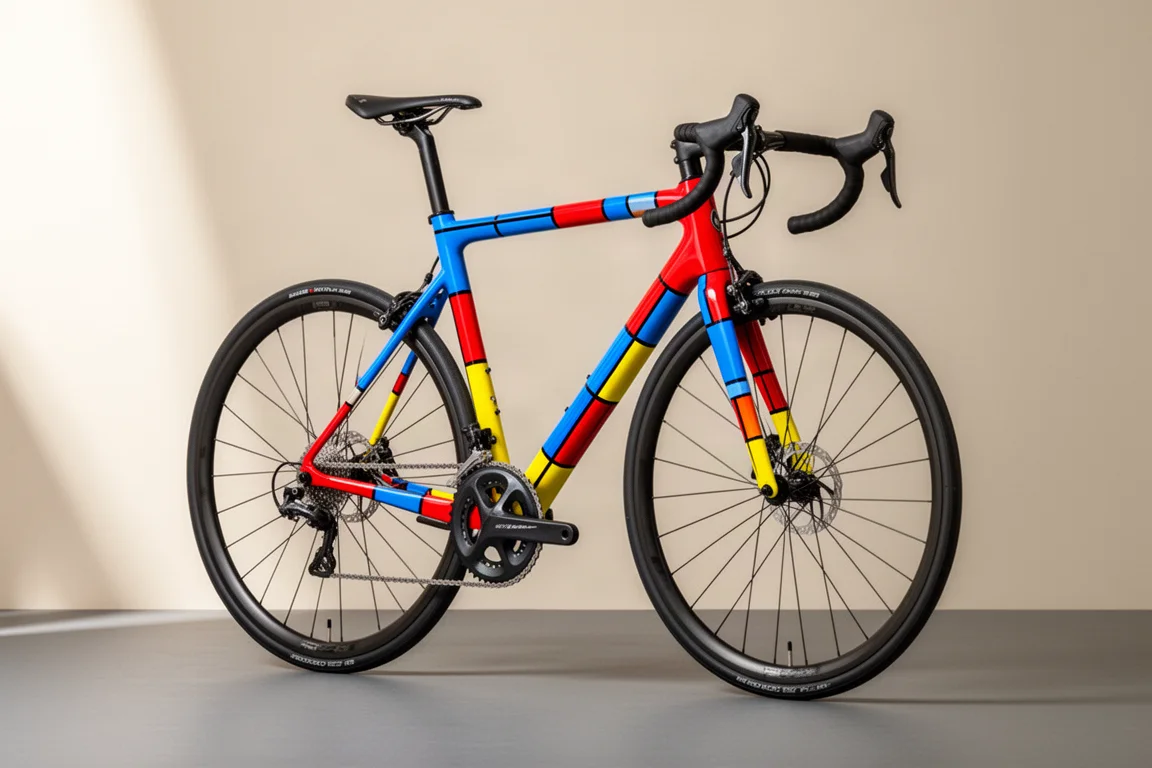
Bianchi Oltre RC: The £12,000 Mark Opens
Around the £12,000 mark the field becomes crowded, with several teams separated by only about £50, which would make a buying decision genuinely difficult.
The Bianchi Oltre RC team build comes in at £11,940 with a Shimano Dura-Ace groupset, and it is a striking machine. At this price, saving even a small amount starts to matter more than most buyers would expect, so the small gaps between competing builds are worth paying attention to.
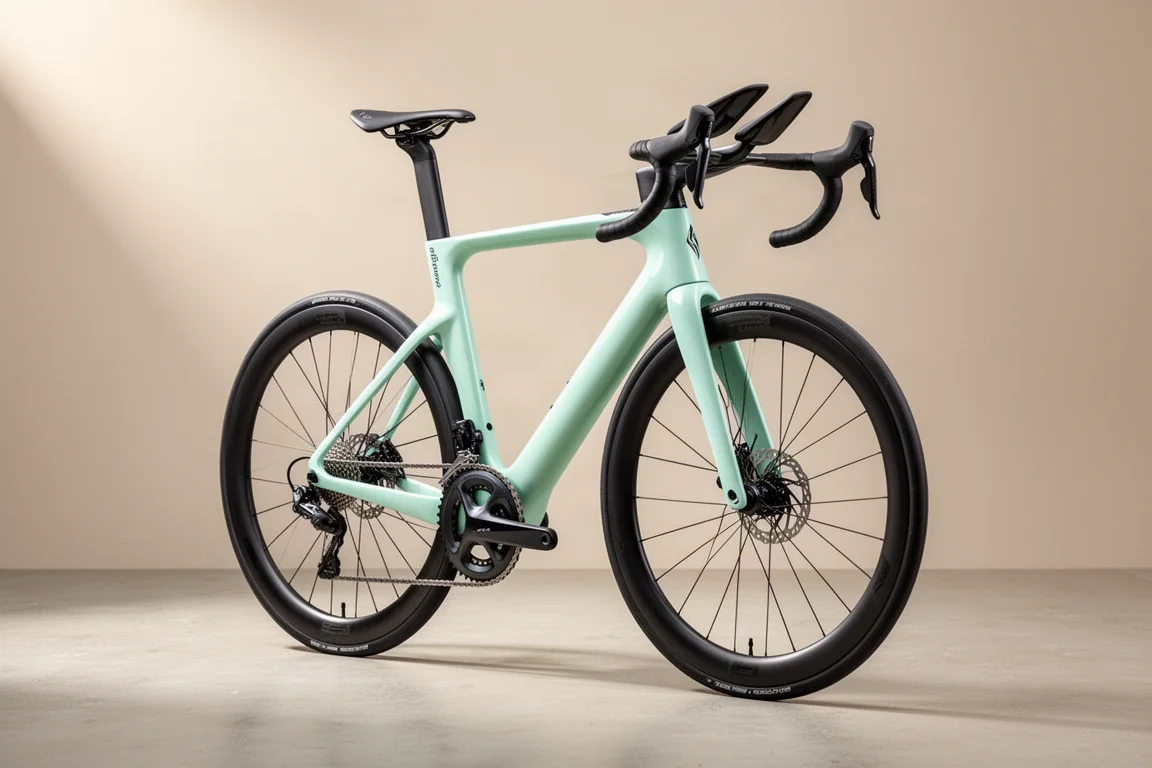
Giant Propel: Lightweight Value Under £12,000
Another build that slips in under £12,000 is the Giant Propel. It is impressively light for an aero race bike, and its own-brand carbon wheels are among the nicest in this group.
For riders who want a single bike to cover fast group rides, racing and everything in between, this is one of the most appealing packages here. It does not shout about its price, and that is part of the point.
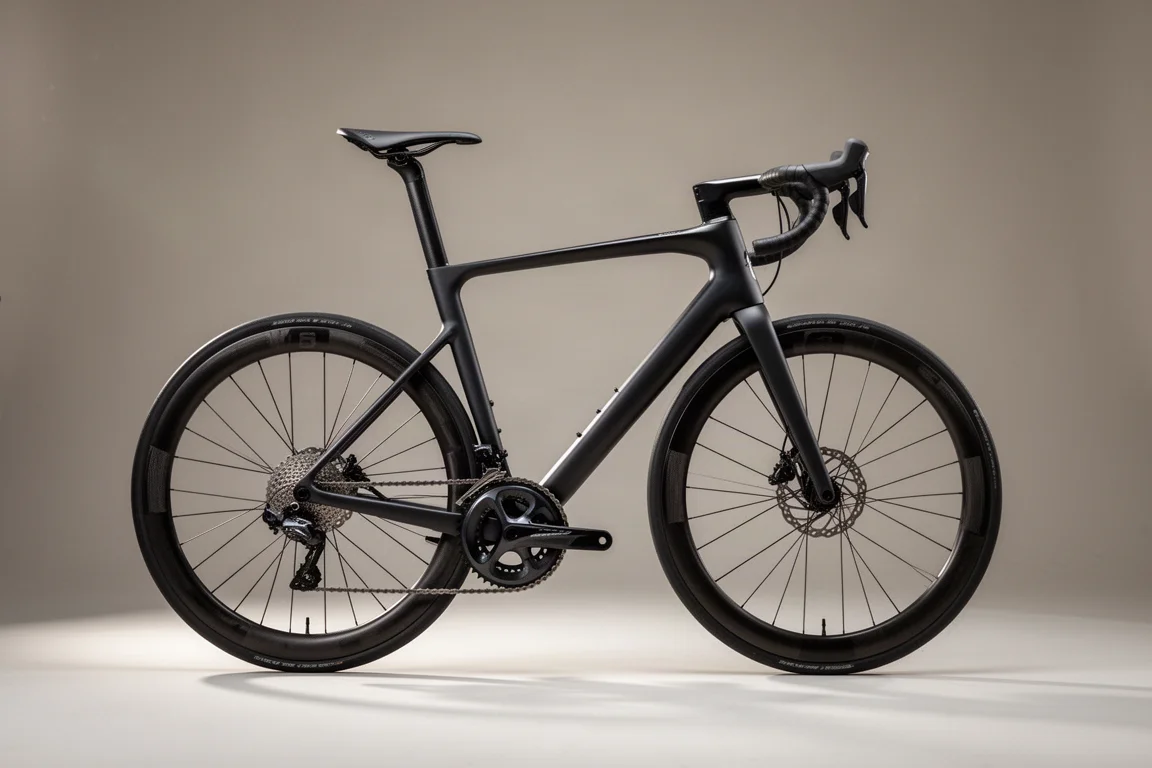
Specialized Tarmac SL8: Two Teams, Two Builds
The Tarmac SL8 appears around the £12,000 mark with two different teams, and each runs a slightly different specification. One team uses a Shimano Dura-Ace groupset, with some riders opting for tube-type clinchers, and the bikes roll on the latest Roval Rapide CX3 wheels.
Those wheels are not currently included on the commercially available S-Works SL8, and at around £3,000 on their own they would push the retail price up if they were added. The second team runs SRAM Red AXS with silver accents throughout, and a later team edition was released at a higher price again. It is a clear reminder that team-spec pricing moves quickly.
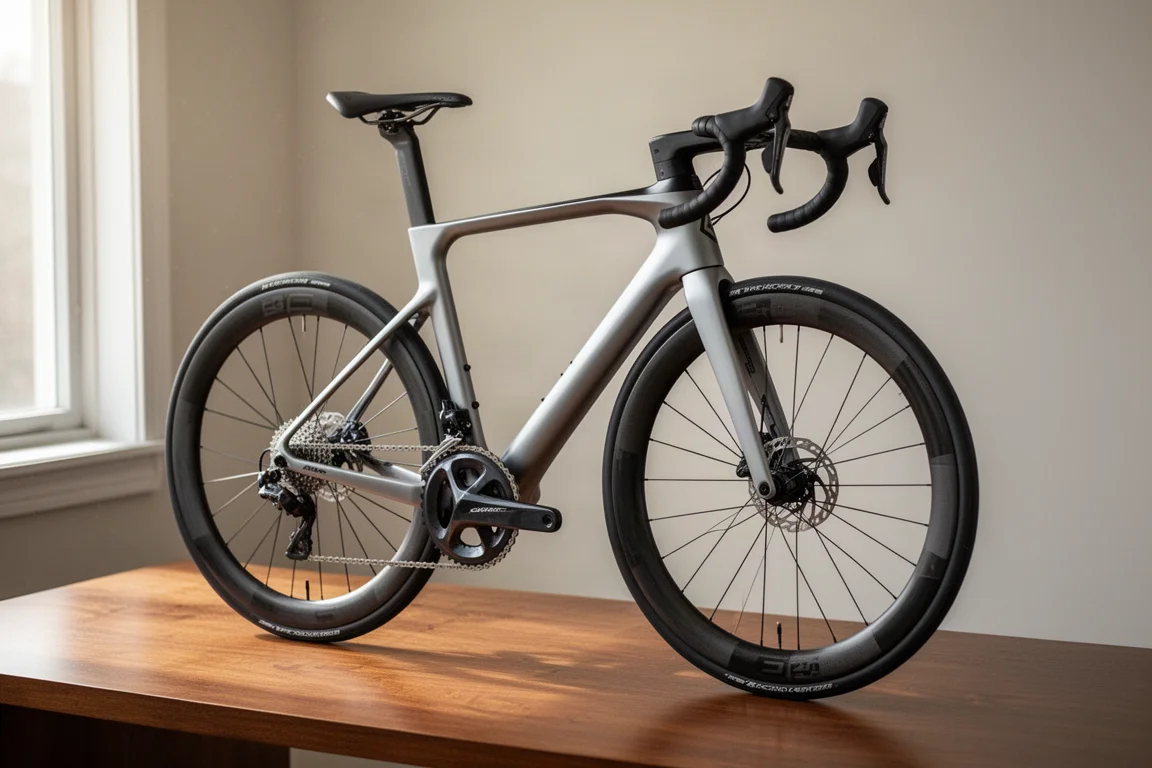
Cervélo S5: Aero at £12,500
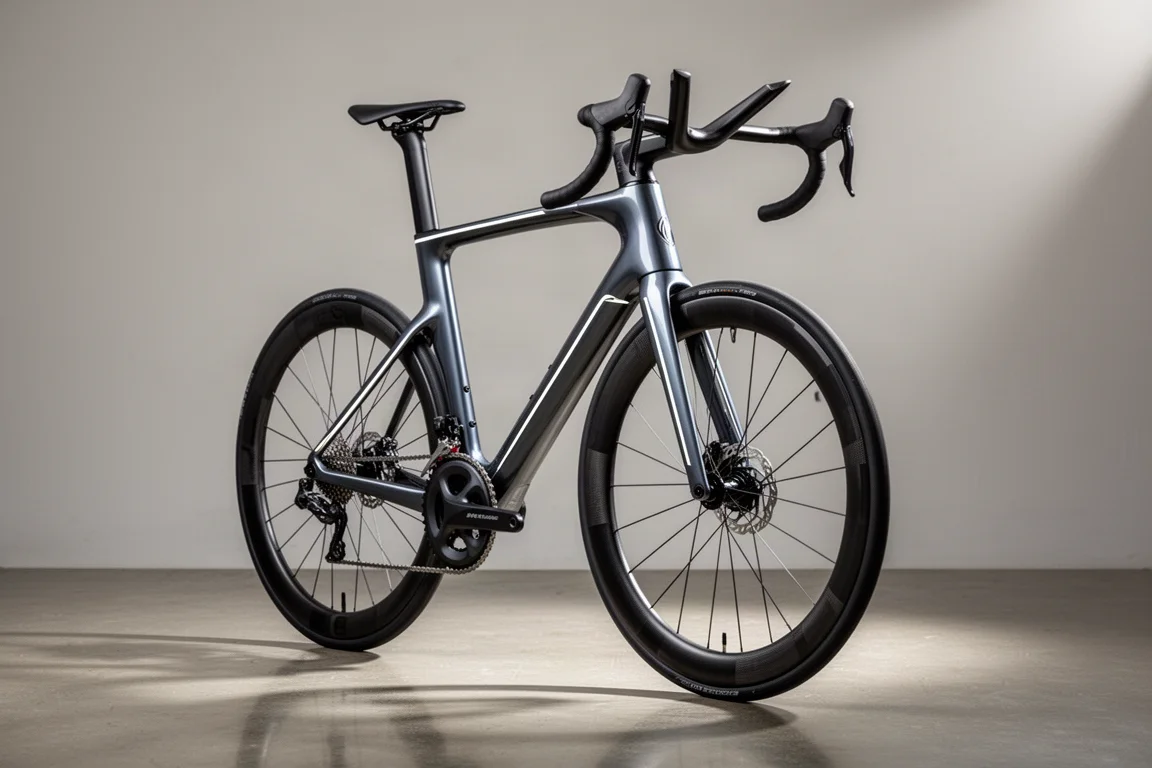
The S5 is the aero platform for one of the strongest squads in the race, and the team build costs £12,500. It runs a SRAM Red AXS groupset with wheels from Reserve, the brand’s sister company, so the frame and wheels are developed within the same family.
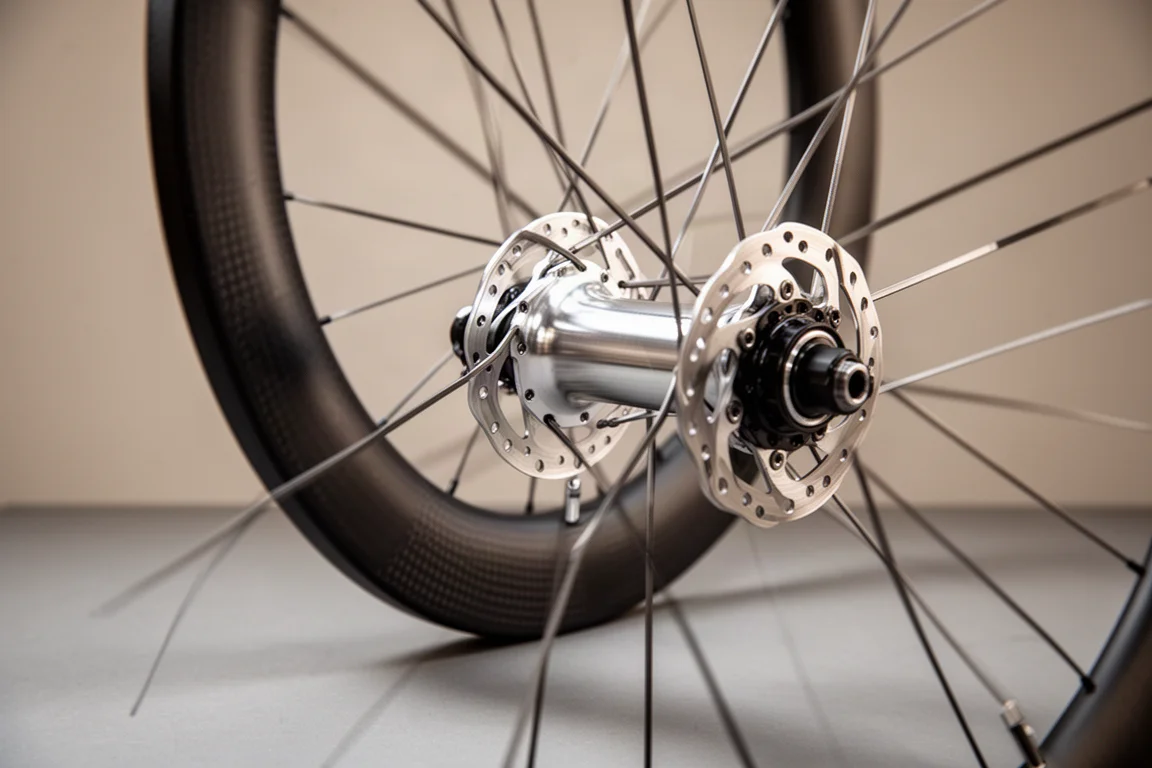
For riders chasing flat-out speed, that shared development is part of the appeal, and it is one of the most complete aero packages at this price. The team also appeared in a new jersey design for the race, swapping its usual colour for something bolder.
Cannondale SuperSix EVO Lab71: A True Replica
Most team bikes are close relatives of what you can buy rather than exact copies. The SuperSix EVO Lab71 is one of the few exceptions, and the team’s paint job is available to customers, which genuinely sets it apart.
The £12,000 build uses a Shimano Dura-Ace groupset with Vision wheels and an FSA power meter. For riders who want the bike on the stand to match the bike in the garage, this is the closest thing to a genuine replica in the list.
Colnago V4RS: Into the Ridiculous Zone
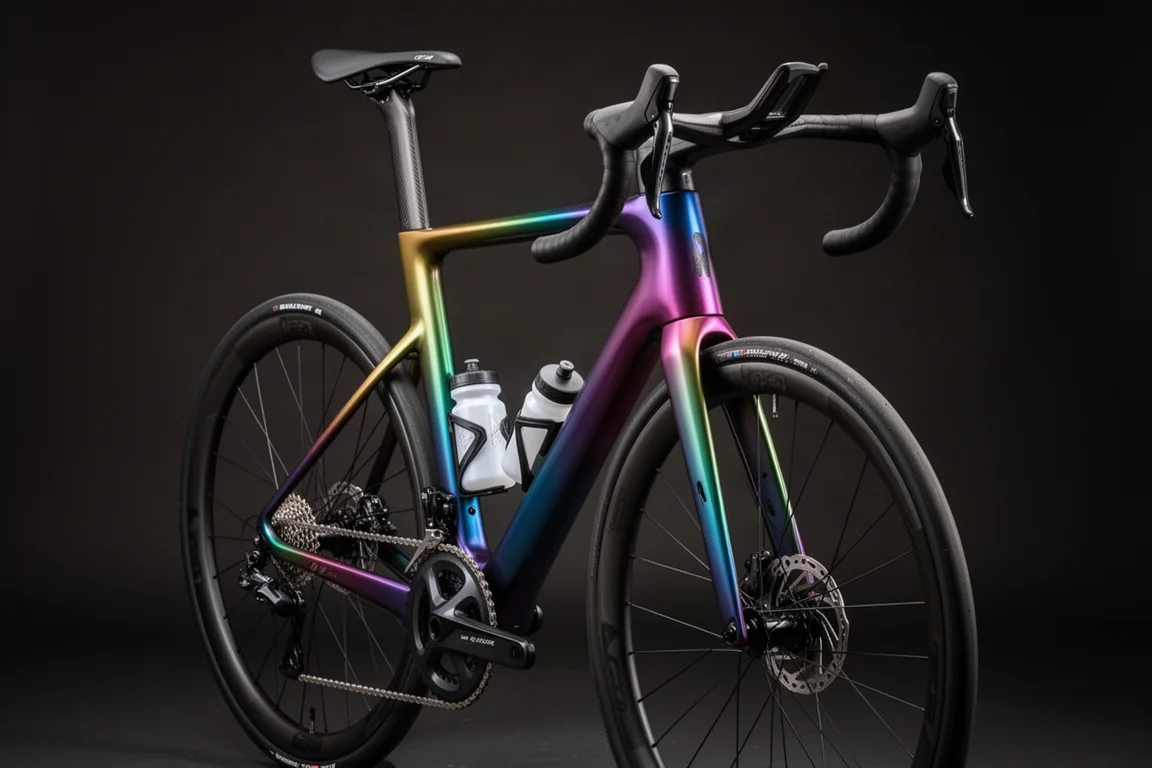
Past £14,000, the pricing stops being sensible. The Colnago V4RS is finished superbly, with Enve wheels, carbon chainrings, carbon brake components, Continental GP5000 time trial tyres and an integrated cockpit.
It is a beautiful object and it is priced accordingly. The time trial tyres in particular are a specialist choice that tells you exactly who this build is aimed at.
Trek Madone: The Most Expensive Bike in the Peloton
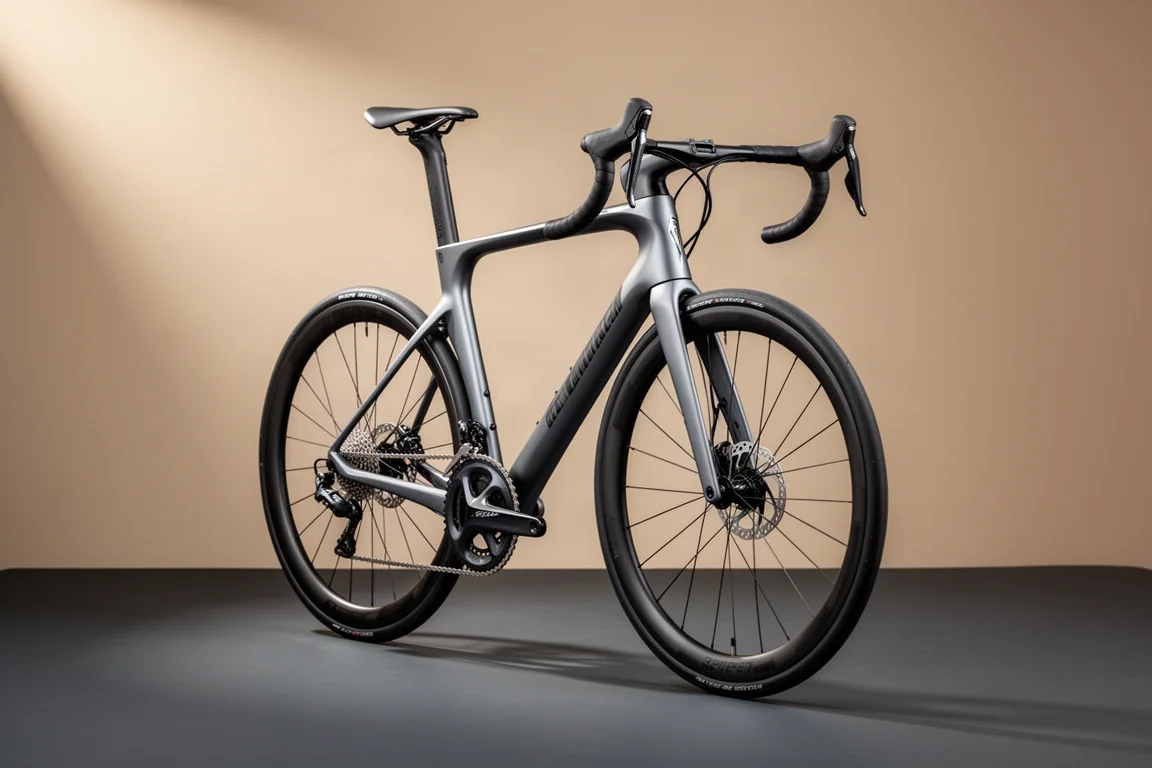
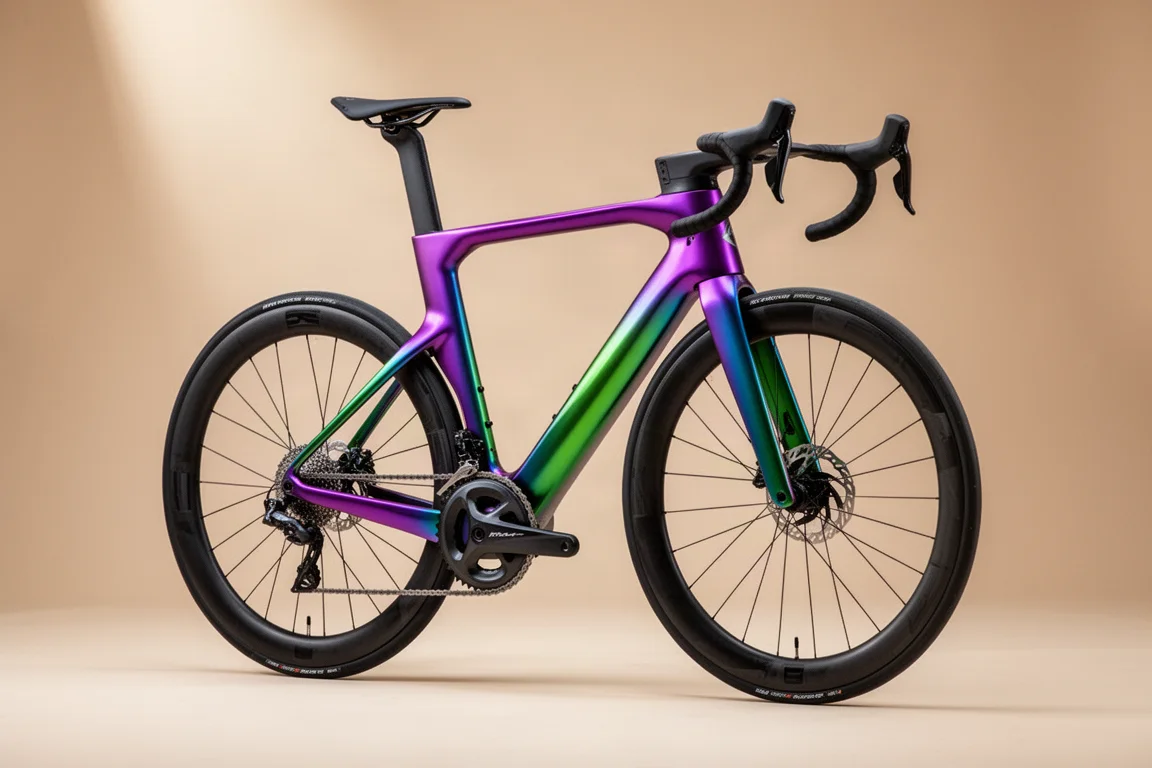
The Madone sits at the very top of the list. Launched recently, the team build costs around £14,700, and in the United States the bike is priced at $17,700. That is more than double the cost of the cheapest bike here, the Dare VSR.
Consider what that means across a squad. Eight riders, each with a race bike plus two spares, and a fourth bike in the mechanics’ truck, adds up to 32 bikes. Professional racing is an expensive business, and the value of a single team’s race fleet runs well into six figures.
What These Prices Actually Mean for Buyers
A few things become clear when the whole peloton is priced side by side.
The spread is enormous. The cheapest bike here costs nearly half of the most expensive, and yet both are ridden at the same races by riders of similar ability. Most of the money at the top end goes into finishing kit rather than the frame itself. Wheels, power meters and cockpits are where the numbers climb fastest, and the Tarmac SL8 is a good example: its team wheels cost around £3,000 on their own and are not part of the retail package.
Team specification and retail specification are also not the same thing. If a particular wheelset or power meter matters to you, check what is actually included before buying. Currency matters too, because some of these bikes are not sold in the United States, which means dollar figures are a conversion rather than a local list price.
For most riders, the sensible move is to buy the frame and groupset you want and add wheels later. The performance gap between a well-chosen build at the lower end of this list and one at the top is far smaller than the price gap suggests.
Conclusion
Working from the cheapest to the most expensive, the pattern is consistent: the first few thousand pounds buy most of the performance, and everything above that buys exclusivity, finishing kit and a little weight.
The Dare VSR is the most accessible way into a genuine Tour team bike, the Cube Litening Aero and Canyon Aeroad keep Dura-Ace and aero speed within reach, and the middle of the list is packed with excellent options such as the Scott Foil, Giant Propel, Bianchi Oltre RC and Cervélo S5. At the very top, the Colnago V4RS and Trek Madone are as much statements as race bikes.
Whichever end of the list you are shopping at, the important thing is to match the build to how you actually ride. The bikes here are all fast. The price tags are not the reason why.
Further reading
Related Reviews
Cycling
2026 Bike of the Year and the Cycling Gear Worth Watching
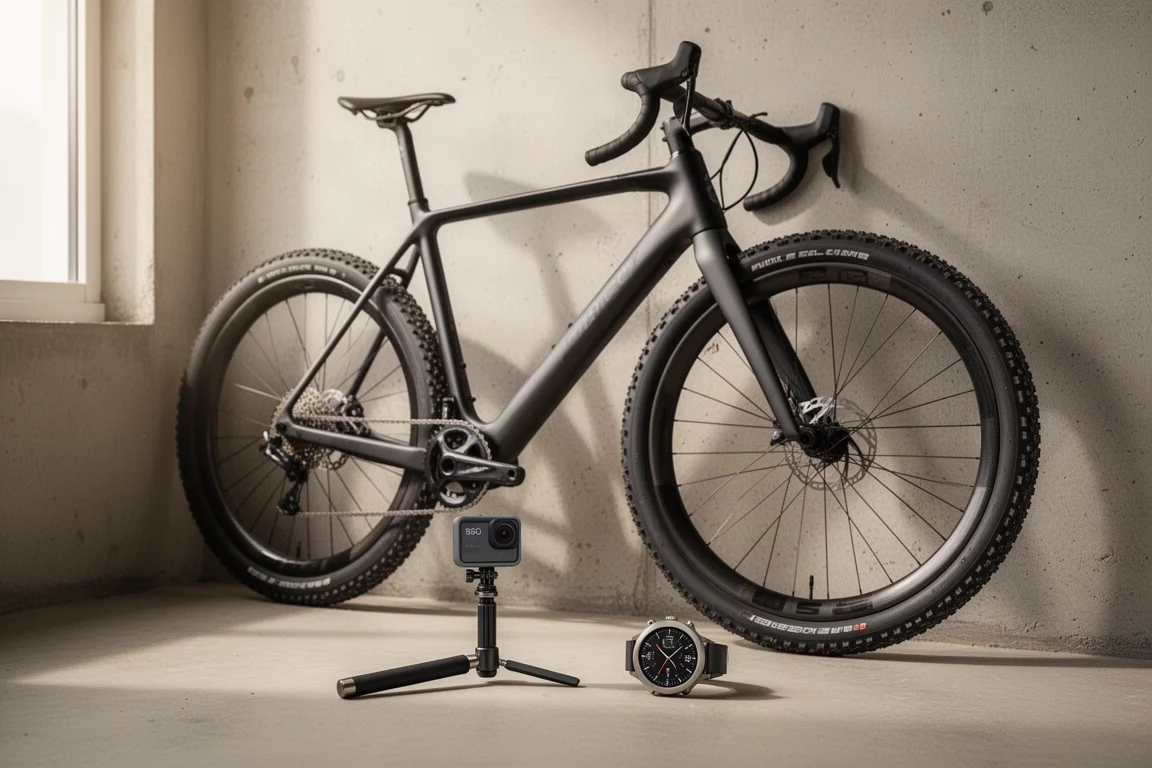
A drop bar roundup for 2026 covering the Ridley Kanzo Fast 2.0, Shimano Dura-Ace Di2 R9300, Trek Checkpoint ALR Gen 3, Specialized Tarmac SL9, Garmin Fenix 9 and Insta360 X6.
Cycling
Best All-Road Bikes 2026: Six Versatile Endurance Road Bikes Worth Considering
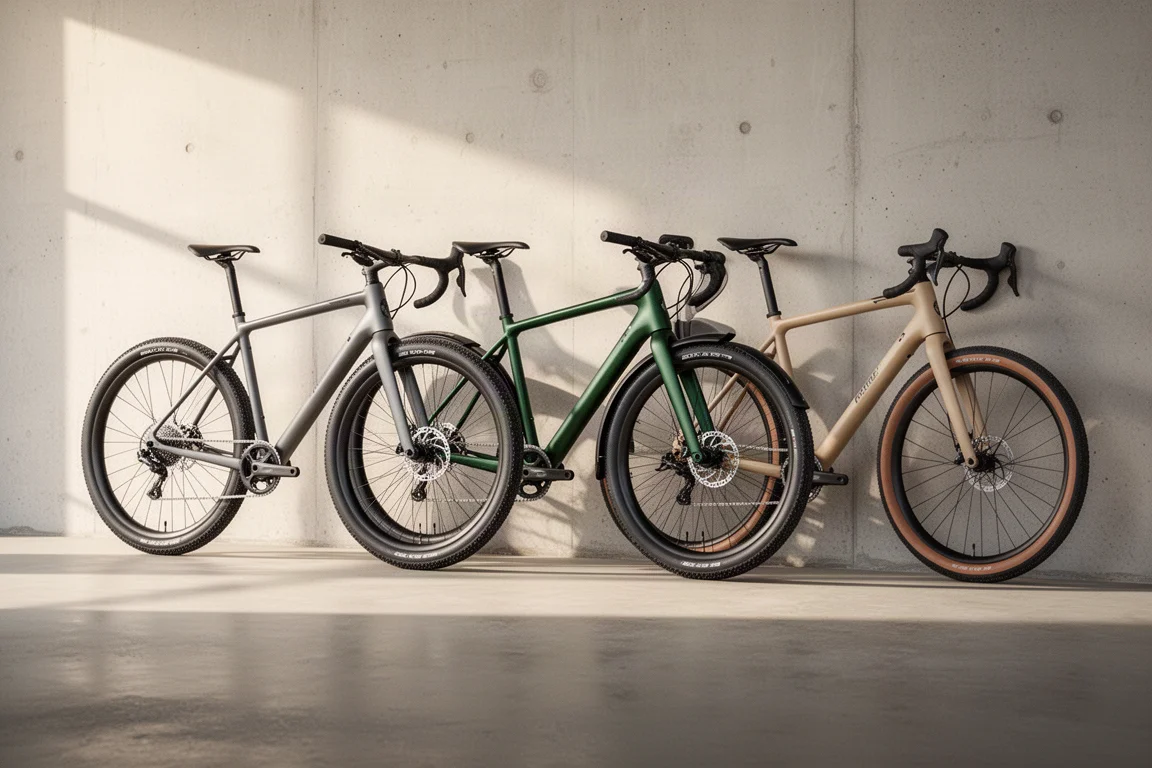
A practical look at six all-road and endurance road bikes, from lightweight carbon speed machines to steel all-rounders and comfort-focused mile eaters.
Cycling
Best All-Road Bikes 2026: 8 Endurance Bikes for Road and Light Gravel
Eight all-road bikes that blur the line between endurance road and light gravel, compared on tire clearance, ride character, practicality, and value.