Cycling Gear
Tour de France Speed Upgrades: Four Pro Tires and Chain Lubes to Consider
Four pro-level tires and chain lubricants that translate Tour de France equipment choices into practical, everyday upgrades for road riders.
Introduction
Average speeds at the Tour de France and the Tour de France Femmes have climbed steadily, and the equipment on those bikes has moved with them. Body position still does more for aerodynamic drag than any single component, but tires and drivetrain lubrication are the two areas where an ordinary rider can copy pro choices directly, without special training or a new frame.
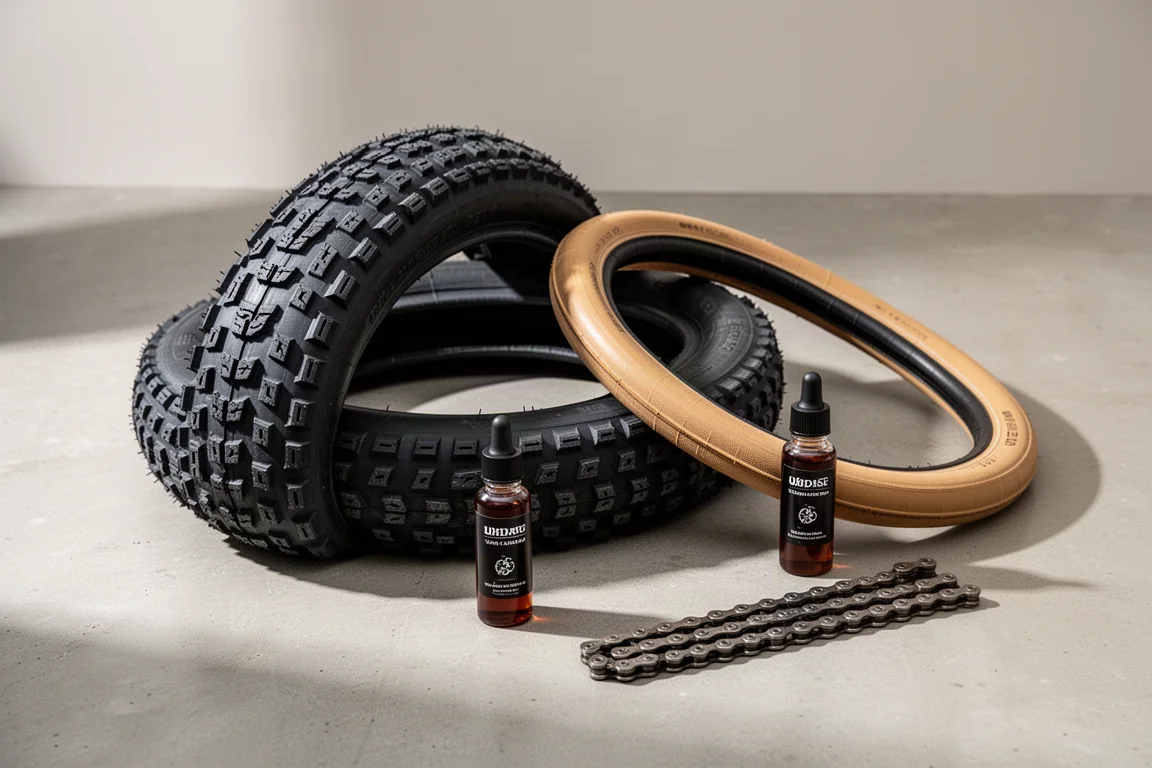
This guide covers four products that reflect current pro equipment choices: two road race tires and two wax-based chain lubricants. It also looks at the other pro habits worth borrowing, from gearing to brakes to front-end position, and where copying them can go wrong.
What Makes These Upgrades Worth Copying
Two things separate a genuine upgrade from a cosmetic one. It has to reduce resistance somewhere real, and it has to suit the rider using it. Pro equipment choices are optimized around very fast surfaces, extremely high power outputs, and hundreds of hours of adaptation. Most riders are working with rougher roads, lower power, and far less time.
That is why the tires and lubricants below make sense as starting points. Tires influence rolling resistance, comfort and grip at the same time, and drivetrain friction is something any rider can reduce through cleaning and a better lubricant. Both changes are reversible, comparatively affordable, and easy to judge on your own rides.
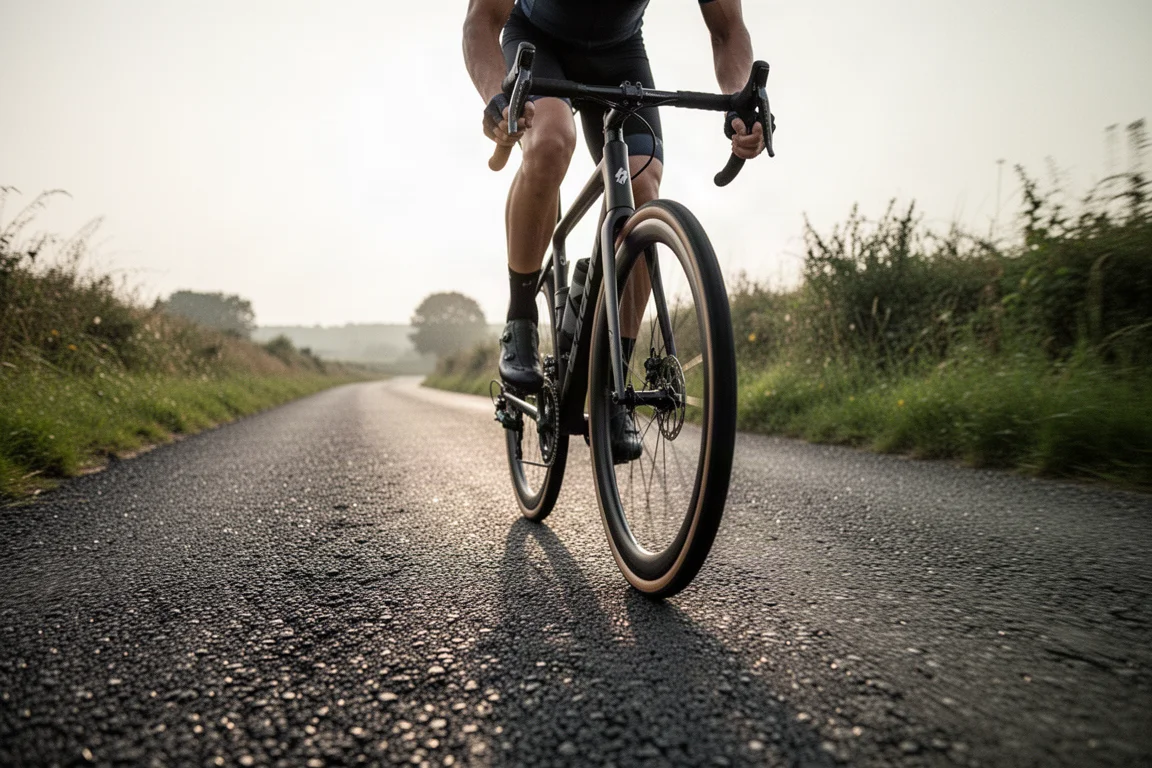
Gearing and brakes are the next layer. They do not lower friction so much as they change how late you can brake into a corner or how hard you can push on a fast day. Front-end position has the largest aerodynamic effect of all, but it is also the change most likely to cause trouble if a pro setup is copied without adapting to it.
Best Wide Race Tire: Continental GP5000 TT TR
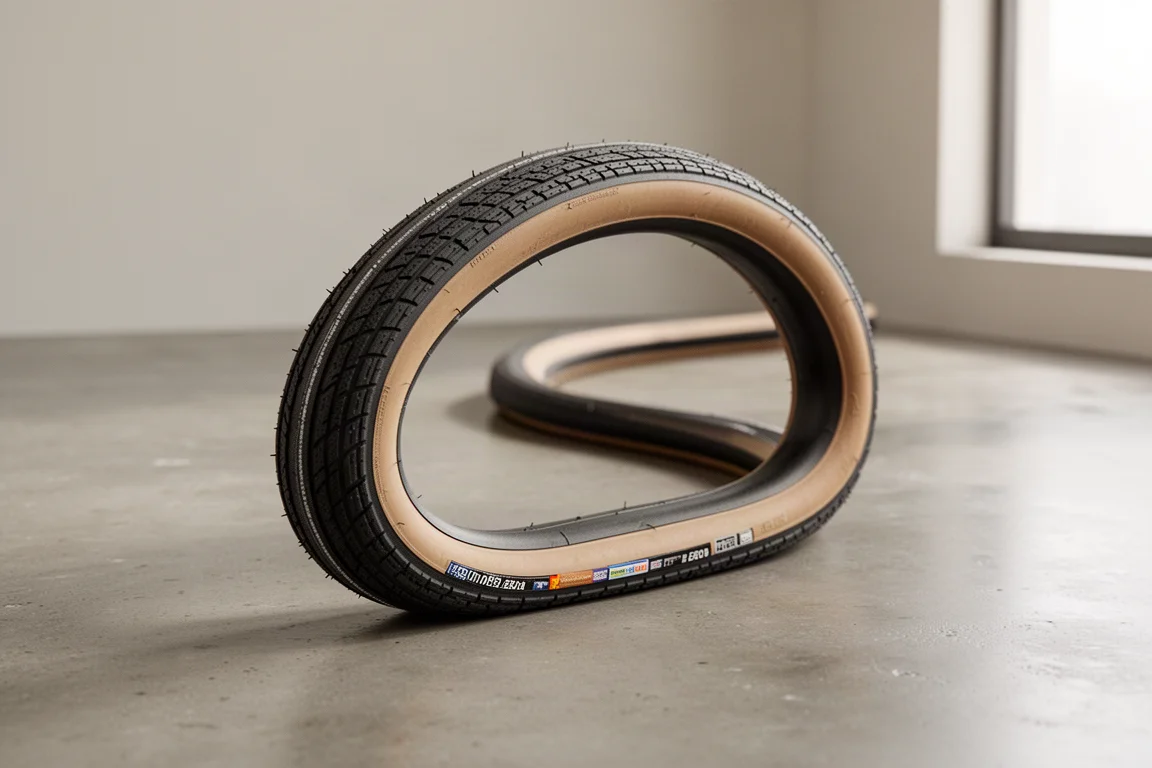
The clearest tire trend at this year’s Tour was width. Tubeless use increased again, and plenty of riders moved to 28 mm tires for road stages. The Continental GP5000 TT TR was the standout example: a 28 mm set measured 31.3 mm wide at the front and 32.2 mm at the rear once mounted on rims with a 25 mm internal width.
That ballooning effect is worth understanding before buying. A tire’s printed size is nominal, and both the rim it sits on and the tire’s own casing change the real measured width. Wide hookless rims make that growth more pronounced, which is why a 28 mm tire can behave like a noticeably larger one on the road.
Race tires of this type use the lightest casings and thinnest treads available, which is what keeps rolling resistance low. For most riders, a 28 mm racing tire is a sensible real-world choice, because wider rubber combines rolling resistance, comfort and grip in a way that narrow tires cannot match.
Best Tubular Race Tire: Continental Competition Pro Ltd
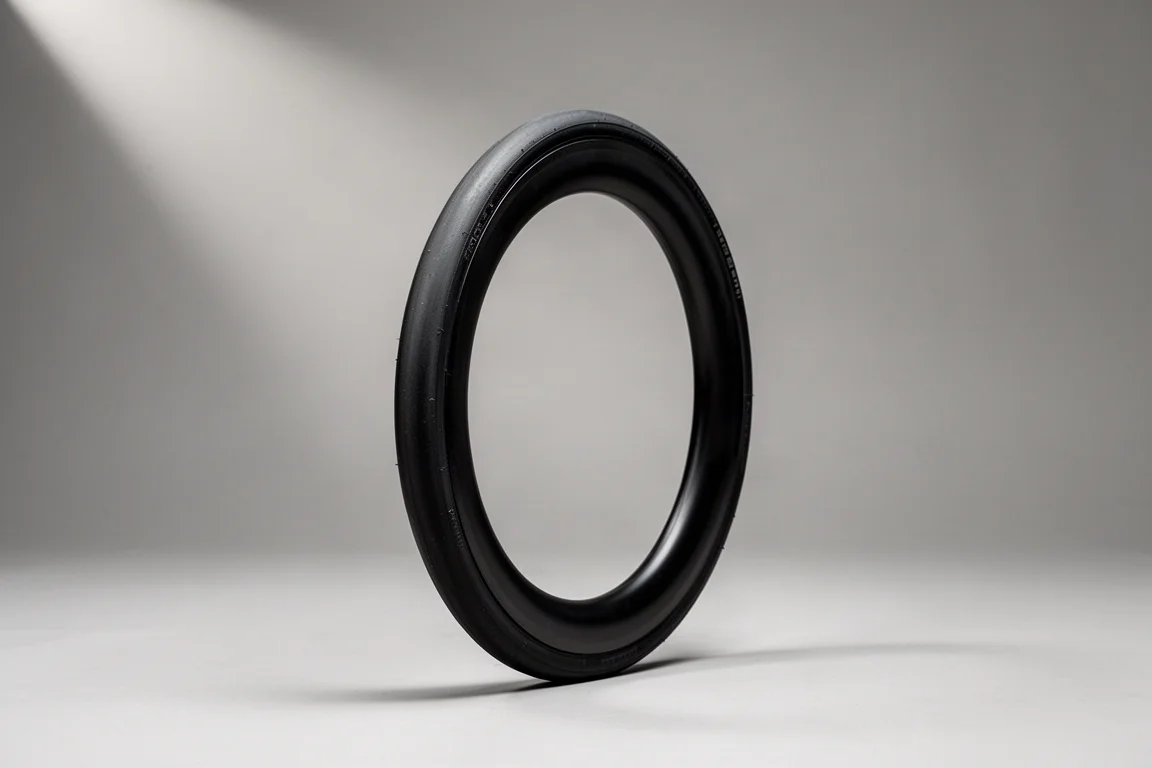
Not every pro tire choice went wider. Some riders still fitted 24 mm tubulars for hilly opening stages, and the 25 mm Continental Competition Pro Ltd tubular remains a familiar sight in the peloton. It has been a long-standing favorite among pro riders, and it represents the traditional end of road race tire design.
Choosing between tubular and tubeless is genuinely complicated now, because every team optimizes around the wheels and tires its sponsors supply. What matters for a rider buying their own equipment is the surface underneath them. Pro riders spend most of the Tour on excellent asphalt, while local roads are often much rougher, which pushes the sensible choice toward wider rubber.
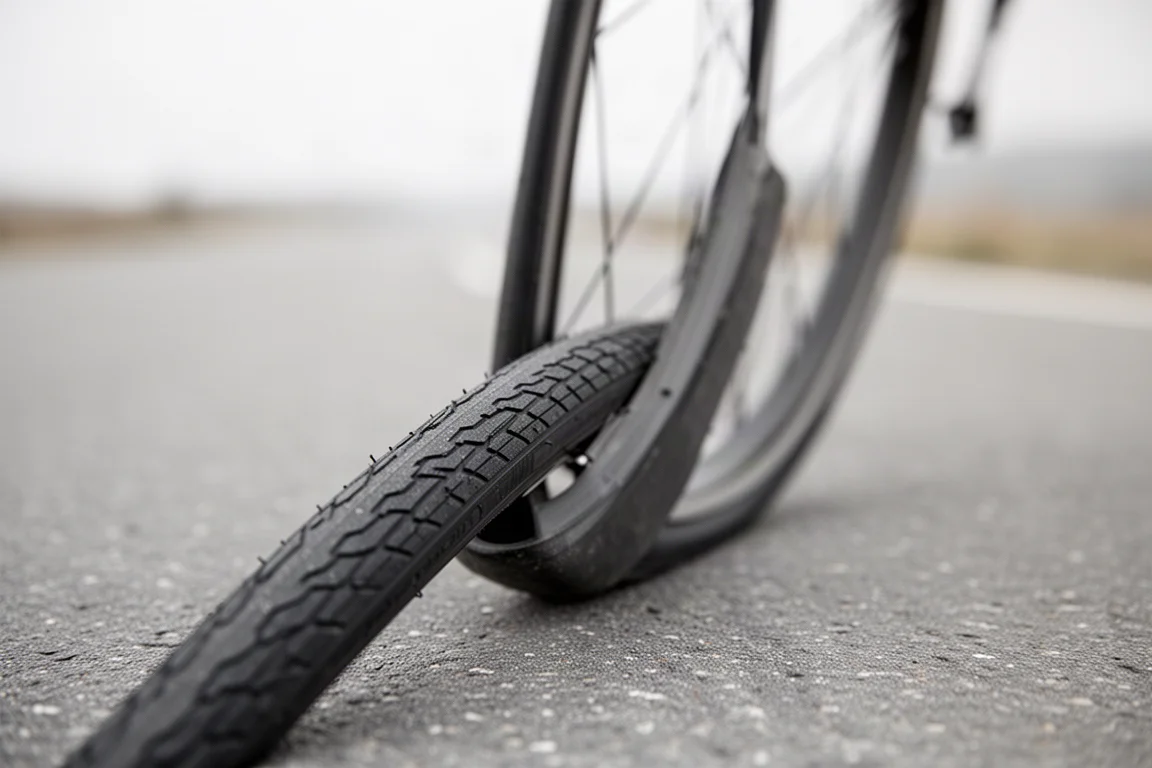
If you ride mostly on smooth surfaces and want a traditional race tire, a narrow tubular like this one still has a place. For everyone else, the same reasoning that moved the peloton wider applies just as well.
Best High-End Drip Wax: CeramicSpeed UFO Drip
A clean bike is a faster bike. When the drivetrain, wheelset and bottom bracket are free of everything except the lubricant that belongs there, the whole system runs more efficiently than it does when it is dirty. Race bikes are kept spotless for a reason that goes beyond appearance.
Lubricant choice matters as much as cleanliness. There are more options than anyone can reasonably compare, and the better ones often cost more, but they are also what protects expensive components. Increased friction means increased drivetrain wear, so money spent on a quality lubricant tends to come back in component life.
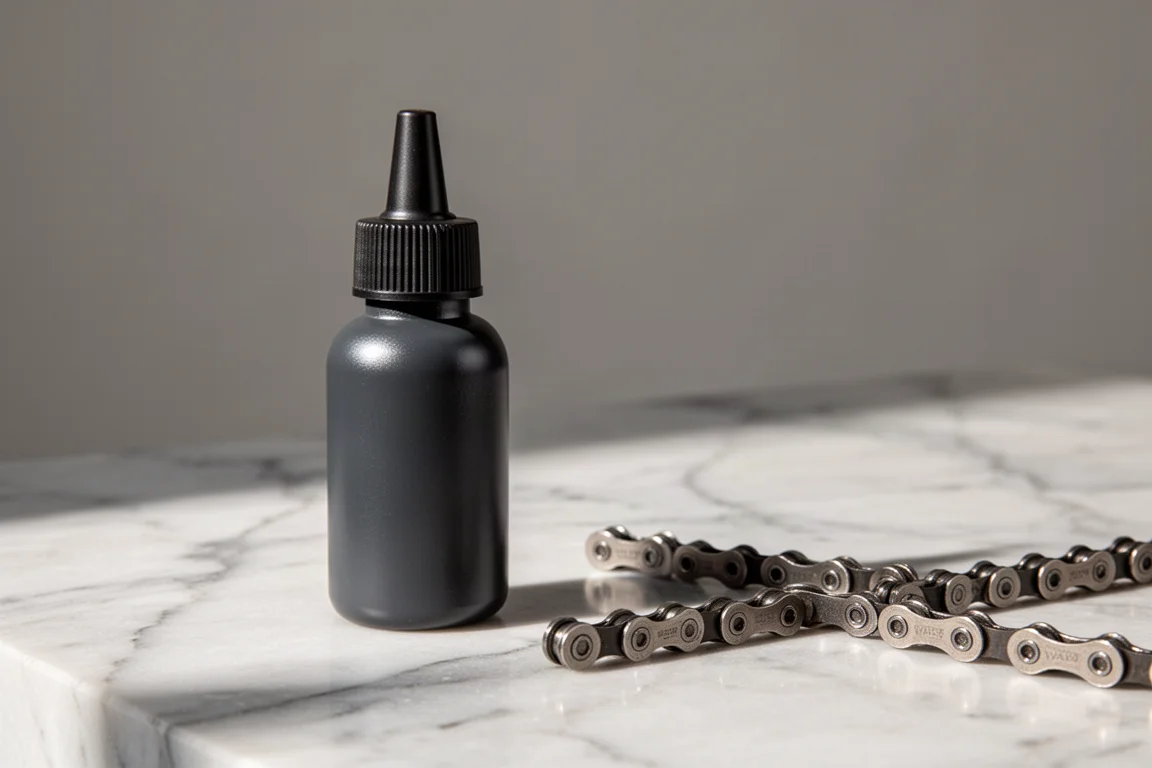
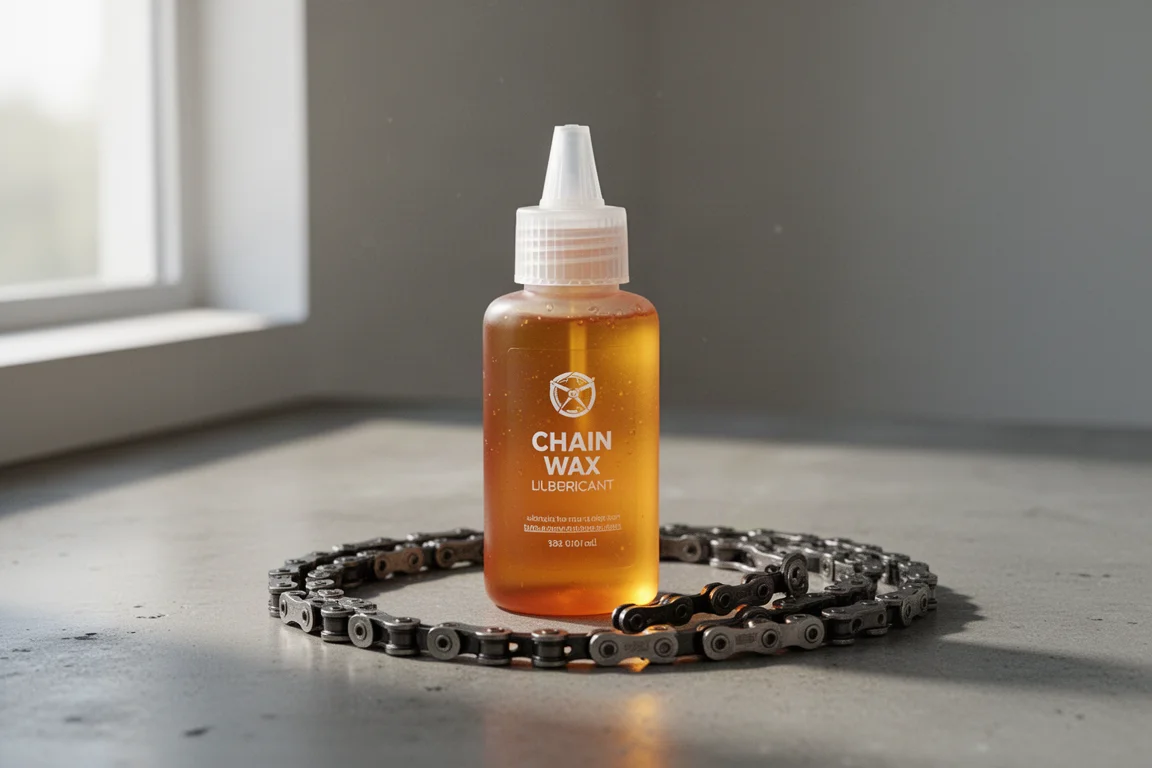
CeramicSpeed UFO Drip is a drip wax used to top up chains that have already been waxed at home. That makes it a natural fit for riders who have moved to a wax routine and want to maintain it between full re-waxes.
Best Everyday Wax Lube: Squirt
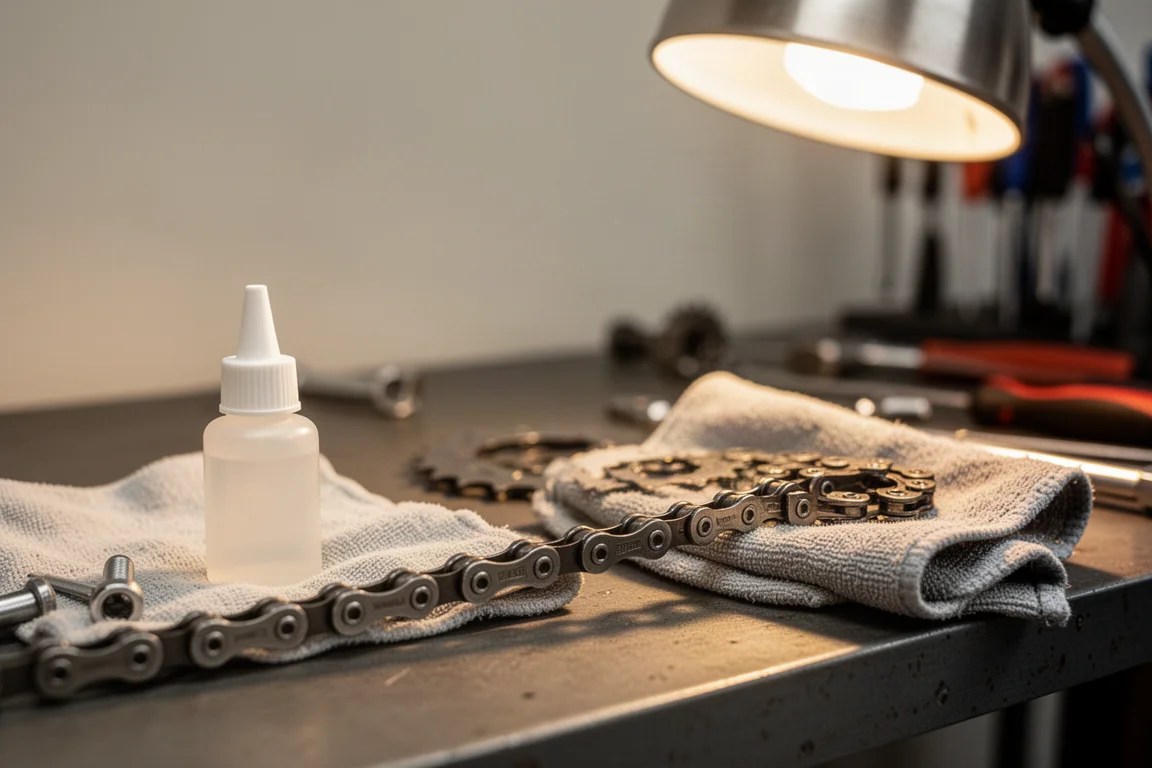
Squirt is a wax chain lubricant that suits riders who want the cleanliness benefits of wax without building a full immersion setup. Wax-based lubricants keep the drivetrain free of the grit that clings to wet lubes, which is why they stay clean for longer on dry roads.
Wet lubes still have their place in persistent rain, but they attract a lot of dirt, so a thorough clean after a wet ride is essential. Whatever you use, a simple clean before a race or a big event makes the bike look professional and helps it run faster.
The routine matters more than the bottle. A chain that is clean and correctly lubricated is one of the cheapest speed gains available, and it is the same approach pro mechanics apply on every single day of a grand tour.
Free Speed Beyond Parts: Position, Chainrings and Brakes
Body position has the biggest impact on drag of anything on the bike. Getting the head and upper body lower and narrower produces more speed for the same effort, which is why pro riders chase long, low front ends. That can mean stems as long as 150 mm, bars as narrow as 36 cm, and spacers so low profile that only a few millimeters remain above the upper headset bearing.
Extreme positions create knock-on changes. Riders often push their saddles forward on the rails, and some use inline seat posts, though saddle setback rules limit how far that can go. Short-nose saddles have become popular for exactly this reason. The important caveat is adaptation: elite riders have spent hundreds of hours training in these positions, and copying them suddenly can cause injury rather than speed.
Gearing is the other half of going fast. Large chainrings are common in the pro peloton, with 54-tooth outer rings a regular sight and bigger ones appearing on the fastest days. Riders on 10-tooth cassette cogs can end up with a larger top gear despite a smaller chainring, because the smaller cog delivers the bigger ratio. Larger chainrings are also slightly more efficient, so less power is lost to drivetrain friction, though a rider who ends up overgeared on the climbs may not appreciate the trade.
Brakes deserve more attention than they usually get. Braking later and harder before a corner gets you from point to point faster, and that is where disc brakes matter: they offer more power and, more importantly, better modulation than rim brakes, particularly in poor conditions or with carbon wheels. Larger rotors add power and are less prone to warping under heavy braking, so moving from 140 mm to 160 mm when your current rotors wear out is a reasonable step. If you cannot go bigger, cleaning pads and rotors with a dedicated disc brake cleaner sharpens them up, and re-bleeding can improve power and modulation further. Better braking also builds descending confidence, which is a performance gain in itself.
Buying Advice
Start with tires, because they change rolling resistance, comfort and grip in one move and the difference is easy to feel. A 28 mm racing tire is the width most riders will be happiest with, and if your roads are rough, wider rubber makes even more sense. If you want the traditional tubular feel on smooth surfaces, the narrower option still works.
Next, treat drivetrain cleanliness as a habit rather than a purchase. A wax-based lubricant keeps the chain cleaner, and a drip wax lets you maintain a waxed chain between services. Whichever lubricant you choose, clean the drivetrain thoroughly after wet rides, since wet lubes collect grit.
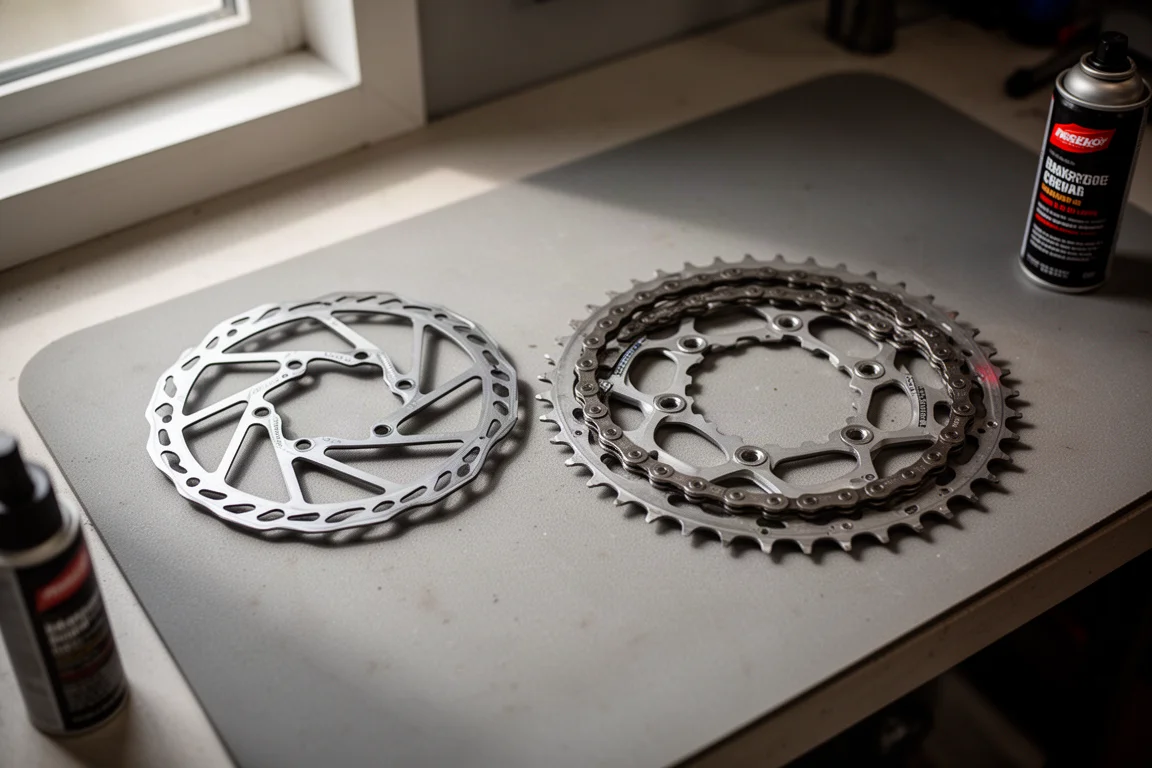
Brakes and gearing come after that. Bigger rotors and fresh fluid cost far less than a new groupset, and they pay off in confidence and control. Larger chainrings are worth considering only if you rarely need your easiest gears and your knees tolerate the extra load. Finally, if you want to chase a lower front end, change it gradually and give your body time to adapt, because a position you cannot hold comfortably is slower, not faster.
Conclusion
Pro equipment is not automatically right for everyone, but the reasoning behind it usually is. Wider tubeless tires, a genuinely clean drivetrain with a quality wax lubricant, larger rotors, and a front end you can actually hold all come from the same idea: remove resistance where you can, and only then chase the last few watts. Start with the tires and the chain, and the rest can follow.
Further reading
Related Reviews
Cycling Gear
8 Cycling Products Riders Keep Coming Back To
Eight cycling components and accessories with clear strengths, honest trade-offs and long-standing reputations among riders and mechanics.
Cycling Gear
Aero Helmets and Bottle Setups Tested: Six Options Ranked by Measured Watt Savings
Wind tunnel data on six aero helmets and bottle setups, with real watt savings, practical trade-offs, and guidance on what is worth buying first.
Cycling Gear
Aero Road Bikes and Fast Tires Worth Watching in 2026
Four aero road bikes and one fast road tire, with the real strengths, the open questions, and what to check before you buy.