Road Bikes
Tour de France Race Bikes Rated: Six Standout Pro Bikes Worth a Look
Six pro-level road race bikes seen up close at the Grand Depart, rated for looks, desirability, and value, from extreme aero front ends to bold team paint.
Introduction
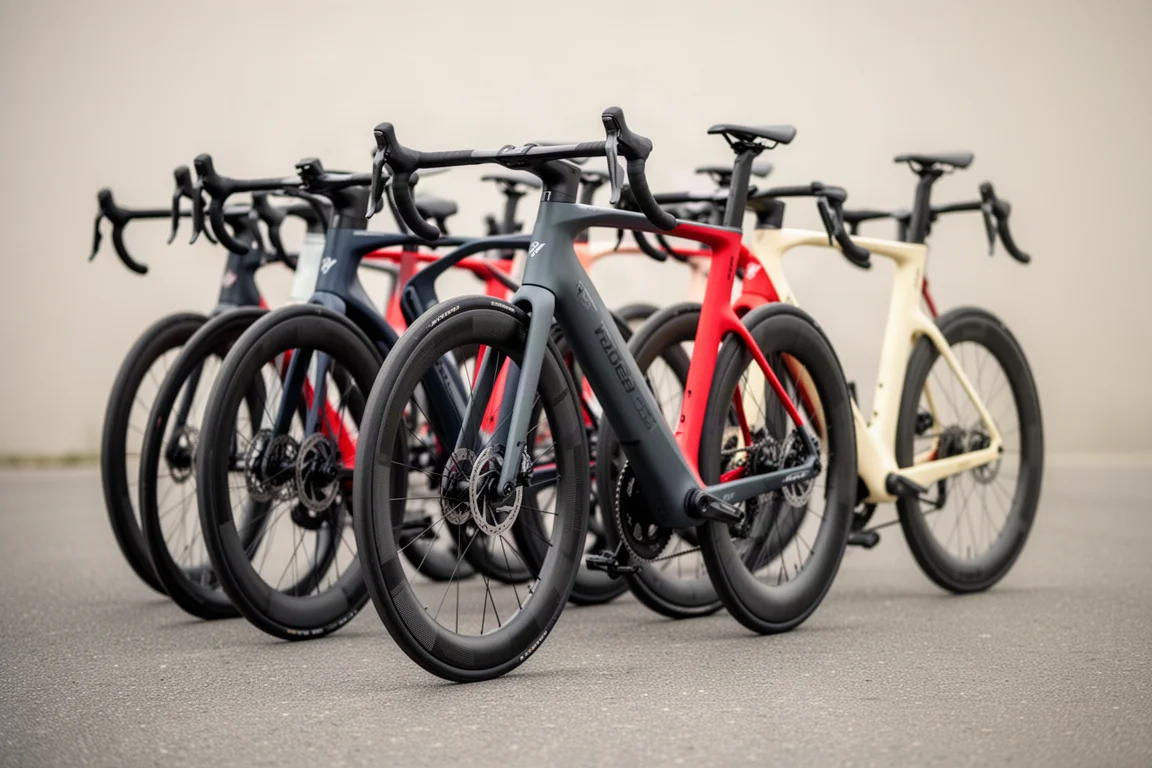
The Grand Depart in Lille put the fastest road race bikes in the world on display, and it settled an old argument in a useful way: aerodynamics alone does not decide whether a bike looks right. Some of the machines on show were genuinely beautiful. Others pushed aero design further than most riders will find appealing.
This roundup looks at six pro-level race bikes seen up close at the start of the Tour de France. Each one is rated out of 10 for how it looks and how desirable it feels in person, with notes on the design thinking behind it and what that means if you are considering a bike in this class for yourself.
What Stood Out at the Grand Depart
Two themes ran through the bikes on display. The first is paint. Team liveries have become the clearest way for a brand to signal personality, and the boldest finishes were the ones people stopped to photograph. The second is aero aggression: deeper head tubes, more sculpted front ends, and shapes that trade elegance for wind-tunnel numbers.
Paint is not only decoration. One world champion rainbow-stripe livery landed mid-table in this roundup, stylish and not too loud, though arguably less expressive than the racing it celebrates. The single boldest finish at the Grand Depart came from a team whose energy drink branding wrapped around the head tube, paired with strong colours and sharp details. Not every brand was willing to go that far.
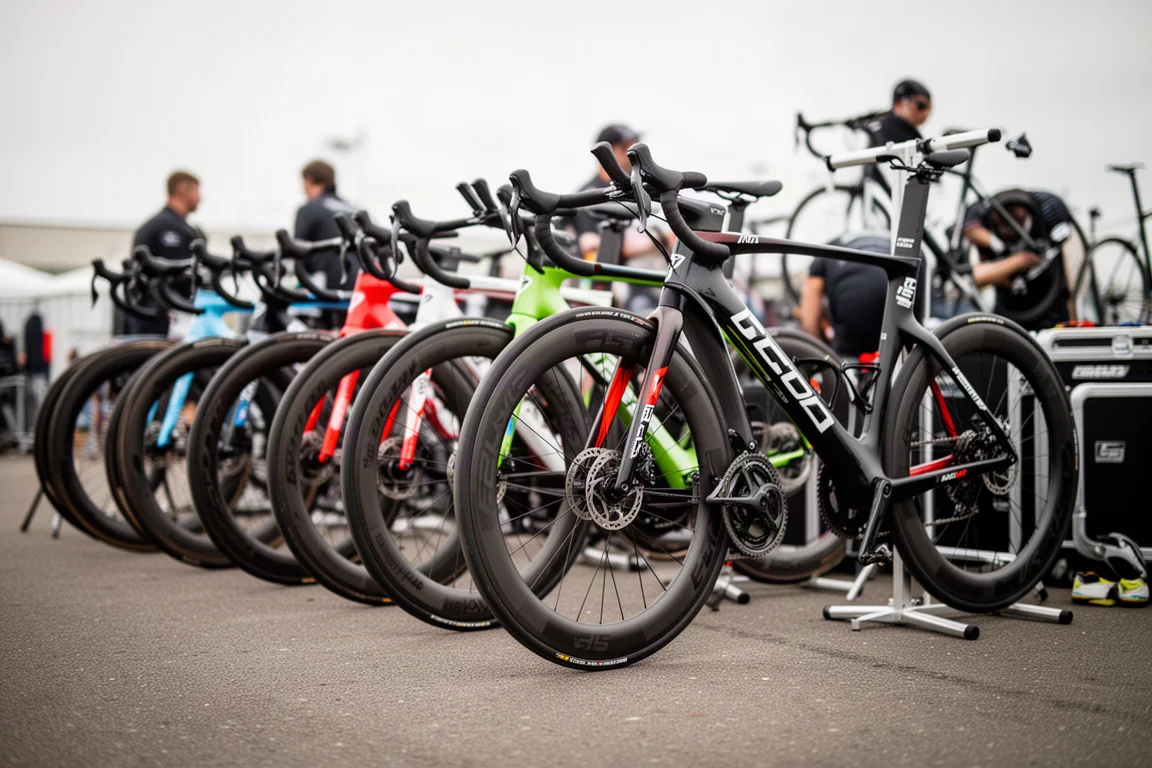
The contrast is worth keeping in mind. A bike can be fast and still look like a compromise, and a bike can be striking without any aero trickery at all. The six bikes below sit at different points on that scale.
Ridley Noah Fast: Aero Pushed to the Limit
The Noah Fast is the most divisive bike in this roundup, and it lands at 4 out of 10 for looks. The front end is the reason. A very deep head tube makes sense for aerodynamics, but the stepped, curved stem that sits on top of it takes the design somewhere else entirely. Team riders had a choice of two stems, and the more extreme option gives the bike its unmistakable silhouette.
Fit is genuinely more important than appearance, and a stem shaped like this exists to give riders the right stack and reach. The trade-off is that the bike loses the proportions most people associate with a road race bike. Ridley has a strong record in this area: the original Noah was ahead of its time and remains a good-looking, good-riding benchmark. That history makes the current front end harder to accept rather than easier.
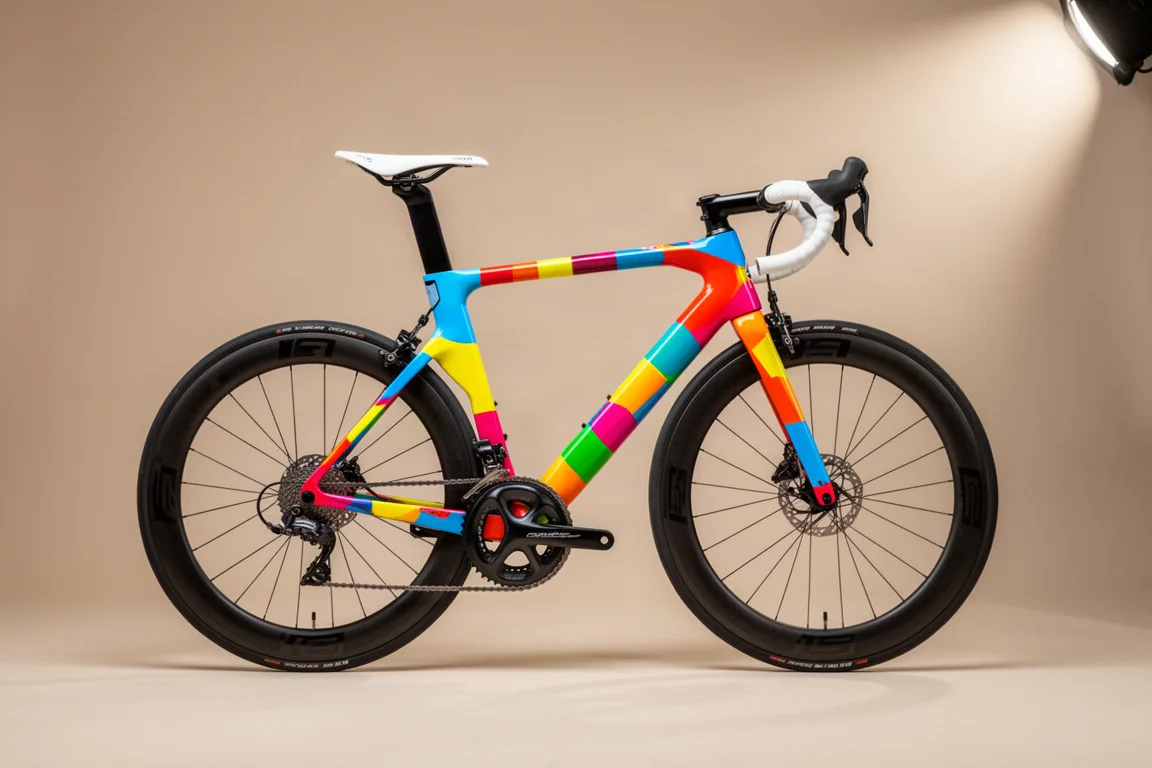
Trek Madone SLR: The Best-Looking Bike of the Race
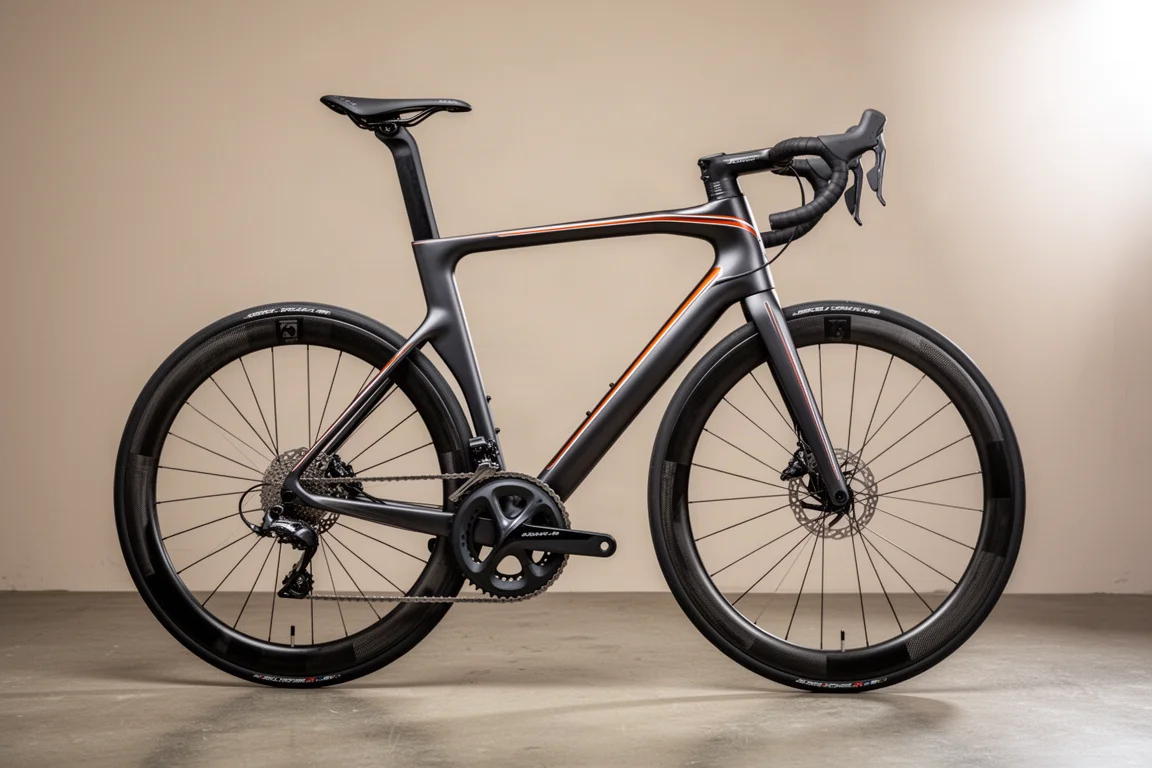
If one bike carried the design conversation at the Grand Depart, it was the Trek Madone SLR. Now in its second generation, it has grown on people over time. The opening in the seat tube is no longer as divisive as it was at launch, and it gives the frame a distinctive silhouette rather than an awkward one. It scores 8 out of 10 here.
The team’s Tour livery is the real story. It is designed to read like a painting rather than a graphic scheme, and it succeeds. Pro bike paint is usually conservative, and this finish deliberately ignores that convention. It is a bold look, and one many riders would happily have on their own bike.
The finish is available through Trek’s Project One custom programme, which adds significantly to the price of a Madone. That is the honest trade-off: a polarising bike made more polarising, and more expensive, by paint.
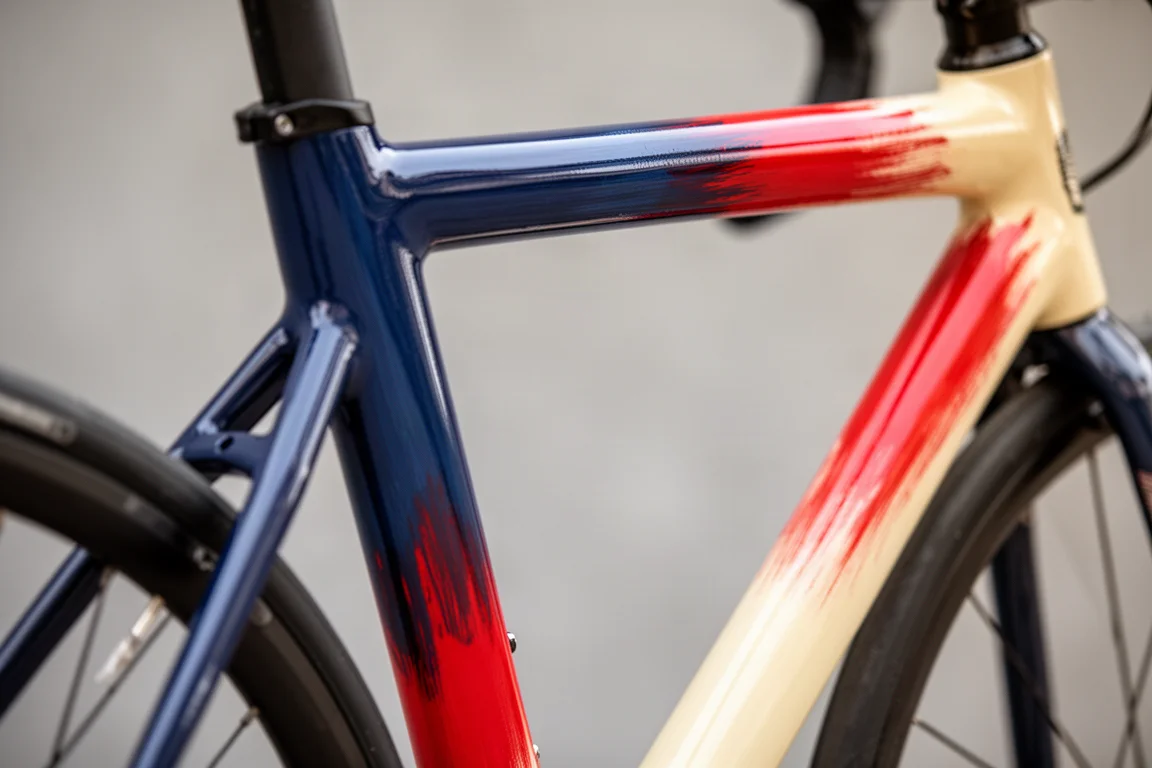
Even without the livery, the Madone SLR is a striking machine, and the paint simply amplifies what the frame already does well.
Merida Reacto: Strong Value, Reserved Looks
Merida builds excellent bikes, and the Reacto is a good example. It delivers strong performance, thoughtful design, and ride quality that stands up against far more expensive rivals, with value that sits alongside the brands best known for keen pricing. In the UK and Europe it is one of the smarter ways onto a fast aero race bike. It is not sold in the US.
The problem at the Grand Depart was presence. The team bikes were among the most reserved and understated machines in the paddock, and that does the brand no favours when desirability is part of the purchase. A new Reacto appears to be in development, which suggests Merida knows there is a gap to close.
Functional, dependable, and easy to recommend on performance. Just not the bike that turns heads, which is why it lands at 6 out of 10.
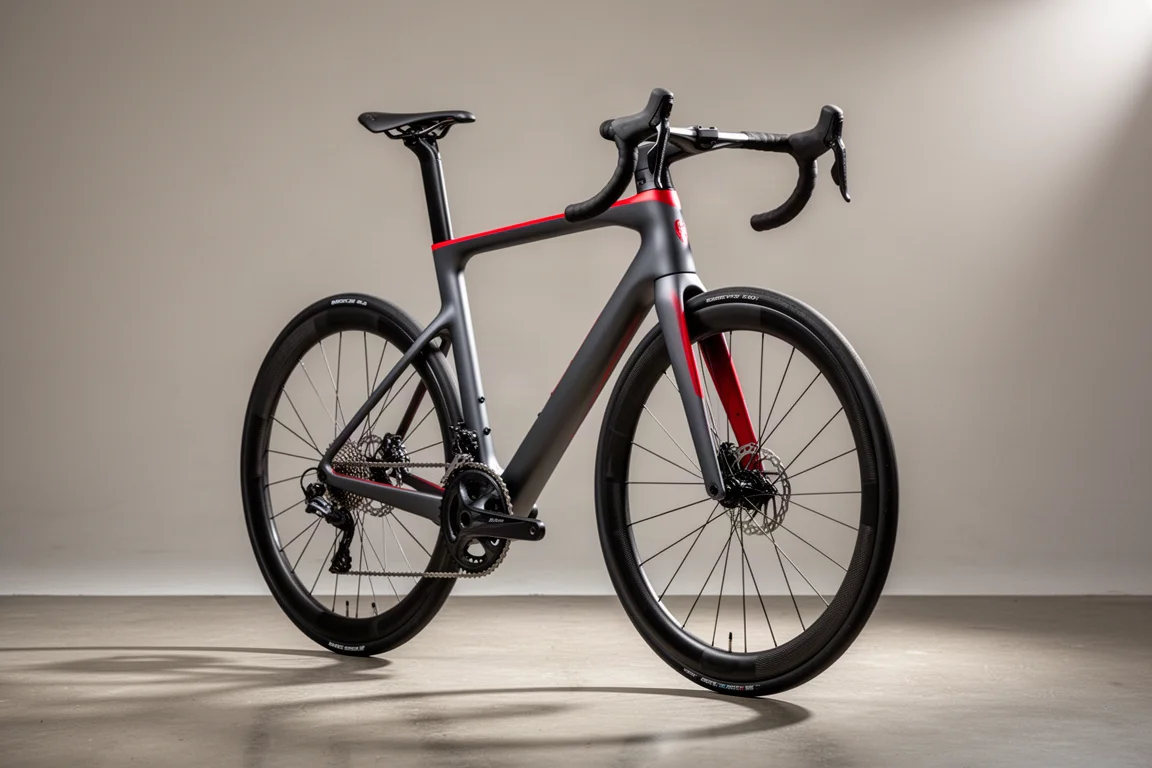
Specialized Tarmac SL8: Technically Brilliant, Visually Understated
The Tarmac SL8 is one of the most accomplished race bikes in the peloton, and the black finish on the team bike exists for a practical reason. A thin layer of black paint over carbon is the lightest approach short of leaving the frame bare, and in the mountains that weight saving is real performance. It scores 6 out of 10 for appearance.
It also makes for a dull bike to look at. The all-black, stealth treatment has been with us for years now, and the Tarmac SL8 does not do much to move past it. More flamboyant paint options exist elsewhere in the range, including finishes that celebrate major wins, but those add weight. There is a genuine engineering argument for black, and a genuine aesthetic cost.
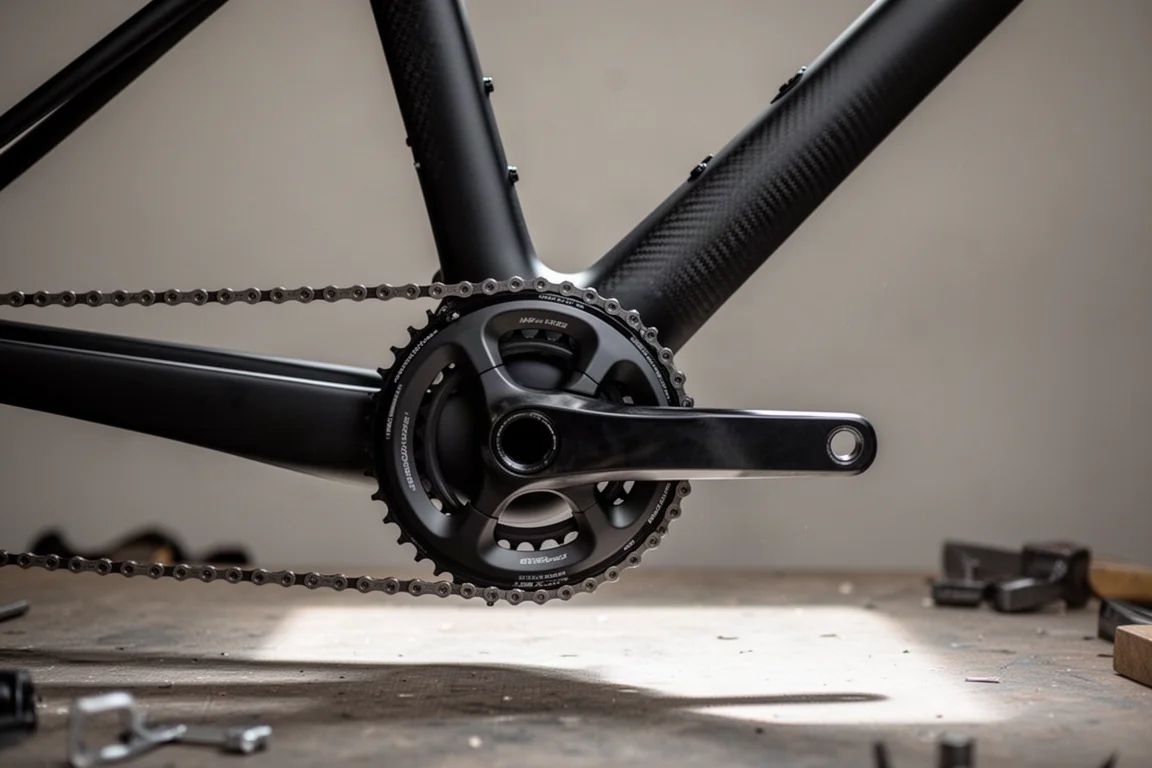
The raw carbon chainrings on the bike are a nice lightweight detail, though they read more like a nod to the 1990s than a step into the next generation. Technically brilliant, visually underwhelming.
Giant Propel and Giant TCR: Bold Paint, Serious Value
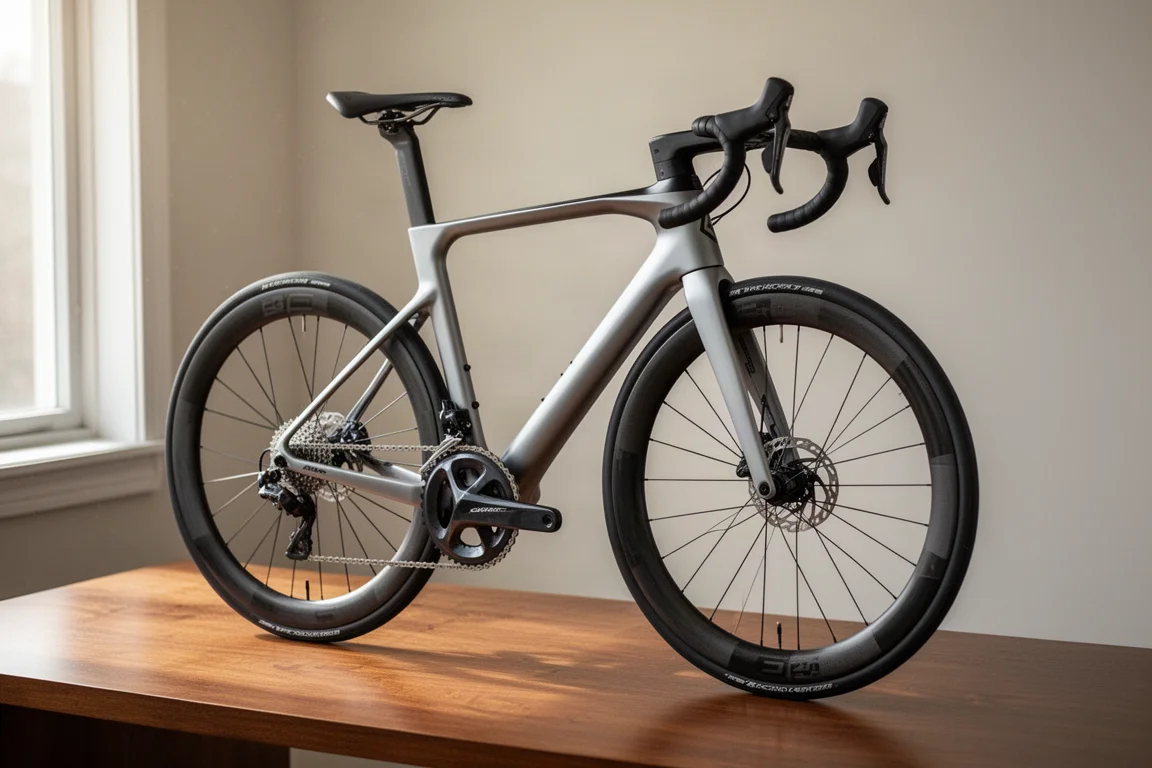
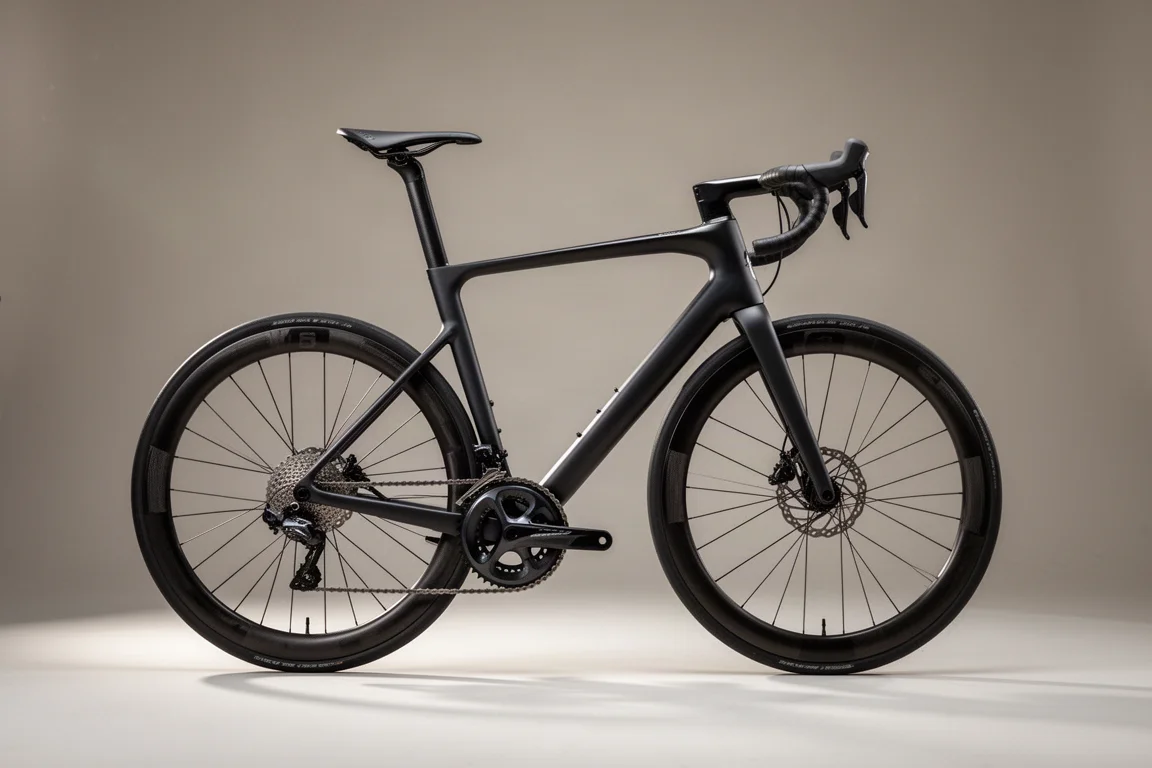
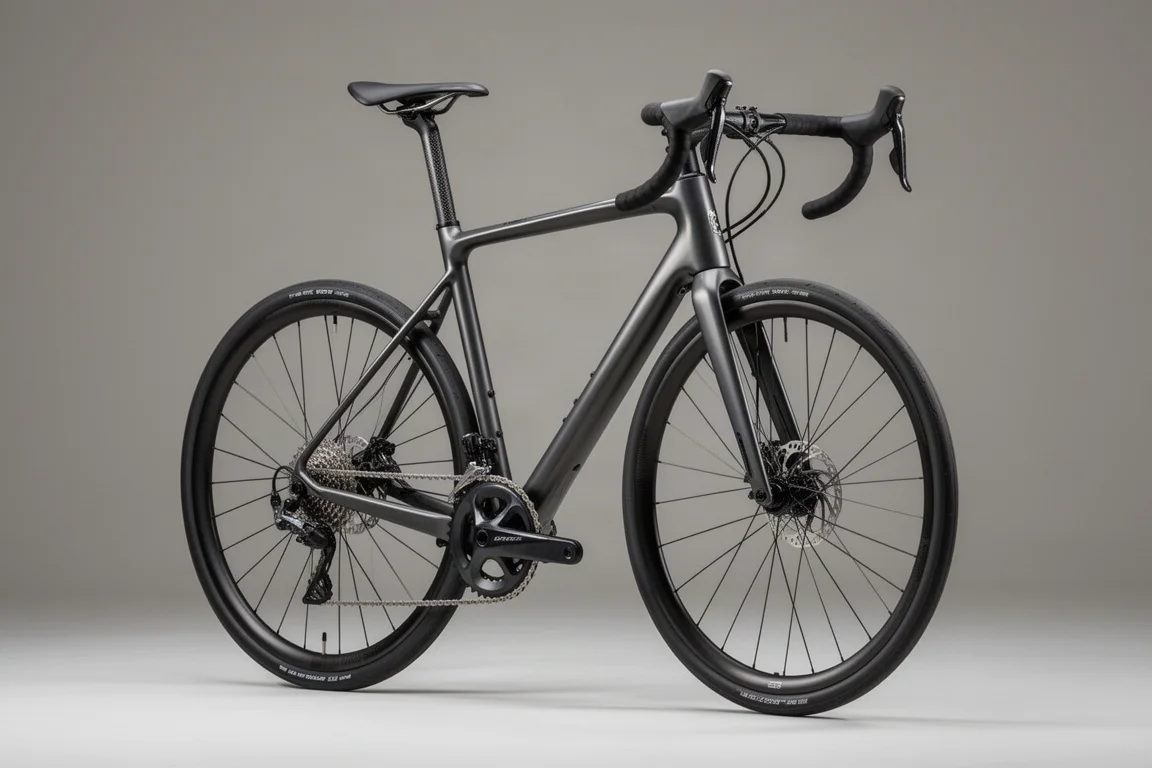
Giant has long been labelled the sensible choice rather than the desirable one, and that reputation is unfair on the bikes themselves. Performance, stiffness, handling, and value for money are all excellent. What has changed is the presentation. The team is making a much better job of standing out, and the stock team bikes look fantastic, with fades running across both the Propel and the TCR. Together they earn 9 out of 10.
Giant Propel
The Propel is the aero side of that pairing, and the team fade finish suits its deeper tube shapes. Giant is being playful and bright with colour here, and the result is a bike that looks fast and looks good doing it. One team bike in particular stood out as the best-looking machine in the squad, and possibly in the entire peloton.
Giant TCR
The TCR is the lighter, more traditional all-rounder, and the team version carries the same confident approach to colour. It combines strong all-round performance with a finish most riders would be pleased to own, at a price that undercuts the premium names in this roundup.
How to Choose Between These Race Bikes
Start with fit, because it decides how the bike actually feels. The extreme front ends on some aero race bikes exist to put riders in a fast position, and a bike that fits you well will always beat a bike that simply photographs better.
Then decide how much appearance matters to you, honestly. It is a legitimate part of the decision. Paint weight is real: a thin black finish is the lightest option, while the boldest liveries add grams. Custom programmes such as Trek’s Project One push the price up further. Value-focused brands including Giant and Merida keep costs lower, though Merida is not available in the US.
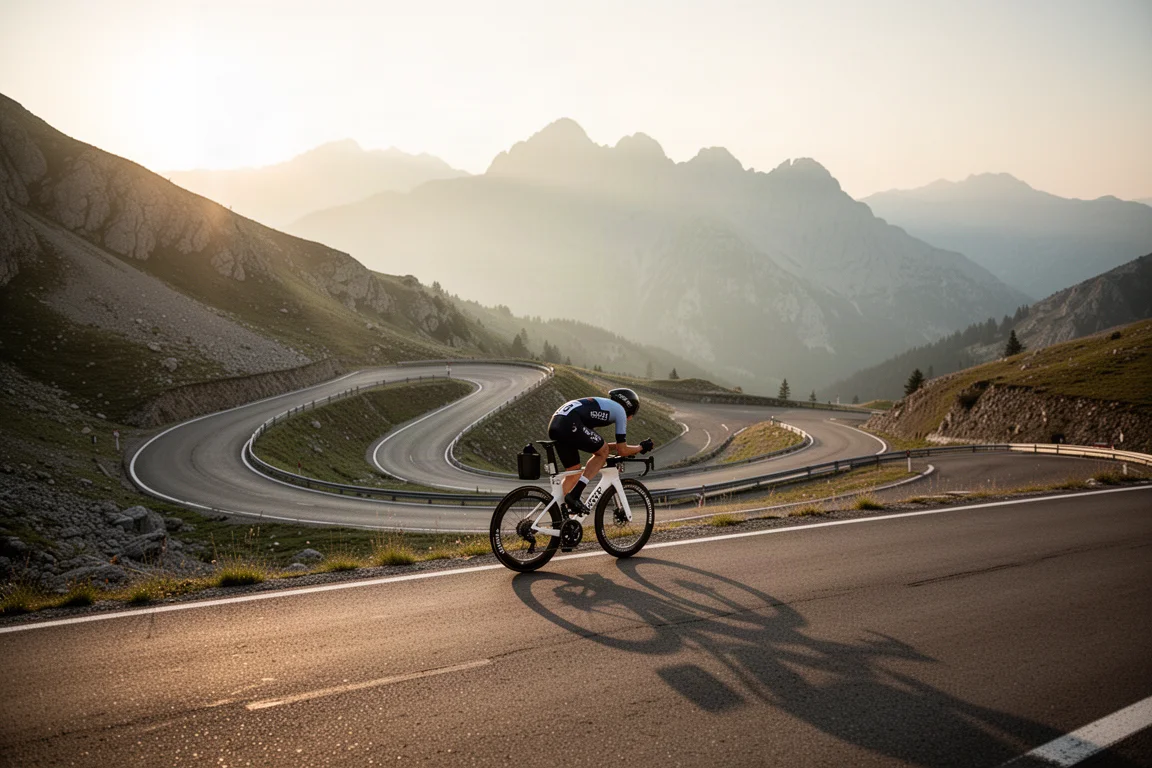
Availability and support matter too. If you want a bike that stands out, the team liveries on the Trek Madone SLR and on the Giant Propel and TCR are the clearest examples of brands using paint as a feature rather than an afterthought. If you want the most performance for your money, the Merida Reacto and the Giant range are the pragmatic answers.
One broader question is worth raising. Pro aero development has moved so far that some designs no longer look like road bikes to most riders. A separate rulebook for the fastest race machines, in the way Formula 1 works, would let consumer bikes stay desirable while prototype aero bikes chase pure speed.
Conclusion
The Grand Depart showed that modern race bikes are not getting ugly so much as becoming more specialised. The Ridley Noah Fast takes aero to a point where looks suffer. The Trek Madone SLR proves that bold paint can make a fast bike genuinely desirable. The Specialized Tarmac SL8 shows what happens when performance wins every argument. The Merida Reacto, the Giant Propel, and the Giant TCR show that value and character are not mutually exclusive.
For most riders, the practical answer is to pick the bike that fits, performs, and still looks right in the hallway. On that last point, the Giant pair and the Madone SLR make the strongest case.
Further reading
Related Reviews

Road Bikes
10 New Road Bikes Worth Watching: Aero, Titanium, Steel and Endurance Standouts
A practical roundup of 10 new road bikes, from aero flagships chasing single-watt gains to titanium, steel and endurance platforms built for real roads.
Road Bikes
2026 Tour de France Road Bikes: Six Race Machines Worth a Closer Look
Six race bikes from the 2026 Tour de France grid, reviewed for paint, silhouette, wheels and the specification details that matter to buyers.
Road Bikes
3T Strada Italia Review: A Radical Aero Road Bike That Rides Smooth
A made in Italy carbon aero road bike with a deep head tube, wide tire clearance and a genuinely comfortable ride. Here is what to know before buying.