Cycling
Tour de France Race Bikes Ranked: The WorldTour Aero Bikes Compared
Every aero race bike on the Tour de France start list, scored and compared, from the Cannondale SuperSix Evo and Trek Madone to the Colnago Y1RS, Look 795 Blade RS and Ridley Noah Fast.
Introduction
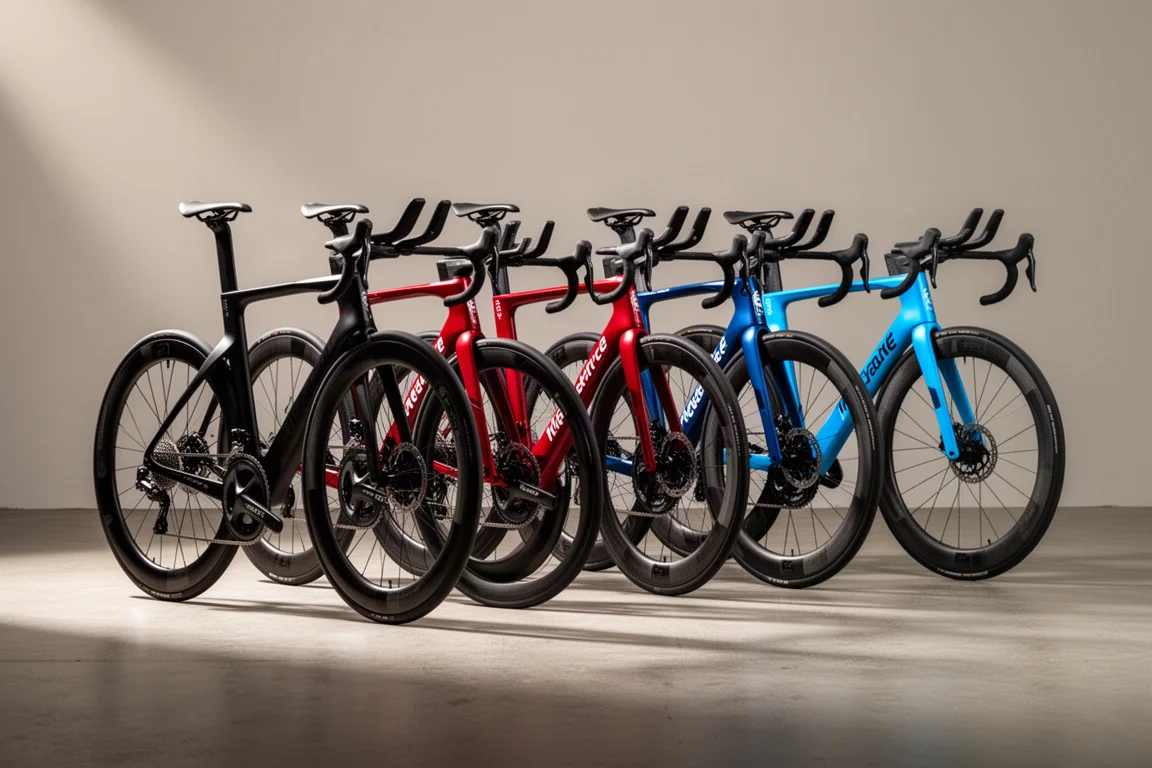
The Tour de France is the harshest test bed in road cycling, and the machines that survive three weeks of it are the ones most riders end up wanting. This season’s start list is dominated by aero framesets: deep tubes, wide fork legs, one-piece cockpits and wheelsets that can cost more than a complete mid-range bike.
We worked through every team bike on the grid and scored each one out of 10. The scores reflect the whole package as it arrives in team colours, covering frame shape, paint and graphics, the components bolted to it, and what a private buyer actually gets for the money. A few of these bikes are genuinely beautiful. Several are deliberately strange. One costs $14,666.
It helps to remember one thing as you read: the oddest shapes on this list are usually the fastest ones. Aero tubing is not designed to win beauty contests, and the bikes that look the most conventional are often the ones giving away watts.
What We Looked At
Five things shaped the scores.
- Frame and finish. Tube profiles, fork width, and how the front end comes together as a package.
- Paint and graphics. Solid colour or fade, logo size and placement, and how the branding sits on the frame.
- Component choices. Wheels, tyres, saddles, pedals and cockpits, plus whether a team runs in-house parts or a third-party groupset.
- Value. What a similar build costs a private buyer, where that information is available.
- Character. Whether the bike has an identity of its own or blends into a row of near-identical aero frames.
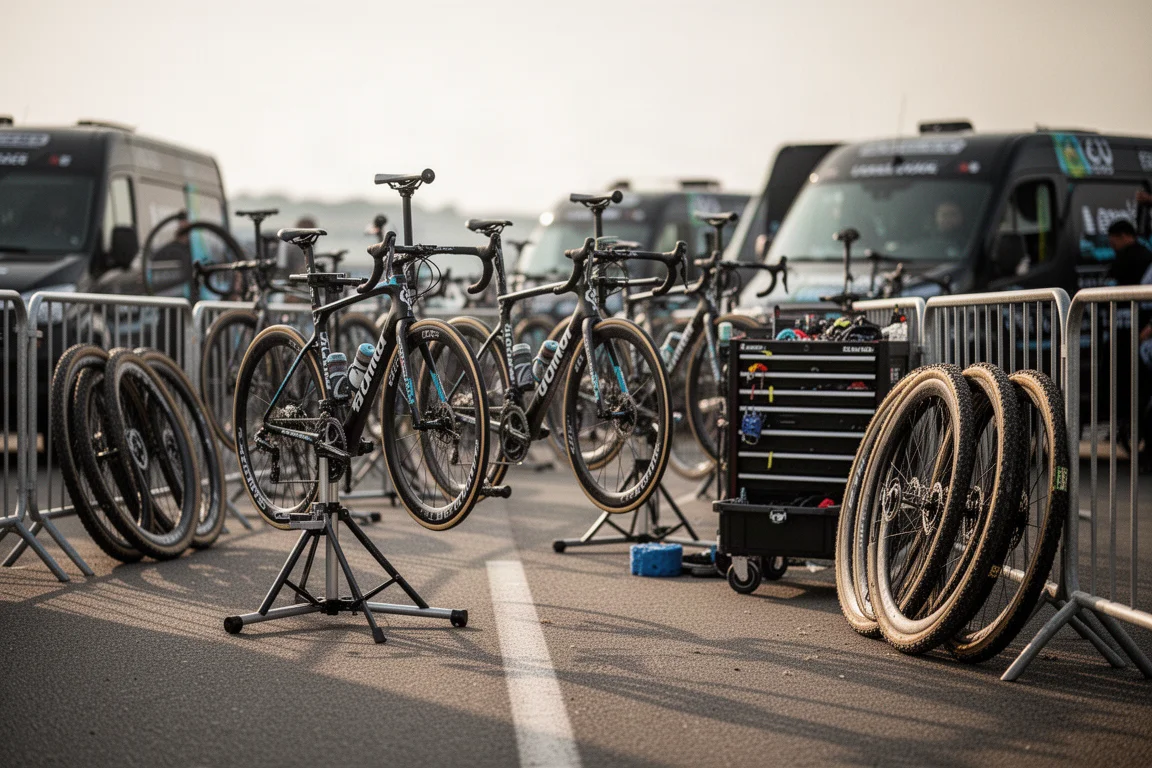
Aero race bikes are not built to be traditionally handsome. Fat tubes, deep rims and oversized head tubes are functional decisions, and plenty of riders still prefer the round-tubed frames that came before them. That tension runs through the whole ranking below, and it explains why some very fast bikes score badly here and some slower-looking ones score well.
The Top Scorers
Look 795 Blade RS
Score: 8.8/10
The Look 795 Blade RS is the only Campagnolo-equipped machine in the race, and that alone earns it points for standing apart from the SRAM and Shimano crowd. The team has returned to the race after a few years away, and the frame carries an artist-inspired paint scheme, though there is far more black in it than in the wilder schemes the brand has used before. The Campagnolo Bora wheels have a distinctive spoke pattern that reads as genuinely unusual next to everything else on the grid. Twelve of these bikes were stolen at one point and every one of them was recovered by police, some found in a forest and others intercepted at a border.
Cannondale SuperSix Evo Lab 71
Score: 8.7/10
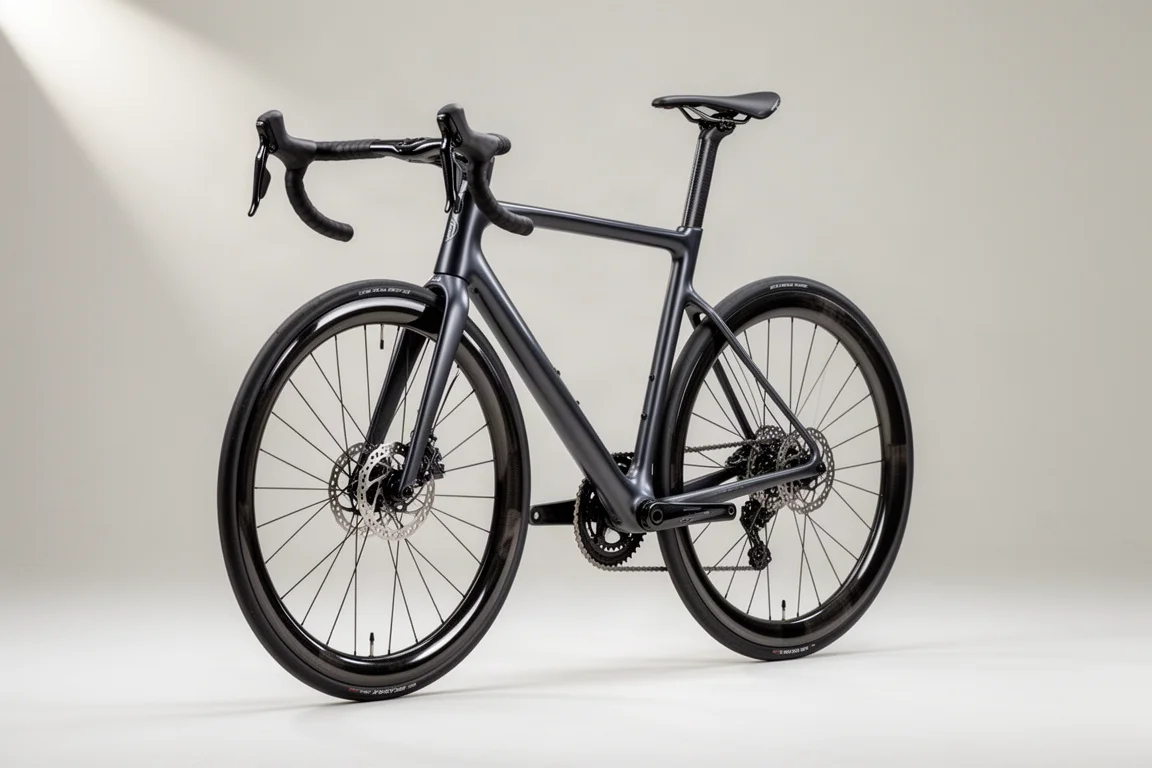
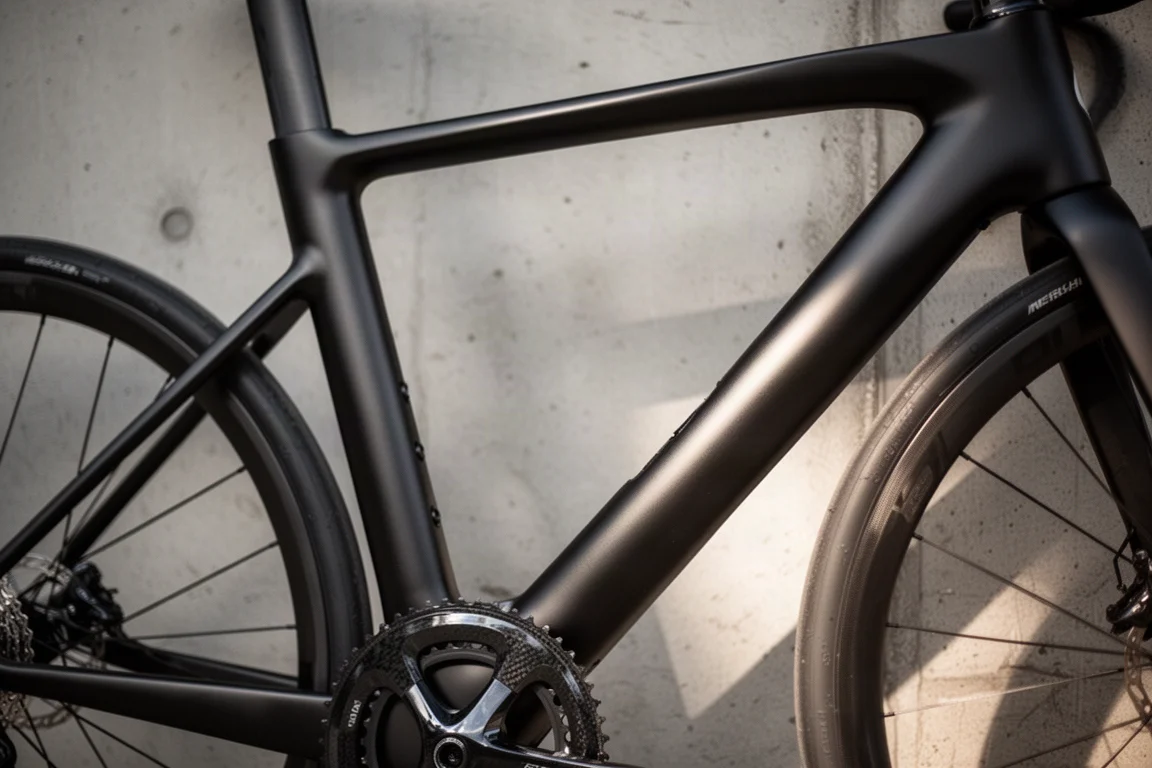
Lab 71 denotes the top tier of carbon in Cannondale’s range, and this is the bike EF Education-EasyPost races. It is a sleek, tightly resolved design where the black sections of the frame blend into the background, making the whole bike look lower and faster than it probably is. The branding is restrained and classic rather than shouty, the pink bottles add a welcome splash, and the tan-wall tyres soften an otherwise very dark machine. The team has taken stage wins on this platform, which does the bike no harm at all.
Trek Madone
Score: 8.3/10
Lidl-Trek’s aero bike carries an art-inspired paint job that sets it apart immediately, and the cut-out through the seat junction gives it a silhouette you will not mistake for anything else. It is one of the most distinctive shapes on the start list, and the opinion here is that the unusual geometry is a feature rather than a flaw, because the airflow work behind it is real. Bontrager supplies the wheels and saddle, and the all-black wheels and tyres keep the whole package looking purposeful.
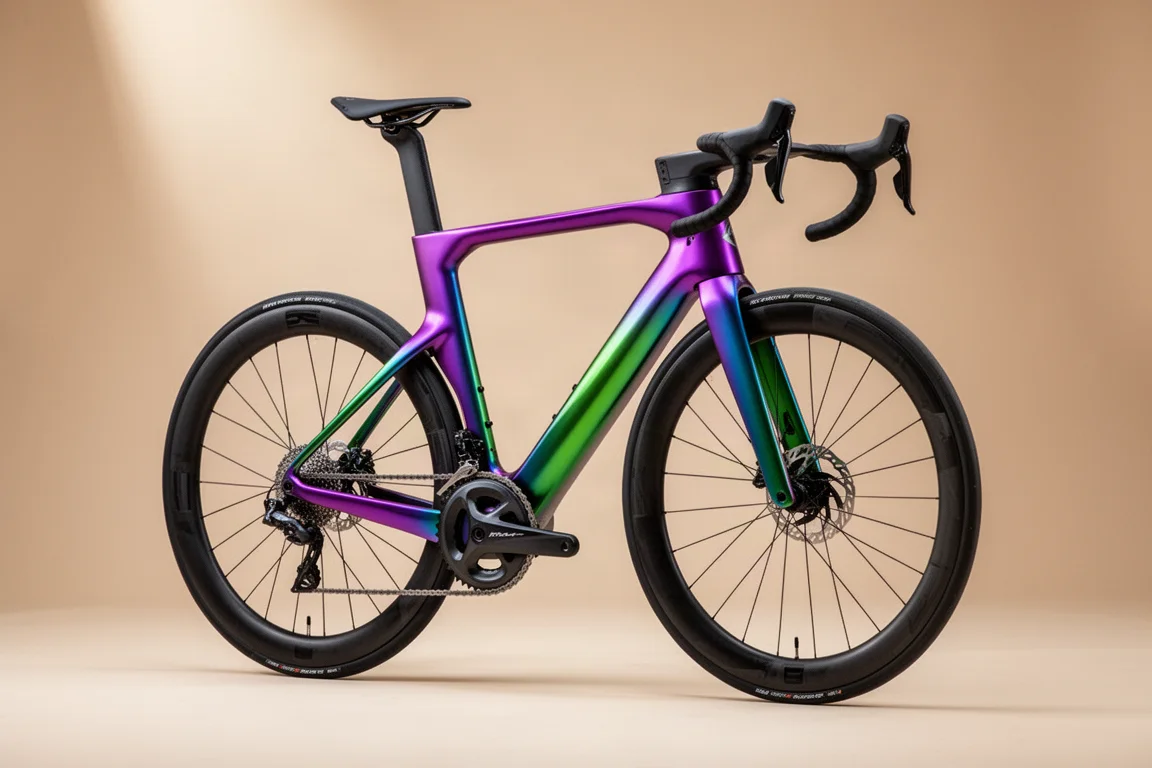
Specialized S-Works Tarmac SL8 (Soudal Quick-Step)
Score: 8.1/10
Teal with a soft pink cast in the fork is a strong combination, and it is the finish that lifts this build. Almost everything on the bike comes from the same house: the Turbo Cotton tyres, the Roval wheels, the shoes, the bar, stem, seatpost and saddle are all Specialized. That level of vertical integration makes for a very cohesive machine, and the tan-wall tyres tie the colour scheme together rather than fighting it.
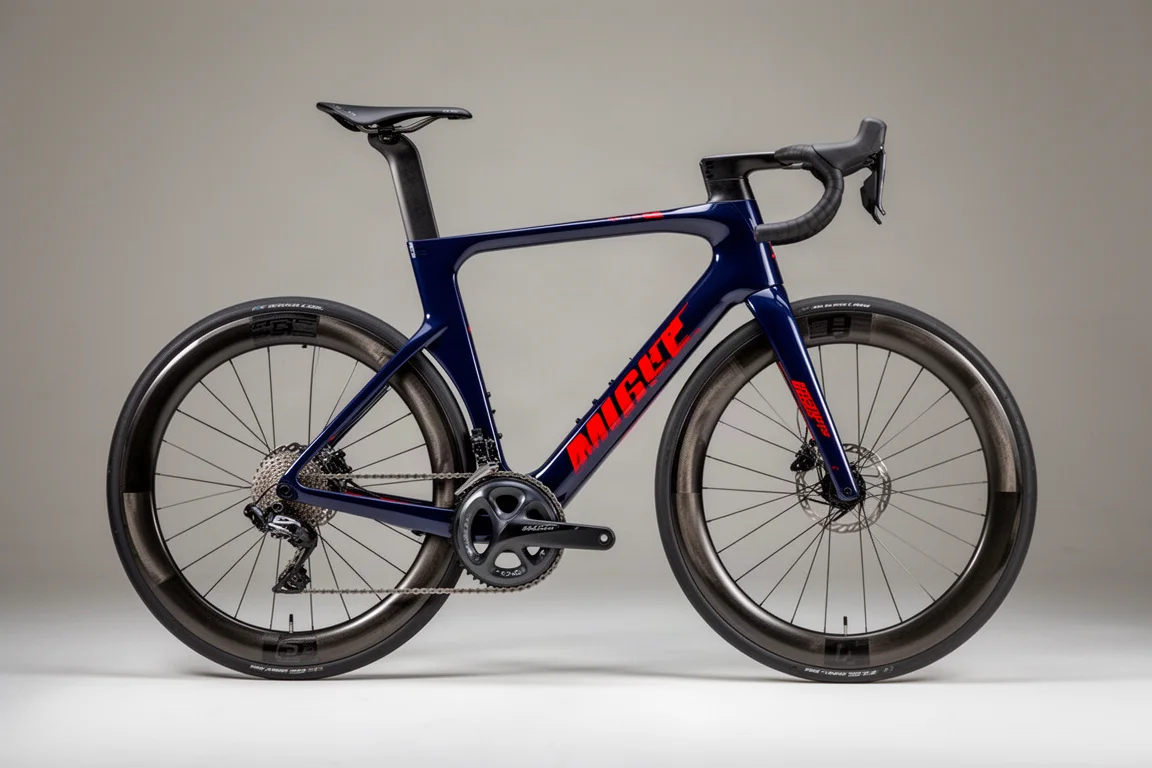
Cube Litening Aero C:68X
Score: 8.1/10
At around $8,000 this is one of the more accessible builds on the grid, and it looks considerably more expensive than it is. The chrome-effect deep-section wheels are the highlight, reflecting light in a way that carbon usually does not. The frame runs a fade from colour into black, a technique that is not the most costly way to paint a bike but still reads as premium. Fades like this appear on a lot of bikes for exactly that reason, and this is one of the better executions.
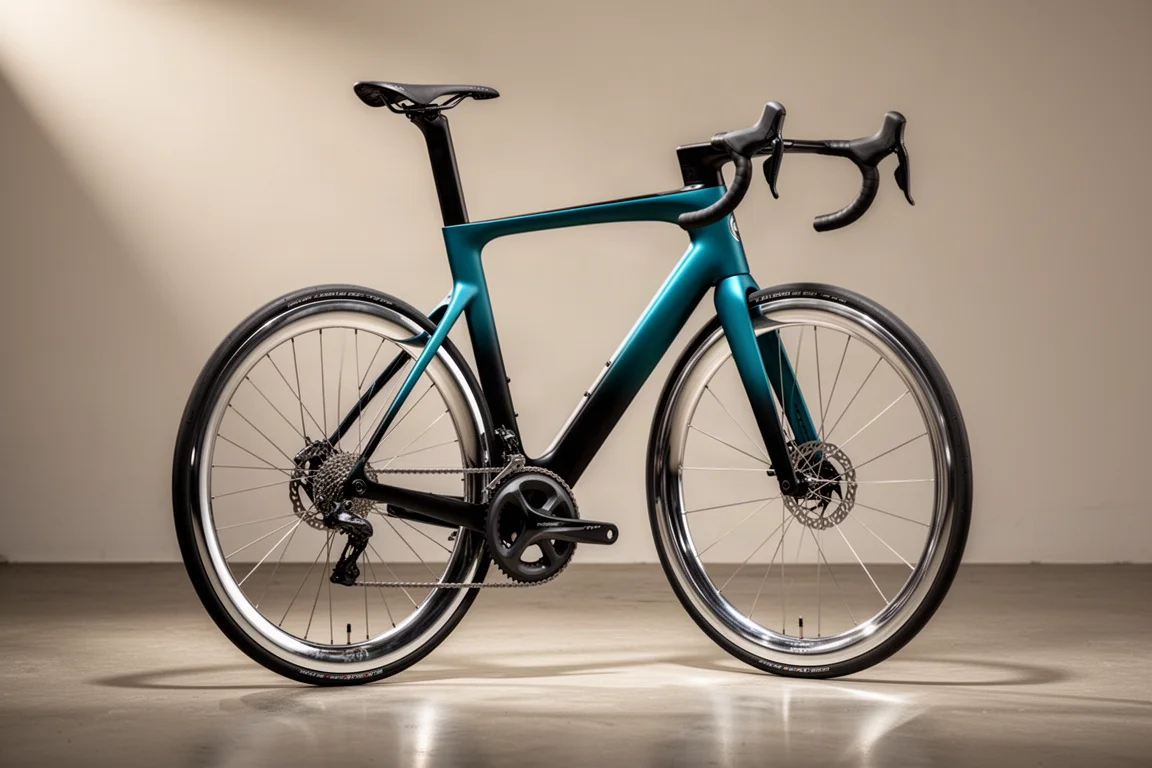
Bianchi Oltre RC
Score: 8.0/10
Bianchi is the oldest bike brand still trading, and its celeste finish remains the most recognisable colour in the sport. The origins of that shade are genuinely disputed: it may come from military paint mixed with white, from the sky above Milan, or from the eye colour of Queen Margherita. The exact tone has shifted over the years depending on what was available, which is part of its charm. The front end of the Oltre RC caused a stir when it launched, and it still looks unusual, but the non-black bar tape and tan-wall tyres make the whole bike feel considered rather than corporate.
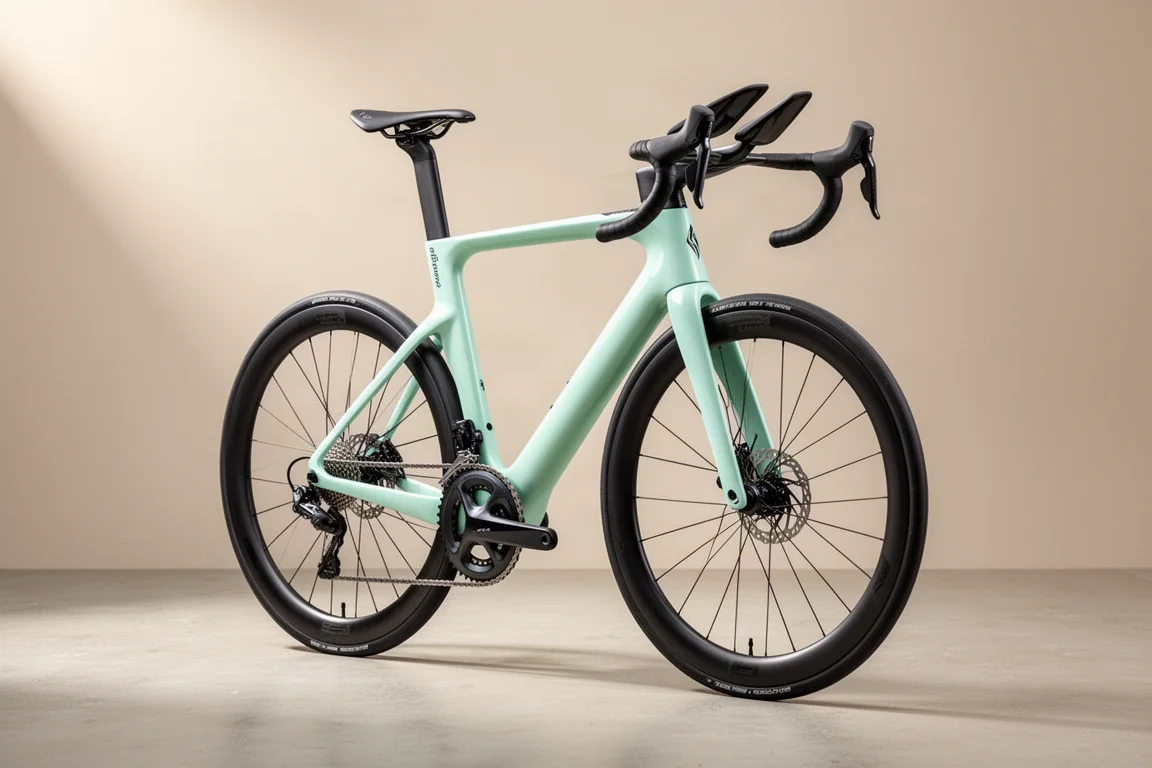
Specialized S-Works Tarmac SL8 (Red Bull-Bora-Hansgrohe)
Score: 8.0/10
This is the same SL8 frame as the Soudal build, finished in different colours and with a different wheel and tyre package. The wheels here are the better of the two, and the colourway is bolder, though the large energy drink branding splits opinion sharply. If the sponsor graphics were removed, this would likely rank higher than its stablemate; as it stands, the frame itself is not the issue.
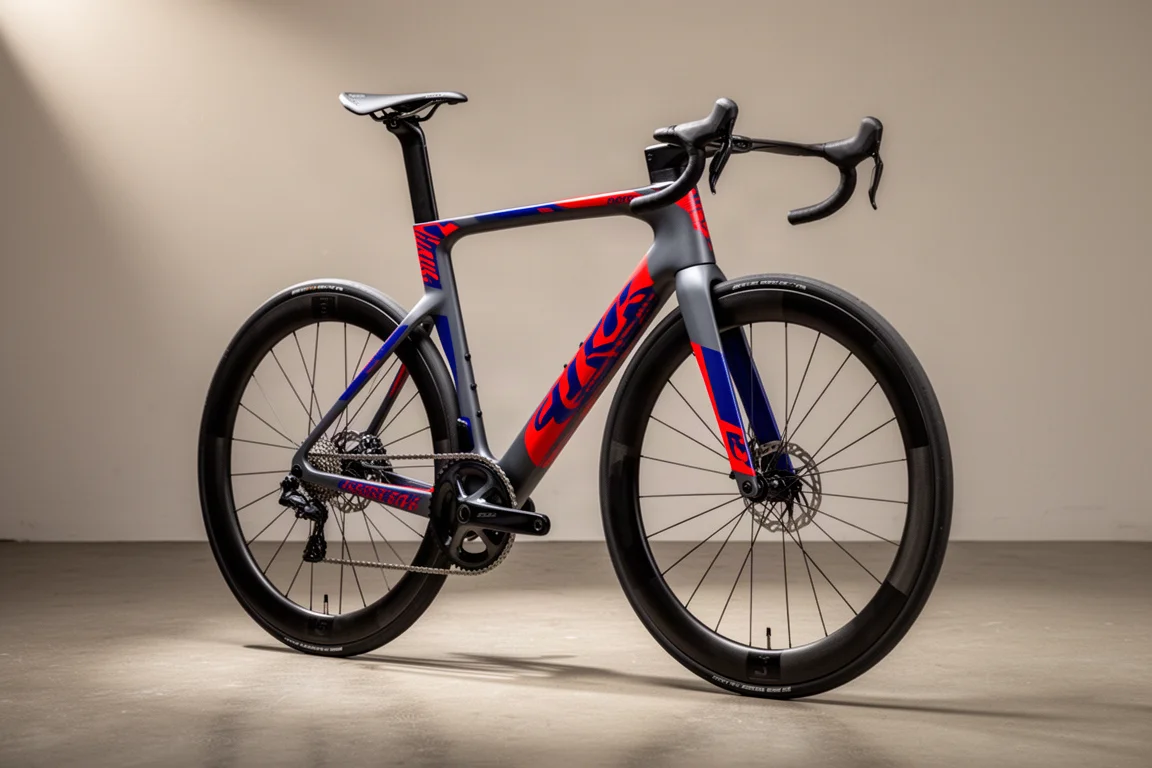
Factor Ostro VAM
Score: 8.0/10
Factor builds the wheels for this one too, and the paint is the standout: a soft rose-and-water marbled pattern that looks closer to a textile print than a bicycle finish. The seatpost is extraordinarily thin in the name of aerodynamics, and the logo is rendered in a chrome treatment rather than plain black or white. It is a bike that rewards a second look, and the big bladed spokes on the wheels suit the frame better than expected.
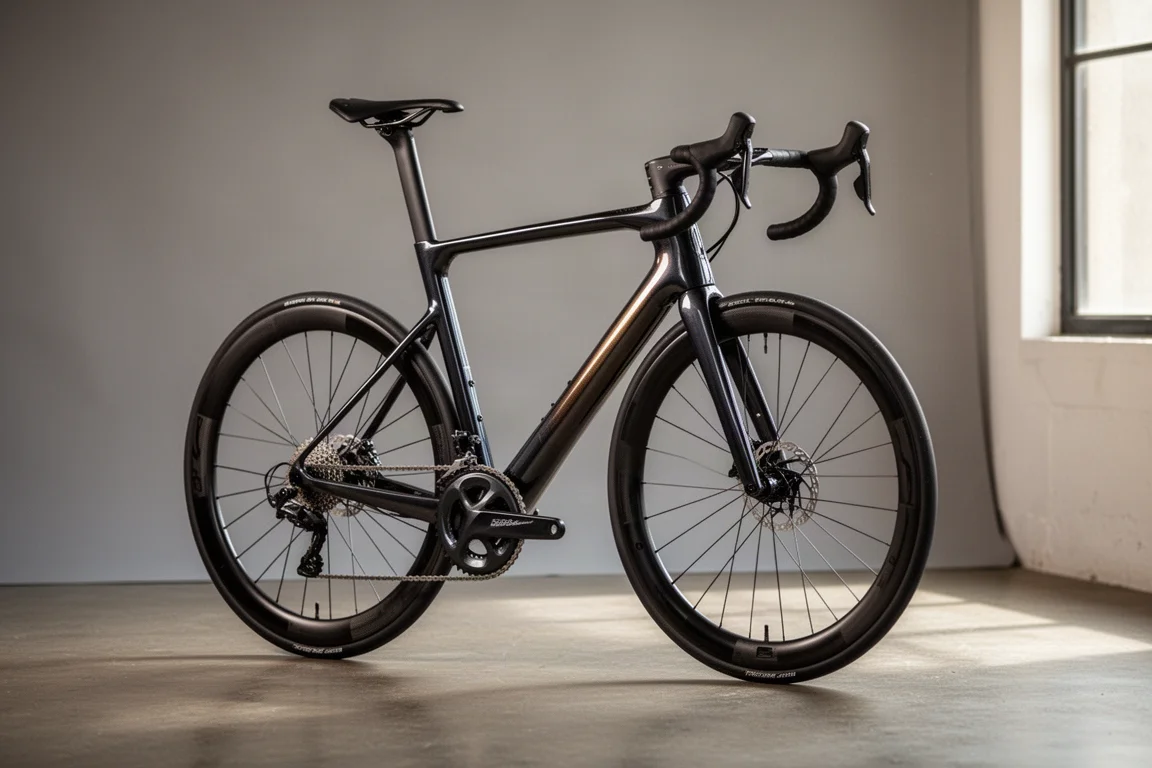
Strong Contenders
Giant Propel
Score: 7.9/10
Giant is the largest bike company in the world, and its team kit is one of the best-looking in the peloton. The Propel runs a purple finish that fades into grey, with Cadex wheels to match. The purple is genuinely good, and the only real complaint is that the fade dilutes it. If the frame were a single solid shade of purple, this would be a 9 out of 10 bike without much argument.
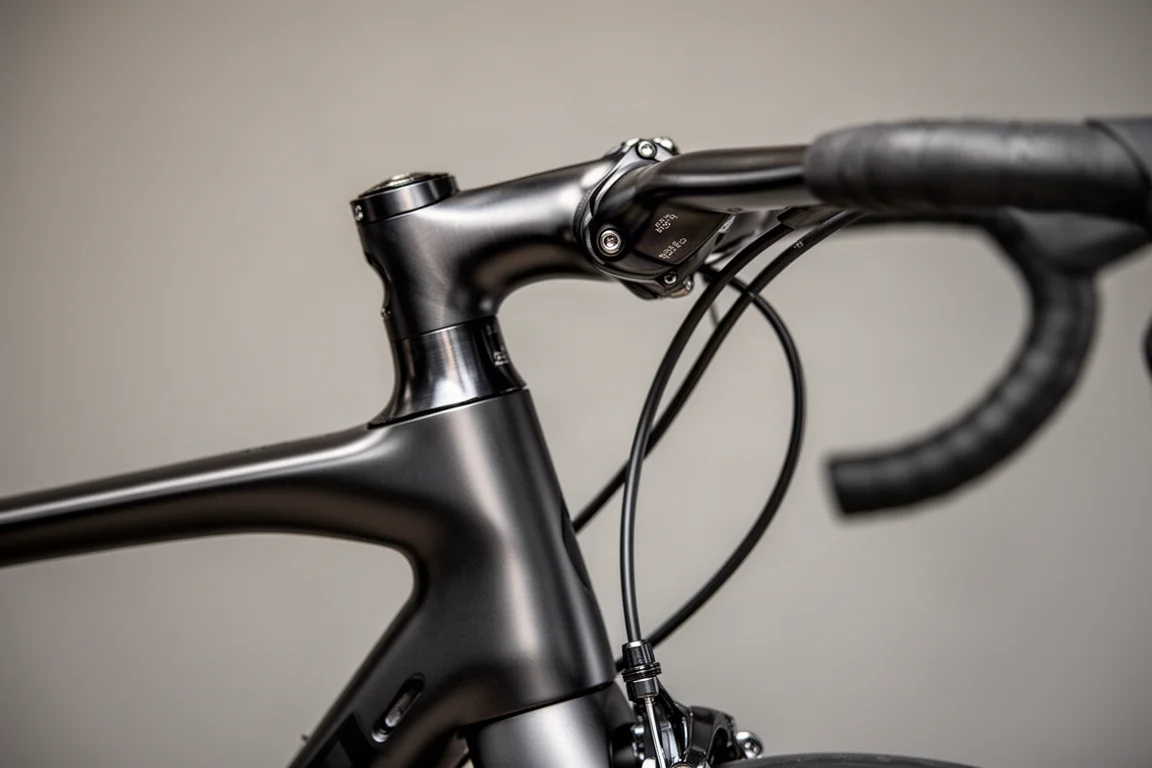
The Propel is a well-rounded aero platform rather than an extreme one, which is why it sits comfortably in this group. It does not chase the strangest shapes on the list, and for a lot of riders that is exactly the appeal.
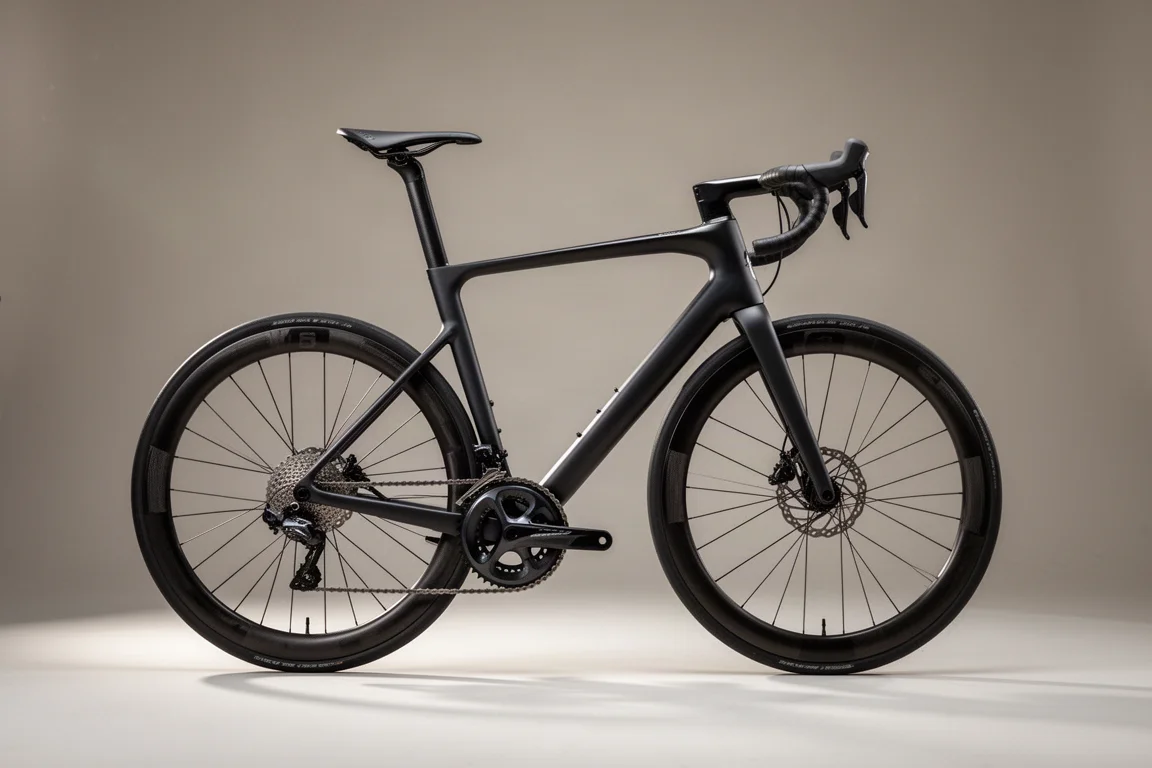
Van Rysel RCR-F
Score: 7.5/10
The Van Rysel RCR-F is a solid, nicely resolved aero bike, and the numbers behind it are the real story. Its wheelset costs around £1,300, while comparable WorldTour wheelsets that perform in a similar bracket can run to roughly £5,000. That gap is the most interesting value proposition on the entire list, and it makes the RCR-F worth a serious look for anyone shopping with their own money rather than a sponsor’s.
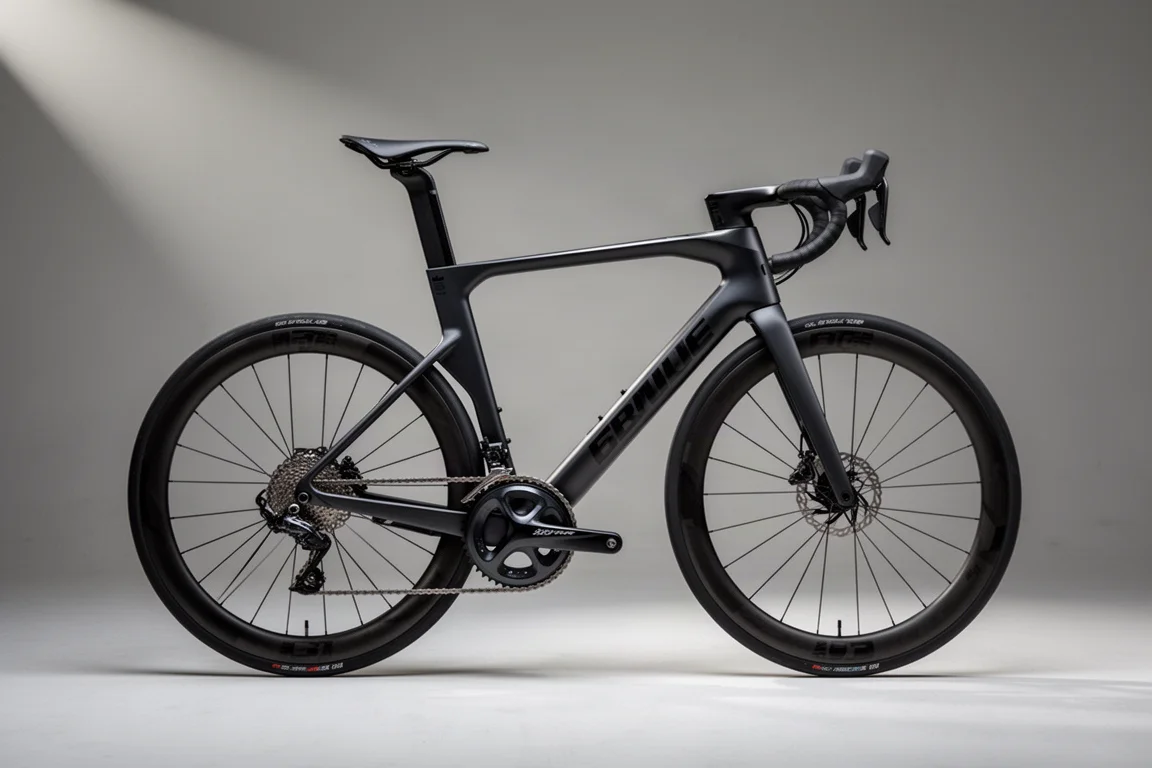
Enve Melee
Score: 7.2/10
Enve was a wheel manufacturer until a few years ago, when it started building frames, and its wheels are still made in the USA. The Melee carries a small turquoise detail near the bottom bracket that lifts an otherwise restrained design, and the branding is handled well. The weak point is the team sponsor graphics, which look stuck on as an afterthought. The handlebar also requires its bar top to be fitted backwards, which is a fiddly detail on an otherwise very likeable frame.
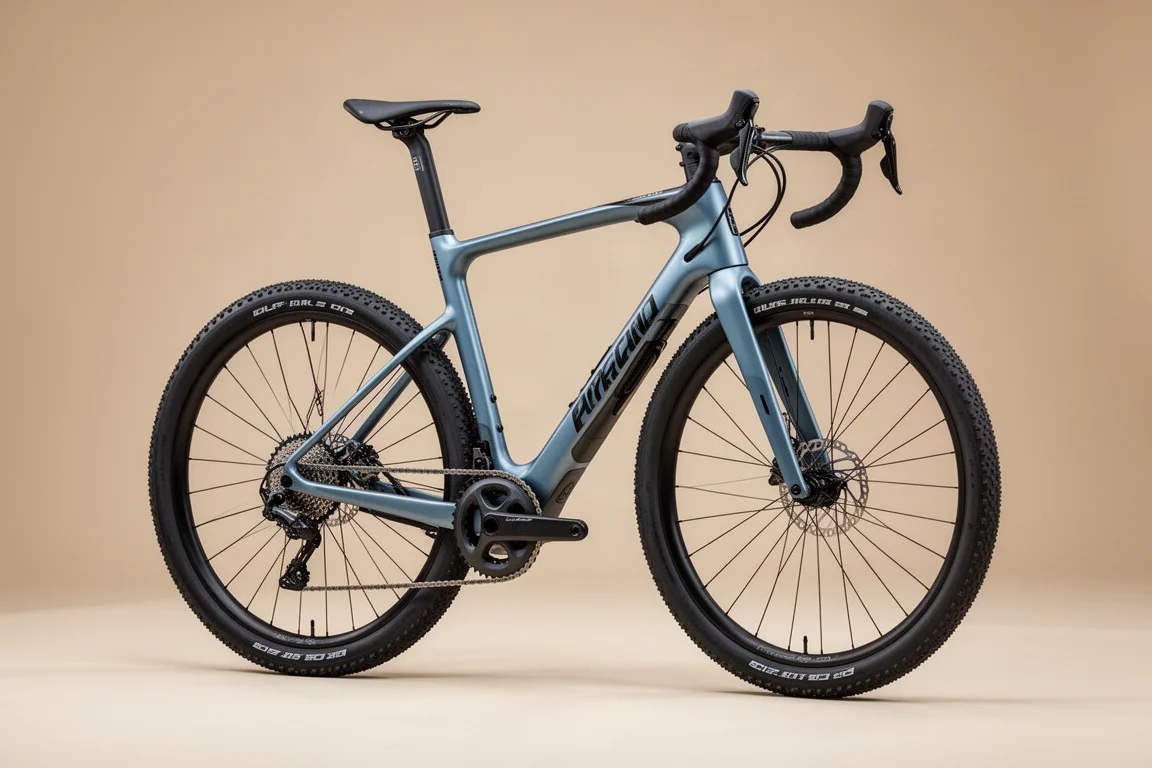
Wilier Filante
Score: 7.1/10
The Filante is Wilier’s aero model, sitting alongside the Vertical, which is the out-and-out climbing bike, so some of the team will be on the other frame depending on the stage. Miche supplies the wheels and is owned by Wilier, and the chrome accents on the rims give the bike a bright, slightly retro edge. A stage-win record was set on this exact model, which is a meaningful piece of history to attach to a production frame.
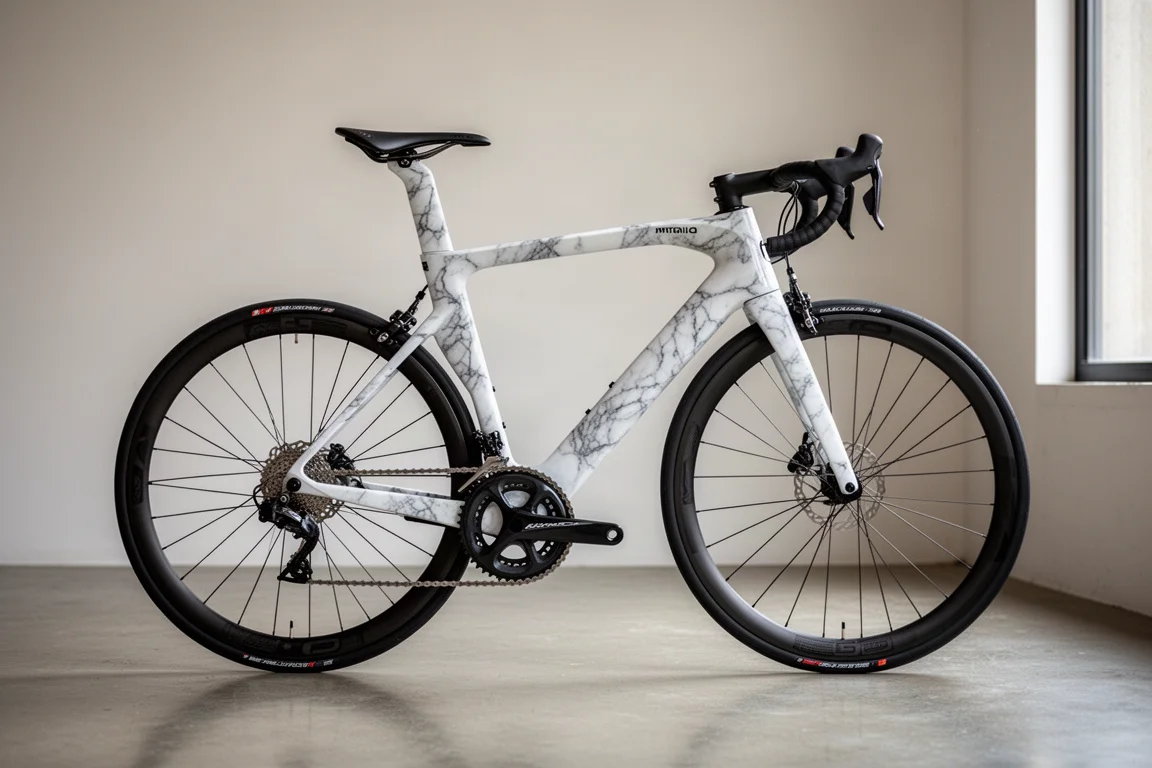
Mid-Table Picks
Merida Reacto
Score: 6.8/10
Merida holds a large minority stake in Specialized and builds that brand’s high-end frames, which makes this bike more interesting than its understated looks suggest. The white frame with teal accents is clean, and the teal details on the wheels look good in motion. The problem is the down tube logo, which is so large that a crank arm covers part of it at almost every position. The wheel graphics would also look better filled in rather than outlined.
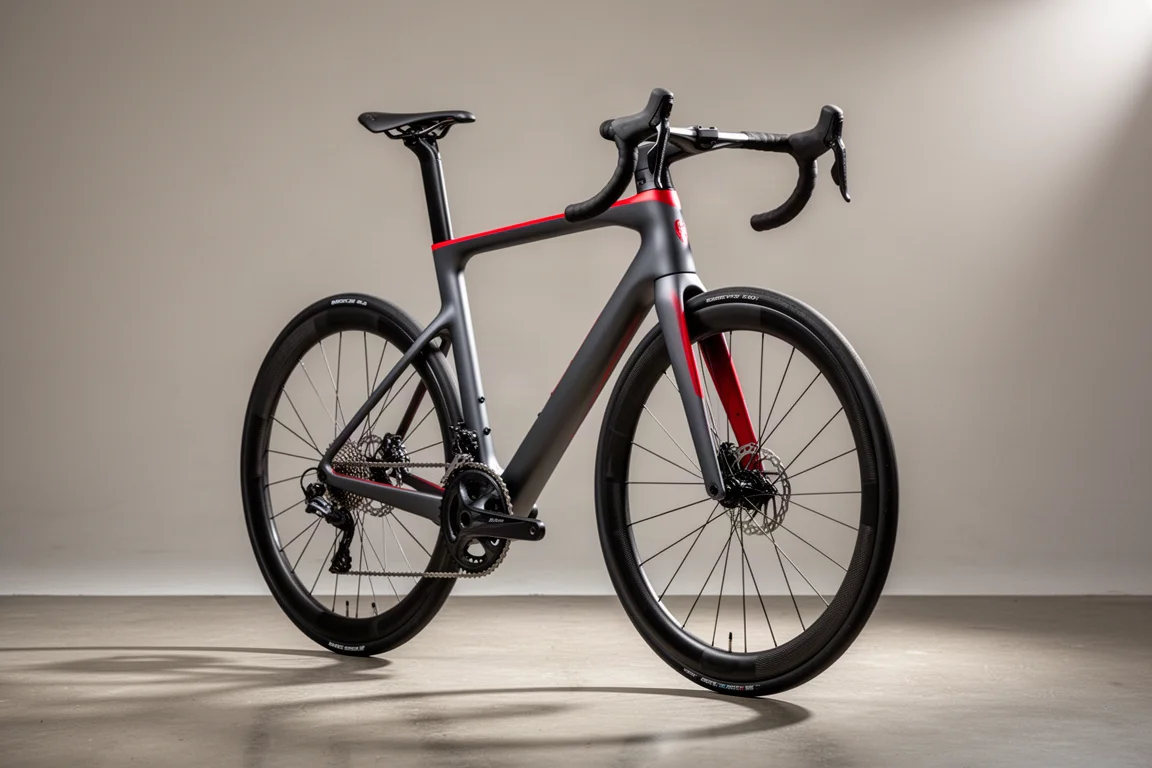
Orbea Orca Aero
Score: 6.5/10
Lotto’s aero bike is available to private buyers as a team replica, and it can be ordered with the oddly shaped bottles the team uses. Those bottles are not permitted in racing because they act as fairings, so buying the replica gives you a small aerodynamic advantage the race team cannot use. The frame itself is let down by a red accent that does not match the tone of the rest of the maroon finish. The wheel graphics, with their large circles, are more successful.
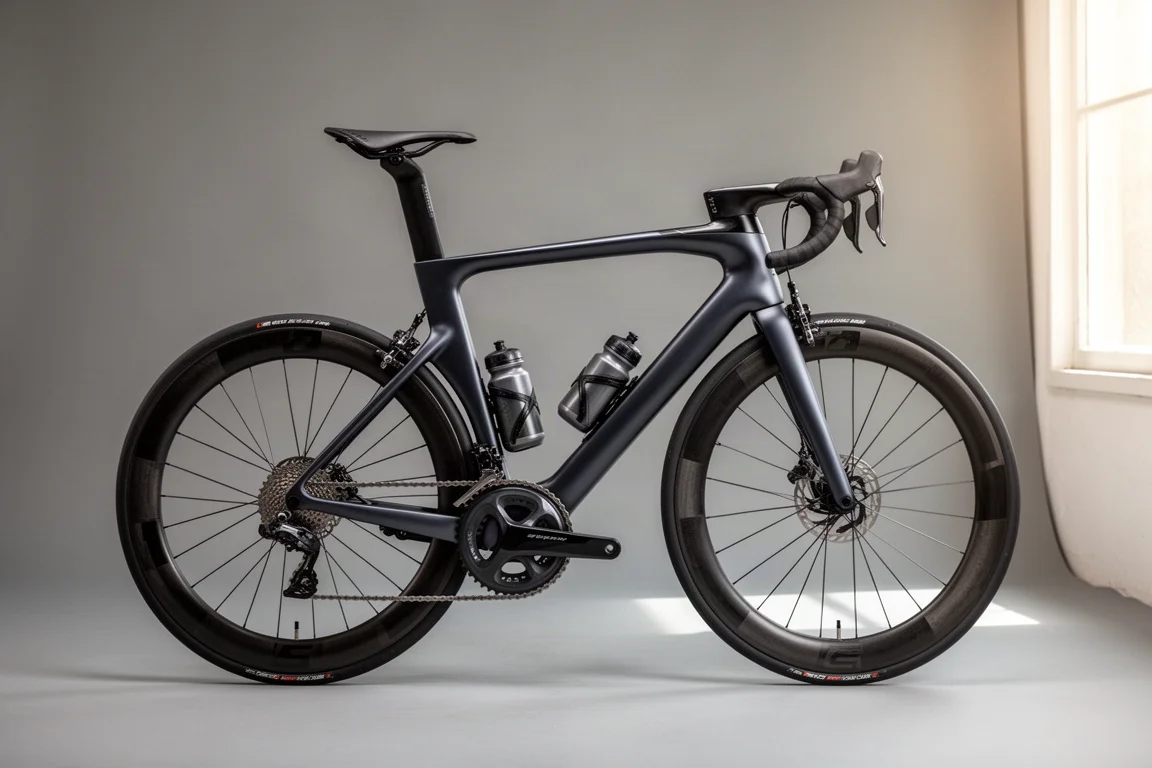
Cervélo S5
Score: 5.2/10
The S5 is the aero half of the Visma setup, which is why the tubes are so fat and the fork is so wide. One detail worth knowing: the seat tube angle is 73 degrees on every single size, so the geometry is consistent right across the range. The shape is purposeful rather than pretty, and the livery is the real sticking point, because the yellow reads slightly green and would work better as a warmer shade.
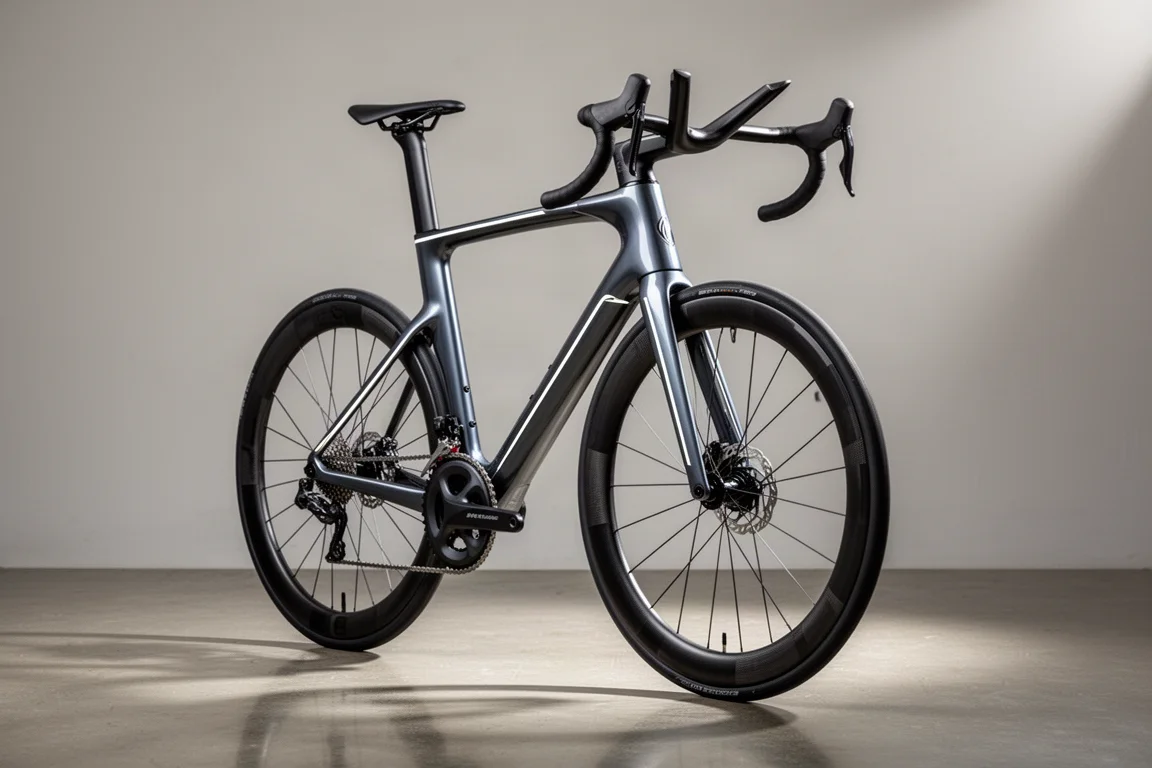
Lapierre Xelius DRS
Score: 5.2/10
This is a new all-rounder from Lapierre, built to be decent at both climbing and aerodynamics. The talking point is the extended seat stay junction, which looks a little like scaffolding and is marketed around comfort. It is a genuinely interesting piece of design, and Lapierre’s other offerings suggest this will be one of the more affordable bikes on this list. The colourway, however, is plain enough to drag the score down.
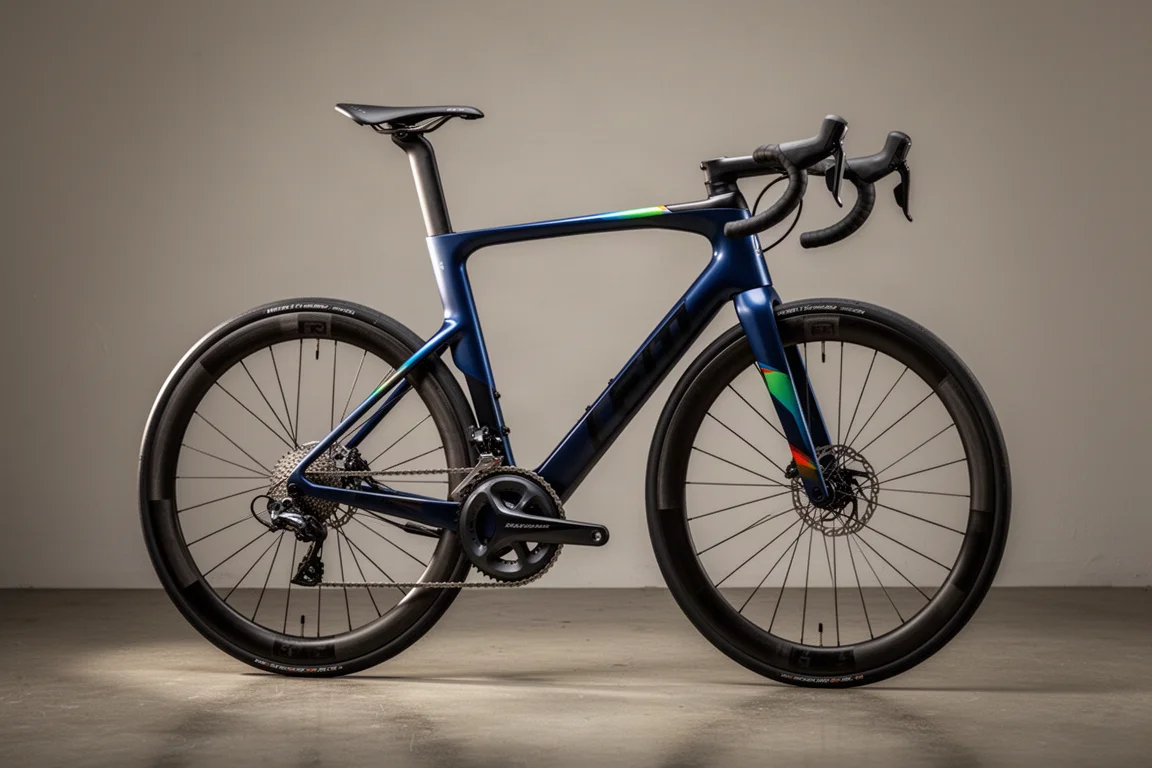
Pinarello Dogma F
Score: 5.1/10
The Dogma F keeps the gently wavy tube profiles the brand is known for, and the integrated cockpit is an outstanding piece of equipment, though it costs a great deal to replace. The practical strength of this frame is its size range: it goes down small enough for riders who are usually shut out of race bikes, with a reach around 350mm on the smallest option. The purple version of this bike is far more appealing than the faded finish shown here, which is the main reason the score lands where it does.
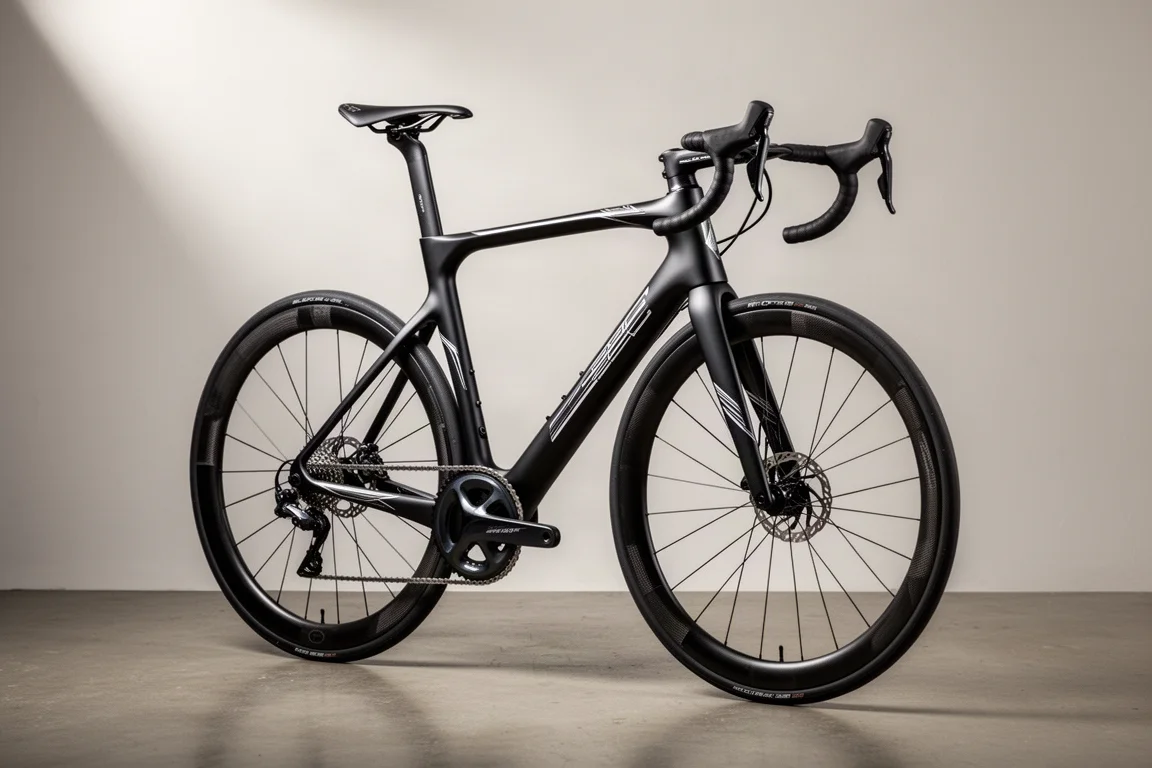
Ridley Noah Fast 3.0
Score: 5.1/10
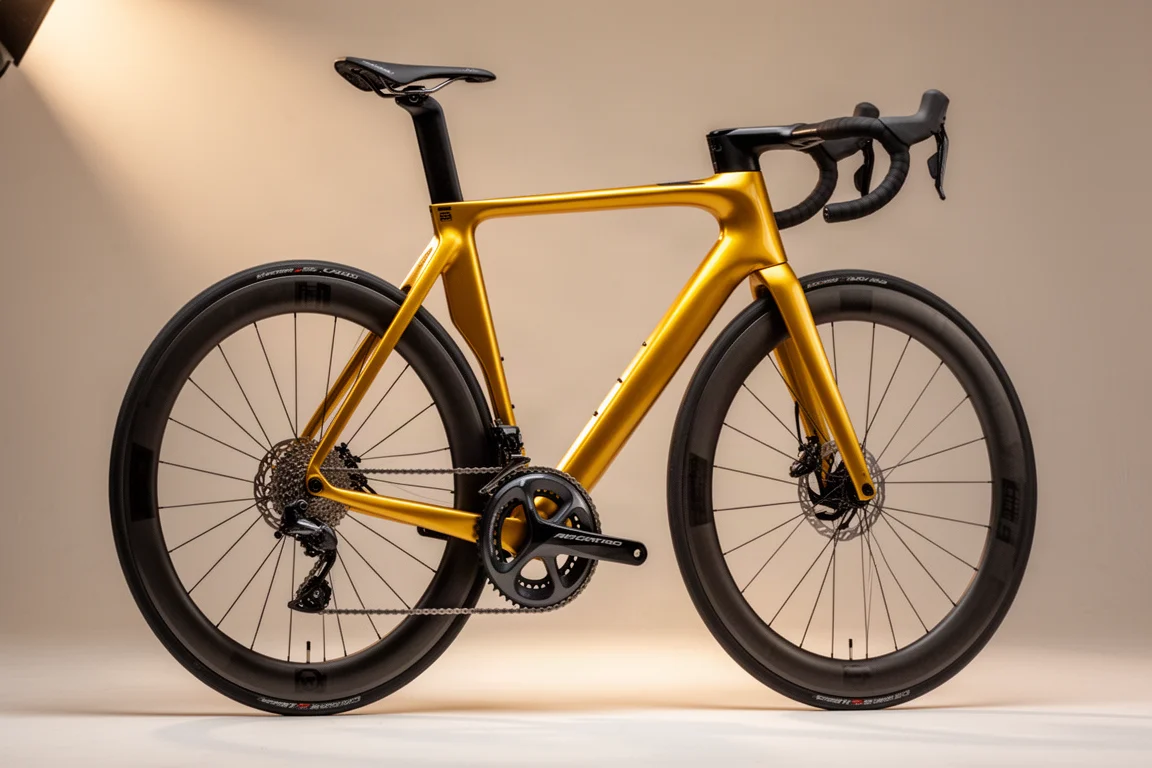
The Noah Fast 3.0 has an enormous head tube that looks aggressive even by aero bike standards, and it can be set up with a very tall front end for riders who cannot run a slammed stem. It also runs an oversized pulley wheel from a third-party supplier, which may be marginally more efficient in a professional setting but very often disturbs shifting when fitted to a normal bike. The yellow finish fades into darker tones, and fades have been penalised consistently throughout this list, so the score is docked accordingly.
The Lowest Scorers
XDS XLAB 89
Score: 4.8/10
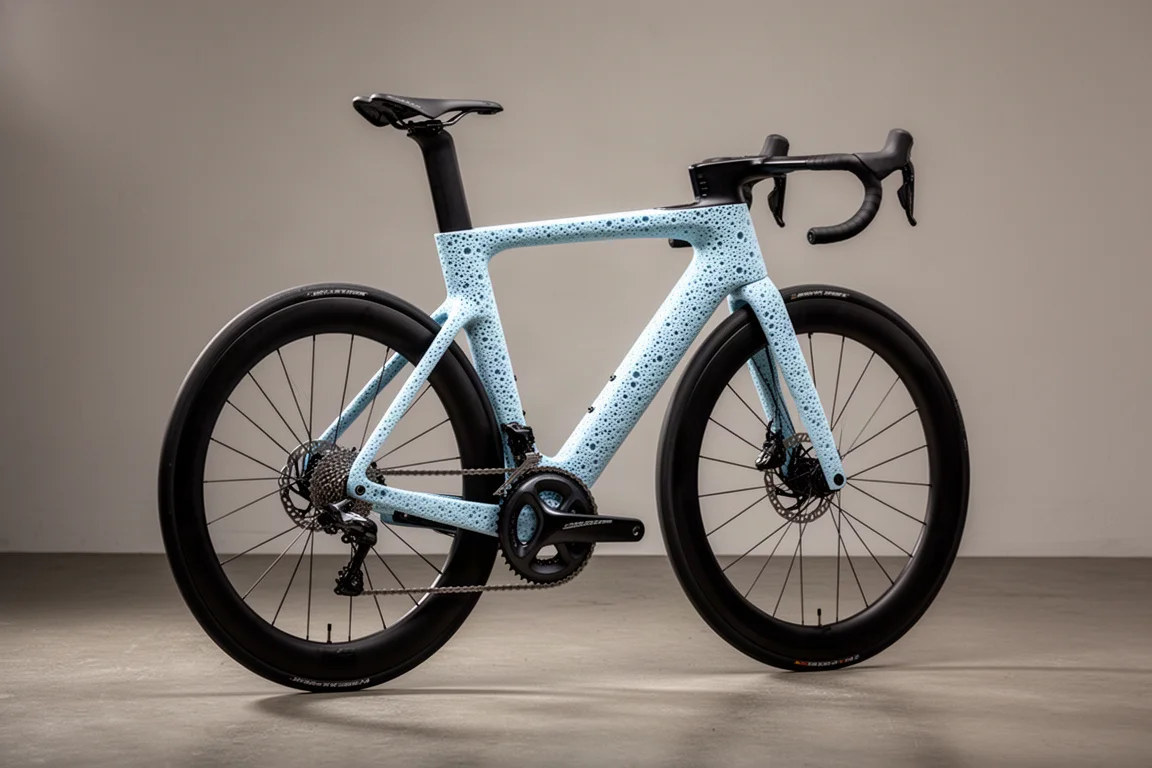
The XLAB 89 is the first fully Chinese-branded bike to reach the WorldTour, raced by XDS Astana, and that alone makes it worth watching. There is a branding problem, though: XLAB is intended to work the way S-Works does, but the name is difficult to search for and does not surface the way a sub-brand should. The spongy, textured paint pattern looks like it was abandoned halfway through, and the frame is not helped by the large X-heavy graphics. Prices are lower than the most expensive bikes here, which counts in its favour.
It is still clearly a very fast bike, and it has been raced at WorldTour level, so the criticism here is about presentation rather than performance. A new name in the peloton deserves a season or two before firm conclusions are drawn.
Colnago Y1RS
Score: 4.1/10
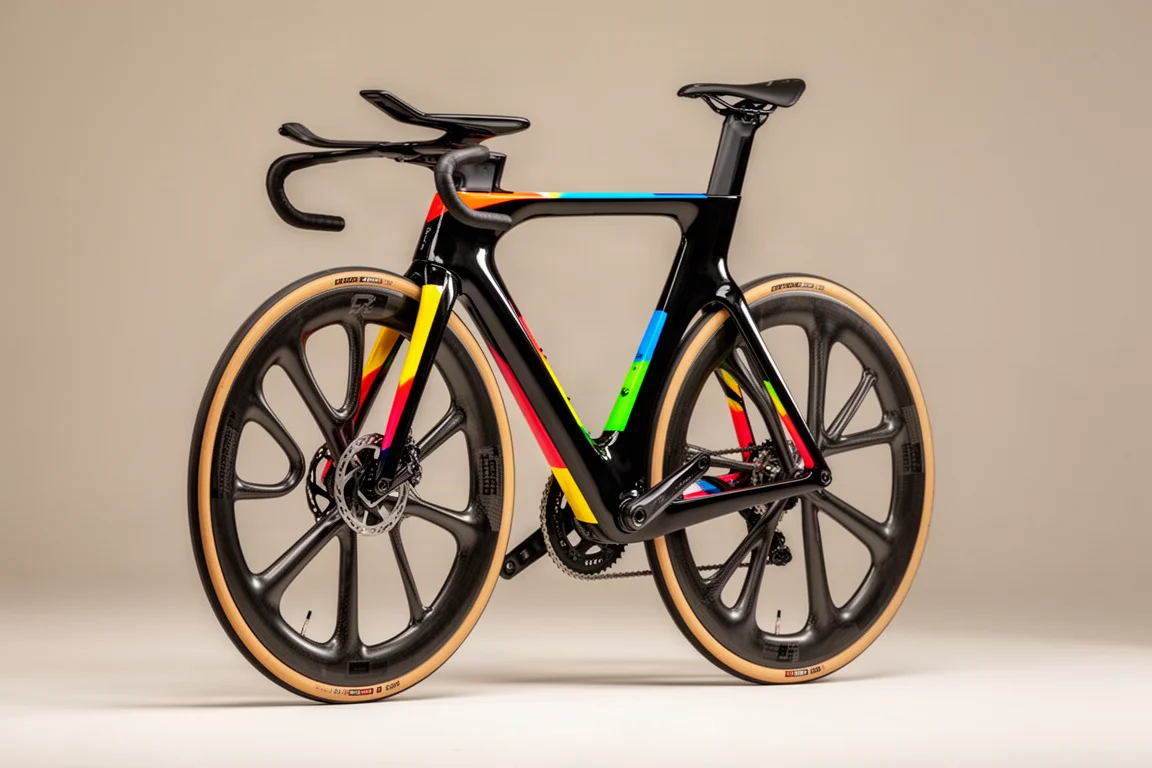
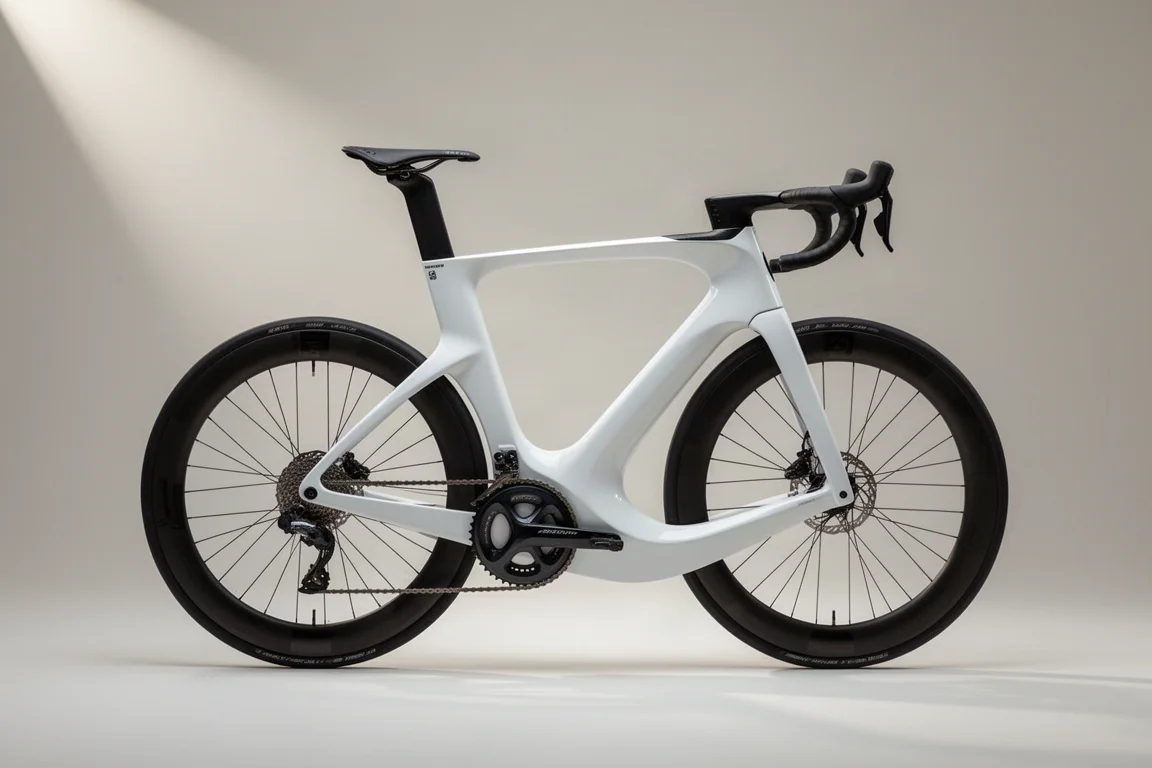
At $14,666 the Y1RS is one of the most expensive bikes on the grid, and it is also one of the most divisive. The wavy tube shapes are the issue, the same sculptural approach that has divided opinion on other Italian frames for years. Two versions exist: a world champion edition with rainbow stripes and the standard team finish. The wheels are genuinely good, and it is almost certainly an extremely fast machine, but the aesthetics are a hard sell at this price.
Canyon Aeroad CFR (Alpecin-Deceuninck)
Score: 3.5/10
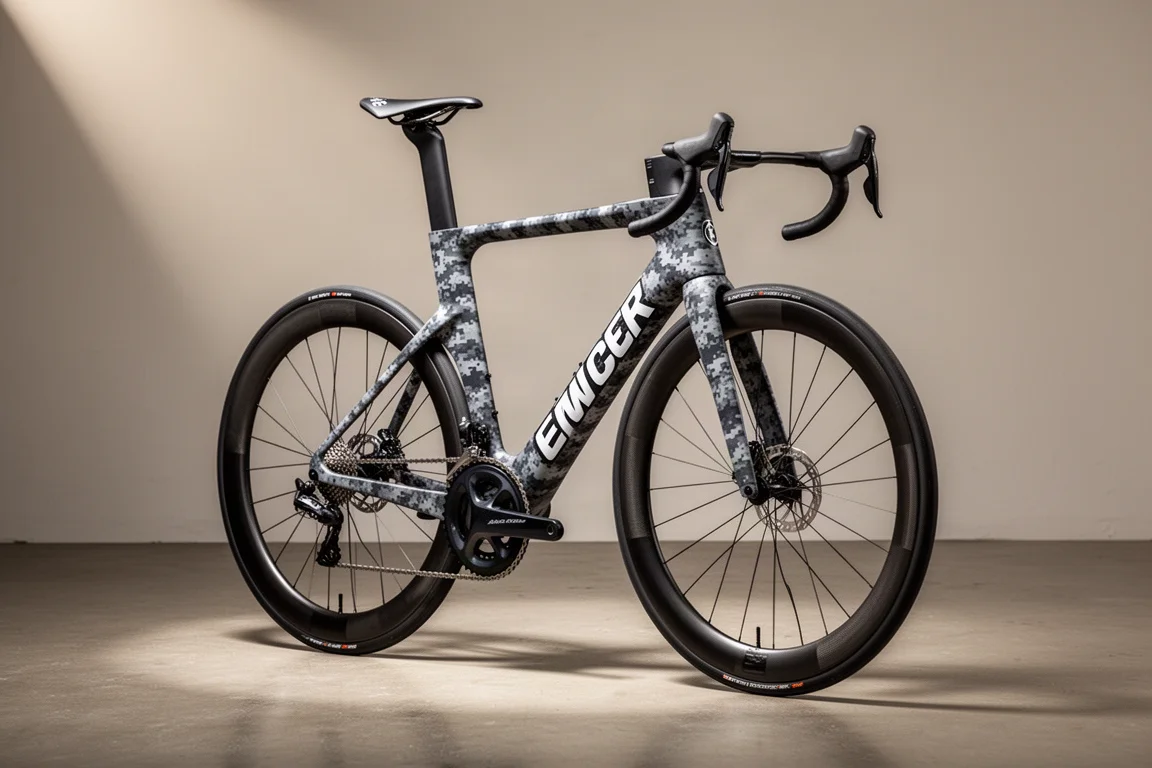
This one lives or dies on the digital camo finish, which will not suit everyone, and the oversized Canyon branding does not help. There is a genuinely clever feature underneath, though: small screws in the handlebar allow it to be made narrower or wider without swapping parts, which is a real benefit for riders between sizes. The frame itself is shared with the other Canyon on this list, so the finish is doing all the work here.
BMC Teammachine R1
Score: 2.8/10
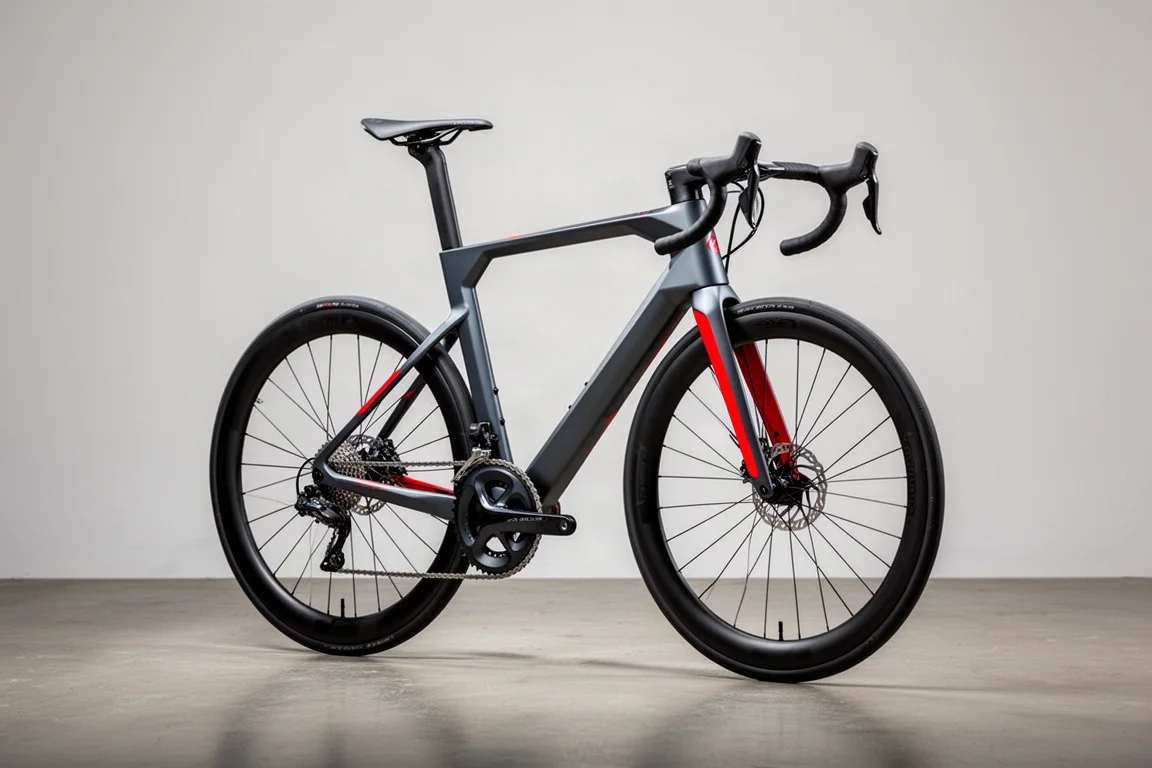
BMC stands for Bicycle Manufacturing Company, and the brand has only recently returned to sponsoring a WorldTour team. The Teammachine R1 is angular and modern, with a 3D-printed saddle, reliable DT Swiss wheels and Time pedals, which use a leaf-spring mechanism that gives them a distinctly unusual float compared with the Speedplay, Shimano and Look pedals almost everyone else uses. The frame is not offensive, but the red accents on an otherwise black bike drag the score down.
Canyon Aeroad CFR (Movistar)
Score: 1.9/10
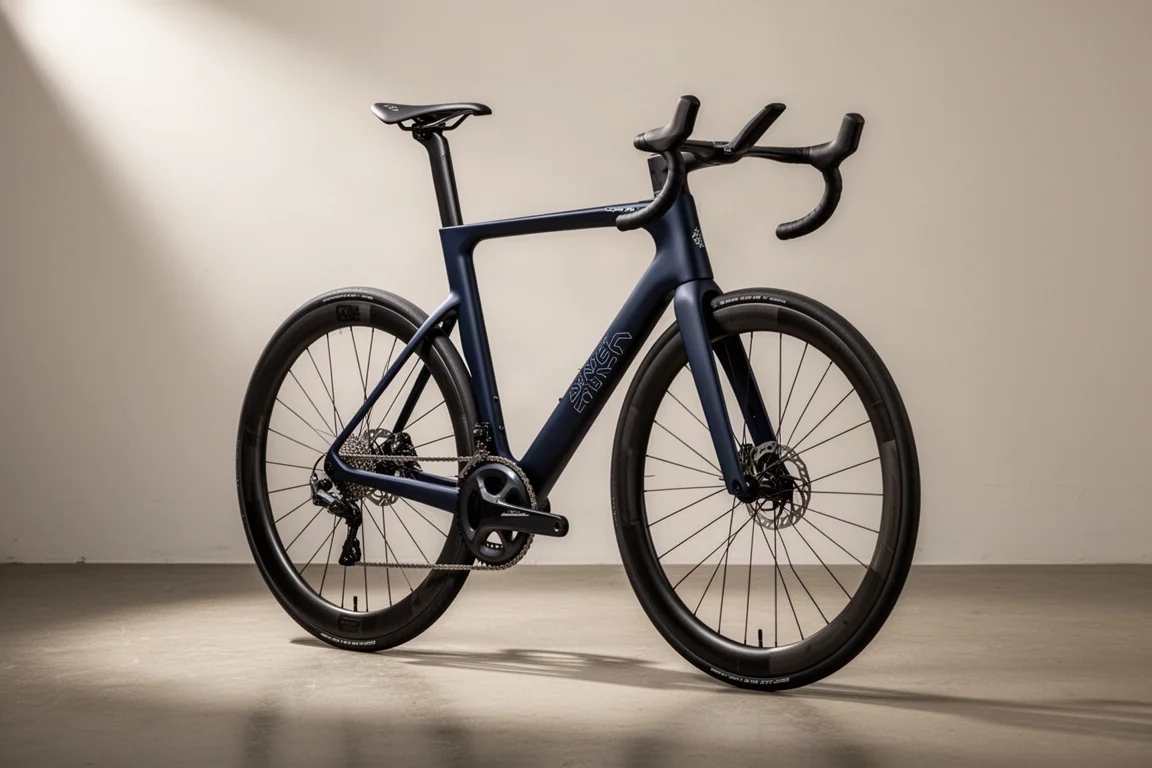
The second Canyon on the list uses the same aero frameset in a very dark blue that reads as almost black in most light. It may look better in person, but in a field of brightly finished team bikes it is the most anonymous machine here. The platform is capable; the colour choice is the problem.
Overall Buying Advice
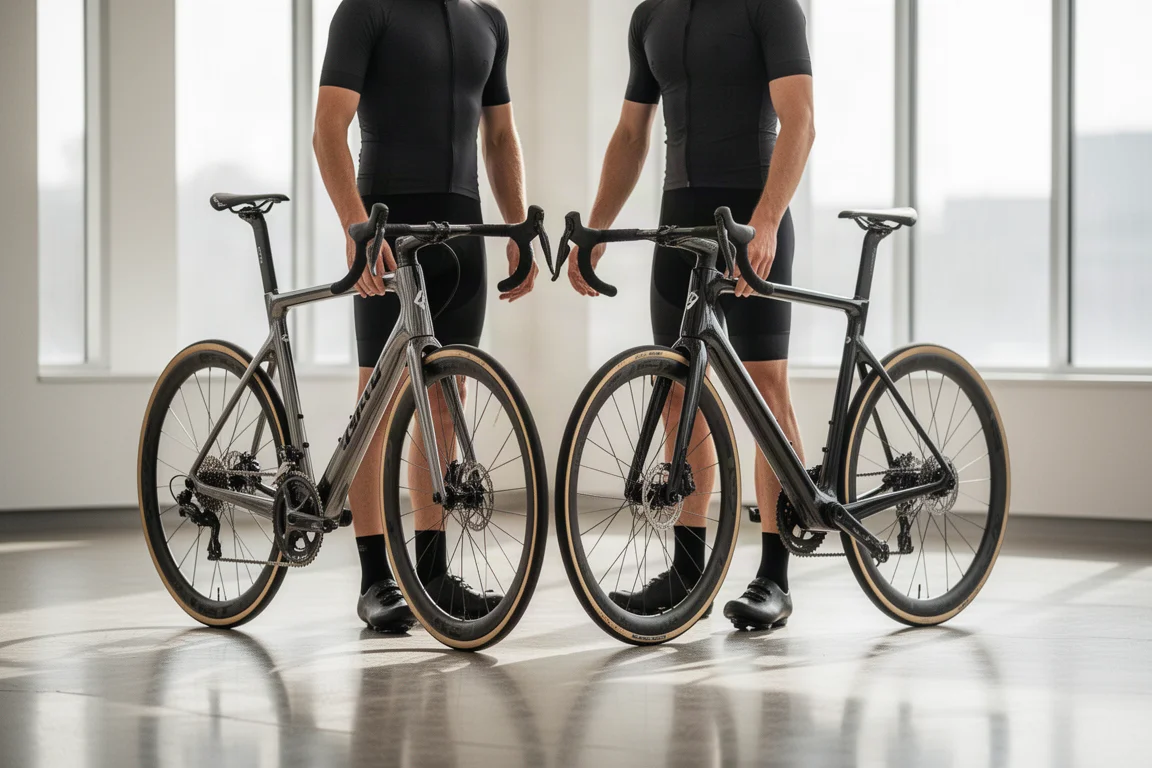
WorldTour bikes are built to a team’s brief, not to a customer’s budget, and that changes how you should shop. If a bike on this list appeals to you, the frame is usually the least negotiable part, while almost everything else can be changed later. Two builds of the same frameset can feel completely different depending on the wheels and tyres bolted to them, and several bikes here share a platform with another entry and differ only in colour and components.
The value story is worth paying close attention to. The Cube Litening Aero C:68X arrives at around $8,000, a long way below the $14,666 Colnago, and the Van Rysel RCR-F runs a wheelset costing roughly £1,300 where comparable WorldTour wheelsets can reach £5,000. If you are spending your own money rather than a sponsor’s, those are the numbers that decide whether a bike is worth it.
Paint and finish are the other big variable at the top end. If a colourway divides opinion, that is usually a reason to look at the same platform in a different finish rather than to rule the bike out entirely. And if a frame shape looks strange, remember that the strangeness is often doing aerodynamic work you will feel on the road long before you see it in a photograph.
Conclusion
This grid splits neatly into three groups. The Look 795 Blade RS, Cannondale SuperSix Evo Lab 71 and Trek Madone combine real aero performance with finishes that hold up close, and the Bianchi Oltre RC earns its place on heritage alone. The Giant Propel and Van Rysel RCR-F are the smart money, particularly the RCR-F given how much its wheelset costs relative to the competition. And the Colnago Y1RS, Cervélo S5 and Ridley Noah Fast 3.0 are proof that the fastest bikes are rarely the prettiest ones, which is a trade-off every aero buyer eventually has to make.
Further reading
Related Reviews
Cycling
2026 Bike of the Year and the Cycling Gear Worth Watching
A drop bar roundup for 2026 covering the Ridley Kanzo Fast 2.0, Shimano Dura-Ace Di2 R9300, Trek Checkpoint ALR Gen 3, Specialized Tarmac SL9, Garmin Fenix 9 and Insta360 X6.
Cycling
Best All-Road Bikes 2026: Six Versatile Endurance Road Bikes Worth Considering
A practical look at six all-road and endurance road bikes, from lightweight carbon speed machines to steel all-rounders and comfort-focused mile eaters.
Cycling
Best All-Road Bikes 2026: 8 Endurance Bikes for Road and Light Gravel
Eight all-road bikes that blur the line between endurance road and light gravel, compared on tire clearance, ride character, practicality, and value.