Garden Equipment
Toro Dual Direction Rear Tine Tiller Review: Two Tilling Modes in One Machine
A rear tine tiller with dual direction tines that handles compacted clay and lighter soil alike, with a smooth 127cc Briggs & Stratton engine and a comfortable handle system.
Introduction
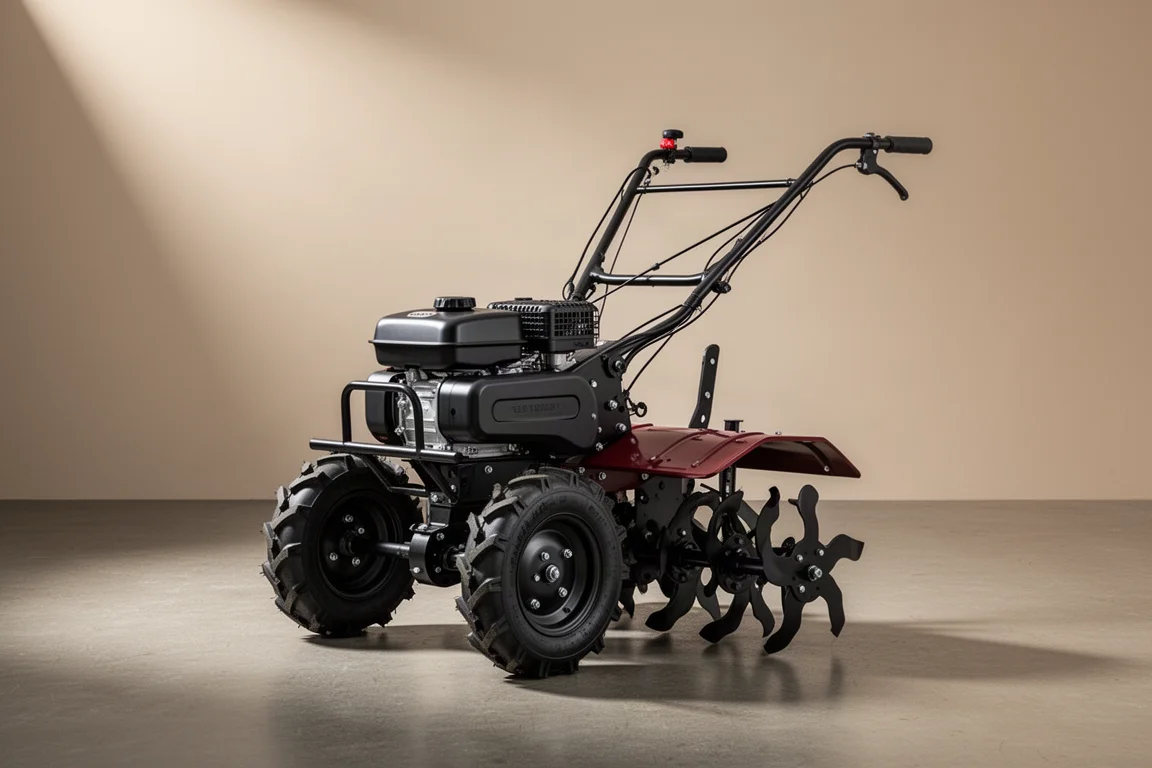
Choosing between a front tine and rear tine tiller has always been a compromise. Rear tine models usually dig deeper and pulverize soil better, but they often come at the cost of control and comfort. The Toro Dual Direction Rear Tine Tiller aims to remove that trade-off entirely by letting the rear tines spin in either direction depending on the soil you are working.
In forward rotation, the tines spin the same direction as the wheels, which suits softer soil at a faster working speed. In counter rotation, the tines spin opposite to the wheels, letting the machine tear slowly and aggressively into compacted or clay-heavy soil without beating the operator up. The result, according to the way it works through heavy ground, is soil that comes out looking like sand.
Who This Tiller Is For
This tiller makes the most sense for gardeners who deal with variable soil conditions. If your plot mixes light, workable ground with compacted patches or clay, having both rotation modes in one machine means you do not have to choose a tool based on the worst soil in your garden. It is equally appealing for anyone preparing seed beds each season who wants soil that is finely ground and level without a second pass with different equipment.
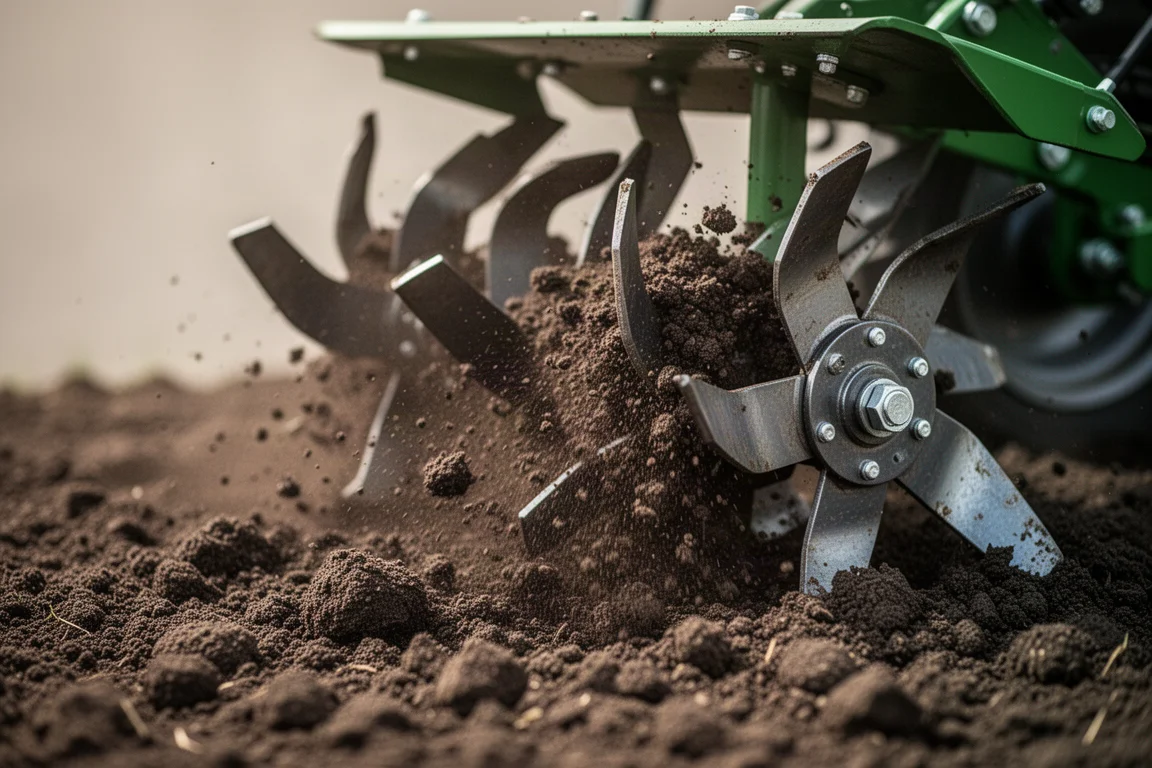
If you work sandy soil most of the time, the forward rotation mode will likely be your default, with counter rotation reserved for the occasional stubborn area or a bed that needs a really thorough working. That flexibility is the core appeal here.
Main Strengths
The dual direction gearbox is the headline feature. One lever takes you from neutral (so the machine rolls freely and can be pushed around the shop or garden easily), to counter rotation for compacted soil, to standard forward rotation where the drive wheels and tines turn together. In drive mode, the tines spin freely while the wheels push you along, which makes moving between areas simple.
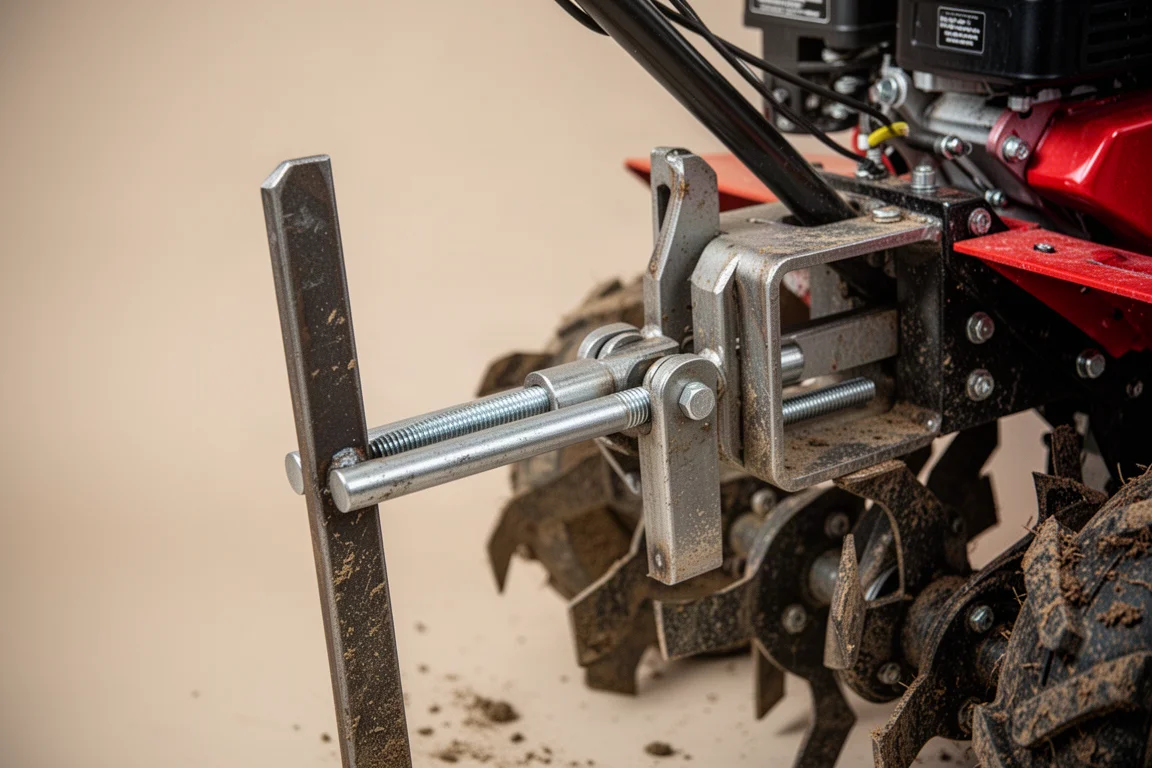
Depth control is handled by a drag stake, and how you use it depends on the mode, which is slightly counterintuitive at first but works beautifully once understood. In counter rotation, the drag stake acts as a depth stop: raise it to go deeper, push it down to limit depth. In standard forward rotation, you push the stake down to dig in deeper, and a little downward pressure on the handles keeps the machine from lifting its front end over rough patches. The handles themselves have a small amount of flex that absorbs bounce, which makes for a genuinely comfortable working experience.
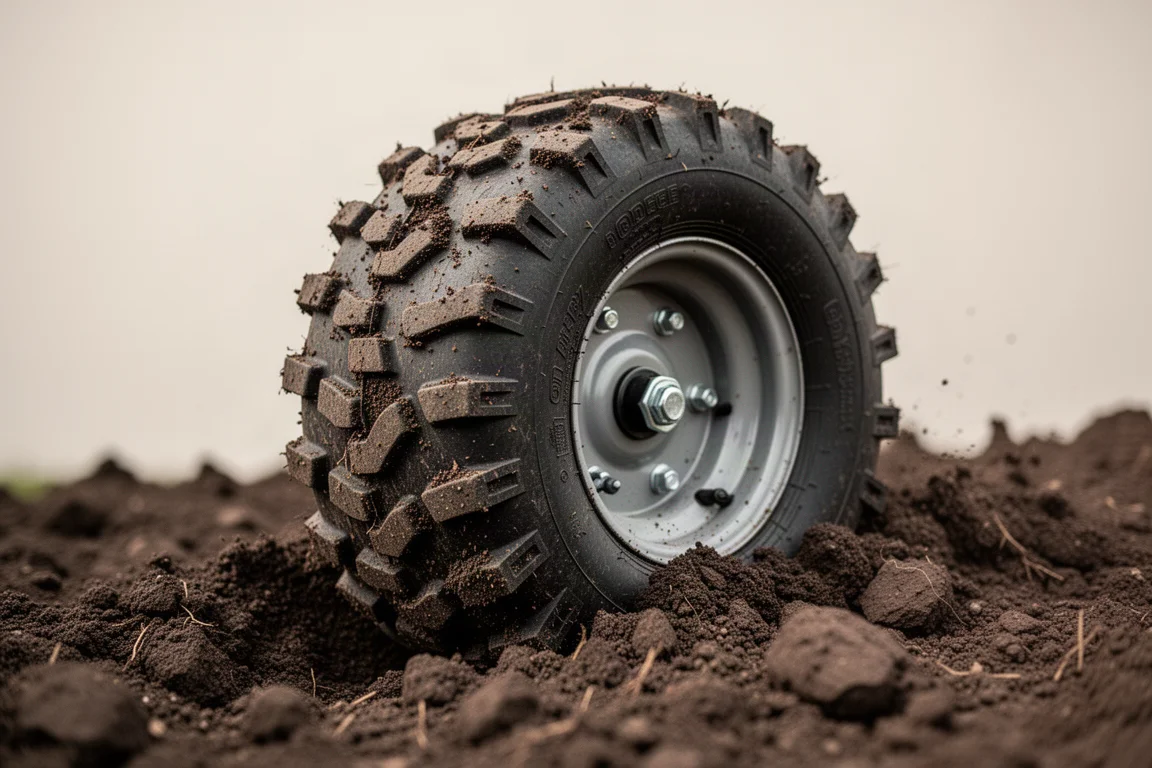
The tires deserve a mention. They are wide enough to float over lighter soil, yet the tread design digs in when the going gets compacted. It is a harder rubber compound, so it holds its shape, but it still moves without issue.
Power comes from a 127cc, 3.5 horsepower Briggs & Stratton engine. Starting is described as excellent right from the start, with a fuel shutoff valve on the side of the motor that lets you run the carburetor dry at the end of a session. It idles quietly and smoothly, and a throttle control near the choke takes you to full throttle for working. The practical advice that comes with it is worth repeating: use a fuel stabilizer if your fuel contains ethanol, or opt for ethanol-free fuel.
Control at the handlebars is straightforward. Pulling the engagement lever down drives both the tines and tires at once, with the behavior changing depending on the selected mode. For reversing, you lift the back of the machine so nothing gets pushed into the tines, and the powered reverse walks it back with you, getting you out of tight spots with power to the tires.
Things to Consider Before Buying
Counter rotation leaves a small divot down the center of the pass and pushes some soil out to the sides. If you want a perfectly level seed bed, a quick second pass in forward rotation smooths everything back out nicely, and in already-worked soil the forward mode lets you move faster. That extra pass is a minor task, but it is part of the workflow.
It is also worth knowing that no tiller escapes every soil type. This machine handles heavy clay and even sand that defeats many tillers, but heavier clay conditions than what it was demonstrated in certainly exist. The dual direction design is what keeps it usable in those tougher moments.
Buying Advice
For clay or black dirt soils, counter rotation is where this tiller shines, grinding compacted ground into a well-worked bed that overwinters nicely and breaks up easily again in spring. For sandy soil, forward rotation delivers the better working speed and easier depth adjustment, and the outcome is impressive. Match the mode to the soil and this machine rewards you either way.

If you value comfort as much as capability, the handle system, the controlled bounce, and the fine depth management make this one of the easier rear tine tillers to spend a day behind. That is not a small thing in this category, and it is what makes the Toro worth shortlisting for your garden.
Conclusion
The Toro Dual Direction Rear Tine Tiller delivers on the promise of being the best of both worlds: counter rotation for tearing into compacted clay at a slow, controlled pace, and forward rotation for fast finishing passes in lighter or already-worked soil. With a dependable 127cc Briggs & Stratton engine, thoughtful depth control, and handles that keep fatigue low, it turns an traditionally punishing chore into something you can actually enjoy. For gardeners facing mixed or heavy soil, it is an easy recommendation.
Product link
View more details for Toro Dual Direction Rear Tine Tiller
This product is mentioned in the review. Check the specifications, options, and compatibility before buying.
View more details for Toro Dual Direction Rear Tine TillerFurther reading
Related Reviews
Outdoor Power Equipment
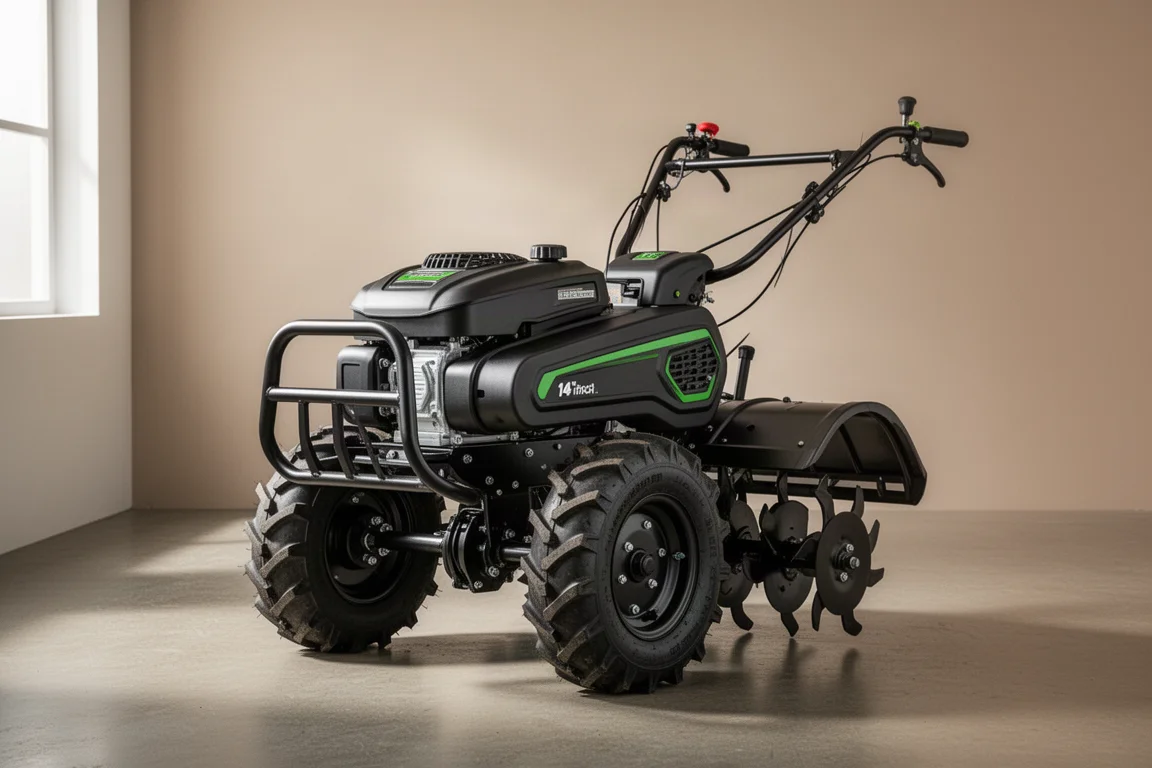
Ryobi 40V HP Brushless Rear Tine Tiller Review: Battery Power That Can Replace Gas
Ryobi's first battery-powered rear tine tiller brings gas-style capability with counter-rotating tines, four 6Ah batteries, and none of the engine maintenance.
Lawn Mowers
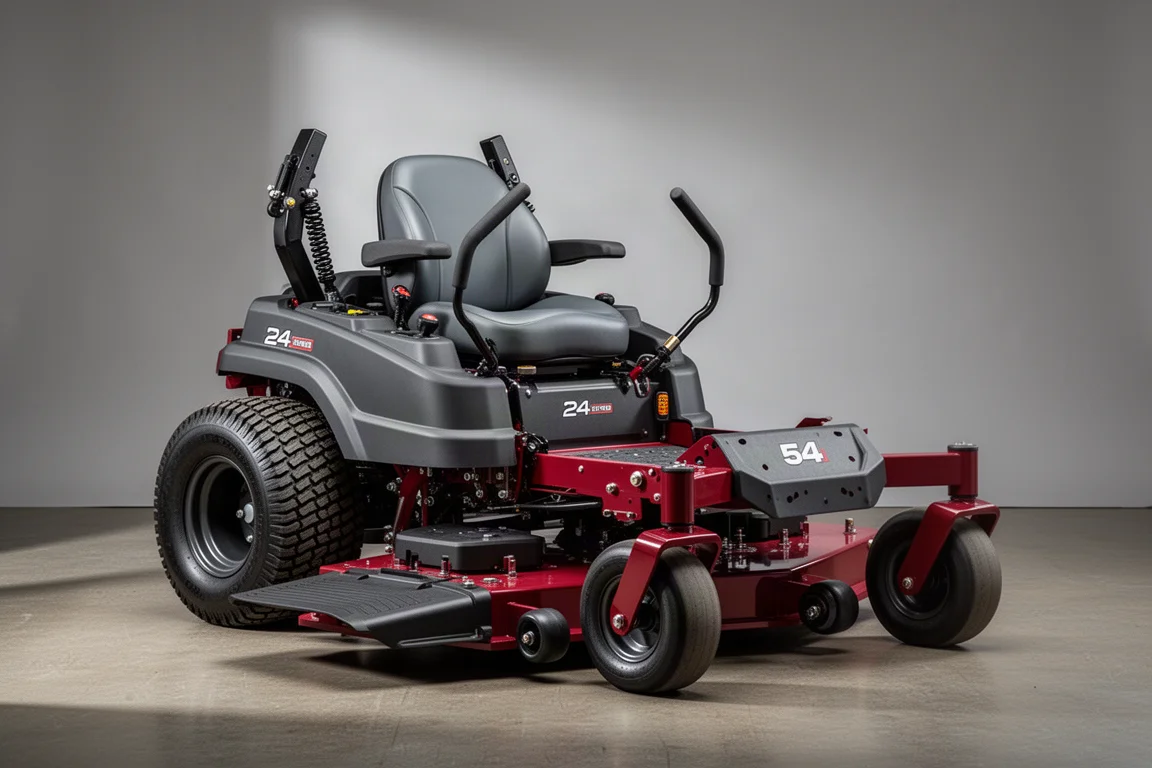
Toro 2000 Series with MyRIDE: An Entry Point to Commercial Zero-Turn Mowing
A closer look at the Toro 2000 Series with MyRIDE suspension, a commercial-grade entry model with a Kawasaki FX engine and the same deck family as the 4000 Series.
Lawn Care
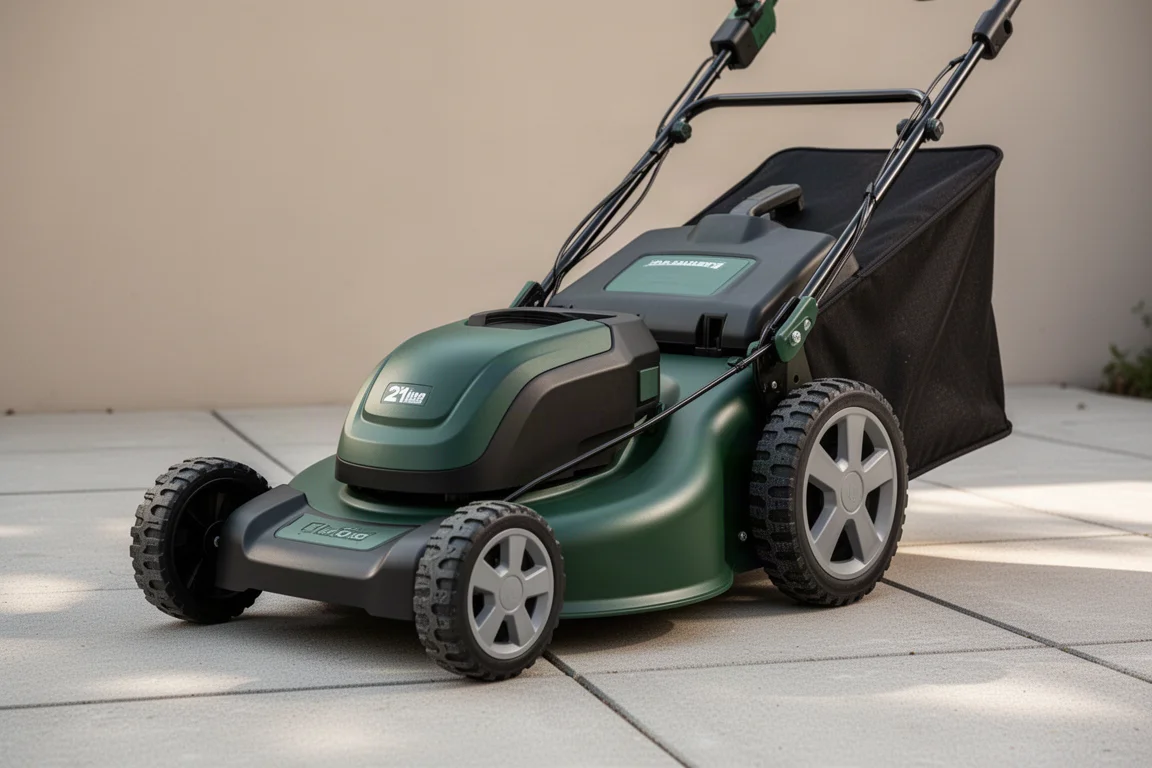
Toro 60V 21-Inch Battery Mower Review: Lightweight, Plastic, and Surprisingly Capable
Toro's 60V 21-inch battery mower claims to be 25% lighter than most battery mowers, with dual blades, strong mulching, and up to 60 minutes of runtime. Here is how it holds up.