Lawn Care
Toro 60V 21-Inch Battery Mower Review: Lightweight, Plastic, and Surprisingly Capable
Toro's 60V 21-inch battery mower claims to be 25% lighter than most battery mowers, with dual blades, strong mulching, and up to 60 minutes of runtime. Here is how it holds up.
Introduction
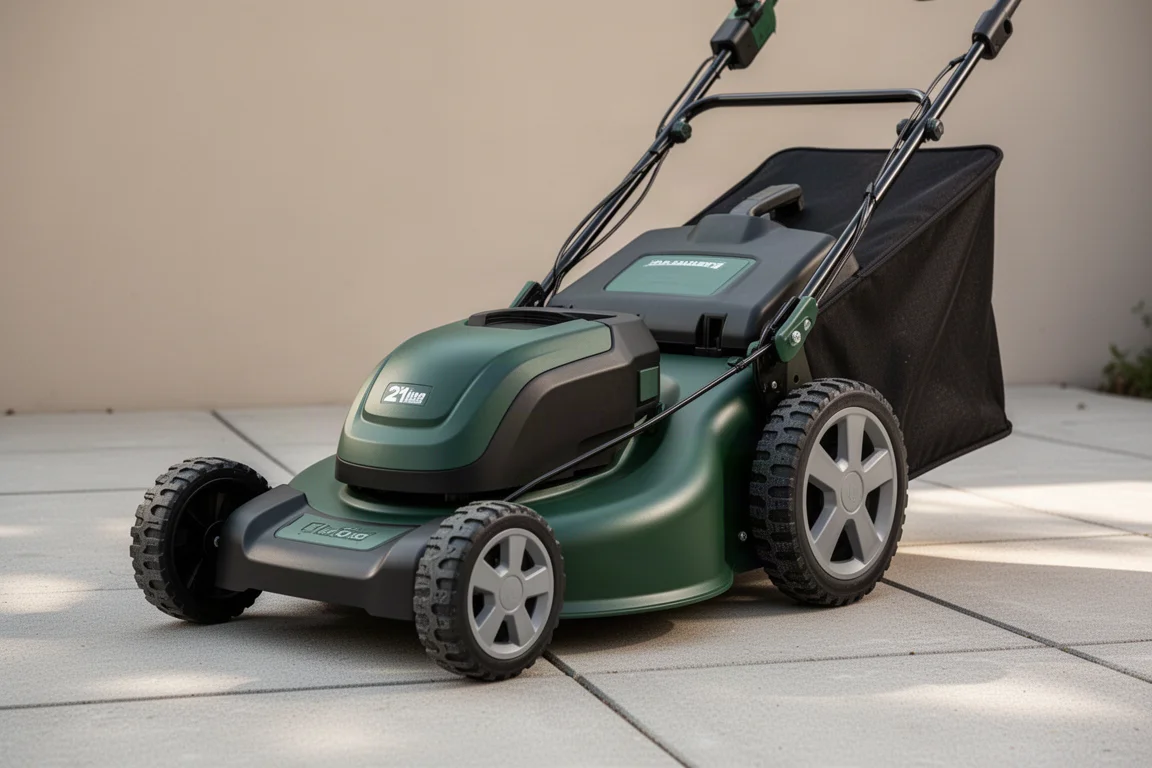
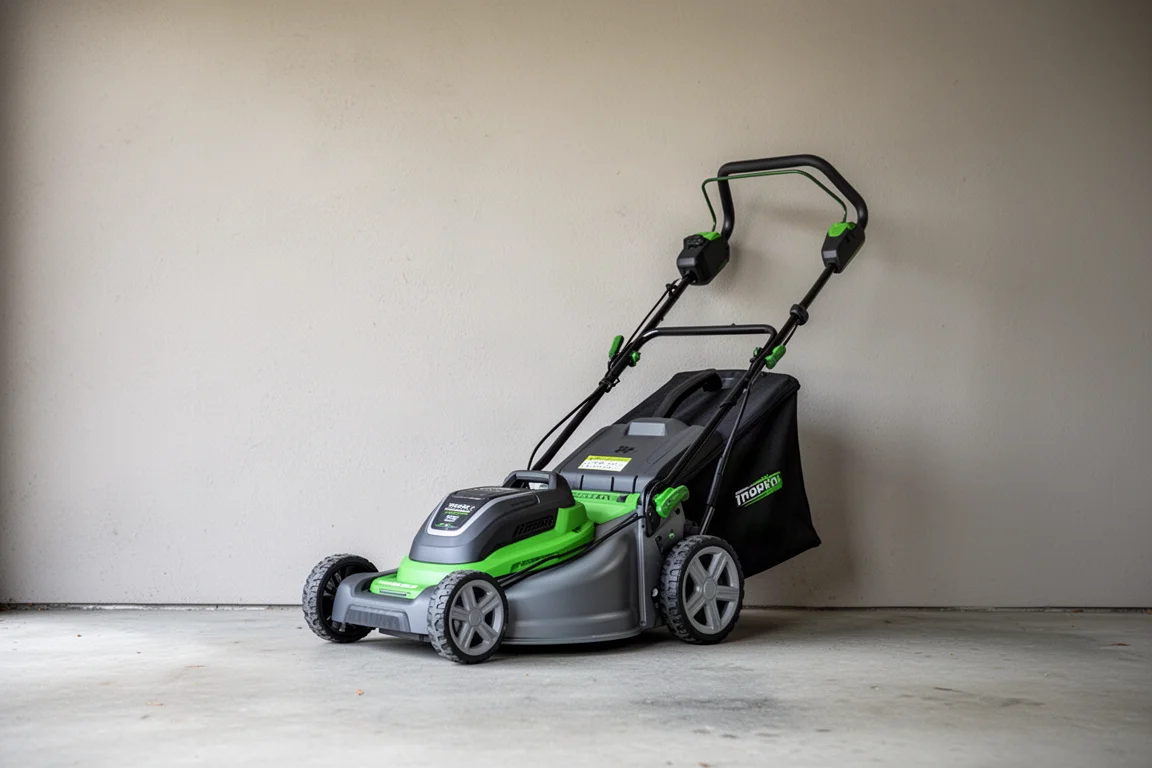
Toro’s 60V 21-inch battery mower makes a bold claim for a battery machine: about 25% lighter than most battery mowers on the market. It gets there almost entirely by using plastic, including a plastic deck, and the trade-offs that come with it are worth understanding before you buy. The good news is that the lightness does not come at the obvious cost of cutting performance. This machine mulches exceptionally well, bagging is straightforward with one small trick, and the self-propelled system is genuinely easy to live with.
Performance and Cut Quality
The headline numbers first. Toro claims up to 60 minutes of runtime, and with the 7.5Ah battery installed, real-world use lands closer to 50 minutes when doing a heavy mix of mulching and bagging through a lot of grass. That is a solid figure, but it depends heavily on what you ask of the machine. In thick grass or when filling the bag, runtime drops faster, especially if you lean on the Max button.
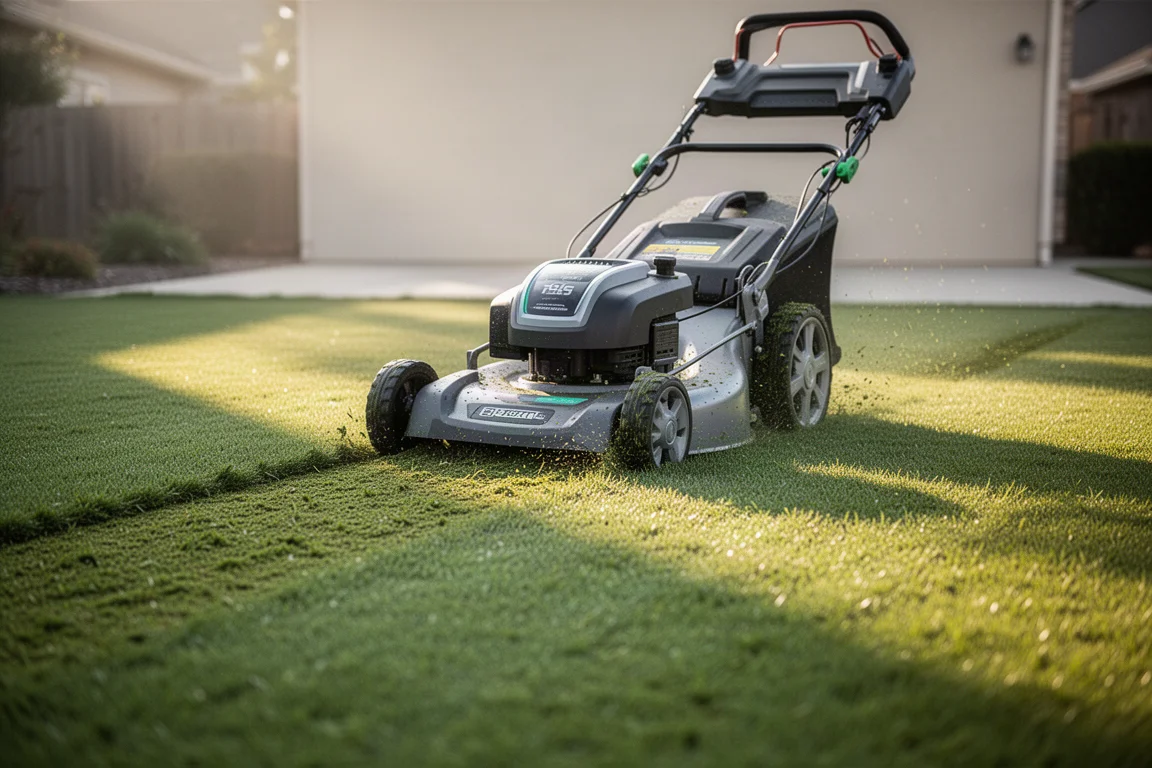
The mower adjusts its cutting height from 1 to 4 inches. For a dry spring with tall grass, running at the 3.625 to 4 inch end works well, and the cut quality at higher settings is genuinely impressive. Many battery mowers lose suction and cut quality at those heights; this one keeps pulling grass upright thanks to the dual-blade setup, and the finished cut holds up.
The Dual-Blade Deck
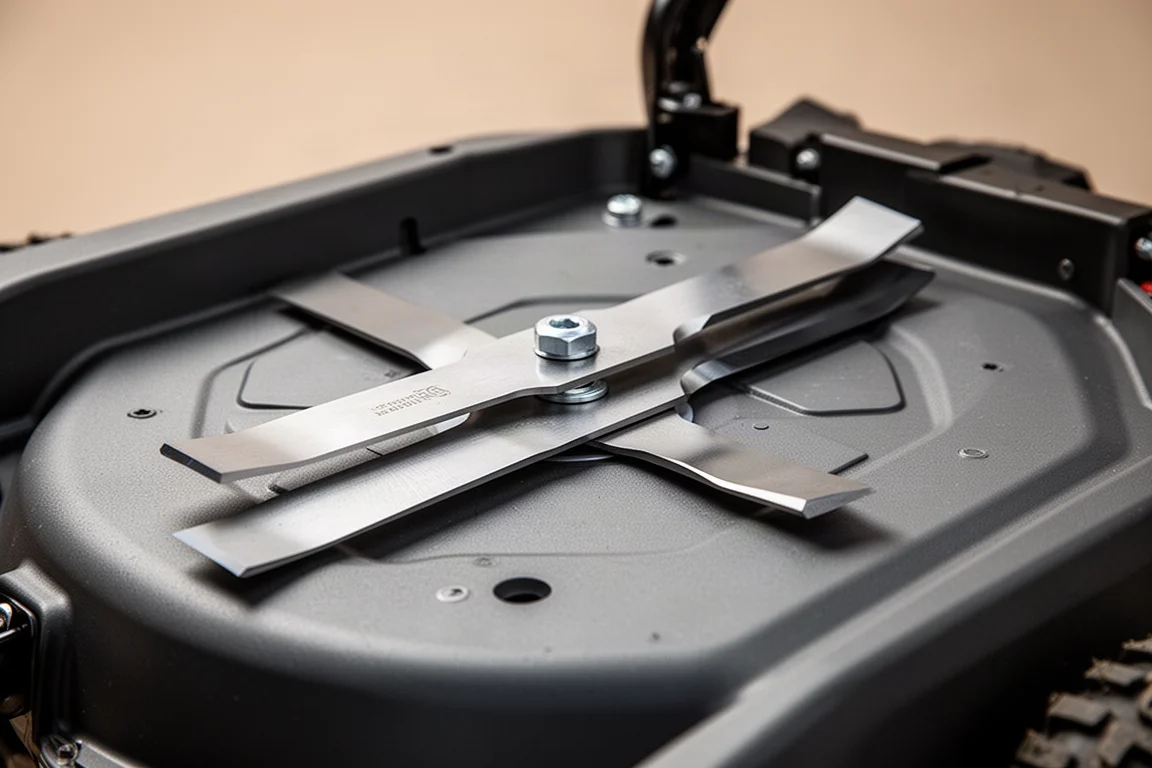
Underneath, there are two thin blades rather than one. The upper blade is essentially a straight cutting blade for taller grass, while the lower blade provides lift and cuts in two different places. Together they do a very good job of pulling grass up before it is cut, which is why the mower maintains a good finish even at 4 inches where many machines struggle.
The deck also manages airflow intelligently. The RPMs automatically rise and fall based on the torque the motor senses, ramping up in thick grass and easing into a more eco-friendly pace in light growth. This mirrors what battery string trimmers do compared with gas: lower blade speed saves battery in light conditions, more power in heavy conditions, at the cost of runtime.
There is a striping kit built into the deck that pushes the grass down. It works best at lower cutting heights, where it presses harder, and its effect fades as you move toward the 4 inch setting. The striper moves with the wheel height adjustments, and the front and rear wheels must be set to the same position even though they adjust separately.
Bagging, Mulching, and Side Discharge
The mower mulches, bags, and offers an optional side discharge that becomes available after registration. Personally, this machine is better at mulching than bagging. The dual-blade system moves clippings around so thoroughly that the output looks cleaner than some much larger gas machines with weaker mulching.
Bagging works, but with a caveat. When the bag reaches roughly half full, airflow can stall and clippings stop packing in. The fix is the Max button: hit it once you are around half a bag and it keeps the airflow strong enough to fill the bag properly. When the bag stops filling, it is very noticeable, so there is no guesswork involved.
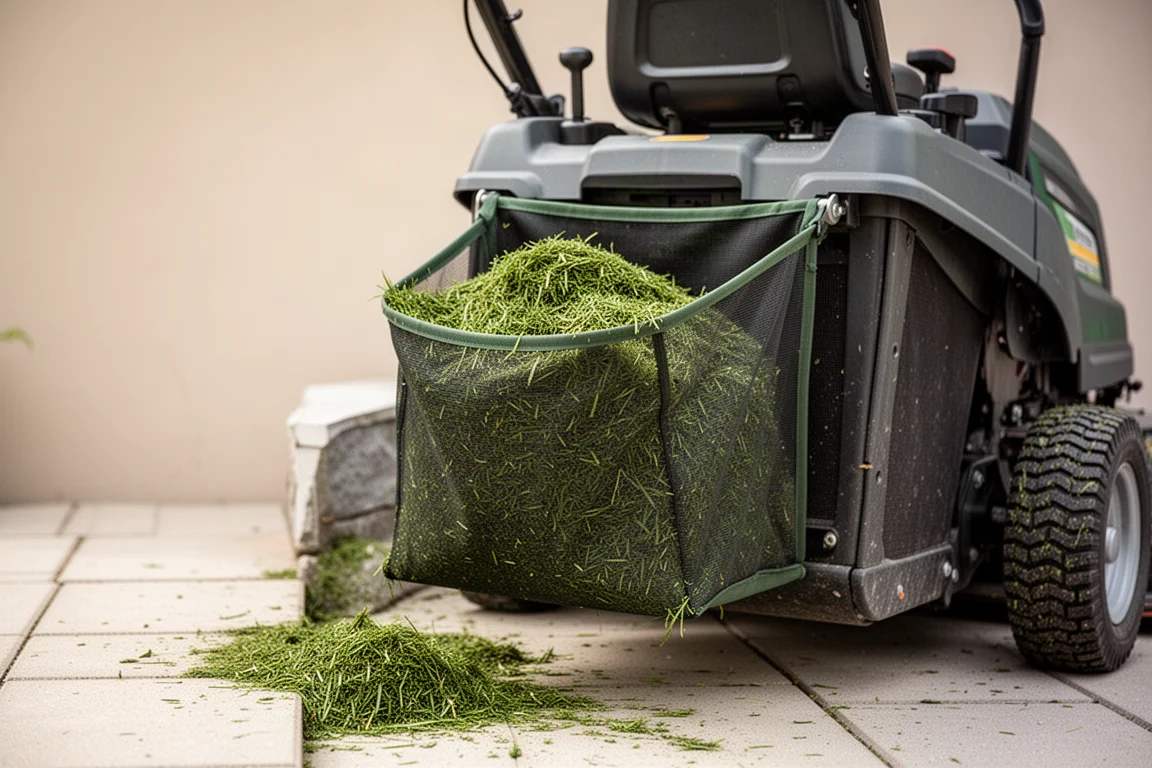
Swapping between modes is simple. The mulch plug slides in and locks with a small tab, and the bag attaches and releases easily. Controls are minimal: pull the upper bail, press the power button, and the mower and its lights come on in auto mode. Press Max for maximum power, press it again to return to auto.
Self-Propulsion, Handling, and Ergonomics
The self-propelled drive is fully adjustable via a dial, with speeds from very slow up to 3.1 mph. Pushing it with self-propulsion off is nearly effortless, with very little resistance, which is unusual and welcome. Even with the drive disengaged, it moves well.
The handle adjusts to two positions. Taller users may appreciate the higher setting on long straight runs, but for working around trees and hills, the lower position feels more natural. The front uncut distance is roughly 7.5 inches, and the plastic deck has a reinforced edge, so you cannot get right up against trees. The plastic bumper around the deck edge adds useful reinforcement against knocks.
One disappointment: the wheels have plastic hubs with rubber on the outside but no bearings, so there is some resistance when rolling the mower by hand. Not a dealbreaker with self-propulsion doing the work, but bearings would have been nicer for the long term.
Storage, Durability, and Long-Term Ownership
The mower folds up for storage and tilts back easily, and the battery slides in and out with a simple button press. The battery compartment cover is held by a magnet and gravity, defaulting to closed so it sheds moisture if left outside. Like all battery mowers, there is no oil or gas to worry about, and the plastic deck can be rinsed or even power washed from the outside, though not at the motor vents.
The plastic deck is the defining design decision. It will not rust, and it is far from the flimsy plastic found on the cheapest battery mowers: this deck is stiff and does not flex. Think of plastic bumpers on modern cars, which nobody questions anymore. The open question is long-term electronics durability, and the realistic expectation is a battery replacement after around five to six years, versus a well-maintained gas mower lasting 15 years.
Buying Advice
Get the 7.5Ah battery if you buy this mower; it is what makes the 50-plus minute runtimes realistic. Compare prices against other battery mowers in the same class, because this one sits above the budget models in both price and build quality, and the difference is in details you cannot see from a photo.
Conclusion
The Toro 60V 21-inch battery mower is a lightweight, all-plastic machine that punches well above its construction. Mulching is excellent, the dual-blade deck keeps cut quality high at taller settings, and the self-propelled system is easy and adjustable. The trade-offs are honest: a battery eventually needs replacing, wheels lack bearings, and bagging needs the occasional Max button nudge. If those are acceptable, this is one of the more capable battery mowers in its size class.
Product link
View more details for Toro 60V 21-Inch Battery Mower
This product is mentioned in the review. Check the specifications, options, and compatibility before buying.
View more details for Toro 60V 21-Inch Battery MowerFurther reading
Related Reviews

Lawn Care
Best Robot Lawn Mowers 2026: 13 Models Tested for Real-World Performance
We tested 13 robot lawn mowers across battery life, cut quality, navigation, object avoidance, and edging to find the best options for different yards and budgets.

Lawn Care
DeWalt 21-Inch 196cc RWD Self-Propelled Lawn Mower Review
A closer look at a gas-powered self-propelled mower with a commercial-grade engine, variable speed drive, and three-in-one cutting flexibility.
Lawn Care
Best Battery-Powered Self-Propelled Lawn Mowers: 10 Flagship Cordless Models Compared
Ten flagship cordless self-propelled mowers from DeWalt, Echo, Ego, Greenworks Commercial, Makita, Milwaukee, Ryobi, Skil, Stihl, and Toro, compared on build, ergonomics, noise, and runtime.