Compact Equipment
Toro Dingo TX300 Review: Big Power in a Compact Mini Skid Steer
A hands-on look at the Toro Dingo TX300 on a real demolition and hauling job, covering its telescoping arms, lift capacity, and the one big trade-off around attachments.
Introduction
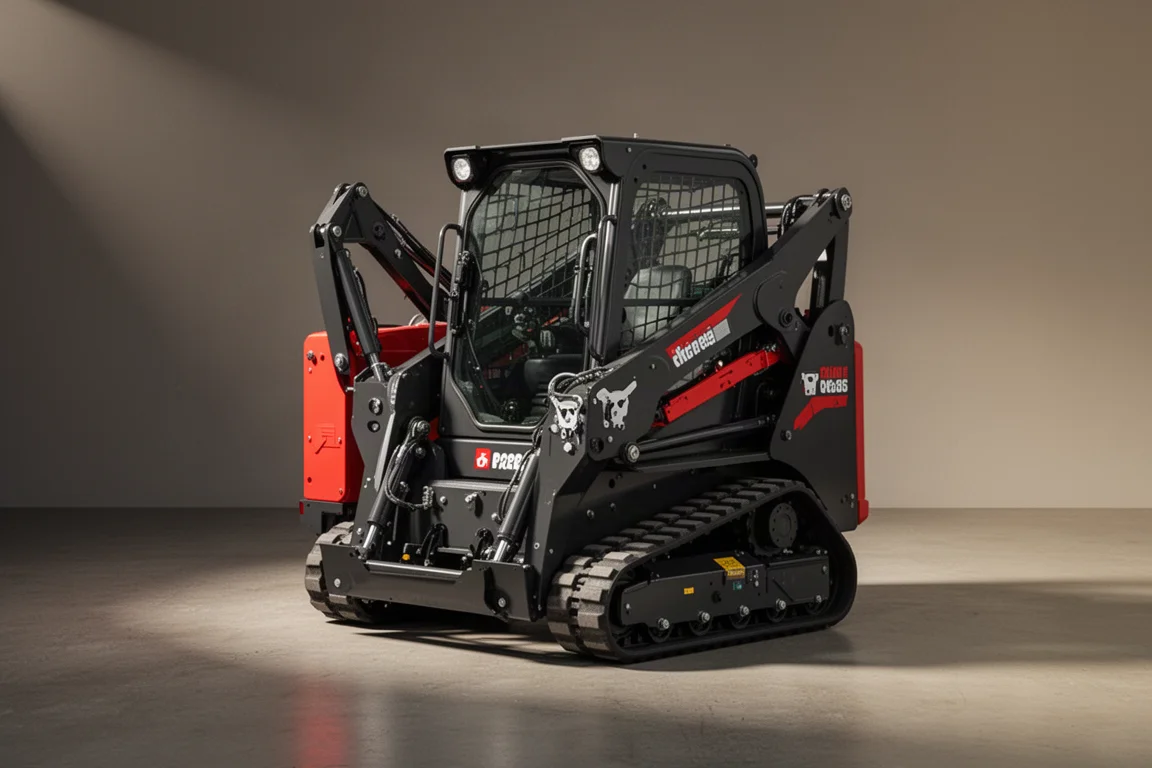
The Toro Dingo TX300 sits in an interesting spot. It is a midsize mini skid steer with 37 horsepower, positioned between Toro’s smaller TX1000 and the much larger TX2000. We put it to work on a real renovation project: hauling away bricks set in sand, then removing sections of concrete sidewalk. It impressed us more than once, but it also exposed one clear limitation worth knowing about before you buy.
What the TX300 Is Built For
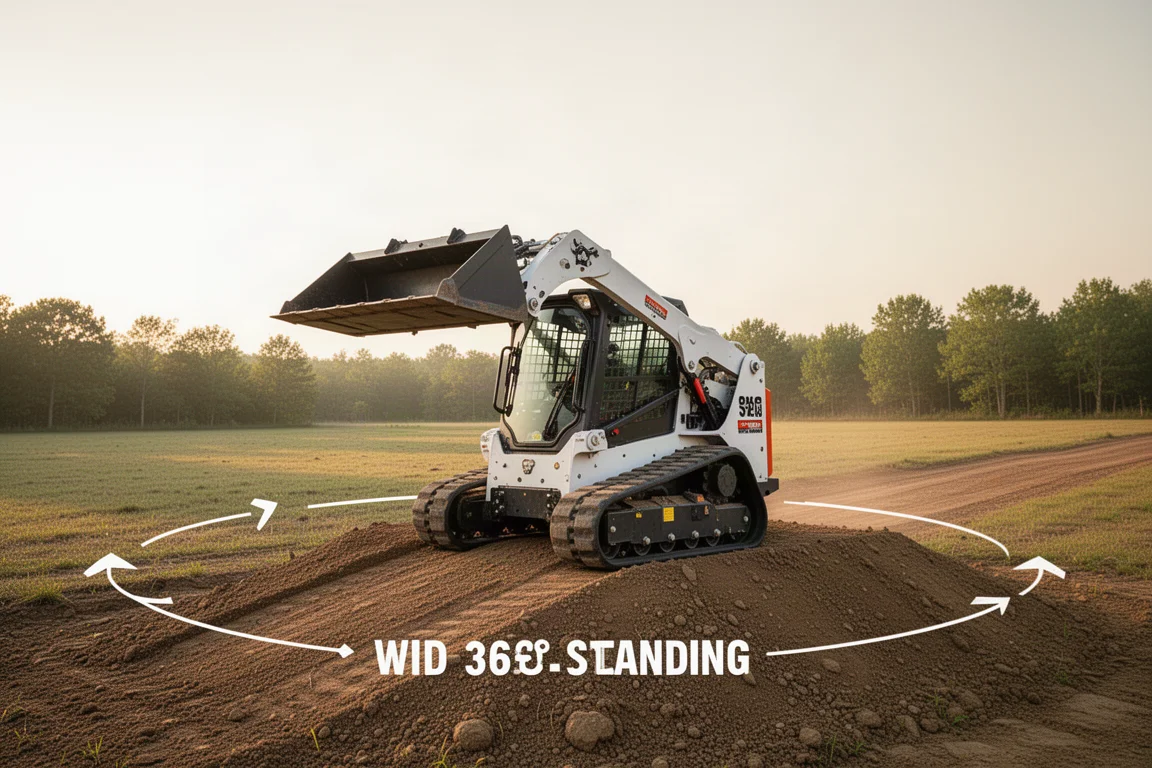
This machine is aimed at contractors and property owners doing material removal, demolition cleanup, and loading work. On our jobsite it hauled heavy bricks out of sand and loaded them into a dump trailer, work that would have been extremely labor intensive by hand. Even where the work stayed slow going, the Dingo still cut the effort significantly.
The first thing people say when the TX300 rolls onto a jobsite is that it is a little bigger than expected. After watching it work, the second thing they say is that it has serious power. For its footprint, the lift capacity genuinely surprised everyone watching, including us.
The Intelliscope Arms Are the Real Star
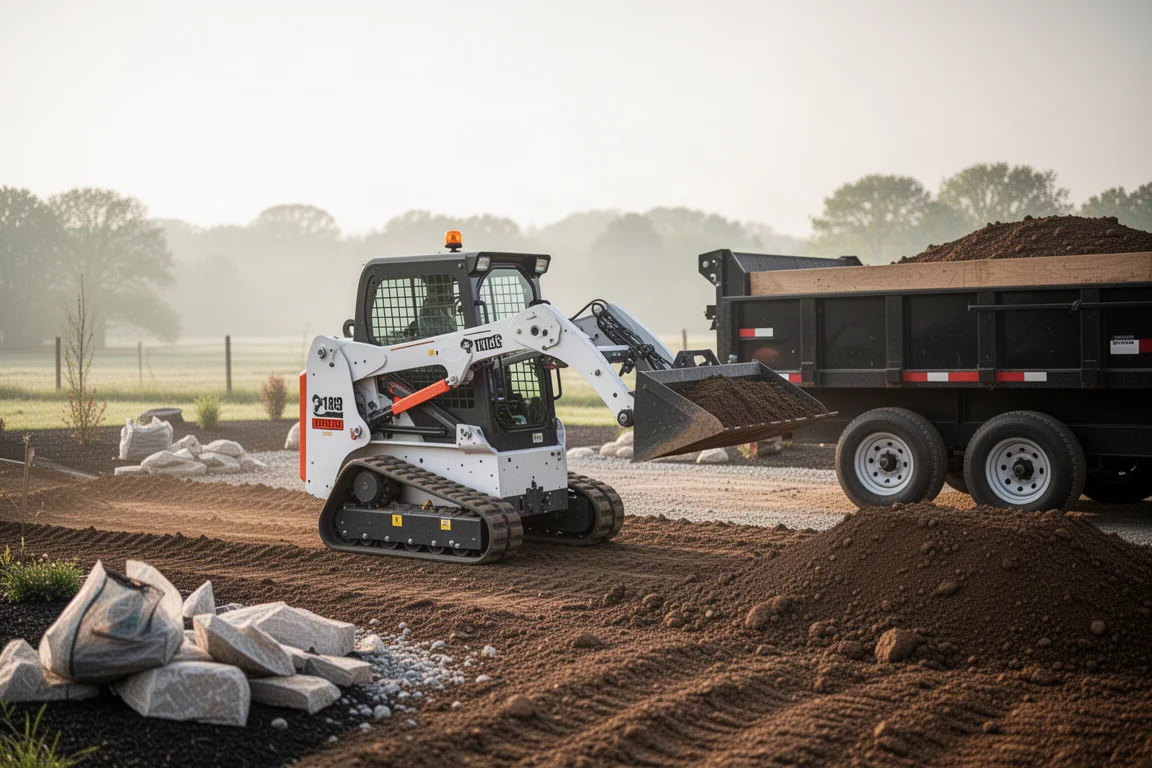
The feature that keeps impressing us is the telescoping arms, which extend out 26 inches. That extra reach lets you lift higher and get further into the center of a dump trailer, so you can spread the load out more evenly instead of piling everything at the edge.
It also changes how you can load. When moving sidewalk sections, we could approach from the back of the trailer, where it was safer and a little lower, and push the material further forward. Compared to a standard mini skid steer without telescoping arms, the TX300 simply lets you do more work. After using them, we would not consider buying a mini skid steer without this feature.
The Standard Bucket Is Too Small
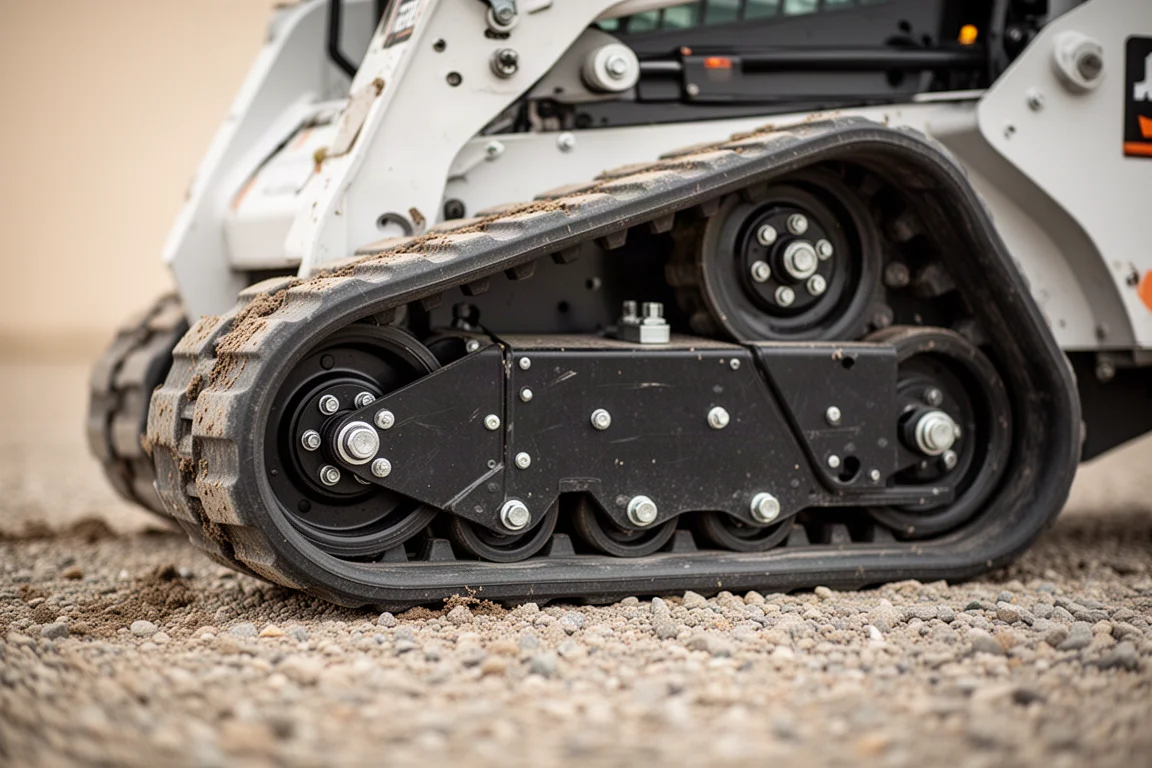
The one real downfall on our job was the bucket that comes standard with the TX300. It is simply too small for the amount of power this machine has. Loading something extremely heavy to the brim would be one thing, but for lighter-weight bulk materials like bricks, we wanted a larger bucket that is still built heavy duty.
A bigger materials bucket would mean fewer trips back and forth to the trailer, which currently feels like wasted time. The good news is that this is a solvable problem: we plan to invest in a larger bucket to take on bigger jobs and reduce the number of passes.
Sidewalk Removal Surprised Us
Removing the sidewalks was the highlight of the job. We put a set of forks on the front, slid them underneath the slabs, and simply lifted. Because these sidewalks had no metal, no mesh, and no rebar in them, the work was genuinely easy.
We did hit the machine’s limits at times. A blinking light told us we were at maximum load, but the TX300 just kept working through it, letting us move the pieces around and load them into the dump trailer with ease. Some slabs were 10 feet long and wider than the trailer, so we had to drop a few to break them. Even so, the lift capacity and power packed into a machine this size floored us. Safety still matters here: moving something super heavy on the front of a compact machine demands careful, deliberate operation.
The Attachment Limitation
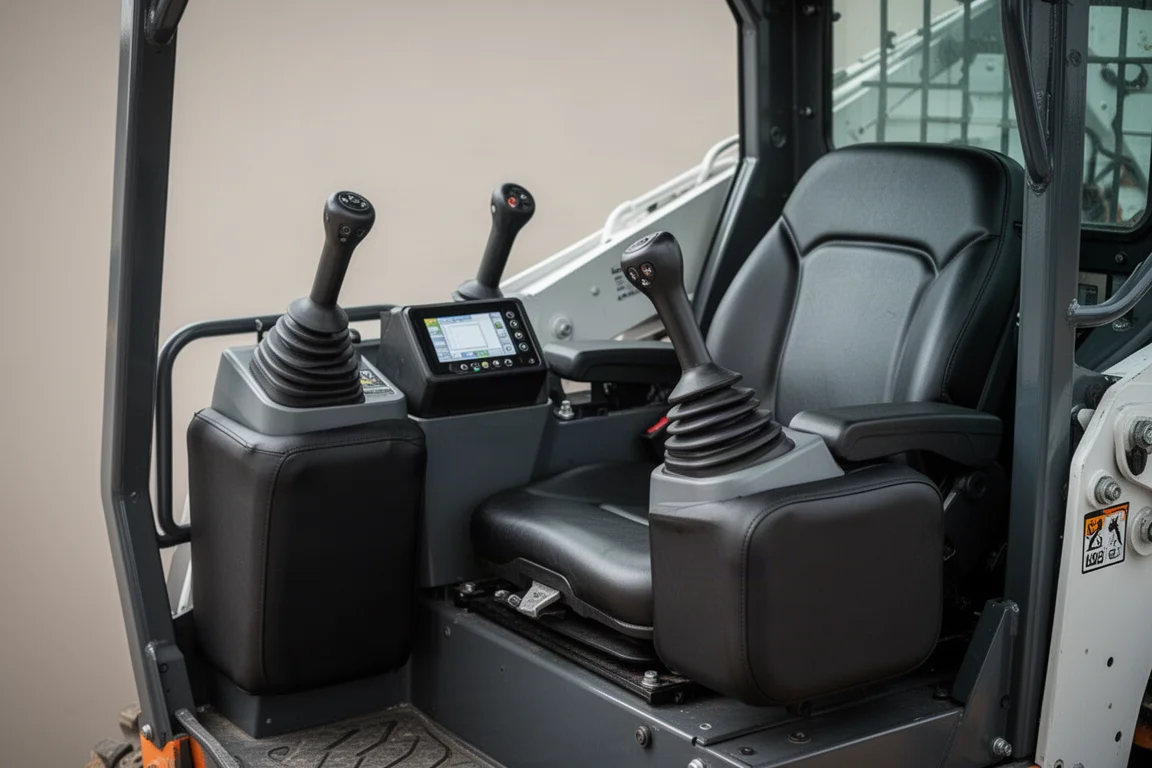
The most significant downside is that you are limited on Toro attachments for the front. The TX300 is a midsize machine at 37 horsepower, but most Toro attachments were made for the TX1000 and below. The much larger TX2000 takes a standard skid steer type attachment instead. The TX300 sits right in the middle, with plenty of power to tackle much larger implements that Toro does not currently offer for it.
There are workarounds. You can reach out and find a different attachment that fits, or invest in an adapter that converts the front from the Toro mini skid steer attachment format to a standard skid steer attachment. That would let us use a larger materials bucket we already own and let this smaller machine handle bigger jobs.
Should You Buy the Toro Dingo TX300?
If you are in the market for a mini skid steer, look for one with telescoping arms. In our experience they are a lifesaver in many scenarios, and we would never buy one without them again. The TX300 backs that feature up with genuine lift capacity and power that handles demolition and loading work far beyond what its size suggests.
Just go in with a plan for attachments. If you intend to stay within the Toro attachment lineup, check what is available for this machine first, or budget for a skid steer adapter and third-party attachments. With the right front-end setup, the TX300 is a capable and genuinely impressive workhorse.
Conclusion
The Toro Dingo TX300 delivers surprising power and lift capacity in a compact package, and its 26-inch telescoping arms change how much work a mini skid steer can realistically do. The undersized standard bucket and the limited Toro attachment range for this midsize class are the main caveats, but both are addressable with the right investment. For material removal, sidewalk lifting, and trailer loading, it earned our respect quickly.
Product link
View more details for Toro Dingo TX300
This product is mentioned in the review. Check the specifications, options, and compatibility before buying.
View more details for Toro Dingo TX300Further reading
Related Reviews
Compact Equipment
Bauma Light TRL 620D Mini Skid Steer: First Impressions and Why Serviceability Wins
A first look at the Bauma Light TRL 620D mini skid steer, focusing on its 25 horsepower Kubota diesel, updated dash, and unusually easy access for maintenance and repairs.
Compact Equipment
Toro Dingo Review: A Mini Skid Steer Built for Tree Planting Work
How the Toro Dingo handles large-scale tree planting, and why its visibility, comfort, and smooth controls make it a favorite for long days in the field.
Outdoor Power Equipment
Makita CB4 Backpack Blower with PDC 1200: Quiet Power for Pros
A 62 dB battery-powered backpack blower paired with a 1,200Wh battery pack, built for landscapers working where gas is no longer allowed.