Compact Equipment
Toro Dingo Review: A Mini Skid Steer Built for Tree Planting Work
How the Toro Dingo handles large-scale tree planting, and why its visibility, comfort, and smooth controls make it a favorite for long days in the field.
Introduction
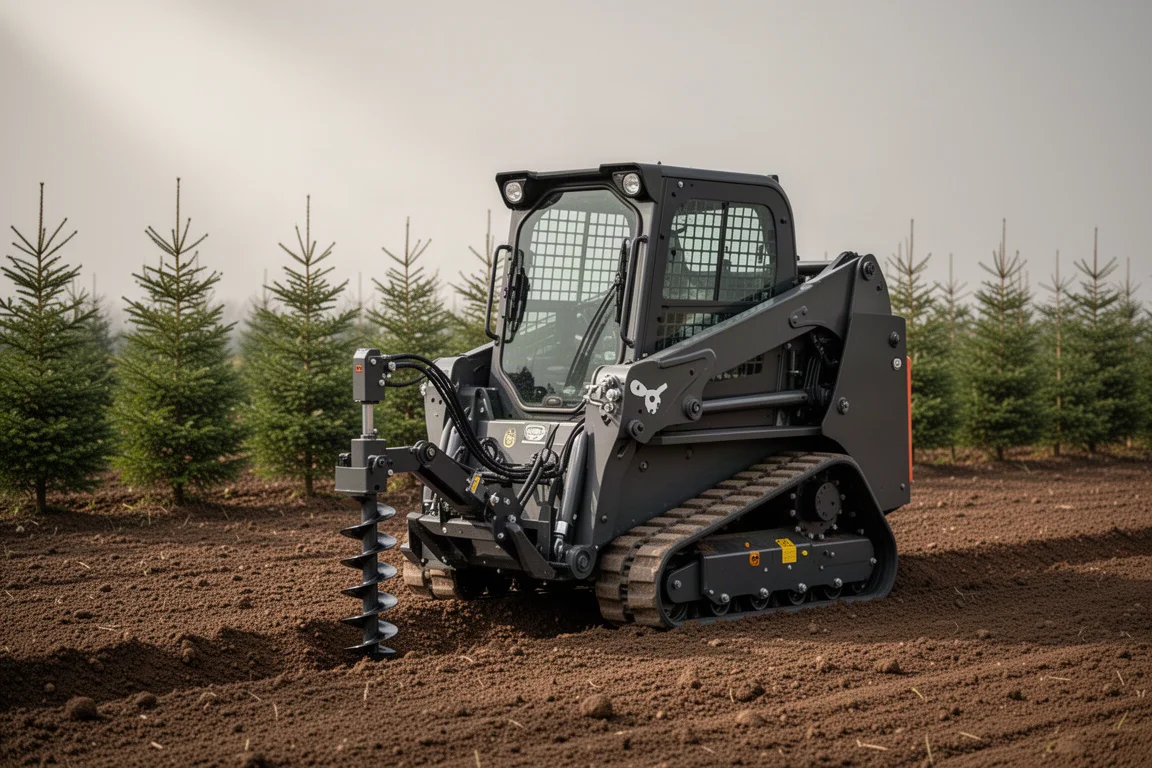
Some jobs only become manageable once the right machine shows up. On one of our smaller wildlife habitat programs, where the goal is to replant unused farm and grass fields with somewhat larger trees, that machine has been the Toro Dingo. This compact unit has been a lifesaver, and not just for backs and necks: with everything happening out front of the operator, turning around, digging, and placement all become dramatically easier.
The project is not a typical clearcut reforestation program. It involves planting 2 to 4 year-old trees, including white pines standing 14 to 22 inches tall with root systems at least as deep as the trees are tall. Getting those roots down into the ground without air pockets is critical, because a tree whose hole settles poorly will suffer or die.
Why a Mini Skid Steer Fits Tree Planting
The core argument for a machine like this is simple: everything is in front of you. Trees need to be spaced at a specific distance, so the crew drags a line behind them, some operators hooking it to their pants so they can feel the weight drop into the hole without looking. Trees are then staggered so no one has to physically turn around to check spacing.
The Dingo’s 360-degree view makes that workflow painless. You have to turn your body, but nothing blocks your sight lines, and during planting the auger system and your work area are always directly ahead.
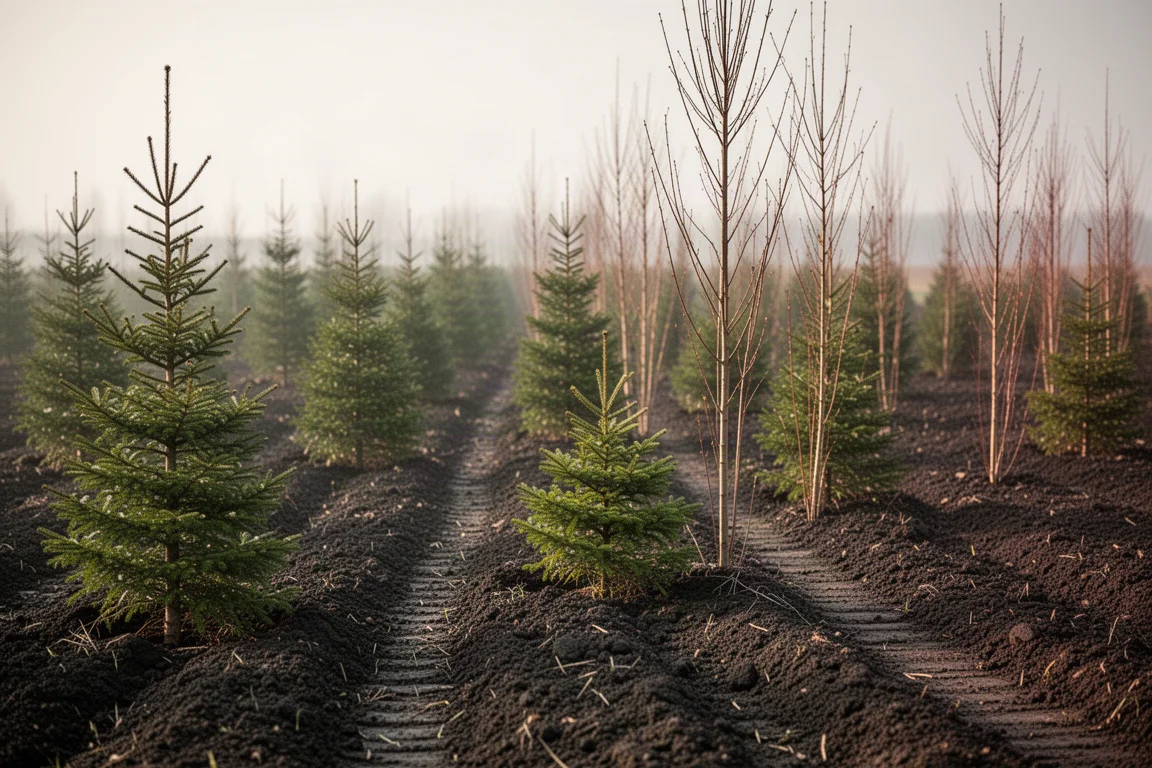
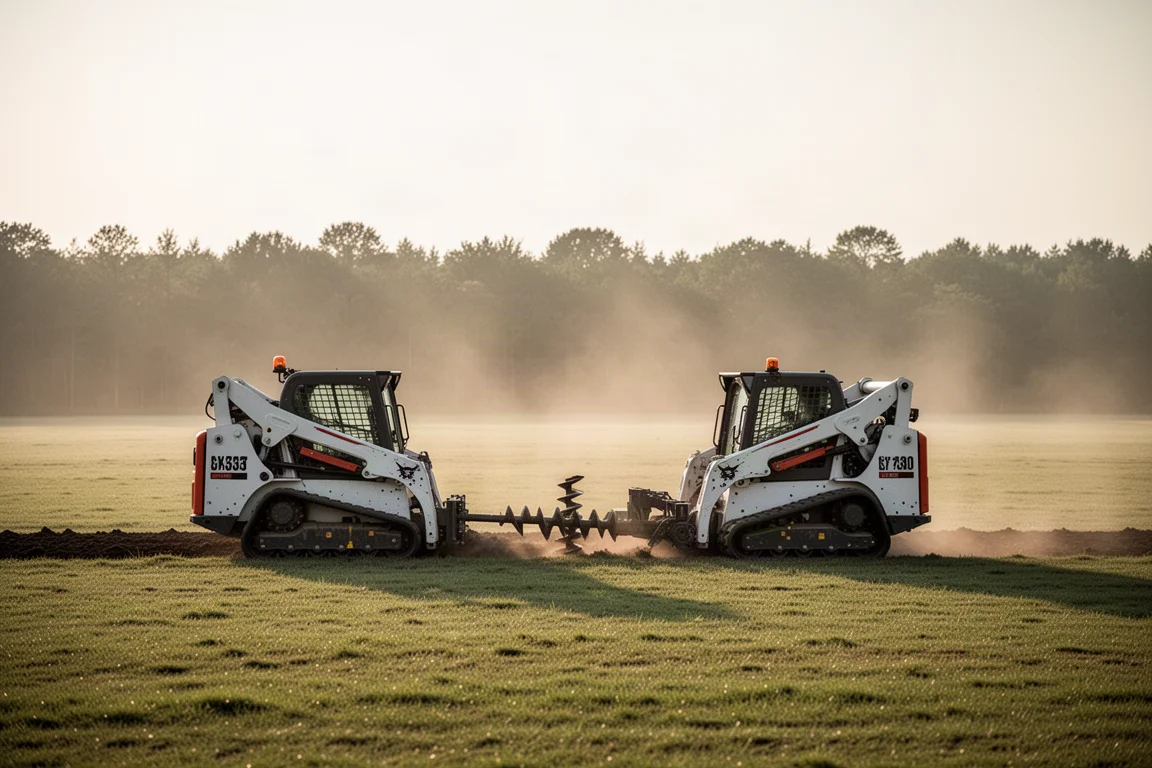
A 9-inch auger digs the holes, and it goes deep on purpose. Some backfill always settles, and the extra depth lets the crew kick dirt in easily, especially on worked-up ground, so the hole never sinks and leaves the tree struggling. The crew plants in pairs: one operator drills holes on the Dingo while another follows behind planting. On a good day with the ground pre-worked, the team can plant 500 to 600 trees in a day, and a single tree can go in the ground in under a minute.
The Operator Station: Comfort That Shows Up in Output
The operator station is what really gets people onto the Toro. The footboard has a springy feel, a pedal in front holds the hydraulics on, and the side cushions are the standout: they are genuinely padded, not just plastic, so knees stay protected on both sides when mounting or when bouncing around on rough ground. For taller operators, the knees fit neatly between the cushions, and there is essentially no fatigue when standing for long periods.
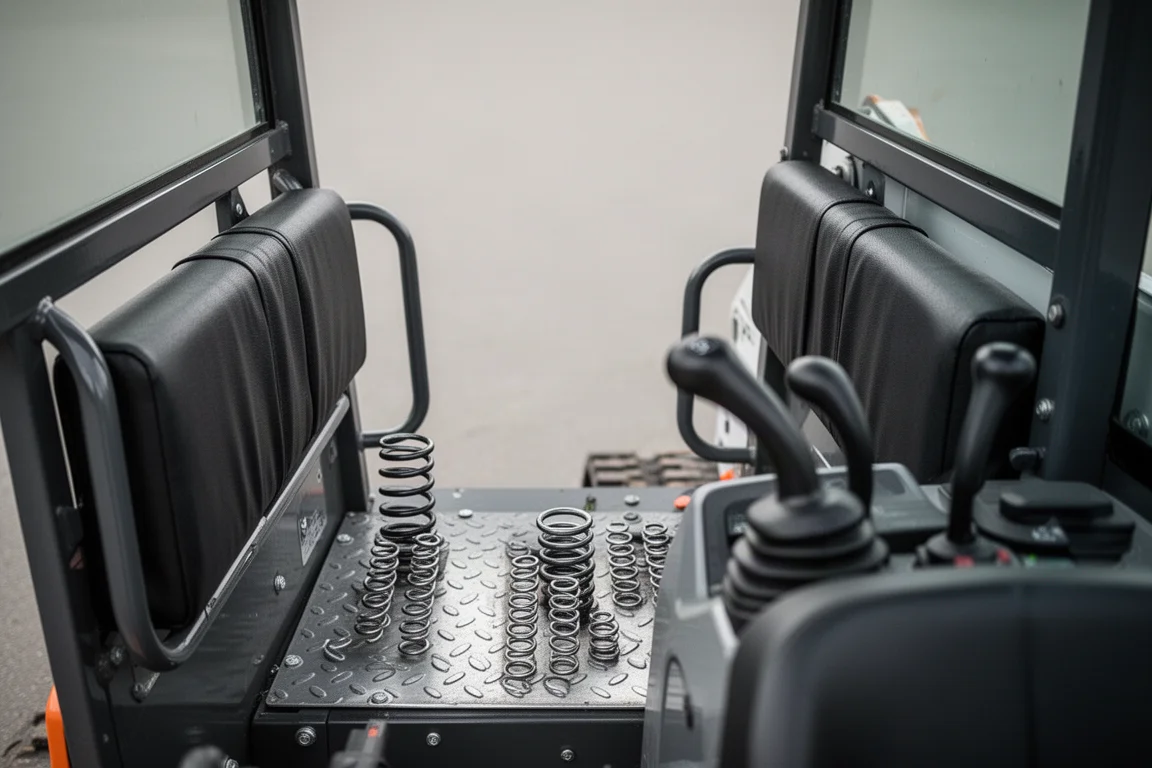
The machine also snaps back to neutral the moment you let go. No matter where you are, everything comes to an immediate halt, which builds confidence for new operators. There is an electronic parking brake up front, an electronic throttle that steps through levels with a switch, and, practically speaking, a cup holder up front that keeps water within reach during long work sessions.
Controls That Anyone Can Pick Up Quickly
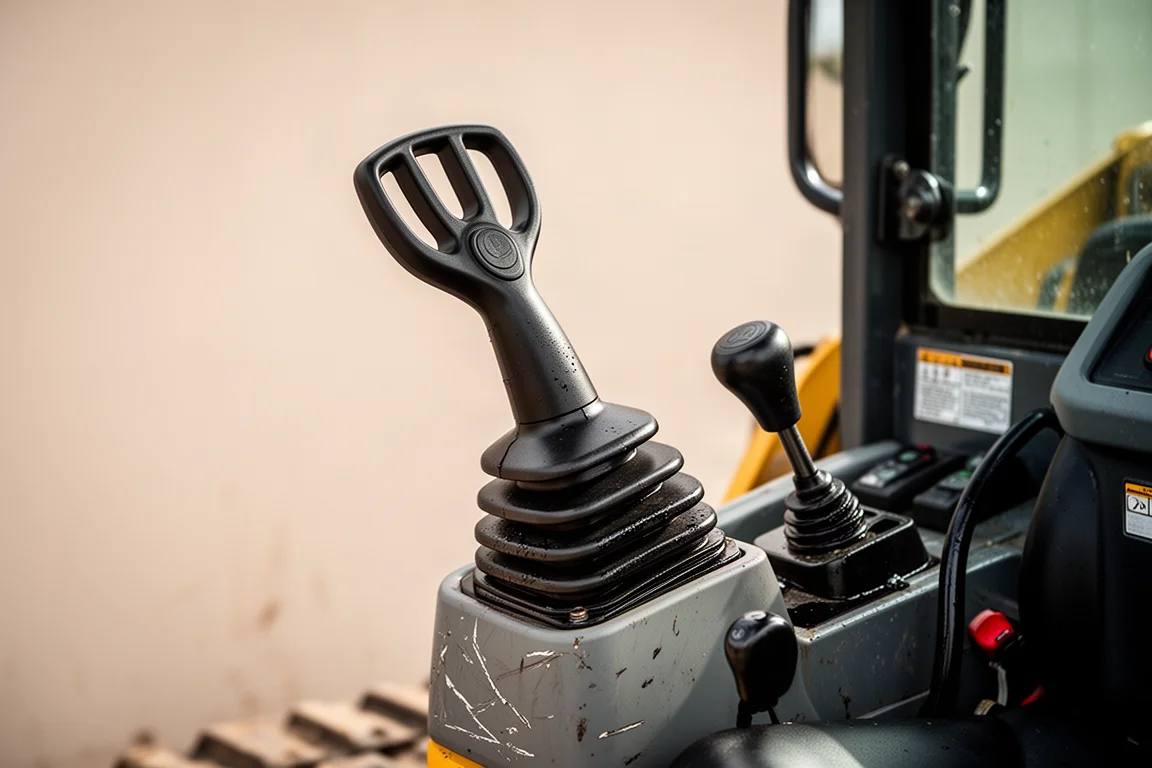
The single handle control is meant to fit your palm. Push with two fingers or two hands when working slowly, grab the front handle to turn and steer, and the bent-around front section works smoothly in every direction. There is also a horn, which is a small detail that matters when you need to get someone’s attention fast.
The side stick controls nearly everything hydraulic: it turns the hydraulics on, runs forward and reverse, and holding it back while pressing the pedal keeps hydraulics live. The bucket movement is precise and, in float mode, exceptionally smooth.
One honest trade-off is the computer-controlled engine and electronic throttle. Some people love it, some do not, and a computer failure would shut the machine down entirely. For most work, the crew does not even run full throttle, which lowers noise, improves comfort, and keeps enough power for the job.
Fuel, Endurance, and Where It Beats a Full-Size Skid Steer
Fuel use is a genuine highlight: after 9 hours of running, the tank still showed more than half remaining. The Dingo sips fuel, which matters when the machine is out in the field all day.
Compared with a full-size skid steer, the visibility difference is stark. A full-size machine loses much of the side-to-side view, and seeing behind you usually means relying on a camera. You may gain a heated or cooled cab, but you give up natural sight lines and burn far more fuel. For tree planting and similar field work, the Dingo’s open view and low fuel burn make it the better fit.
Buying Advice
Whether you rent or buy, the cost is worth comparing, because a machine like this saves a lot of time and a lot of pain. Beyond tree planting with an auger, the same platform can handle log removal, tree clearing with a grapple, and other field tasks, which makes it a versatile investment for anyone managing land. For crews working long days, the combination of a comfortable padded station, smooth controls, and excellent visibility is exactly what keeps people happy and productive outside.
Conclusion
The Toro Dingo turns a slow, back-breaking planting job into a fast, comfortable one: 500 to 600 trees a day, a minute or less per tree, and fuel left in the tank after a full shift. If your work involves auger planting, field clearing, or any task where seeing everything around the machine matters, this mini skid steer is one of the most convincing tools you can put on the job.
Product link
View more details for Toro Dingo
This product is mentioned in the review. Check the specifications, options, and compatibility before buying.
View more details for Toro DingoFurther reading
Related Reviews
Compact Equipment
Bauma Light TRL 620D Mini Skid Steer: First Impressions and Why Serviceability Wins
A first look at the Bauma Light TRL 620D mini skid steer, focusing on its 25 horsepower Kubota diesel, updated dash, and unusually easy access for maintenance and repairs.
Compact Equipment
Toro Dingo TX300 Review: Big Power in a Compact Mini Skid Steer
A hands-on look at the Toro Dingo TX300 on a real demolition and hauling job, covering its telescoping arms, lift capacity, and the one big trade-off around attachments.
Tools
DOVOH Outdoor Laser Level Review: A Premium Tool for Construction and Landscaping
A comprehensive look at the DOVOH outdoor laser level with receiver, including what comes in the box, key features, and real-world performance for leveling projects.