Outdoor Power Equipment
Makita CB4 Backpack Blower with PDC 1200: Quiet Power for Pros
A 62 dB battery-powered backpack blower paired with a 1,200Wh battery pack, built for landscapers working where gas is no longer allowed.
Introduction
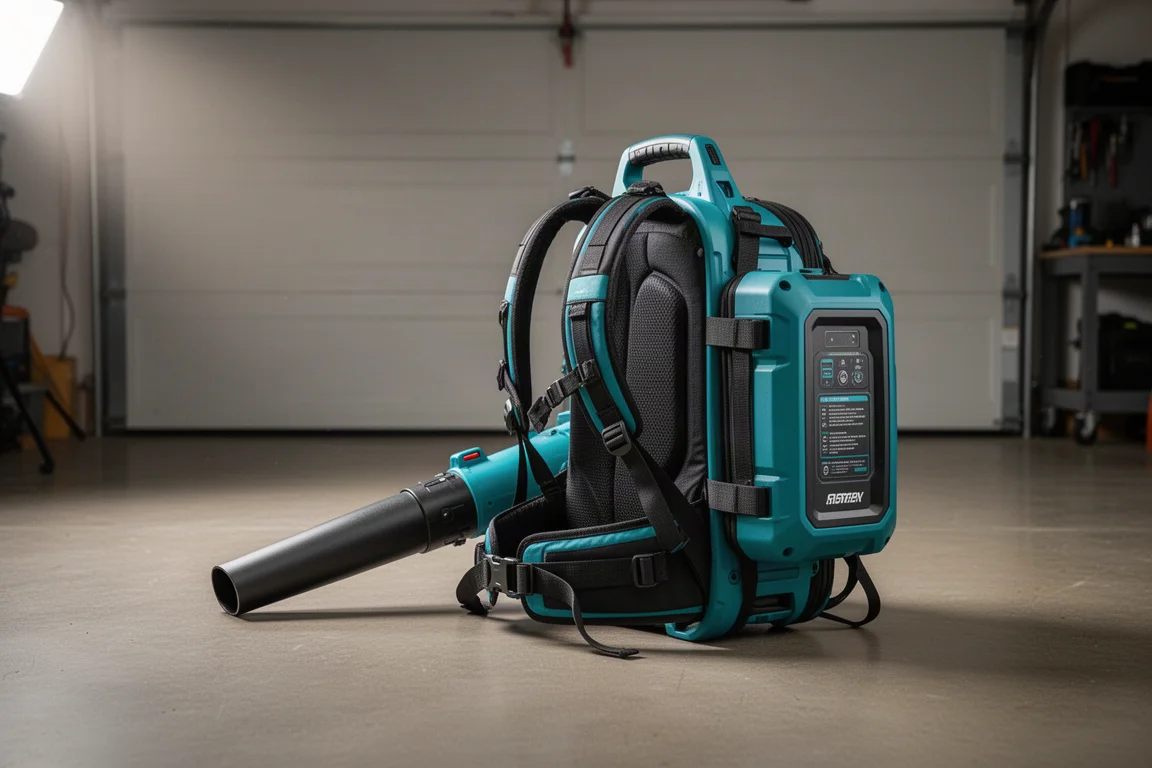
The Makita CB4 Backpack Blower, paired with the PDC 1200 battery pack, targets a very specific buyer: professional landscapers who need quiet, long-lasting blowing power around hospitals, businesses, and HOAs that no longer allow gas equipment. The pairing costs a serious amount of money, so this is not an impulse purchase. But for the small group of buyers who genuinely need a quiet, long-running blower, there is very little else on the market that matches it.
Why Quiet Matters for This Blower
The CB4 runs at 62 dB, which makes it genuinely usable next to occupied buildings and homes without disturbing anyone. For crews working in condominium associations or noise-restricted areas, that quietness is the entire reason this product exists, and it is also why customers are willing to pay a premium for the service. Some states and municipalities no longer permit the sale or use of gas leaf blowers at all, and in those markets a quiet battery blower with real runtime stops being a luxury.
Output sits at around 700 CFM with a variable speed trigger and three selectable modes, so you can dial it back to conserve battery when the job does not call for full power. Air speed reaches about 171 mph, which Makita’s setup puts roughly in the territory of a 60 to 65cc gas backpack blower. It does not compete with the largest gas models pushing 900 CFM and close to 200 mph, and you can feel that difference in stubborn, wet leaf piles.

Comfort and Build Quality
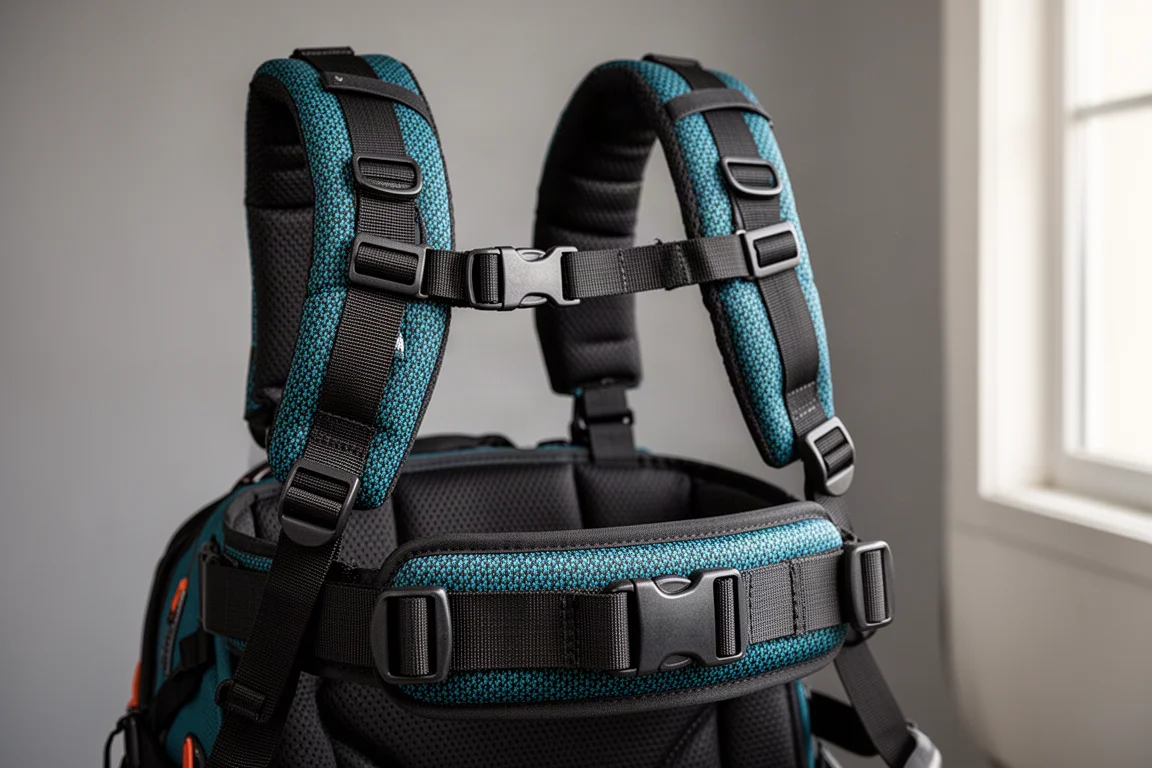
Comfort is where this unit quietly wins. The blower itself weighs 17 lb, and adding the PDC 1200 brings the total to roughly 37 lb, so the harness has to earn its keep. Makita clearly spent time on it: thick padding throughout, a supportive waist belt, adjustable chest straps, and multiple clip positions that let you tune how the tube and harness sit against your body. The handle adjusts forward and back as expected, and everything twists and locks in familiar ways.
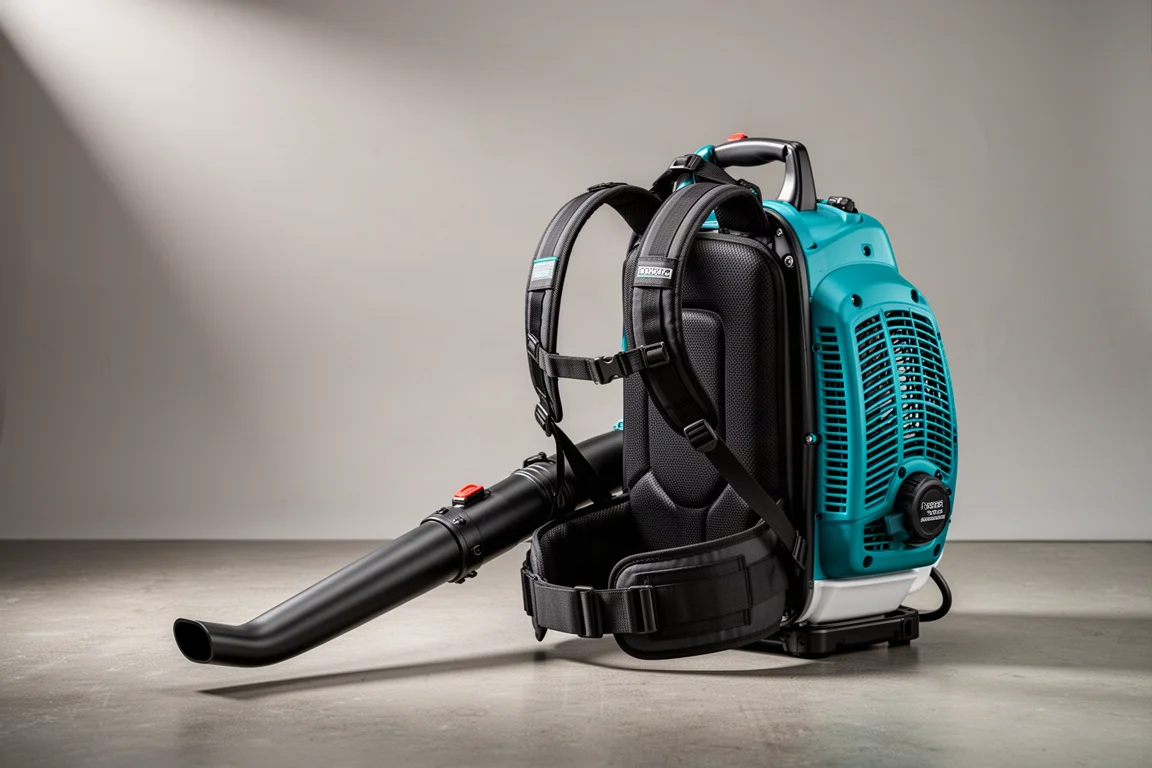
The design also includes a clever storage setup: the blower unit rocks on its tube and can be secured in a stored position with a simple plastic clip, making it easier to handle when not in use. The trigger feels smooth, the brushless motor responds the way you would expect, and the overall impression is that this is an engineered product rather than a marketing product. It carries an IPX4 rating for weather and dust resistance, which matters for crews who keep working through rain.
One genuine frustration is the power-on sequence. The power button on the handle does nothing on its own; you first have to turn on the battery by pushing and holding its button, then press the blower’s power button. Turning the blower off does not shut the battery down either, so there is a bit of a learning curve on startup and shutdown.
The PDC 1200 Battery Pack
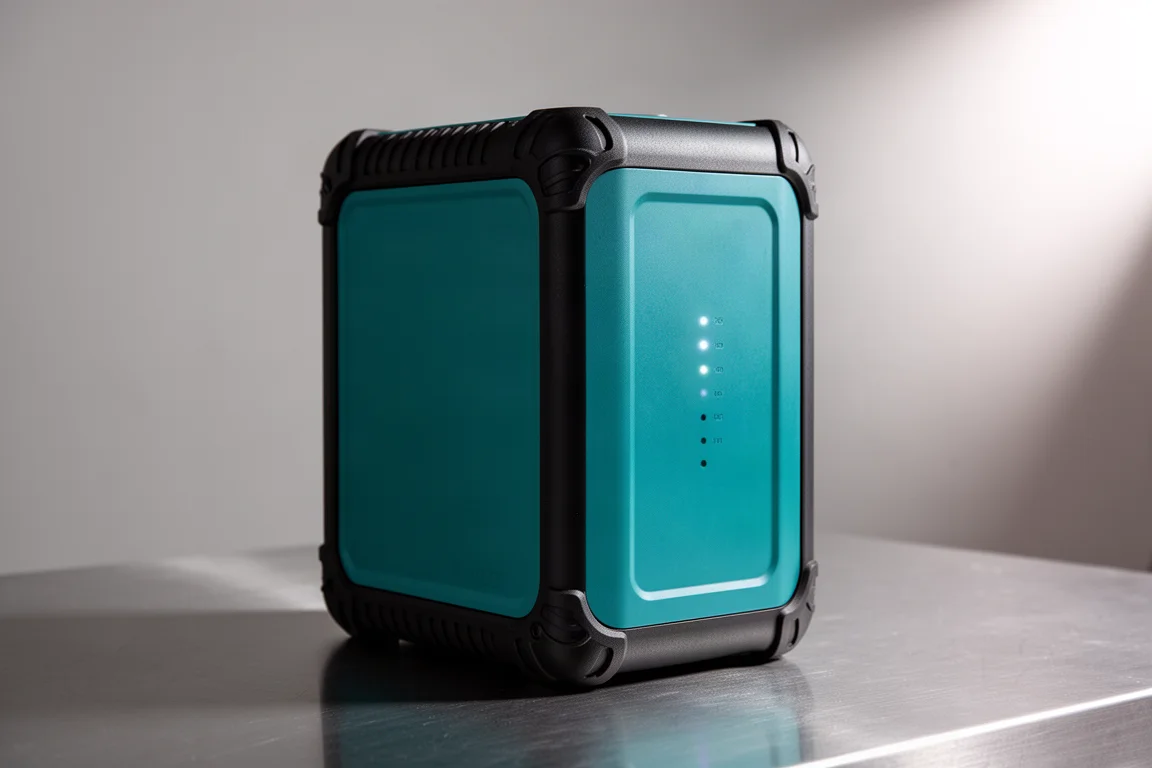
The PDC 1200 is effectively seven 5Ah Makita XGT batteries worth of capacity strapped to your back: 33.5 amp hours, 1,200 watt hours, on a 40-volt platform. Priced out individually, buying this pack costs less than purchasing seven separate XGT batteries, though you do carry all that capacity with you at all times. Some competing backpack blowers let you carry one, two, or up to four batteries to tune weight against runtime; the Makita approach fixes the weight instead.
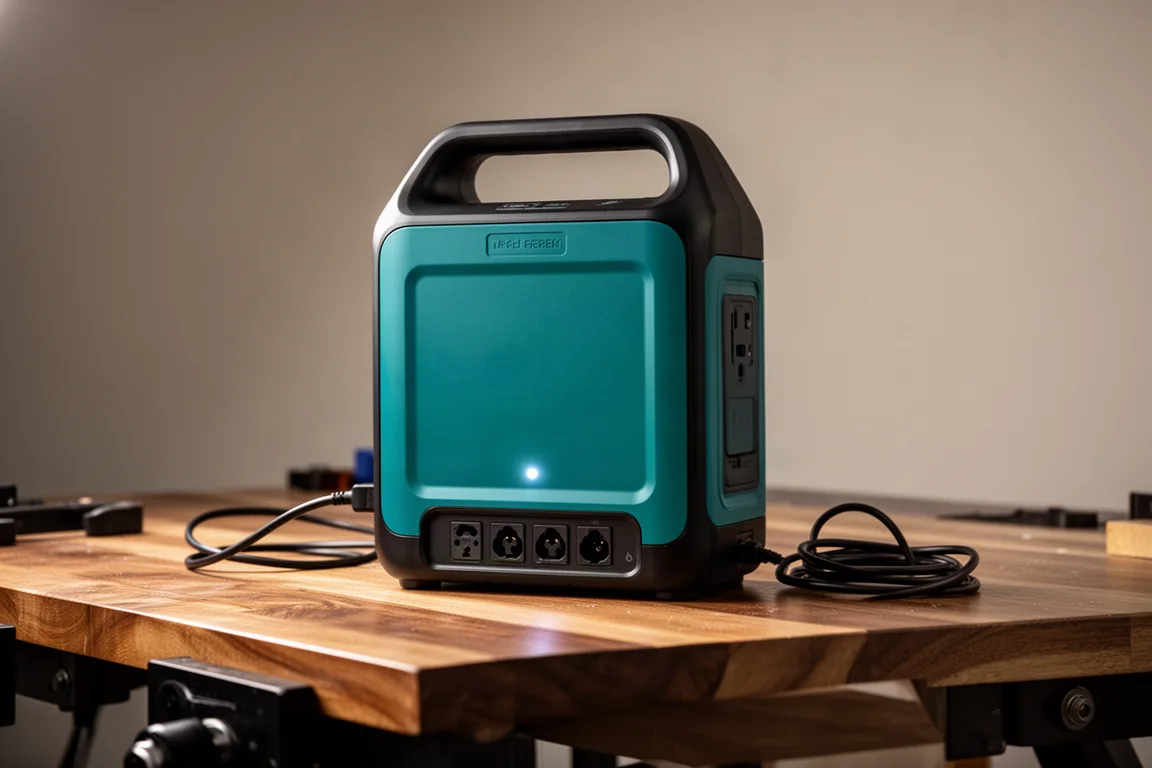
The pack is not a one-trick part. It can also feed power to tools through compatible adapters, including dual-battery 18V tools, which opens up use cases like extended cuts with a saw or powering equipment that benefits from a big onboard battery. Most buyers will use it for high-power, long-runtime jobs, but the flexibility is a nice bonus.
Attaching and removing the pack from the blower is simple with a lock button, and the cables stow neatly at the bottom of the frame. Charging is a different story: the charging port sits on the bottom of the pack and has to be aligned with a four-prong plug and twisted into place, which takes some fumbling to find. It charges slowly, as you would expect for 1,200Wh, with indicator lights showing progress.
Runtime and Charging
Makita claims the larger PDC 1500, with 300 more watt hours, runs the blower for about two hours. In real use with the PDC 1200, running continuously on the highest of the three modes for an hour and a half, the pack still came back with roughly half a charge remaining. Nothing else in this class has demonstrated that kind of runtime at full throttle.

Who Should Actually Buy This
The honest answer is that this combination is not for most people. Battery backpack blowers in general are not yet there for the mainstream buyer, largely because of cost. The blower alone runs about $769, and the PDC 1200 is rated around $1,400, so the complete setup is a significant investment. The economics only work for operators who can charge clients more for quiet service, or who simply cannot buy or use a gas blower where they work. For them, this is currently one of the few options that combines quiet operation, real power, and all-day-capable runtime, backed by a strong warranty and a repairable design.
Conclusion
If quiet operation and long runtime are requirements rather than preferences, the Makita CB4 with the PDC 1200 is an impressive, well-engineered solution that justifies its price for a narrow professional audience. For everyone else, a quieter budget option or a louder gas blower will likely make more sense.
Further reading
Related Reviews

Outdoor Power Equipment
Best Cordless Chainsaws 2026: EGO, Milwaukee, and Stihl Compared
Three flagship battery-powered chainsaws from EGO, Milwaukee, and Stihl go head to head in cutting speed, power, weight, and price.

Outdoor Power Equipment
Best Cordless Leaf Blowers 2026: Nine Models Put to the Test
We tested nine leading cordless leaf blowers from Ryobi, STIHL, Toro, EGO, Husqvarna, DeWalt, Makita, Milwaukee, and Echo to find the best blowing force, run time, and value.
Outdoor Power Equipment
Amazon Big Spring Sale 2026: Best Outdoor Power Equipment and Backyard Deals
Cordless mowers, blowers, grills, and portable power on sale this spring, with practical advice on which packages are actually worth buying.