Headphone Amplifiers
Topping DX3 Pro+ Review: Big Value From a Compact Desktop DAC and Headphone Amp
A compact $200 desktop DAC and headphone amp with Bluetooth, seven digital filters, and enough power for a wide range of headphones.
Introduction
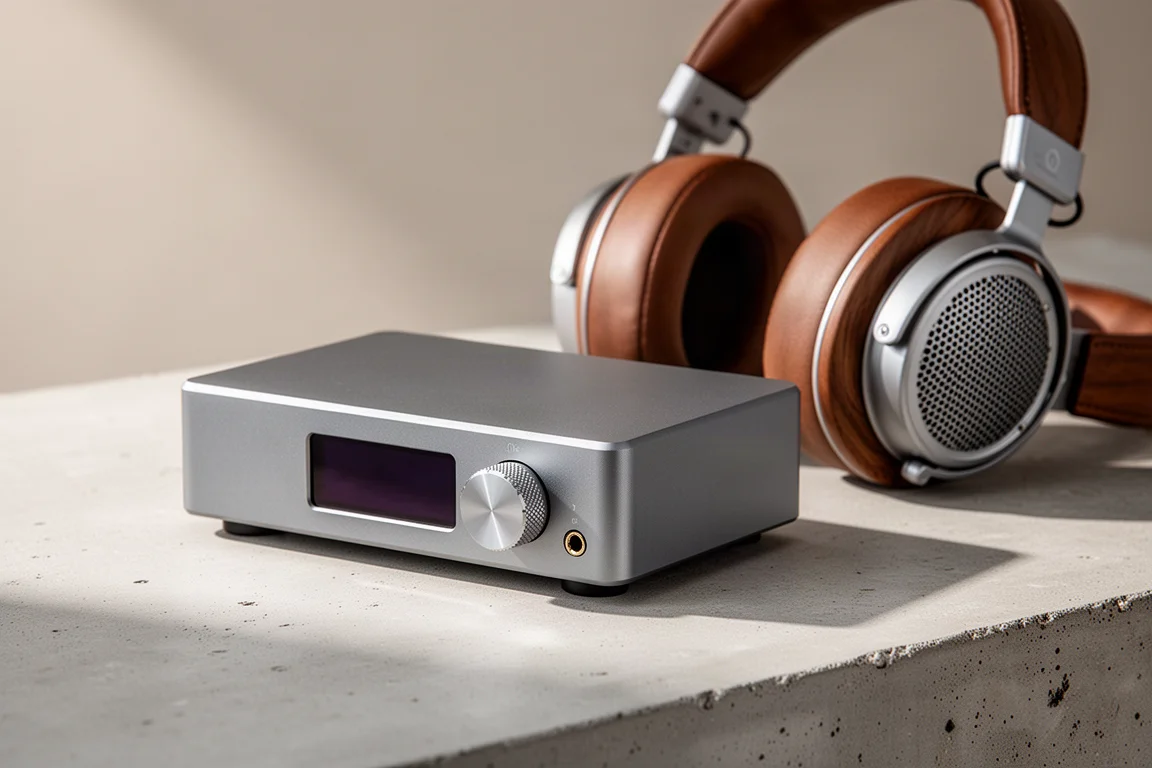
The Topping DX3 Pro+ is a compact desktop digital-to-analog converter and headphone amplifier that sells for around $200. It pairs a Sabre ES9038Q2M DAC chip with an onboard headphone amplifier, adds Bluetooth, and fits everything into a small chassis that takes up very little desk space.
For anyone moving from laptop audio to a proper headphone setup, that combination covers a lot of ground. The DX3 Pro+ accepts a full-size USB connection, optical, and two coaxial inputs, and it ships with a remote control so volume can be adjusted from across the room.
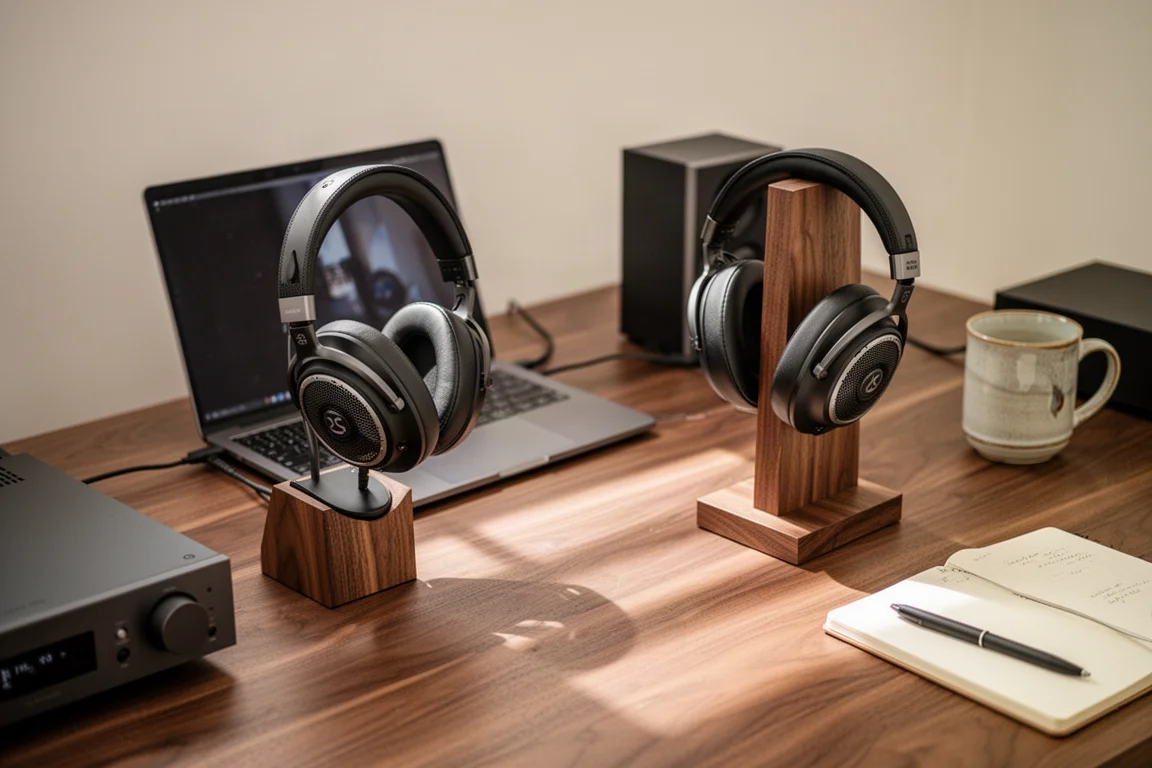
What makes it interesting is not only the feature list but how it compares with more expensive hardware. In direct listening, the DX3 Pro+ came across as fuller and easier on the top end than the Topping DX5, which costs roughly twice as much.
Who This Product Is For
The DX3 Pro+ suits listeners who are getting into headphone listening for the first time and want one box that handles both conversion and amplification. It also works well for a desk setup fed by a laptop or desktop computer.
Three further use cases stand out. Travellers can pack it in a backpack or carry-on and use it with a laptop in a hotel room. Anyone with a vintage receiver can use it to add Bluetooth, a modern DAC, and remote volume control to an older system. And because it offers variable output, it can stand in for a soundbar or similar television audio device when paired with a powered speaker or amplifier.
The single 3.5 mm front output shapes who this fits best. Most headphones use a 3.5 mm jack, so the connection is rarely a practical limitation.
Design and Build
The DX3 Pro+ is light, noticeably lighter than the Topping DX5, which weighs roughly twice as much. The chassis shares its design language with other Topping products, and that shared enclosure is part of how the price stays where it does.
The front panel keeps things simple: a rotary volume control with a firm, clicky action, a small display, and a single headphone output. The display is not elaborate, but it is bright enough to read from a chair about 10 feet away, and under 20 feet for most eyesight.
Power comes from a 15 volt wall adapter. It is a small wall wart rather than a large brick, so it does not crowd a power strip.
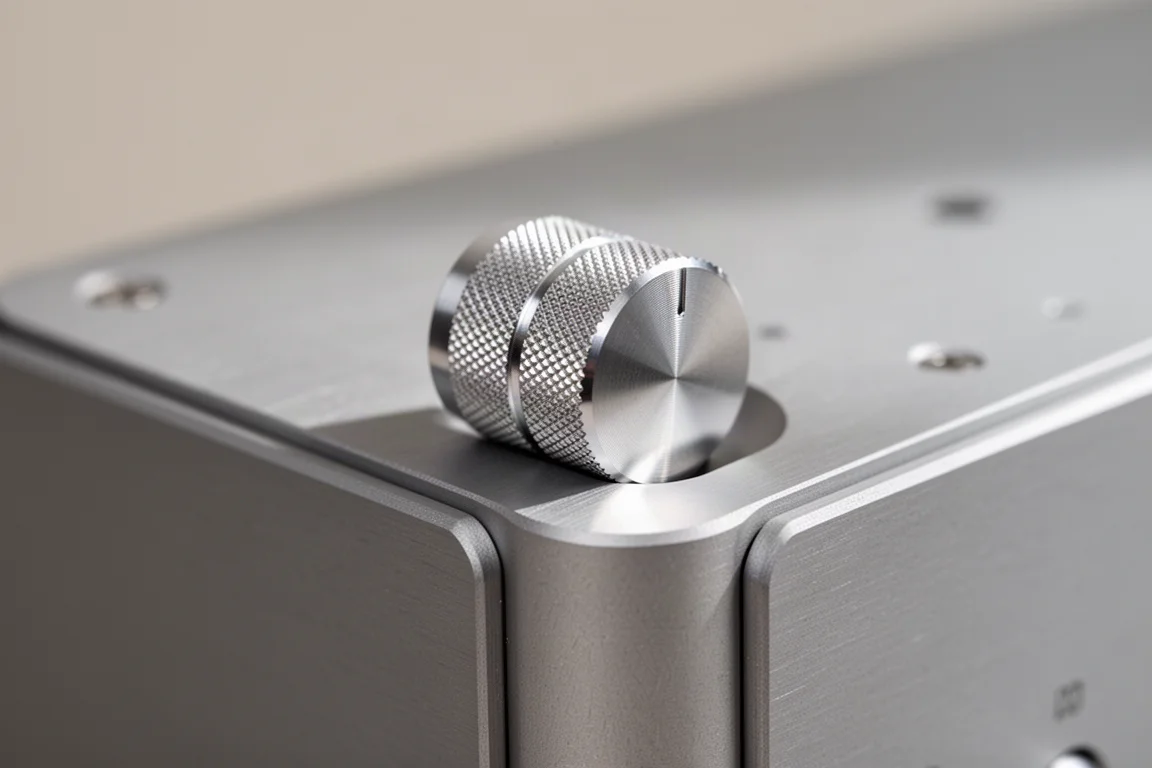
Build quality feels appropriate for the price. Nothing about the enclosure suggests fragility, and the volume control in particular gives a reassuring mechanical response.
Features and Connectivity
Feature density is where this unit separates itself from simpler DAC and amplifier combinations. There are seven digital filter settings with roll-off variations, selectable on the front panel, and two gain settings at +6 dB and +19 dB.
Operating modes cover most setups: headphone amplifier only, headphone amplifier plus DAC, fixed-output DAC, and a preamp mode with variable volume. The fixed-output mode disables volume control entirely, which is useful when feeding another component.
Bluetooth is included, with LDAC and AAC support alongside the more common codecs. AAC matters for Apple users, while LDAC carries more data than SBC, AAC, or aptX. Inputs include full-size USB, optical, and two coaxial connections, with RCA output on the back.
Power output is rated at 1,800 mW into 32 ohms, 900 mW into 64 ohms, and 250 mW into 300 ohms. There is no MQA support, which keeps the licensing cost out of the price.
Main Strengths
The first strength is power. Driving a pair of HiFiMan Edition XS headphones, the DX3 Pro+ had no trouble reaching comfortable listening levels, and it felt just as capable as the more expensive DX5, which publishes similar power figures.
The second is flexibility. Between the four operating modes, Bluetooth, the remote, and the range of inputs, this is a component that can slot into a desk setup, a television setup, or an older stereo system without extra boxes.
The third is size. It fits in a backpack, a carry-on, or a laptop bag, so the same unit that anchors a desk at home can travel. Used with a laptop in a hotel room, it is a significant step up from plugging headphones directly into a computer.
Sound Quality and Tuning
With the HiFiMan Edition XS, the DX3 Pro+ sounded fuller and less sibilant than the DX5, with a softer top end and more bass presence. The presentation came across as warmer, thicker, and more organic, and the soundstage seemed slightly more open.
That result was unexpected given the price difference, so the comparison was repeated several times with the same tracks. Vocals that sounded sharp on the DX5 were easier to listen to here, and the low end carried more weight.
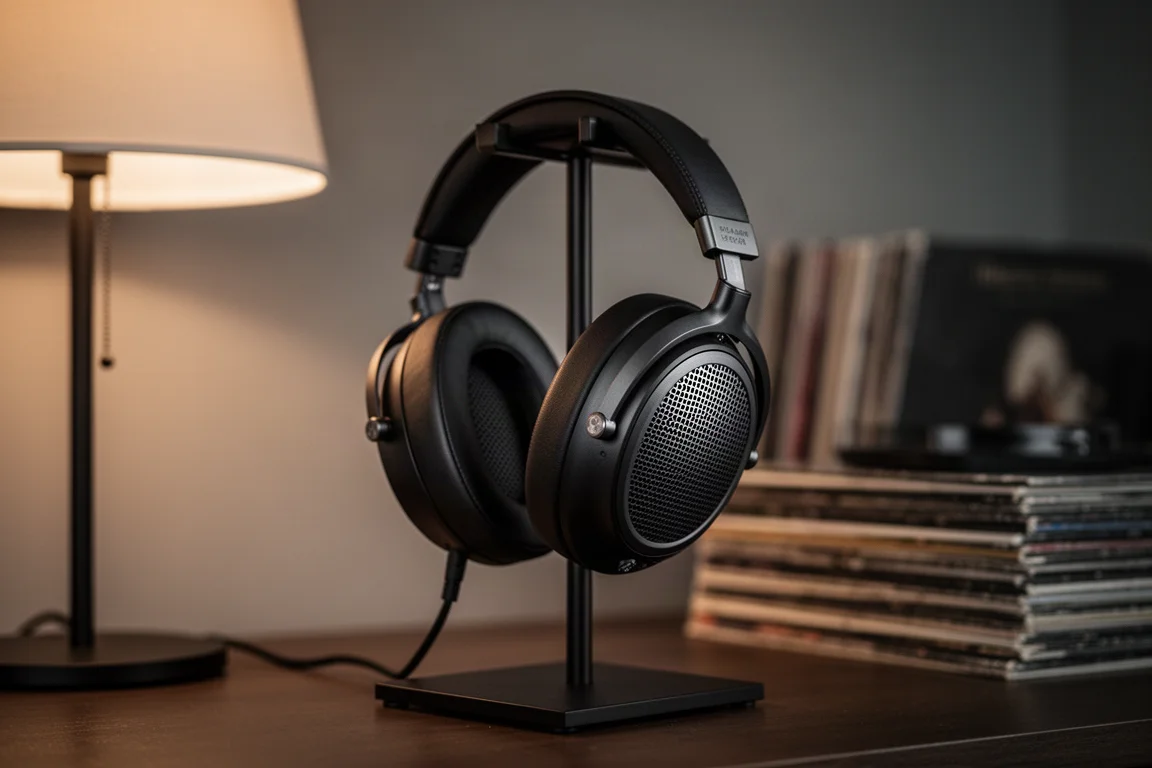
The Edition XS is a clean, revealing headphone, so differences between sources are easier to hear than they would be with a warmer or more forgiving pair. On that basis, the tuning of the DX3 Pro+ is one of its strongest arguments, especially at half the price of the DX5.
One practical note: on first connection, the volume had to be pushed to maximum before the unit behaved normally, and a quick unplug and reconnect of the USB cable resolved it. After that, output levels were consistent and matched expectations.
Things to Consider Before Buying
The headphone output is single-ended 3.5 mm only. Listeners who specifically want a balanced headphone connection will need to look elsewhere.
MQA is not supported. If MQA playback is a requirement, the DX5 offers it.
In a direct comparison, a Geshelli Labs Archel 2.5 XL headphone amplifier felt like it had more headroom on the volume dial, even though the published power difference is not large. That may come down to gain structure or the volume control itself, but it is worth knowing if maximum output is a priority.
Finally, the DX3 Pro+ and the DX5 are close enough in sound that the deciding factors are features rather than performance. The DX5 costs about $430 and adds balanced preamp outputs and MQA, which are the reasons to choose it.
Buying Advice
At around $200, the DX3 Pro+ is a straightforward recommendation for anyone starting a headphone setup or upgrading from a laptop output. Unless a specific DX5 feature is required, it is the better value of the two Topping units.
For listeners who want to step up, a Geshelli Labs J2 DAC and Archel 2.5 XL amplifier stack runs roughly $400, with each piece around $200. A Magni and Modi stack lands near $240 once shipping is added.
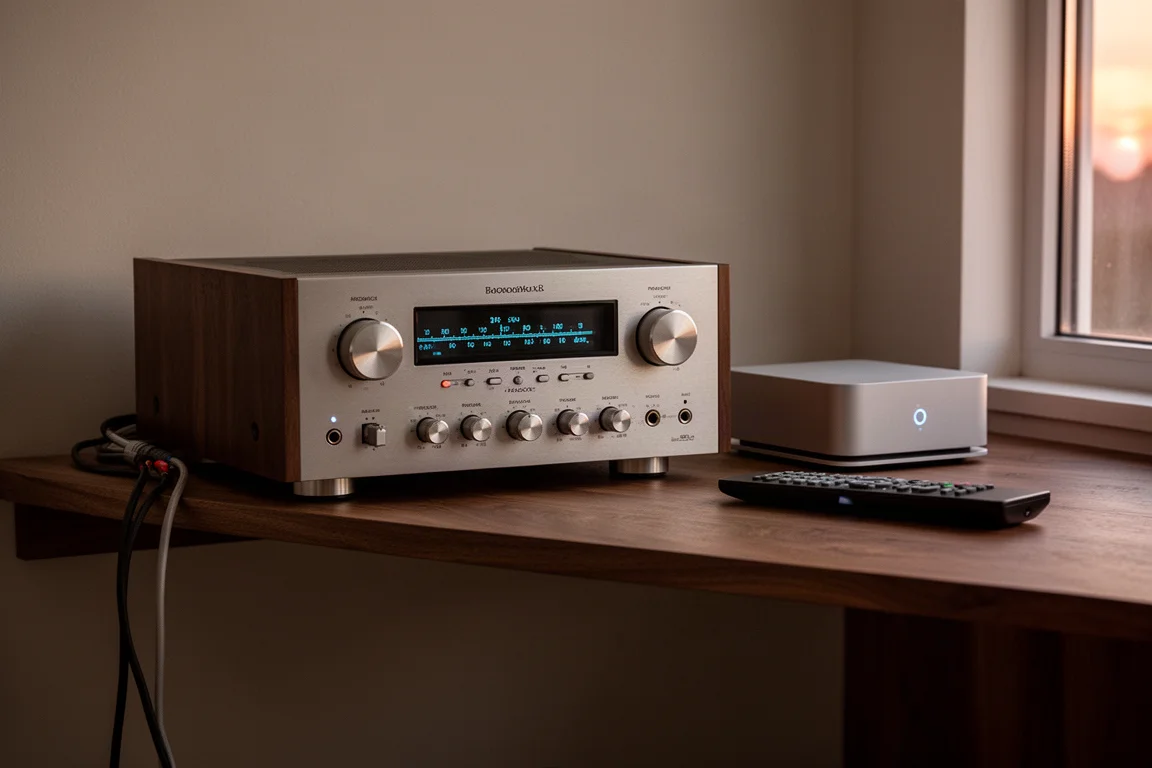
There is also a case against small dongle DACs. Where a plug is available, a desktop unit like this offers more inputs, more power, a display, and a remote, and it still travels easily. Paired with a vintage receiver, setting the receiver to about 60 to 70 percent volume and controlling level from the DX3 Pro+ with the remote makes for a practical living room system.
Conclusion
The Topping DX3 Pro+ delivers the features most listeners actually use, adds enough power for a wide range of headphones, and sounds fuller and more relaxed than a more expensive model in the same family. For $200, it is an easy recommendation as a first desktop DAC and headphone amplifier.
Product link
View more details for Topping DX3 Pro+
This product is mentioned in the review. Check the specifications, options, and compatibility before buying.
View more details for Topping DX3 Pro+Further reading
Related Reviews
Headphone Amplifiers
Creative Labs Sound Blaster X5 Review: A Flexible USB DAC and Headphone Amp
The Sound Blaster X5 pairs a fully balanced dual-DAC headphone amp with DSP, mixing, recording, and console audio in one compact USB-powered enclosure.
Headphone Amplifiers
Fosi Audio K5 Review: A Tiny Budget DAC Amp for Travel, Gaming, and Hotel Listening
A compact USB-C DAC amp with tone controls, optical and coaxial inputs, and a clean mid-forward sound that suits efficient headphones and IEMs.
Headphone Amplifiers
Fosi Audio SK01 Review: A Tiny Headphone Amp That Doubles as a Three-Band EQ
A compact $72 audio box with treble, mid-range, and bass controls, a loudness button, and a capable headphone stage. Here is where it earns its place.