Aero Road Bikes
Top 5 Aero Bikes of 2025: Five Fast Race Machines Compared
Five modern aero road bikes with race-proven designs, deep tubes, and integration details worth checking before you buy.
Introduction
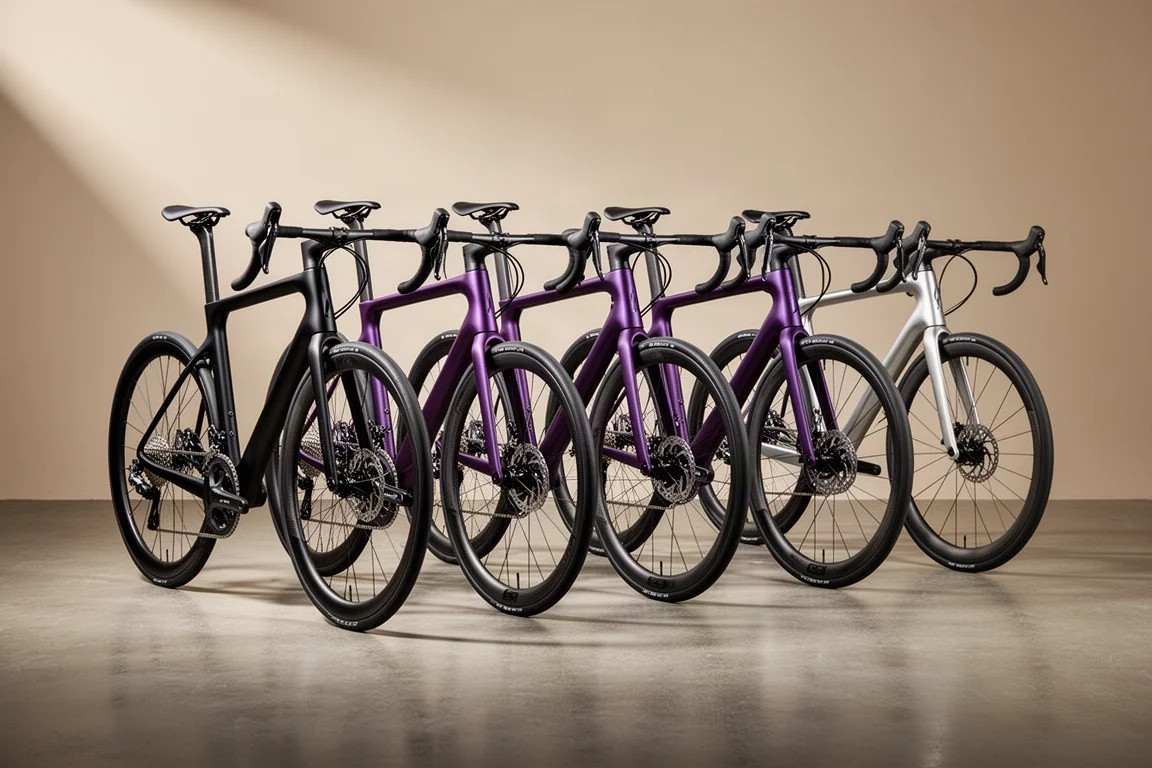
Aero is everything at the top of road racing. Racing at every level is faster than ever, and being able to save every watt you can is often the difference between winning and losing. The five bikes below represent current thinking in aero road design, from one-by drivetrains and integrated bottle systems to wider tire clearance and slimmer tube profiles.

Each of these machines takes a slightly different route to the same goal. Some chase outright drag reduction, while others trade a little tube depth for comfort and lower weight. That makes the decision less about a single overall winner and more about matching the bike to the roads you actually ride.
Cervélo S5: A Race-Winning One-By Platform
The S5 is the choice of riders who win across multiple disciplines, and it has the results to justify the attention. A Visma-Lease a Bike build pairs SRAM Red AXS components with Reserve wheels and tan-wall Vittoria tires, a combination that looks as purposeful as it performs.
The team has also run a single chainring setup, as seen at the start of the Tour de France, and Cervélo offers a one-by model off the shelf with SRAM Red AXS, a 13-speed cassette, and a 50-tooth chainring. That is about as new-school as aero road gearing gets. The V-shaped stem was divisive when the S5 first launched, but it has grown on a lot of riders over the years, helped considerably by the fact that the bike keeps winning major races.
Giant Propel: Slimmer Tubes, Broader Appeal
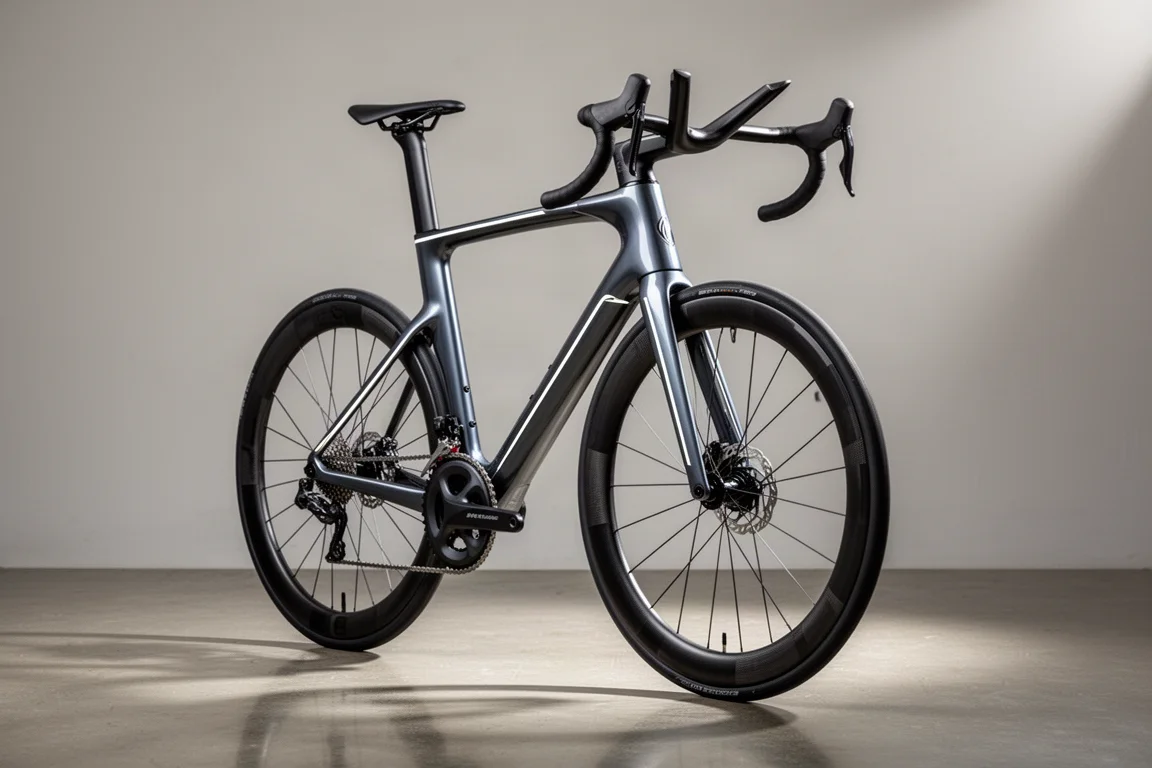
The Propel arrived in 2013 as one of the first aero-specific road bikes, way ahead of the curve with deep aero tubes and brake calipers hidden behind the fork to cheat the wind. The latest version follows the current trend among aero bikes toward slimmer tube profiles, which helps ride comfort and drops a bit of weight, making the bike more usable even on mountainous terrain.
Team Jayco AlUla race the Propel in the WorldTour with both men’s and women’s squads, complementing the frame with a purple and silver colorway. The horizontal top tube and clean lines give it a distinctive silhouette, and there is a striking Australian national champion colorway in green and gold as well.
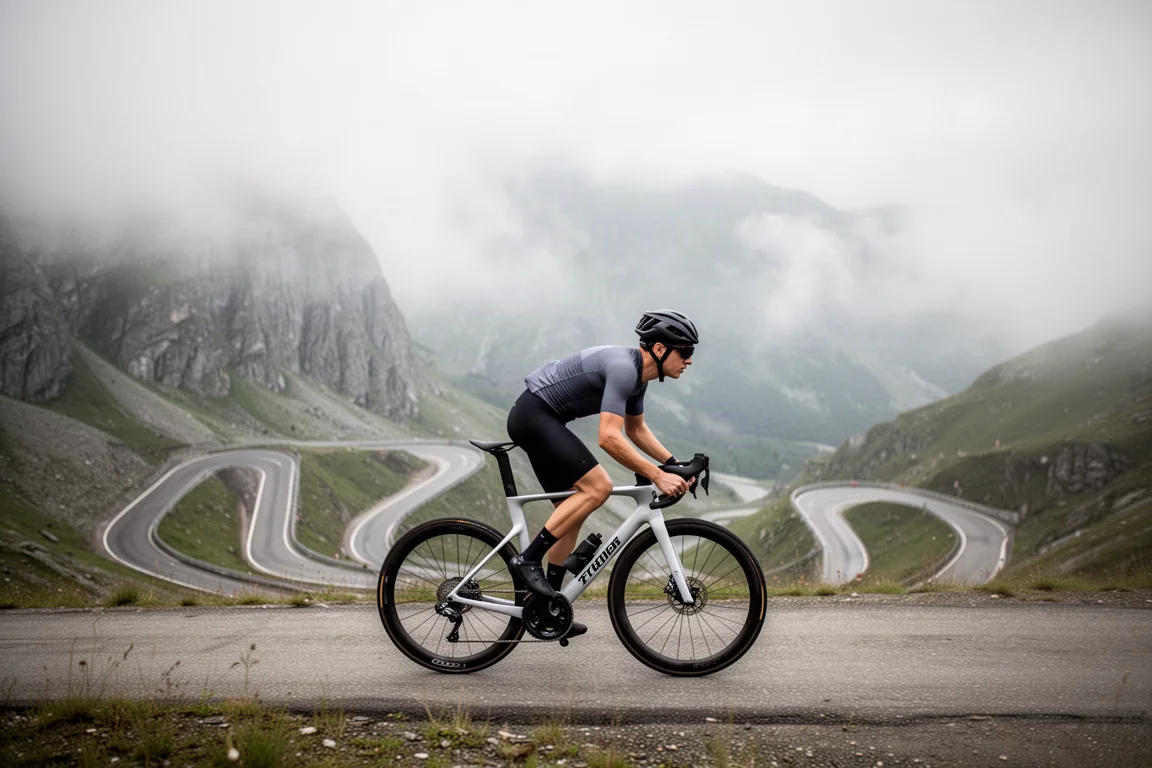
That blend of aero shaping and everyday usability is what keeps the Propel relevant well beyond flat, fast roads.
Trek Madone: A Complete Aero System
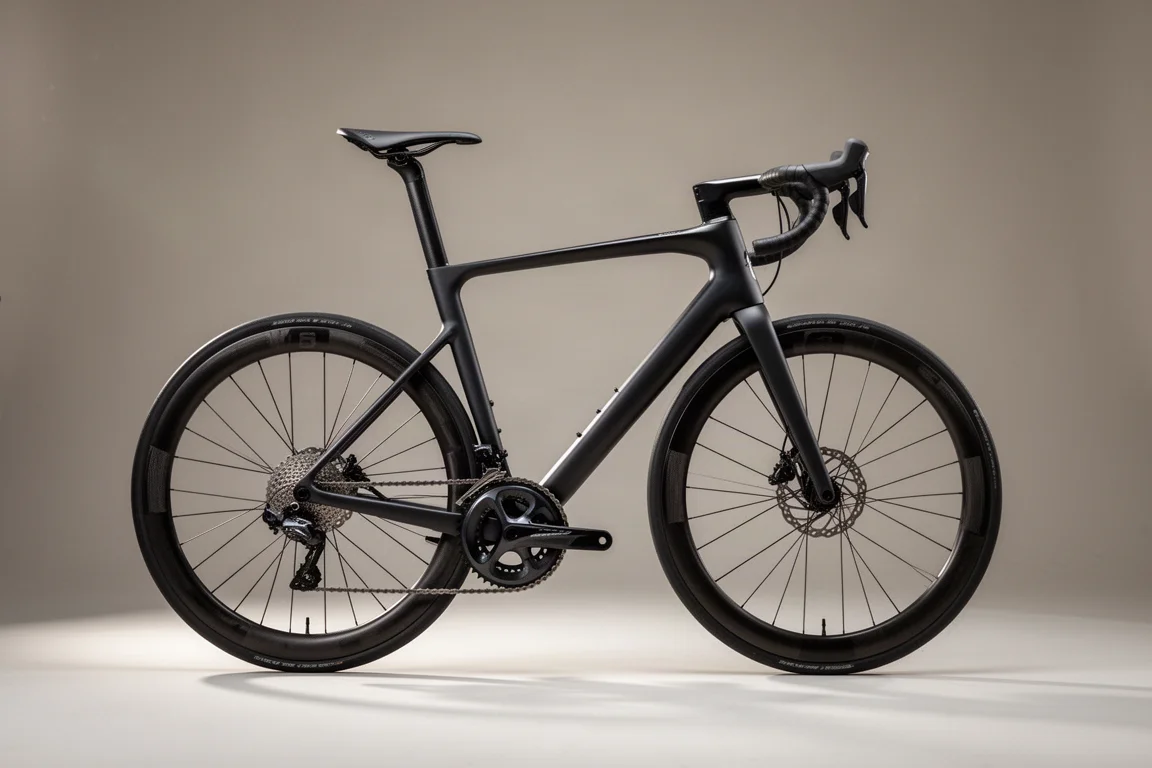
The Madone is one of the most radical looking bikes in the pro peloton, thanks in no small part to its divisive IsoFlow design, which first appeared on the previous generation. It is an interesting bike because it was designed around real-world riding conditions with the rider in mind, and the published aero development work behind it shows how holistic that process was.
It is also a full aero system rather than just a frame. The custom aero bottles are claimed to save almost two watts over a standard round bottle. Lidl-Trek’s men’s and women’s teams have taken wins at some huge races this season, and the latest Madone has pushed the lightweight Émonda out of Trek’s product line, with Trek also releasing a UCI-illegal 6.4 kg build.
That raises a fair question for anyone shopping in this category: is the Madone still an aero bike, or has it become an all-round race bike?
Canyon Aeroad: Aero Built Around the Rider
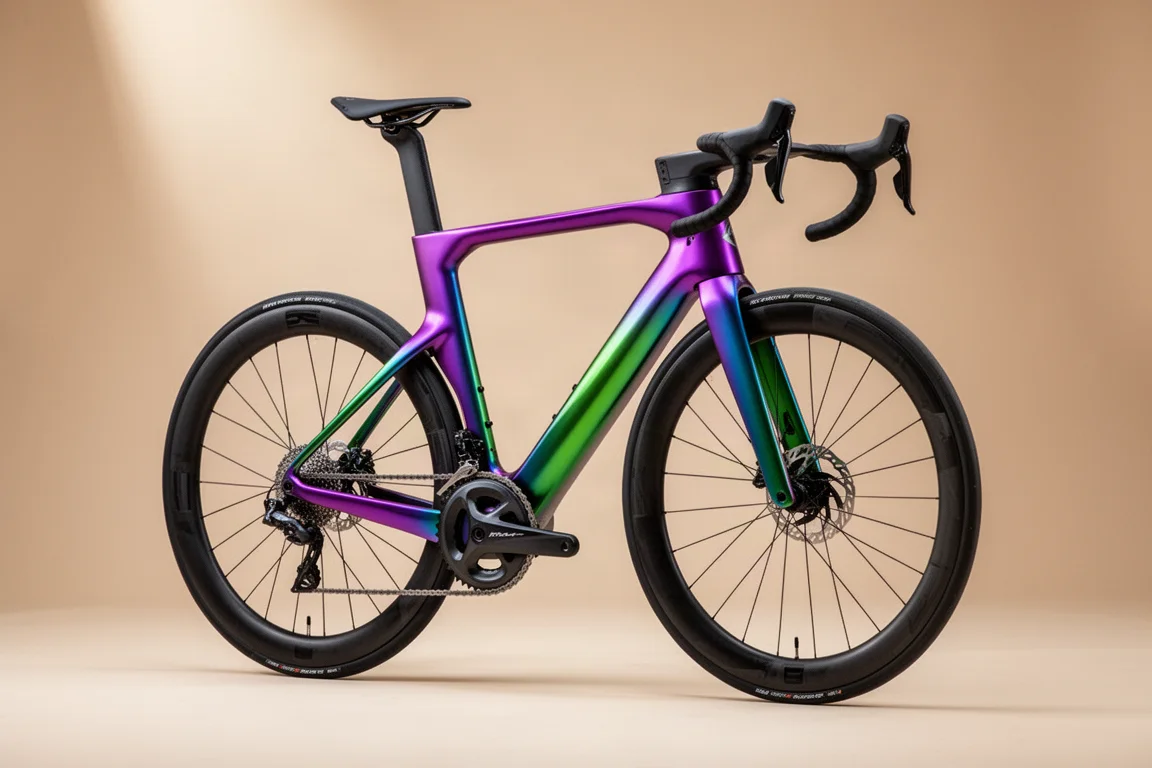
The Aeroad is an unashamed aero weapon with dramatic deep tubes. Its most interesting detail is the option to switch out the standard drop handlebars for a more aero flared setup, which shows the design thinking extends to making the rider as aero as possible, not just the frame.
Ride comfort used to be the price of choosing an aero bike, but wins at Paris-Roubaix and the Tour of Flanders, two of the most punishing races on the calendar, suggest the Aeroad is up for tackling rougher terrain. The hefty 32 mm tire clearance no doubt helps.
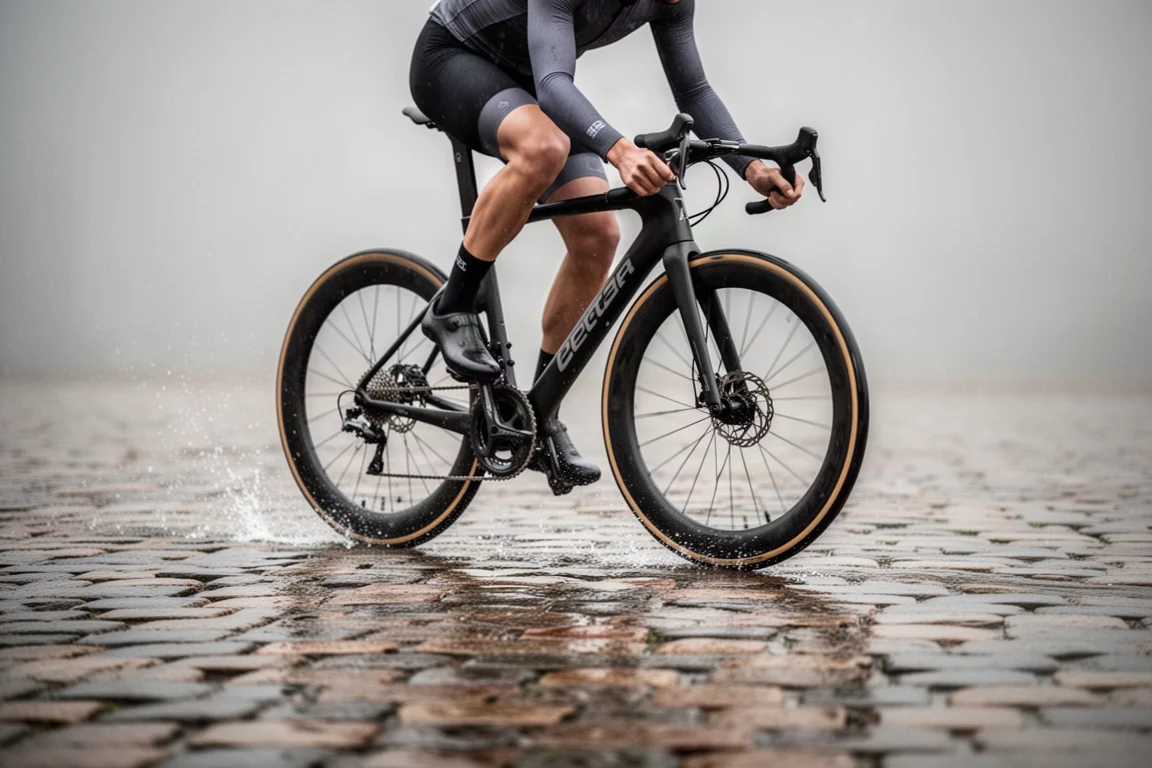
For riders who want a single bike that can handle fast group rides and broken surfaces alike, that versatility matters as much as the drag numbers.
Scott Foil: Versatility Proven on Rougher Roads
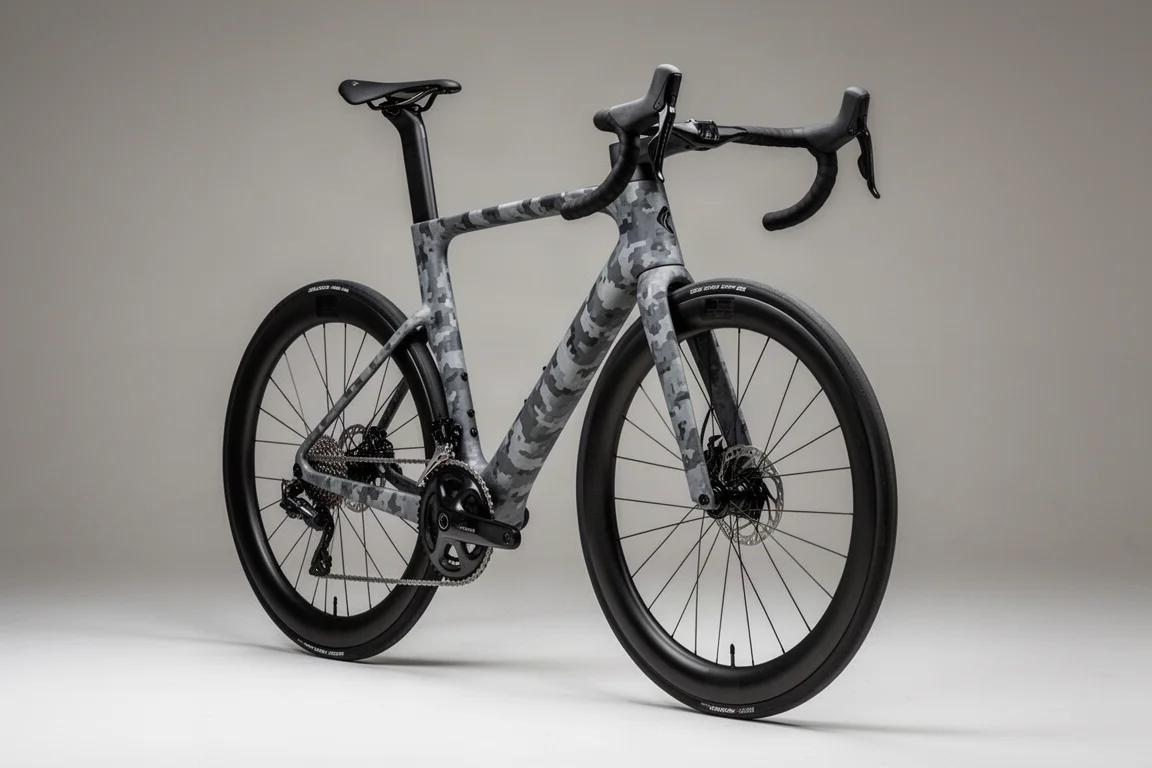
The Aeroad was not the first aero bike to win Paris-Roubaix. The previous generation Foil did it in 2016, and that result marked a shift in how professional riders choose their equipment, showing that aero bikes are more versatile than their name might suggest.
The latest Foil is not currently being ridden at the top level, but it still gets regular exposure thanks to a young rider and a reinvigorated team competing at the second tier of the sport. Take one look at Scott’s Plasma time trial bike and you can see where the Foil’s tube shapes came from: the fork is really deep, and the keel extends across the whole head tube. It simply looks fast.
Buying Advice: Matching an Aero Bike to Your Riding
All five of these bikes are race-oriented machines, so the most useful question is which one suits your terrain, your position, and your priorities.
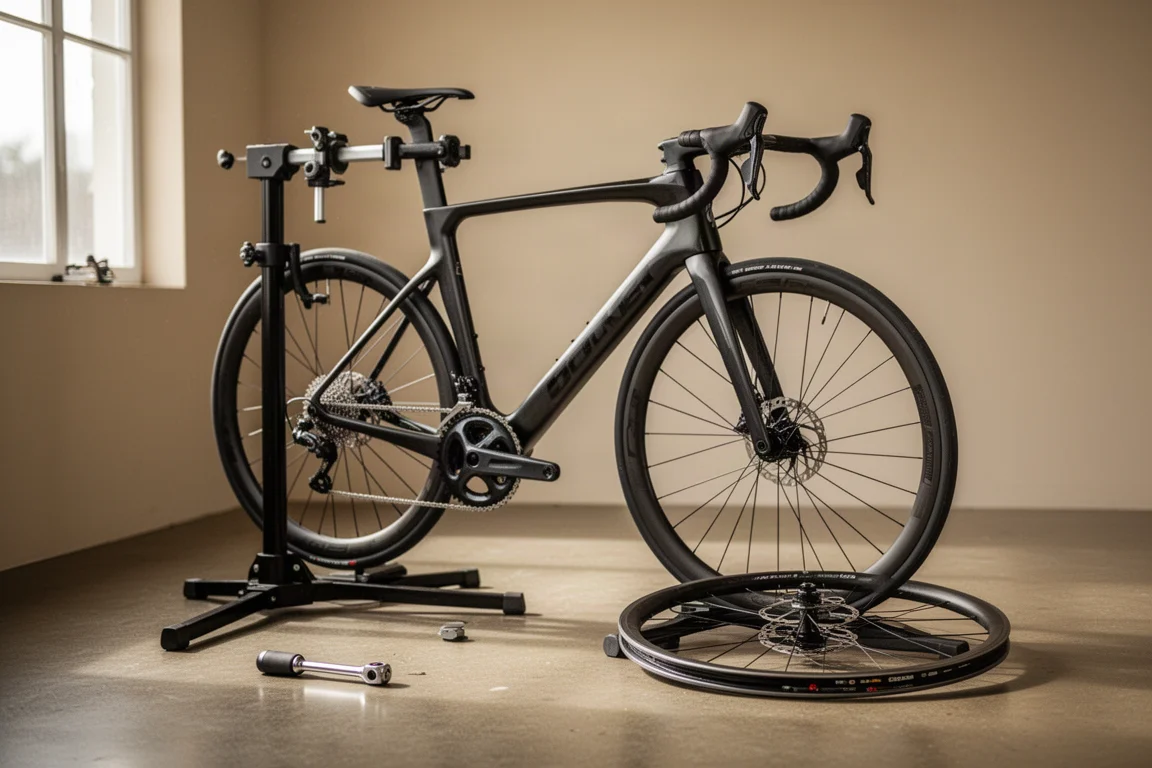
If your riding is mostly flat and fast, deep tubes and fully integrated systems such as the Madone’s aero bottles make the most sense. If your routes include long climbs and rougher surfaces, the slimmer profiles of the Propel and the 32 mm tire clearance of the Aeroad are worth more than a small drag advantage. Drivetrain layout deserves a thought too: the S5’s one-by option simplifies the front end and suits riders who like a modern, narrow-range setup, while a two-by drivetrain still appeals to anyone who wants a wider spread of gears for climbing. Cockpit options are equally worth checking, since a flared bar setup like the Aeroad’s can change your position as much as the frame shape does. Finally, consider how much integration you want to live with day to day, because dedicated bottles, bars, and stems are part of the aero equation on several of these bikes.
Conclusion
These five aero bikes show how much the category has broadened. The Cervélo S5 pairs race-winning speed with an off-the-shelf one-by option, the Giant Propel balances aero shaping with comfort and usability, the Trek Madone pushes integration further than the rest, the Canyon Aeroad adapts to rough terrain, and the Scott Foil carries a proven versatile lineage. Match the bike to the roads you actually ride, and any of them can be a confident purchase.
Further reading
Related Reviews
Aero Road Bikes
Best Aero Bikes 2026: Six Picks for Speed, Value and All-Round Performance
A practical guide to the best aero road bikes for 2026, covering outright speed, stability, all-round balance and the strongest value options.
Aero Road Bikes
Best Aero Road Bikes From the 2025 Tour: Five Race Machines Compared
Five aero road bikes raced at the 2025 Tour de France Grand Départ, compared on build weight, measured tyre width and cockpit design.
Aero Road Bikes
Best Aero Road Bikes 2025: Five Race-Proven Platforms
Five aero road bikes that shaped the category, from a team favourite with a distinctive front end to designs that blur the line between aero and all-round race machines.