Stationery
Tom's Studio Lumos Pro Review: A Refillable Fineliner With a Twist
The Lumos Pro Single and Double Tip promise refillable fineliner performance with swappable tips. Here is what holds up, and what does not.
Introduction
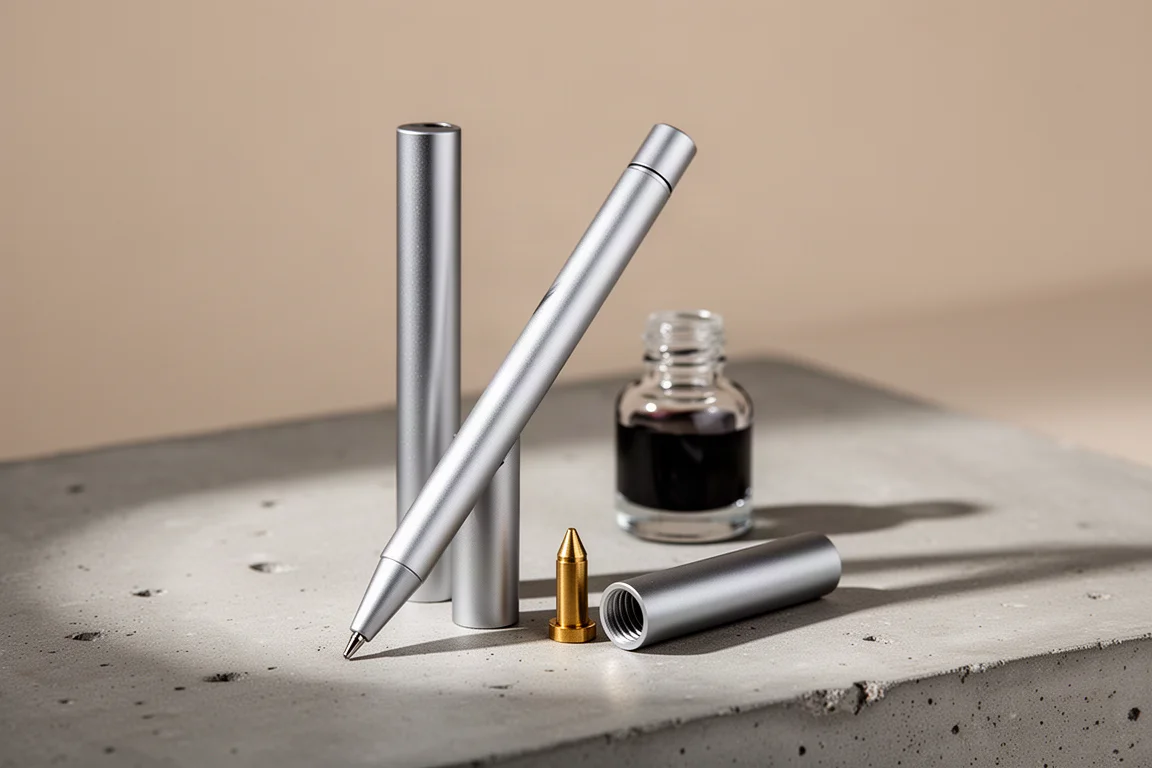
The Tom’s Studio Lumos Pro is an unusual proposition: a fineliner-style pen built from anodized aluminum, designed around replaceable tips and an ink reservoir you refill yourself from any bottled ink. It comes in two versions, the Single and the Double Tip, and it pitches itself directly at artists and writers tired of disposable fineliners.
The pitch sounds great on paper. The reality is a mix of genuinely clever engineering and a few claims that deserve scrutiny. Here is how it all fits together.
What Is the Tom’s Studio Lumos Pro?
First, a clarification: this is not a fountain pen. It is a refillable fineliner and brush pen system aimed at artists. The pen is a simple, non-tapering aluminum tube with a screw-on cap that can be posted on the back, and a section that accepts a range of screw-in tips.
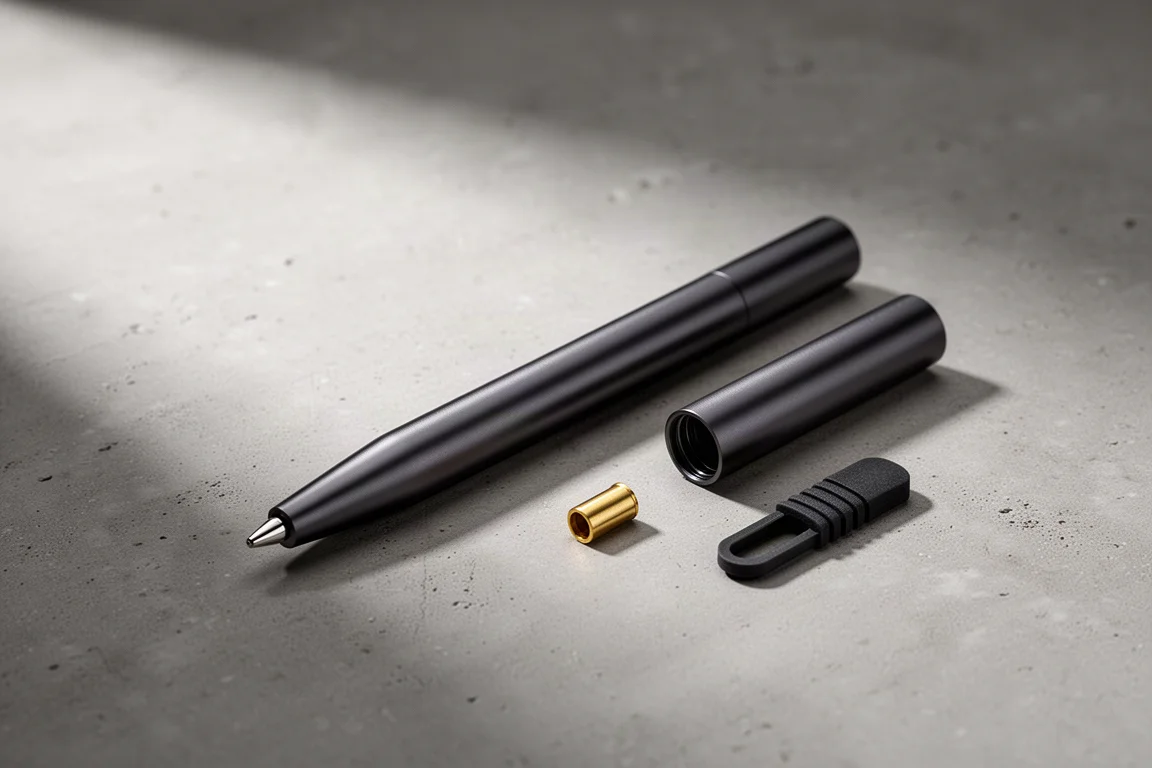
You get the pen in a fabric sleeve inside a box that also holds a full tip set, a small rubber gripping tool for unscrewing the tip cover without getting ink on your fingers, a 3 ml sample of deep black ink, and an instruction sheet. The instructions matter, because this is not a traditional pen and the filling process is not obvious.
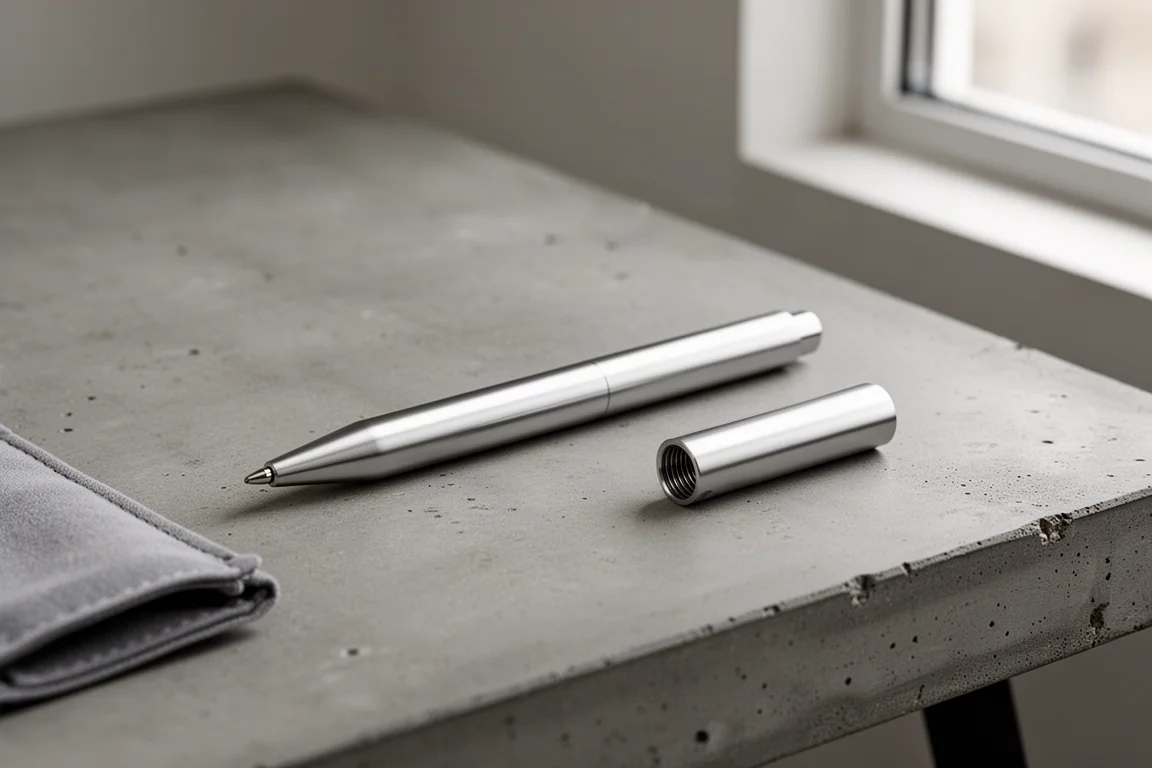
The barrel is 10 mm in diameter, measures 145 mm uncapped and 155 mm capped, and weighs 20 g. Build quality is a smooth, featureless cylinder; there is no grip texture at all, which is either a benefit or a drawback depending on how you hold a pen.
Lumos Pro Single vs Double Tip
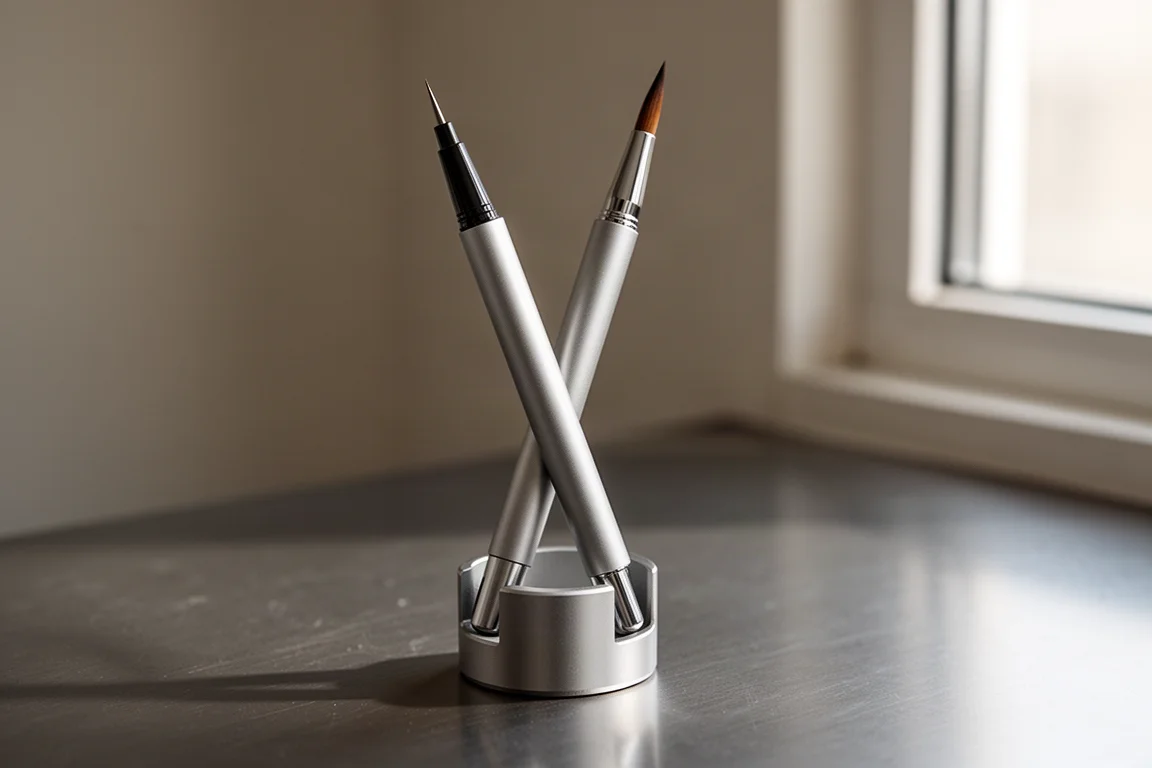
The Single has one tip end and costs $112. The Double Tip has a tip on each end, letting you carry two different inks or two different tip sizes in one pen, and costs $180. Both versions ship with the full creative tip set, which includes fineliner tips, felt tips, and a brush tip.
There is a lot going for both. The cap posts securely without making the pen heavy, the rubber tool makes disassembly much cleaner, and the idea of carrying two tip sizes in one pen is genuinely appealing for travel sketching. Note that the Double Tip uses shorter reservoirs, which is what makes two separate inks possible.
Tips, Reservoirs, and Running Costs
The tip lineup is extensive: fineliner sizes in 0.1, 0.2, 0.3, 0.5, 0.8, and 1.0 mm, plus felt tips in chisel and bullet shapes, a brush tip, and dedicated 0.3 and 0.5 mm writing tips. That is called the full creative tip set, and a fresh replacement set costs $17 since the tips are consumables that wear out over time.
The ink lives in a small plastic reservoir filled with a fibrous material. It wicks up ink by capillary action in about four minutes. Spare reservoirs cost $4 for three.
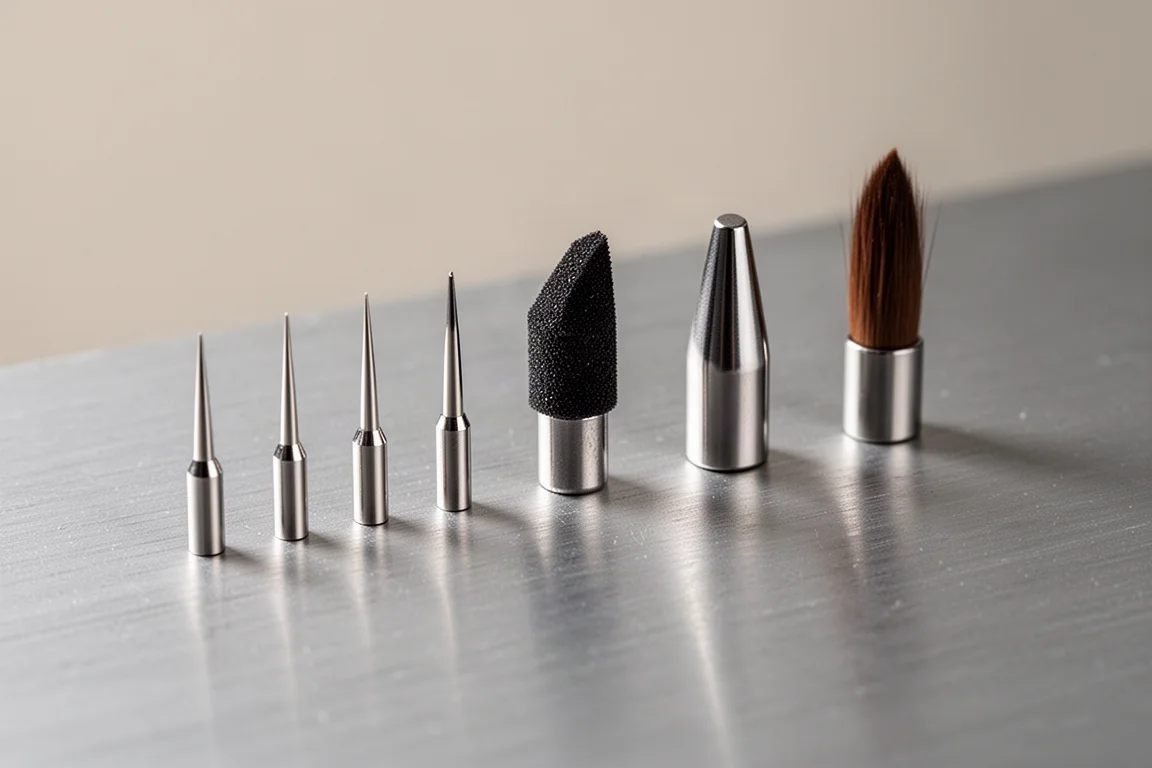
In use, the tips perform very well. The 0.3 mm writing tip produces a clean, consistent line with no skipping and even, solid ink flow under almost no pressure. The feel is fairly dry, as you would expect from a fine tip, and there is no line variation to speak of since the tips are round. For technical drawing and neat writing, the performance is genuinely excellent.
Refilling: Simple in Theory, Messy in Practice
The core design idea is that you are not locked into proprietary cartridges. You unscrew the tip cover using the supplied rubber tool, pull out the tip, remove the reservoir, dip it into a bottle of ink, wait about four minutes for it to saturate, and reassemble. Capillary action pulls ink into the tip as you go.
Here is the catch. Tom’s Studio markets the pen as one that does not require proprietary refills, yet the reservoir is exactly that: a proprietary part you can only buy from the company. The site also states that if you frequently clean and switch inks, you may only get around four to five washes before capillary action diminishes, and the tips themselves will not last forever. If you stick with one ink, the reservoir is claimed to last indefinitely. If you switch colors often, which many artists do, costs add up over time.
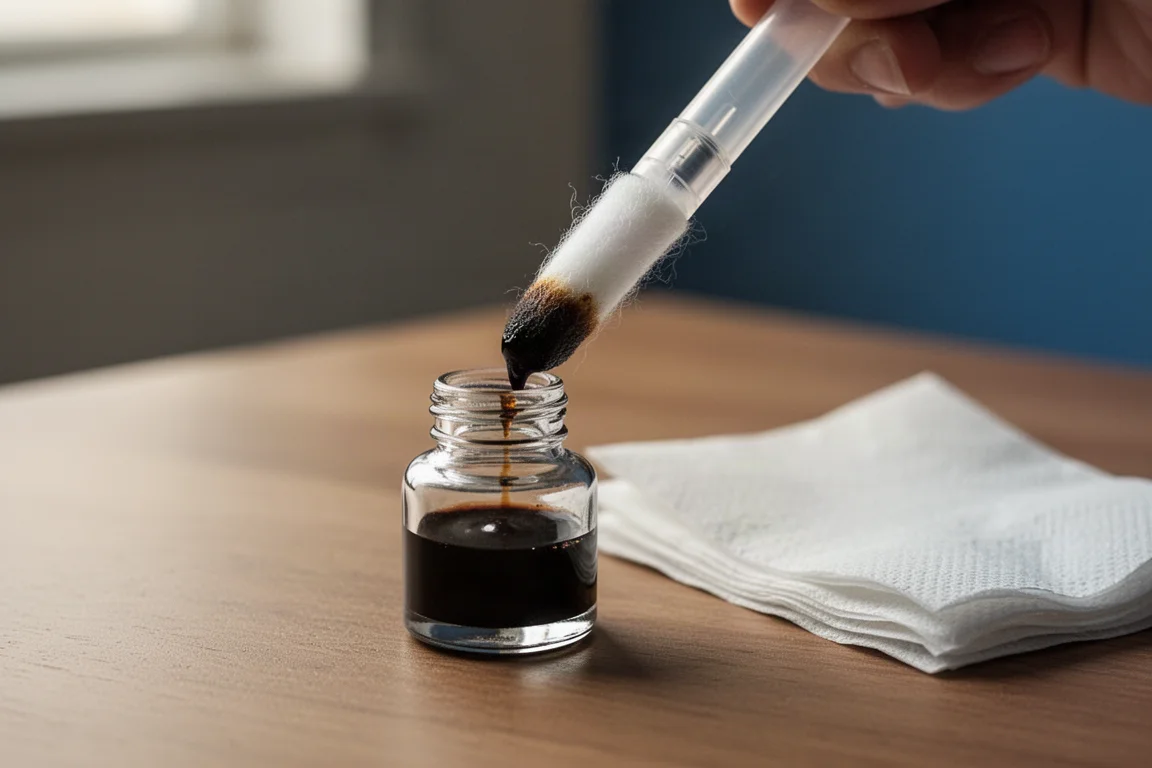
The other friction point is the tiny plastic threads on the tip holder. If you dip the whole tip assembly into the ink, as is necessary to prime the tip properly, ink gets onto those threads, and they are nearly impossible to clean. Expect some ink on your fingers during filling. It is not a dealbreaker, but it undercuts the tidy, mess-free impression the rest of the design gives.
What We Liked and What Gave Us Pause
On the plus side: the replaceable tip concept is excellent, especially for anyone who has blunted a disposable fineliner mid-drawing. The packaging is complete and thoughtful, the price is fair for what you get, consumables are reasonably priced, and the writing and drawing performance is consistently solid. The color options and the two-tip configuration add real flexibility.
On the minus side: the anti-refill marketing claim is hard to square with reality, since both the reservoir and the tips are proprietary consumables. The messy threading during filling is a genuine annoyance, and the completely featureless barrel offers no grip, though artists working for long sessions may actually prefer that.
Who Should Buy the Lumos Pro?
If you are an artist who uses fineliners and brush pens heavily, the Lumos Pro is easy to recommend. The tip variety, consistent ink flow, and refillable design make it a far better long-term tool than a drawer full of disposables, and the full tip set included in the box is a real value at $112 for the Single or $180 for the Double Tip.
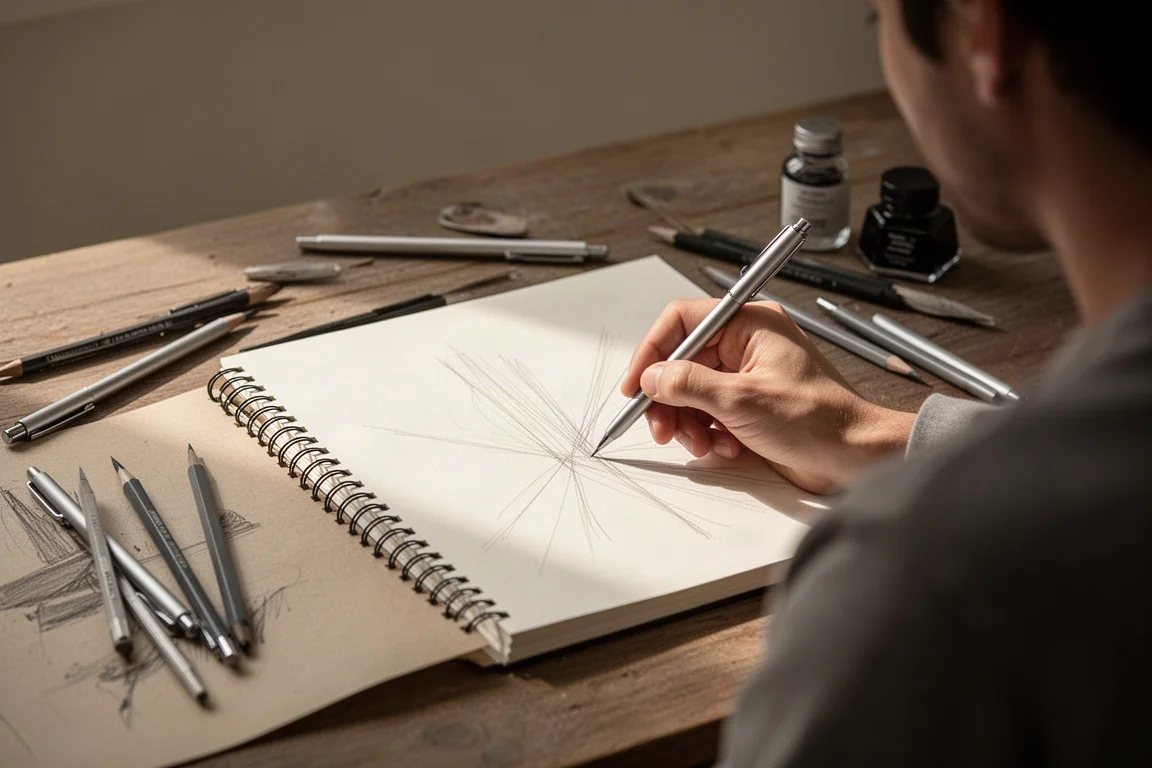
If you are a fountain pen user expecting a mess-free, refill-forever writing instrument, temper your expectations. The refilling process takes practice, involves some ink on the hands, and the consumables are not free. Buy it for what it is: a very well-made refillable fineliner system, not a revolutionary escape from consumables.
Conclusion
The Lumos Pro is an interesting, well-built product with a genuinely good core idea. The replaceable tips work beautifully, the writing performance is excellent, and the included accessories show real design care. Just read the marketing with a critical eye: you will keep buying reservoirs and tips, and filling will occasionally stain your fingers. For artists, though, it is one of the more compelling fineliner options available.
Further reading
Related Reviews
Stationery
Musgrave Pencils Review: Four Classic Pencils from Tennessee's Last Pencil Factory
We put four Musgrave pencils to paper, from the classic Harvest to the Unigraph 1200 drawing pencil, to see what a century-old Tennessee workshop can still do.
Stationery
Fountain Pen Tiers Explained: From Starter Pens to Luxury Grails
A practical overview of the different levels of fountain pens and inks, from a sub-$20 starter setup to Italian piston fillers and retractable gold-nib everyday carries.
Stationery
HP Premium 32 lb Copy Paper Review: A Fountain Pen Friendly Everyday Printer Paper
A heavy, smooth 120 GSM copy paper that handles fountain pens far better than standard printer stock, with only minor trade-offs in shading and sheen.