Stationery
Tom Studio Lumos Pro Review: A Refillable Multi-Tip Pen for Writers and Artists
A refillable multi-tip pen that pairs a true brush feel with a fine liner, using any standard fountain pen ink. Here is what works well and what does not.
Introduction
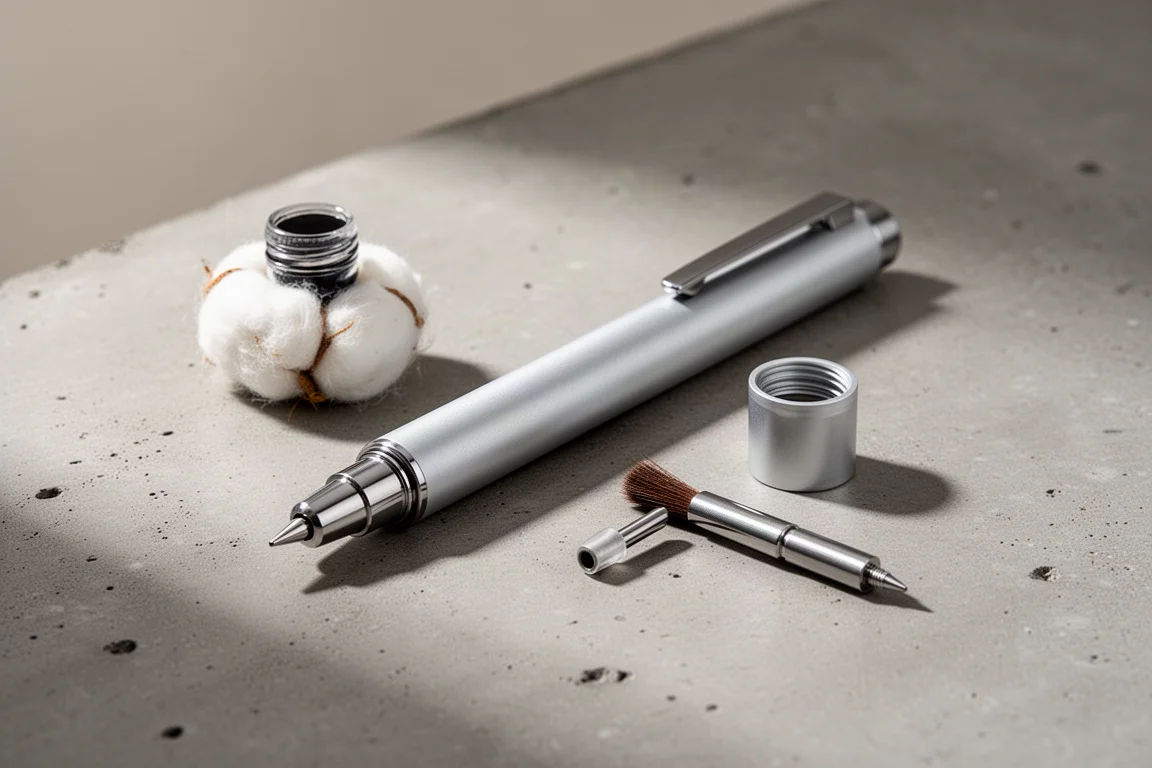
Most pens ask you to choose one tip and stick with it. The Tom Studio Lumos Pro takes a different approach: it is a refillable multi-tip pen that lets you swap between a brush, a fine liner, a chisel, and more, while filling it with whatever fountain pen ink you like. It promises something close to a fountain pen experience with the flexibility of a full drawing toolkit, all in one light aluminium body.
What Makes the Lumos Pro Different
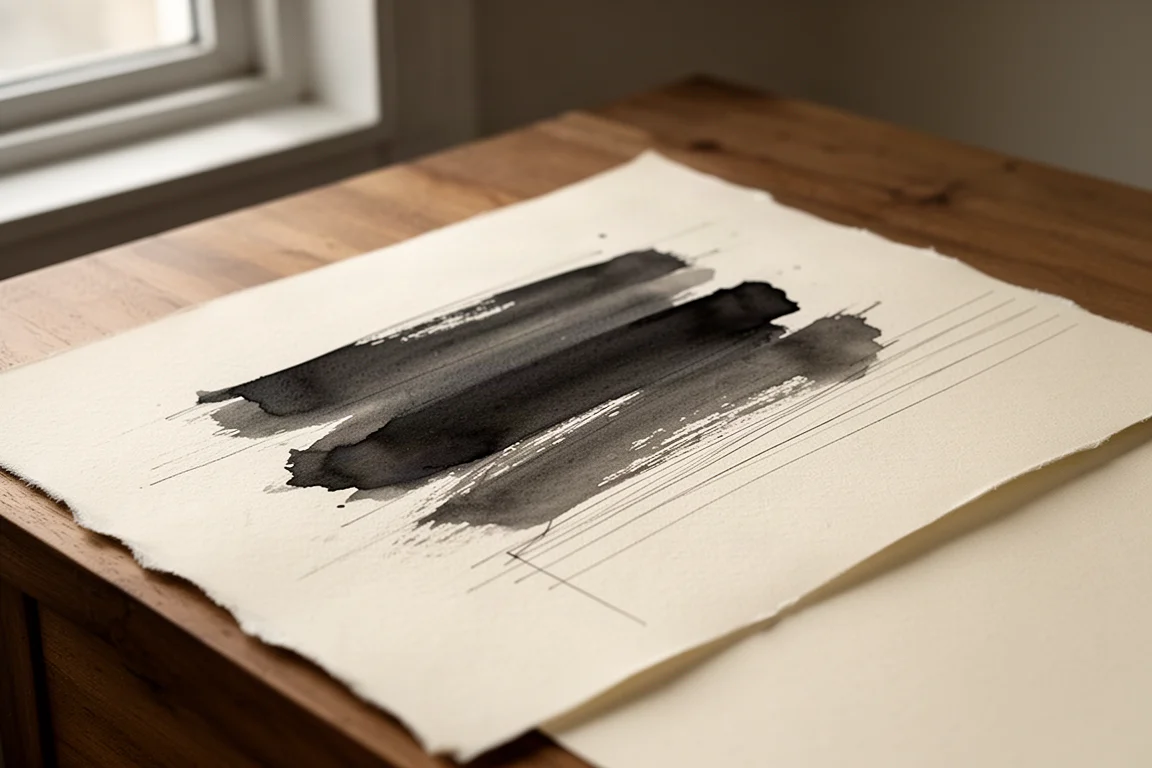
The core idea is expressive range. The brush tip feels genuinely like a true brush, which is rare among brush pens, and it is excellent for calligraphy, expressive lettering, and almost painting your words across the page. Pair it with a fine liner, and you can switch to intricate small drawings, cross-hatching, and fine detail work whenever you want.
Even the packaging reflects thoughtful design. It is constructed from low-impact paper with minimal plastic, and the small accessories arrive in wax paper bags. The artwork on the box is nice too, which makes the unboxing feel considered rather than wasteful.
Design and Build
Stylistically, the Lumos Pro is understated. It is essentially a 10 mm diameter tube of aluminium with PVD-coated stainless steel components. It is light, a comfortable length, and fine in the hand, but there is little to say about its aesthetics. This is a tool refined down to its most basic form, and the appeal lies in the interchangeable nibs rather than the looks. At $120, you get a nearly indestructible pen with replaceable tips that should last the rest of your life.
Assembly and Inking
There is a bit of assembly involved, and it pays to read the instructions thoroughly before you start. One easy mistake is treating the nib grip as a cap; it is clearly labeled as a grip in the instructions, and screwing things together in the wrong order can leave you with ink on your hands.
The process itself is straightforward if you take it in steps: unscrew the grip, remove the nib holder, slide in your chosen tip until its small trailing tail snaps in, then attach the cotton ink reservoir to that tail and reassemble. With roughly twenty nib options available, choosing your first two tips can be a genuine exercise in decision paralysis.
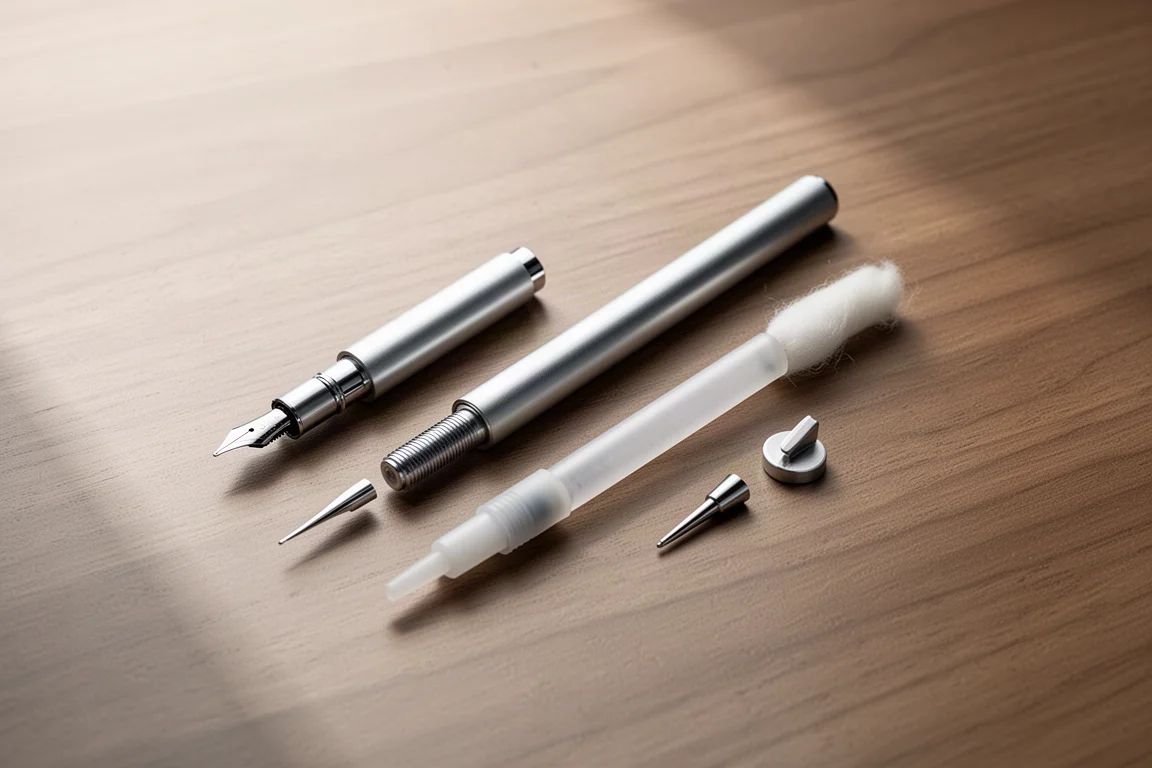
Inking up is the fun part. You simply dip the cotton reservoir into the ink and watch capillary action pull it in rapidly. Once both sides are filled, you have two tips with whatever contrast you like, whether color or thickness, ready to go.
Writing and Drawing Performance
How does it write? Pretty well. The fine liner is among the finest tips available and it is fantastic for fine line drawing, elaborate detail work, and cross-hatching if you have the skill. The brush is the standout: it feels like one of the truest brush-feeling pens tested against many brush pens that disappointed. It is great for art, expression, and calligraphy, and while it is unlikely to replace a fountain pen collection, it can easily become a primary drawing pen.
Ink Choices and Maintenance
The Lumos Pro accepts essentially any kind of fountain pen ink, which opens up a full palette of colors. Stick to natural dye inks such as standard fountain pen inks and recommended brands like Sailor; steer clear of shimmer or sheen inks, which can clog the brush and are simply not how the pen is designed.
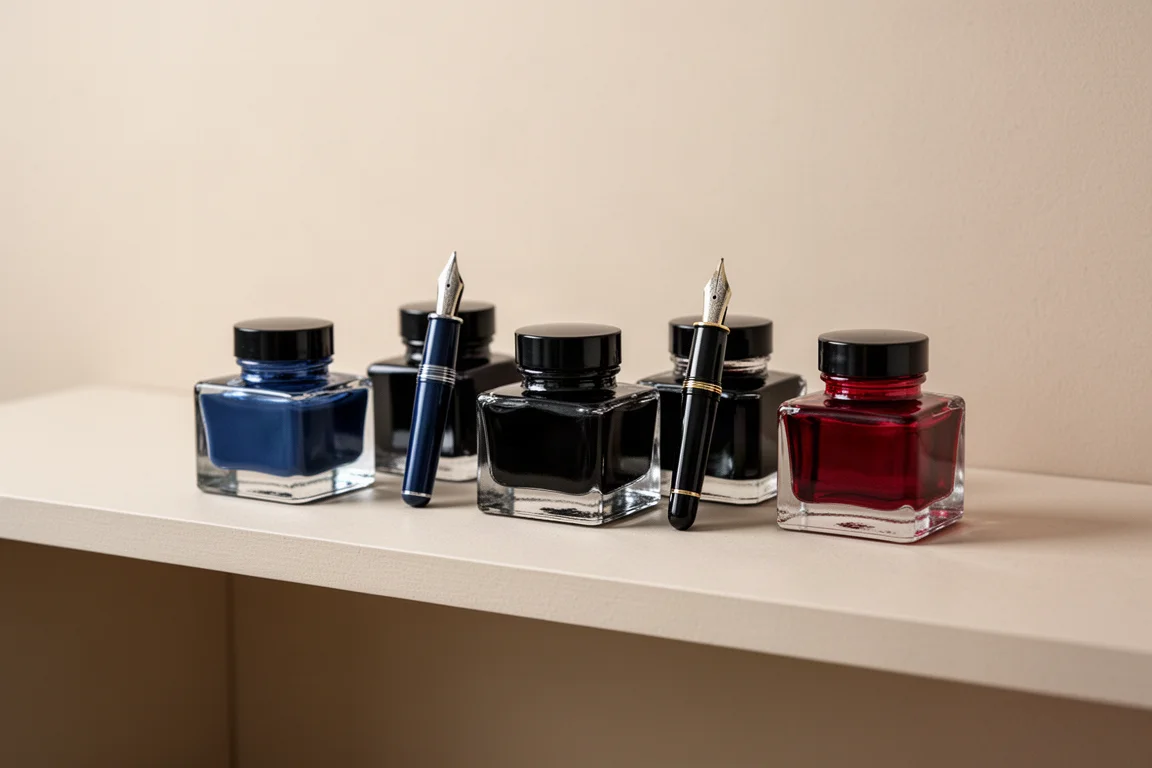
One maintenance note: if you change to a radically different color, you will never fully flush the initial color out of the cotton reservoir. Buying extra cotton reservoirs and keeping color groups separate, your blacks, blues, reds, and greens, feels more organized and safer than layering red after blue. Also expect some washing and flushing as you change tips.
Things to Consider Before Buying
The most obvious drawback is appearance. This is not the prettiest pen you will ever see; it is very basic, though the other color options are a bit more attractive. The assembly learning curve is minor but real, and messy hands are a genuine risk if you skip the instructions. Neither issue undermines the core proposition, but both are worth knowing in advance.
Buying Advice
At $120, the Lumos Pro is positioned as a long-term tool rather than an impulse buy. The economics make sense if you value the two-tip flexibility, refillable ink, and replaceable parts, since it could eliminate a number of other pens in your collection. For writers, calligraphers, and especially artists returning to sketching and drawing, it is a brilliant fit.
If your priority is a beautiful everyday writing pen, look elsewhere. If your priority is a durable, expressive drawing instrument that adapts to different tips and inks, this is one of the more interesting options available.
Conclusion
The Tom Studio Lumos Pro is not perfect, and it is not much to look at, but it delivers something no ordinary pen can: a true brush feel, a precision fine liner, and any fountain pen ink you want, in one nearly indestructible body. For anyone who draws, letter, or simply wants more expressive range from a single pen, it is absolutely worth a look.
Product link
View more details for Tom Studio Lumos Pro
This product is mentioned in the review. Check the specifications, options, and compatibility before buying.
View more details for Tom Studio Lumos ProFurther reading
Related Reviews
Stationery
Musgrave Pencils Review: Four Classic Pencils from Tennessee's Last Pencil Factory
We put four Musgrave pencils to paper, from the classic Harvest to the Unigraph 1200 drawing pencil, to see what a century-old Tennessee workshop can still do.
Stationery
Fountain Pen Tiers Explained: From Starter Pens to Luxury Grails
A practical overview of the different levels of fountain pens and inks, from a sub-$20 starter setup to Italian piston fillers and retractable gold-nib everyday carries.
Stationery
HP Premium 32 lb Copy Paper Review: A Fountain Pen Friendly Everyday Printer Paper
A heavy, smooth 120 GSM copy paper that handles fountain pens far better than standard printer stock, with only minor trade-offs in shading and sheen.