Travel Bags
Tom Bihn Aeronaut 30 vs Techonaut: Choosing the Right Carry-On Duffel
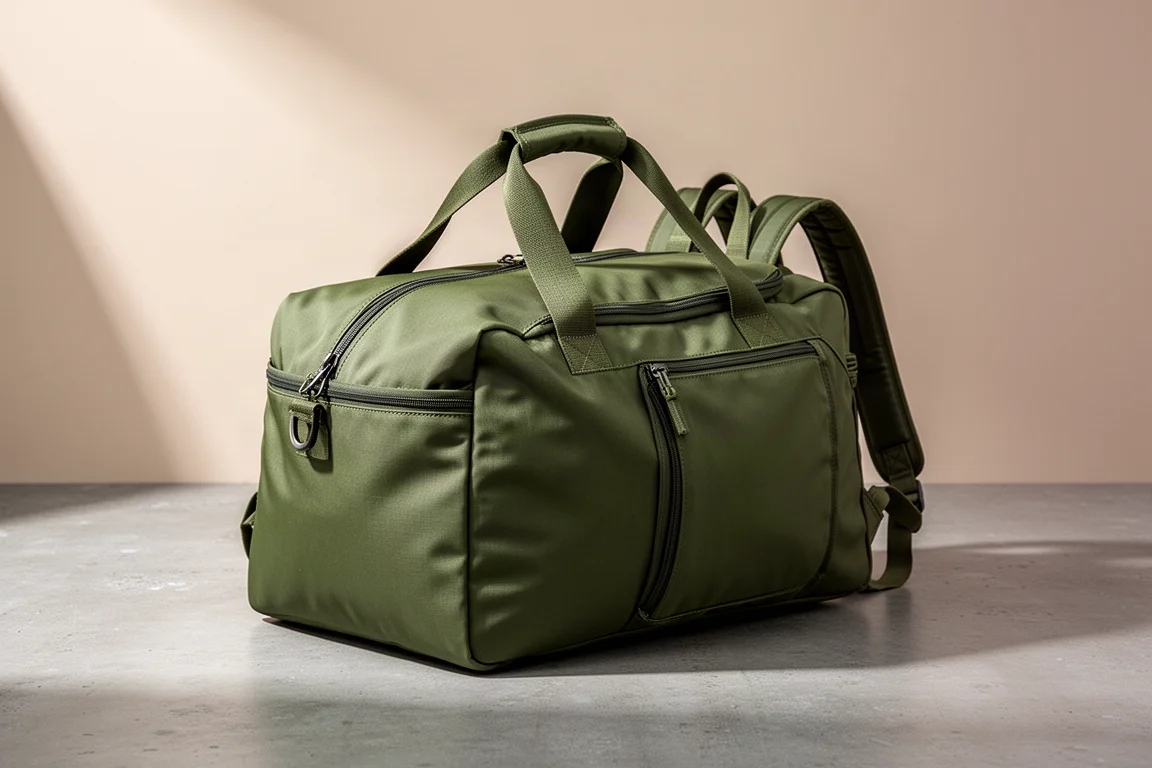
Two Tom Bihn travel bags with very different personalities: the classic duffel-style Aeronaut 30 and the more backpack-oriented Techonaut.
Introduction
After a week-long trip using the Tom Bihn Aeronaut 30 as a Delta Airlines carry-on, this bag earned a spot among the few soft-sided duffels that genuinely work as travel luggage. It is the precursor to the Techonaut, sharing many features while offering an overall different style and design. Both bags are worth serious consideration depending on how you like to carry and organize your gear.
Tom Bihn Aeronaut 30 Overview
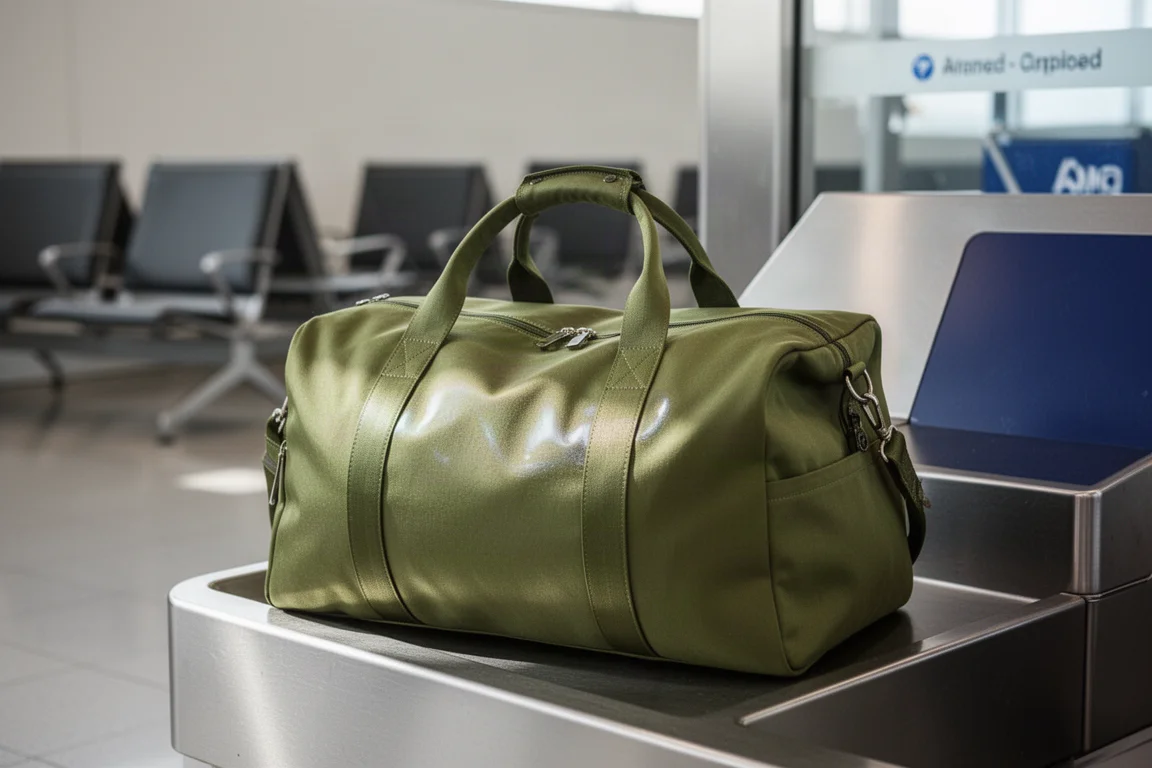
The Aeronaut 30 is designed as a carry-on duffel. The listed dimensions of about 20 by 12.5 by 8 inches are described as pretty accurate, but the fabric is soft and squishy, so it is fairly easy to overpack and pop the bag outside those dimensions. That softness cuts both ways: underpack it and, with a forgiving gate agent, it can potentially pass as a personal item, though it is a bit big to rely on as an under-the-seat bag.
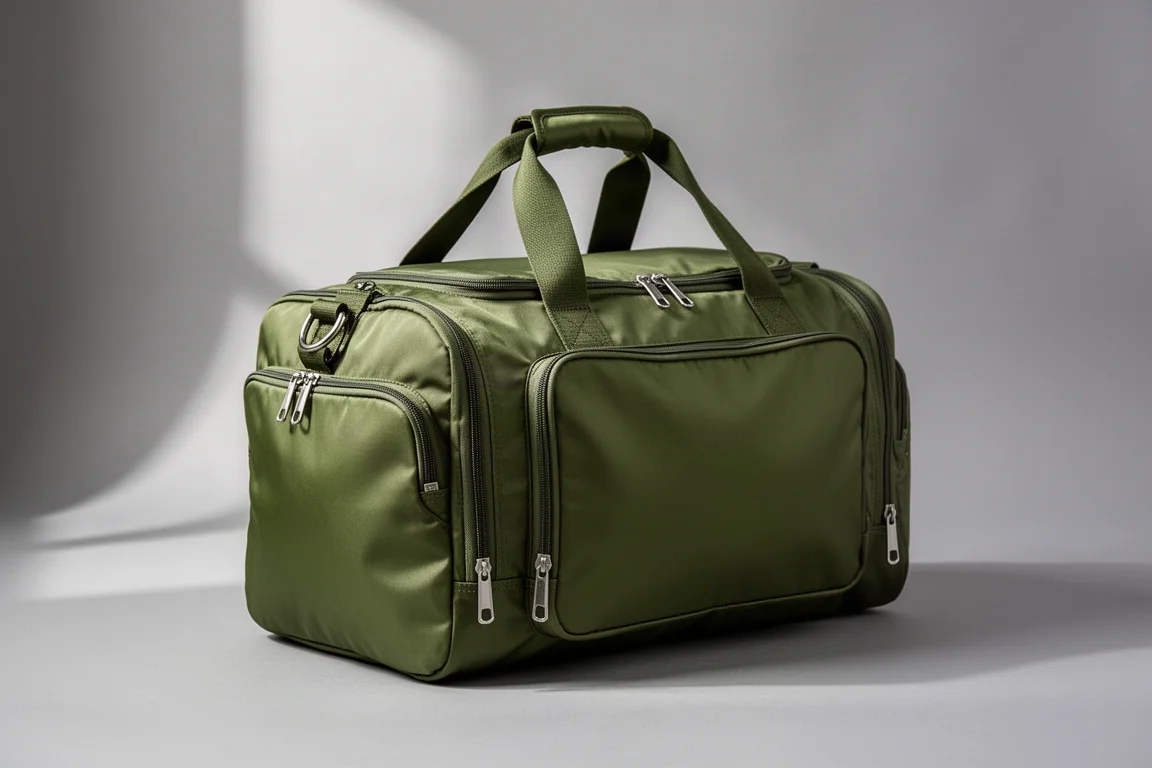
The core design is a simple duffel: a large main compartment flanked by two side pockets, two small end pockets, and a convertible backpack carry option. Tom Bihn positions this as a duffel first with a backpack option, and that framing fits how the bag actually handles.
Materials and Build Quality
Tom Bihn designs and manufactures all of its bags at its Seattle facility, and the hardware and materials here are about as good as it gets. This version uses 1050 denier ballistic nylon in Verde green, a color with a slight sheen that shifts between a bright lime-like green in bright airport lighting and a darker moss green in dimmer light.
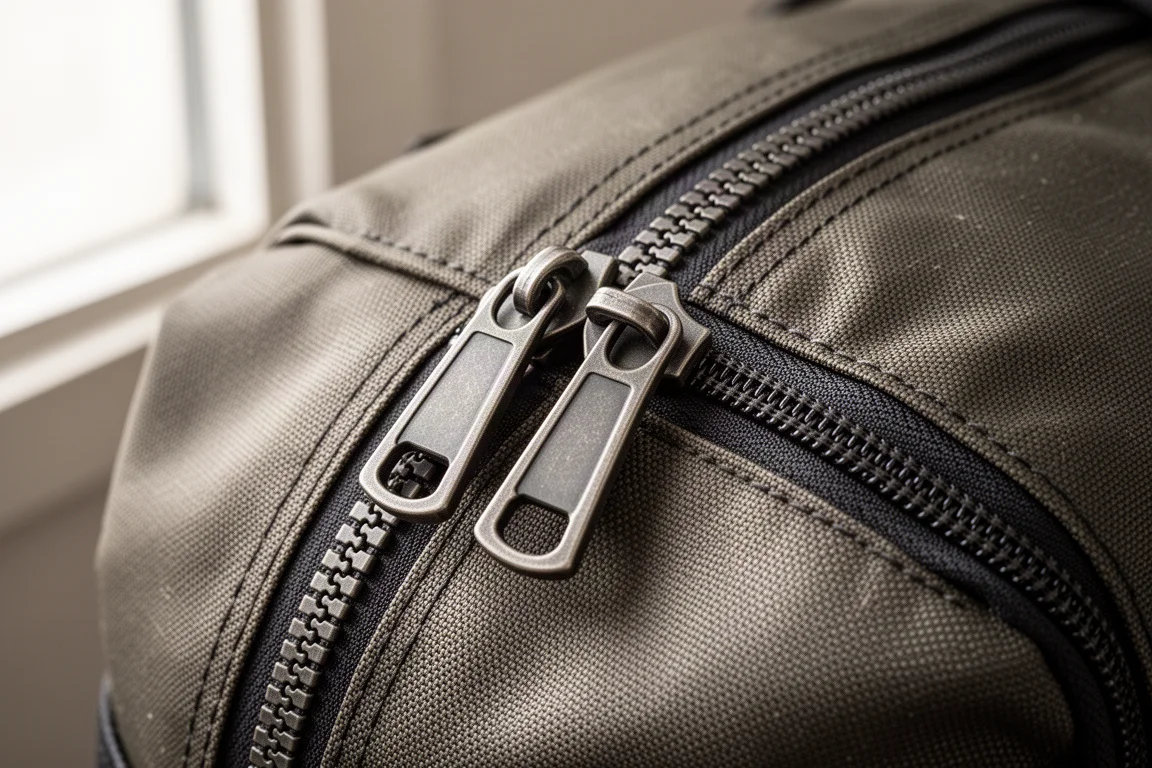
The 1050 denier version weighs 2 lb 14 oz; the lighter 630 denier fabric option comes in around half a pound less at 2 lb 6 oz. Externally, you get enormous number 10 locking YKK paired zippers on the end pockets and main compartment, with smaller number 8 YKK zippers on the interior side pockets. All main zippers are double-zippered locking types, so a travel lock works well. The small Tom Bihn Night Eyes locks are a particularly low-key alternative: they clip on inconspicuously and, once locked, prevent the zipper from opening.
Interior Design and Expandable Pockets
The main compartment opens through a large top lid, with removable luggage straps inside and a zippered mesh pocket on the lid. The signature feature is the expandable separator between the main compartment and each side pocket. Zipped shut, the bag works as three separate volumes; unzipped, the separator releases and the side pocket volume pops into the main compartment, or the reverse if you want to overstuff the side pockets and shrink the main space.
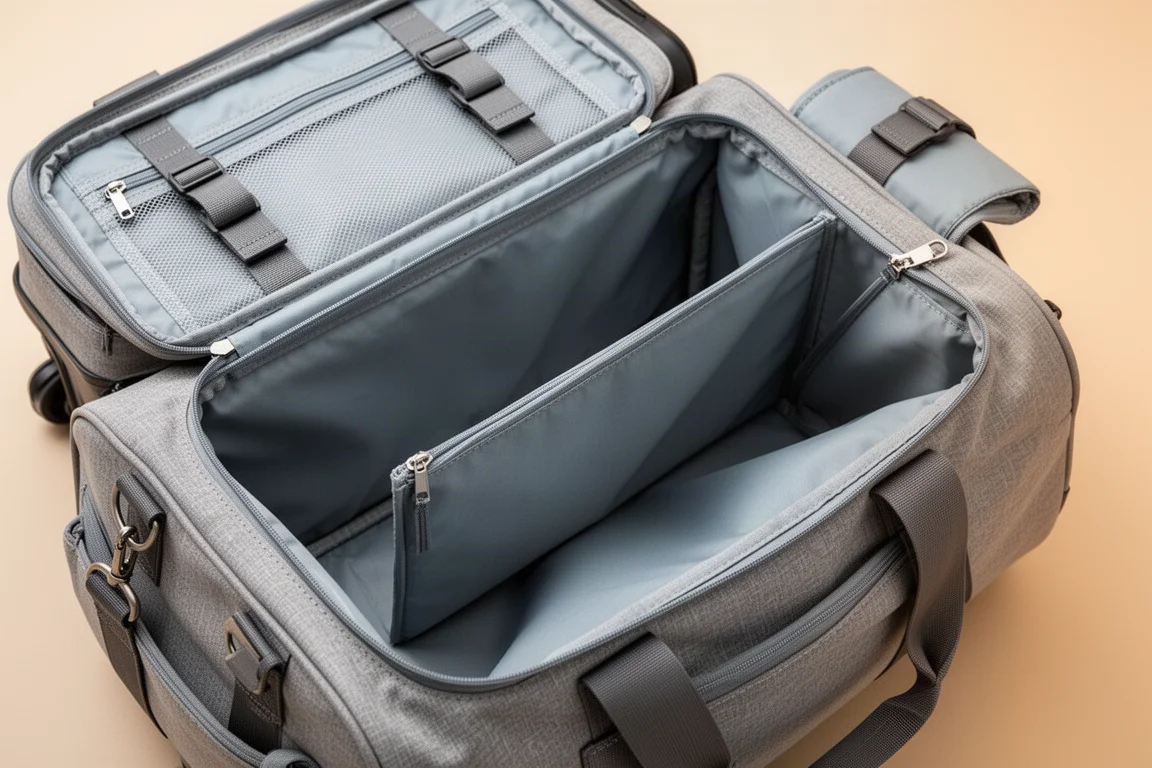
The side pockets take up the entire side panel volume and are oriented so you can access them while carrying the bag briefcase-style, with Tom Bihn’s circular accessory hooks and a key leash adding organizational flexibility. The one criticism worth noting: the expansion happens more toward the bottom of the bag, so when the side pocket is closed there can be a small gap at the top that keeps you from using the full main-compartment volume unless you fill it.
Carry Options
The carry system is fairly basic, and that is part of the appeal. The thick briefcase-style handles with button straps are genuinely comfortable, and this is one of the few bags that works well in that hand-carry mode. The optional shoulder strap, sold separately, uses big metal lobster claw buckles and thick foam padding, and many owners end up preferring this carry style.
Backpack mode works well too: the two straps hide behind a zippered pocket and attach to hidden buckles at the bottom corners, with an adjustable sternum strap. The straps use thick, higher-density EV50 zote foam that carries weight nicely. There is no hip belt included, but one can be bought separately and clips into the 1-inch webbing loops. The trade-off is a flat back panel with no air ventilation, though the padding is thick and soft.
One useful quirk: although the Aeronaut is not advertised with a laptop sleeve, the padded pocket that houses the backpack straps fits a 15.5-inch Dell easily. The downside is that it lacks a false bottom, side padding, and the dedicated protection the Techonaut offers, and in backpack mode you cannot fully close the top zipper with a laptop stored there.
How the Techonaut Compares
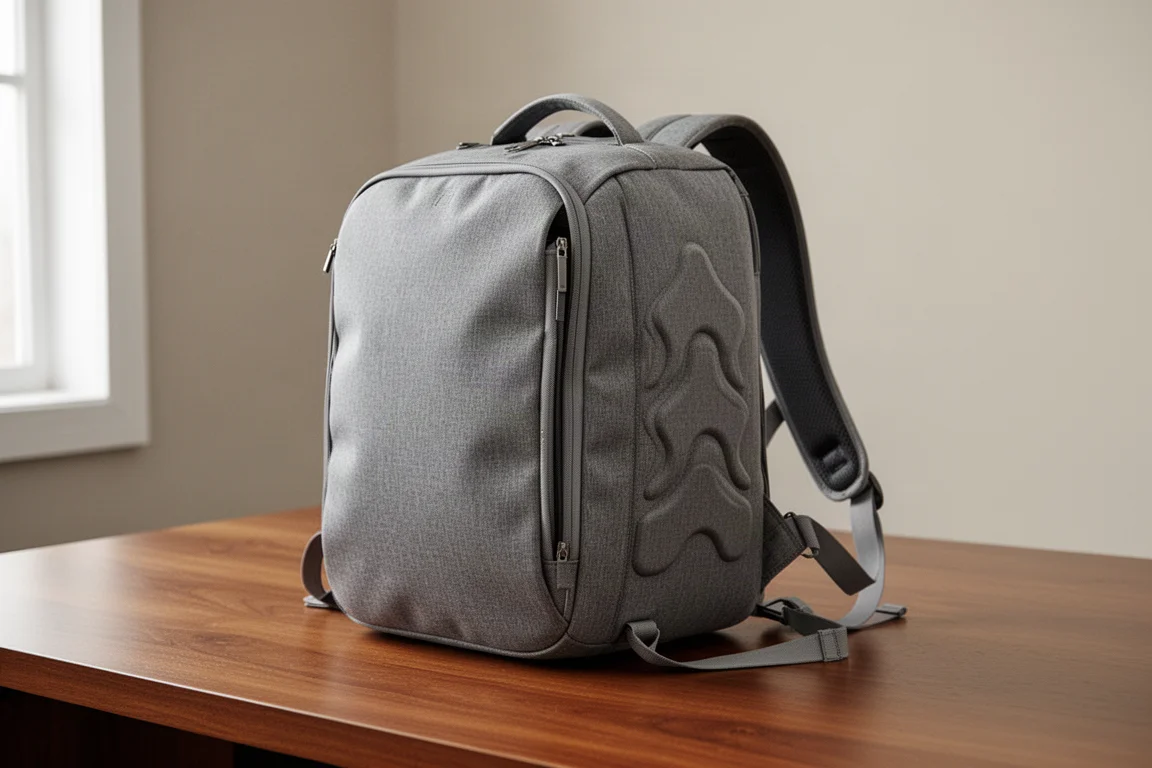
Everything a critical eye might want changed on the Aeronaut has already been addressed in the Techonaut. The Techonaut offers more comfortable back padding with air ventilation, a dedicated laptop compartment, more external organization pockets, and a larger, deeper main compartment.
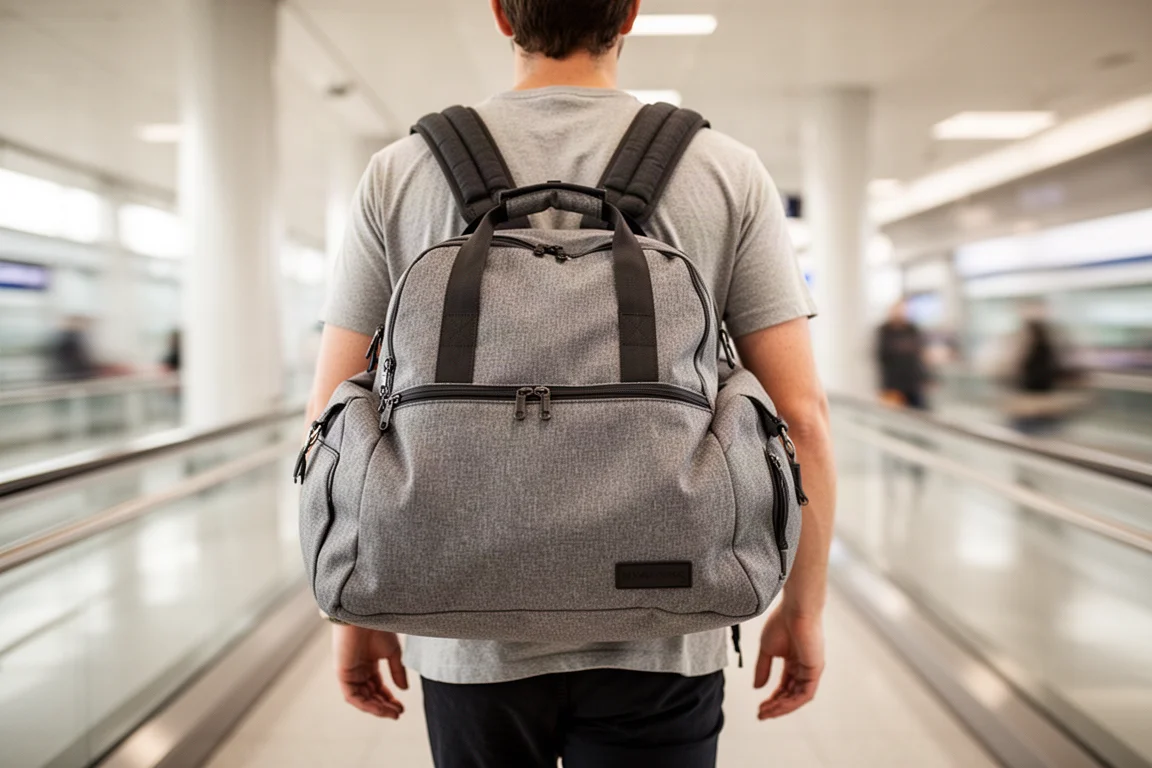
Choosing between them comes down to style preference: if you like the Aeronaut’s duffel-style side compartments and briefcase-friendly shape, that is your bag. If you want better back ventilation, a dedicated laptop pocket, and more organization, the Techonaut is the stronger pick. A follow-up comparison with packing demonstrations of both bags is planned.
Buying Advice
The Aeronaut 30 suits travelers who want a soft, versatile, buy-it-for-life carry-on duffel with flexible three-pocket or one-big-compartment packing. The Techonaut suits those who prioritize backpack comfort, laptop protection, and deeper organization. Both share Tom Bihn’s Seattle-made build quality and locking YKK hardware, so the decision is mostly about carry style rather than quality.
Conclusion
Tom Bihn’s pair of convertible travel duffels covers two distinct travel personalities with the same high standard of construction. Pick the Aeronaut 30 for classic duffel versatility, or the Techonaut if ventilation and organization matter more to you.
Further reading
Related Reviews
Travel Bags
Bubba Goose Duffel Review: A Featherweight 34L Duffel With Serious Materials
A minimalist X-Pac VX21 duffel from a Seattle workshop brand that weighs just over a pound while swallowing a huge main compartment.
Travel Bags
Carry-On vs Personal Item: Two Travel Bags Worth Comparing
A practical look at how much you can actually pack in a max-size carry-on duffel versus a personal-item-sized pack, and which travel style each suits.
Travel Bags
Double Oak Essentials Travel Bags: Weekender, Backpack, and Dop Kit Review
Three waxed canvas and full grain leather travel bags with YKK zippers and a lifetime warranty, reviewed up close.