Travel Bags
Carry-On vs Personal Item: Two Travel Bags Worth Comparing
A practical look at how much you can actually pack in a max-size carry-on duffel versus a personal-item-sized pack, and which travel style each suits.
Introduction
One of the most common packing questions is simple on the surface: will this bag work as a carry-on or a personal item? The honest answer is that it depends entirely on the airline. Carry-on and personal item dimensions vary widely between carriers, and budget airlines in particular enforce their limits aggressively.
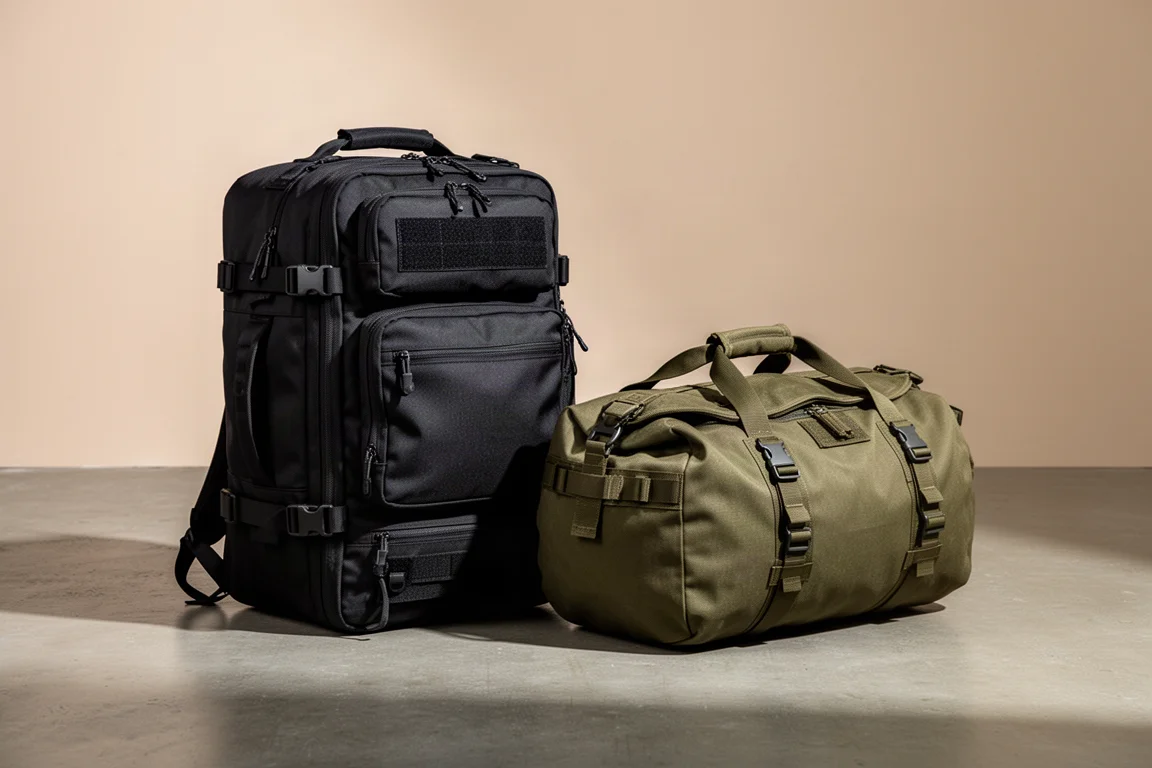
To show the real difference between the two bag classes, this comparison packs the same set of gear into a max-size carry-on, the Wandrd Access Hexad Duffel, and a personal-item-sized pack, the Cabin Zero Military 28. The result is a clear picture of what each size can hold, and what you give up by going smaller.
Why Bag Size Rules Depend on the Airline
A carry-on is generally the largest bag you can bring on board before checking luggage. Dimensions vary across airlines, but a standard followed by many carriers is 22 x 14 x 9 inches, or 56 x 36 x 23 centimeters. A bag that maximizes those dimensions with a rectangular shape and minimal internal pockets tops out around 45 liters.
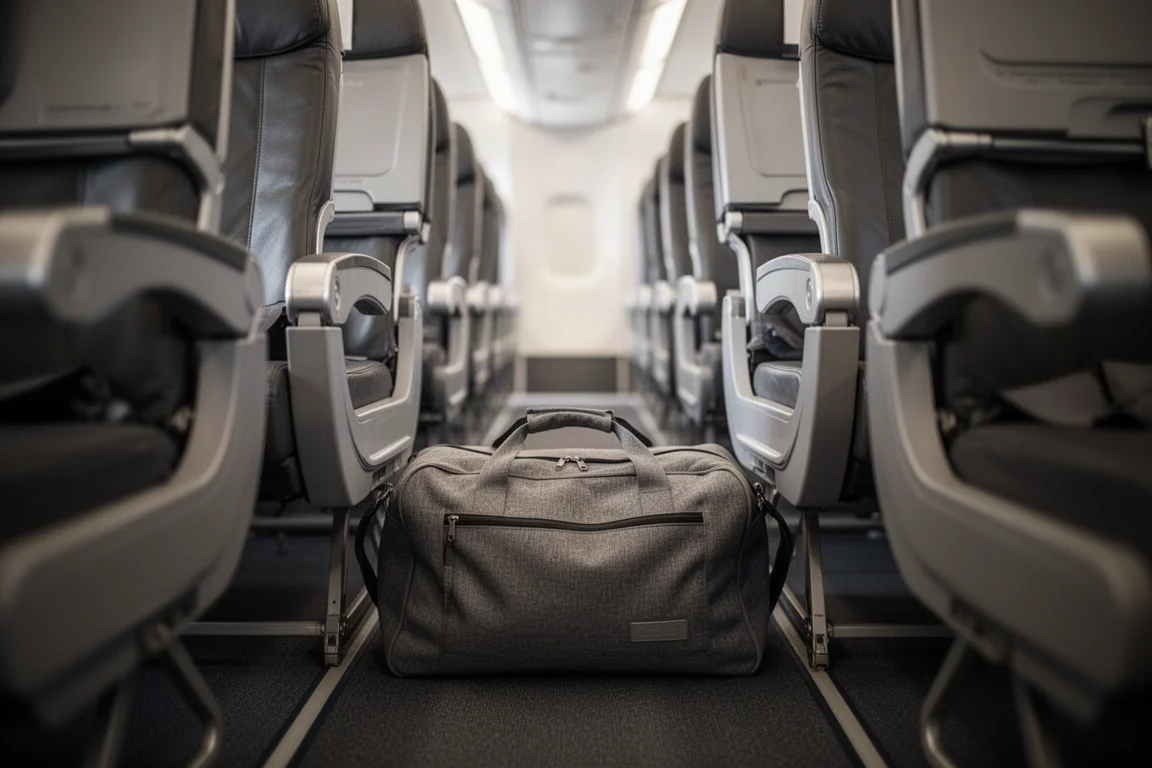
Personal item rules are far messier. The bag usually needs to fit under the seat in front of you, but some airlines give a dimension or weight limit while others simply say it must fit under the seat without telling you how big that space is. A common US-friendly size is 18 x 14 x 8 inches (45 x 36 x 20 cm), which works out to roughly 20 to 30 liters of volume. Frontier, for example, allows a larger personal item than Ryanair, so checking the baggage policy of the airline you are flying is essential.
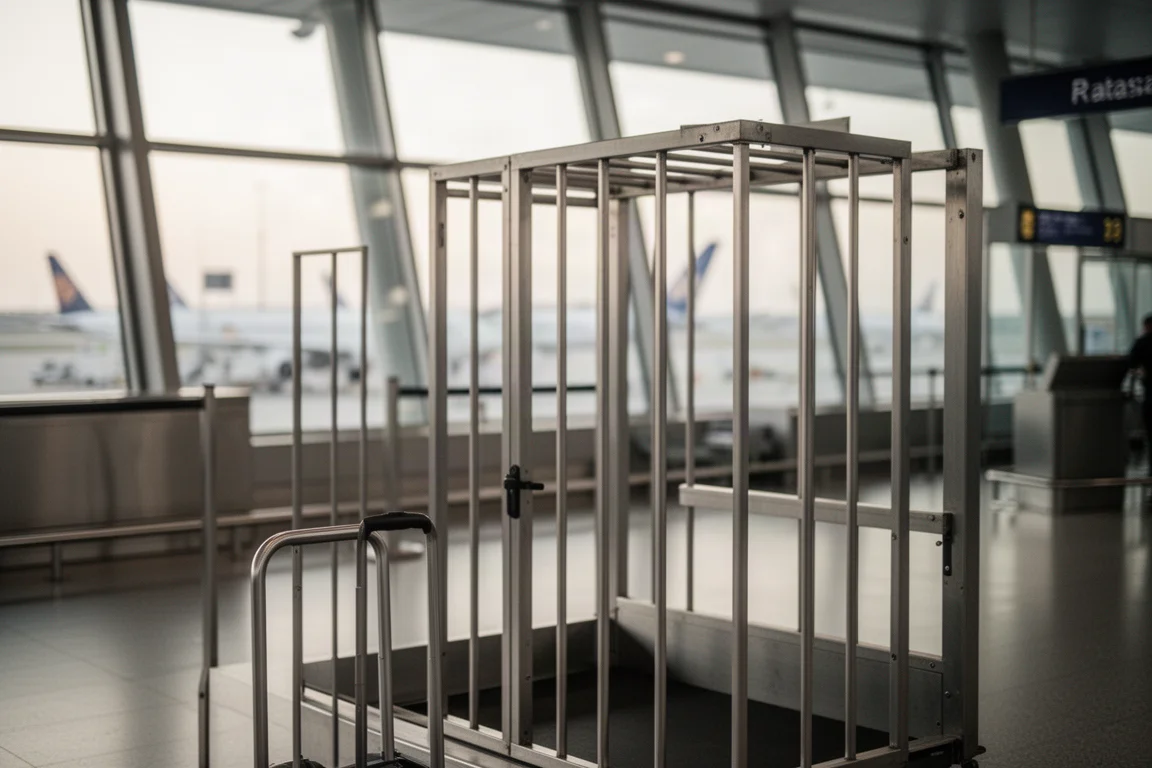
It also pays to understand airline pricing structures. Budget carriers like Spirit, Frontier, and Ryanair sell cheaper base tickets that only include a small personal item, then charge extra for a carry-on. Spirit charges between 60 and 70 dollars for a carry-on purchased with the ticket, but 99 dollars at the gate for an unpaid or oversized bag. Because these airlines build their business around extra fees, enforcement tends to be strict.
A Word on Listed Capacity
There is no standard way to measure a travel bag’s capacity, so listed specifications cannot always be trusted. Dimensions are usually close to reality, but volume claims are all over the place. A bag listed at 40 liters can sometimes hold less than one listed at 35, especially when padded laptop sleeves, dividers, and internal pockets eat into the main compartment. Soft-sided bags without a rigid frame also change shape depending on how you pack them: under-packed, they squeeze into any sizer; over-packed, they bulge well past their listed depth.
Packing Comparison: How Much Fits in Each Bag
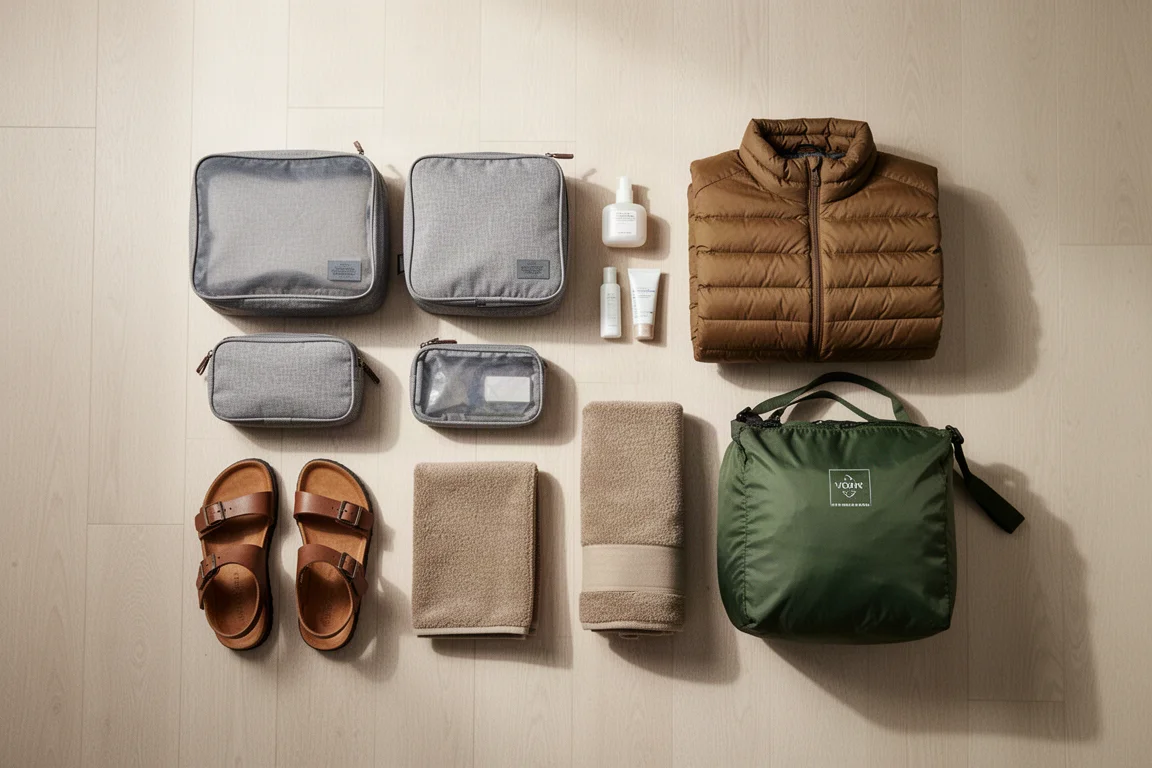
The test used a realistic travel loadout: two medium compression cubes holding three pairs of pants, two button-up shirts, two shorts, and six t-shirts, plus a puffy jacket, travel towel, sandals, a toiletry kit, a packable day bag, a small compression cube with underwear and socks, a water bottle, an umbrella, and a pouch of electronics and chargers.
The Wandrd Access Hexad Duffel measured almost exactly at its listed dimensions, which align with the common 22 x 14 x 9 carry-on standard. Despite that, a packing-peanut volume check put real usable capacity at roughly 41 to 42 liters rather than the 45-liter theoretical maximum, with the padded laptop sleeve and internal organization accounting for the difference. Fully packed with all the gear above (no laptop), it weighed about 9.4 kilograms, or 20.7 pounds.
Everything then transferred into the Cabin Zero Military 28. Most of the gear fit, but a meaningful pile had to come out: the toiletry kit, day pack, travel towel, puffy jacket, one packing cube, sandals, sunglasses, the water bottle, the umbrella, and roughly two full changes of clothes. The packed weight came to about 5.5 kilograms, or 12.2 pounds. A volume check put actual usable capacity closer to 22 to 23 liters, not the listed 28.
Wandrd Access Hexad Duffel
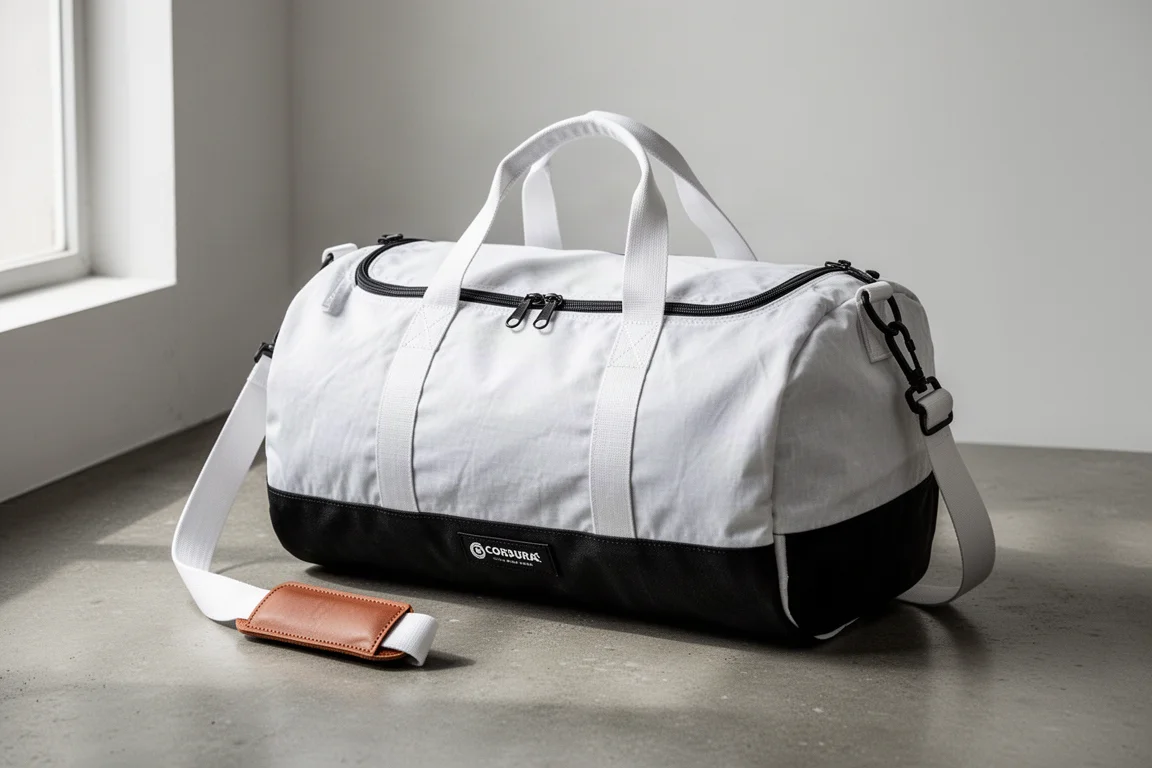
The Access Hexad Duffel is a boxy, rectangular travel bag designed to maximize carry-on volume. Measured externally, it comes in almost exactly at the standard 22 x 14 x 9 inch carry-on spec, though real usable volume lands around 41 to 42 liters once internal dividers and the padded laptop sleeve are accounted for. It swallowed the entire test loadout comfortably, including a dedicated shoe pocket, a top pocket for electronics, and a tablet sleeve for an e-reader.
The trade-off is weight and comfort. Fully loaded it hit 9.4 kilograms, and the straps are on the thin side compared with a dedicated hiking pack. This is a bag best suited to travelers who move their luggage from airport to hotel and then switch to a smaller day pack, rather than hauling it around all day.
Cabin Zero Military 28
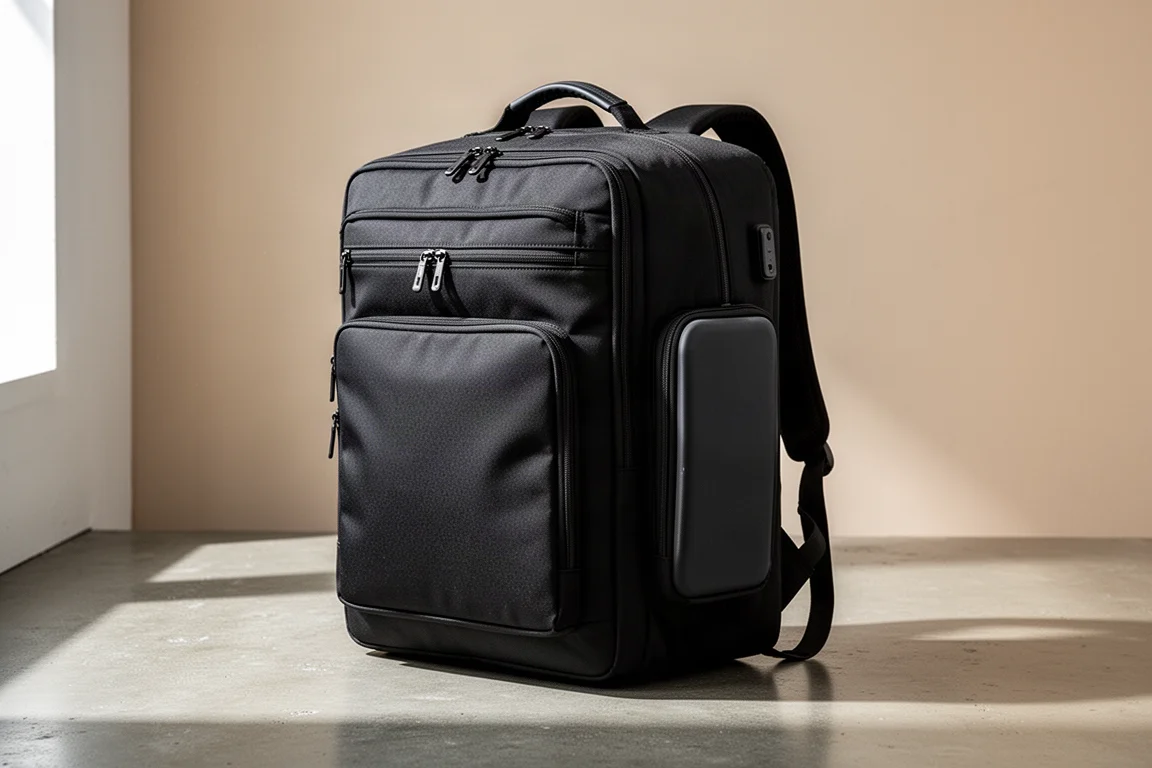
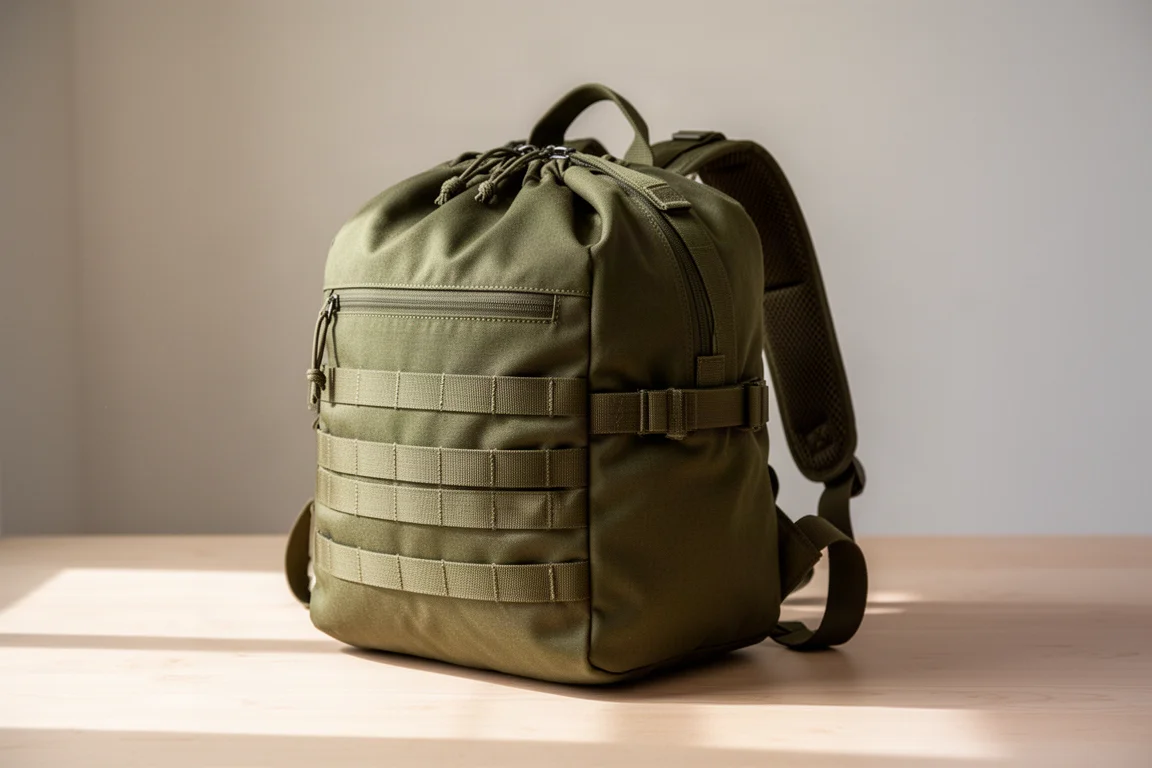
The Cabin Zero Military 28 is a simple, sack-like duffel pack sized for the personal item role. Listed at roughly 16 x 12 x 6 inches, real-world measurements come in closer to 17 x 13 x 7.5 once the back padding is included, and a volume test suggests usable capacity of about 22 to 23 liters rather than the full 28. Compression straps help cinch it down when it is not stuffed to bursting.
It held most, but not all, of the test loadout, and the packed weight of 5.5 kilograms is far more manageable for long travel days. For travelers willing to slim down their gear, this size demonstrates that a single personal-item bag can replace the two-bag setup entirely.
Buying Advice: One Bag or Two?
Many travelers carry two bags: a larger carry-on plus a smaller personal item. That works well if you travel slowly and mainly move your big bag between the airport and your hotel. But if your itinerary involves lots of connections, buses, and trains, or you simply dislike carrying heavy weight on your back, a smaller personal-item-only strategy is worth serious consideration.
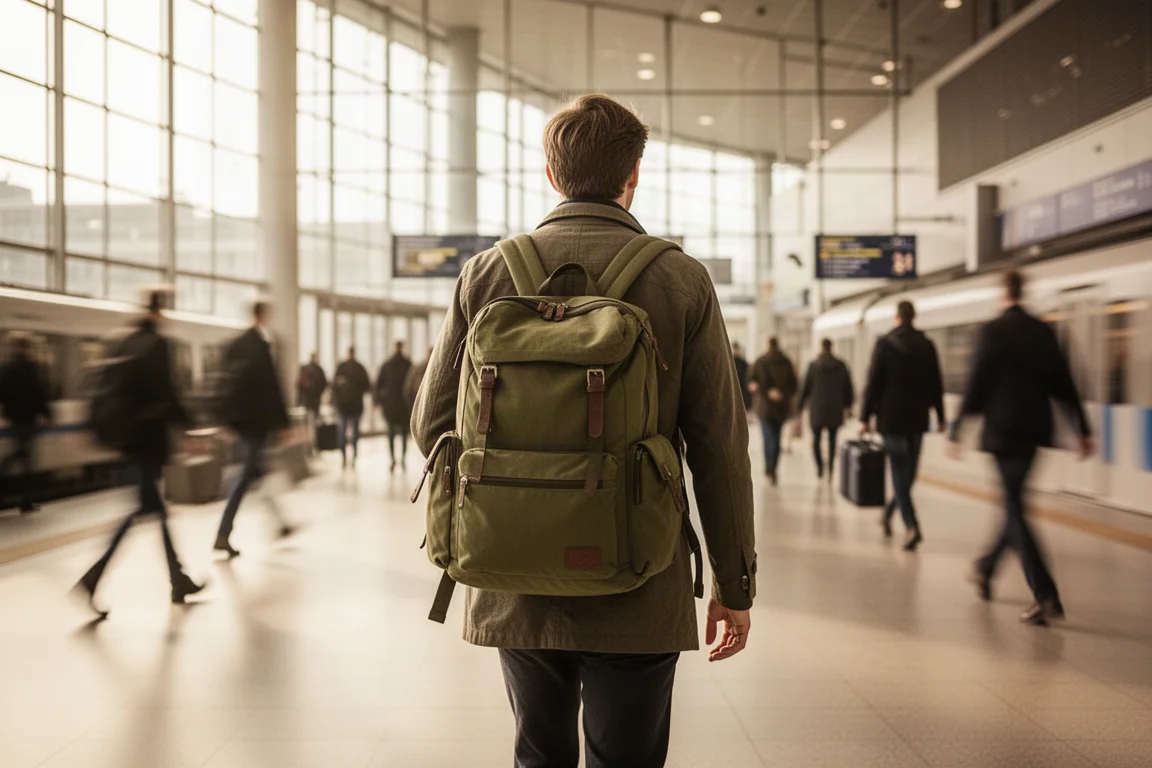
Travel backpacks built to carry-on dimensions are boxier than hiking packs, which hurts weight distribution, and their carry systems are usually less comfortable. Some brands, such as Osprey and Tortuga, do this better than most. If you do go large, a tall, narrow backpacking-style harness is easier on your shoulders than a wide rectangular travel bag.
Conclusion
The Wandrd Access Hexad Duffel is the stronger pick for travelers who want maximum carry-on capacity and pack a full wardrobe, accepting the weight that comes with it. The Cabin Zero Military 28 suits minimalists and multi-leg trips where a lighter, smaller bag pays off at the gate every time. Check your airline’s exact dimensions before buying, and remember that real capacity often differs from the spec sheet.
Further reading
Related Reviews
Travel Bags
Bubba Goose Duffel Review: A Featherweight 34L Duffel With Serious Materials
A minimalist X-Pac VX21 duffel from a Seattle workshop brand that weighs just over a pound while swallowing a huge main compartment.
Travel Bags
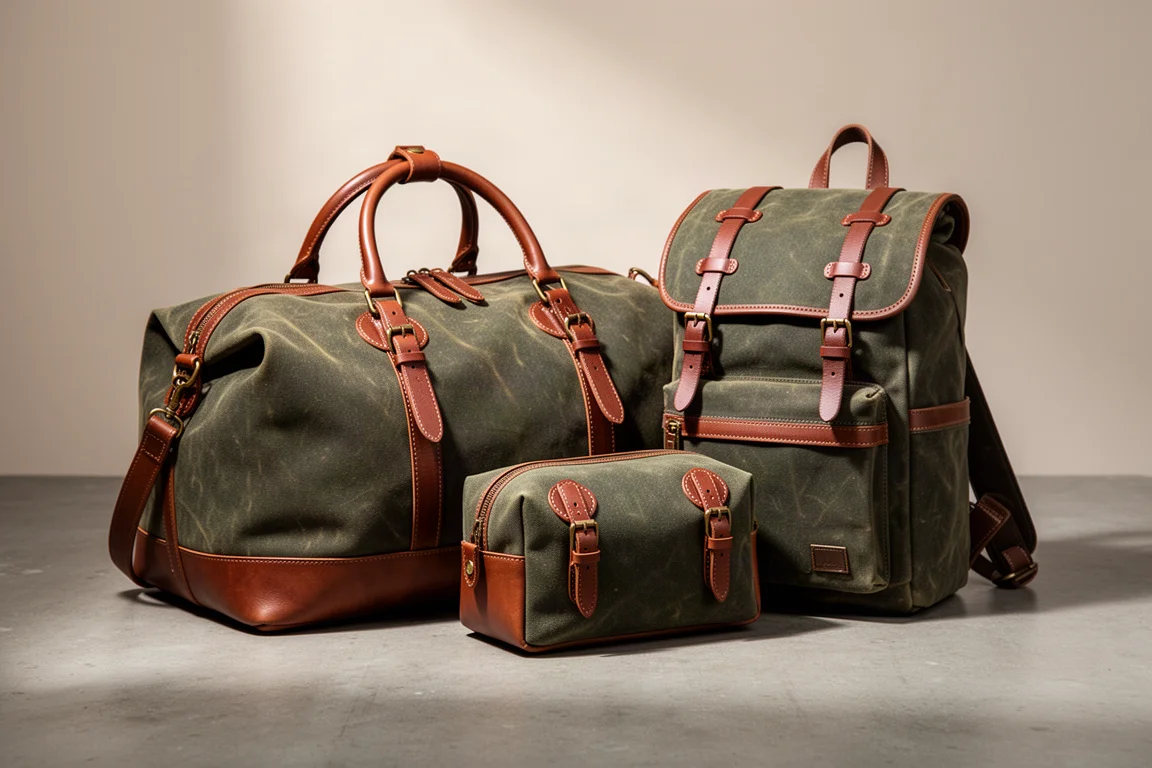
Double Oak Essentials Travel Bags: Weekender, Backpack, and Dop Kit Review
Three waxed canvas and full grain leather travel bags with YKK zippers and a lifetime warranty, reviewed up close.
Travel Bags
Jack Wolfskin Expedition Trunk 30 Review: A Rugged Convertible Travel Duffel
A durable, highly water resistant 30-liter convertible duffel with excellent hardware, plus a few carry quirks to know before you buy.