Cycling
Three Used Bikes Under £2,000: Cannondale SuperSix Evo, Trek Emonda SL6 and Vitus Chrono TT
Three secondhand bikes at three different points of a £2,000 budget, compared on weight, braking, drivetrain and long-term versatility.
Introduction
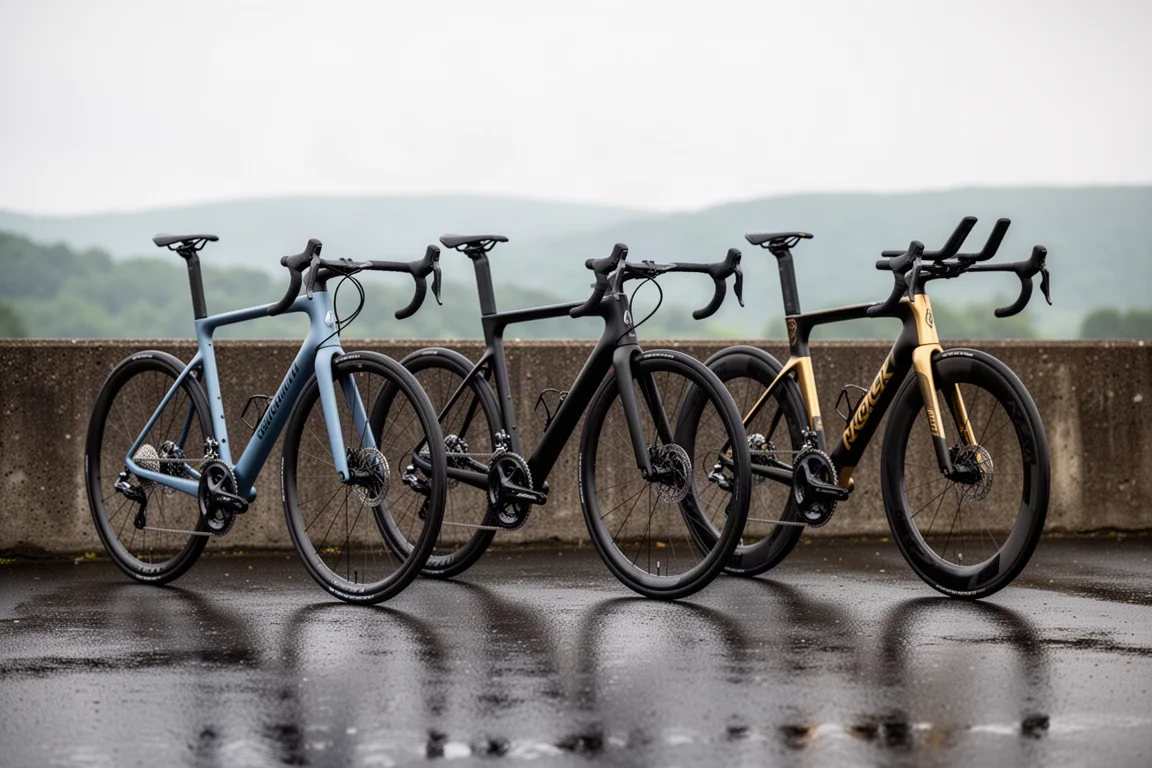
A £2,000 budget buys far more bike on the used market than it does new. That is the thinking behind this shortlist: three secondhand machines that sit at different points of the same budget and suit three quite different kinds of rider.
The Cannondale SuperSix Evo is the lightweight climber, a 2019 carbon build that came in at around £1,750 and weighed roughly 6.9 kg with a saddle bag and a bottle still fitted. The Trek Emonda SL6 is the modern all-rounder, a 2021 bike with disc brakes and generous tire clearance. The Vitus Chrono TT is the specialist, a time trial and triathlon machine picked up for around £1,300, which leaves money in the budget for race kit.
How These Three Bikes Were Chosen
Each bike was judged on the things that matter most when spending this kind of money secondhand: frame material and condition, drivetrain quality, braking, weight, and how well the bike is likely to stay useful over the next few seasons.
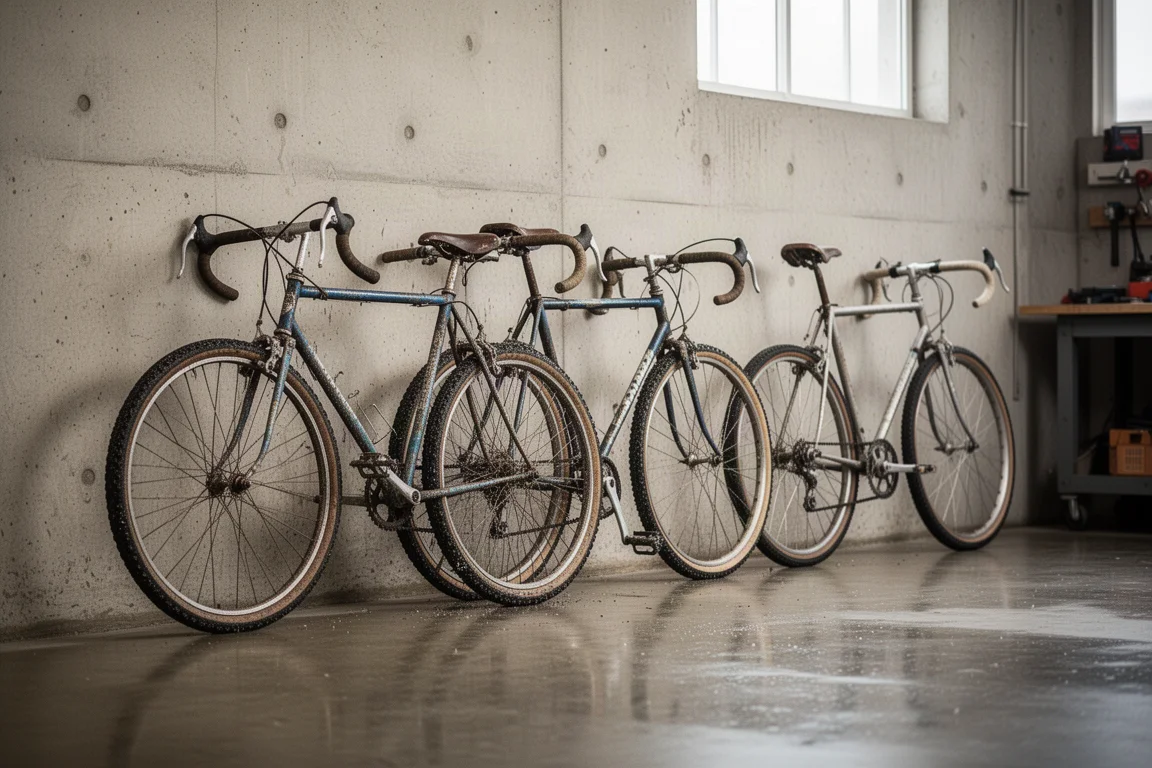
There is also a practical argument for shopping secondhand at this price. A used marketplace gives access to bikes that would cost far more new, whether that is a genuine superbike a few years old, a nearly new modern bike, or a specialist machine at a fraction of its original price. Dedicated used-bike platforms add security to the process by handling shipping between seller and buyer, offering free returns if a bike is not as described, and reimbursing repairs if a bike arrives damaged. Some listings come with warranties, and some offer an optional paid service check, where mechanics carry out anything from a deep clean to a full carbon safety inspection.
Cannondale SuperSix Evo: The Lightweight Climbing Pick
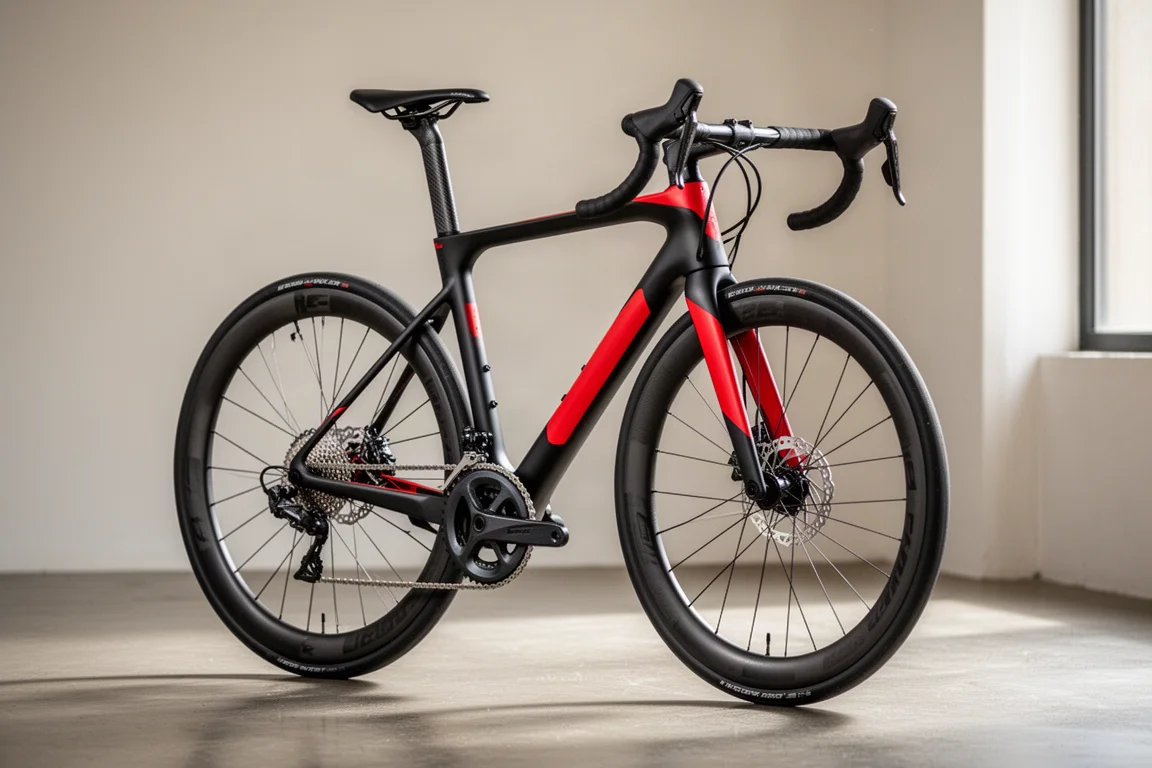
The SuperSix Evo from 2019 is a carbon fibre road bike with carbon fibre cranks, a carbon seat post and carbon wheels from a brand that also appears at the top level of professional racing. The groupset is Shimano Ultegra 11-speed, and the build came with fresh handlebar tape and a good saddle.
Weight is the headline. Around 6.9 kg with a saddle bag and bottle still fitted is genuinely light, and the frame feels that way the moment you lift it. Comparable disc-brake builds at that weight generally cost far more, which is part of what makes a rim-brake bike like this so interesting at this price.
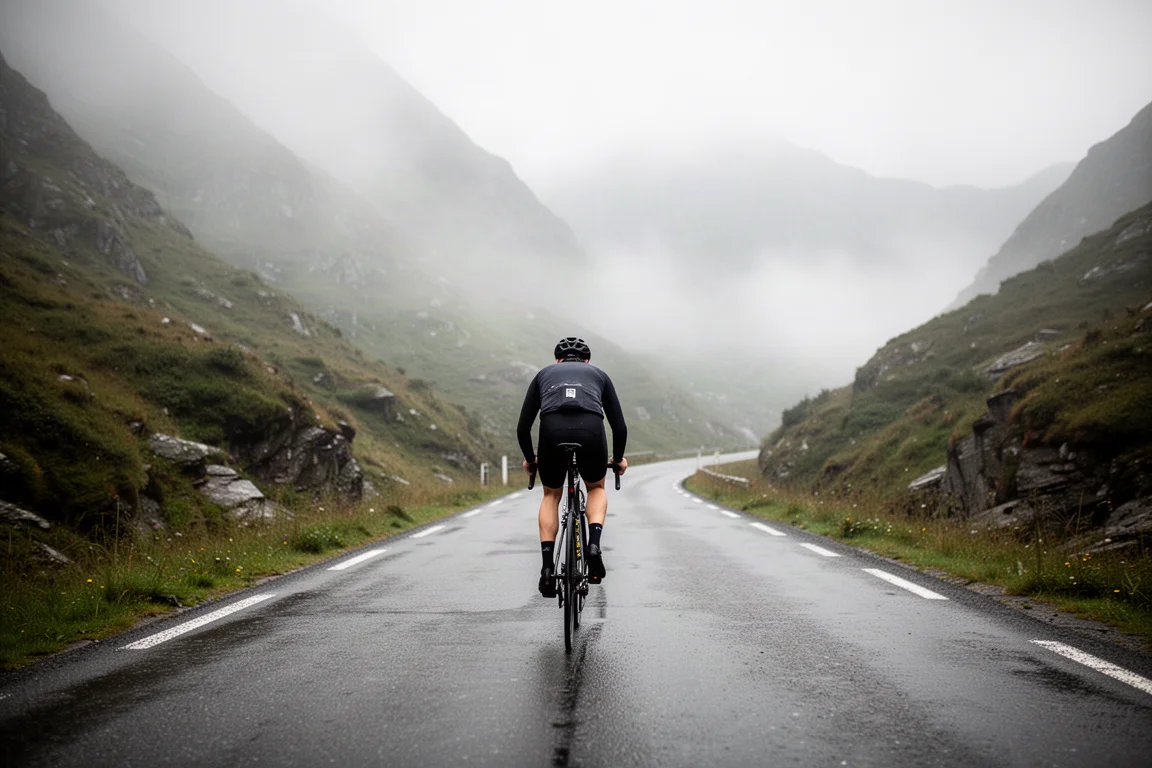
Two details are worth checking before buying. The first is braking: this bike runs rim brakes, which is a trade-off in wet weather and on long descents. The second is fit: the handlebars are wide and the bike came with 25mm tires, so there is room to refine the contact points. The finish also reads noticeably bluer in person than it did on screen, a reminder to ask for real photographs before committing.
Trek Emonda SL6: The Modern, Future-Proof Choice
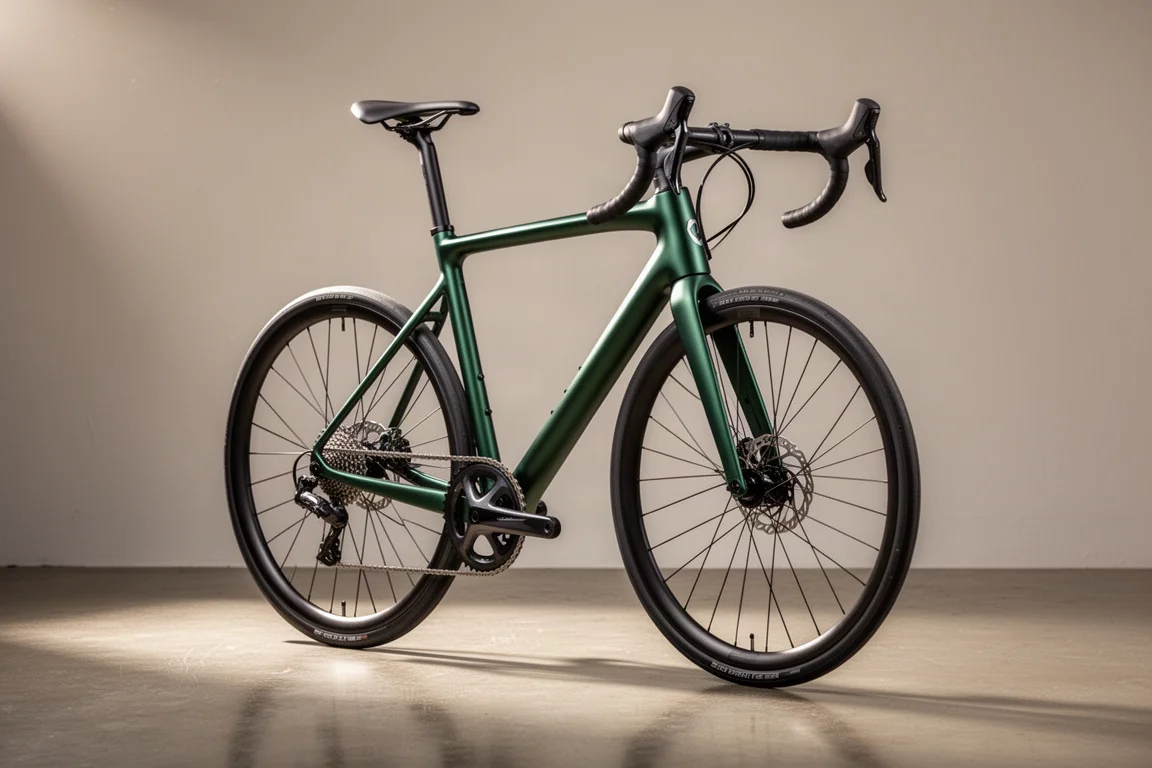
The Emonda SL6 from 2021 takes the opposite approach. Where the SuperSix Evo leans on low weight and rim brakes, this Trek is built around disc brakes and generous tire clearance, which makes it the more adaptable of the two for mixed road surfaces and changing weather.
It is a deliberately sensible pick. Buyers weighing this against racier options such as a Colnago Superissimo or a Specialized S-Works Tarmac SL5 are choosing practicality over drama: disc braking, room for wider rubber, and a platform that will not feel dated in a few seasons.
For most riders who want one road bike to cover fast group rides, long weekend miles and rougher tarmac, that combination is hard to argue with. The trade-off is that it is unlikely to feel as exotic as a superbike of the same era.
Vitus Chrono TT: The Time Trial Specialist
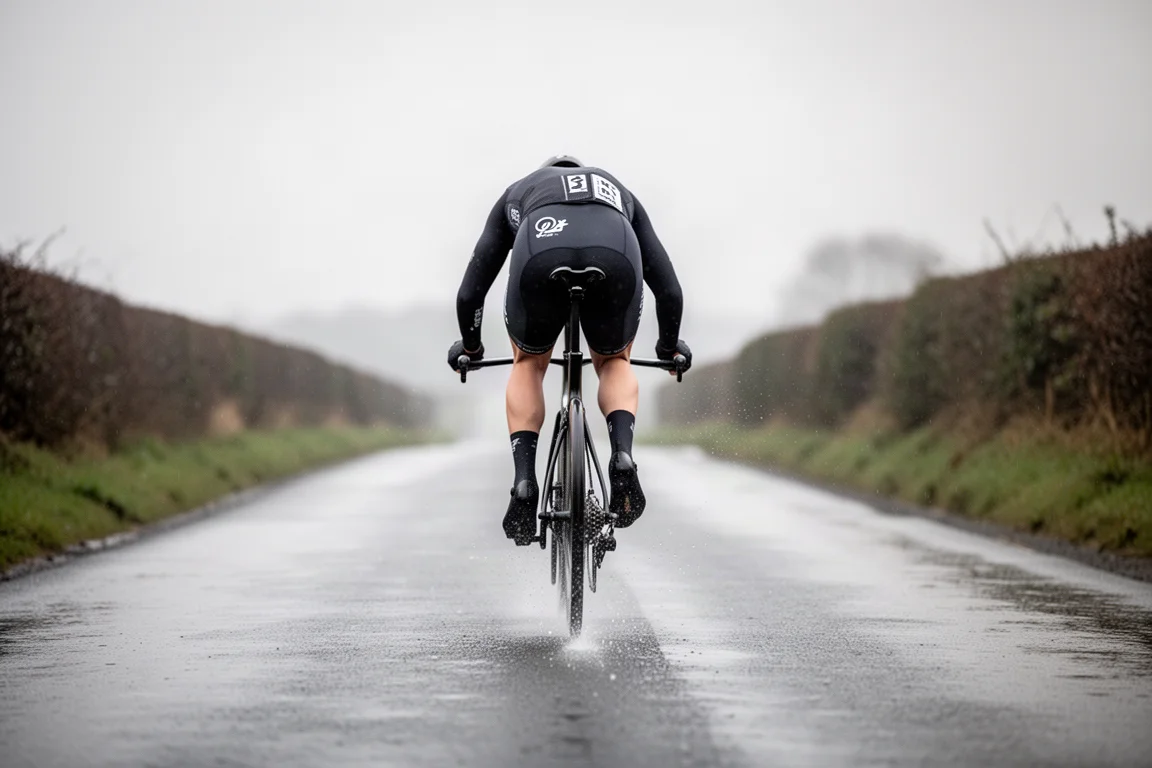
The Chrono TT is the odd one out here, and deliberately so. It is a time trial and triathlon bike bought for around £1,300, and it is built for one job: going fast in a straight line.
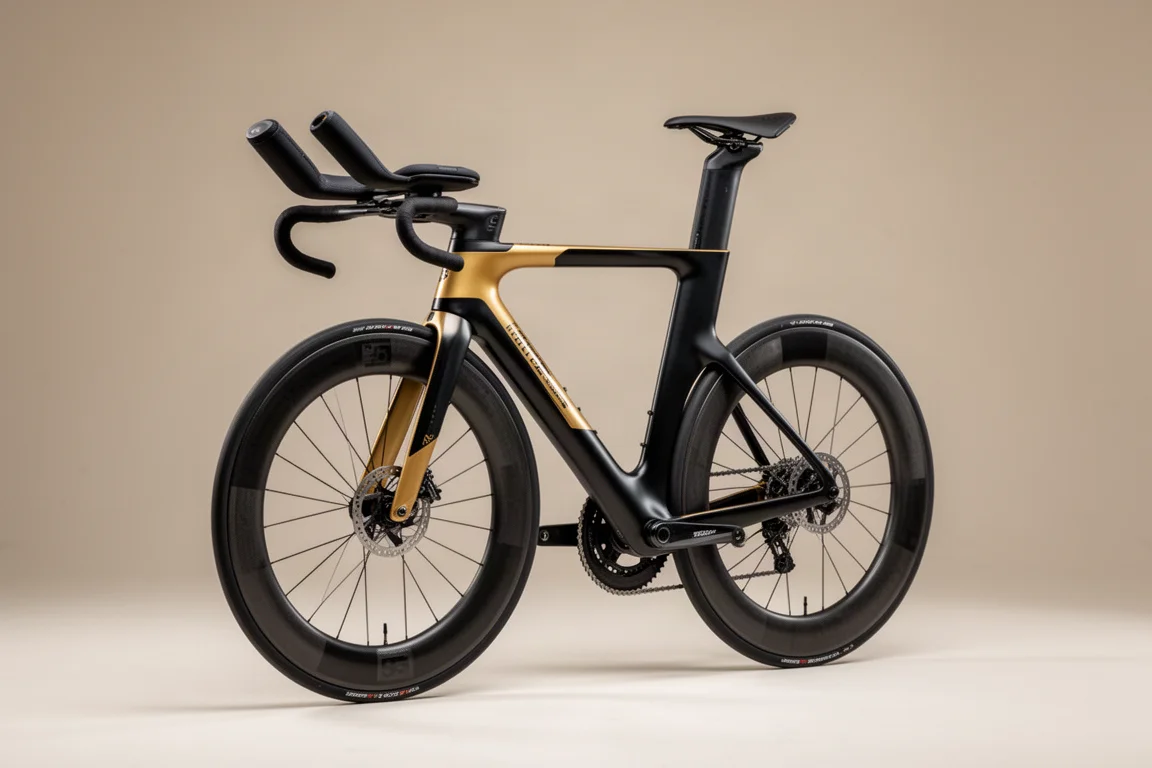
The spec is eclectic. The groupset mixes Dura-Ace with Tiagra brakes, a Campagnolo front mech with a carbon cover and SRAM brake levers, and the wheels are deep-section Profile Design carbon rims around 58mm deep. For a time trial bike it is light, and the aero bar setup includes women-specific armrest pads.
That specialist layout comes with a caveat. On a bike like this, the gears sit in the middle of the bars, where climbing bars would normally be, so hilly routes are less comfortable than they would be on a road bike. It also rewards a specific goal rather than everyday riding.
At around £1,300, though, it leaves meaningful room in a £2,000 budget, which for a triathlete can mean a wetsuit and race kit on top of a very fast frameset.
Buying Advice for Used Bikes Around £2,000
Which of these three makes sense depends entirely on the riding you actually do. If low weight and climbing feel matter most, the SuperSix Evo delivers a great deal for around £1,750. If you want one bike that stays current and copes with rough roads, the Emonda SL6 and its disc brakes and tire clearance are the safer long-term bet. If you race time trials or triathlons, the Chrono TT is the only one of the three designed for that job.
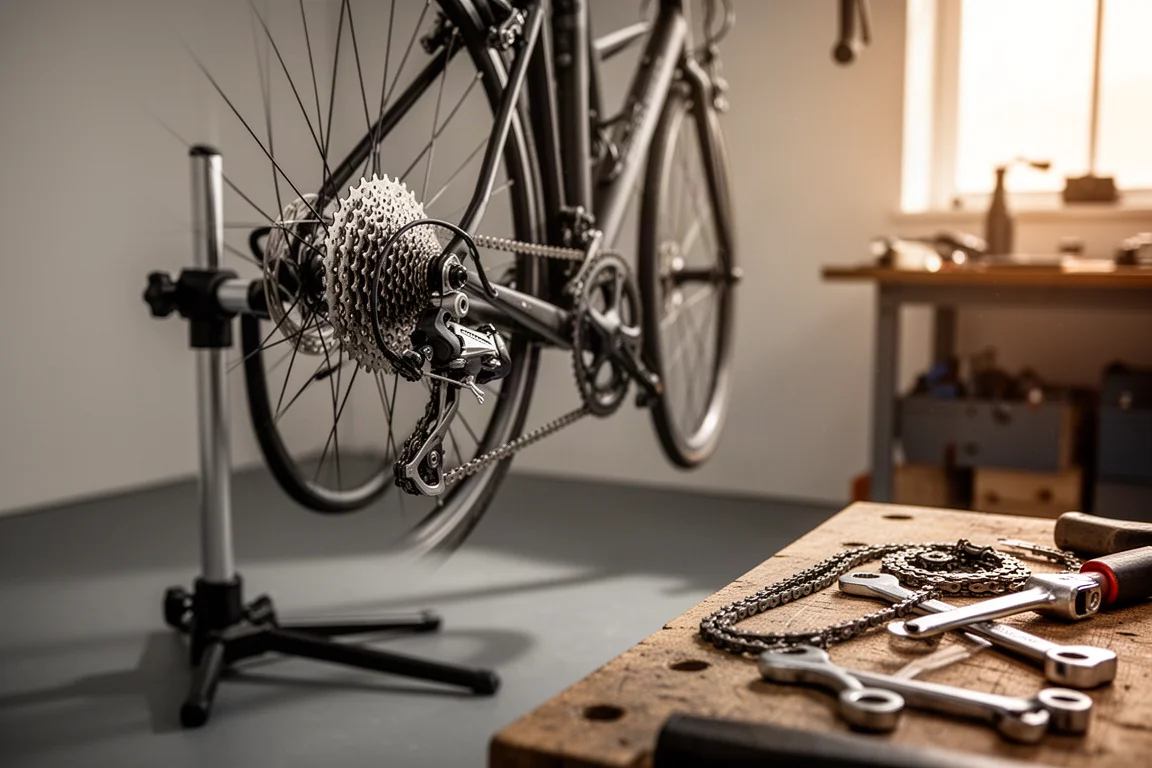
Whichever you choose, buy the way you would buy any used bike. Check the frame and fork carefully, ask for close-up photographs of the paint and the drivetrain, confirm the wheel and groupset specification rather than assuming it, and read the condition notes closely. A platform that handles shipping, offers free returns when a bike is not as described, reimburses repairs for damage in transit, and provides an optional paid inspection adds a useful layer of confidence to a purchase this size, and some bikes come with a warranty as well.
Budget sensibly too. Spending £1,300 to £1,750 on the bike leaves room for a proper service, new tires or a professional inspection, and the money saved against a new bike is part of the appeal of buying secondhand in the first place.
Conclusion
All three of these bikes show what £2,000 can do on the used market: a lightweight carbon climber, a modern disc-brake all-rounder and a dedicated time trial machine, each at a price that would buy far less new. The right choice is the one that matches your riding, and the fact that a bike’s appeal is so personal is exactly why the secondhand market works so well at this budget.
Further reading
Related Reviews
Cycling
2026 Bike of the Year and the Cycling Gear Worth Watching
A drop bar roundup for 2026 covering the Ridley Kanzo Fast 2.0, Shimano Dura-Ace Di2 R9300, Trek Checkpoint ALR Gen 3, Specialized Tarmac SL9, Garmin Fenix 9 and Insta360 X6.
Cycling
Best All-Road Bikes 2026: Six Versatile Endurance Road Bikes Worth Considering
A practical look at six all-road and endurance road bikes, from lightweight carbon speed machines to steel all-rounders and comfort-focused mile eaters.
Cycling
Best All-Road Bikes 2026: 8 Endurance Bikes for Road and Light Gravel
Eight all-road bikes that blur the line between endurance road and light gravel, compared on tire clearance, ride character, practicality, and value.