Camping Shelters
Three Ultralight Bivy Shelters Compared: Outdoor Research Alpine Bivy, Rab Ridge Raider, and Alpkit Elan
A practical comparison of three low-profile bivy shelters across weight, breathability, interior space, and price, so you can pick the one that fits how you camp.
Introduction
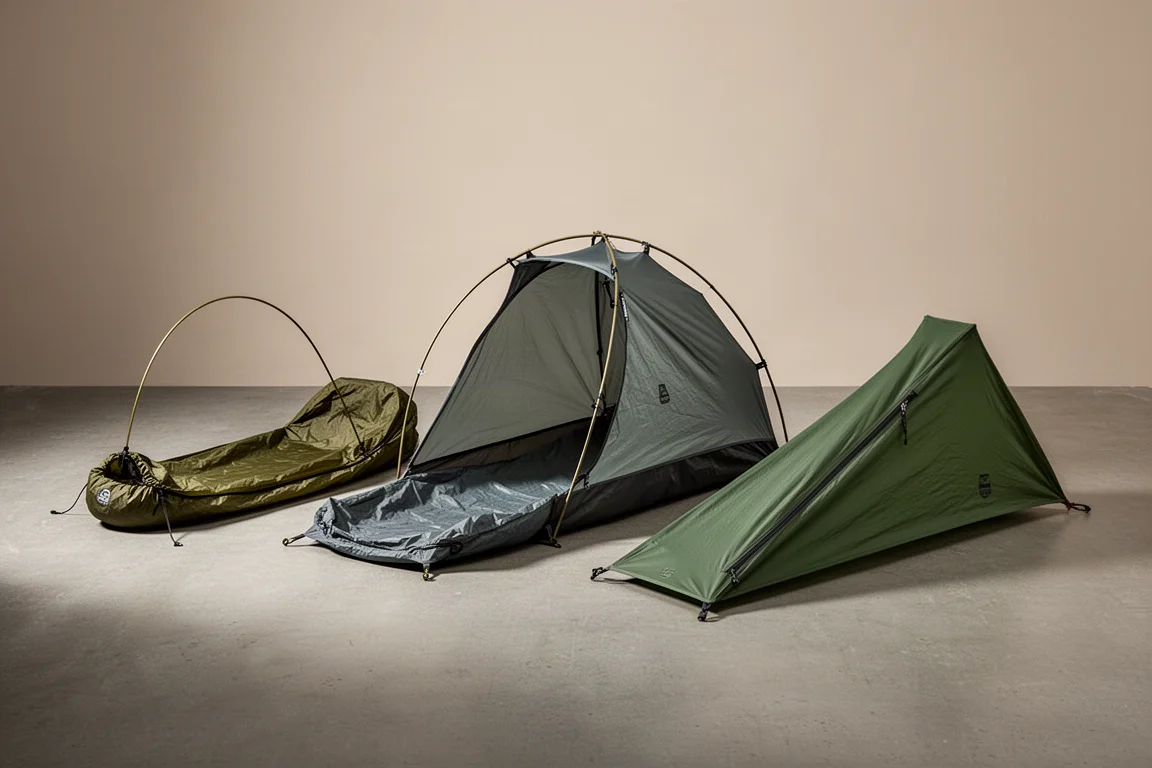
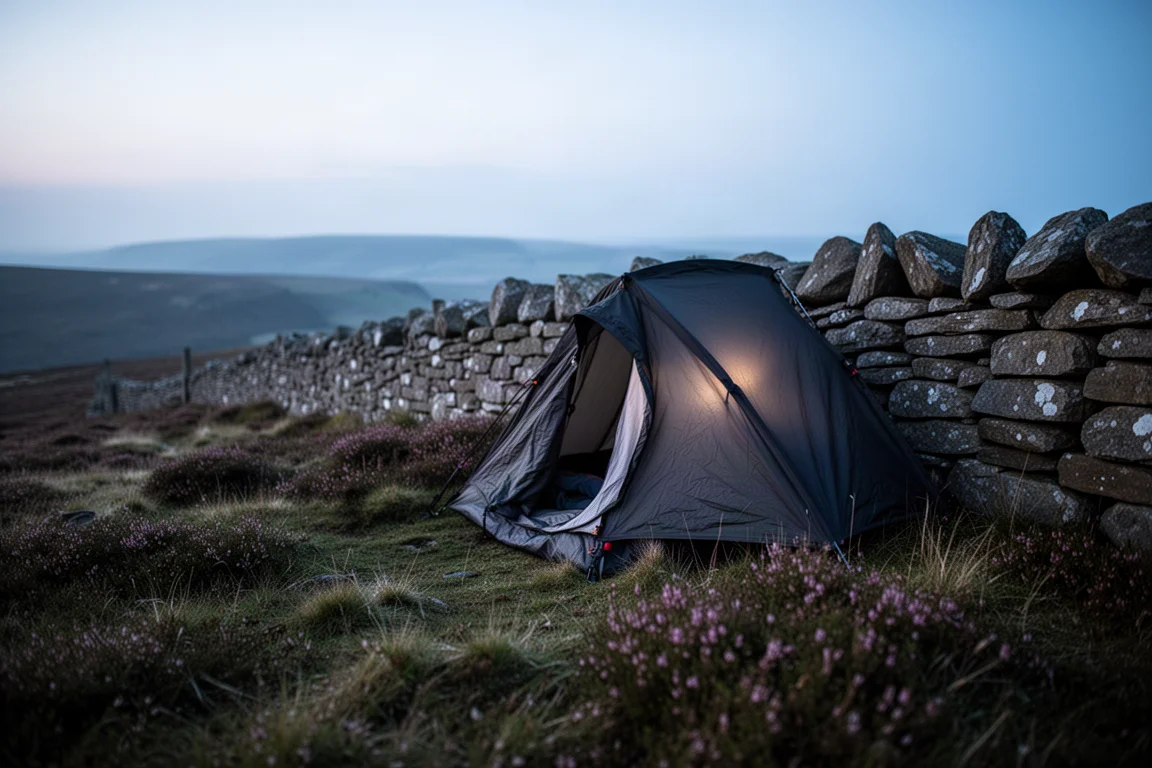
Bivy shelters are a specialist piece of kit. They are not for everyone, and they are not trying to be a tent. What they do well is let you get your head down almost anywhere: on a discreet ledge, beside a wall, or in a spot where pitching a tent would draw attention. All three shelters in this comparison are incredibly low profile, with just enough room to crawl inside with your sleeping gear and a few personal items.
The three models here cover very different budgets. The Outdoor Research Alpine Bivy and the Rab Ridge Raider both retail at around £350, while the Alpkit Elan comes in at £129.99. That price gap matters, but so do the differences in weight, interior space, and how each one handles weather.
Weight is the headline number in this category: 555 g for the Outdoor Research, around 890 g for the Rab, and around 900 g for the Alpkit. Packed size, by contrast, is nearly identical across all three, so the decision comes down to how you plan to use the shelter rather than how much room it takes up in a pack.
What Sets These Bivy Shelters Apart
All three come with bug protection, which matters for overnight use. Each also has a hoop or pole option that can be left out entirely if you prefer to use the shelter as a simple bivy bag.
Materials differ noticeably. The Rab Ridge Raider in this comparison uses eVent fabric, one of the most breathable waterproof materials around, while newer versions of the same design are reported to use Pertex Shield. The Outdoor Research shelter uses an AscentShell-style fabric that does not feel like a conventional waterproof shell, closer to a comfortable piece of clothing than a plastic sheet. The Alpkit Elan relies on a more conventional waterproof material and is the least breathable of the three, but it compensates with the most generous ventilation layout.
Entry design is another real difference. The Outdoor Research and the Alpkit both use long side zips, while the Rab needs a more technical entry technique. None of these shelters is especially pleasant to sit in for long periods, particularly in warm weather.
Outdoor Research Alpine Bivy: The Lightest Option
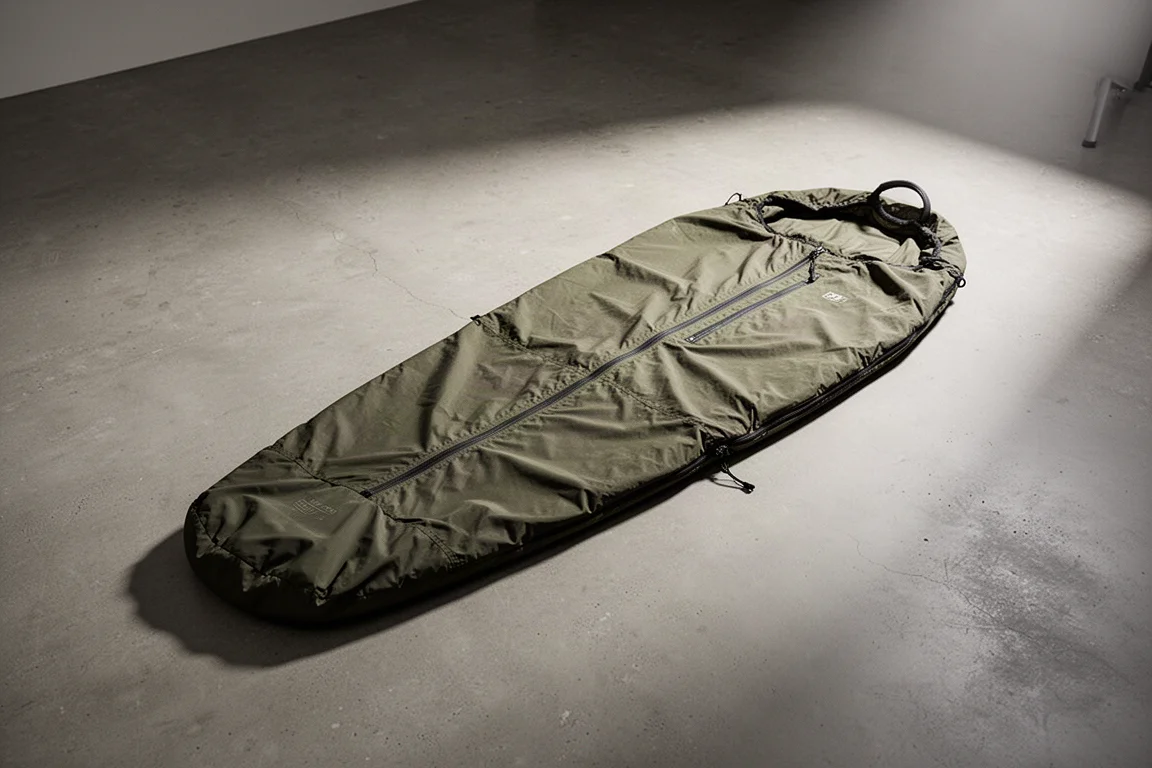
At 555 g, the Outdoor Research Alpine Bivy is the lightest shelter in this group by a wide margin, and it is the one that has seen the most use over the longest period. It has a large entrance with a side zip, so getting in is far easier than with the Rab. There is enough room for a sleeping pad inside the bivy with a sleeping bag lofting over it, plus space at the foot end for a small pack.
The internal pole is plastic and exists only to hold the fabric away from your face. It is the least sturdy structure of the three, and the shelter has just two tie-out points, with bungee cord often added for a little more freedom of movement. The mesh bug net is effective and can be left partly zipped for ventilation when conditions allow.
Breathability is where this shelter stands out. Condensation has been minimal in use, which is unusual for a bivy. The trade-off is price: at around £350 it is one of the more expensive options here.
Rab Ridge Raider: The Durability Pick
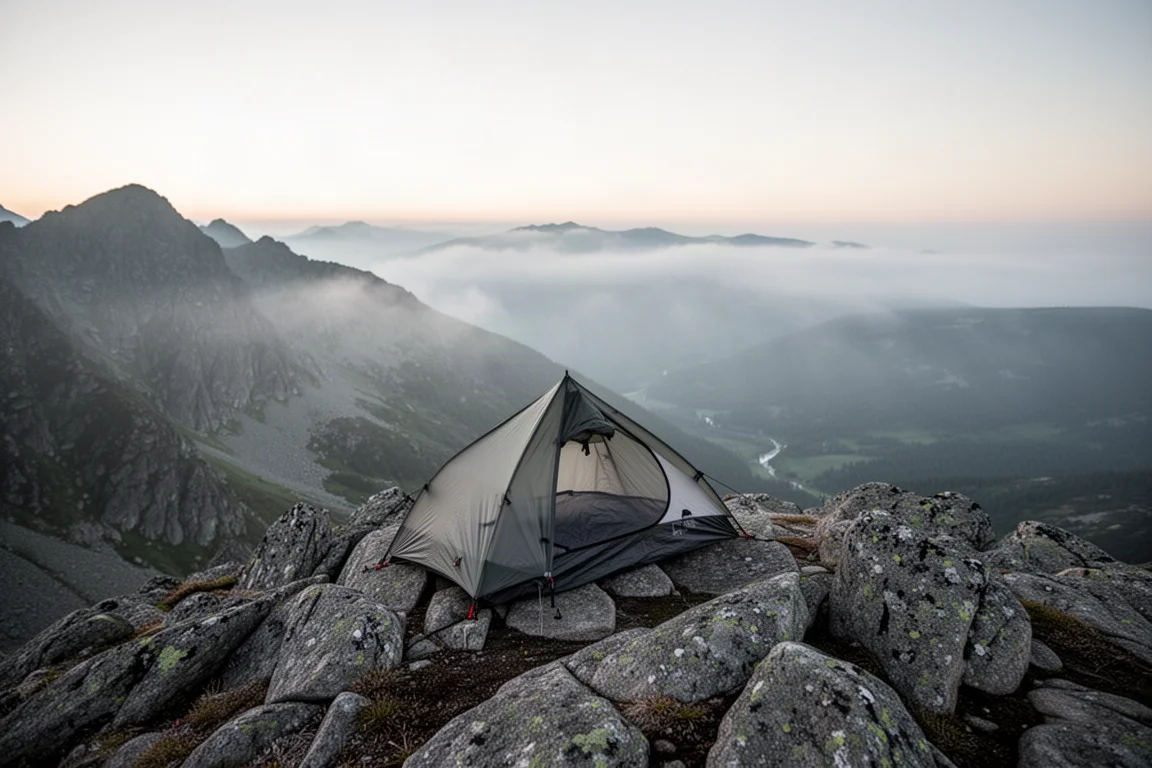
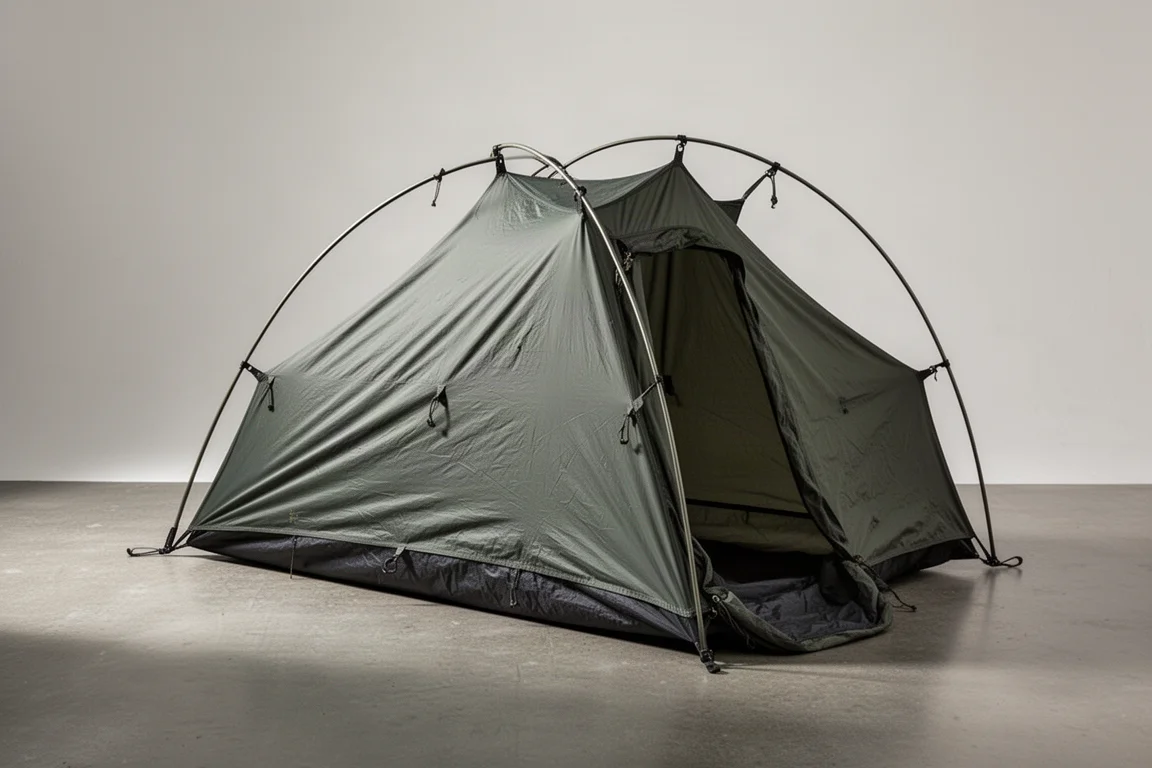
The Rab Ridge Raider is a hooped bivy and the most spacious of the three. You still cannot sit up in it, but there is room for all of your gear inside and enough space at the head end to read or watch something on a phone. It is also the shelter that feels most solid in wind, helped by its tie-out points.
Getting in takes more effort. You work your way through the opening and then zip up from the inside, which is not the most graceful process. The hoop also benefits from being pegged out or weighted down if you want it to stand upright, though the shelter can be used flat as a bivy bag if you leave the hoop behind.
At around 890 g it is noticeably heavier than the Outdoor Research option, and in sustained rain, water sitting on the outer surface reduces how well vapour escapes. Condensation has generally been manageable, with some build-up during wet weather. Durability is the strongest argument for this shelter, and it is the one to choose if you expect rough conditions.
Alpkit Elan: The Best Value Entry Point
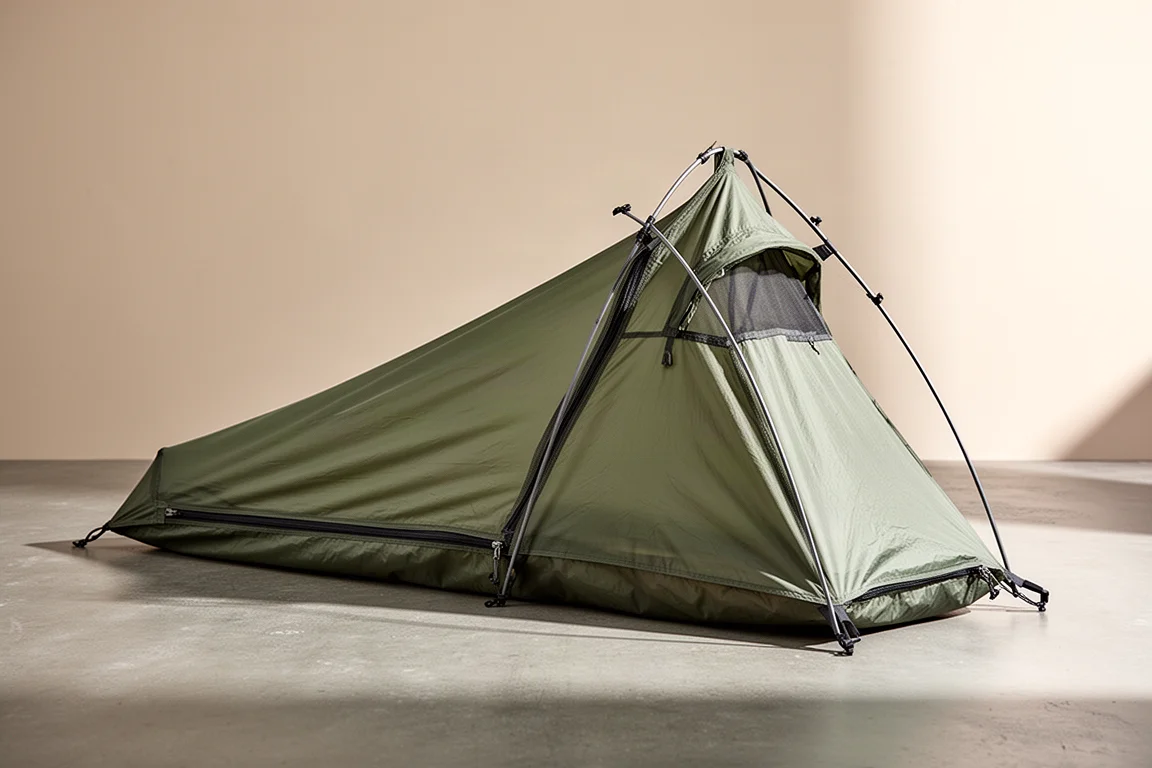
The Alpkit Elan is the cheapest of the three at £129.99 and the easiest to get into by a clear margin. A long zip runs along the side, so you sit down, zip yourself in, and you are done. The trade-off is height: this is the lowest and shortest shelter here, with just enough clearance to keep the fabric off your face.
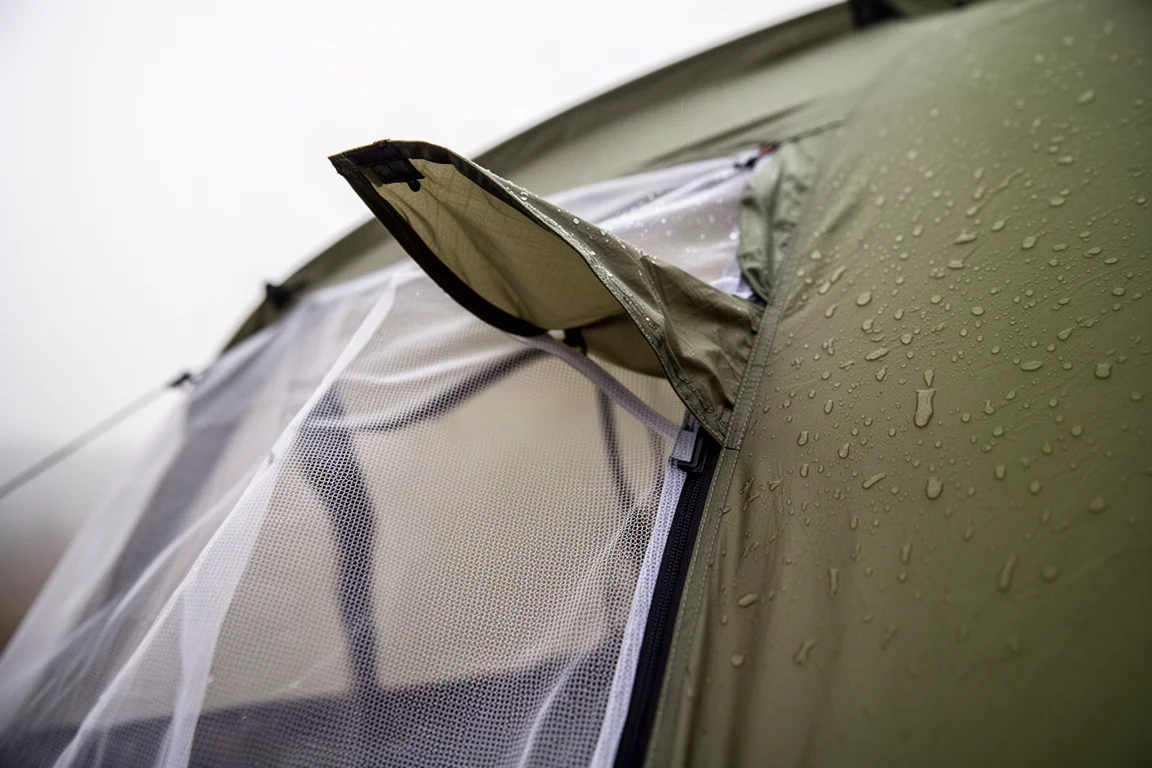
Useful details include a mesh bug net that can be left partly open, an additional ventilation flap that can be rolled up and tied back, and a small loop at the foot end that can be propped up with a trekking pole or a stick for extra room. The head section is double poled, which gives it the sturdiest structure of the three, and it is the heaviest at around 900 g.
The material is the least breathable in this group, with a stated 10,000 mm hydrostatic head, but the ventilation design is the best of the three: even in heavy rain the vents stay protected behind a section of fly sheet. Condensation can still build up in damp conditions, so keeping airflow going matters.
For anyone new to hoop bivy camping, this is the most sensible place to start.
Pack Size, Weight, and Weather Protection Compared
Packed size is almost identical across all three shelters, so weight is the more useful differentiator: 555 g for the Outdoor Research, around 890 g for the Rab, and around 900 g for the Alpkit.
Weather protection is a more nuanced picture. The Alpkit carries the highest stated waterproof rating and the best protected ventilation, the Outdoor Research is the most breathable in practice, and the Rab is the most robust in wind. None of these shelters is ideal in sustained rain without a tarp, and using them in wet weather without extra cover is a compromise most owners accept.
It is also worth being honest about the category itself. A bivy of this type weighs close to a light one-person tent, and a one-kilogram tent offers sit-up room and space to get changed. If those things matter to you, a bivy is hard to justify. What a bivy does offer is a very low profile and the ability to pitch almost anywhere, including tight spaces where a tent simply will not fit.
Overall Buying Advice
If you can only own one, the Outdoor Research Alpine Bivy is the strongest all-round choice: lightest, most breathable, and easiest to live with, at the highest price. Choose the Rab Ridge Raider if interior space and durability matter more than weight, and expect a slightly more involved entry and exit. Choose the Alpkit Elan if you are getting into bivy camping for the first time or want to keep spending low. It gives up some breathability and height but gains the easiest access and the best ventilation layout.
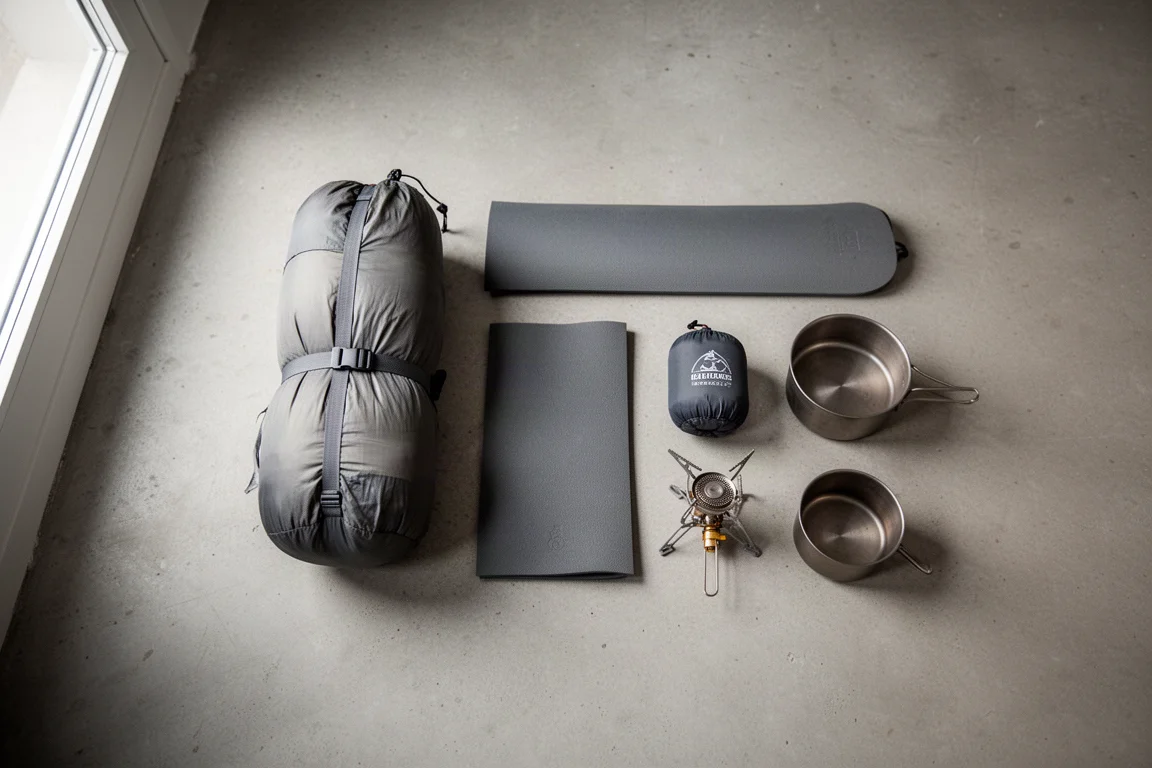
Practical habits make any of these shelters work better. Leaving your sleeping pad and bag inside the bivy means you can roll the whole thing up as a single bedroll and deploy it in minutes. Keeping vents open whenever the weather allows is the single most effective way to manage condensation. And if rain is forecast, plan to pair the bivy with a tarp rather than relying on the shelter alone.
Conclusion
These three shelters sit at opposite ends of the same idea. The Outdoor Research Alpine Bivy wins on weight and breathability, the Rab Ridge Raider wins on space and durability, and the Alpkit Elan wins on price and ease of entry. All three are low profile, simple to pitch in awkward places, and designed for people who want to sleep rather than camp in comfort.
Further reading
Related Reviews
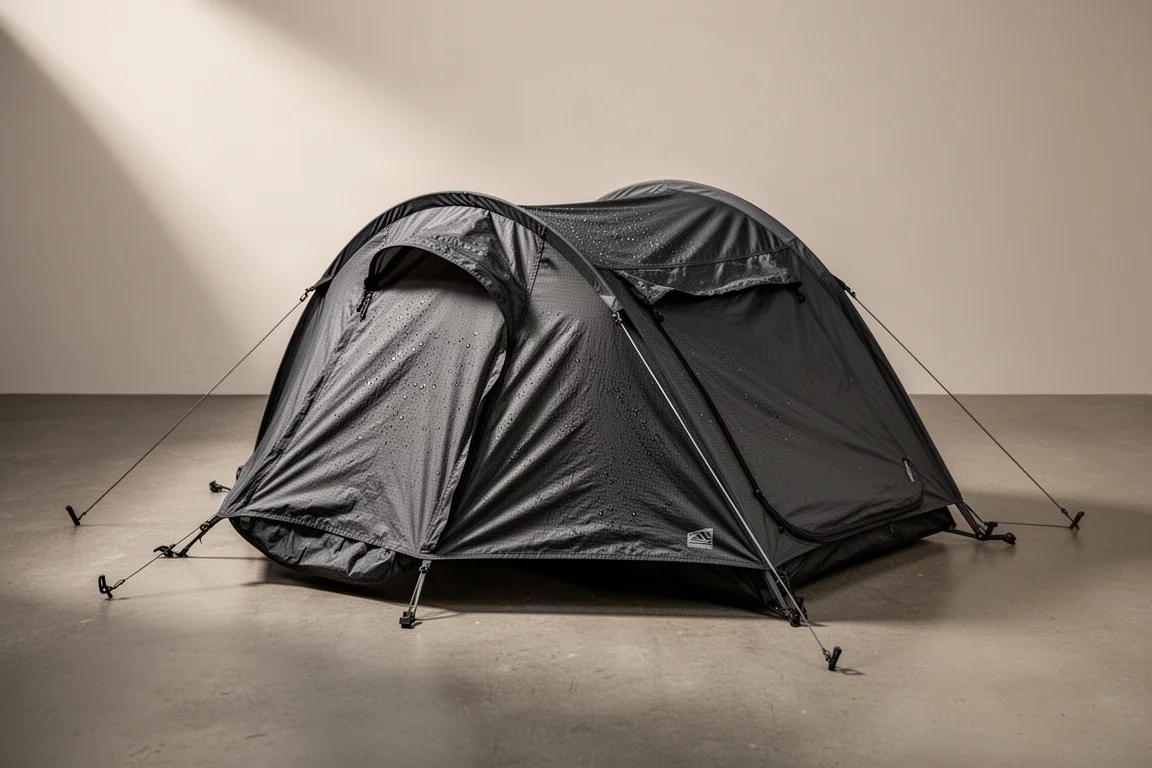
Camping Shelters
Alps Mountaineering Stealth 1 Bivy Review: A Waterproof Claim That Does Not Hold Up
The Alps Mountaineering Stealth 1 Bivy carries a 2,000 mm hydrostatic head rating and a waterproof claim, but sustained rain exposure and build quality concerns make it difficult to recommend.
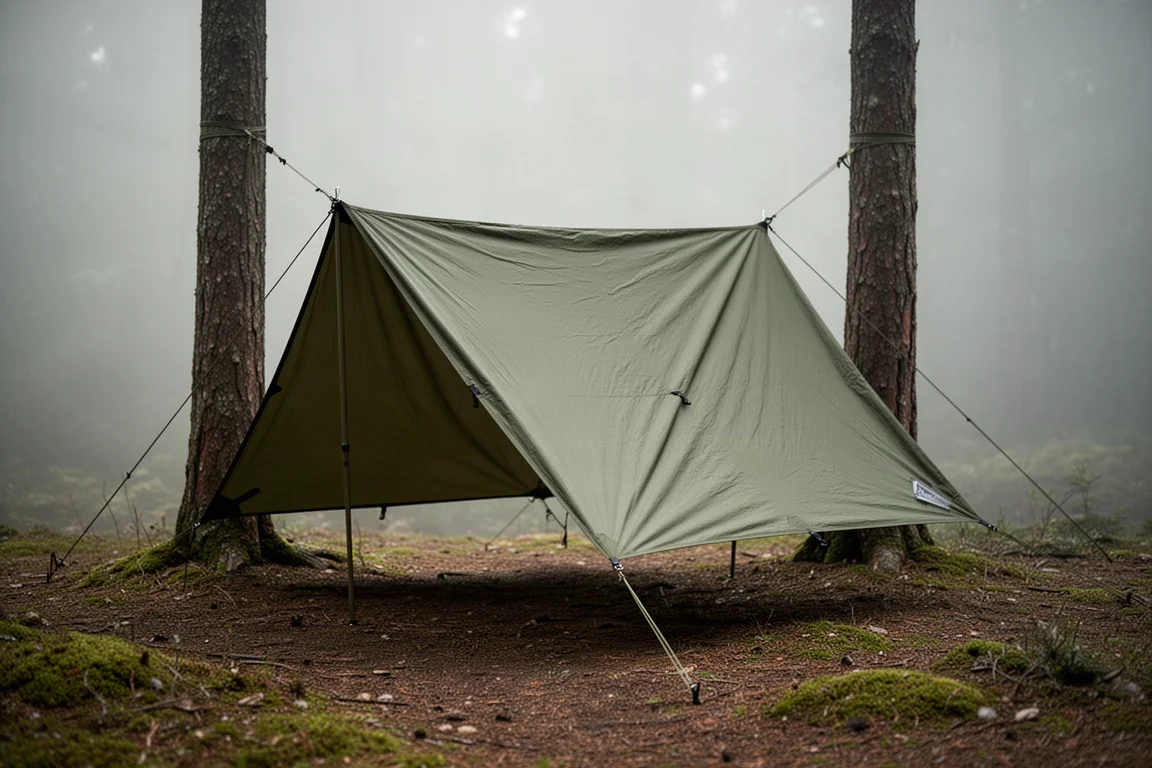
Camping Shelters
AquaQuest Safari Hybrid 20 ft x 13 ft Tarp Review: Two Years Under a Very Large Roof
A long-term look at the AquaQuest Safari Hybrid 20 x 13 tarp, covering build quality, weather protection, setup realities, and who should buy one.
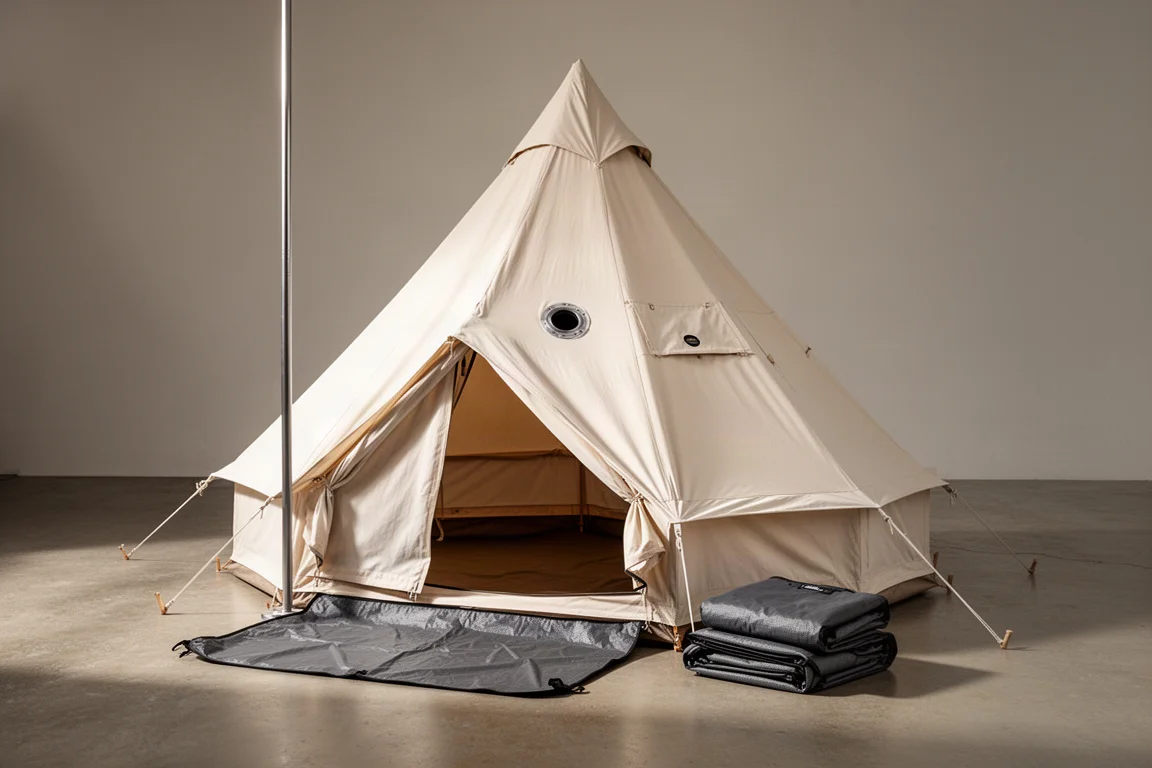
Camping Shelters
Backcountry Light Mesa 3 Hot Tent and Floor SL Tarp Review
A practical look at the Backcountry Light Mesa 3 four-season hot tent and its optional Floor SL Tarp, covering materials, stove jack design, packed weight, pricing, and the trade-offs to weigh before buying.