Camping Shelters
Alps Mountaineering Stealth 1 Bivy Review: A Waterproof Claim That Does Not Hold Up
The Alps Mountaineering Stealth 1 Bivy carries a 2,000 mm hydrostatic head rating and a waterproof claim, but sustained rain exposure and build quality concerns make it difficult to recommend.
Introduction
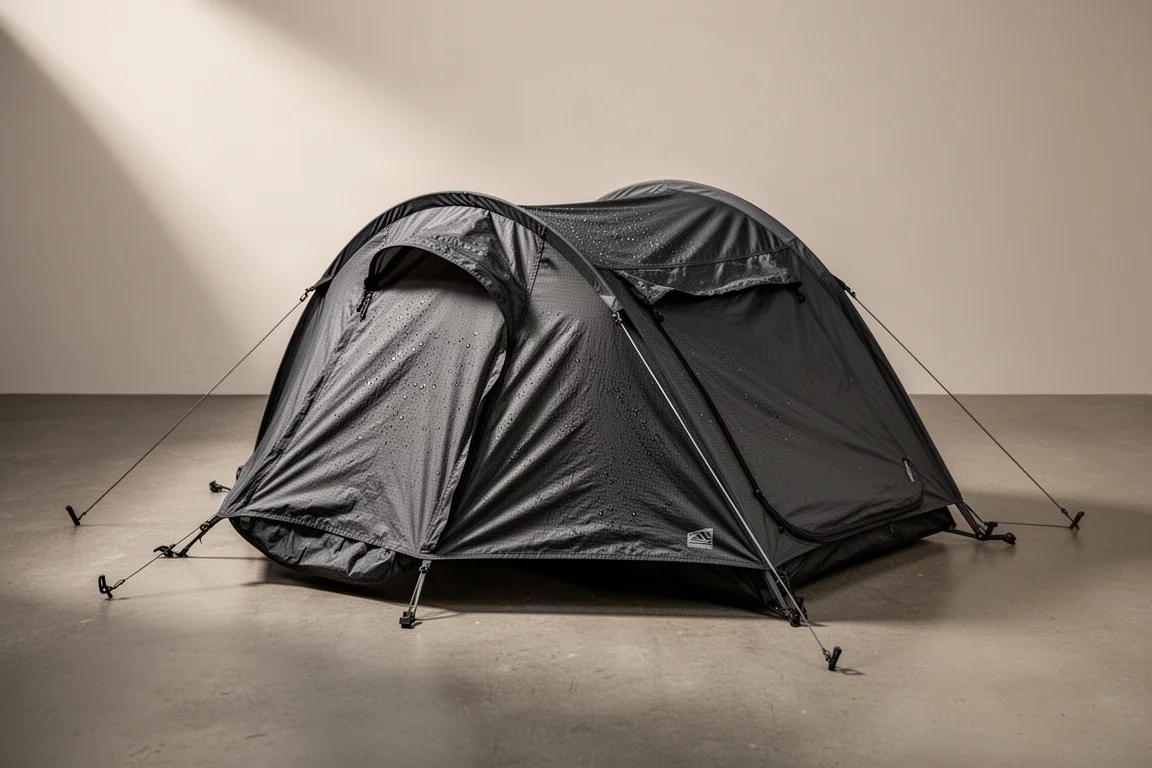
The Alps Mountaineering Stealth 1 Bivy is a compact, single-person bivy shelter built around a stated 2,000 mm hydrostatic head rating and marketed as waterproof. It is a minimalist design: a low, bag-style shelter with storm flaps that stakes out over a sleeping bag and occupies very little ground.
Alps Mountaineering has also confirmed that the Stealth 1 was designed for dry environments. At the time of writing, that guidance does not appear on the product listing. That omission matters, because bivies are used all over the world in humid, wet, dry, and snowy conditions. A shopper reading the word waterproof on a product page has no way of knowing that the shelter’s intended use case is narrower than that word implies.
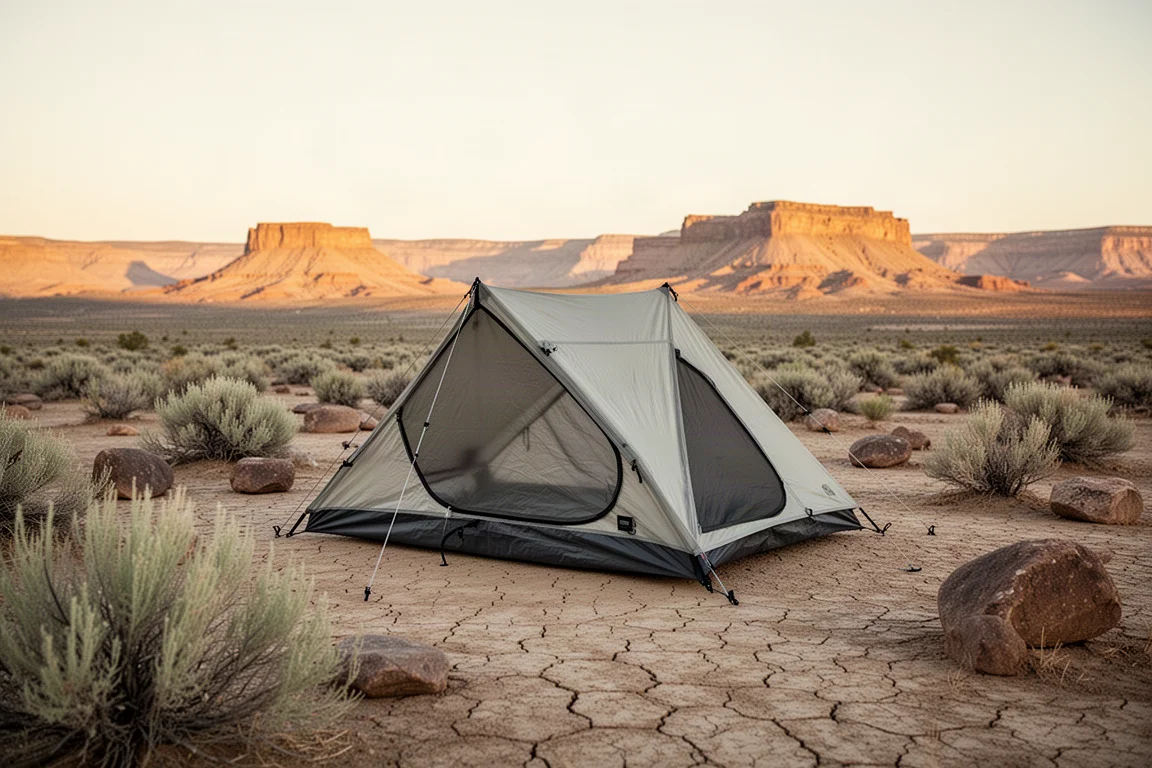
At $120, the Stealth 1 sits at the affordable end of the bivy market. Whether that price represents value depends almost entirely on one question: does the shelter actually keep water out.
Who This Bivy Is For
Alps Mountaineering positions the Stealth 1 for dry environments, and taken at face value that points to a narrow audience. Campers and backpackers in arid or desert regions who want a light, low-profile layer over a sleeping bag and who expect little or no rain are the group this design appears to target. For them, the minimal footprint and simple staked-out pitch have some appeal.
Anyone planning trips in humid, wet, or snowy conditions should treat that design intent as a caution flag rather than a footnote. A bivy is often the only shelter a person carries, and it is expected to work when the weather changes without warning. If a product listing does not state what a shelter was designed for, it is worth asking the manufacturer directly before committing.
Main Strengths of the Stealth 1 Bivy
On paper, the Stealth 1 offers a handful of sensible features:
- A single-person bivy format with a very small ground footprint, useful where tent pads are unavailable or space is tight.
- A stated 2,000 mm hydrostatic head rating on the fabric, a waterproofing figure that suggests the material can resist a reasonable amount of water pressure.
- Storm flaps and a staked-out pitch, with the shelter designed to be secured down and the flaps intended to cover closures and seams.
- A $120 price point, which is inexpensive for a bivy.
Those points describe design intent rather than delivered performance. A number printed on a specification sheet only means something when the construction behind it holds up, and the areas that matter most on a bivy are exactly the ones where quality problems tend to surface: seam tape, closures, and the corners where panels meet.
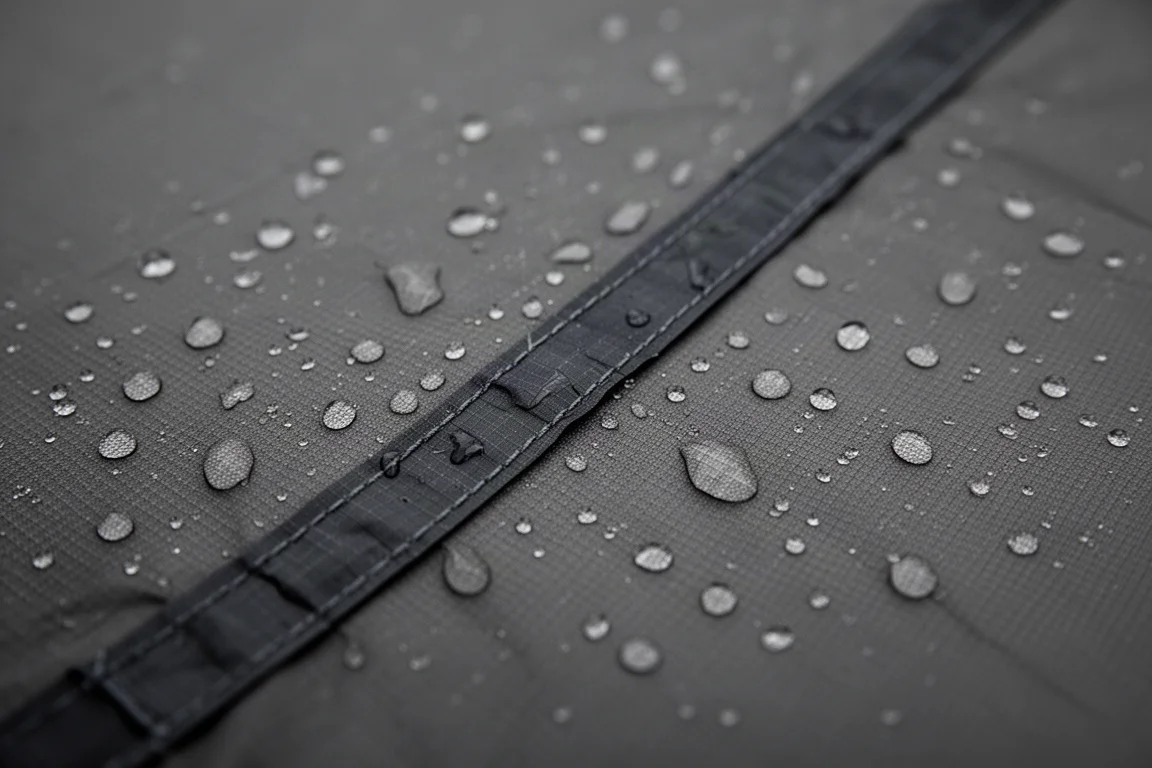
In practice, the value of these features depends entirely on execution. The format is right for a minimal shelter, and the fabric rating is a reasonable starting figure, but neither of those things guarantees a dry night.
Design and Build Quality Concerns
This is where the Stealth 1 raises the most questions. The shelter did not arrive with every component needed to set it up correctly, which makes it difficult to assess the design fairly at first and harder still to trust it out of the box. Beyond the missing parts, the overall design is a weak point: the way the panels, flaps, and closures come together does not inspire confidence.
For a bivy, small design decisions carry outsized consequences. A closure that does not seal cleanly, a flap that does not overlap far enough, or a low corner where water can collect will eventually let moisture in. Those are precisely the kinds of issues a specification sheet cannot communicate, and they are the reason a bivy should be judged on construction quality rather than headline figures.
Waterproof Performance in Prolonged Rain
The Stealth 1 was pitched fully, staked out, with storm flaps secured, and left exposed to rain that ranged from moderate to heavy for close to seven hours. After roughly an hour the intensity picked up considerably. By the three-and-a-half-hour mark the shelter had been wet the entire time. By the end of the session, water had made its way inside.
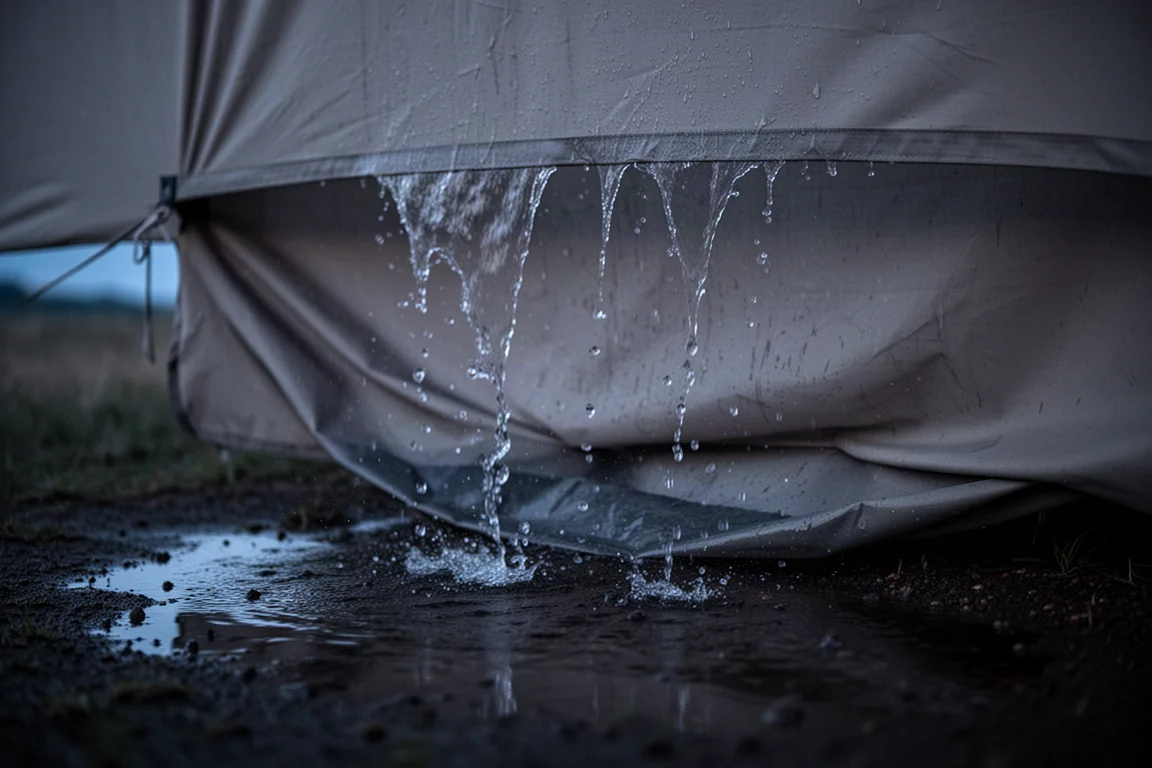
A pool of water collected in one corner of the interior, with a smaller amount elsewhere. The likely entry point appeared to be a section of seam tape that was not doing its job, allowing water to track down into that corner. The outcome is straightforward: in a sustained moderate-to-heavy rain event, this shelter is not waterproof on its own.
That distinction matters because bivies are frequently used without a tarp, and rain does not always wait until a tarp is pitched. A shelter that only performs under a secondary cover is not delivering the protection its waterproof claim suggests.
What the 2,000 mm Hydrostatic Head Rating Means
A 2,000 mm hydrostatic head rating describes how much water pressure a fabric can resist before water passes through it. It is a fabric-level measurement, and it says nothing about how well the seams, closures, and corners are built. A shelter can carry a perfectly respectable fabric rating and still leak if seam tape fails, if panels are joined poorly, or if water is allowed to pool in a low corner.
That gap between specification and performance is the single most useful thing to understand when shopping for any bivy or tent. Ratings are a starting point. Construction quality determines whether the rating translates into a dry night.
Value and Alternatives to Consider
At $120, the Stealth 1 is priced at the lower end of the bivy market, and that price is the strongest argument in its favour. The counter-argument is that spending somewhat more buys a bivy that is genuinely waterproof, offers far better breathability, and includes features this shelter lacks. A modest premium for a shelter that keeps you dry is generally the better trade, particularly when a soaked sleeping bag can end a trip early.
Buying Advice
If your trips are reliably dry and you accept that the manufacturer positions this shelter for dry environments, the Stealth 1’s low price and minimal footprint may be enough to consider. If there is any real chance of prolonged rain on your trips, this is not a shelter to rely on. It carries a waterproof rating but did not behave as a waterproof shelter under sustained rain.
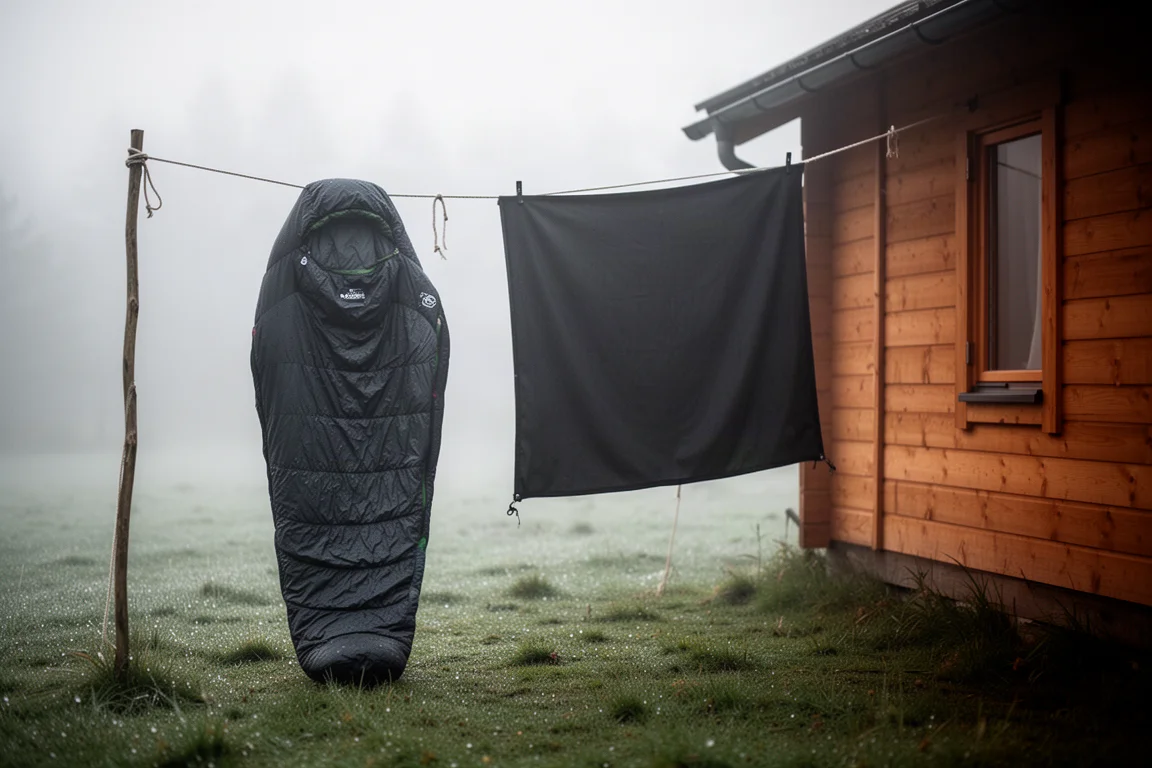
For anyone whose plans involve genuine weather, the more sensible path is to put the budget toward a bivy with a stronger reputation for staying dry and breathing well. Waterproofing and breathability are the two qualities that define a bivy’s usefulness, and both are worth paying a little extra for. If you already own the Stealth 1, treat it as a fair-weather shelter and carry a tarp whenever rain is possible.
Conclusion
The Alps Mountaineering Stealth 1 Bivy looks reasonable on paper. It has a stated 2,000 mm hydrostatic head rating, a low-profile single-person format, storm flaps, and a $120 price. In sustained moderate-to-heavy rain, however, water pooled inside, most likely through a seam tape failure, and the shelter did not arrive with all the components needed to set it up correctly.
The larger issue is transparency. The manufacturer states that this shelter was designed for dry environments, yet that information was not published on the product listing at the time of writing. Buyers deserve to know the intended conditions before they buy, especially for a product whose entire job is protection from weather. On performance, price, and disclosure alike, the Stealth 1 is difficult to recommend over the alternatives available for a little more money.
Product link
View more details for Alps Mountaineering Stealth 1 Bivy
This product is mentioned in the review. Check the specifications, options, and compatibility before buying.
View more details for Alps Mountaineering Stealth 1 BivyFurther reading
Related Reviews
Camping Shelters
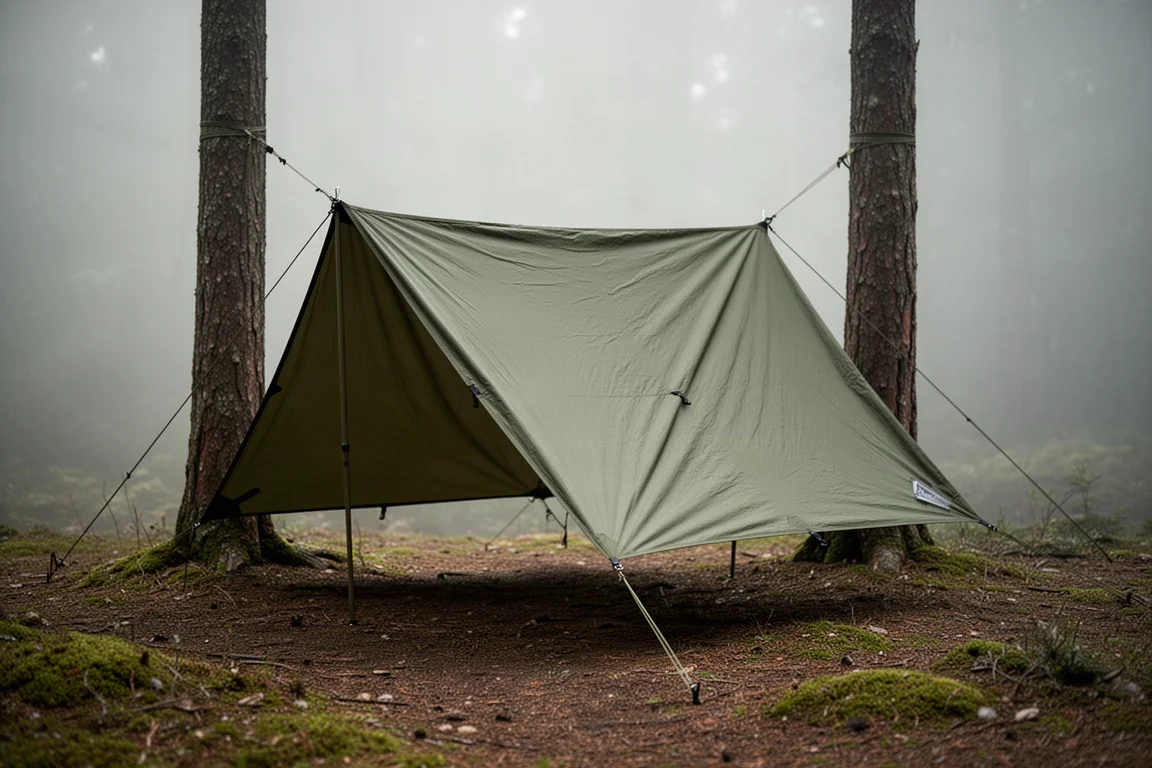
AquaQuest Safari Hybrid 20 ft x 13 ft Tarp Review: Two Years Under a Very Large Roof
A long-term look at the AquaQuest Safari Hybrid 20 x 13 tarp, covering build quality, weather protection, setup realities, and who should buy one.
Camping Shelters
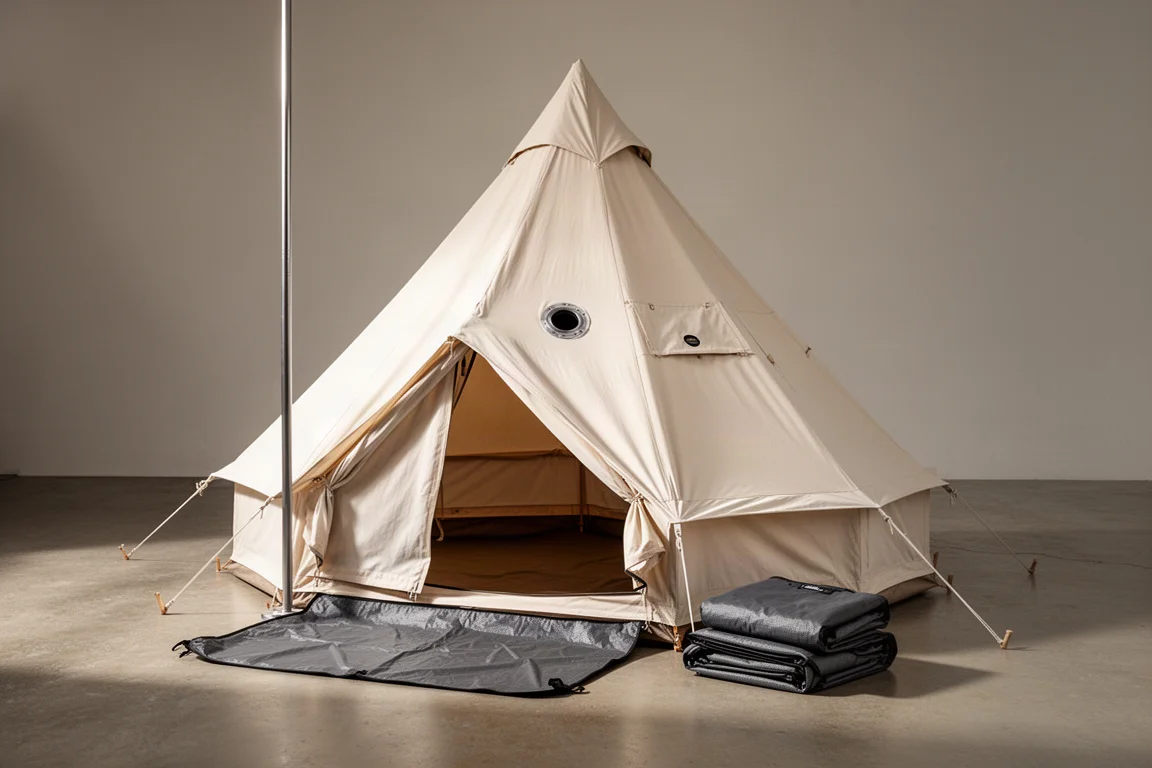
Backcountry Light Mesa 3 Hot Tent and Floor SL Tarp Review
A practical look at the Backcountry Light Mesa 3 four-season hot tent and its optional Floor SL Tarp, covering materials, stove jack design, packed weight, pricing, and the trade-offs to weigh before buying.
Camping Shelters
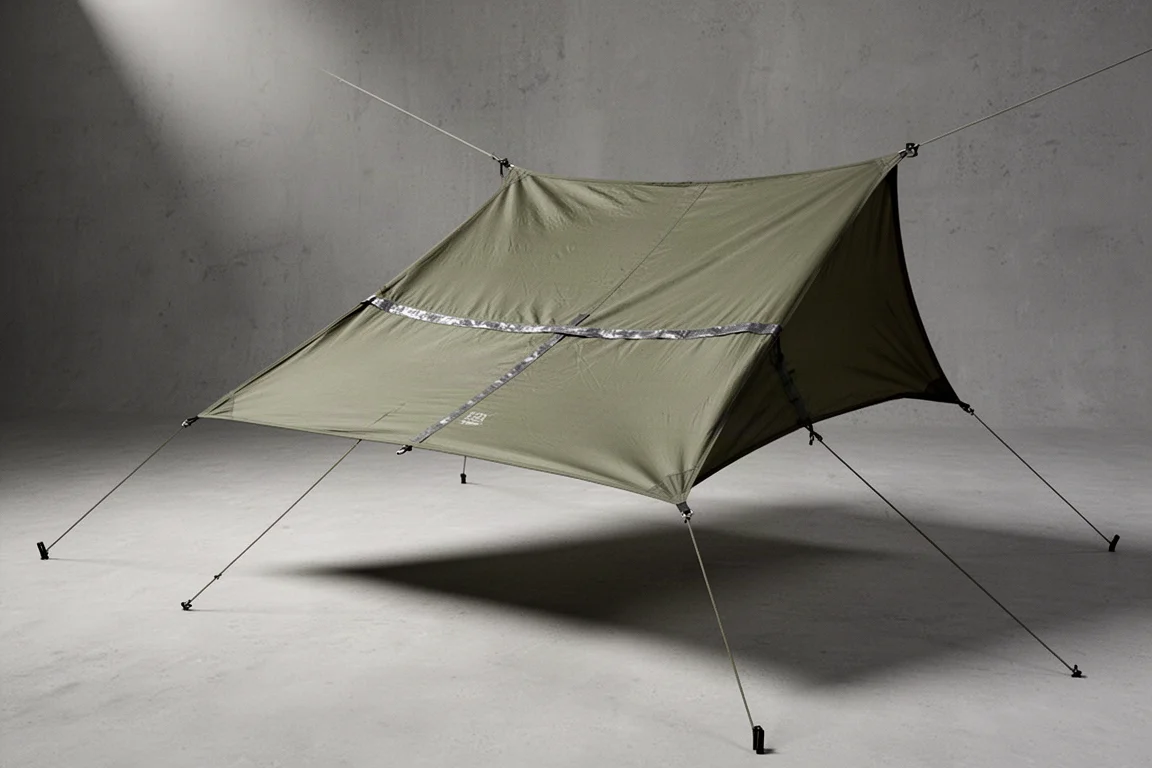
DD Hammocks Erakko Tarp Review: A Compact 8.2 ft Shelter for Short Stops
A detailed look at the DD Hammocks Erakko tarp: a small, light 8.2 ft square shelter with a 3,000 mm waterproof rating and nine tie-out points, plus the build and value questions worth checking first.