Headphones
Three Headphones Under $500 Compared: Sennheiser HD 660S2, Meze 105 AER, and Sivga P2 Pro
A practical comparison of three over-ear headphones under $500, covering build quality, comfort, and bass, midrange, and treble character.
Introduction
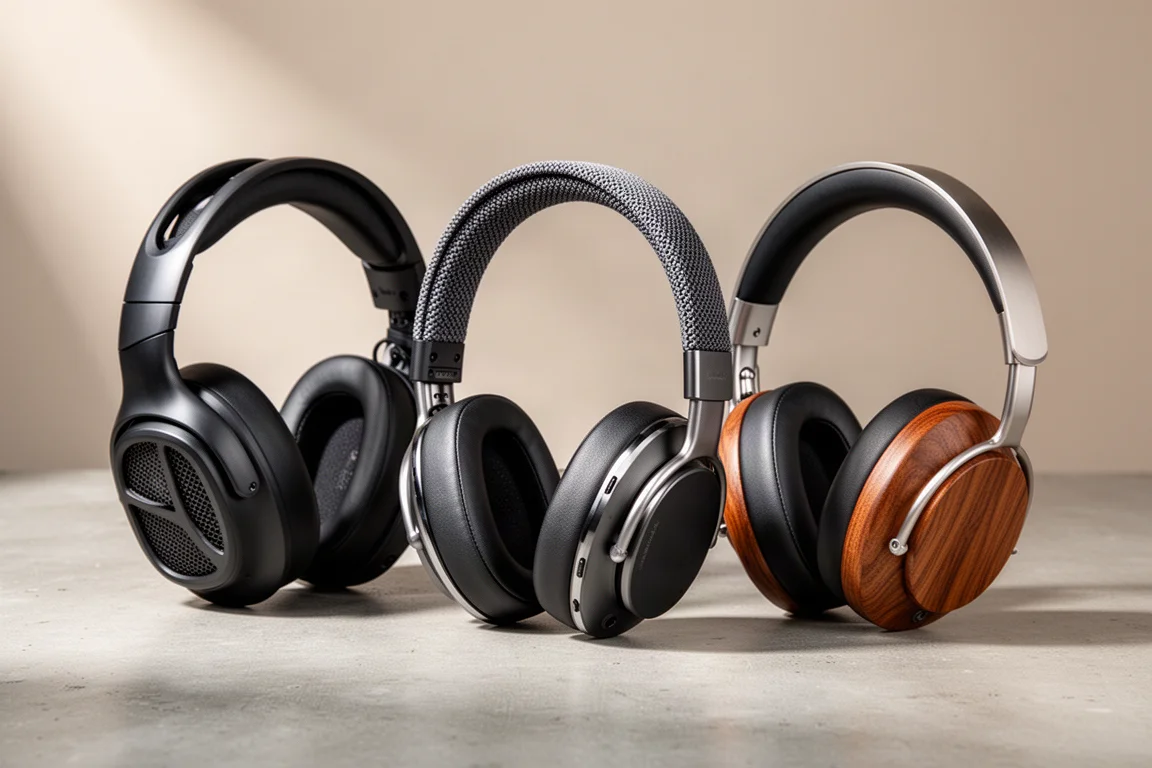
Three over-ear headphones, all under $500, and three genuinely different answers to the same question. The Sennheiser HD 660S2 is a dynamic design in a mostly plastic body. The Meze 105 AER mixes composite material with metal and takes a lighter approach to fit. The Sivga P2 Pro is a planar magnetic model finished in wood and metal.
They sit in the same price bracket, but they do not feel or sound alike. This comparison works through build quality, comfort, and the bass, midrange, and treble character of each, so you can match one to the way you actually listen.
What Matters Most Under $500
At this price, three things decide whether a headphone earns a permanent place on your desk. The first is build and how the materials are likely to hold up over years of use. The second is comfort, because clamping force, weight, and pad material matter more the longer a session runs. The third is the sound signature itself, which is where these three diverge the most.
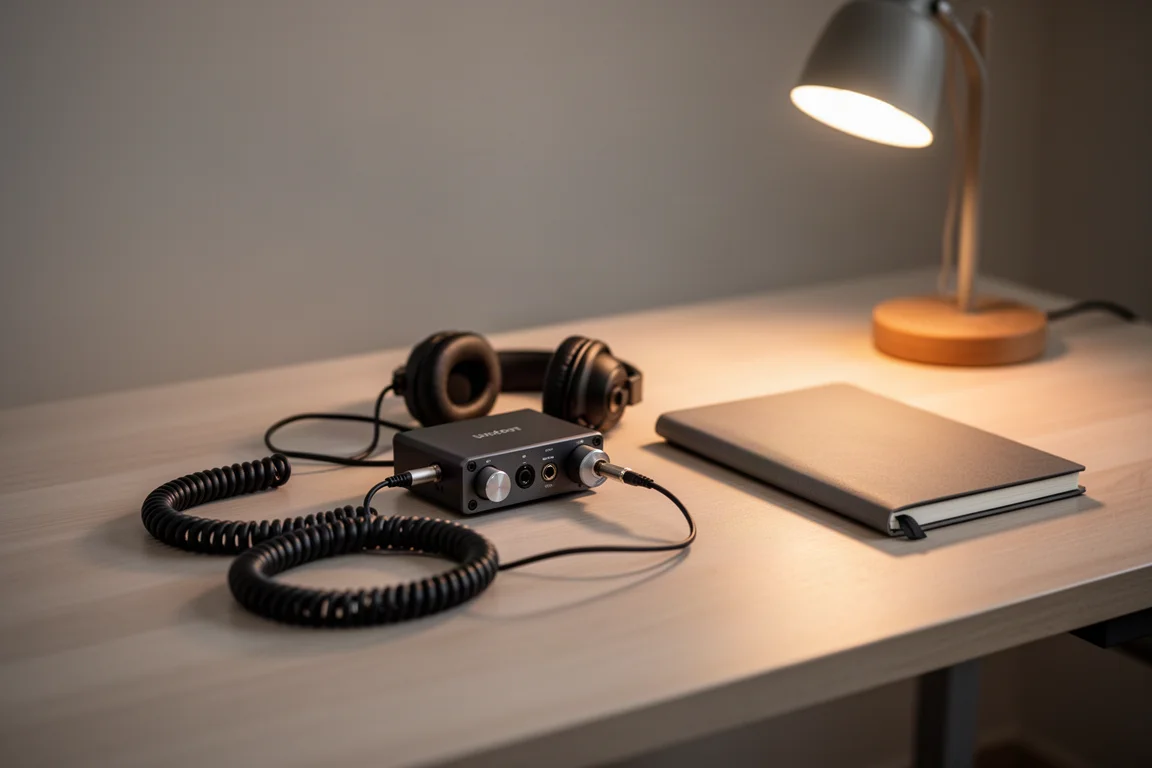
Drivability is worth checking as well. The Meze 105 AER was the easiest of the three to drive, followed by the Sivga P2 Pro, with the Sennheiser HD 660S2 asking for the most power. All three ran cleanly from a desktop DAC and headphone amplifier, so a modest setup is enough to get the best from any of them.
Meze 105 AER: The Most Balanced of the Three
Build quality on the 105 AER sits in the middle of this group: a mix of composite material and metal rather than one dominant material. The elastic headband is the standout part of the design. It applies what feels like the right amount of clamping force, and the headphones are lighter than the Sivga P2 Pro, which makes long sessions noticeably easier.
Bass is the most accurate of the three. It is not heavy handed, and there is plenty of detail to hear in a busy bass line. The midrange is coherent, with a slightly cool upper midrange and a slightly warm lower midrange, and the handoff between the two is not distracting. Treble carries a bit of spice without going too far, and cymbal decay sounds the most natural here. Snare hits stay behind the mix instead of jumping forward.
The 105 AER is also the easiest of the three to drive, and it is priced at $400, with technology trickling down from the 109 Pro. As an all-rounder, it is the most balanced headphone in this comparison, and it is the one least likely to offend anyone.
Sennheiser HD 660S2: Midrange Personality and a Firm Fit
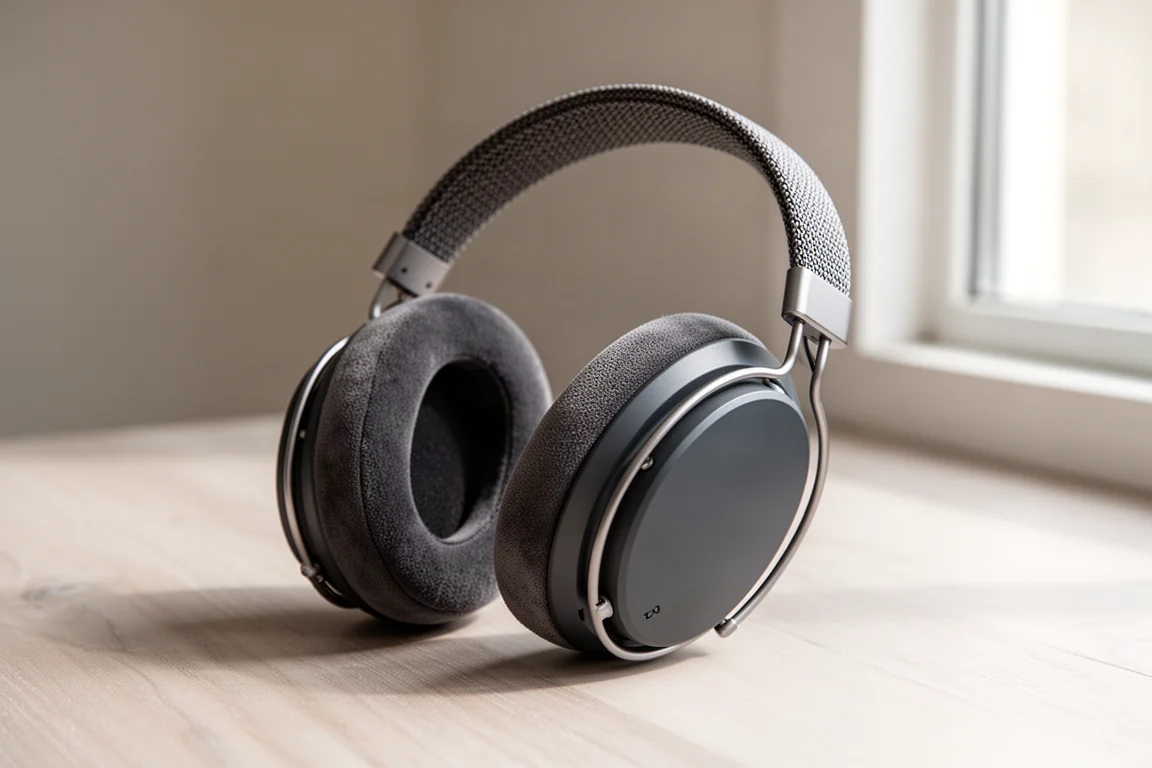
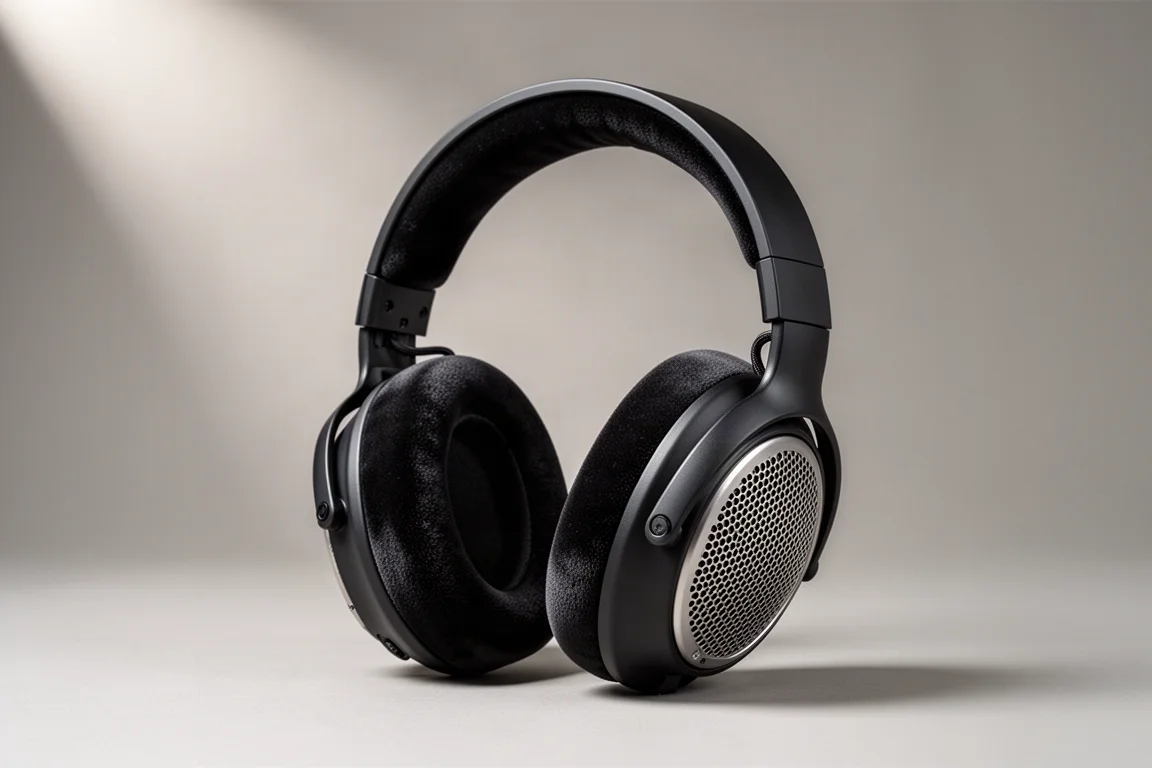
The HD 660S2 is the least premium feeling of the three in the hand, with an all-plastic body and only small metal details. That is a familiar trade-off rather than a red flag: plastic builds have been a Sennheiser mainstay for decades, and there is little reason to expect durability problems. It simply does not feel as substantial as the wood and metal Sivga or the composite and metal Meze.
Comfort is the weakest point. Clamping force is strong, with pressure on the cheekbones and across the top of the head, and the ears touch the drivers. The pads also do not come off in any obvious way, so swapping them is not a simple job.
Sound is where this headphone earns its place. The midrange has a personality that is hard to find elsewhere: not strictly neutral, but fun, addictive, and unique. Bass is detailed, and the presentation feels organic and lifelike, with a sense of soundstage the other two do not quite match. Treble is the most reserved of the three, and next to the Meze and Sivga it can sound slightly veiled.
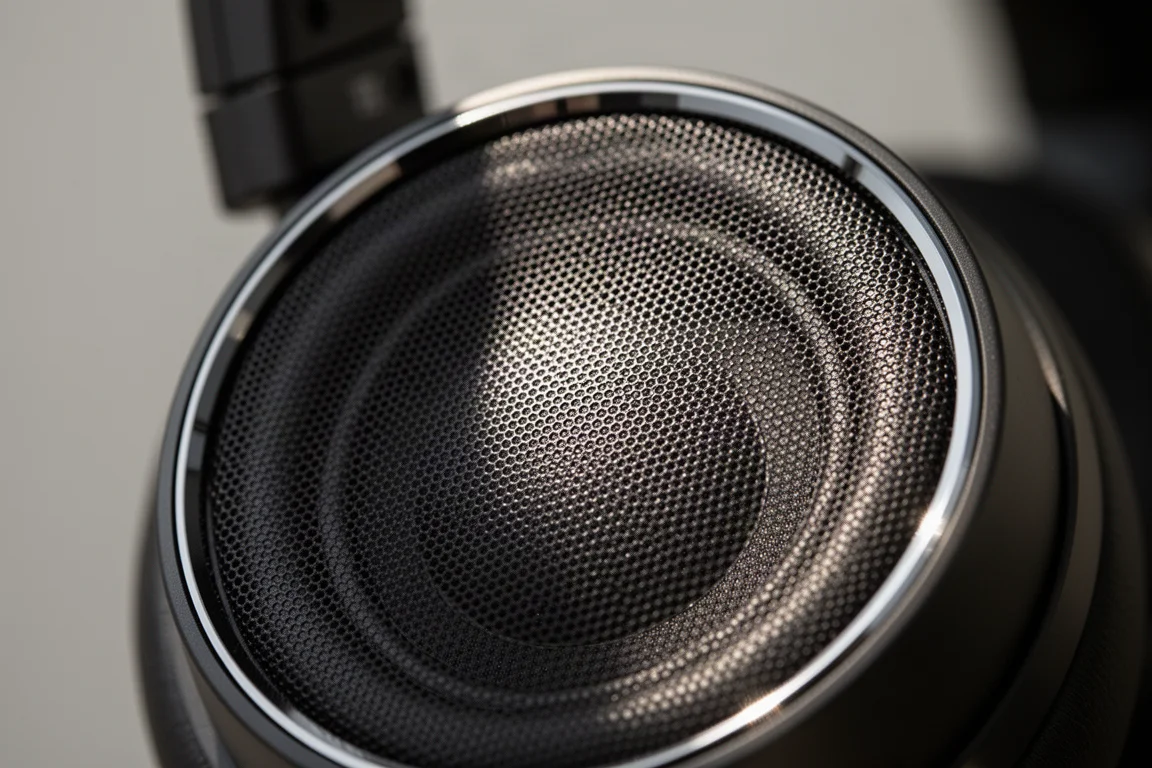
If you want a headphone with real character in the midrange and a more laidback top end, and you can live with the tighter fit, this is the one to consider. It also responds well to EQ if you want to nudge the balance toward your own taste.
Sivga P2 Pro: The Best Built of the Bunch
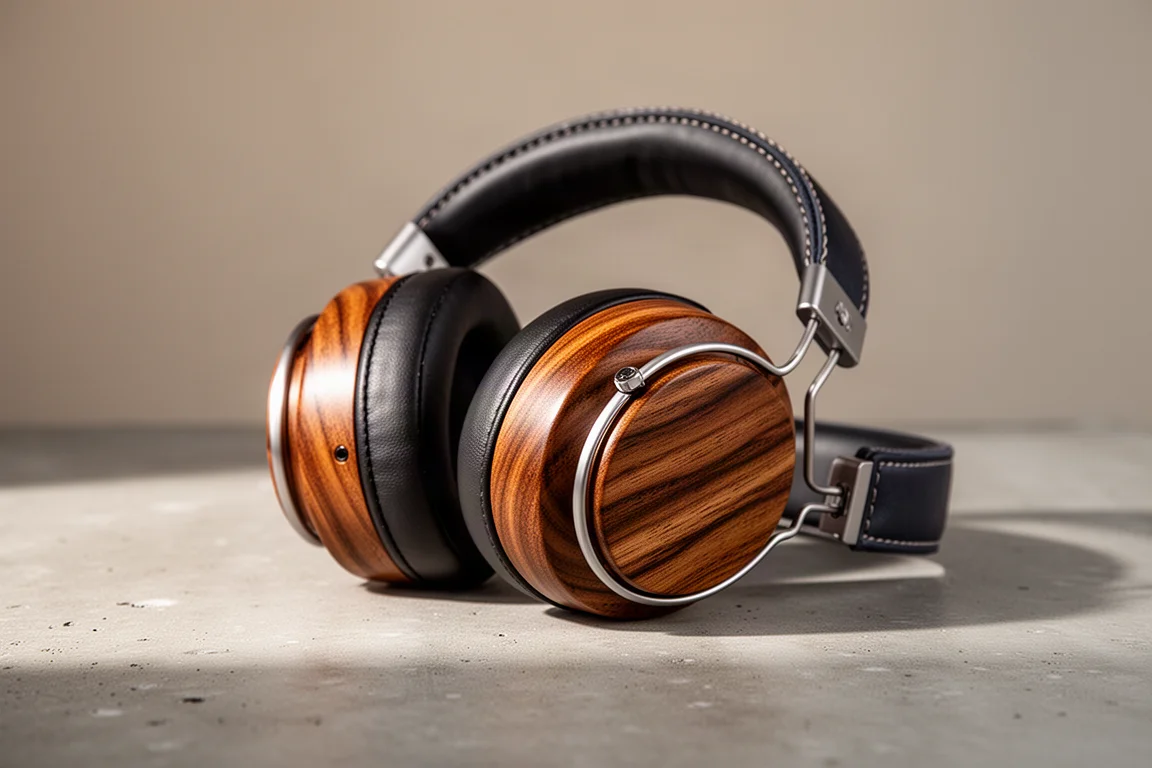
The P2 Pro is the best built headphone here. Wood, metal, and gray material come together in a design that feels more substantial than either of the other two, and the planar magnetic driver is a different approach to sound as well.
Comfort is good. The headband uses a friction fit adjustment, clamping force is moderate, and the pads are thinner at the top than at the bottom. The trade-off is weight: these are heavier than the Meze, and that shows up over long listening sessions.
Bass quantity is the highest of the three, which makes the P2 Pro an easy recommendation for bass-forward genres such as electronic music. Detail in the upper bass is not as clean, and the low end can sound a little thick. That extra weight covers some midrange detail, giving the mids a slight veil compared to the Meze and the Sennheiser.
Treble is the most elevated of the group. Snare hits sound fun but not natural, and cymbals hang on longer than they should. Listeners who have lost some high frequency sensitivity may find that extra energy works in their favor. The low end is also responsive to EQ if you want to tighten it up.
Build Quality and Comfort Compared
Ranked on build alone, the Sivga P2 Pro takes first place, with the Meze 105 AER behind it and the Sennheiser HD 660S2 last. Ranked on comfort, the order flips at the top: the Meze is the most comfortable, the Sivga is close behind, and the Sennheiser sits in third because of the strong clamp and the ear contact with the drivers.
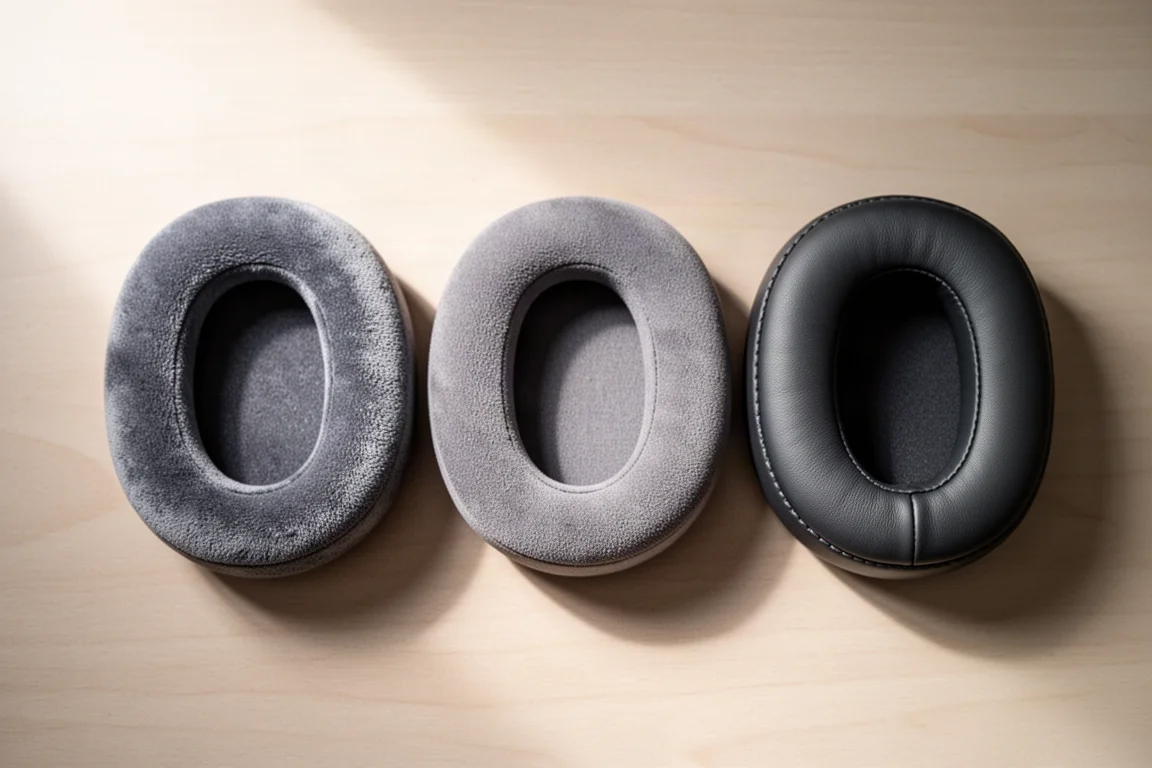
Pad replacement is another practical difference worth knowing before you buy. The Meze pads come off and go back on with a little practice, since they wrap around a channel in the frame. The Sivga pads are thinner at the top than at the bottom. The Sennheiser pads do not appear to be designed for easy removal at all, so plan on keeping the stock pads for the life of the headphone.
Sound Quality Across the Range
Bass separates the three most clearly. The Meze 105 AER is the most accurate and the most detailed. The Sennheiser HD 660S2 keeps good detail in the low end with a bit of fullness in the upper bass. The Sivga P2 Pro delivers the most bass volume but the least control, with a thicker, more bloated character.
In the midrange, the Sennheiser is the most enjoyable even if it is not the most accurate. The Meze is coherent across the range with a slight shift from warm lower mids to cooler upper mids. The Sivga is the least clean here, with low-end energy covering some of the detail.
For treble, the Sivga has the most energy, the Meze sits in the middle with the most natural cymbal decay, and the Sennheiser is the most restrained and can sound slightly veiled next to the others.
Final Buying Advice
If you want the most balanced headphone of the three and the most comfortable fit, the Meze 105 AER is the straightforward choice at $400. If midrange personality and an organic, lifelike presentation matter more than outright neutrality, the Sennheiser HD 660S2 is the one with the character that sets it apart. If build quality and treble energy top your list, the Sivga P2 Pro is the sturdiest of the group.
For long-term listening, the Sennheiser was the headphone that stood out on personality alone, even though it is not the best built or the most comfortable of the three. That is the useful way to think about this group: none of the three wins every category, and the right pick depends on the music you play and the presentation you want from your headphones.
Conclusion
Three headphones, three different strengths. The Meze 105 AER balances comfort, accuracy, and price. The Sennheiser HD 660S2 trades build and fit for a midrange and soundstage that are hard to replicate. The Sivga P2 Pro leads on materials and bass volume, with the most treble energy of the three. Match the signature to your taste and any of them will serve you well.
Further reading
Related Reviews
Headphones
Apos Audio Caspian Review: Warm Bass, Solid Build, and a Detail Trade-Off
The Apos Audio Caspian is an easy-to-drive open-back headphone with standout bass and a warm, relaxed tuning, though mid-range and treble detail trail the competition.
Headphones
Audeze LCD-X vs LCD-XC vs LCD-3: Which High-End Headphone Fits Your Setup
A practical comparison of three Audeze planar magnetic headphones under $2,000, covering the open-back LCD-X, the closed-back LCD-XC, and the wood-ringed LCD-3.
Headphones
Audeze LCD-X vs HiFiMan Edition XS: Two Open-Back Headphones Compared
A practical comparison of the Audeze LCD-X and the HiFiMan Edition XS, covering build quality, comfort, sound signature, and which listener each one suits.