Cycling Gear
Three Cycling Upgrades Worth Buying: Secure Storage, a New Road Tyre and Better Comfort
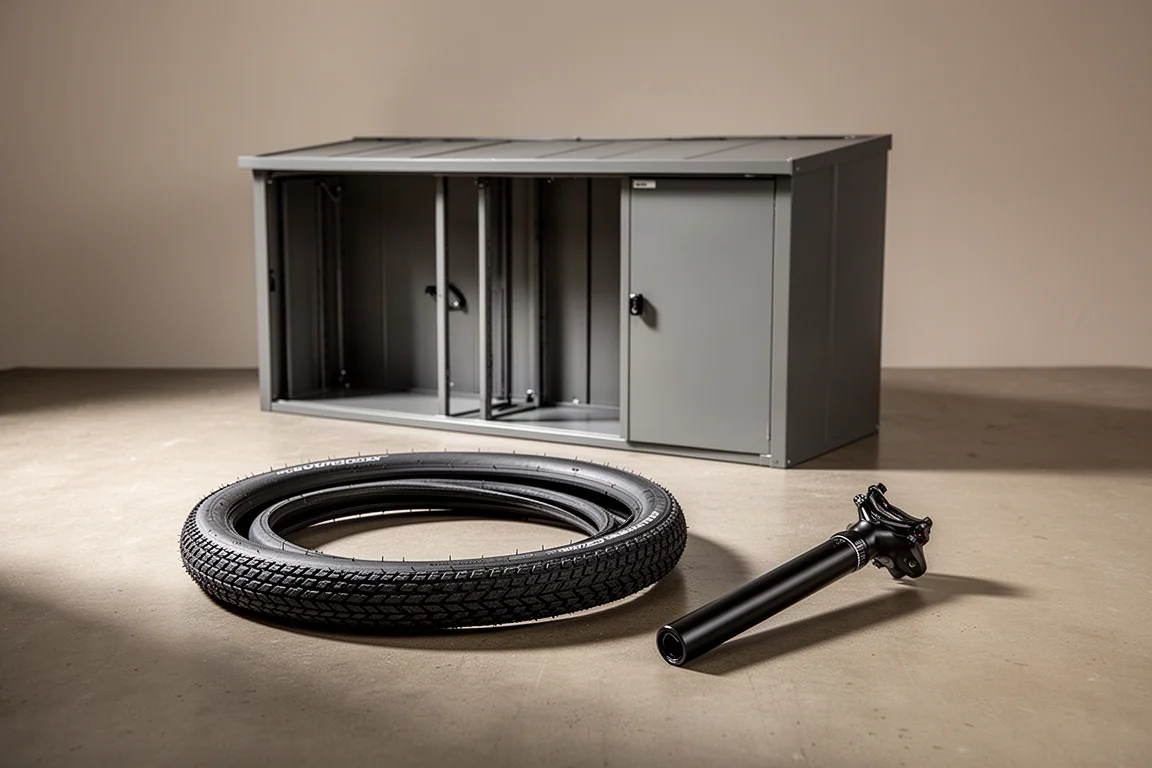
Three cycling products with clear, practical use cases: a steel bike shed for outdoor storage, a new tubeless road tyre, and a lightweight suspension seat post for rough surfaces.
Introduction
The best cycling upgrades solve a specific problem rather than adding another line to a spec sheet. The three products below each answer a different question: where a bike can safely live when it cannot come indoors, how to go faster on the road without giving up durability, and how to stay comfortable when the surface turns rough.
All three have been used over weeks and months across road, gravel and mountain bikes, from smooth tarmac to muddy gravel tracks and long days in the saddle. None of the brands involved had any input into which products were selected.
How This Roundup Was Put Together
This is a deliberately short list. Every product had to solve a problem that comes up in normal riding, hold up to repeated use in real conditions, and be something genuinely worth spending money on rather than something that only looks good in a photograph.
Two of the picks are upgrades to the bike you already own, one for speed and one for comfort. The third is about where the bike sleeps at night, which matters more than most riders like to admit.
The order below runs from the largest purchase to the smallest, though the value of each depends entirely on what your own riding looks like and where your current setup falls short.
Best for Secure Bike Storage: Asgard Gladiator
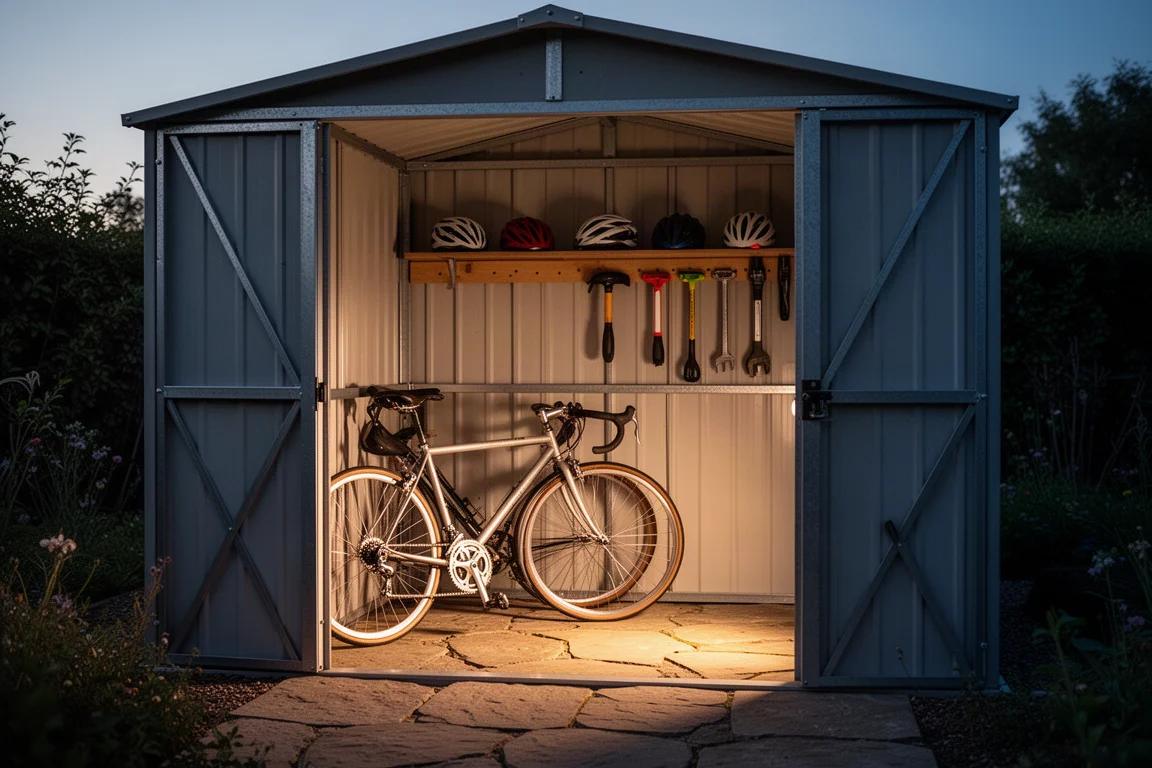
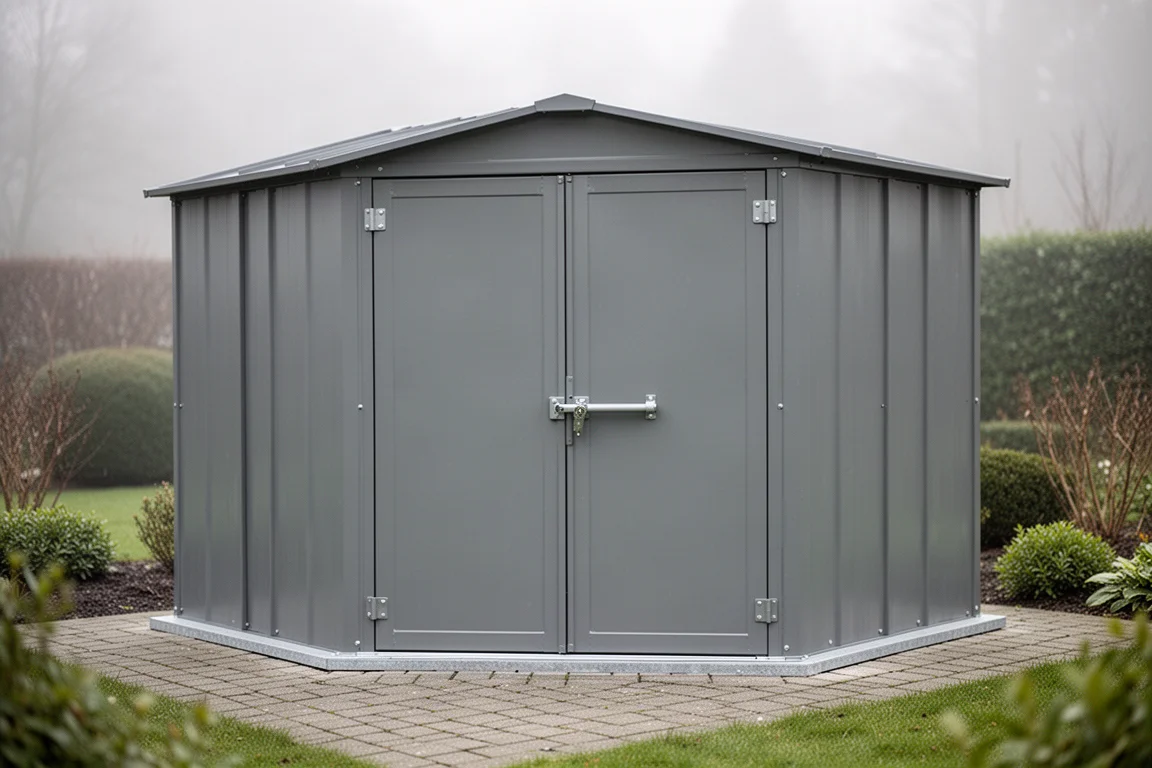
Asgard is a UK company that builds metal sheds specifically for bicycles, motorbikes and other equipment that needs protecting. The Gladiator is a 7 by 7 foot model, and it is genuinely large. It also weighs a great deal, so it needs a firm base and a dedicated space in the garden.
What it delivers in return is security a wooden shed cannot match. The steel construction is rugged, the locking is serious, and after seven years of use across two different homes it has proven reliable rather than merely sturdy on the day it arrived.
It is a significant investment, and there is no pretending otherwise: a metal shed costs far more than a wooden one of a similar footprint. In the context of an expensive bike, though, it is a small price for being able to leave that bike outside overnight without worrying. It will not stop a truly determined thief, but it will stop almost everyone else.
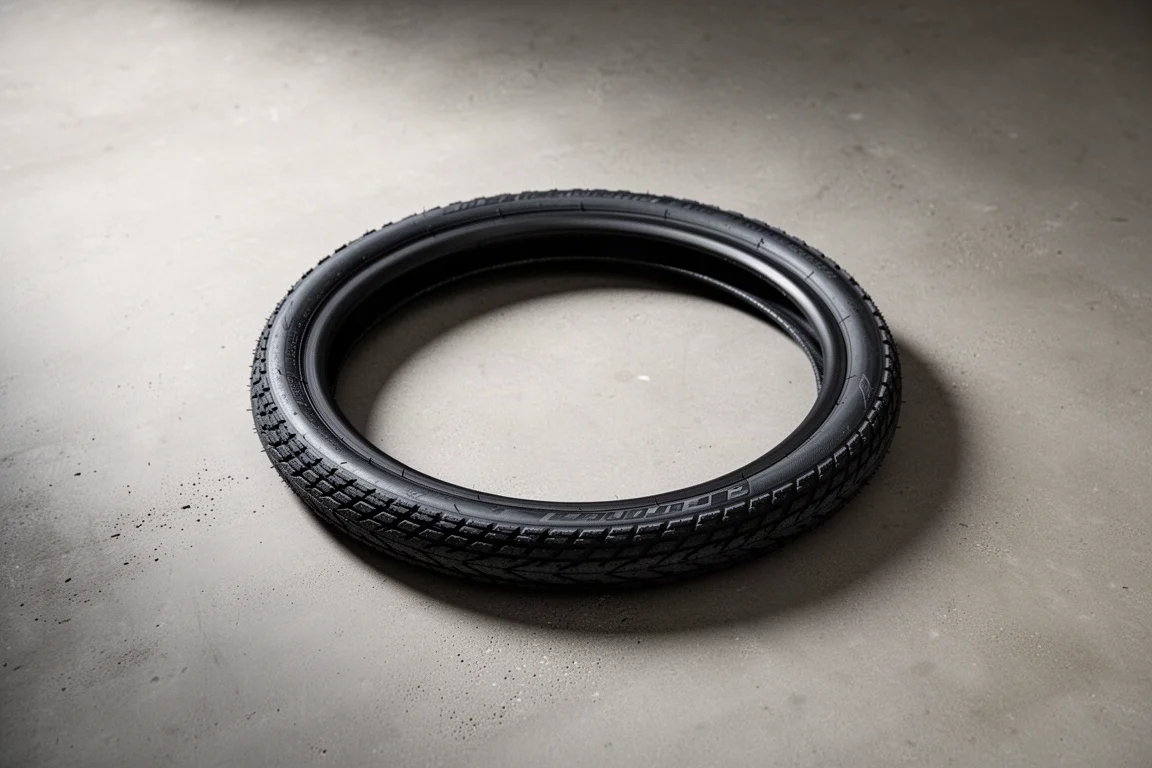
Best New Road Tyre: Vittoria Corsa Next
The Corsa Next is a recent addition to Vittoria’s range and it sits in a useful spot: below the range-topping Corsa Speed, a handmade cotton tyre with a glued rubber tread, and above the Rubino. It uses a vulcanised nylon construction designed to bridge the gap between the two, which in practice means almost all of the performance of the top tyre with considerably more durability, better puncture resistance and better behaviour in the wet.
Tubeless setup is refreshingly simple. A normal track pump is enough to seat the tyre, with no inflator, compressor or special technique required.
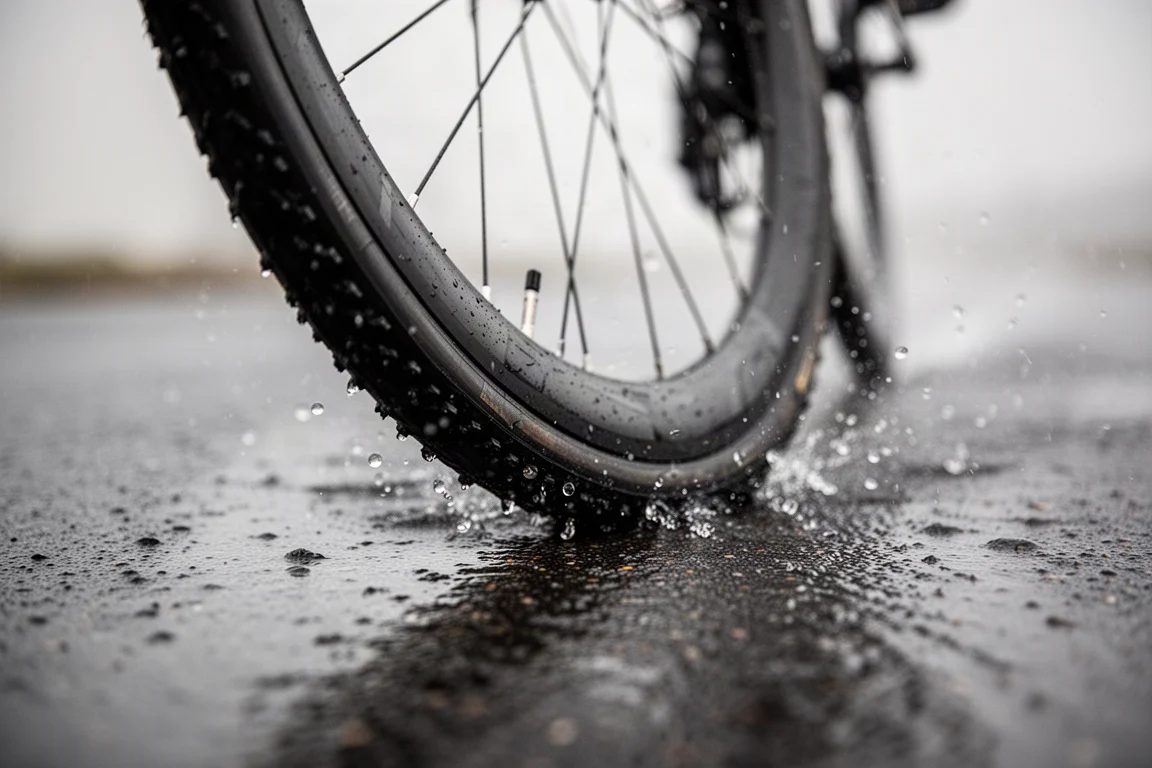
Vittoria is open about benchmarking this tyre against the Continental GP 5000 S TR, and in its own testing it comes very close. Independent drum testing tells a similar story: outright rolling resistance is not quite a match for the leading benchmark, but it lands close to Vittoria’s own Corsa Speed, which is impressive for a tyre built around longevity.
On the road the ride quality is supple, with good feedback through the contact points, and grip in both dry and wet conditions has been reassuring. Sizes run up to 34mm, which suits endurance bikes where comfort matters. Anything above 28mm is compatible with hookless rims, while 28mm and below needs a hooked rim. A clincher version is available for riders who prefer tubes. Retail pricing at launch is high and broadly in line with comparable Continental and Pirelli tyres, though tyre discounts are common over time.
Best for Comfort on Rough Roads: Redshift Pro Suspension Seat Post
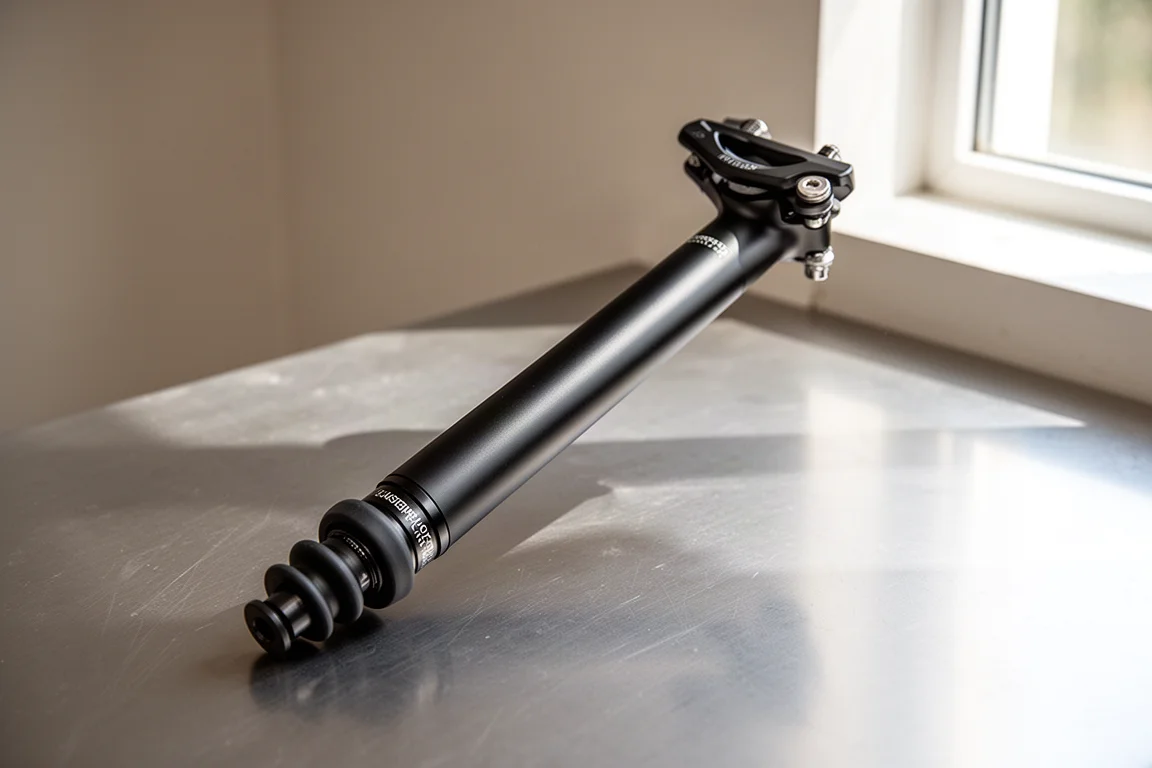
Redshift is a US company that has been making suspension components for road and gravel bikes for years. The Pro version of its suspension seat post is a lighter take on the original, shedding around 130 grams and arriving in a slimmer, more compact shape that looks far more at home on a gravel or road bike.
There are trade-offs. Travel drops from 35mm to 20mm, and the original’s swappable springs and preload adjustment are replaced by a single elastomer with a firm, race-oriented tune. Small ripples and corrugations get less compliance than a softly set-up original, and riders who prefer a plush feel may find it too firm.
In practice, though, that firmer setting is what makes it work. It feels natural under normal pedalling and only moves when a genuine impact arrives, which is exactly the behaviour you want on a bike you are still trying to ride fast.
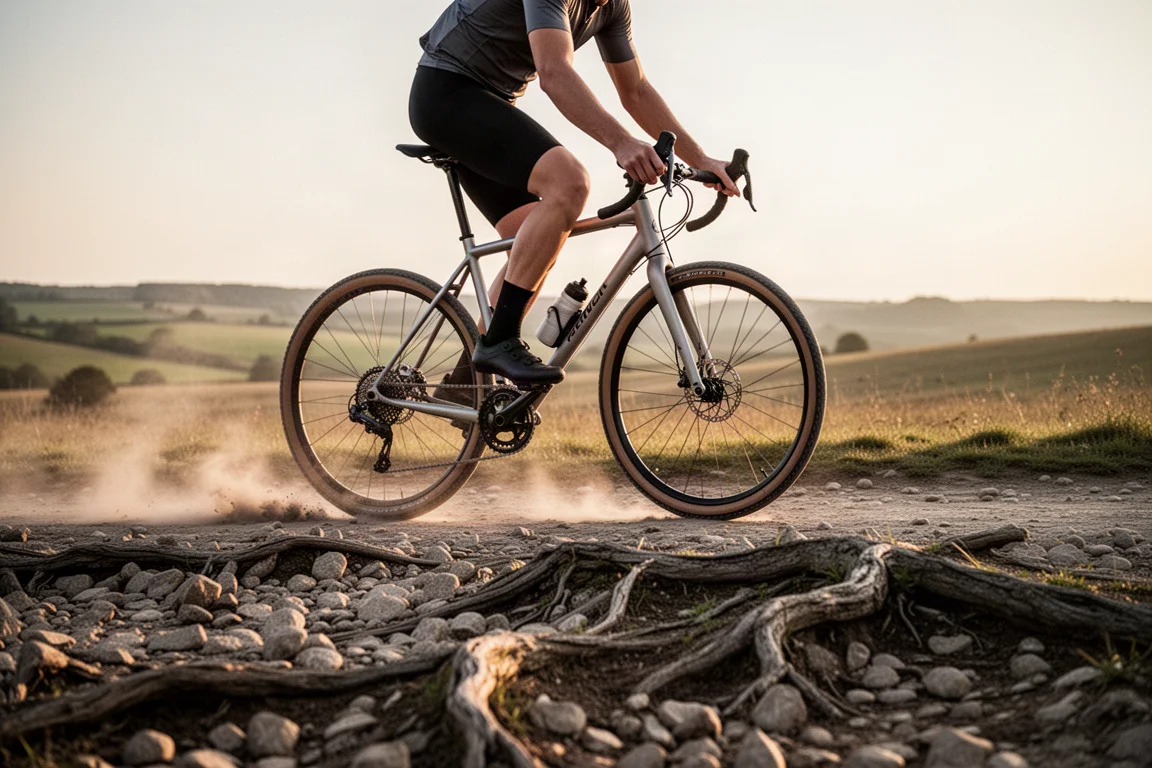
The real benefit shows up on rough ground. Over roots, rocks and broken surfaces the seat post lets you stay seated and keep the power going rather than lifting off the saddle to absorb every hit. At the end of a long gravel ride that translates into less fatigue and noticeably less strain on the lower back. It is aimed at gravel bikes, but there is no reason it cannot go on an endurance road bike, particularly a stiffer aluminium frame where a new frame with built-in comfort features is out of reach.
Matching Upgrades to the Bike You Already Ride
Deciding between these three comes down to the problems you actually have. If the bike lives in a wooden shed or a garage that does not feel secure, storage comes first, because no upgrade matters if the bike is not there in the morning.
If the bike is safe and the priority is speed on tarmac, the tyre is the more sensible starting point, especially for riders moving to tubeless or looking for wet weather confidence. If the bike is safe and the priority is comfort on long, rough rides, the seat post is the one that changes how the bike feels underneath you.
What to Weigh Before You Buy
A few practical checks are worth making before ordering anything. For the shed, measure the space properly, including door swing and access, because the Gladiator is a large structure that needs a solid base. For the tyre, confirm rim compatibility: 28mm and below requires a hooked rim, while wider sizes work with hookless rims. Check frame clearance as well if you are considering the larger sizes. For the seat post, check the diameter your frame takes and think honestly about whether you want a firm, natural-feeling ride or the softer, more adjustable behaviour of a longer-travel design.
Overall Buying Advice
None of these are impulse purchases, and that is the point. The shed is a one-time investment in peace of mind and it should outlast several bikes. The tyre is a consumable, so shopping around at retail makes a real difference, and launch pricing is rarely the price you end up paying. The seat post sits in the middle: not inexpensive, but a fraction of the cost of a new frame with comfort designed into it.
The sensible approach is to buy one, ride it for a season, and see whether the problem it solves was the one bothering you most. All three have earned a place here on the strength of how they perform over time rather than how they look on paper.
Conclusion
Security, speed and comfort are three different goals, and each of these products serves one of them well. Riders who keep their bikes outside will get the most value from the Asgard Gladiator, those chasing road performance with fewer punctures should look closely at the Vittoria Corsa Next, and anyone whose back complains after long gravel days will find the Redshift Pro suspension seat post a worthwhile addition.
Further reading
Related Reviews
Cycling Gear
8 Cycling Products Riders Keep Coming Back To
Eight cycling components and accessories with clear strengths, honest trade-offs and long-standing reputations among riders and mechanics.
Cycling Gear
Aero Helmets and Bottle Setups Tested: Six Options Ranked by Measured Watt Savings
Wind tunnel data on six aero helmets and bottle setups, with real watt savings, practical trade-offs, and guidance on what is worth buying first.
Cycling Gear
Aero Road Bikes and Fast Tires Worth Watching in 2026
Four aero road bikes and one fast road tire, with the real strengths, the open questions, and what to check before you buy.