Camping Shelters
Three Camping Shelters Tested in Heavy Rain: What Stayed Dry
Three camping shelters spent more than three hours in heavy rain. Two stayed dry, one leaked badly. Here is what that means before you buy.
Introduction
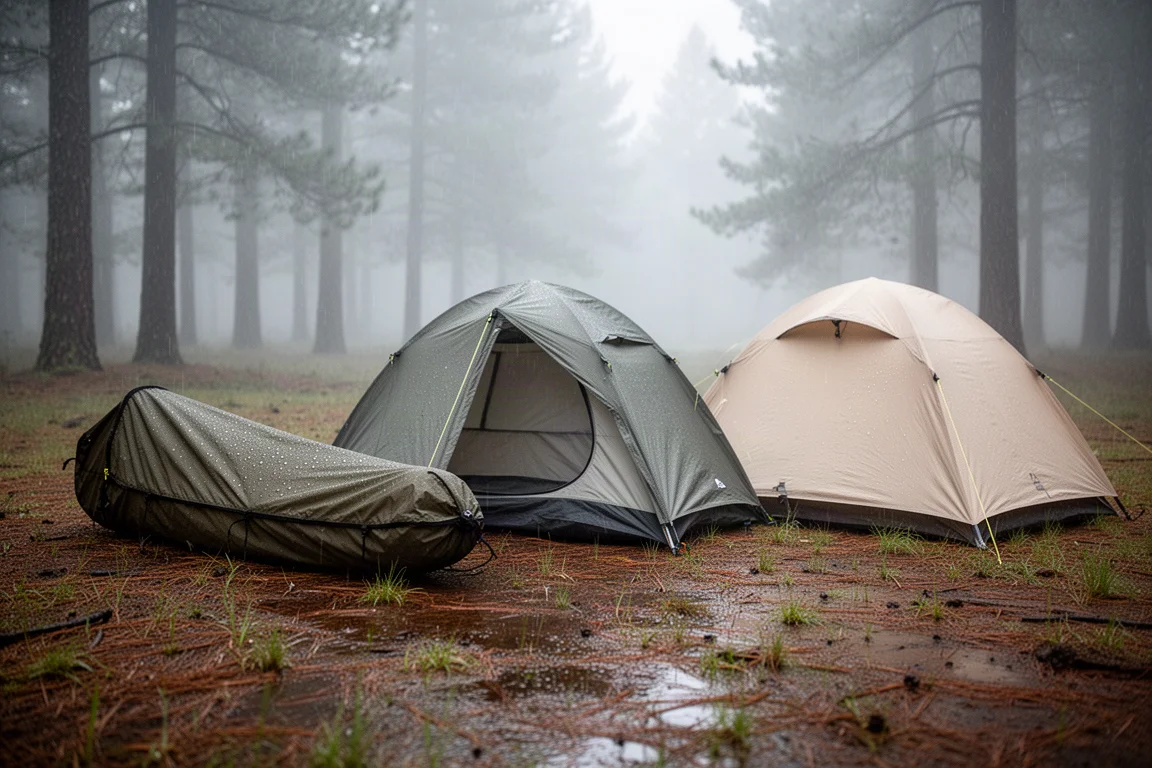
Waterproofing is the one shelter claim that gets settled the hard way, outdoors, in weather you did not choose. Three shelters were pitched in the same clearing before a front arrived and left standing through more than three hours of rain, much of it heavy, with thunderstorm activity circling nearby.
Two of them finished with dry interiors. One did not, and it failed substantially. That split is the whole story here, and it is a useful one for anyone comparing tents and bivy shelters before a trip.
How These Shelters Were Tested
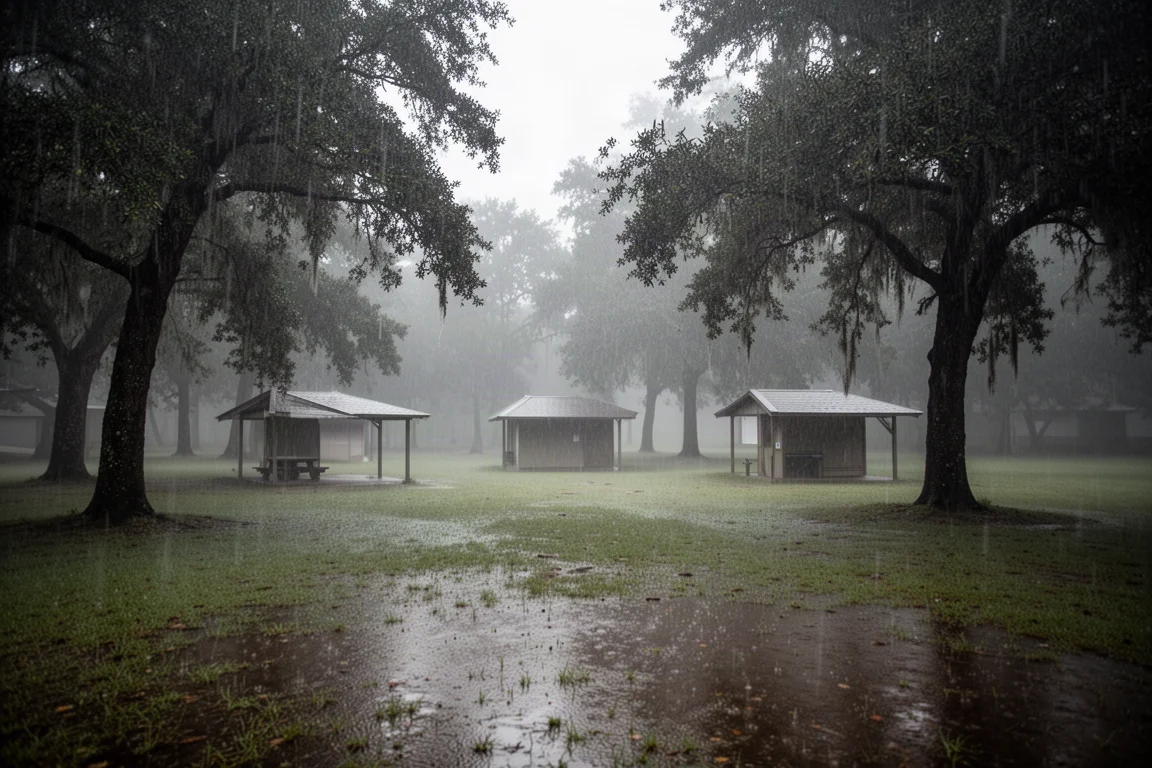
All three shelters went up before the rain started, in the same exposed area, and stayed pitched for the duration. Rain fell for over three hours, most of it steady to heavy, with thunder rolling around the area but no direct storm overhead. The interiors were checked at the end of that window rather than midway through.
That distinction matters. A shelter that shrugs off a passing shower and a shelter that holds through a multi-hour soak are not the same product, and only the second kind is worth trusting on a trip where the forecast is uncertain.
Kelty Late Start: Dry, But Not a Favorite
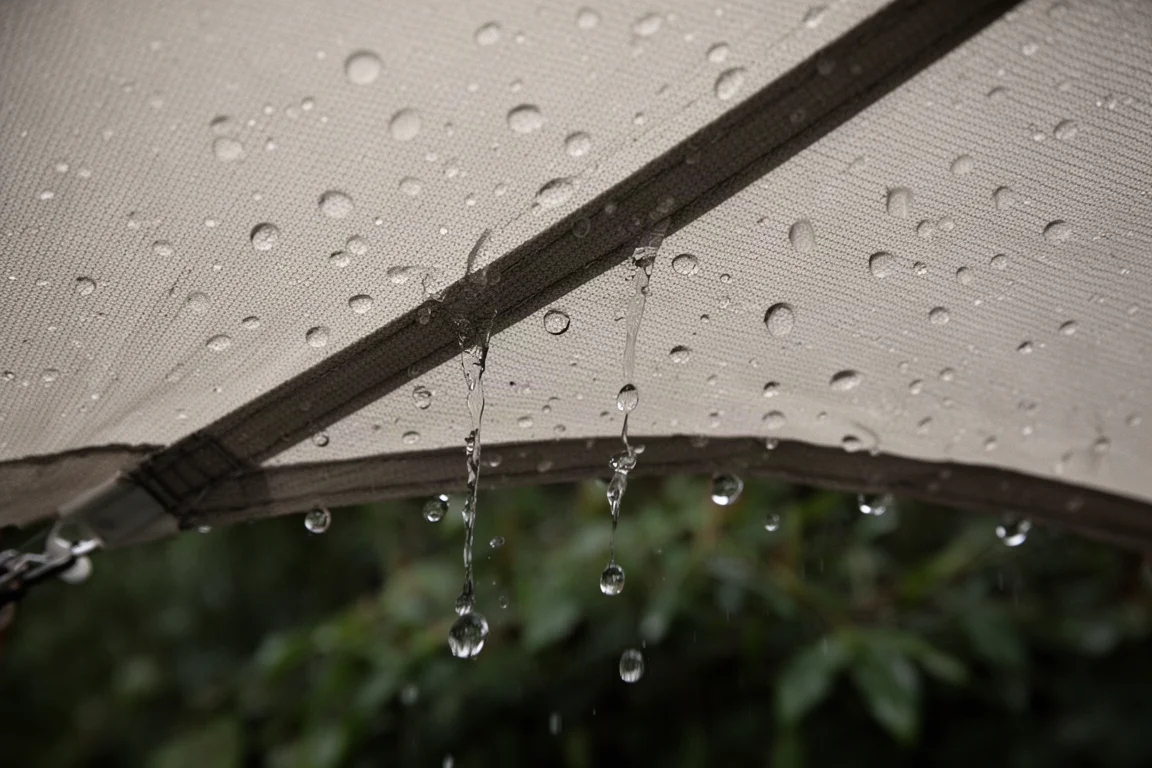
The Kelty Late Start passed the waterproof test. After more than three hours of rain, the interior stayed dry, which is the outcome that matters most when you are deciding whether a tent can be trusted overnight.
It was not, however, the shelter that generated much enthusiasm in this group. It stayed dry, but it did not stand out. For a buyer whose main priority is simply keeping the rain outside, that is still a meaningful result, and it belongs in the conversation alongside anything else in the same class.
The North Face Stormbreak 2: The Best of the Three
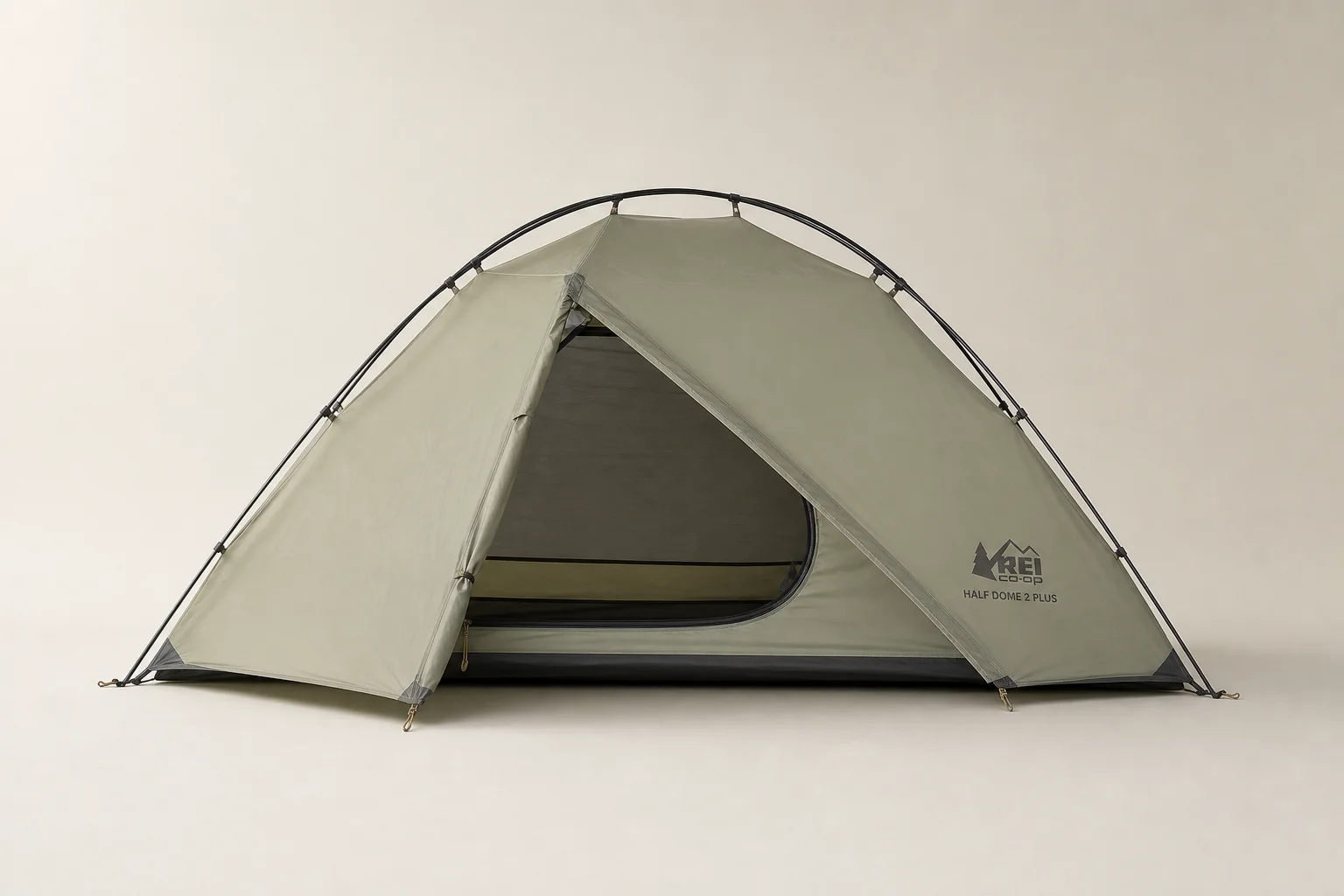
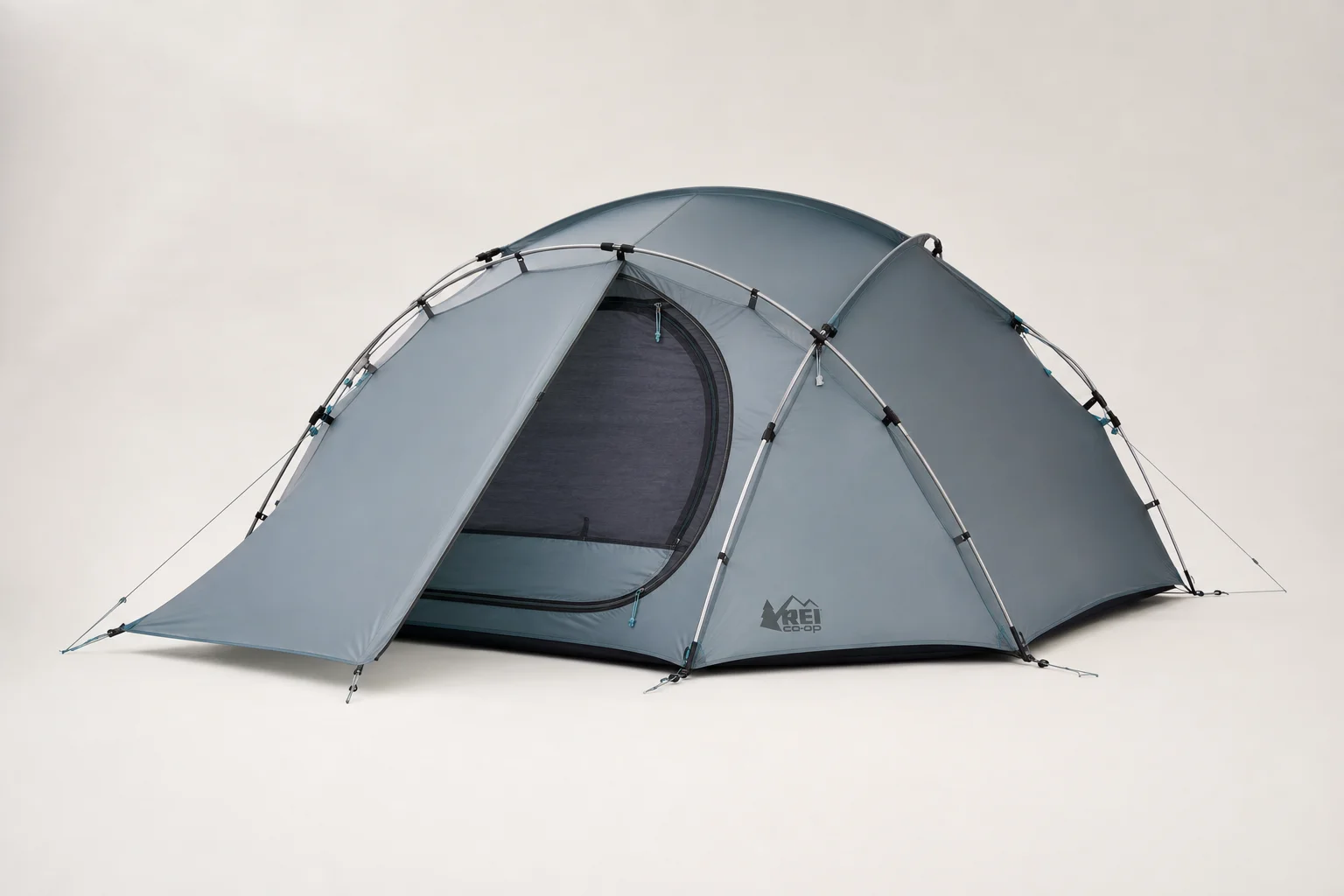
The North Face Stormbreak 2 is a two-person tent, and it also came through completely dry. It was the strongest overall performer of the three: genuinely good through sustained rain, without any claim that it is flawless.
Two-person capacity gives it flexibility. It can suit a solo camper who wants room to move and space for gear, or two people splitting the load between them. Pitched next to the other two shelters and exposed to the same weather, it was the one that looked most convincing at the end.
That combination of a dry interior and a usable amount of space is what makes it the easiest of the three to recommend to most campers heading out in uncertain conditions.
ALPS Mountaineering Stealth 1 Bivy: A Clear Letdown
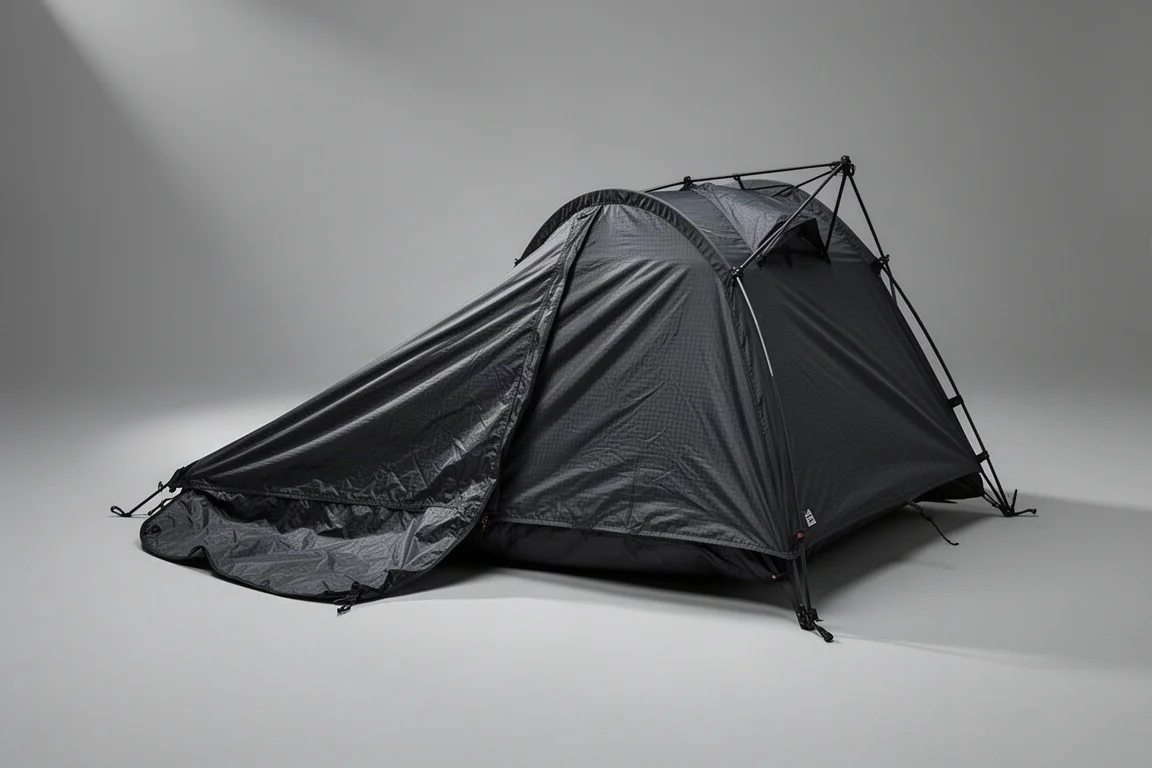
The ALPS Mountaineering Stealth 1 Bivy is the most minimal shelter of the group: a single-person bivy with a small footprint. It was also the only one that failed, and it did not fail narrowly. After the same exposure, it leaked substantially.
Waterproofing is the baseline expectation for any shelter, whatever its format. A shelter that keeps rain out is doing the minimum required of it. One that lets water in has already lost the argument, no matter how compact or convenient the design is.
What the Results Mean for Buyers
Two of three shelters stayed dry through hours of heavy rain, which is a useful reminder that weather protection varies widely between individual products, even when they are pitched in identical conditions. A bivy, a one-person tent, and a two-person tent all face the same rain. What decides the outcome is the construction of the specific shelter, not the category it belongs to.
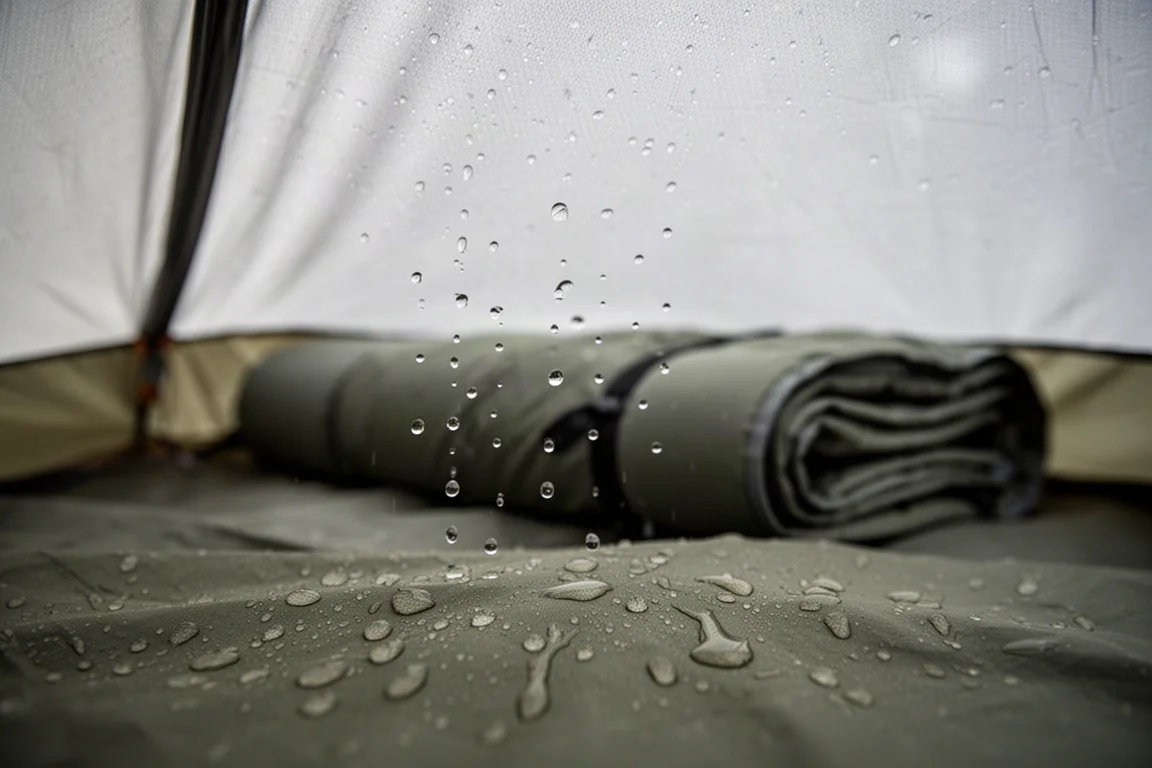
For a buyer, the practical takeaway is to check weather protection model by model rather than assuming that a format, a shape, or a familiar name settles the question. The most reliable signal is how a particular shelter has performed when it was actually rained on.
How to Choose a Rain-Ready Shelter
Start with the job the shelter has to do. A two-person tent gives you room to move, space to store gear, and a more forgiving place to wait out a storm. A bivy trades nearly all of that away for a minimal footprint. Neither format is inherently more waterproof, so the decision should rest on how you camp, how much interior space you need, and how the specific model has held up in real wet weather.
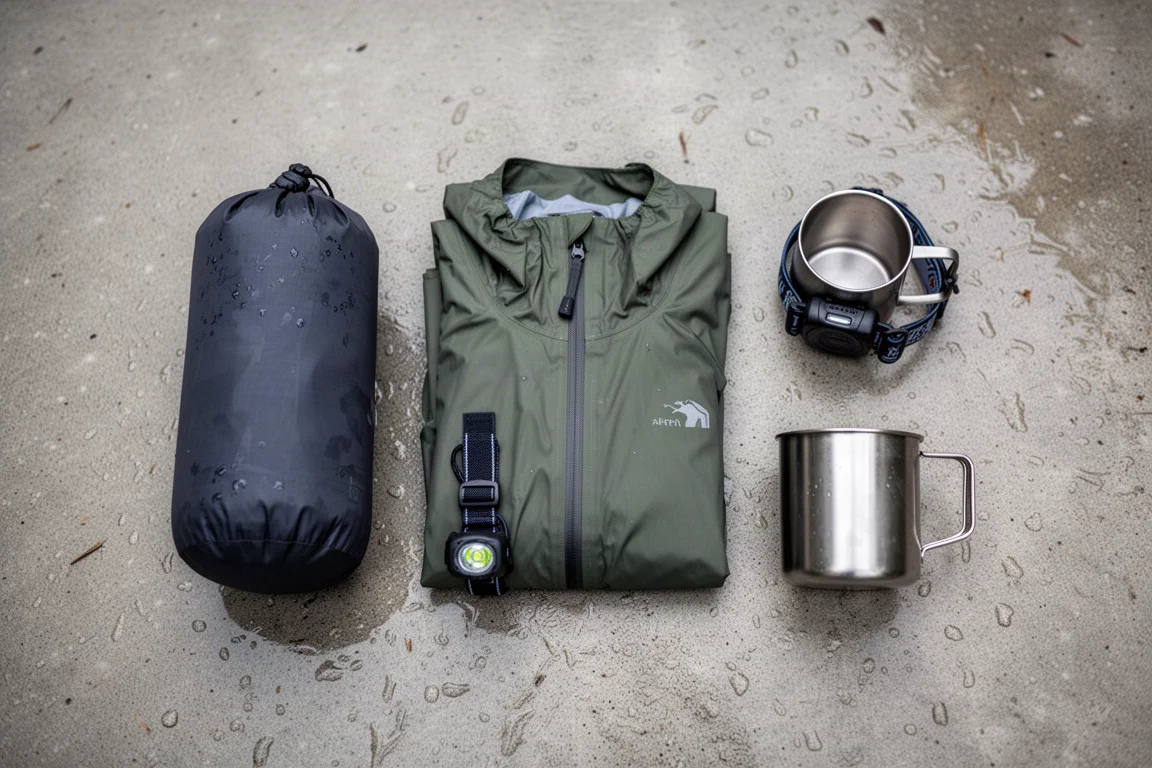
Then plan for the wet gear that a rainy trip always produces. Packing soaked clothing and equipment into a dry bag, rolling it closed, and sealing it keeps moisture from spreading through a vehicle or a pack, and it means you can break camp without soaking everything else you brought.
Conclusion
The Kelty Late Start and The North Face Stormbreak 2 both came through a long, heavy rain test with dry interiors. The North Face Stormbreak 2 was the strongest of the three, and the Kelty Late Start still did the essential job. The ALPS Mountaineering Stealth 1 Bivy did not, and that result should shape any decision involving it.
If you need a shelter that holds up in sustained rain, the two tents are the ones with real evidence behind them.
Further reading
Related Reviews
Camping Shelters
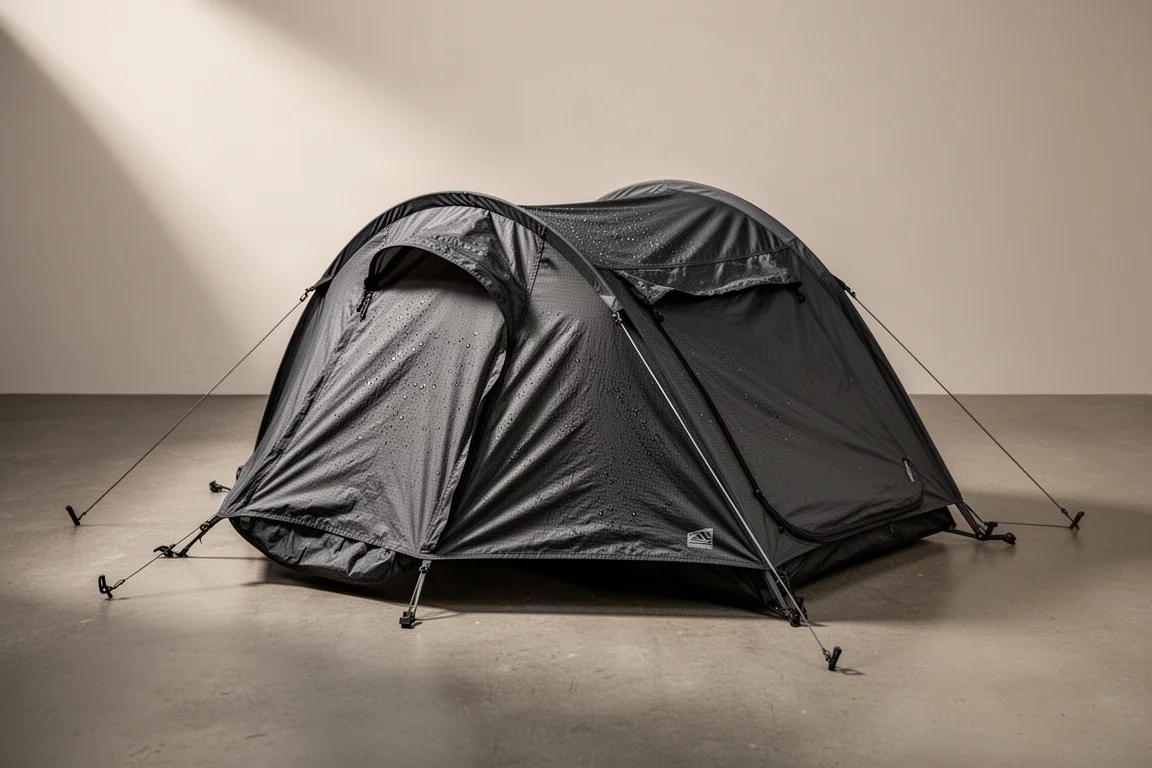
Alps Mountaineering Stealth 1 Bivy Review: A Waterproof Claim That Does Not Hold Up
The Alps Mountaineering Stealth 1 Bivy carries a 2,000 mm hydrostatic head rating and a waterproof claim, but sustained rain exposure and build quality concerns make it difficult to recommend.
Camping Shelters
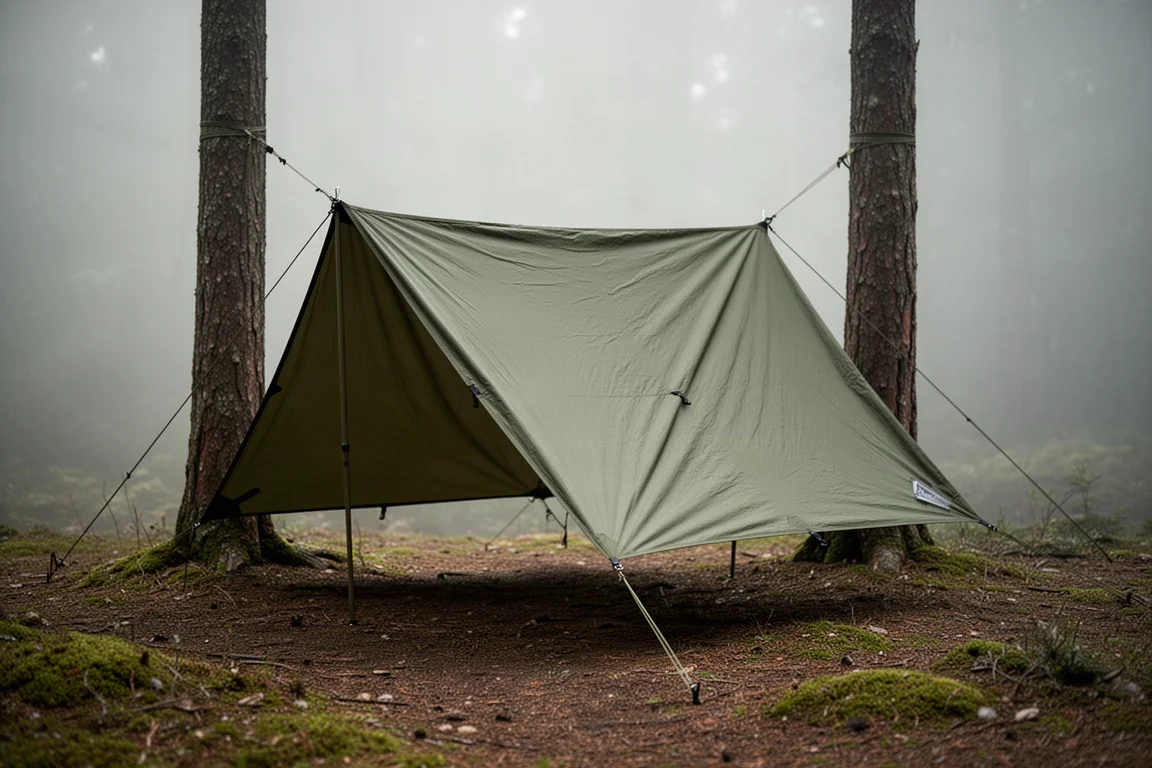
AquaQuest Safari Hybrid 20 ft x 13 ft Tarp Review: Two Years Under a Very Large Roof
A long-term look at the AquaQuest Safari Hybrid 20 x 13 tarp, covering build quality, weather protection, setup realities, and who should buy one.
Camping Shelters
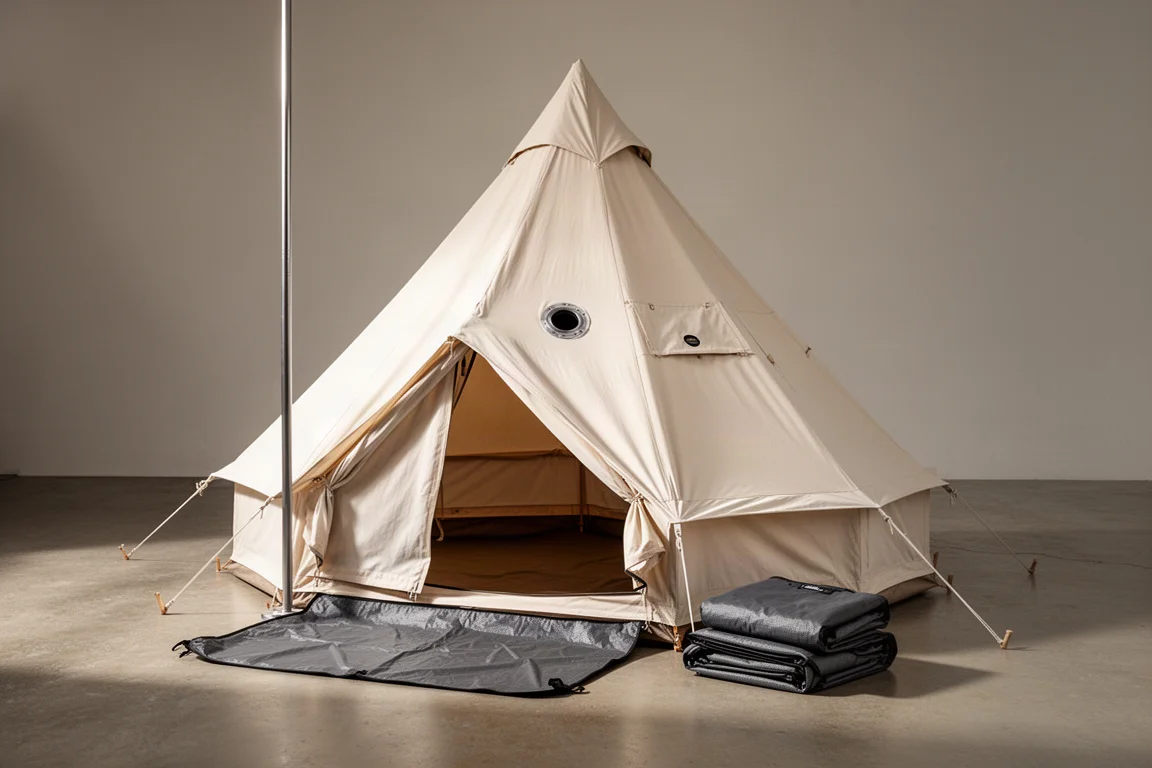
Backcountry Light Mesa 3 Hot Tent and Floor SL Tarp Review
A practical look at the Backcountry Light Mesa 3 four-season hot tent and its optional Floor SL Tarp, covering materials, stove jack design, packed weight, pricing, and the trade-offs to weigh before buying.