Cycling Gear
Three Affordable Bike Upgrades for Speed, Comfort and Ride Footage
Tires, a saddle and a compact action camera: three low-cost upgrades that change how a bike rides and how the ride is remembered.
Introduction
Upgrading a road bike has a reputation for being expensive, and the usual suspects are carbon frames, carbon wheels and aero socks. None of them are required to make a bike feel faster, more comfortable or simply more enjoyable to ride. The three upgrades in this guide sit at the other end of the price scale, and two of them touch the bike itself.
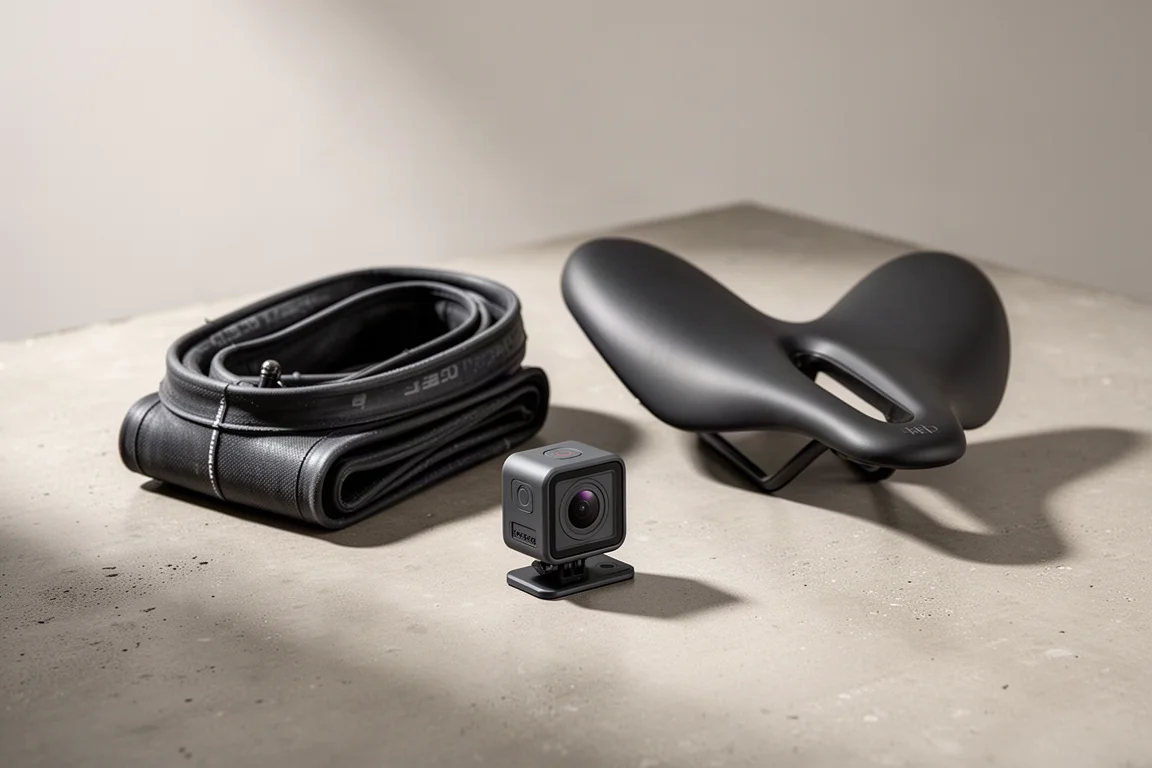
The logic is straightforward. Tires and the saddle are the contact points that shape almost every ride, and a small pressure gauge can unlock more from the tires already fitted. A compact action camera adds something different: a record of the rides worth remembering.
The cheapest item here costs around £21, and a tire and sealant bundle comes in at around £99.
What Makes a Worthwhile Upgrade
There are three questions worth asking before spending anything on a bike.
The first is whether the change alters how the bike feels underneath you. A part that improves grip, comfort or control is doing real work, while a part that only changes how the bike looks rarely justifies the money.
The second is whether it works across a range of bikes. Tires, saddles and cameras can all move to a future bike, whereas frame and wheel upgrades stay tied to one machine.
The third is cost relative to the gain. Correct tire pressure costs nothing once you know the number, and good tires plus a well-matched saddle cost a fraction of a new frame. Riders often think nothing of spending two thousand pounds on a set of carbon wheels, yet hesitate over a couple of hundred pounds on a professional bike fit, which typically does more for speed and comfort than either.
That order of priorities is what shapes the three picks below.
Best Value Tire Upgrade: Continental GP 5000 STR
Manufacturers have become noticeably better at specifying quality tires above a certain price point, but mid-range and entry-level bikes are still often held back by heavy, uninspiring rubber. Replacing those tires is the single most effective change most riders can make.
A good tire reduces rolling resistance, improves grip in both dry and wet conditions, and usually feels more supple. Together those qualities change the way a bike rides more than a wheel, frame or handlebar upgrade.
The Continental GP 5000 STR is one of the most popular road tires at the moment, and a pair with a bottle of sealant for a fully tubeless setup comes in at around £99.
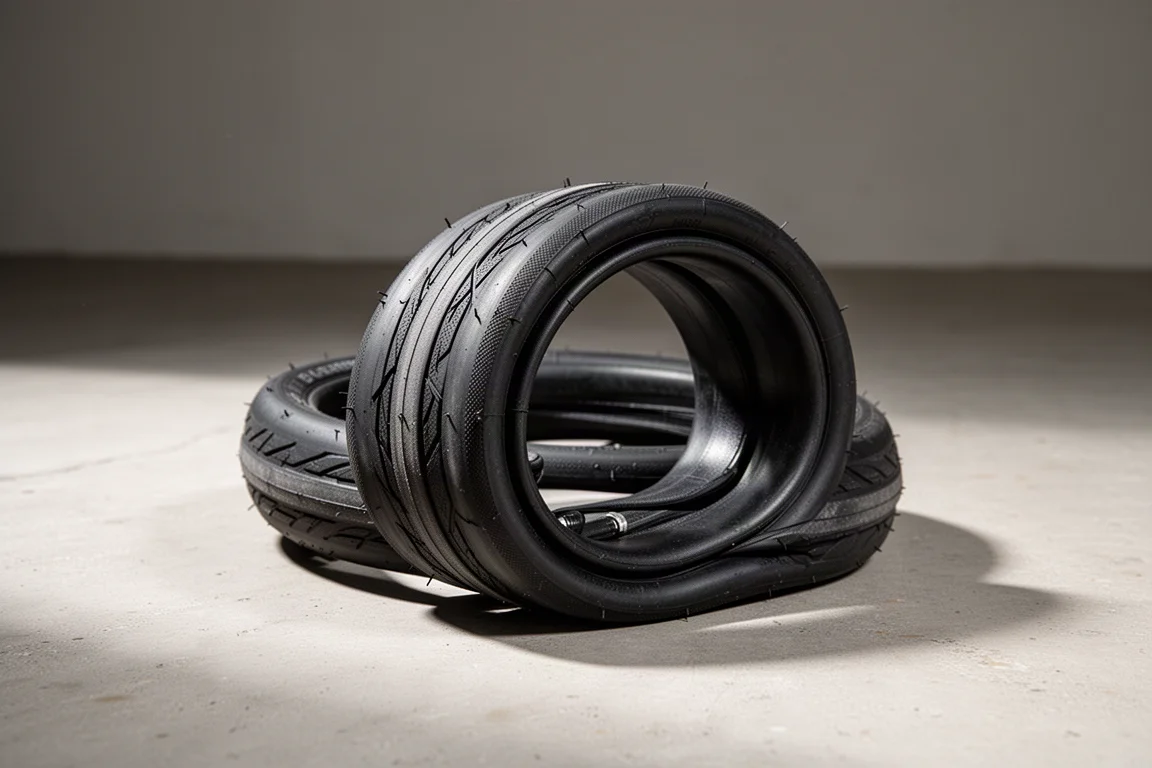
For riders who would rather avoid tubeless, whether because of the sealant or rim and tire compatibility, a TPU inner tube is a lightweight alternative. TPU stands for thermoplastic polyurethane, a very light material that is much lighter than butyl and roughly the same weight as latex, while holding air better than latex does. It works with a tube-type tire on a tubeless-ready rim, which makes it a low-effort way to cut weight.
Best Comfort Upgrade: Fizik Argo
Saddle discomfort is one of the biggest reasons a ride stops being fun, and it is also one of the most personal parts of a bike. Saddles now come in a wide spread of shapes, widths, materials and designs, which is good news for riders and a source of confusion at the same time.
Choosing is easier with help. Most saddle manufacturers publish guides that narrow the field, many good bike shops run demo schemes that let you try a saddle before committing, and sit bone measurement during a bike fit is the most reliable way to find the right width.
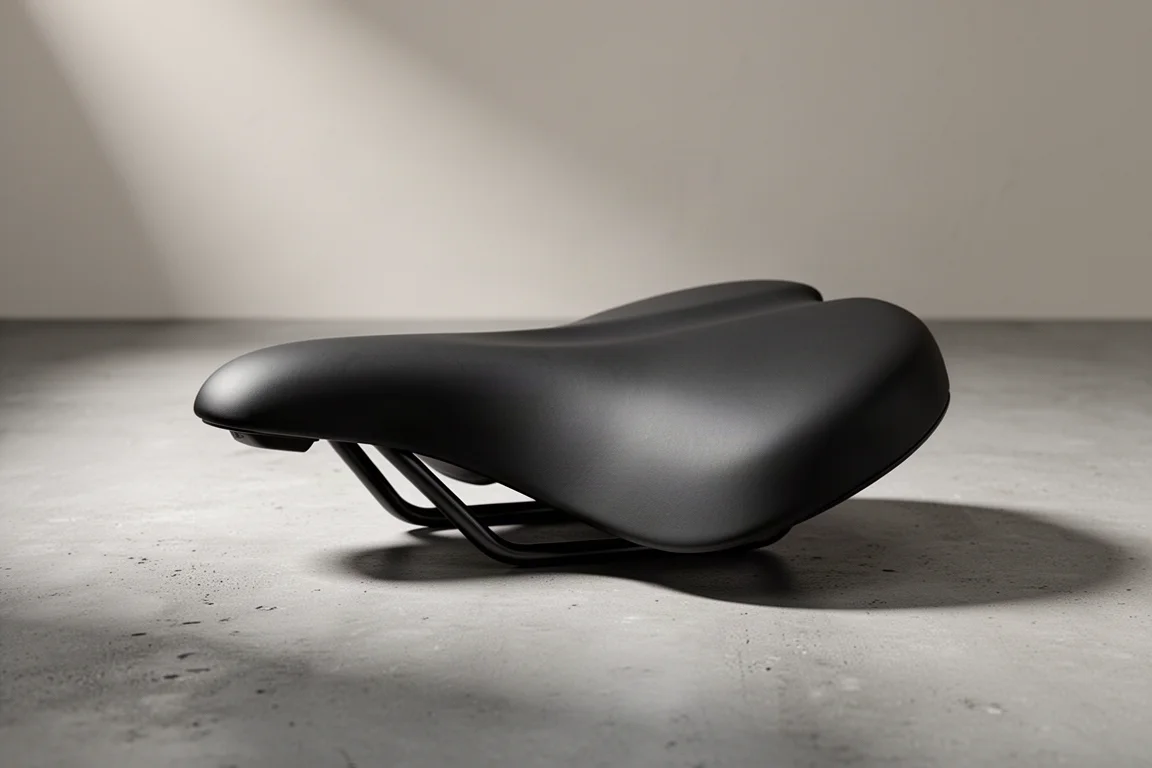
The Fizik Argo started life as a gravel saddle and works just as well on a road bike. It is available in several widths and materials, and the base version uses metal rails with a fairly simple upper. The shape is the reason it works: a broad base that narrows into a still fairly wide nose, a groove through the middle, and a slight hammock profile that kicks up at the back, with a little flex built into the base. Depending on the specification, prices run from around £50 to £99.
That combination of a wide nose, a central groove and a flexible base is what makes the Argo comfortable over long distances rather than only on short rides.
Best Ride Camera Upgrade: Insta360 GO Ultra
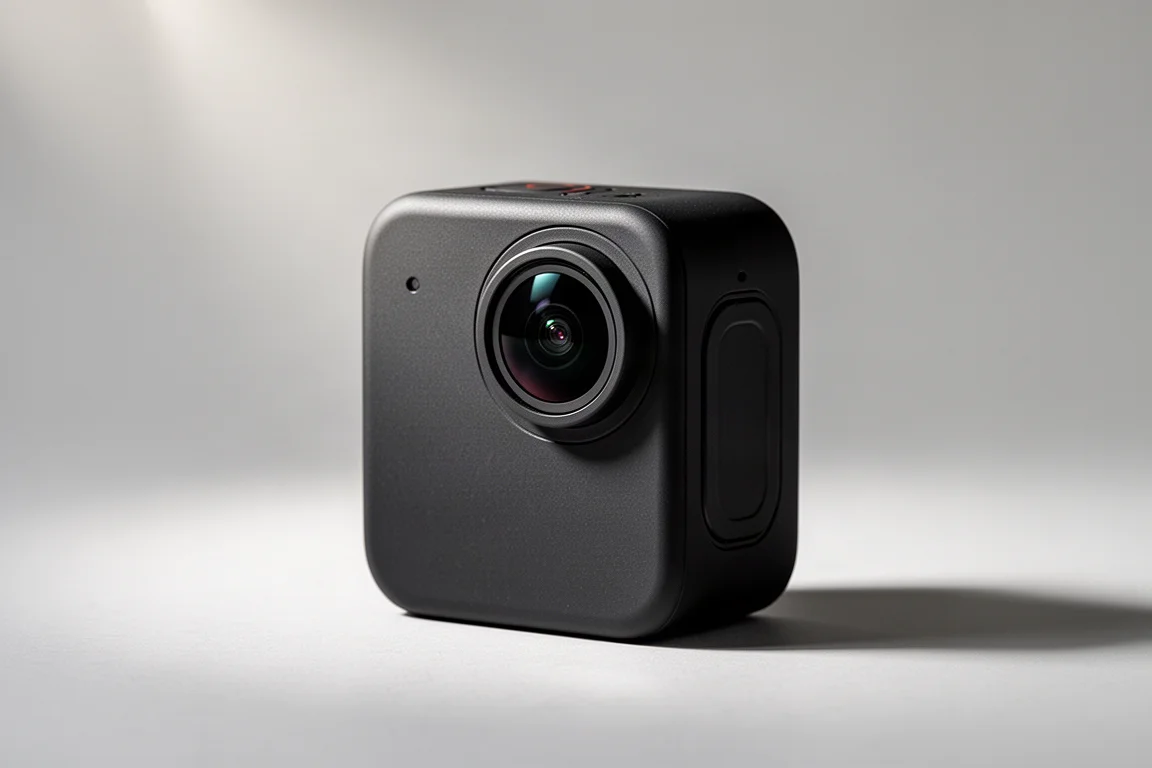
The Insta360 GO Ultra will not make anyone faster, but it changes what a rider brings home. It is an exceptionally small action camera, positioned as the world’s smallest.
Despite the size, it records 4K footage using a new, larger sensor, and horizon lock keeps the picture level when the bike leans. The action pod adds a flip-up screen, longer run time, fast charging and a wider choice of mounting options.
It behaves like two cameras in one. Mounted on a bike or a tripod it works as a conventional action camera with a screen, and the camera itself can be removed and placed almost anywhere on its own. Mounts for under the handlebar, the chest and the helmet cover the usual riding positions, and the low weight makes it practical for long-distance rides and races where a larger camera would be a nuisance.
The companion app for smartphone or desktop turns ride footage into a finished clip with music and titles, ready to share.
Getting Tire Pressure Right
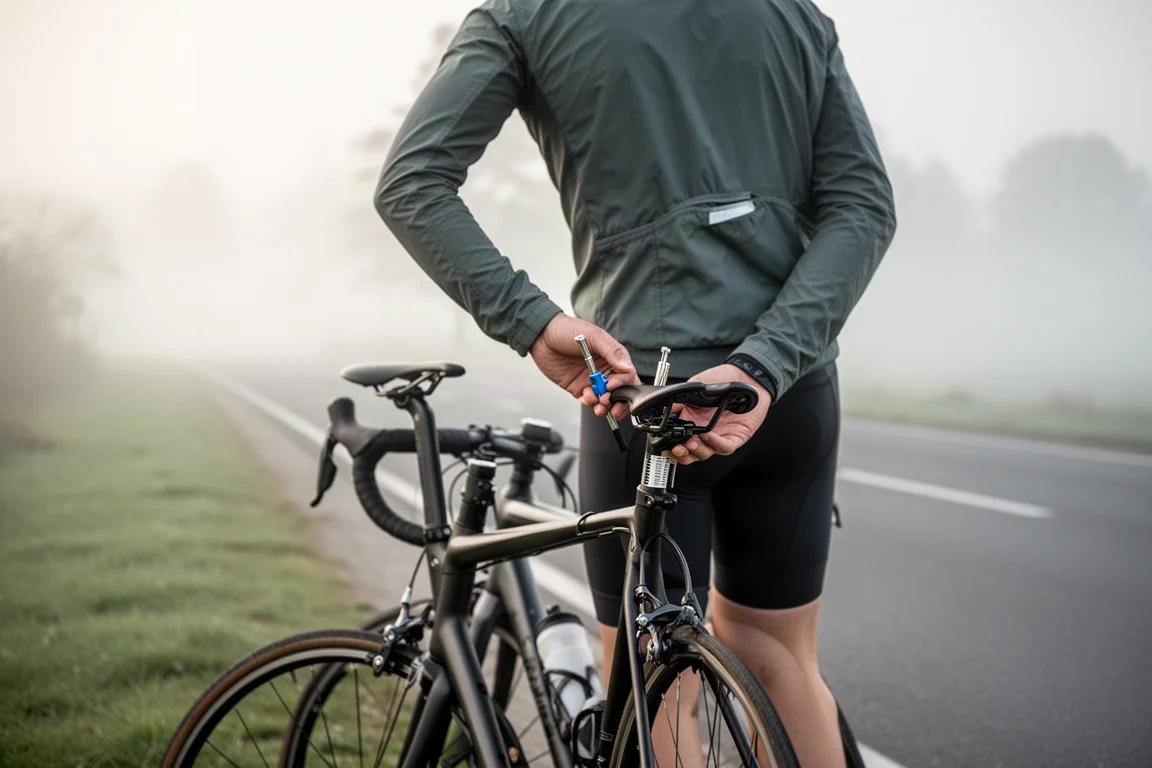
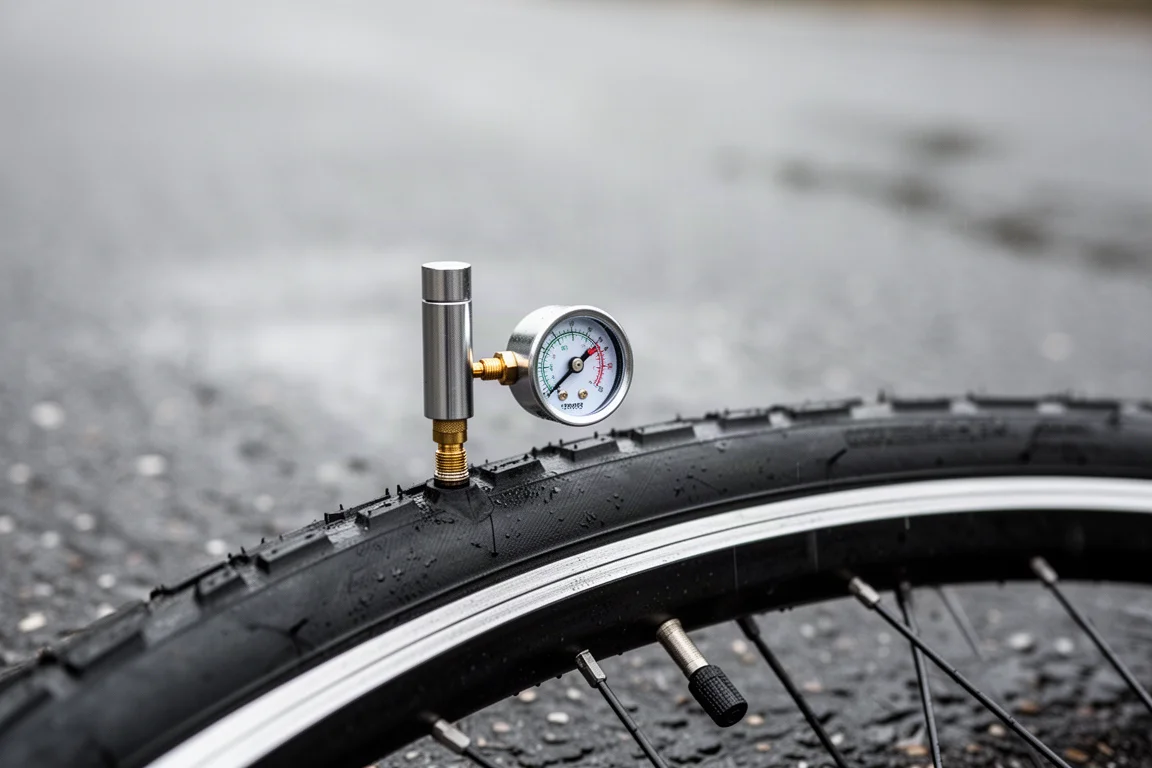
The least glamorous upgrade is also the cheapest. A small gauge that locks onto the valve and reads tire pressure costs around £21, and it is the first thing worth buying for any rider who has never checked pressure properly.
Finding the right number takes a few seconds with an app. Silca and SRAM both offer pressure calculators that ask for the weight of the bike, body weight with kit, the road conditions, tire size and rim size, then suggest pressures for a range of scenarios. In practice those suggestions land close to the ideal figure.
The numbers are usually lower than the 120 PSI that was standard on 23mm tires. Wide tires have become popular for the comfort they bring, but there is little point fitting them and then inflating them hard. Running 28mm to 32mm tires at 50 to 55 PSI is roughly half the pressure that was typical a decade ago.
Lower pressure can feel slower at first, simply because the bike is no longer bouncing over every ridge and bump in the road. The speed is still there, and the benefit shows up as more confidence and control on fast descents and on wet roads.
Cheap Alternatives and the Bonus Upgrade
Two more options are worth knowing about.
The first is a 3D printed saddle. The cheapest versions available online cost as little as £20, which makes them a low-risk experiment, and the printed honeycomb structure supports the sit bones in a way that conventional foam does not. Foam compresses under a rider and stays compressed, while the lattice structure keeps supporting, producing a floating feel that is difficult to describe without trying it.
The second is a bike fit, which counts as a bonus upgrade because it is for the rider rather than the bike. It is something every cyclist, and especially regular riders, should do on a repeating basis. Professional riders have two or three fits a year, and once a year is a sensible target for everyone else, because the body changes with age, injuries, aches and flexibility. A fit also matters when buying a new bike or changing crank length and handlebar width, since it is the quickest way to confirm the position is working.
How to Decide What to Upgrade First
The order depends on what bothers you most. If the bike feels harsh, sluggish or unpredictable, start with tires and pressure, because that combination delivers the largest performance gain for the smallest outlay. If long rides end in discomfort rather than fatigue, the saddle is the place to look. If the aim is to keep a record of where you have been, a compact camera covers that without adding noticeable weight.
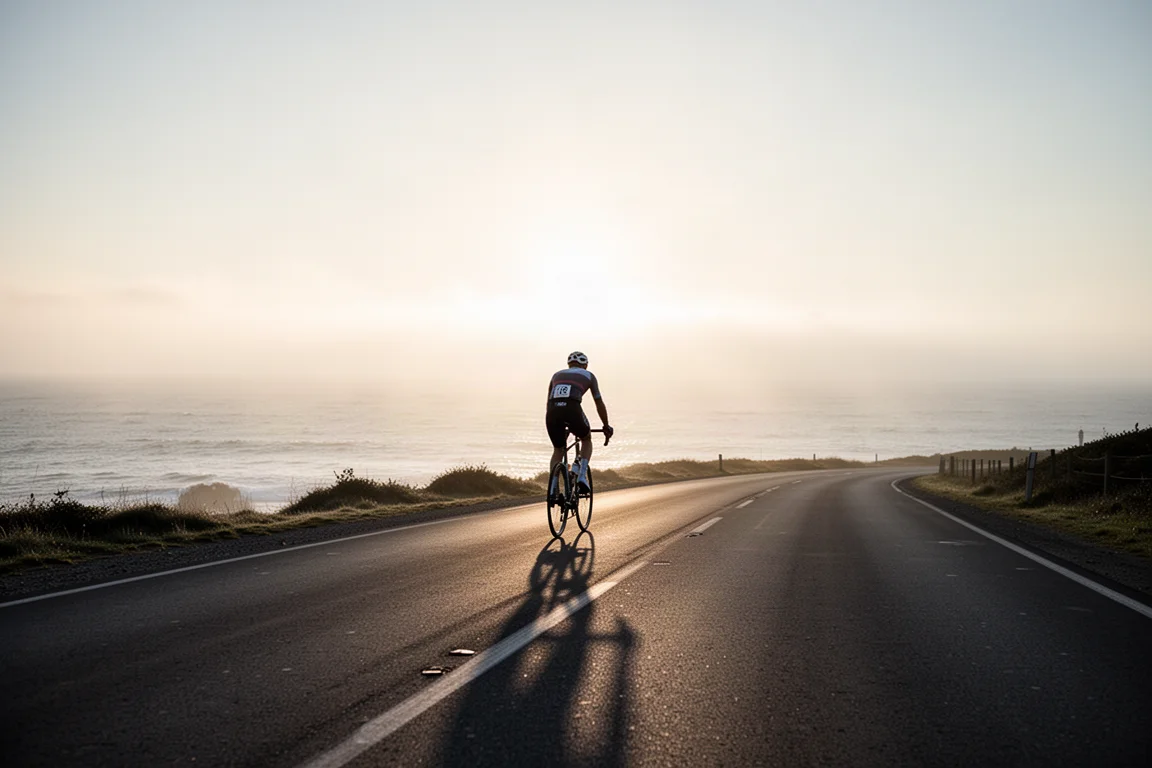
There is no wrong order, because none of these changes require touching the frame, and all of them can move to a future bike. Start with the one you notice on every ride.
Conclusion
None of these upgrades requires a new frame, and none of them costs a fortune. Tires and correct pressure deliver the clearest performance gain, a well-chosen saddle removes the most common source of discomfort, and a compact action camera turns a good ride into something worth revisiting. Add a bike fit once a year and the bike will feel better than a set of expensive wheels alone ever would.
Further reading
Related Reviews
Cycling Gear
8 Cycling Products Riders Keep Coming Back To
Eight cycling components and accessories with clear strengths, honest trade-offs and long-standing reputations among riders and mechanics.
Cycling Gear
Aero Helmets and Bottle Setups Tested: Six Options Ranked by Measured Watt Savings
Wind tunnel data on six aero helmets and bottle setups, with real watt savings, practical trade-offs, and guidance on what is worth buying first.
Cycling Gear
Aero Road Bikes and Fast Tires Worth Watching in 2026
Four aero road bikes and one fast road tire, with the real strengths, the open questions, and what to check before you buy.