Cookbooks
Third Culture Cooking: Classic Recipes for a New Generation Review
A first cooked look at Zaynab Issa's cookbook, from a cozy two-hour chicken and rice dish to the thoughtful alternatives that make every recipe adaptable.
Introduction
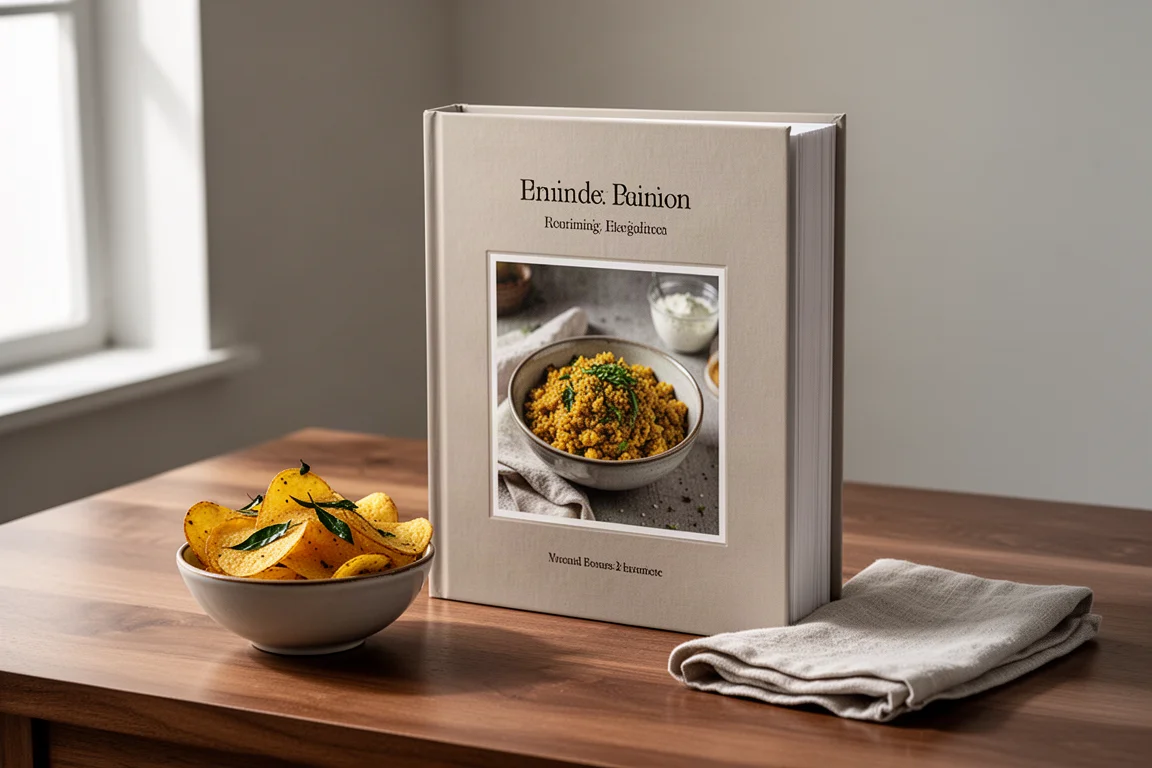
Third Culture Cooking: Classic Recipes for a New Generation by Zaynab Issa is a cookbook built around a specific idea: that authenticity is personal and local, not a fixed set of rules. Issa grew up in New Jersey with parents from Tanzania, Khoja heritage on both sides, her mother from mainland Tanzania and her father from Zanzibar. The term third culture describes growing up in a combination of the culture of her parents’ homeland and the place she calls home, and her recipes reflect that mixed identity.
We cooked through one of the book’s longer recipes with all of its suggested sides to get a real sense of how the book behaves in an actual weeknight kitchen, and this is what we found.
Who This Cookbook Is For
The book contains exactly 100 recipes, and a large portion of them lean vegetarian. Counted inclusively, 66 recipes are vegetarian and 22 are vegan. Issa eats halal, so there is no pork anywhere in the book, but you will find shrimp, fish, beef and chicken.
The tone is memoir-like. Issa describes the book as a memoir of her memories of food, and she sticks to that promise. Her argument that American food cannot be reduced to burgers and hot dogs, since those dishes have roots in Germany, England and Italy, frames the whole collection. Riffs like a red curry orzotto with mushrooms and peas, a “not so mantu” pasta built on Afghan dumpling and yogurt traditions, guoza turned into a freezer-dumpling fusion dish, and playful nods to shrimp scampi and filet-o-fish make that thesis concrete.
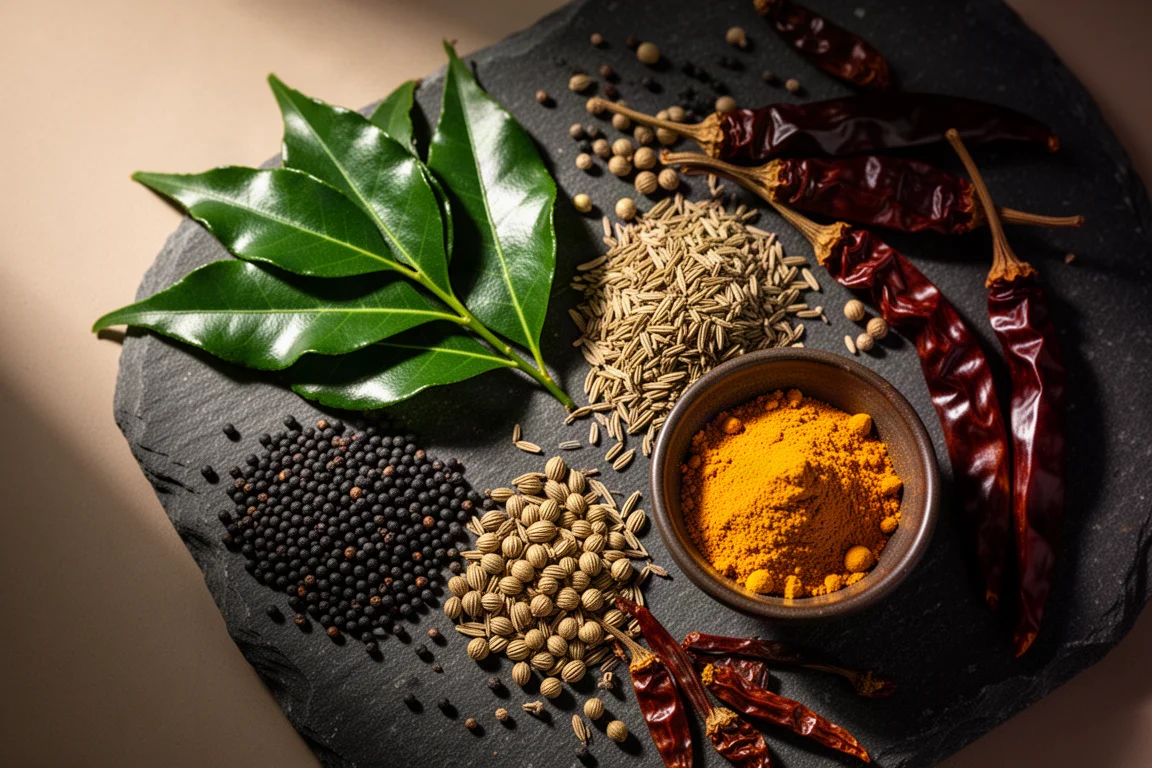
Stylistically, the book sits somewhere interesting. The photography, by Graydon Herriott, has a polished, put-together, almost old-money upper west side aesthetic rather than an artsy Brooklyn one, and it clearly reflects a strong presentation focus. But underneath the styling, the recipe logic feels grounded and practical, with two full pages devoted simply to explaining why Diamond Crystal kosher salt is a good default: it is coarser and less salty by volume than table salt, which makes it more forgiving.
Cooking the First Dish: Chicken, Rice and Vegetables
The dish we cooked is a chicken, rice and vegetables recipe from the book’s cozy section, and it is a long one: roughly two hours end to end. The suggested sides included a kachumber written into the recipe itself, a separate pickled kachumber, and a lemony cucumber salad with salty yogurt. We made all three in one night to test the book’s flexibility.
One immediate decision point: the recipe offers both an oven method and a stovetop method, and the book states plainly that the oven method is better. We took the book at its word. The chicken gets marinated in yogurt, then layered with rice, a tomato curry, and deeply browned onions, starting with a third of the rice in an oven-safe serving bowl, then the chicken, then the remaining rice, finished with reserved crispy fried onions.
The rice is cooked using the pasta method, boiling it in abundant water like pasta, which the book openly discusses. If you have never cooked rice that way, your instincts may not be calibrated for it, and ours were not: slightly overcooked rice became a wet bottom layer. That said, the finished dish was still genuinely delicious. The curry had real heat and depth, the whole peeled tomatoes we crushed by hand worked perfectly in place of the called-for crushed tomatoes, and the dish tasted cozy, spicy and chicken-forward.
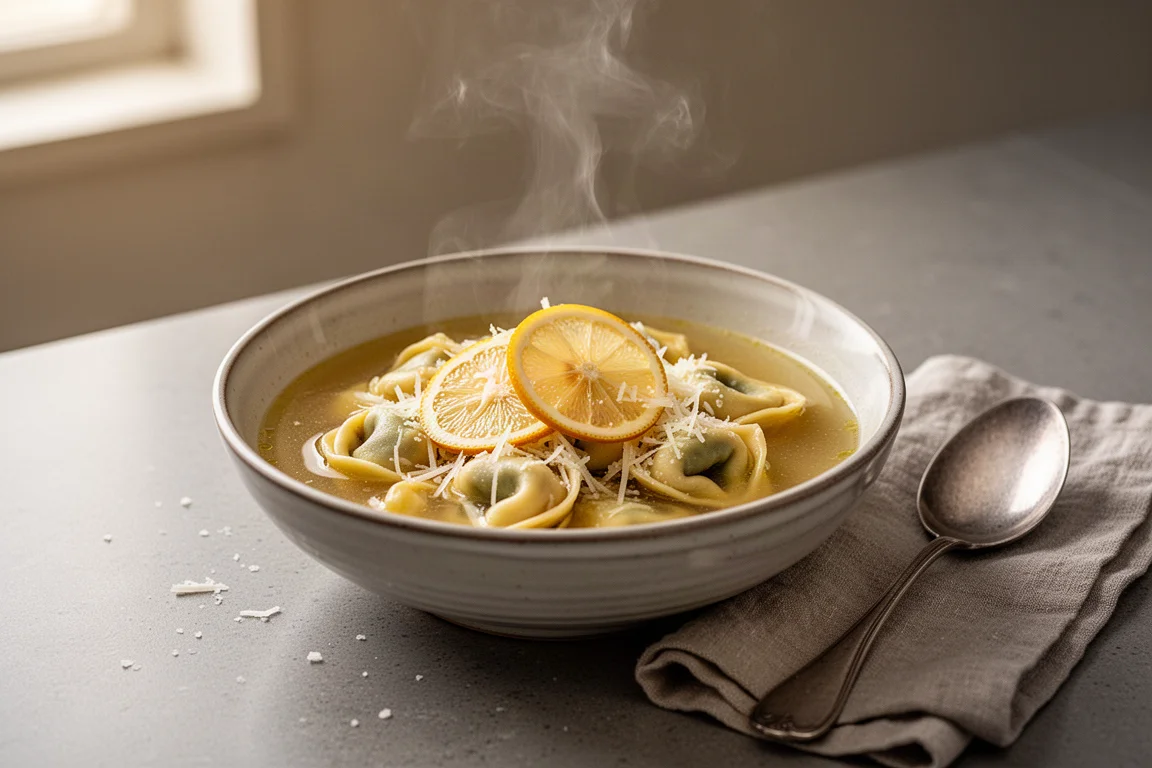
Two lessons from the test: marinate the chicken the full 24 hours if you can, ours only got about two, so the marinade flavor was subtler than hoped, and consider using the whole can of tomatoes if you like more acidity. The dish pairs beautifully with something acidic on the side.
Generous Alternatives in Every Recipe
The most thoughtful design choice in the book is its alternatives. Every recipe includes swaps, and the introduction explains how they are structured and why the written version is Issa’s preferred method, with alternatives offered to prevent a missing ingredient from stopping dinner.
The swaps are genuinely useful. Bird’s eye chilies can become jalapeños, serranos, or half a teaspoon of red pepper flakes. Red onion in the kachumber can become yellow onion. Broths come with substitutes, which matters especially for vegetarian and vegan cooks. You can always see exactly what job an ingredient is doing.
The book also opens with pantry staples, fridge staples and tools, including a fondness for the Unicorn Magnum pepper grinder and, of course, Diamond Crystal kosher salt. The mood-based menu system is another highlight: rather than fixed menus, recipes are grouped by vibe, cozy, lazy, ambitious, bored, moody, and sorted by time, from under 30 minutes up to over two hours, with at least four recipes per mood. The dish we cooked, fittingly, was a cozy two-plus-hour recipe.
The Sides: Kachumber, Pickled Kachumber and a Lemony Cucumber Salad
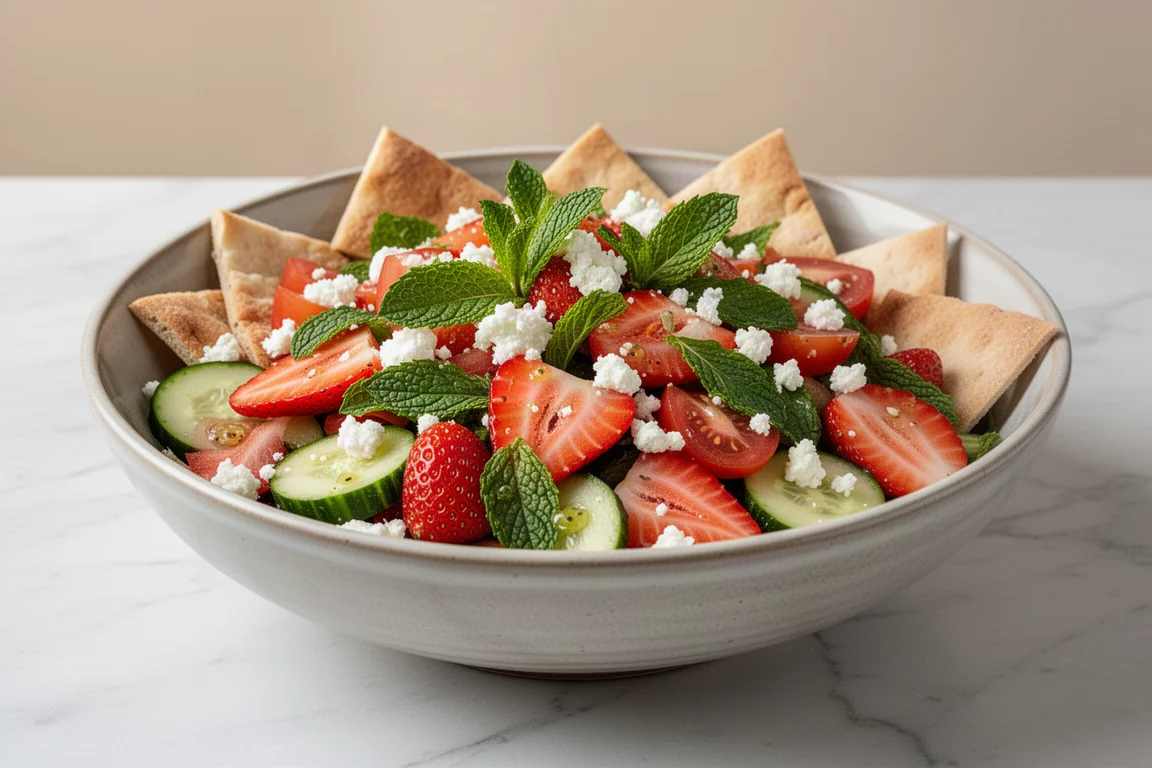
All three sides earned a smash rating. The kachumber written into the recipe was our favorite of the two kachumbers, with a little extra heat from serranos, though a sulfurous red onion made us cautious about calling the pickled version definitively. The lemony cucumber salad with salted yogurt was slimy in a satisfying way, bright with lemon, and noticeably saltier than everything else on the table in a good way. Salted yogurt is a recurring supporting player throughout the book, and it earns its place.
Overall, the meal confirmed the book’s core promise: a really good base dish that is not difficult, with plenty of downtime, so most of that two-hour runtime is chilling rather than active work.
Things to Consider Before Buying
The white cover and the generic-sounding title are easy to dismiss, since third culture cooking has become a widely used term, and the polished photography aesthetic may not match everyone’s kitchen. Some readers may also find the presentation-forward plating chapter, eating with your eyes, feels more like food media culture than everyday home cooking, with advice on contrasting colors and decorative cuts.
Practical notes from cooking: the two-hour dishes are real two-hour dishes even with prep done ahead, the pasta-method rice takes some getting used to, and a couple of recipes lean on specific ingredients like Aleppo chili flakes that may need sourcing.
Buying Advice
After reading the book cover to cover and cooking from it, the flavor decisions are what sell it. This is a book that treats fusion not as a gimmick but as the honest reality of how food works, built around what flavors do with each other rather than whether something is traditional. It speaks to anyone whose food identity is a blend, and it earns a spot high on any shortlist of recent cookbook releases.
Recipes high on our own to-cook list include the guoza with garlicky lemon chili butter, kebabs with coconut chutney, red hot tandoori wings, arrogant tomato toast, the black bean smash burger, chevda chips, baklava granola and the coconut cardamom cake.
Conclusion
Third Culture Cooking is a genuinely exciting first look: thoughtful, flexible, and full of recipes that made us want to cook more from it immediately. If you want a cookbook that treats your own food background as valid, gives you alternatives for nearly every ingredient, and delivers cozy, well-seasoned dishes, this one is worth your shelf space.
Product link
View more details for Third Culture Cooking: Classic Recipes for a New Generation
This product is mentioned in the review. Check the specifications, options, and compatibility before buying.
View more details for Third Culture Cooking: Classic Recipes for a New GenerationFurther reading
Related Reviews
Cookbooks
Africana Cookbook Review: A Pan-African Journey Worth Cooking Through
We cooked 13 dishes from Africana by Llorado Umashayor over one week. Here is what worked, what stumbled, and who this beautiful cookbook is really for.
Cookbooks
By Heart by Haley Catalano: First Look at a Calm, Practical Cookbook
We cooked two recipes from By Heart by Haley Catalano, including a tomato-based sandwich and chicken fat mashed potatoes, to see if the book's calm, detail-first approach holds up in a real kitchen.
Cookbooks
Charred by Genevieve Taylor Review: Vegetable Grilling Beyond Corn and Halloumi
We cooked 11 recipes from Charred over four days. Here is what works, what falls flat, and whether the book earns a spot on your shelf.