Stationery
Mark's Edit vs Kokuyo Century: Two Thin Fountain Pen Papers Worth Trying
Three thin, fountain pen friendly papers positioned as alternatives to Tomoe River, tested with fountain pens, gels, erasable pens and heavy inks.
Introduction
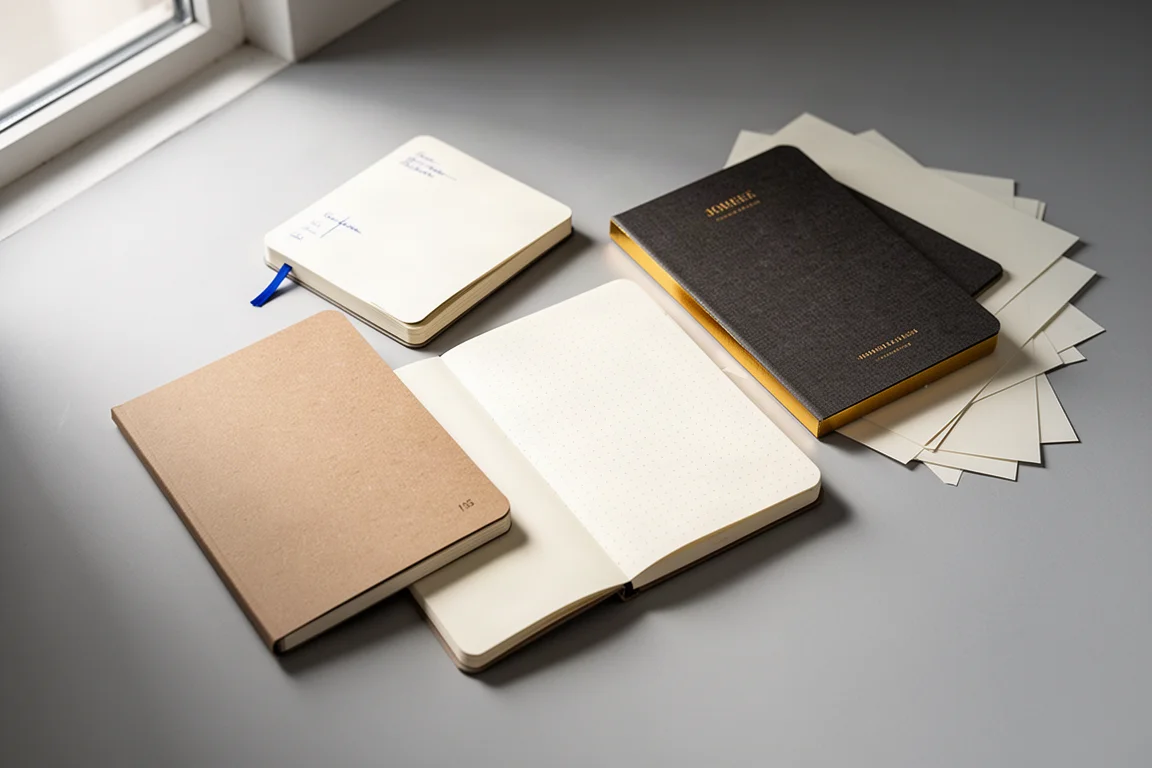
Thin, fountain pen friendly paper has long been dominated by a few well-known names. Recently, two newer options have entered the scene, both positioned as competitors to the classic ultra-thin Japanese papers: the Mark’s Edit notebook, which uses the brand’s original Neo Agenda diary paper, and Kokuyo’s Century line, built around a 52 GSM thin paper. Both are Japanese-made, both are surprisingly affordable, and both handled a punishing range of pens and inks with impressive composure.
This is a practical overview based on hands-on writing tests, covering paper feel, bleed resistance, show-through, sheen and shading, formats, and price, so you can decide which one fits your writing style.
Mark’s Edit Notebook (Neo Agenda Paper)
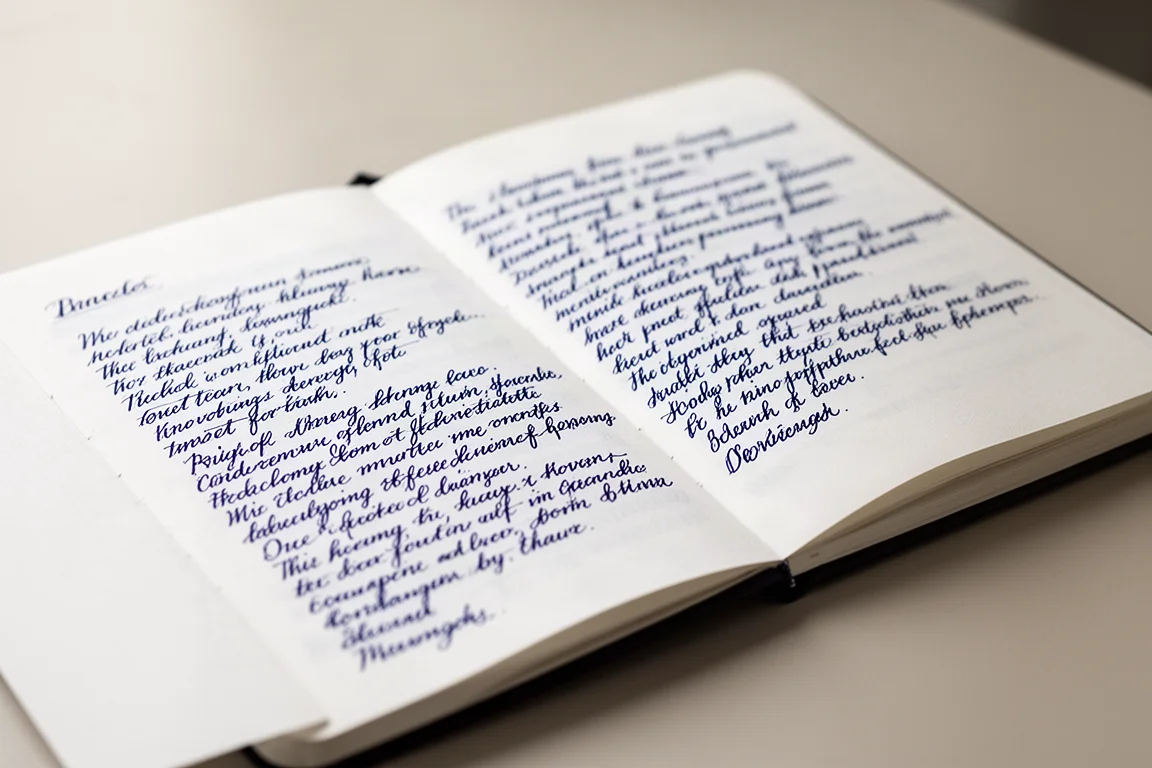
Mark’s Edit started out making planners and diaries in a style similar to popular Japanese planner brands, and the company has since expanded into notebooks. The paper here is called Mark’s Original Diary Paper Neo Agenda, developed with a focus on thinness, lightness and smooth writing.
The A5 blank version tested here has 160 pages in a cardstock cover with a glued, lay-flat binding similar to what you would find on a Midori-style notebook, so each page opens nearly flat. It is slim and light for the page count, and the blank format makes it versatile for sketches, notes or journaling. Ruled and grid versions are also available, though no dotted format in this line. One caveat: because the binding is glued, a page can be removed if pulled hard, which may be a plus or a minus depending on how you work.
Pricing is reasonable: the A5 runs about $13.75, the A6 is close to $9, and A4 versions are around $20 to $20.50. Availability has been spotty, with most A5 versions sold out at the time of testing, though A4 stock and an A6 grid version remained available and restocks are expected.
On the writing surface, the paper feels roughly 52 to 60 GSM, though no official weight is published. It is very smooth, similar in character to Tomoe River, with medium drying times and clean, tight lines.
Writing Performance and Ink Behaviour
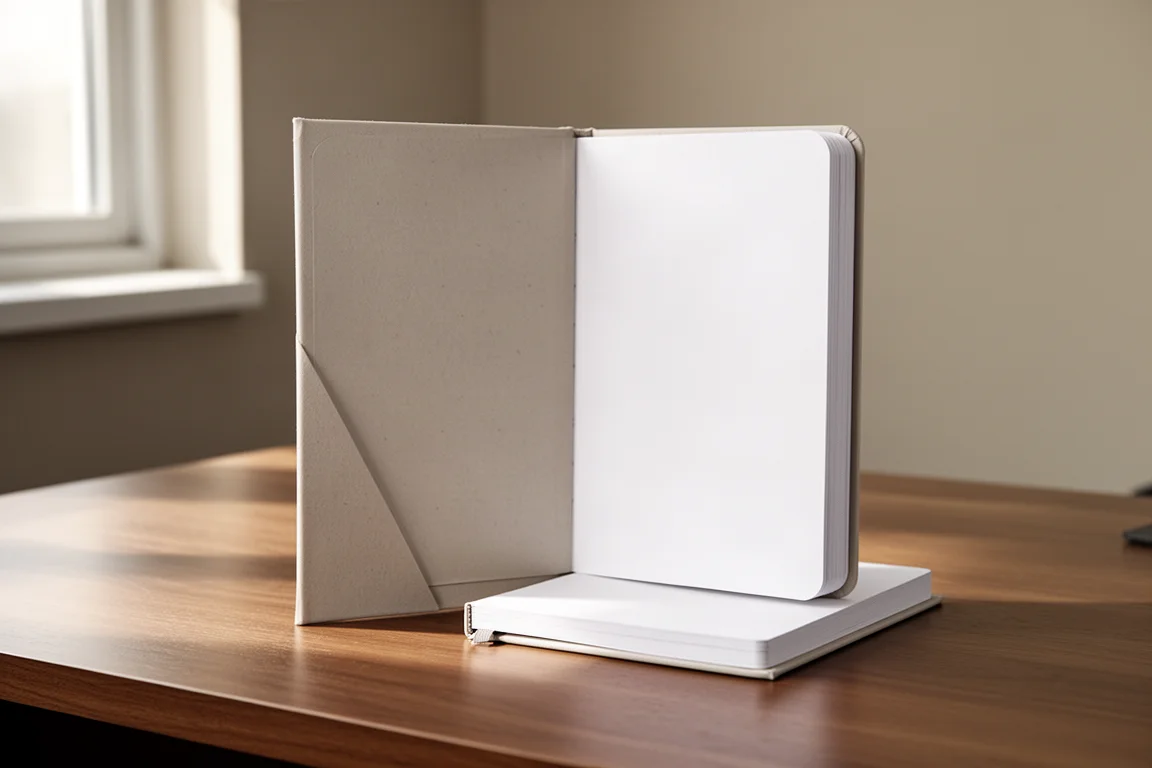
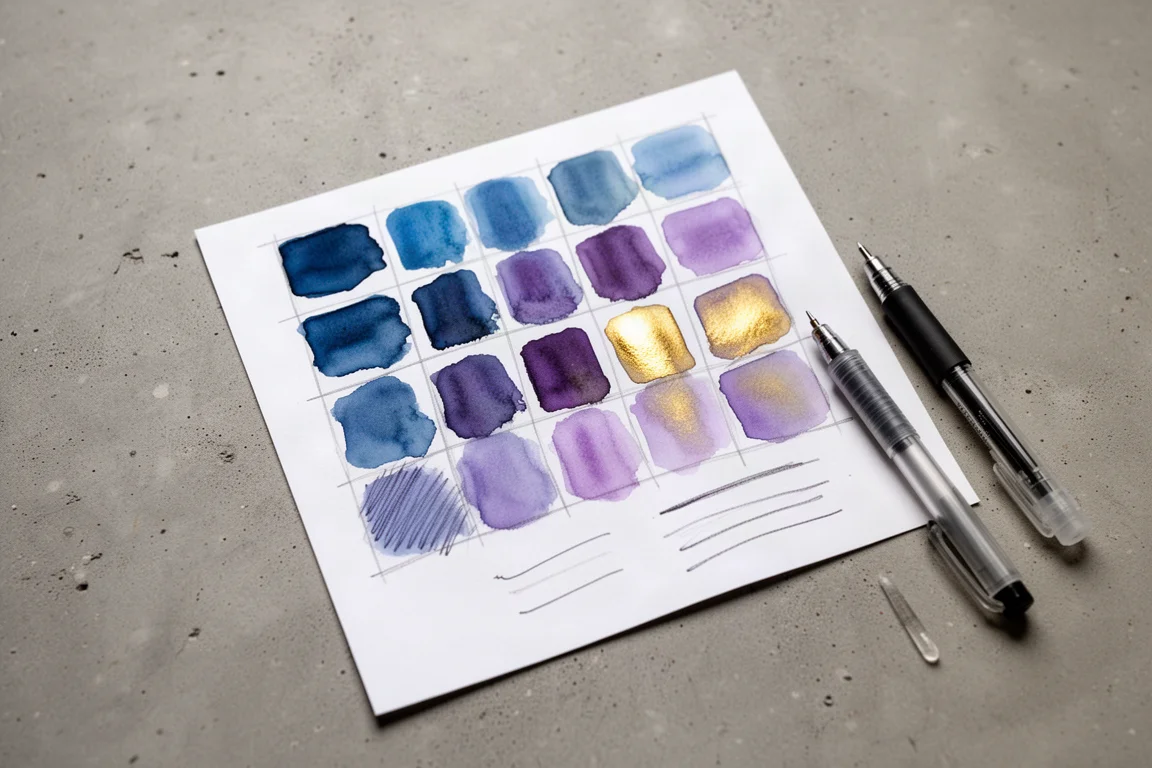
The real test of thin paper is how it behaves with difficult inks, and the Mark’s Edit notebook held up remarkably well. Lines stayed tight even with Baystate Blue, which can normally produce fuzzy spread on lesser papers. A wet 1.1mm stub nib wrote without any feathering.
Sheen is a genuine highlight. Diamine Majestic Blue showed plenty of sheen, the Colorverse Golden Leaves stayed surprisingly readable and showed light shading, and Sailor Epinard offered a hint of its occasional red sheen along with some shading.
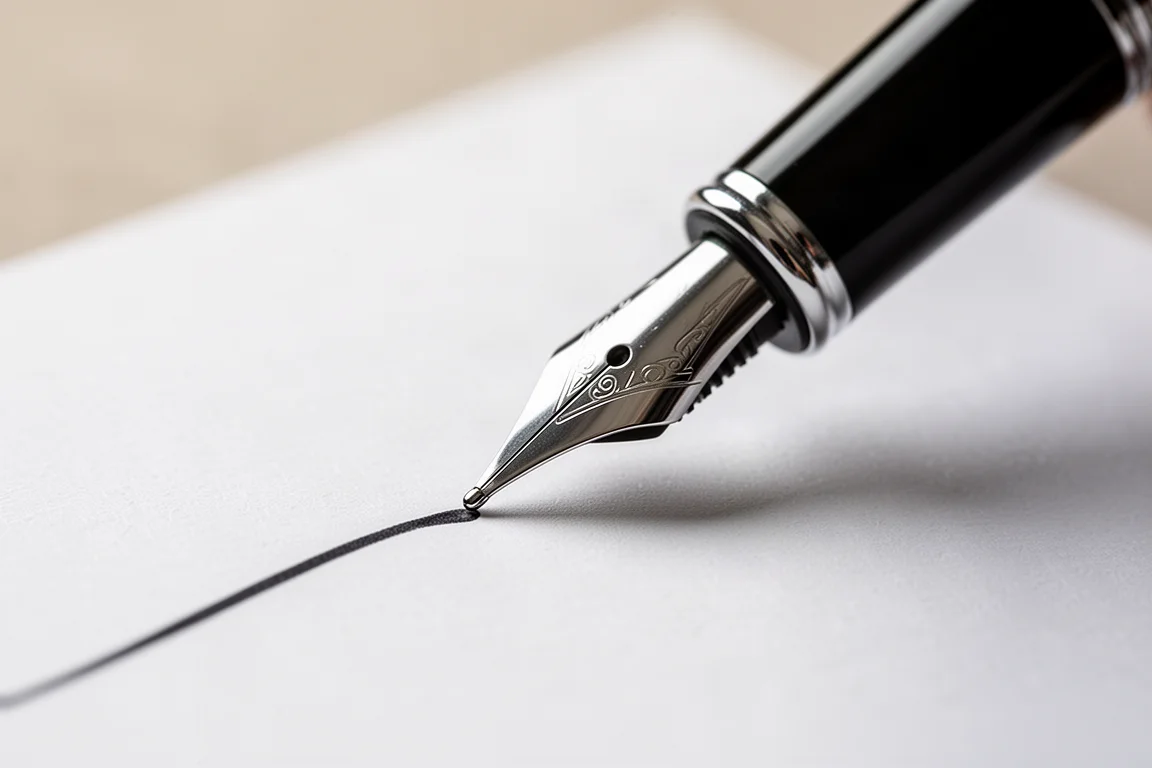
Bleed resistance is equally strong. Nothing bled through, including a heavily applied wet ink swatch that stained one side of the page completely without transferring a drop to the next sheet. Baystate Blue produced only a faint dot of show-through, never an actual bleed. Even with a heavy swatch, you could comfortably write front and back. For a paper this thin, that is an impressive result.
Kokuyo Century 52 GSM Notebook
Kokuyo is best known for the Campus notebook line, but the Century series is the brand’s premium thin paper, explicitly built to compete with 52 GSM Tomoe River class papers. Kokuyo’s own marketing claims the paper is hard to show through, resistant to bleed-through, and difficult to wave or buckle even when rubbed with an erasable ballpoint pen such as a Pilot FriXion.
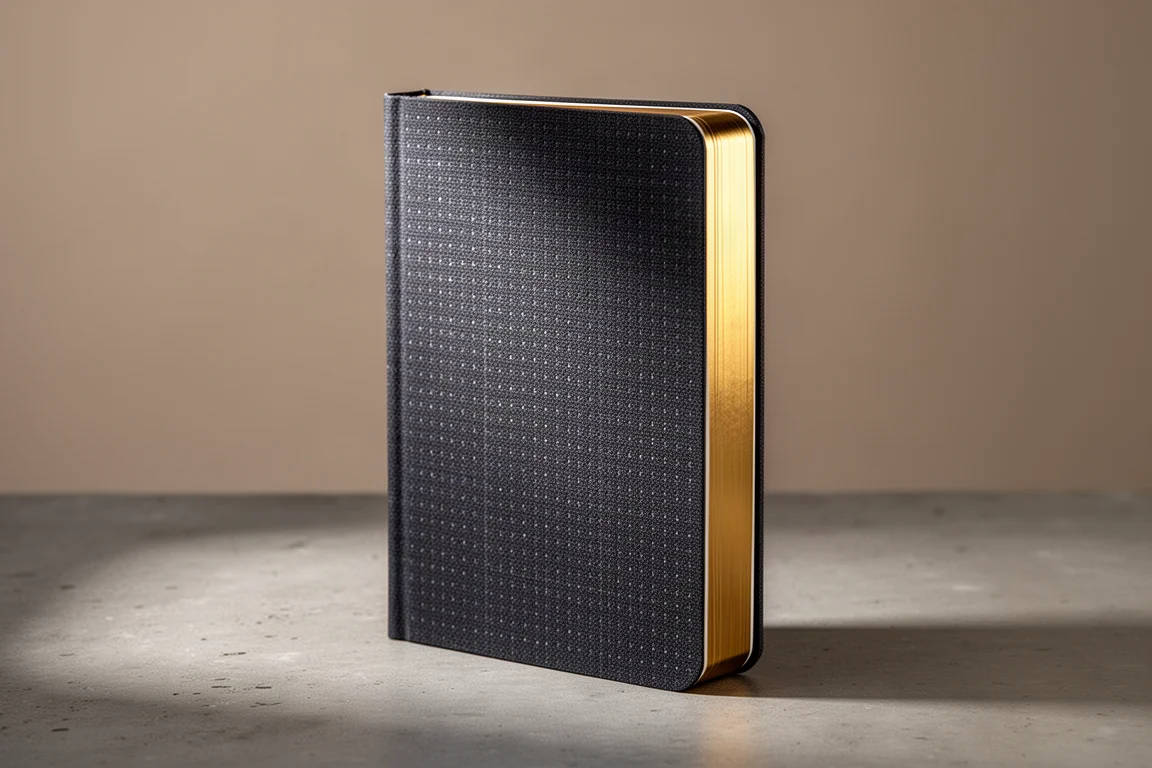
The dot grid journal tested here is a handsome product, with a textured, almost fabric-like dark cardstock cover and gilded edge printing that calls to mind the classic Tomoe River journals. It contains 184 sheets of 52 GSM paper with a 5mm dot grid, and other formats are available. The notebook costs around $24, roughly twice the price of the loose-leaf version but with nearly twice the paper.
Kokuyo Century 52 GSM Loose-Leaf Paper
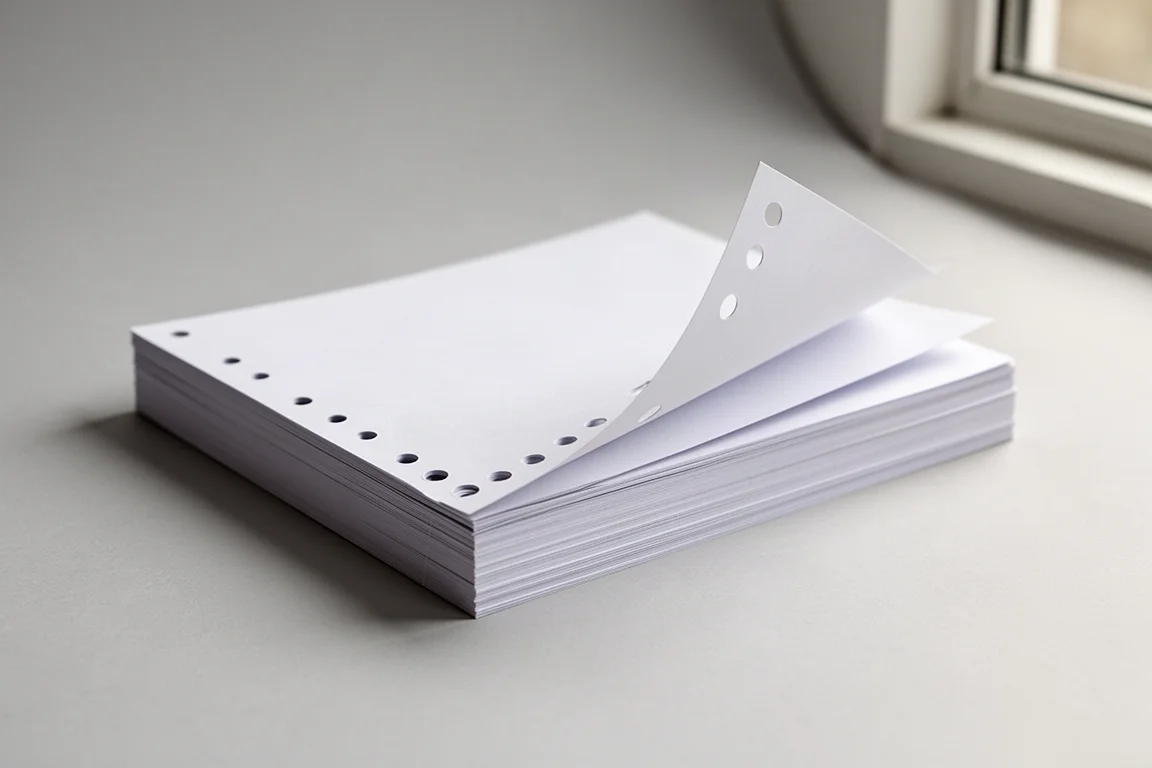
For writers who use ring binders or want to test the paper before committing to a full notebook, the Century line also comes as A5 loose-leaf paper, priced at about $11 for 100 sheets. It carries the same claims about thinness, show-through and erasability as the journal.
The loose-leaf sheet received the most extensive testing, taking on fountain pens, felt tips, rollerballs, gels, ballpoints, a pencil and erasable pens. The Uniball Signo, a wet gel pen known for bleeding through many papers, behaved itself. Rollerballs and a Zebra-style tip pen that has bled through plenty of other papers were completely fine here.
How the Two Papers Compare
Honestly, in terms of writing feel, the two are very close. Both are extremely smooth, Tomoe River-style papers, and it is difficult to tell them apart under a nib. Both are excellent with fountain pens, though pencil users may find them almost too slick, since pencil generally benefits from a bit of tooth and resistance.
Both papers show sheen and shading generously, and both handled every pen and ink combination thrown at them. Lines stayed tight, with no feathering even from wide wet nibs and problematic ink pairings.
There are two small differences worth noting. The Mark’s Edit paper gave a slight edge in show-through control: the same wet Pelikan M200 extra fine with Majestic Blue that left faint dots on the Kokuyo Century showed nothing through on the Mark’s Edit. On the other hand, the Kokuyo Century handled Baystate Blue a touch better, with no dots coming through at all, while the Mark’s Edit allowed the occasional faint dot. Neither paper bled through, so this comes down to fine margins.
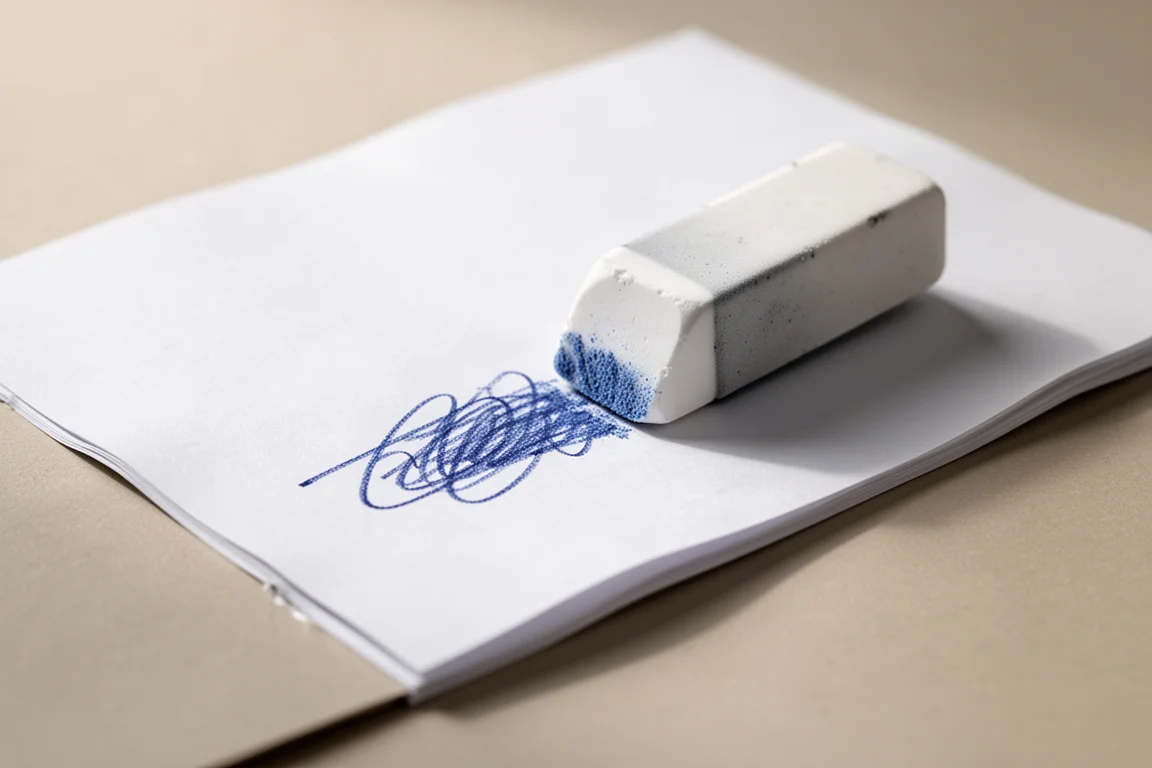
On erasability, both papers performed about the same. Erasable pen marks erased cleanly, though both left a slight buckling and a small indent after scrubbing, so the marketing claim about resisting waviness should be taken as a soft one.
Which One Should You Buy?
If you want the best built notebook for the money, the Mark’s Edit A5 at around $13.75 for 160 pages of beautiful lay-flat paper is exceptional value, provided you can find it in stock. If you prefer a premium journal aesthetic with a textured cover and gilded details, the Kokuyo Century notebook at about $24 is the more polished object, and the loose-leaf format at $11 makes Century easy to sample cheaply.
Either choice is an easy blind buy for fountain pen users, and both work well with gel pens, rollerballs and erasable pens too. As more affordable alternatives to long-established thin papers, both are genuinely worth checking out.
Conclusion
The Mark’s Edit notebook and the Kokuyo Century line both deliver the qualities people love about ultra-thin Japanese paper: smoothness, tight lines, strong sheen and shading, and impressive bleed resistance at low weight. The Mark’s Edit edges ahead slightly on show-through and value, while the Century offers more formats and a standout notebook design. Whichever fits your format preferences, neither is likely to disappoint.
Further reading
Related Reviews
Stationery
Musgrave Pencils Review: Four Classic Pencils from Tennessee's Last Pencil Factory
We put four Musgrave pencils to paper, from the classic Harvest to the Unigraph 1200 drawing pencil, to see what a century-old Tennessee workshop can still do.
Stationery
Fountain Pen Tiers Explained: From Starter Pens to Luxury Grails
A practical overview of the different levels of fountain pens and inks, from a sub-$20 starter setup to Italian piston fillers and retractable gold-nib everyday carries.
Stationery
HP Premium 32 lb Copy Paper Review: A Fountain Pen Friendly Everyday Printer Paper
A heavy, smooth 120 GSM copy paper that handles fountain pens far better than standard printer stock, with only minor trade-offs in shading and sheen.