Headphones
Thieaudio Wraith Review: Impressive Build, Warm and Recessed Sound
The Thieaudio Wraith pairs a genuinely premium, serviceable build with a warm, laid-back tuning. Here is what it does well and where it holds back.
Introduction
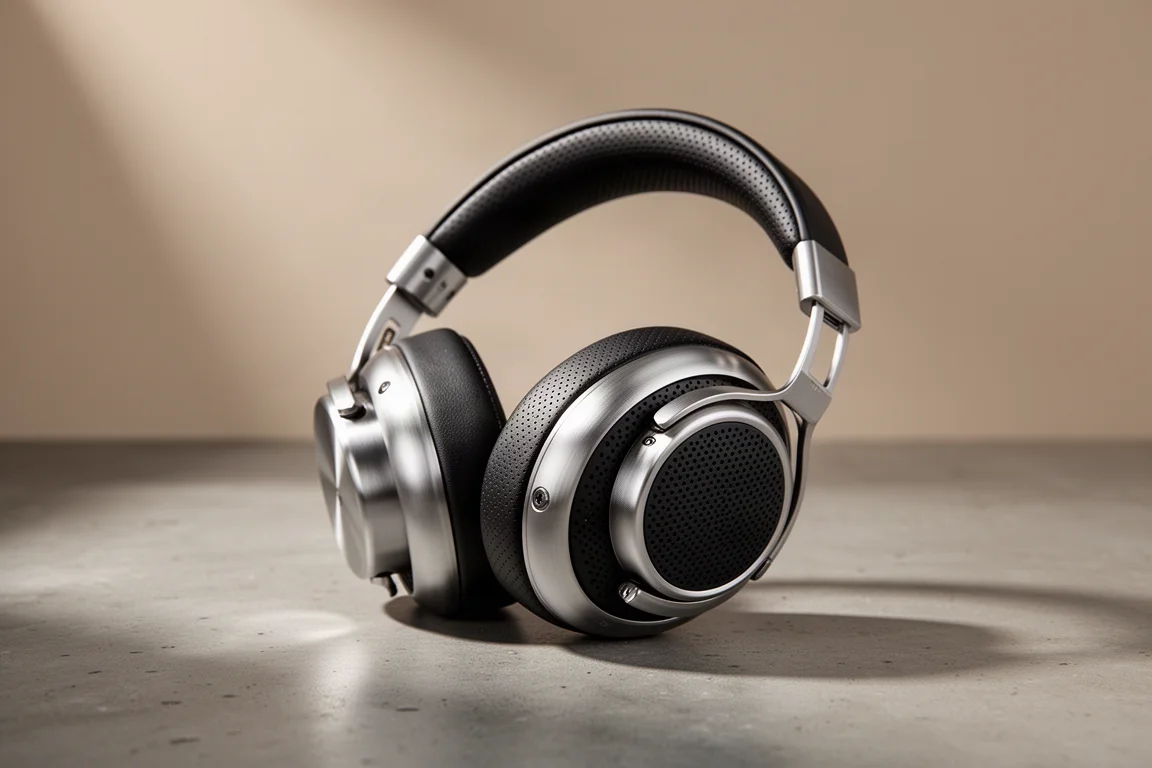
The Thieaudio Wraith is an open-back over-ear headphone priced at around $550, and the first thing anyone will notice is how seriously it is built. Metal ear cups, a metal headband frame with a suspension strap, and visible screws throughout suggest a product designed to be repaired rather than replaced. With a sensitivity rating of 101 dB, it is not a difficult load to drive, though it does scale with a more substantial amplifier rather than a simple dongle.
That construction sets an expectation that the sound will match it. The Wraith is more complicated than that, and this review covers both halves of the story.
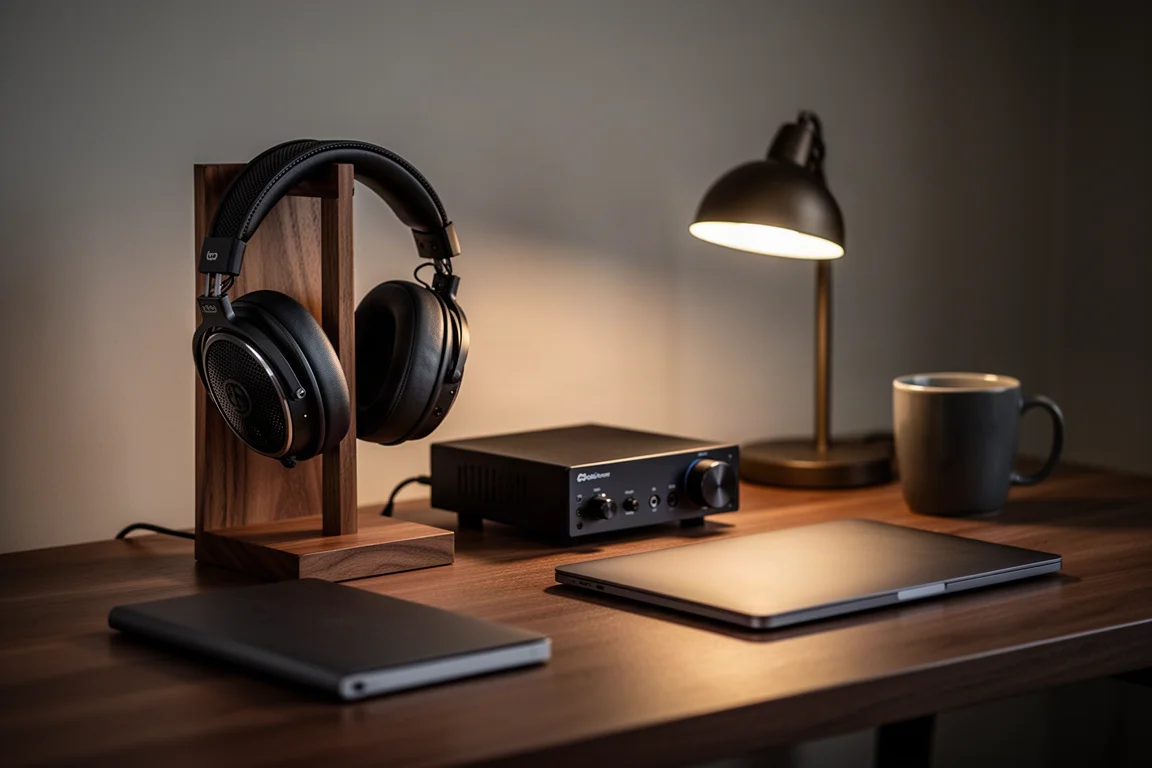
If you want the headline up front: the physical design is excellent, and the tuning is warm and recessed. Whether that is a problem depends entirely on what you listen for.
Who This Product Is For
The Wraith suits listeners who treat headphones as long-term equipment. It is among the best-built options in its price class, and the assembly suggests it can be serviced and kept running for years rather than replaced when something wears out.
It also suits listeners who prefer a relaxed, warm-leaning presentation and who enjoy fine-tuning a headphone with ear pad swaps, since three sets are included in the box.
It is a much harder sell for anyone who prioritizes clarity, openness, and a wide soundstage, or who wants to run a headphone straight from a laptop without a dedicated amplifier.
Build Quality and Design
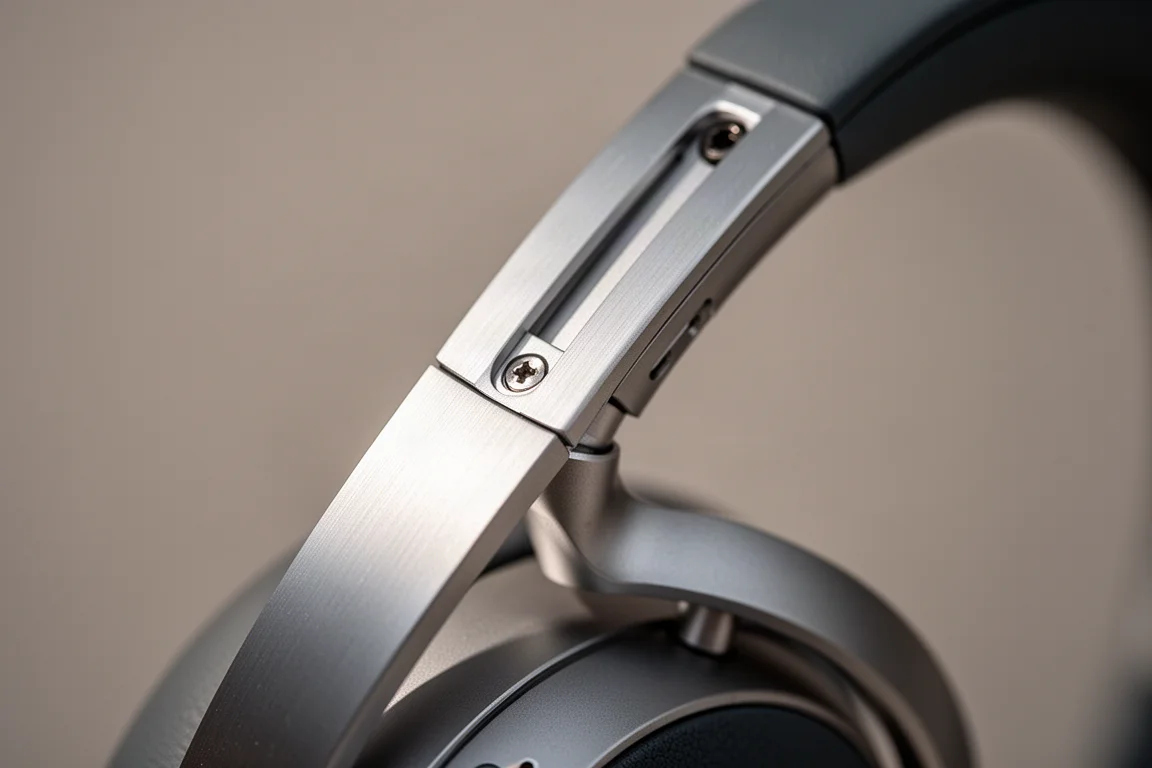
Build quality is the standout feature here. The ear cups are metal, the headband frame is metal, and the adjustment mechanism slides smoothly to set fit. A suspension strap sits above the head, and there are screws in places that suggest the headphone could be fully disassembled and rebuilt if needed.
The ear cup covers have a few sharp edges, and the strap material is unlikely to be genuine leather, but the overall impression is of a premium object rather than a plastic shell dressed up to look expensive. The ear cup termination is 2.5 mm, which matters if you plan to buy an aftermarket cable.
Three pairs of ear pads ship in the box, and all of them attach with velcro: a perforated faux leather set fitted as standard, a velour set, and a solid faux leather set with no perforation. Swapping them is quick in principle, but the velcro strip on the cup began to peel away the first time the pads were changed. It pressed back down without trouble, though anyone who swaps pads regularly should expect to refresh the adhesive eventually.
Sound Quality
The Wraith leans warm. Upper midrange and vocal content arrive slightly veiled, percussion and snare in particular sit back in the mix without much snap, and the top end is recessed and rolled off. Bass is neither thin nor prominent, and it is the most clearly defined part of the frequency range.
The three pad sets change things, but not dramatically. The velour pads add a little upper midrange clarity and bring cymbals forward slightly. The solid faux leather pads go the other way entirely, coating the whole range in what feels like a warm blanket, and they are difficult to recommend for focused listening.
There is also a resonance in the upper midrange that appears regardless of which pads are fitted, most obviously on sustained high vocal notes. On fuller male vocals the presentation can be genuinely enjoyable, but background detail suffers: hand claps in a mix lose their definition and seem to sit in another room. Acoustic guitar arrives with less reverb and air than it does on the HiFiMan Edition XS or the HiFiMan Sundara. Thirty hours of burn-in did not change any of this.
The soundstage is modest rather than expansive, which is unusual for an open-back design. The Wraith also does not open up the way a fully open headphone typically does, leaving a slight muffled quality and a touch of nasality in the upper vocal range.
Equalization helps, but the shape of the corrections is revealing. A small cut in the lower midrange around 500 Hz, followed by progressive boosts through 1 kHz, 2 kHz, 4 kHz, 8 kHz, and 16 kHz, is roughly what it takes to bring the mids and treble forward. A headphone that needs that much upper-range lift is a headphone with a recessed midrange and a rolled-off top end.
Comfort, Fit, and Ear Pads
Clamp force is on the tighter side, and the pads that sounded best were also the stiffest of the three. Over longer sessions that combination produced pressure points under the ear along the jaw and above the ear.
The headband frame can be bent outward to relieve clamp, though that is a modification rather than a factory adjustment, and it is worth doing only if the stock fit proves uncomfortable after a reasonable break-in period.
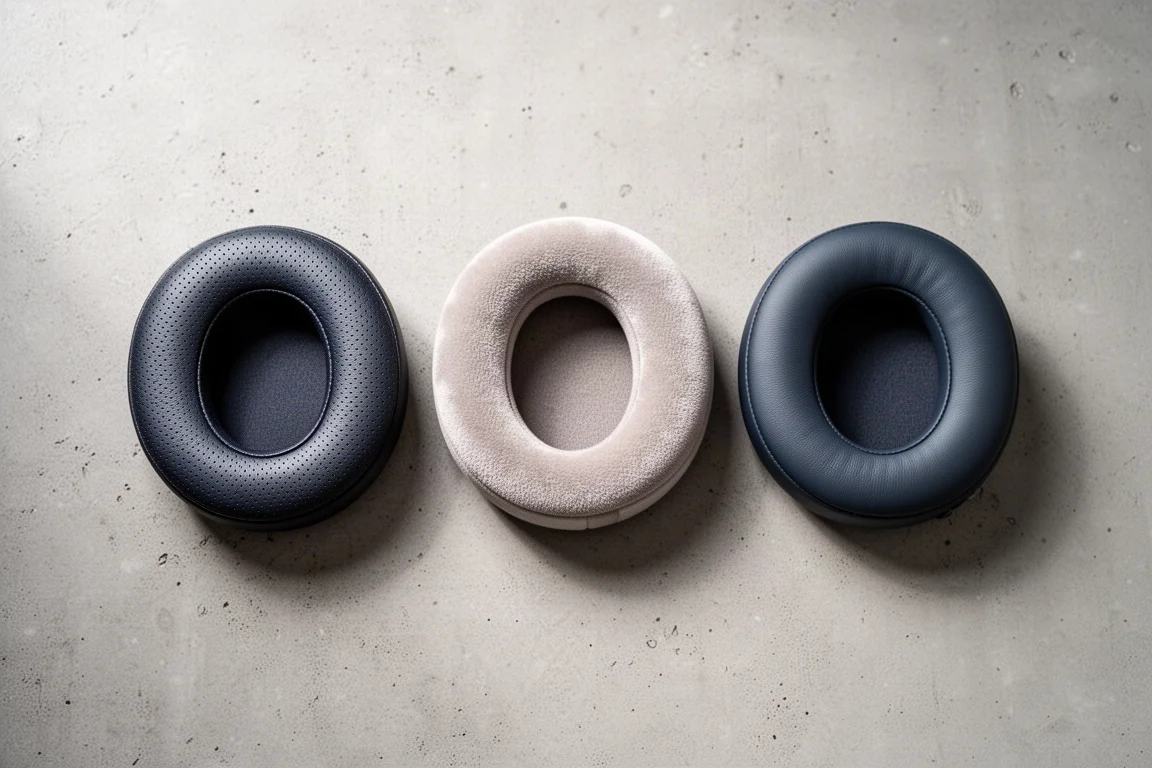
The velcro pad system is genuinely convenient when it behaves. It turns trying all three pad sets into a matter of seconds rather than a careful operation, which is unusual at this price.
Things to Consider Before Buying
The cable situation is the biggest practical obstacle. The Wraith ships with a balanced 4.4 mm Pentaconn cable and nothing else. Because the ear cup termination is 2.5 mm, anyone who wants to run the headphone single-ended, whether from a single-ended headphone amplifier, a vintage receiver, or a simpler desktop setup, will need to buy a separate cable with 2.5 mm connectors.
Beyond that, the tuning is the deciding factor. Listeners who want detail, openness, and a wide stage will likely find the Wraith too closed in and too soft in the upper ranges. Listeners who want a warm, easy presentation paired with strong build quality may find it comfortable.
Two other details are worth planning for. The velcro backing on the ear cups may need adhesive attention after repeated pad swaps, and while 101 dB sensitivity means the Wraith is not hard to drive, it benefits from an amplifier with more headroom than a basic dongle provides.
Buying Advice
The Wraith is easiest to justify if you already own a balanced amplifier or are willing to buy the right cable. Budget for that cable as part of your total cost, and budget for a capable amplifier if you do not already have one, because the headphone behaves better with more headroom behind it.
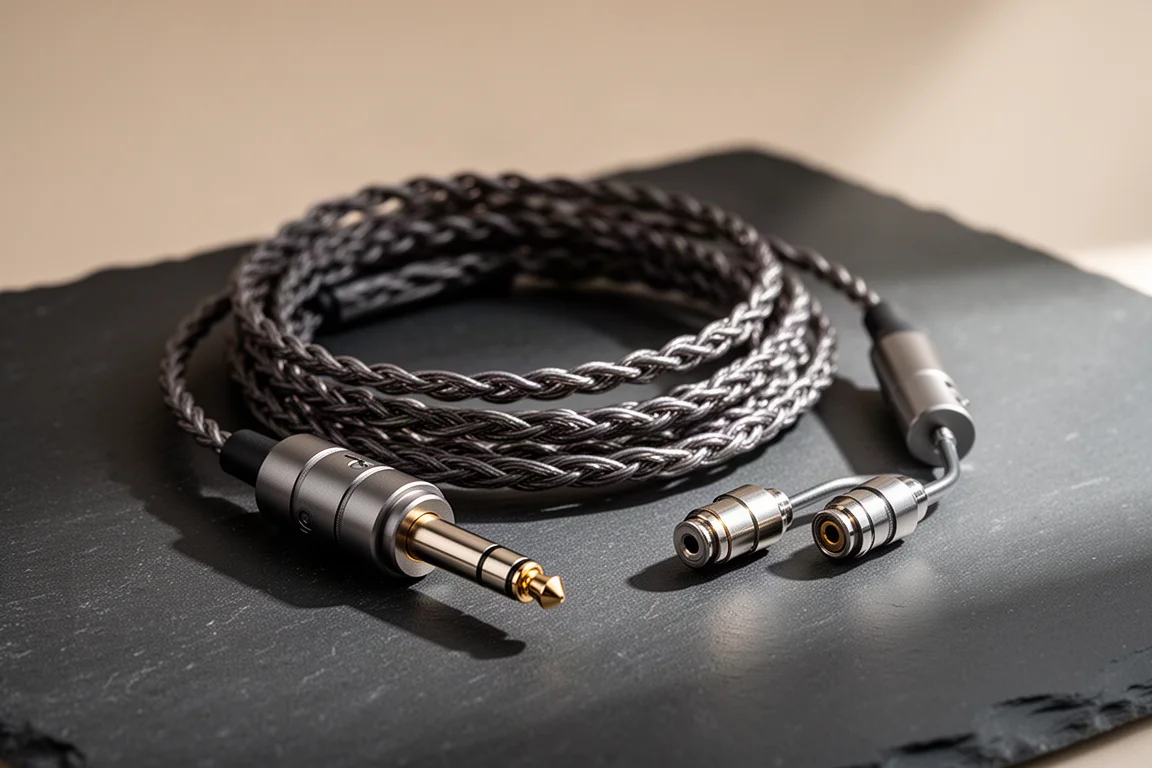
Approached that way, the Wraith is a well-made headphone for listeners who want warmth and are not chasing resolution. If clarity and openness matter above all else, look elsewhere in the same price range and treat the Wraith’s build quality as something you are consciously choosing to pass on.
Conclusion
The Thieaudio Wraith gets the physical design right in a way that few headphones near $550 manage. Metal construction, a serviceable layout, and three velcro-mounted pad options make it an impressive object to own. The tuning is the problem: a warm, recessed presentation with a soft top end, a veiled midrange, and an upper midrange resonance that equalization can only partly address. With a single-ended cable in the box and a more durable pad mounting system, this would be an easy recommendation for a specific kind of listener. As it stands, it is a beautifully built headphone that only makes sense for the right pair of ears.
Product link
View more details for Thieaudio Wraith
This product is mentioned in the review. Check the specifications, options, and compatibility before buying.
View more details for Thieaudio WraithFurther reading
Related Reviews
Headphones
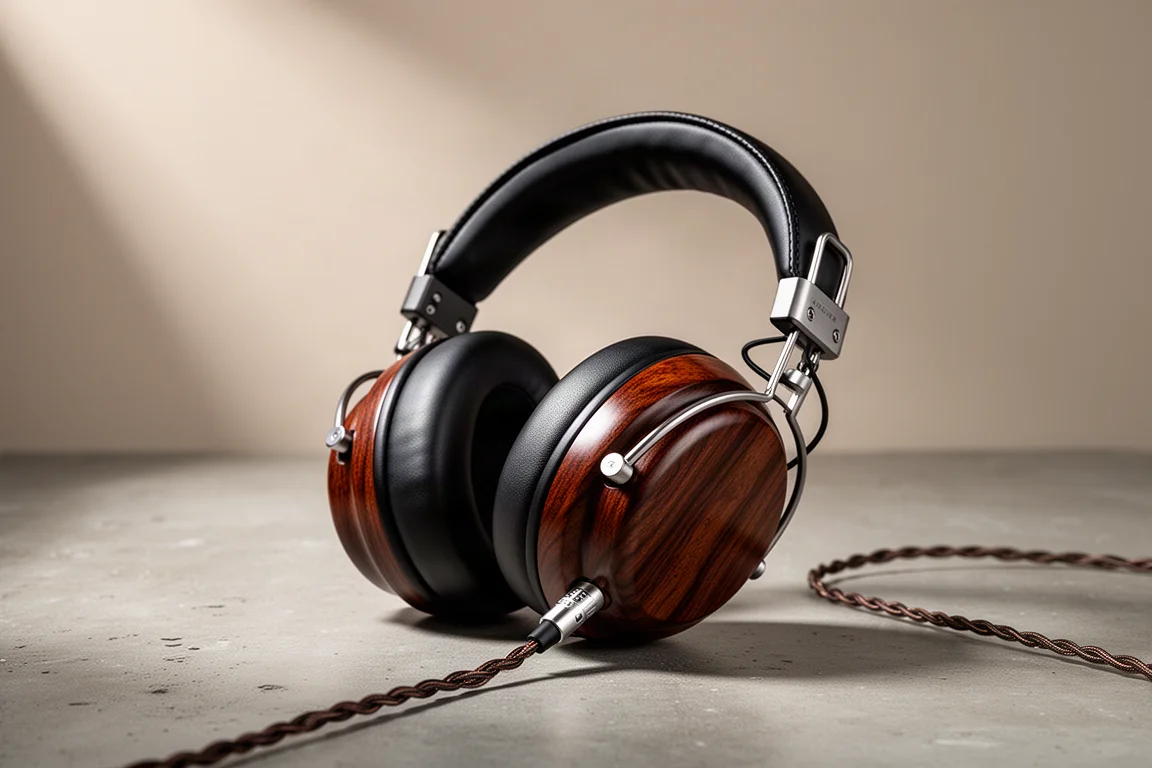
Apos Audio Caspian Review: Warm Bass, Solid Build, and a Detail Trade-Off
The Apos Audio Caspian is an easy-to-drive open-back headphone with standout bass and a warm, relaxed tuning, though mid-range and treble detail trail the competition.
Headphones
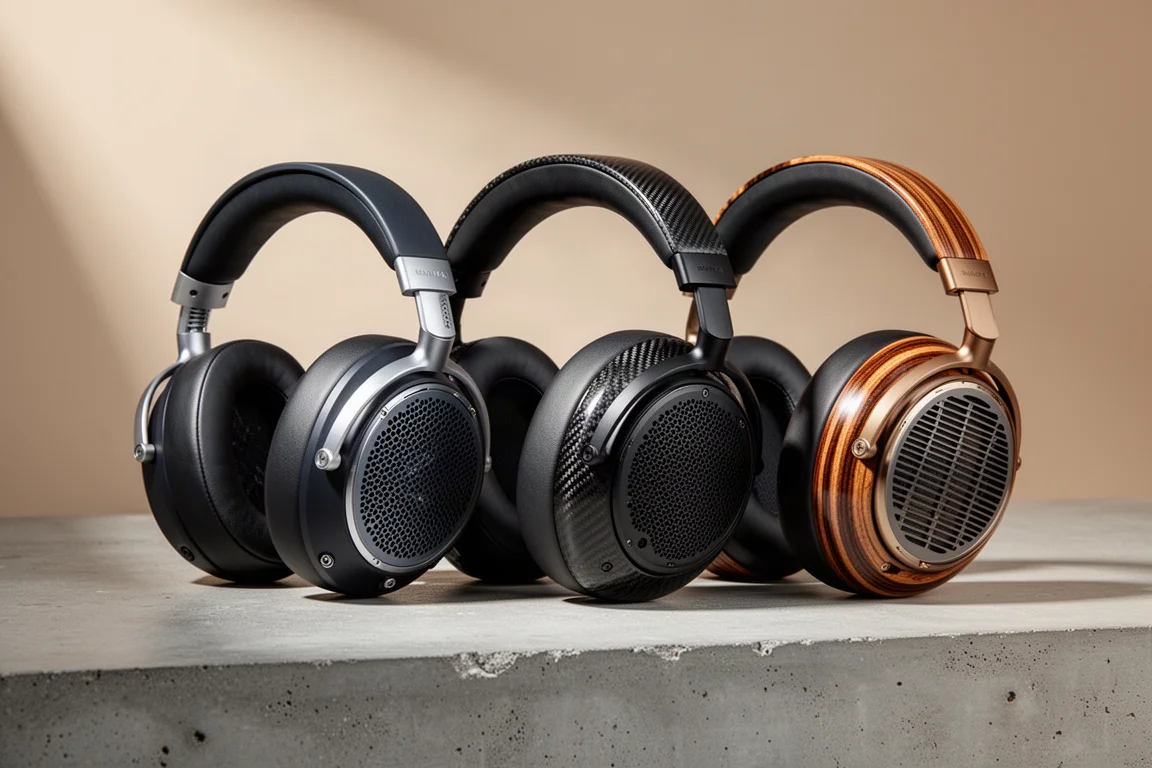
Audeze LCD-X vs LCD-XC vs LCD-3: Which High-End Headphone Fits Your Setup
A practical comparison of three Audeze planar magnetic headphones under $2,000, covering the open-back LCD-X, the closed-back LCD-XC, and the wood-ringed LCD-3.
Headphones
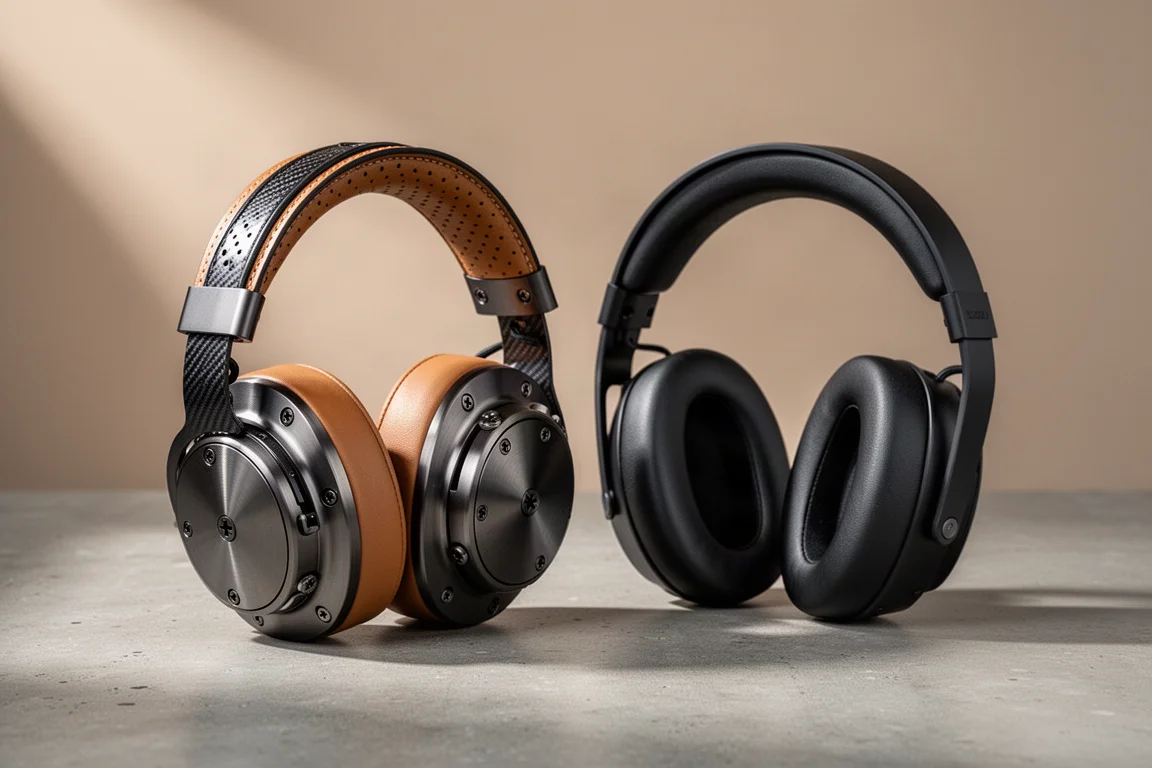
Audeze LCD-X vs HiFiMan Edition XS: Two Open-Back Headphones Compared
A practical comparison of the Audeze LCD-X and the HiFiMan Edition XS, covering build quality, comfort, sound signature, and which listener each one suits.