Headphones
ThieAudio Ghost Review: Wide Soundstage, Relaxed Tone, Veiled Midrange
A $130 over-ear headphone with an unusually wide soundstage and a relaxed, veiled midrange. Here is who it suits and what to weigh before buying.
Introduction
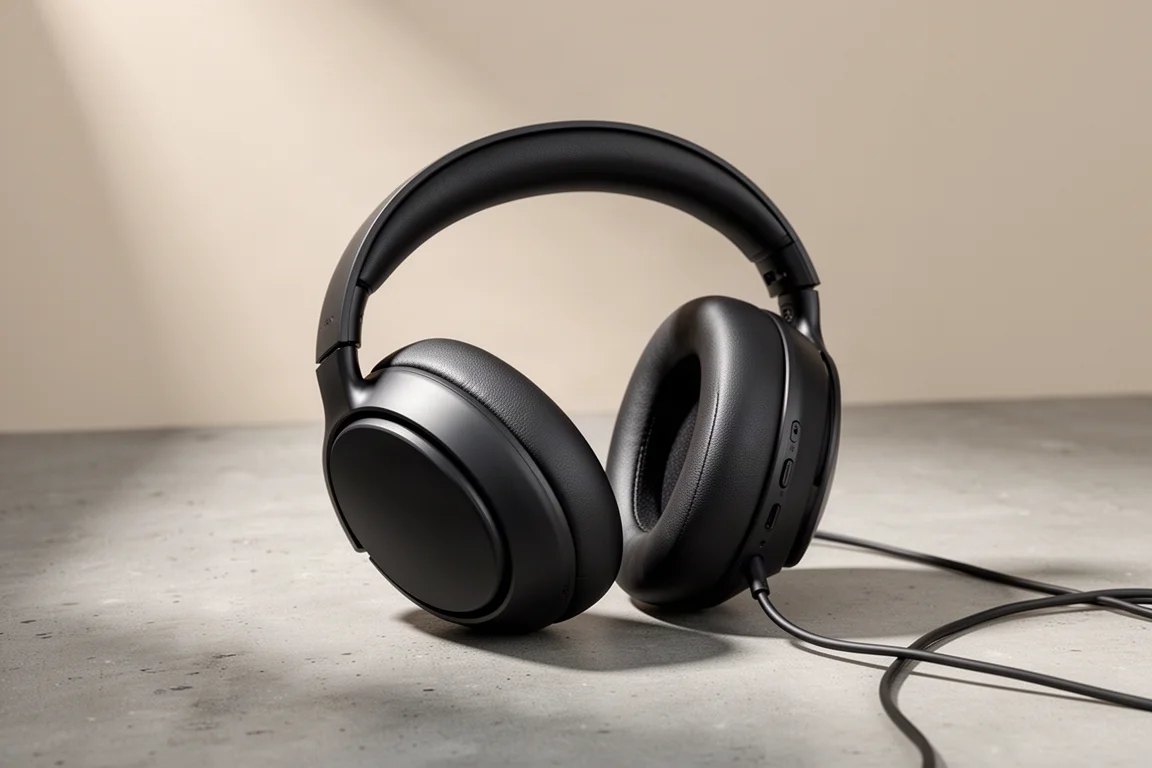
The ThieAudio Ghost is an over-ear headphone priced at $130, and it arrives wrapped in an all-plastic frame. That combination invites direct comparisons with long-running favourites that cost a little more, and those comparisons are where the Ghost’s story becomes interesting: it does a few things unusually well, and one important thing poorly.
The construction is plastic throughout, from the headband and yokes to the cups themselves. A leather-like material covers the ear pads, a hard case is included in the box, and the overall weight sits close to that of a Sennheiser HD 6XX, so it does not feel heavy in the hand.
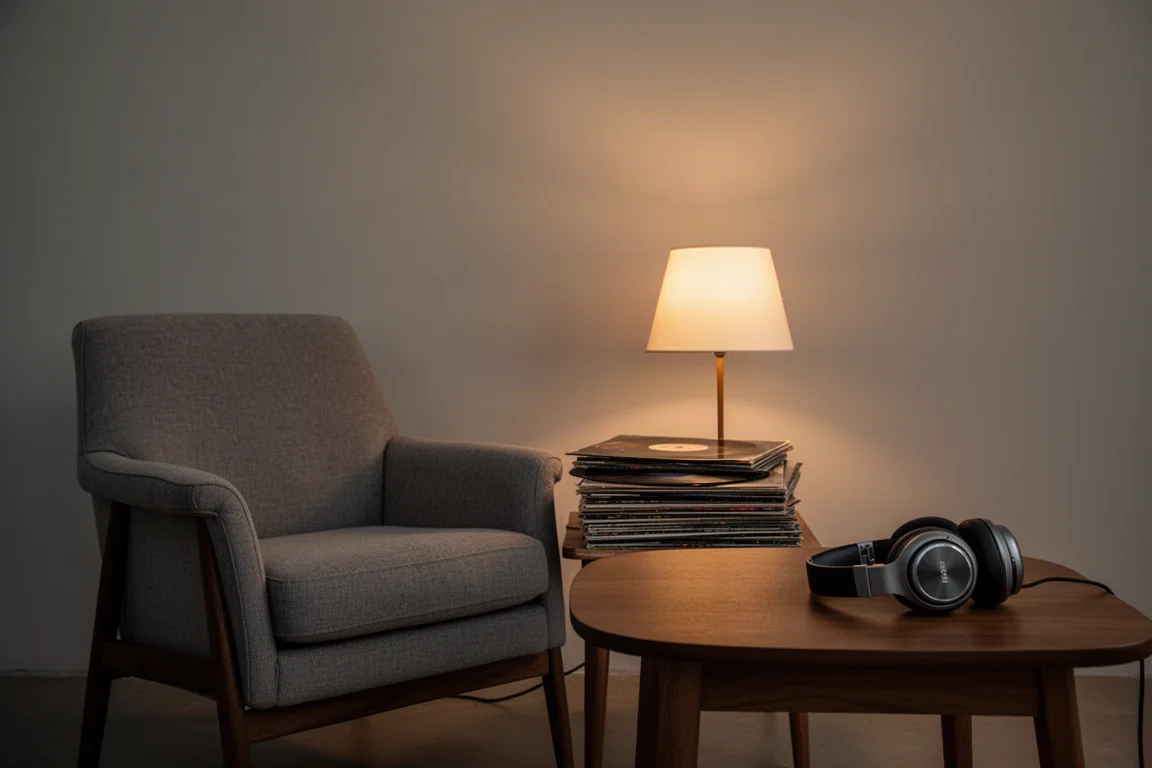
The impression in the hand is another matter. The plastic here feels hollow next to the denser plastic used on the Sennheiser, and without a price tag in view the frame reads as a budget headphone rather than a $130 one. That gap between price and perceived build quality runs through the rest of this assessment.
Who the ThieAudio Ghost Is For
This is a headphone for listeners who want their music set back rather than pushed forward. The tonal balance is rich and even, with no aggressive peaks in the upper midrange, which makes long listening sessions and late-night film watching easy on the ears.
It is a far harder recommendation for anyone who listens for midrange and vocal clarity. Voices sit behind the instruments, drum attacks lose their edge, and familiar recordings end up missing parts you expect to hear. Listeners who enjoy tinkering with ear pads will get more from it, because the pads are a common size and simple to replace.
Main Strengths: Soundstage and a Laid-Back Tone
The strongest argument for the Ghost is the way it places sounds in space. Instruments separate cleanly across a wide stage, and layered recordings arrive with distinct levels and depth. On acoustic material with guitars panned to one side, that separation is obvious and genuinely enjoyable.
Tonally, the headphone is pleasing and full rather than bright. Nothing in the upper midrange jumps out, so fatigue is rarely an issue over a long session, and the character stays consistent whether you are listening critically or simply letting an album play.
There are practical wins in the design as well. Each ear cup takes a 3.5mm connection at its base, which is a common standard and makes aftermarket cables easy to find. The supplied cable is thin, but it lies flat, and the ear pads use a widely available size, so replacements are inexpensive and simple to source.
Things to Consider Before Buying
Midrange clarity is the main compromise. Vocals are veiled, snare and hi-hat attacks are blunted, and cymbals sit well back in the mix. Busy rock recordings lose the off-beat cymbal work almost entirely on the initial attack, and when those details do surface they carry a faint sibilant hiss.
The practical consequence is that the Ghost hides detail rather than revealing it. Tracks you know well will sound softer and less articulate than you remember, and the difference is most obvious on dense, percussive material where separation between instruments matters.
Buyers should also weigh the frame against the price. The materials are serviceable and unlikely to fail in normal use, but they do not feel like a $130 product, and the included case does more to suggest a premium package than the headphone itself does.
Build, Ear Pads, and the Foam Layer
The ear pads deserve their own section. Each pad is a standard size, so swapping is easy, and it is worth doing. Underneath sits a thick foam disc, measured at over two millimetres thick, placed directly between the driver and your ear.
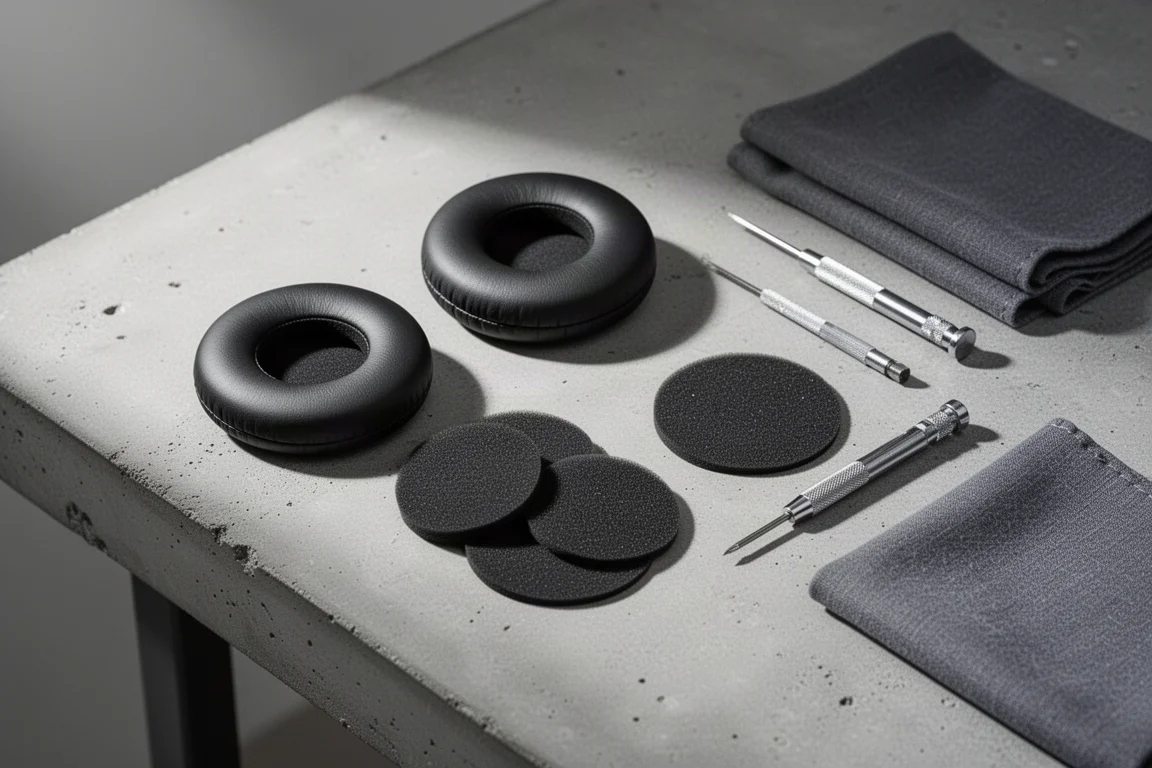
That layer of foam is the most plausible explanation for the soft, covered quality of the sound. Tuning a headphone by placing material over the driver is a legitimate technique, but the thickness here is unusual, and the result is a presentation that sounds as though it is being heard through a padded barrier.
This assessment covers the Ghost exactly as it ships. Cutting the foam out may well change the sound, and pad rolling is part of the hobby for many listeners, but a headphone should be judged in the state you would actually receive it.
How It Compares With the Drop Sennheiser HD 6XX and Philips SHP9500
The Drop Sennheiser HD 6XX sells for around $200, and occasionally dips below that during sales. It weighs roughly the same as the Ghost, but the plastic is denser and the overall build feels more solid. The Ghost does beat it in one respect: its 3.5mm connectors at each ear cup are far easier to live with than a fixed cable.
The Philips SHP9500 costs roughly half as much as the Ghost. Its soundstage is narrower, and it does not match the vocal richness of the Ghost, but it is better built overall and, for many listeners, the better headphone of the two.
Some of that difference comes down to scale. High-volume manufacturers reuse the same moulds year after year and buy drivers in bulk, which is part of why an established model can undercut a smaller brand on build quality at a lower price.
Buying Advice
At $130, the Ghost makes sense for a narrow but real audience. If you value a wide, spacious presentation and a soft, full tonal balance, and you are happy to swap the ear pads, it can be a satisfying headphone for relaxed listening.
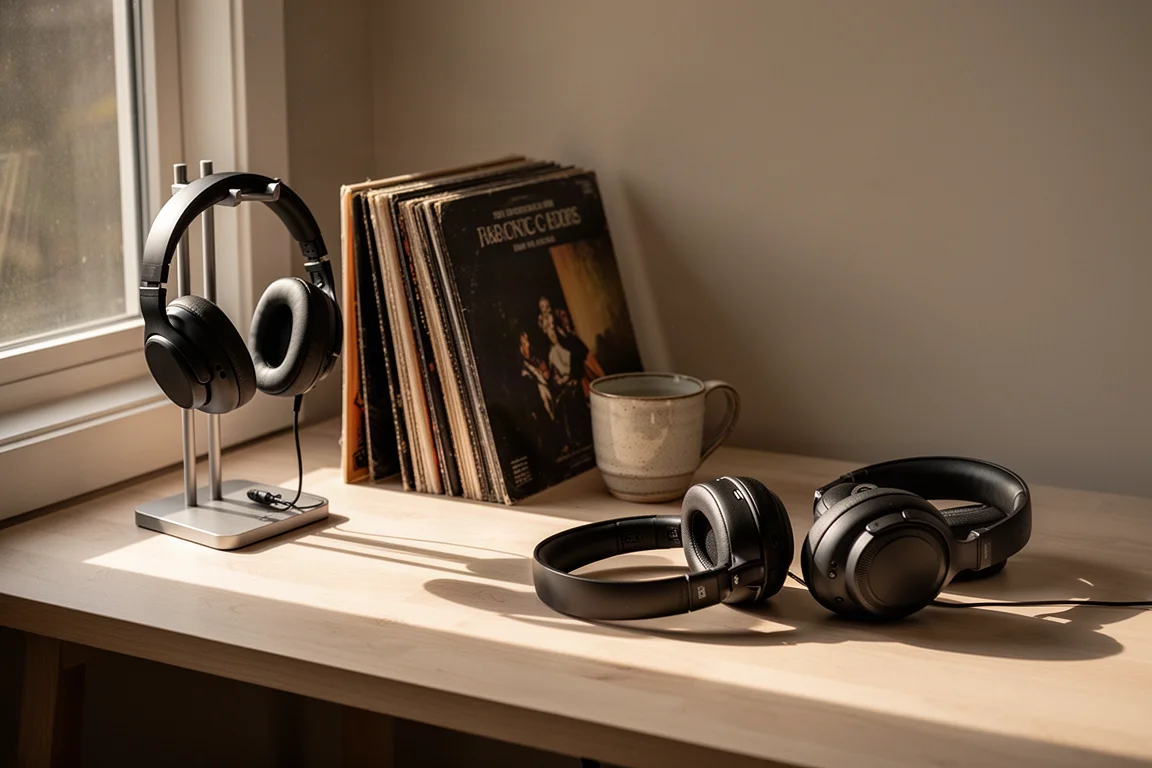
If midrange clarity and vocal presence are what you listen for, your money goes further elsewhere. The Philips SHP9500 costs about half as much and is better built, while a Sennheiser at roughly $200 offers a more solid frame with a sound that keeps voices forward. Treat the Ghost as a project headphone rather than a first purchase.
Conclusion
The ThieAudio Ghost is not a bad headphone, but it is a poorly balanced design for its price. Its soundstage and imaging are genuinely impressive, and the detachable 3.5mm connectors plus standard ear pads give it real flexibility. Against that, the midrange is veiled, the treble is relaxed to the point of hiding detail, and the plastic frame feels cheaper than the price suggests.
Buy it if you want a wide, laid-back listen and enjoy pad rolling. Skip it if clarity is the reason you are shopping, because the alternatives at and below this price are easier to recommend.
Product link
View more details for ThieAudio Ghost
This product is mentioned in the review. Check the specifications, options, and compatibility before buying.
View more details for ThieAudio GhostFurther reading
Related Reviews
Headphones
Apos Audio Caspian Review: Warm Bass, Solid Build, and a Detail Trade-Off
The Apos Audio Caspian is an easy-to-drive open-back headphone with standout bass and a warm, relaxed tuning, though mid-range and treble detail trail the competition.
Headphones
Audeze LCD-X vs LCD-XC vs LCD-3: Which High-End Headphone Fits Your Setup
A practical comparison of three Audeze planar magnetic headphones under $2,000, covering the open-back LCD-X, the closed-back LCD-XC, and the wood-ringed LCD-3.
Headphones
Audeze LCD-X vs HiFiMan Edition XS: Two Open-Back Headphones Compared
A practical comparison of the Audeze LCD-X and the HiFiMan Edition XS, covering build quality, comfort, sound signature, and which listener each one suits.