Thermal Optics
Thermal Master Flip Thermal Review: A Pocket-Sized Thermal for Nighttime Wildlife Watching
A flip-screen thermal imager aimed at birders and wildlife watchers, with useful modes, easy focus, and some real field limitations to weigh before buying.
Introduction
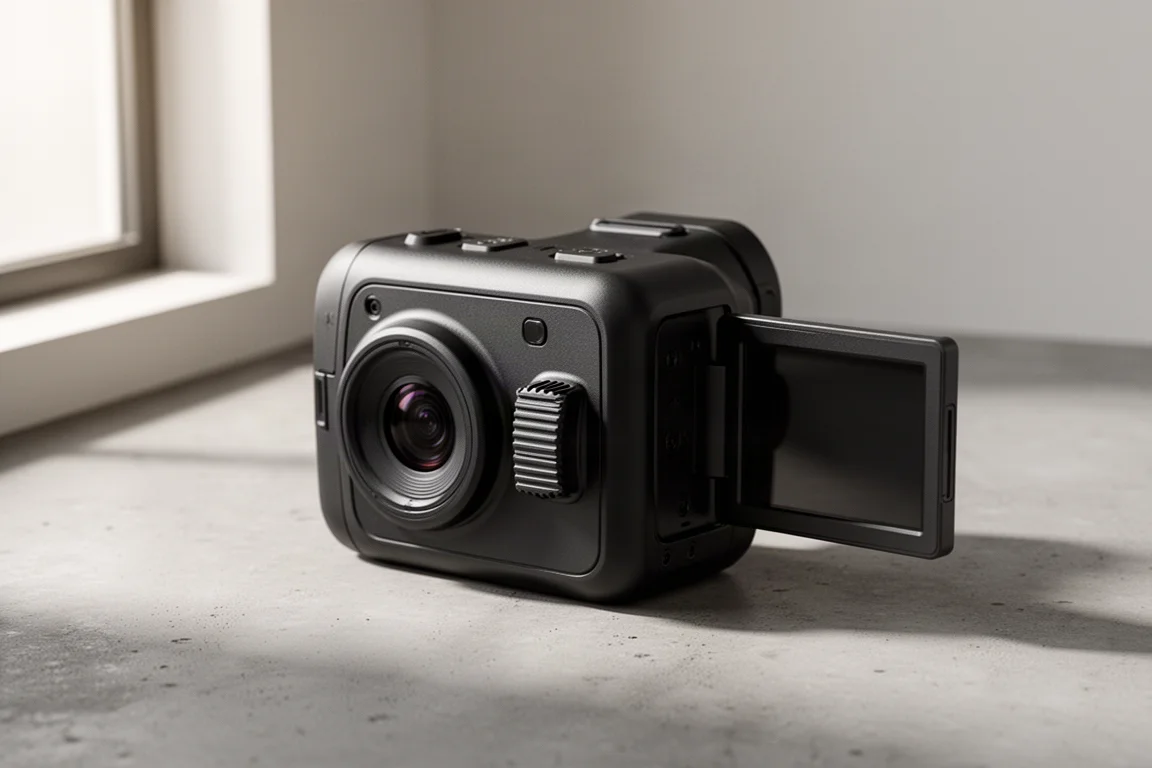
The Thermal Master Flip thermal takes an unusual approach to thermal imaging. Instead of asking you to press your eye against a monocular-style eyepiece, it uses a flip-out external screen, so you simply point the device around and watch the display. The body folds up into a camcorder-like shape small enough to slip into a jacket pocket, which makes it an easy companion for nighttime walks looking for owls, bats, and other creatures.
We took it out into the field to see how well it detects birds and mammals in the dark, and the results paint a clear picture of who this device will suit.
Who This Product Is For
This thermal is aimed squarely at birders and wildlife watchers who want a non-invasive way to spot animals at night. It picked up an American robin in fading light, flying birds including what appeared to be nighthawks, a bat, a common raven, a lizard near a pool, mourning doves drinking at the water, and, notably, a greater roadrunner, which was the standout capture of the testing period.
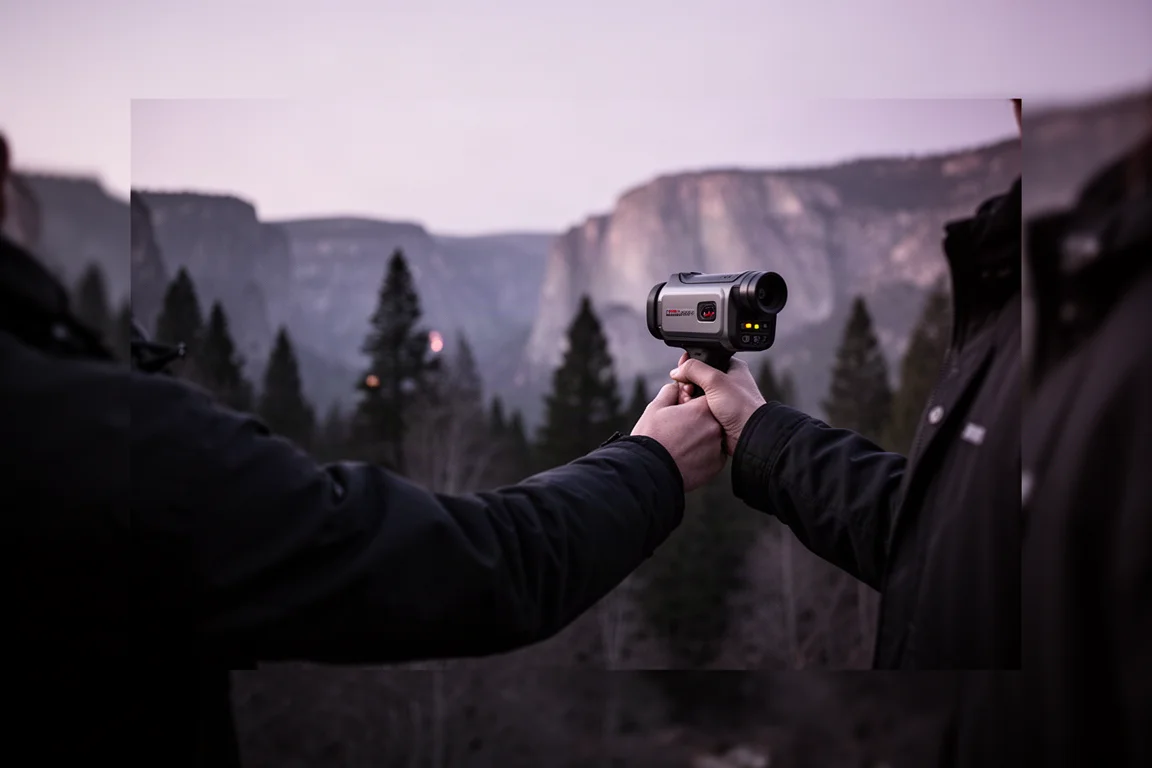
For mammals and larger animals, the device performs especially well, with impressive definition on bigger creatures. Birds are a tougher ask, and that distinction matters when deciding whether to buy.
Main Strengths
The flip-screen design is the headline feature. Because there is no eyepiece, you never get the bright-screen blindness that comes from looking through traditional thermal monoculars, where your eyes take a long time to readjust to the dark afterward. You can watch a still subject, like an owl roosting in a tree, with your regular eyes and the thermal screen at the same time.
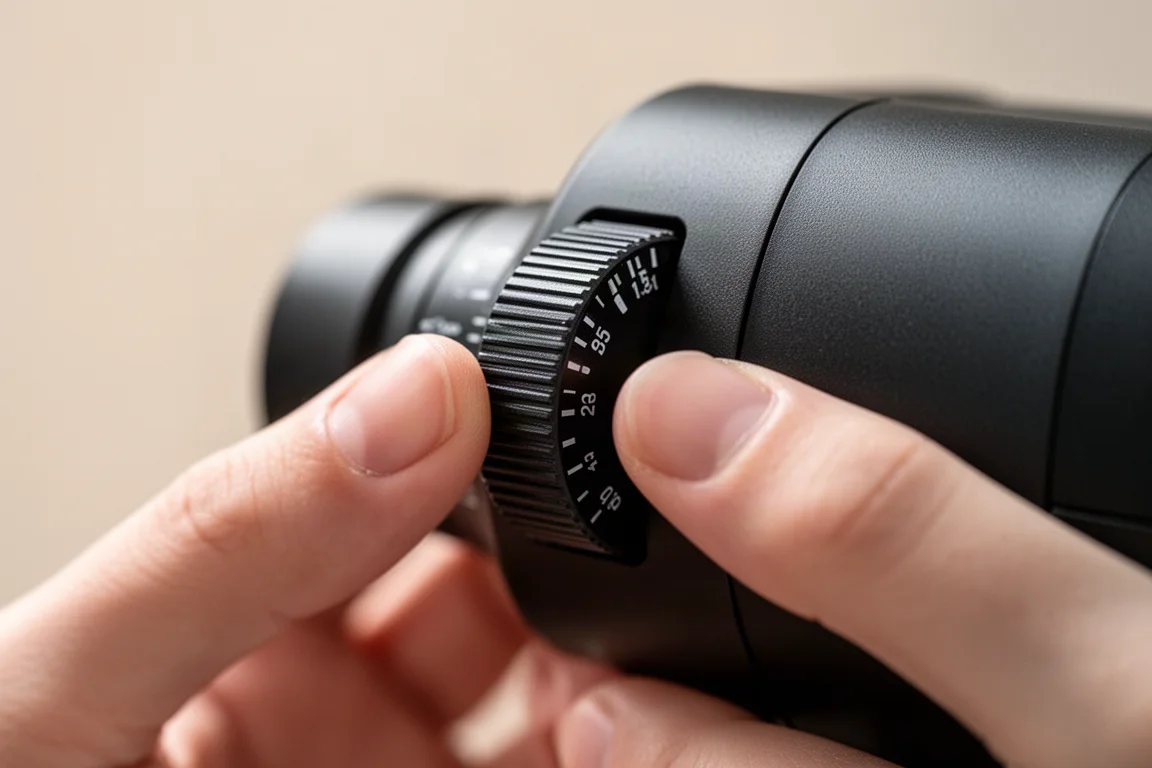
The manual focus dial is another genuine highlight. It is an easy, satisfying twist that brings subjects in and out of focus quickly, which is far nicer than fighting a small button.
The mode selection is generous. You get white hot, black hot, red hot, a purple and gold palette, and a night vision mode, all switchable with the click of a button. There are also scene presets: bird mode pulls out extra contrast, forest mode suits denser surroundings, and plane mode covers general use. On top of that, the device records video and photos, connects over Wi-Fi for its companion app and over Bluetooth, includes a hotspot focus mode, and offers an image calibration system to tune the picture to your liking.
A built-in laser pointer rounds out the feature set, and the hand strap can be swapped for a shoulder strap. The hand strap proved genuinely useful, since the folded device fits in a pocket while walking.
Things to Consider Before Buying
There are real trade-offs here. The night vision mode barely works and is extremely dark, essentially unusable in practice. The lens cap is flimsy and falls off constantly, nearly getting lost repeatedly in the field.
The touchscreen is the bigger frustration. Nearly everything except the two rear buttons (which change modes and activate the laser pointer) runs through the touchscreen menu, so starting a video or photo recording means navigating menus mid-use rather than hitting a dedicated button.
Aiming is also harder than with an eyepiece thermal. With a monocular or binocular thermal you know exactly where you are pointed. Here, tilting the device up tilts the screen down, and it becomes genuinely difficult to figure out what you are pointing at in the field. It works best on very still subjects, like a roosting owl you can watch with the naked eye while monitoring the screen.
Image definition is the final consideration. On birds, the device clearly shows that something is there, but not enough detail to identify what it is. Distant subjects get progressively blobbier, and even flying bats and ravens are more shapes than identifiable animals. You would likely still need a secondary tool like a flashlight to confirm an identification, which somewhat undercuts the appeal of a non-invasive thermal.

Buying Advice
At this price point, the Thermal Master Flip does what it is supposed to do and does it well: it picks heat signatures out of a scene and points you toward something worth investigating. That is the honest job of a budget thermal.
If your main interest is mammals and larger creatures, this device is an excellent fit and the definition will impress you. If your priority is identifying birds at night, be aware that it will get you to the subject but not give you a confident ID, and achieving the definition needed for serious birding means moving into the thousands-of-dollars range.
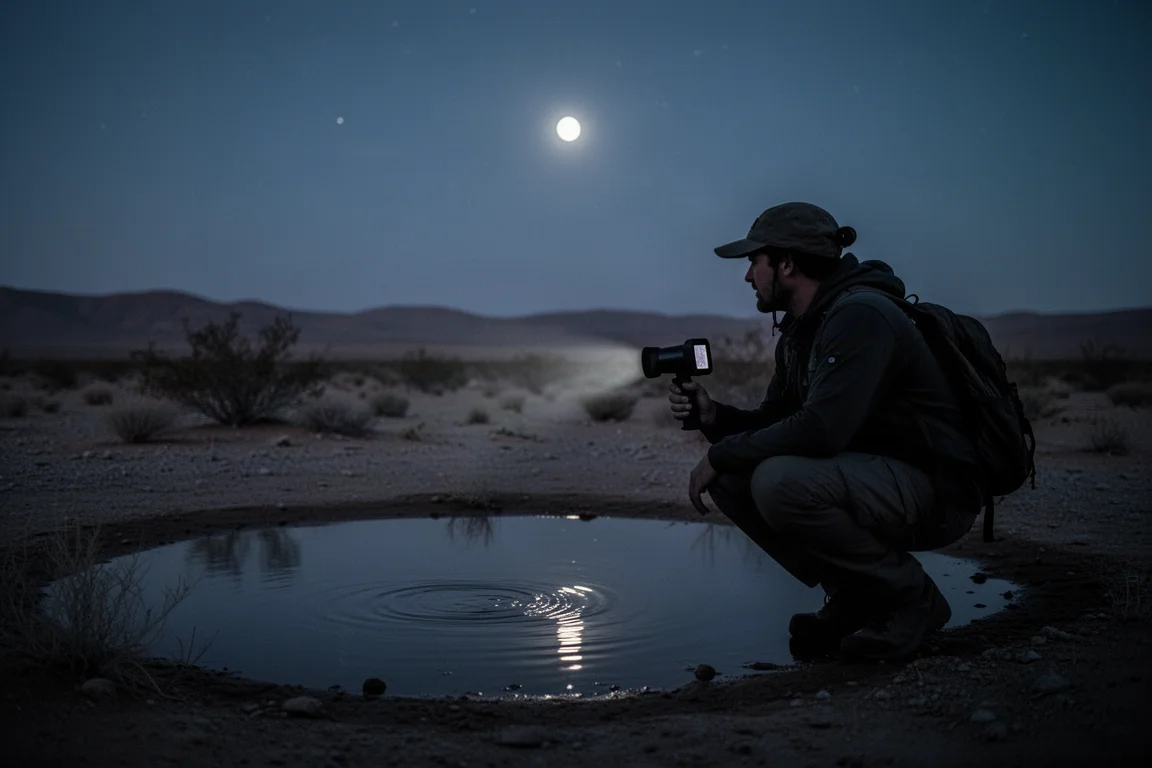
Consider how you will use it. If you want a pocketable, screen-first thermal for spotting still subjects and scanning for mammals, the flip design has genuine advantages. If you need precise aiming and detailed bird identification, a traditional eyepiece thermal may serve you better.
Conclusion
The Thermal Master Flip thermal is a capable budget device with a smart flip-screen layout, a great focus dial, and a rich set of modes and connectivity. Its weaknesses, including flimsy cap, touchscreen-heavy controls, tricky aiming, and soft bird-level definition, are real, but they are also largely what you forgive at this price. For mammal watching and still-subject spotting, it earns its place in the jacket pocket.
Product link
View more details for Thermal Master Flip Thermal
This product is mentioned in the review. Check the specifications, options, and compatibility before buying.
View more details for Thermal Master Flip ThermalFurther reading
Related Reviews

Electric Skateboards
Acedeck Ares X1 Review: A Powerful First Board From a New Name
The Acedeck Ares X1 brings a 14s battery, CNC aluminum trucks, and strong performance to the electric skateboard market. Here is a closer look at what it offers.

Air Purifiers
AirDoctor 3000 Review: A Simple Air Purifier With Impressive Performance
The AirDoctor 3000 delivers strong purification results in a medium-sized room, with a straightforward design that prioritizes ease of use over smart features.

Electric Rideables
Airtrick A1 Pro Electric Roller Skates Review: A Fun Ride With a Learning Curve
The Airtrick A1 Pro electric roller skates offer a portable, motorized ride, but their fixed trucks and learning curve mean they are not for everyone.