Thermal Optics
Teslong TTS 260 Thermal Monocular Review: Affordable Heat Detection for Birders and Backyard Explorers
A $600 thermal monocular that spots rabbits, killdeer, woodcocks, and deer in the dark, with a few trade-offs worth knowing before you buy.
Introduction
Thermal optics have long felt out of reach for most people. High-end monoculars from premium brands can cost around $4,000, which puts serious heat detection well beyond a casual budget. The Teslong TTS 260 aims at a very different price point: roughly $600 as of this writing, a big gap that immediately raises the question of how much performance you actually give up.
We spent several days and nights with the TTS 260, using it in the backyard, in open fields, and at dusk to locate birds and other wildlife. The short version: it does what it claims, it is genuinely fun to use, and it has some clear limitations that a higher price would erase.
Unboxing and First Impressions
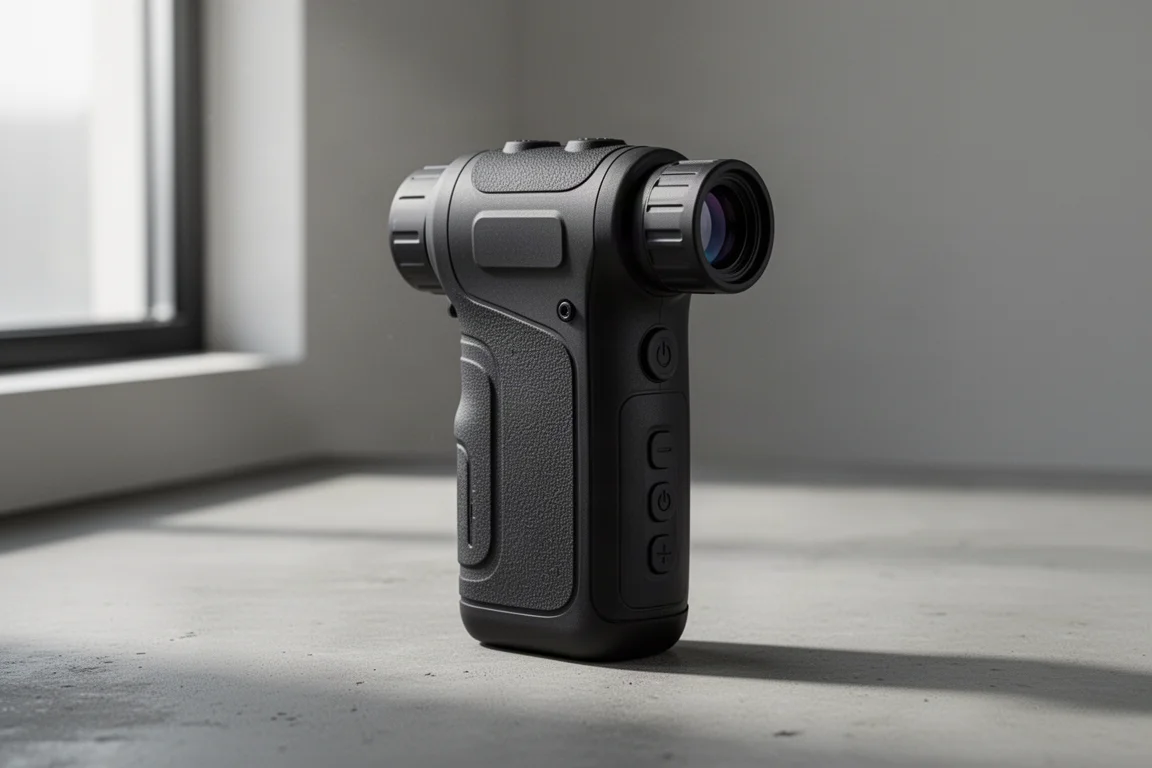
The TTS 260 arrives in sleek packaging with a quality zippered carrying case that includes a carabiner. Inside the box you get two cords (one is USB, and there is also a mini HDMI port on the device), a printed guide, a safety warning card, and a 16GB Micro SD card already installed, which is a nice touch.
The unit itself is a little chunkier than expected, with a matte black body, a focus knob on the left, a tripod attachment point, and a Class 3 laser designation warning on the housing (“do not stare into beam, do not aim at aircraft”). The included safety information is standard fare: avoid wet conditions while charging, do not alter the device, and never point it at people’s eyes.
Controls and Everyday Handling
The button layout covers the essentials: a power button that also activates a green laser pointer, a magnifying-glass button for zoom, a color palette button that cycles display modes, a picture button, and the focus control below. The grayscale-with-red-heat display is the setting that gets the most use, with several other color modes available.
One consistent annoyance: the buttons are genuinely hard to press. You really have to push them down to register, and when you press the shutter button to snap a picture, the force is enough to move the whole unit. At this price, smoother buttons would be an easy win.
It is also worth setting expectations on media: the TTS 260 captures still photos only, not video. Some photos also include the focus crosshairs, which can end up covering the very heat spot you were trying to document. It may be possible to turn that off, but out of the box it is a mild frustration.
What It Does Well
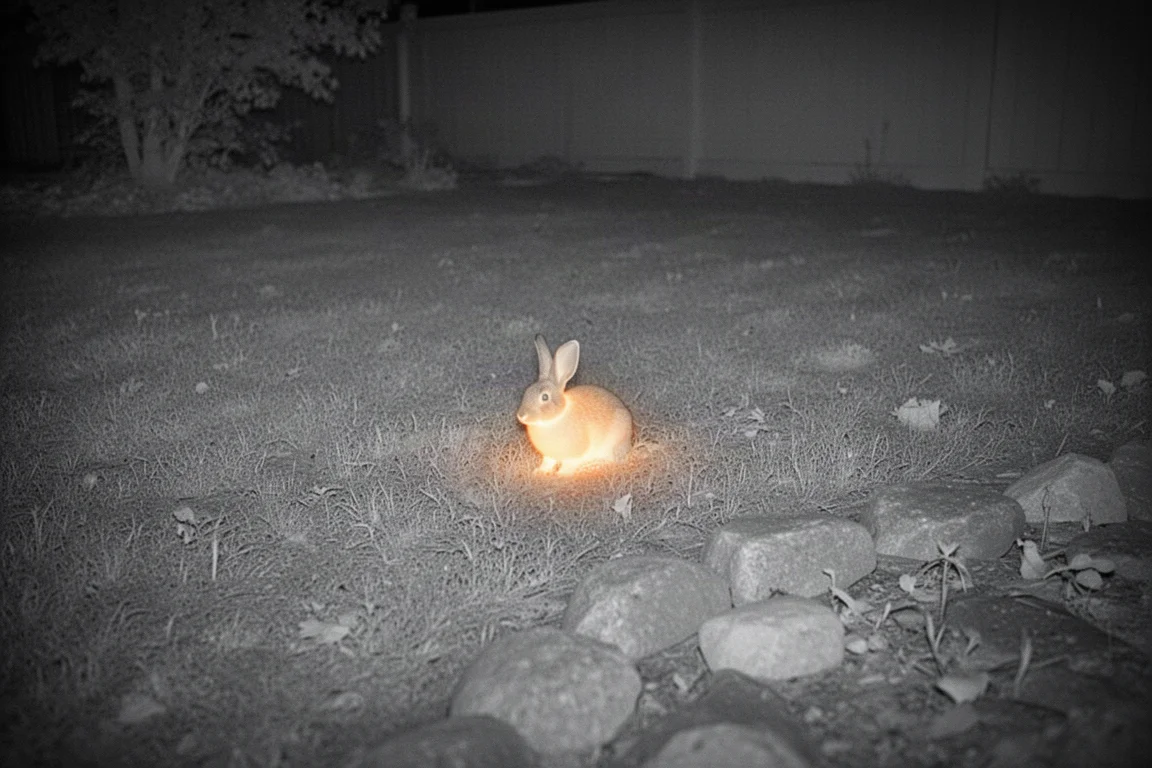
Where the TTS 260 shines is spotting larger, closer heat sources. On the first night, a rabbit in the backyard showed up clearly as a bright heat signature, and garden stones visibly held onto their warmth after sunset. Mammals, in general, register far better than small distant birds.
In daylight, the story gets more interesting for birders. Used as a finder rather than a viewing tool, it located two mourning doves sitting on rocks that were otherwise invisible to the naked eye. Once found, the camera could take over for proper photos.

That reveal-and-switch workflow is really the best way to use this device: spot the heat with the monocular, then get your media with better gear.
Field Testing on Birds
The real test came in open country with killdeer and woodcocks. The killdeer were camouflaged and effectively unfindable by eye, but through the monocular they appeared as a bright red spot, letting us locate a sitting bird we would never have spotted otherwise. The definition is blobby, with little background detail, but the heat signature is unmistakable.
At longer ranges, small birds underperform. Grackles perched in a tree at a moderate distance barely registered as heat, reading more as vague shapes than distinct hot spots. Perched birds high in trees were similarly difficult. The device feels better suited to mammals and fairly close birds.
As light faded, the woodcocks delivered. One was found in flight and another making its flight call, both clearly evident as heat sources, and deer in the distance also registered well. The image can look a little blurry at times, and long-range detection is noticeably weaker, but it is workable when conditions are right.

How It Compares to Premium Thermal Optics
Having also used thermal monoculars in the nearly $4,000 range, the difference in clarity is dramatic. Premium units pick up small, distant heat spots with far better definition. That is not a knock on the TTS 260 so much as a description of the market: at lower prices, thermal performance simply is not as clear.
Judged on its own, though, the TTS 260 impresses. The manual lists support for observation, hotspot tracking, laser indication, and image capture, with a high-sensitivity built-in thermal detector that provides a clear view even in total darkness. Typical uses include hunting, patrolling, law enforcement, search and rescue, and hiking. Birding is clearly not the first design priority, but the fundamentals of finding heat transfer over well.
Buying Advice
If you want to experiment with thermal imaging for your backyard and neighborhood without a four-figure investment, the TTS 260 is a genuinely cool option. It spots hot spots reliably when conditions and targets are favorable, it is fun to use, and it opens up a style of wildlife watching that is simply impossible with regular optics.
Buy it if you want an affordable entry into thermal for finding mammals and nearby birds. Look elsewhere if you need crisp long-range bird detection or video capture, because that is premium-territory performance.
Conclusion
The Teslong TTS 260 does what it says it does: it detects heat, helps you find hidden wildlife, and captures stills, all for around $600. The hard buttons, lack of video, crosshair overlay, and limited long-range clarity are real trade-offs, but none of them change the core appeal. For anyone curious about thermal imaging at an accessible price, this is a rewarding first step.
Product link
View more details for Teslong TTS 260 Thermal Monocular
This product is mentioned in the review. Check the specifications, options, and compatibility before buying.
View more details for Teslong TTS 260 Thermal MonocularFurther reading
Related Reviews
Thermal Optics
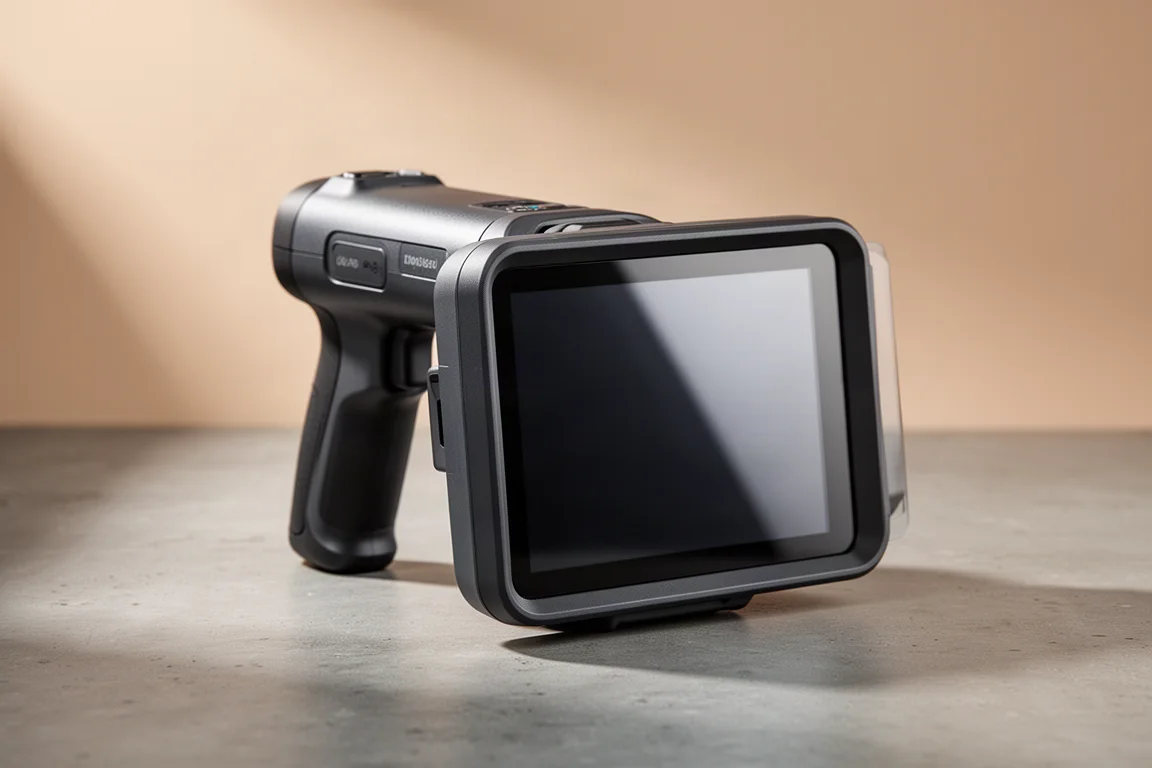
Thermal Master Flip Thermal Review: A Pocket-Sized Thermal for Nighttime Wildlife Watching
A flip-screen thermal imager aimed at birders and wildlife watchers, with useful modes, easy focus, and some real field limitations to weigh before buying.
Thermal Optics
Thermal Master DV2 Review: A Budget-Friendly Thermal Camera for Wildlife Watching
Hands-on impressions of the Thermal Master DV2, a bird watching thermal camera with a huge touchscreen, photo and video capture, and real strengths and limits for finding wildlife at night.
Thermal Imaging
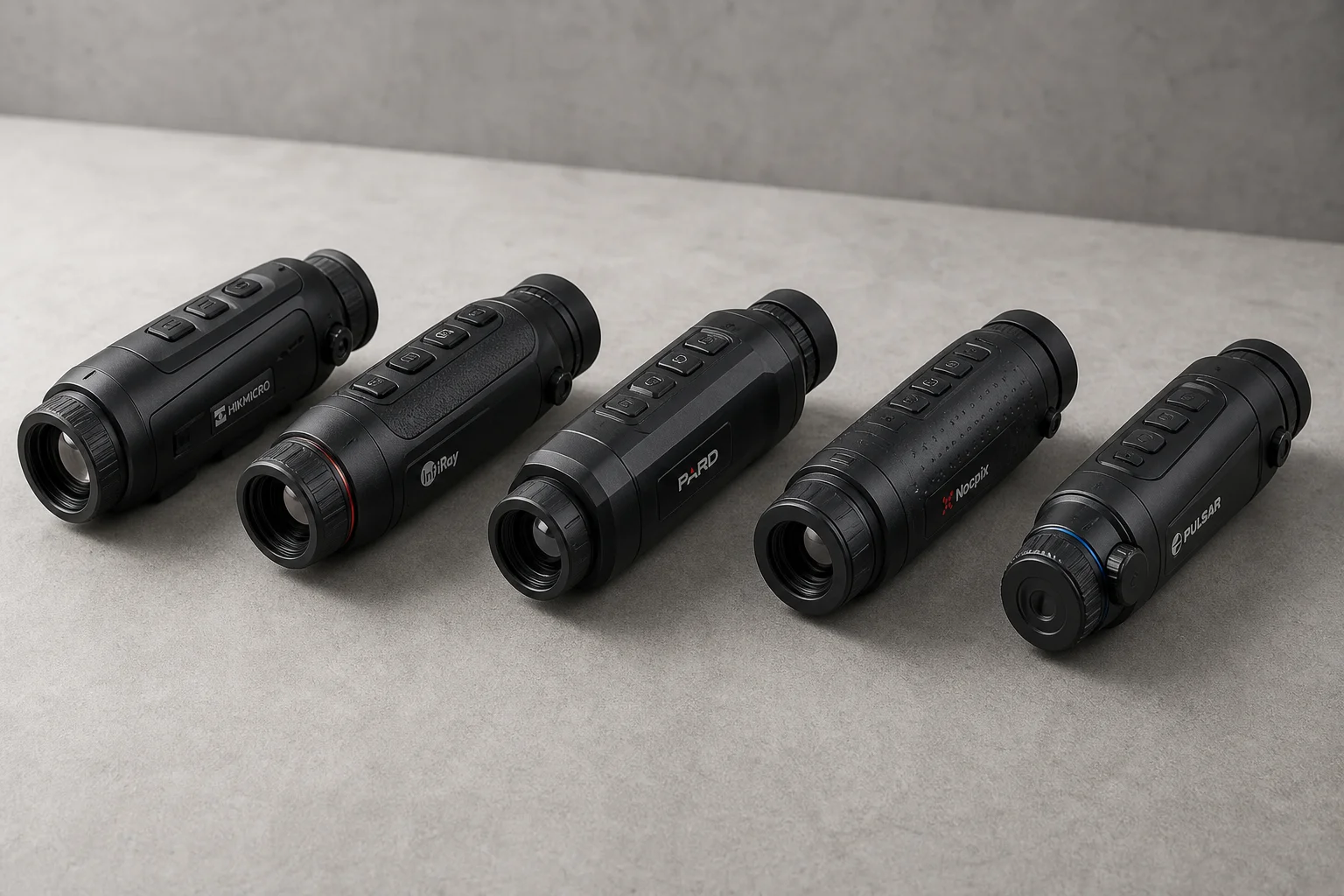
Best Thermal Monocular Under $1,000: Five Practical Options for Night Vision
Five thermal monoculars that balance heat detection clarity, battery life, and usability without premium pricing. Real strengths and trade-offs for hunters and night explorers.