Backpacking Tents
Terra Nova Pioneer 2 Review: A Freestanding Two-Person Tent Built for Cold, Wet Weather
A practical look at the Terra Nova Pioneer 2, a freestanding two-person three to four season tent with a 2.15 kg packed weight, 5,000 mm flysheet and a £500 price tag.
Introduction
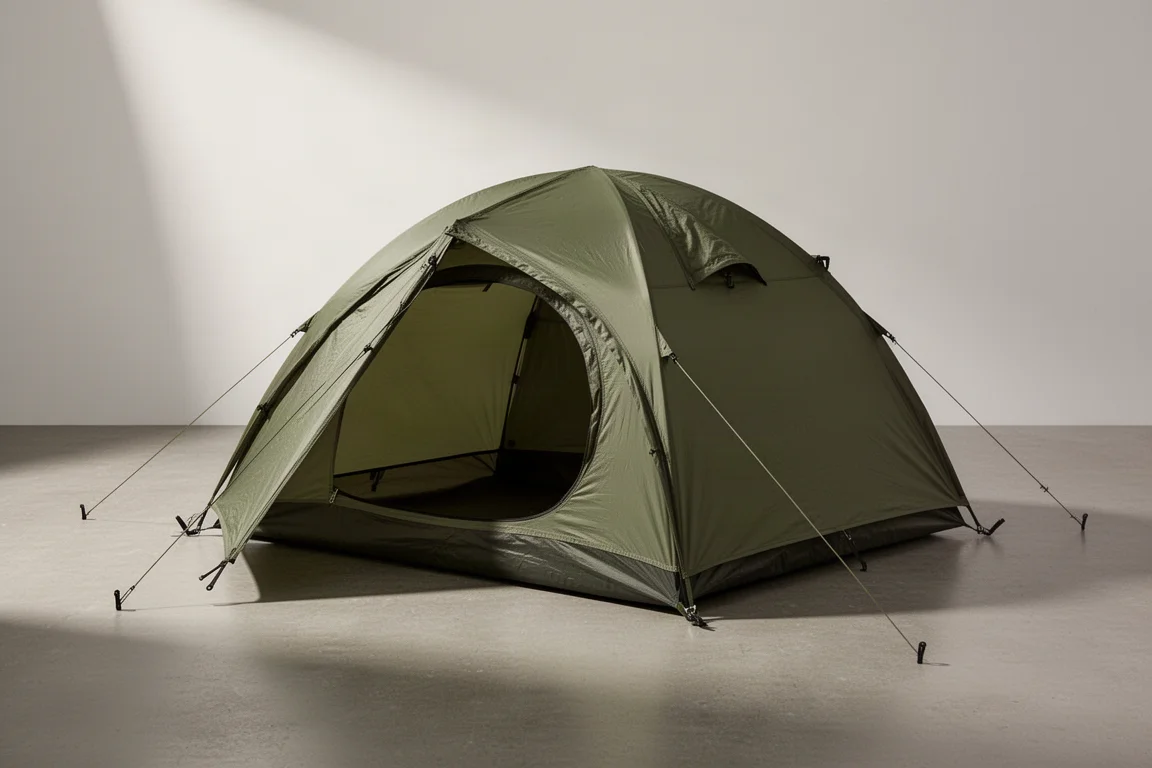
The Terra Nova Pioneer 2 is a two-person, three to four season tent built for conditions that many lightweight shelters are not designed to handle. It is freestanding, dome shaped, and it packs down to 2.15 kg, which is a reasonable figure for a two-person tent and works out at roughly a kilogram per person when the load is split between two people.
At around £500, it sits firmly in the upper part of the market. This review walks through what that money actually buys, where the tent genuinely earns its place, and which trade-offs are worth thinking about before you commit.
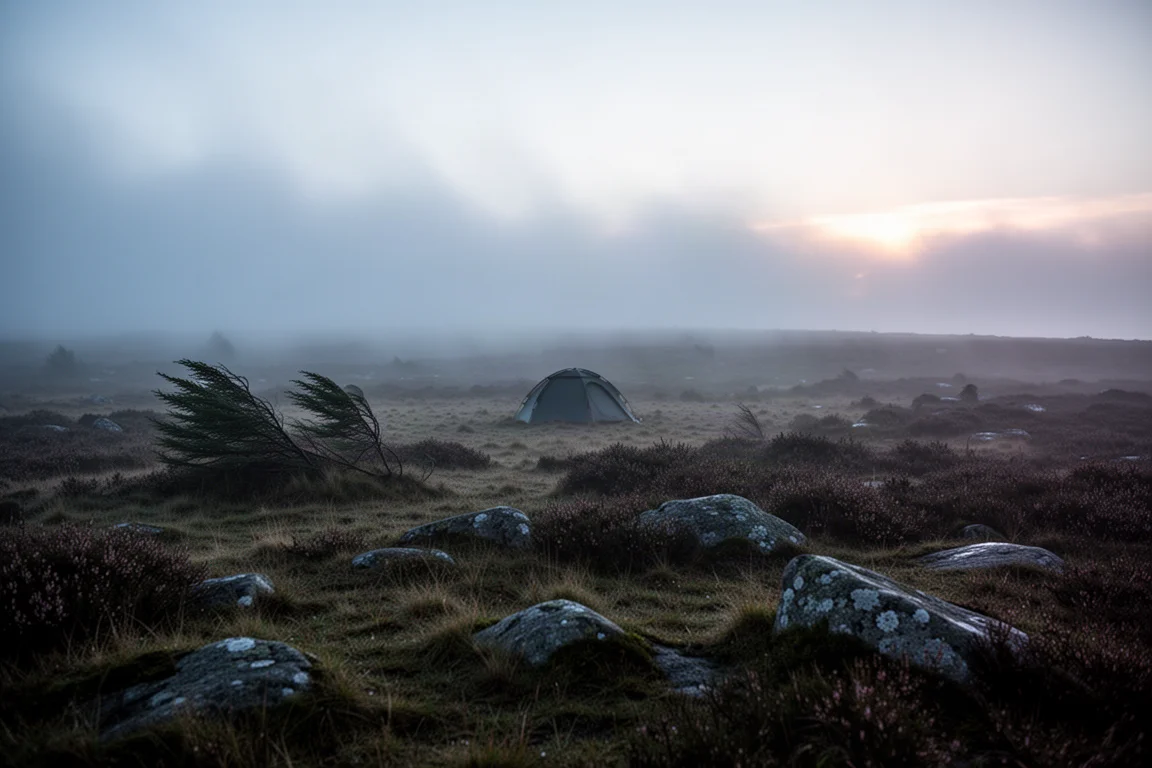
The short version: this is a shelter for people who camp outside the summer window. The detail below explains why, and where the compromises sit.
Who This Product Is For
The Pioneer 2 is aimed at campers who expect strong wind, sustained rain, snow, or a combination of all three. It is a three to four season design, so it can be used year round, and its freestanding dome structure means it can be repositioned to find the best spot on uneven ground without relying on guy lines.
It suits two people sharing a load, and it suits taller campers particularly well. The interior headroom is generous enough for an adult to sit upright comfortably, and there is enough space to crouch without feeling boxed in.
It is less obviously suited to fair-weather summer campers who mostly pitch on calm nights, because a large part of the price is tied to weather capability that would go unused. It is also worth noting that the dome shape makes it taller and more visible than a tunnel design, which matters if discreet pitching is a priority.
Main Strengths
The strengths here are not gimmicks. They are the fundamentals of a shelter that has to work when the weather turns, and they are implemented with a level of detail that becomes obvious as soon as you handle the tent.
Weather Protection and Fabric Specifications
The flysheet is 40 denier Watershed nylon ripstop with a 5,000 mm hydrostatic head. The groundsheet is a thicker 70 denier Waterblock nylon ripstop rated at 10,000 mm. Both are ripstop fabrics, and the higher denier on the groundsheet reflects the fact that it takes the abrasion, the stones, and whatever the ground throws at it.
The bathtub groundsheet design raises the floor edge slightly above ground level, which helps keep surface water and puddles out of the sleeping area. The outer fabric extends all the way down to the ground, which limits spindrift being driven underneath in snow or strong wind. Zips are covered by a Velcro rain guard, reducing the chance of water tracking through the closure itself.
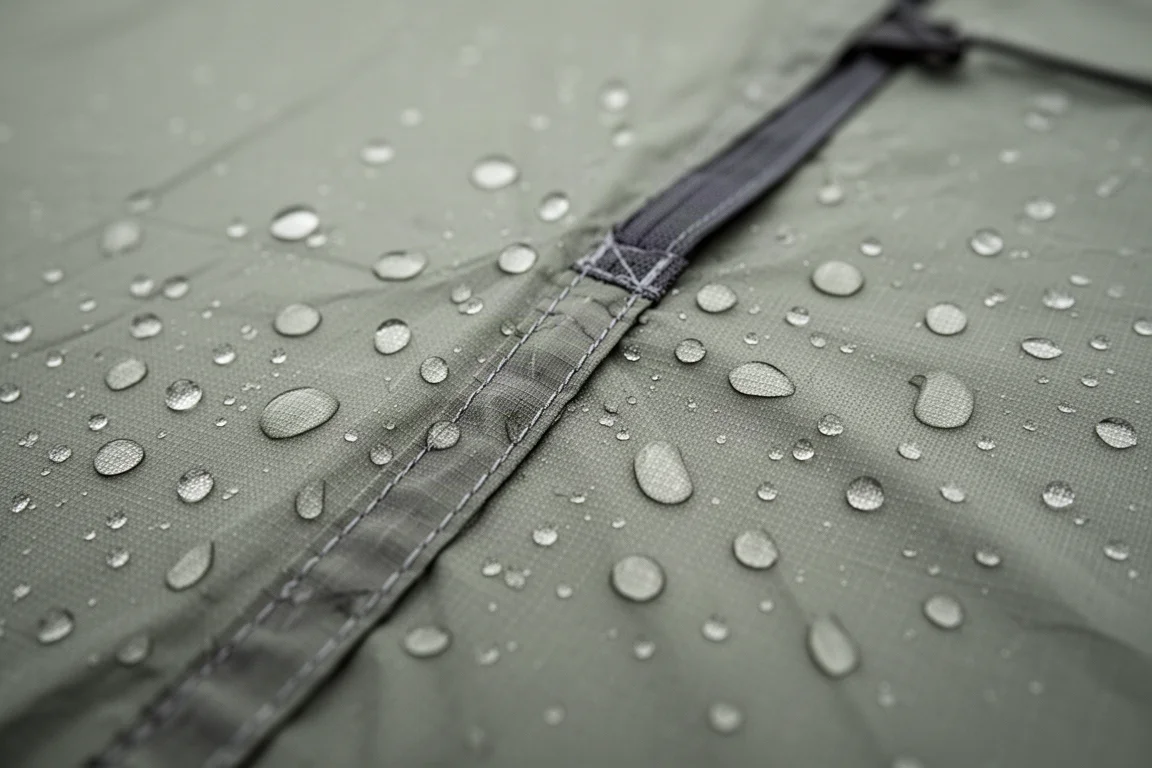
Tensioning systems sit at each pole end, so the flysheet can be pulled taut once the tent is up. In practice the tent can be pitched without maxing out that tension, which keeps setup quick, but the adjustment is there for the nights when it matters.
Pitching and Setup
The pole set is colour coded in red and blue, and the matching sleeves are colour matched, which makes the sequence obvious: red first, then blue, because the two cross. The blue pole also carries a slight bend that distinguishes it by feel, which helps if colour cues are not useful to you.
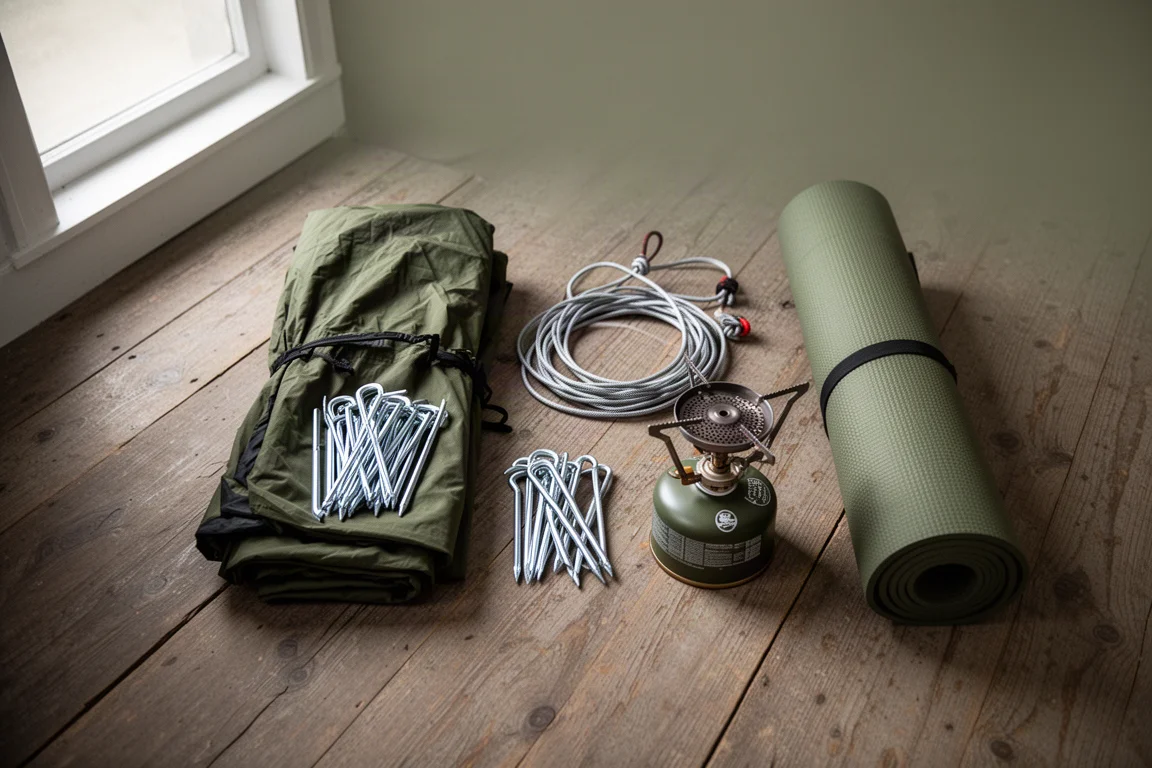
The poles are 8.5 mm DAC poles, and the tent uses double eyelets on each side. The outer eyelet is the standard position, while the inner eyelet allows a second set of poles to be added in genuinely harsh conditions, although those poles are bought separately. Plastic clips snap onto the poles to stiffen the structure, and eight pegging points plus four reflective Dyneema guy lines with crocodile clip tensioners complete the setup. The guy lines can be attached with a simple stopper knot and are easy to thread on.
Because it is freestanding, the whole shelter can be lifted and moved once the poles are in, which is a genuine convenience on rough ground. The tent can be pitched outer first, or inner and outer together, so the inner sleeping area does not have to sit exposed in the rain while you assemble the flysheet.
Living Space and Ventilation
There are two doors, which is unusual and genuinely useful for a two-person tent. The main door rolls back and clips out of the way against the pole with a plastic toggle. The second door is smaller, opens onto the outer fabric rather than a porch, and is best thought of as a secondary exit rather than a second main entrance.
Inside, three pockets sit at one end, and the opposite end is left clear so you can decide which way round to sleep. Ventilation comes from a half-mesh inner door and mesh panels running around the sides. With warm, damp body heat inside a closed tent in cold conditions, condensation is inevitable, and the more airflow the better. The inner and outer connect with T-shaped toggles that lock into circular fittings, which are simple enough to operate with gloves on.
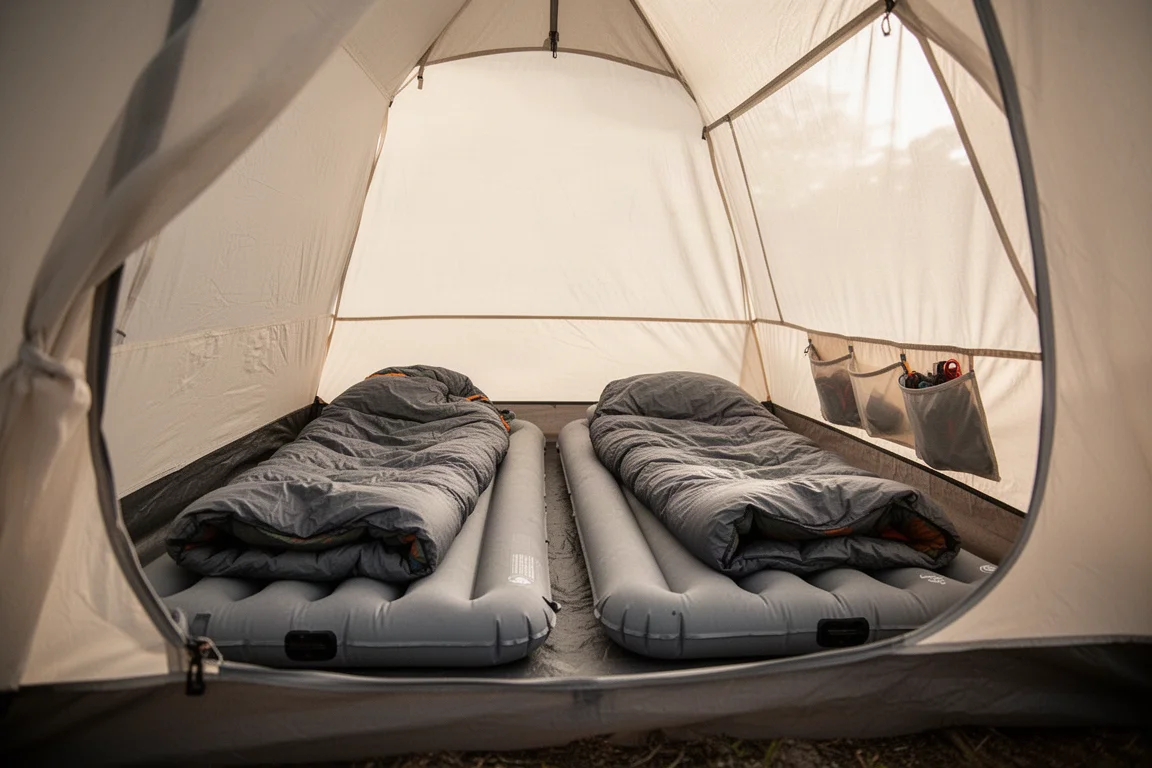
Porch space is usable but modest. A 60 litre pack fits alongside the inner, though it touches the side, and packs can be staggered on top of one another. Two sleeping pads fit side by side with some room left at the foot end, depending on pad length. With two people, full packs, and wet weather gear, the porch gets snug, which is typical of two-person tents rather than a specific failing of this one.
Things to Consider Before Buying
The price is the first consideration. At around £500, the Pioneer 2 is not a budget purchase, though split between two people it works out at roughly £250 each, which is competitive for a three to four season shelter.
The footprint is a separate purchase. A footprint sits beneath the tent to protect the groundsheet and prolong its life, and while it is not essential, it becomes more appealing on rough or abrasive ground and in very cold conditions where an extra layer under the floor helps.
The second door opens onto the outer fabric with no porch on that side, so it is not equivalent to the main entrance. The door panel can also drip condensation onto the inner when it is not held clear, and carrying a spare peg to pull it further away from the inner solves that neatly.
Finally, pitch with the wind in mind. The tent is reasonably slim from the side, but a broadside wind will buffet it, so orienting the shelter thoughtfully is worth the extra minute.
Buying Advice
If possible, see the tent in person before buying. Outdoor stores and outdoor shows are the best places to handle a shelter, compare it against alternatives, and get a feel for the space inside.
The brand behind the Pioneer 2 is a UK based company with a small team of outdoor enthusiasts, and its tents are produced with sustainability in mind and largely UK sourced. One practical benefit of that structure is a repair service: if something goes wrong with the tent, it can be sent in and repaired rather than written off. That changes the maths on a £500 shelter considerably, because a damaged tent becomes an inconvenience rather than a total loss.
Secondhand is worth considering if the price is a stretch. Tents generally hold up well when they have been looked after, provided there is no mould and no heat damage, and there are plenty of places where people sell on gear they no longer use.
It also helps to be honest about intended use. If your trips involve autumn and winter conditions, the capability here is doing real work. If they do not, a lighter and cheaper summer shelter will serve you better. Bought for the right conditions, this is the kind of tent that can be kept and used for many years.
Conclusion
The Terra Nova Pioneer 2 gets the essentials right. It is freestanding, quick to pitch, properly weatherproofed with a 5,000 mm flysheet and a 10,000 mm bathtub groundsheet, and it offers two doors, decent ventilation, and headroom that taller campers will appreciate.
The caveats are honest ones: the price, the separately sold footprint, and porch space that gets tight for two people with full kit. None of them undermine the design. For campers who head out in wind, rain, and snow, and who want a shelter that can be repaired rather than replaced, this is a sensible long-term buy.
Product link
View more details for Terra Nova Pioneer 2
This product is mentioned in the review. Check the specifications, options, and compatibility before buying.
View more details for Terra Nova Pioneer 2Further reading
Related Reviews
Backpacking Tents
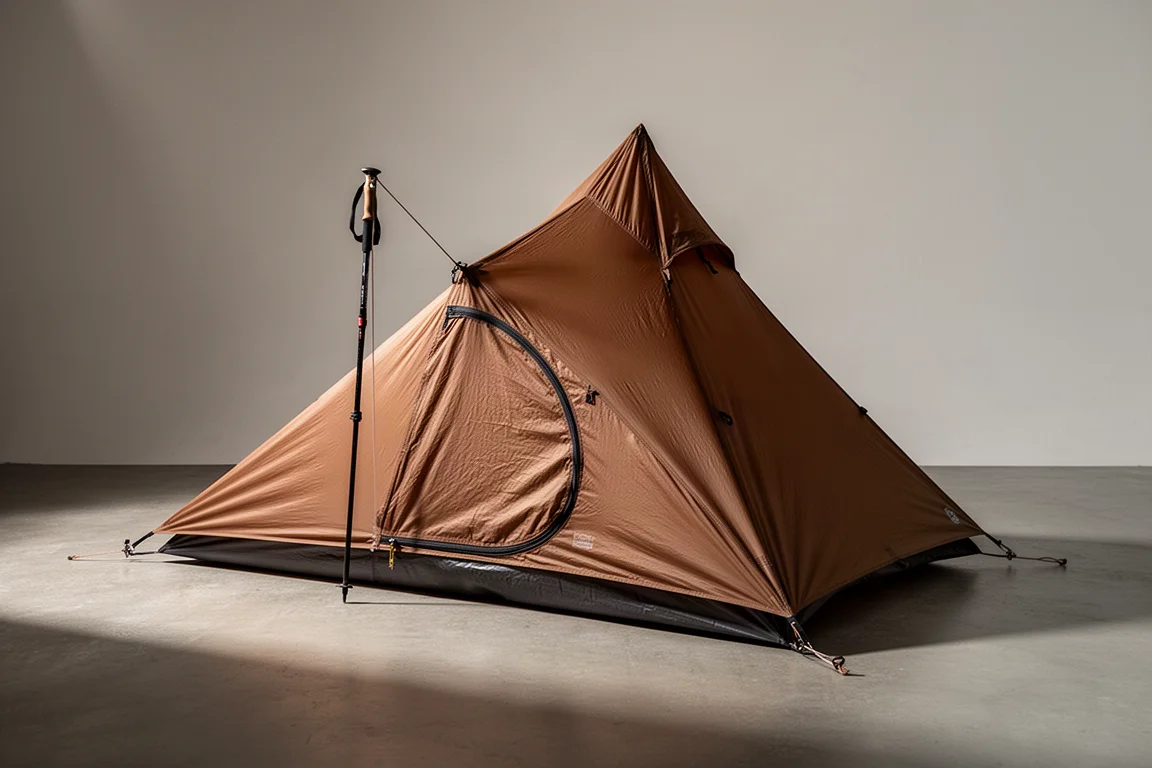
3F UL Lanchan Pro 1 Review: A 1 lb 8 oz Single-Wall Trekking Pole Tent
A practical look at the 3F UL Lanchan Pro 1, a single-wall trekking pole shelter with a 1 lb 8 oz weight, 20D silnylon fabrics, and a roomy 90 x 31 x 49 inch interior.
Backpacking Tents
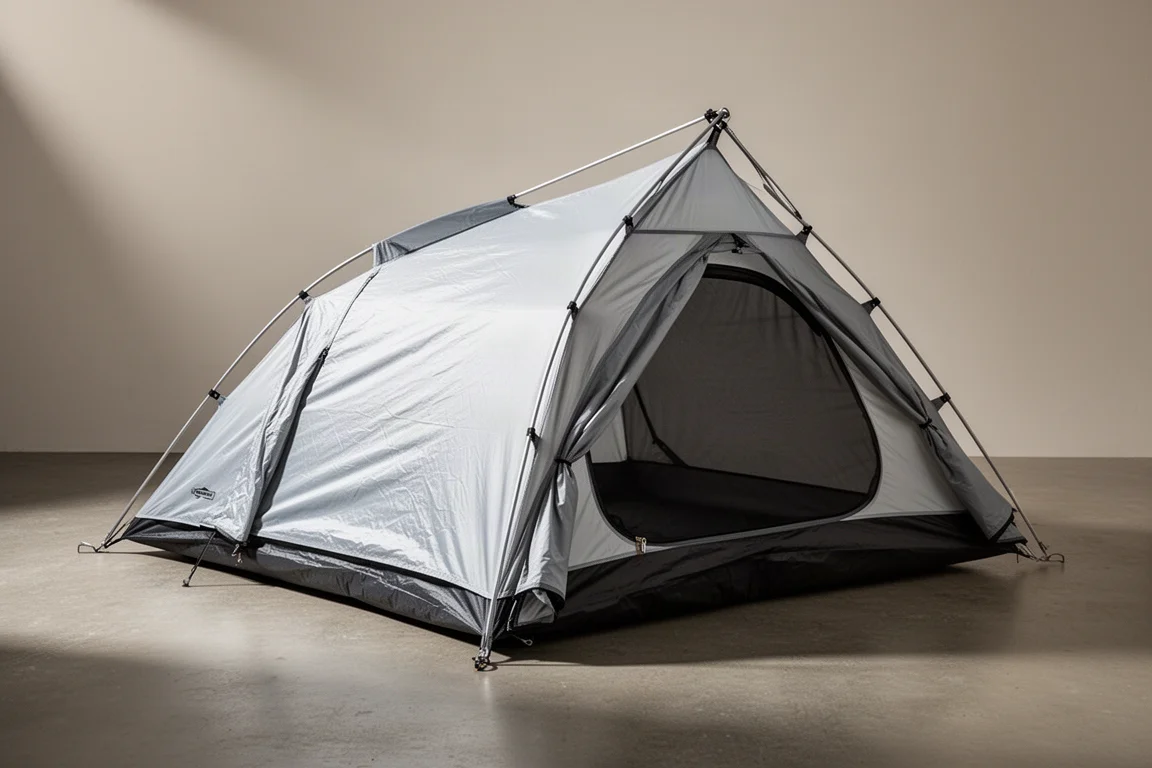
3F UL Taiji 2-Person Tent: A Convertible Backpacking Shelter Worth a Closer Look
A practical look at the 3F UL Taiji two-person tent, covering its materials, true two-person interior, fly-first pitching, and the seasonal inner swap that lets one shelter cover more of the year.
Backpacking Tents
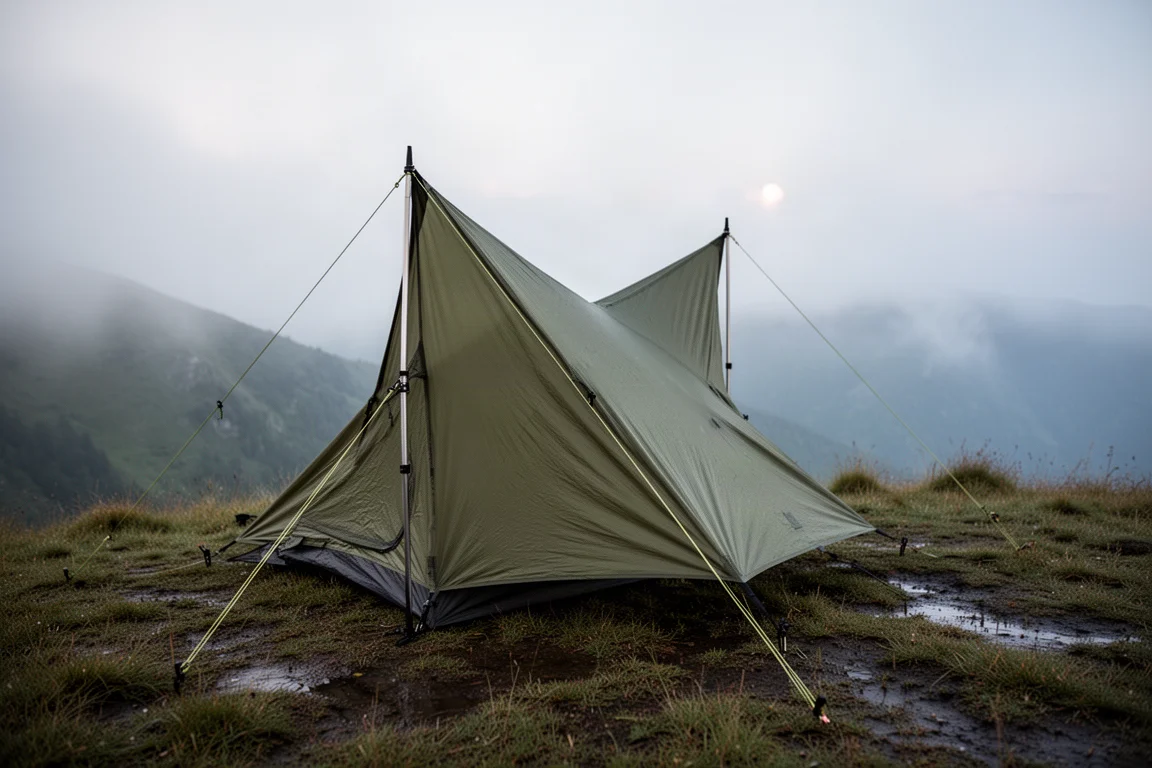
3FUL Lanshan Twoerson Pro Review: A Light Trekking Pole Shelter That Struggled in Rain
A two-person trekking pole shelter with a 2026 redesign, pitched with sticks and put through a night of steady rain. Here is what worked, what did not, and what to check before buying.