Electric Cargo Bikes
Tern GSD Review: The Compact Electric Cargo Bike That Replaces Car Trips
A practical look at the third generation Tern GSD, the compact electric cargo bike with up to 210 kg of capacity, Bosch Cargo Line power, and ABS plus connected features on the top models.
Introduction
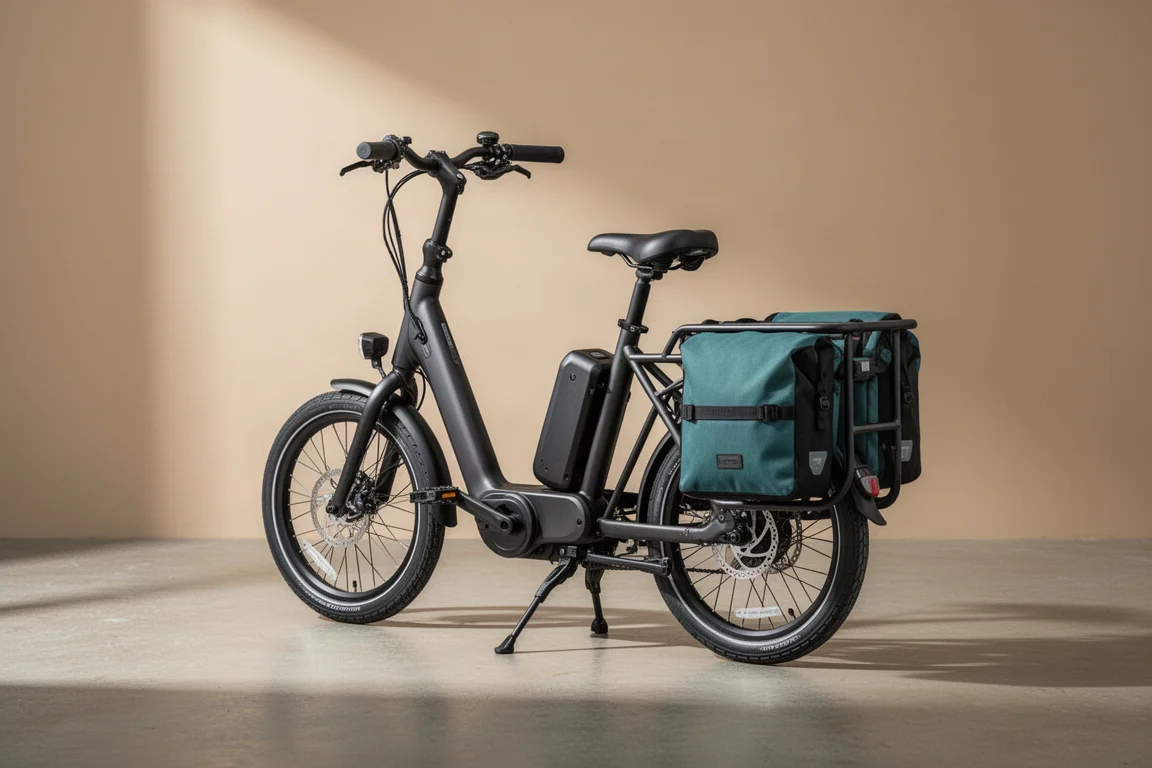
Electric cargo bikes turn errands, school runs and grocery hauls into something closer to a pleasure than a chore, and the compact end of the category has quietly become its most practical corner. The Tern GSD has been a benchmark here since the design first launched in 2017, and this third generation arrives with the same core promise: a full cargo bike that fits in the footprint of an ordinary one.
The headline numbers are unchanged in spirit but bigger in practice. The bike still carries two smaller passengers or one adult on the back, and total load capacity is now up to 210 kg. Tern says every part on the bike either works better, is more robust, or both. The top models add Bosch ABS brakes and a Bosch Connect module with anti-theft features and navigation. All of it in a package that is still compact enough to live with.
Who the Tern GSD Is For
This is a bike for riders who want to leave the car at home more often, whether that means carrying children, carrying shopping, or carrying both at once. It suits households in dense urban areas where space is tight, because it needs far less parking room than a standard long-wheelbase cargo bike.
The frame comes in one size and adjusts quickly to fit a wide range of riders. Tern quotes a fit range from 150 cm to 200 cm, and the design has been ridden by people above that height, so sharing the bike between adults of very different sizes is realistic.
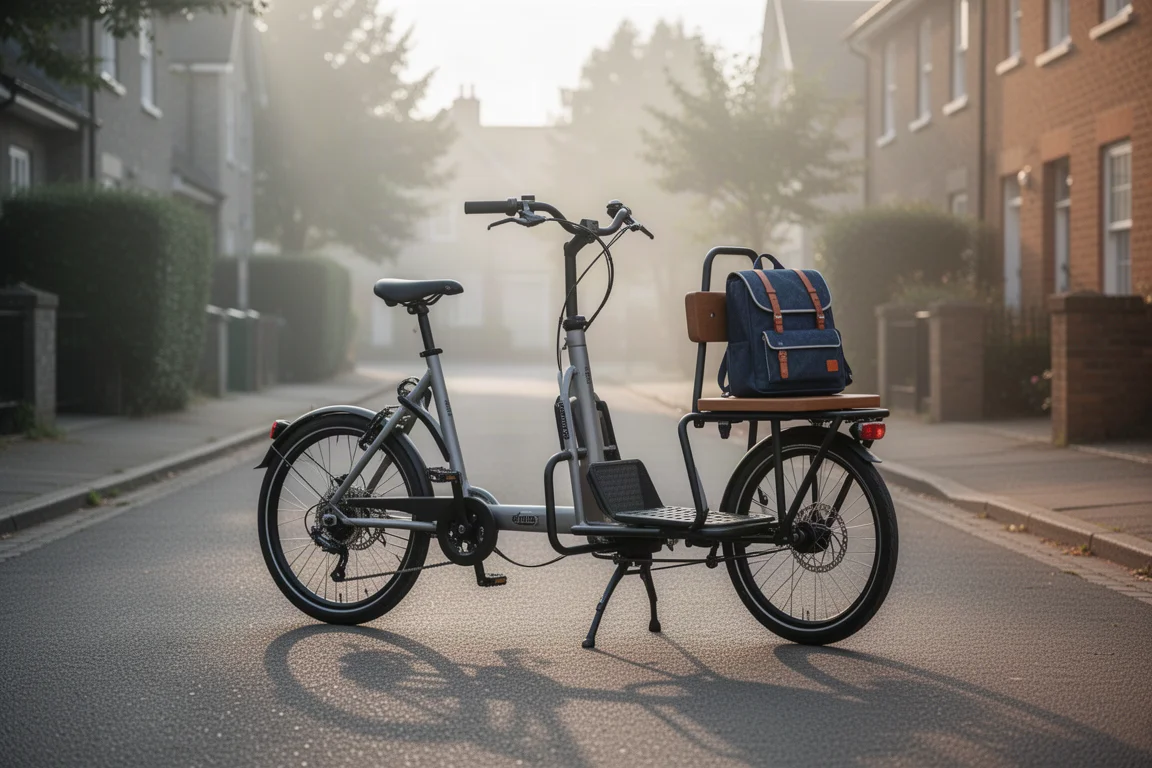
Riders who have never used a cargo bike before are well served here too. The learning curve is short because the bike behaves much like a normal one, which matters when you are carrying something valuable or someone small.
Compact Design and Everyday Handling
The GSD is built around smaller 20 inch wheels. They are smaller than those on mountain, road or most town bikes, but they are not novelty-sized. What they allow is a bike with 100 cm of carrying space at the rear that still matches a normal bike in overall dimensions.
Storage is where that pays off. Handlebars fold flat, the seat post drops quickly, and the bike can be stored standing on its back end. In cities where cargo bikes are most useful, that is often the difference between owning one and not.
On the road, a rear-loading compact cargo bike feels far more familiar than a long front-loader. Tight spots are easier to escape, and the whole thing is manageable enough in practice to be picked up, turned around, or carried up a couple of steps.
Cargo Capacity and Passenger Options
Most of the carrying happens at the back. The expandable panniers hold roughly a week’s worth of shopping and can be compressed when they are not full, and they can stay fitted with a passenger riding above them. The Storm Box accessory turns the entire rear of the bike into a single compartment with 150 litres of volume, and it is even possible to seat passengers inside it with their legs and much of their torso kept dry.
Passengers are where the bike really earns its keep. Depending on age, there are seats that strap small children in securely, the Clubhouse metal frame that gives older children a bench seat, a backrest and something to hold, and the Captain’s Chair that makes it easier for adults to get on and off. Rain covers are available too. An optional front rack is genuinely useful for helmets, a bag, a lock or a small shop, and the frame is stiffer than before with revised handling to keep a fully laden bike composed.

If you like accessorising, this is not a bike that will leave you short of options.
Bosch Motor, Battery, and Assist Modes
At the heart of the bike is a Bosch Performance Cargo Line motor, designed specifically for cargo use. It is pedal assist, so power arrives only while you are turning the pedals, and it stops assisting above 25 km/h in most markets, or above 20 mph in the United States, to comply with local rules.
There are several assist levels, from Eco and Tour through an excellent Auto mode up to Cargo at the top. The motor can add up to four times the power you put through the pedals, and the torque on offer, combined with the gears, is enough to climb the steepest streets with an adult passenger and luggage aboard.
Four models share that same motor, so power and assistance are identical across the range. What changes is battery capacity, from 500 Wh through 545 Wh up to 800 Wh. For long rides of around 90 minutes in genuinely hilly terrain, the larger battery is the one you will be glad of. On shorter everyday trips, even the smallest pack covers a lot of journeys between charges: a 500 Wh bike has been logged at 81 charges across 1,800 miles, roughly 22 miles per charge when riding in the top assist mode with three people aboard.
What the Third Generation Improves
Beyond Tern’s claim that almost every subcomponent is better, stronger or more reliable, the third generation brings a set of changes that are easy to appreciate in daily use. Almost all models now include a suspension seat post alongside the suspension fork that is standard across the range, and the top models get an upgraded fork as well.
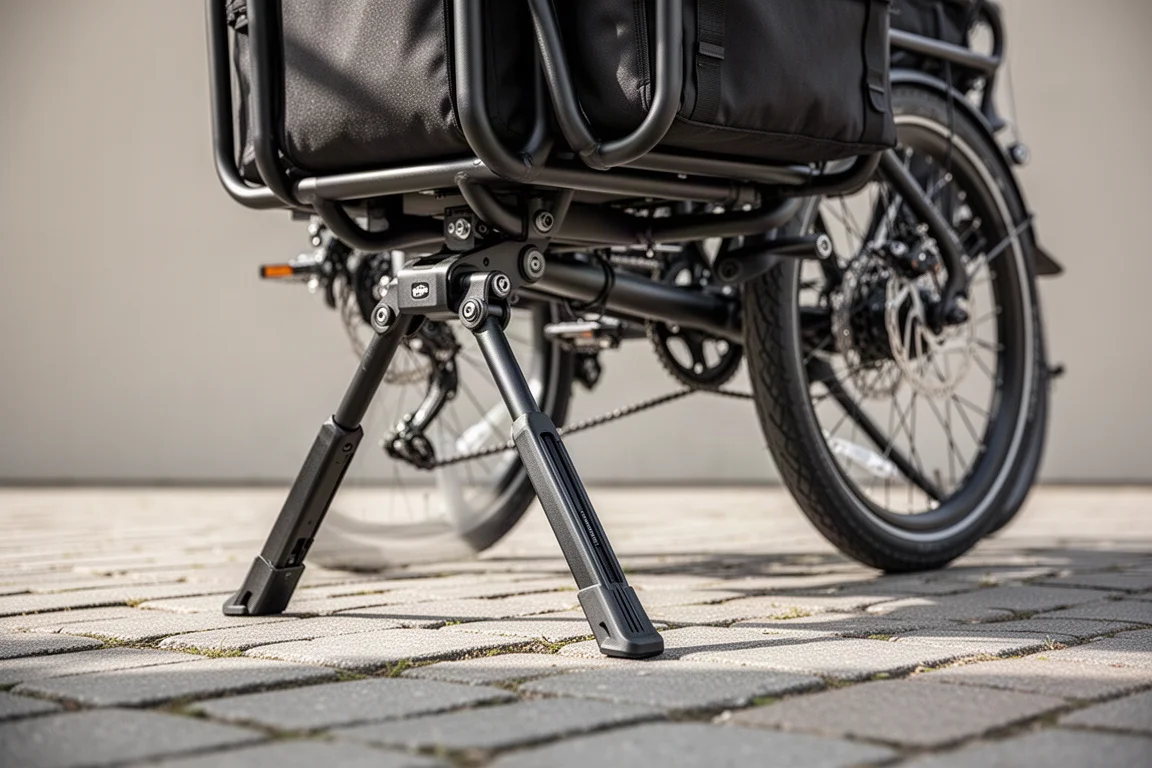
The new kickstand is wider for more stability on uneven ground, and its mechanism is better sealed against the weather. The battery charging port has moved into the top tube, which makes it noticeably less fiddly to reach. Footrests at the rear now come as standard rather than as an optional extra, and they fold out of the way when not needed, or to compress half-loaded panniers.
Servicing is easier too. There is access to the gears, and the rear wheel comes out more easily, which helps with punctures whether you fix them yourself or pay a shop to do it. A USB-C charge port on the bike opens up some entertaining possibilities, from powering lights or speakers to keeping a heated blanket going for passengers.
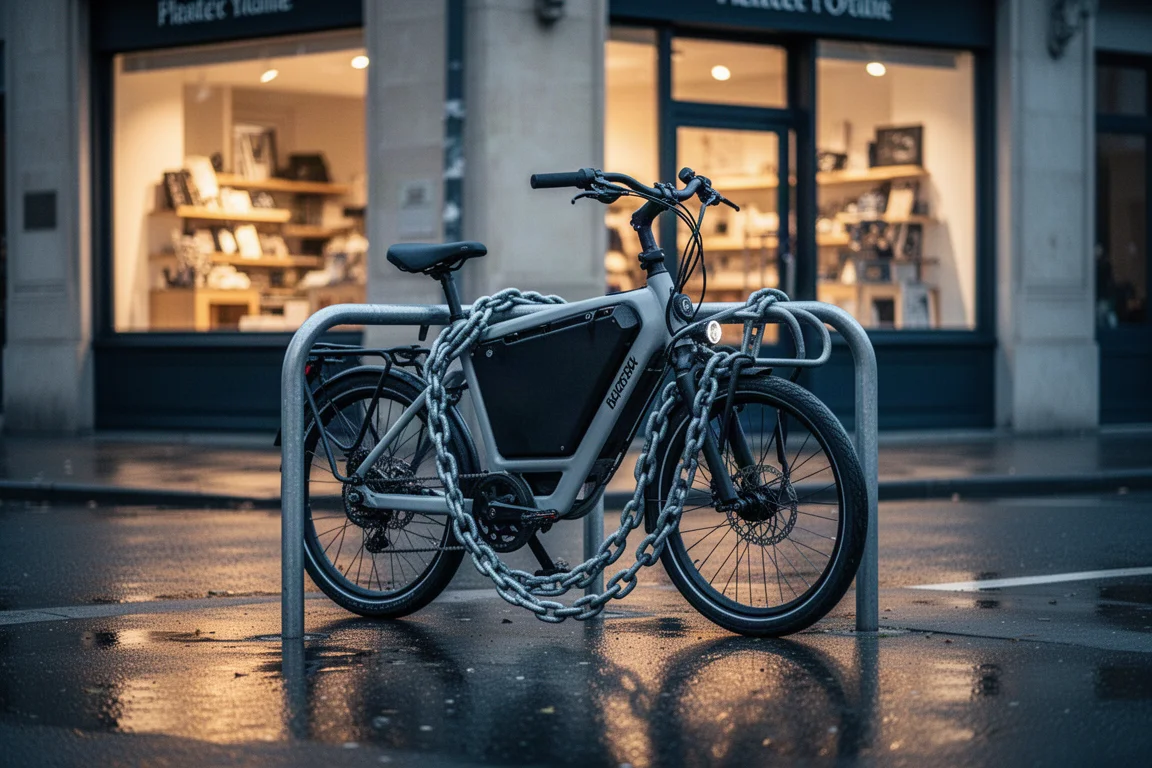
On the top two models, Bosch ABS is fitted to the front wheel only, which means the bike still stops as quickly as conditions allow without the front wheel skidding, a real benefit when the bike is fully loaded. The Bosch Connect module pairs the bike with a smartphone through the Bosch Flow app, and it brings practical help as well as data: turn-by-turn navigation on the head unit can route you onto quieter streets and shortcuts rather than the roads you would drive, and an electronic lock disables the motor and battery until your phone is present or the head unit is used as a removable key. A premium service adds GPS tracking, so if the bike moves after you lock it, you get a phone notification and an alarm sounds on the bike.
These features are a supplement to a genuinely good lock, and insurance is worth considering for the same reason you would insure a car: the peace of mind is what lets you leave the bike places and use it far more often.
Things to Consider Before Buying
This is not a cheap bike, and the price rises quickly as you move up the range. The Bosch Connect features and ABS are reserved for the top two models, so if navigation, electronic locking and anti-lock braking matter to you, the entry level bike will not have them.
Battery capacity is the other decision to make deliberately. The entry level model has a smaller battery and loses the Connect features, but it keeps the same carrying capacity and the same motor power, and it is a couple of kilos lighter as a bonus.
Availability, model selection and colours vary by region, so the exact lineup in your market may differ from the full range. It is also worth being honest about your routes: if your regular rides are long and hilly, the bigger battery is the difference between a comfortable trip and a cautious one.
The Model Range and What You Pay
The top of the range is the R14, which pairs internal hub gears with a belt drive. That means no oily chain to worry about and less maintenance, along with the full Bosch Connect feature set, ABS and the 800 Wh battery.
The middle model keeps the Connect features and ABS but uses a chain drive with 10-speed Shimano gears and the 545 Wh battery. The entry level bike drops the Connect features and uses a smaller battery, while retaining the same carrying capacity and power as its more expensive siblings.
Pricing in the UK starts at around £4,700, £4,999 or £5,399 for the entry level model and runs up to roughly £8,900, £9,499 or £10,199 for the fully equipped R14, depending on the configuration and where you buy.
Buying Advice
The GSD is built to last, and the warranty support reflects that. There is a solid warranty on the bike itself, a separate Bosch warranty covering the battery and the motor, and Tern Care coverage that can be transferred from the original owner if you ever sell the bike on. That transferability is unusual and it protects resale value.
Value here is best judged against what the bike replaces. A long-term owner of an earlier GSD found that, even after depreciation and insurance, it worked out considerably cheaper than the car it replaced, and that calculation only improves the more you ride it.
Match the model to your riding rather than to the spec sheet. If your trips are short and mostly flat, the entry level bike delivers the same carrying capacity and the same motor assistance for a lot less money. If you ride long, hilly routes or want the Connect features and ABS, the upper models are the ones to look at, and the belt drive on the R14 keeps maintenance to a minimum.
Conclusion
The third generation GSD is a more refined version of a bike that already had a strong case behind it. The carrying capacity, the compact footprint and the passenger options are all still the core of the appeal, and the improvements to the kickstand, charging port, footrests and servicing access are the kind of details that make a difference every single day. If you want one bike to handle the school run, the shopping and the commute without taking over your hallway, this is a serious contender.
Product link
View more details for Tern GSD
This product is mentioned in the review. Check the specifications, options, and compatibility before buying.
View more details for Tern GSDFurther reading
Related Reviews
Electric Cargo Bikes
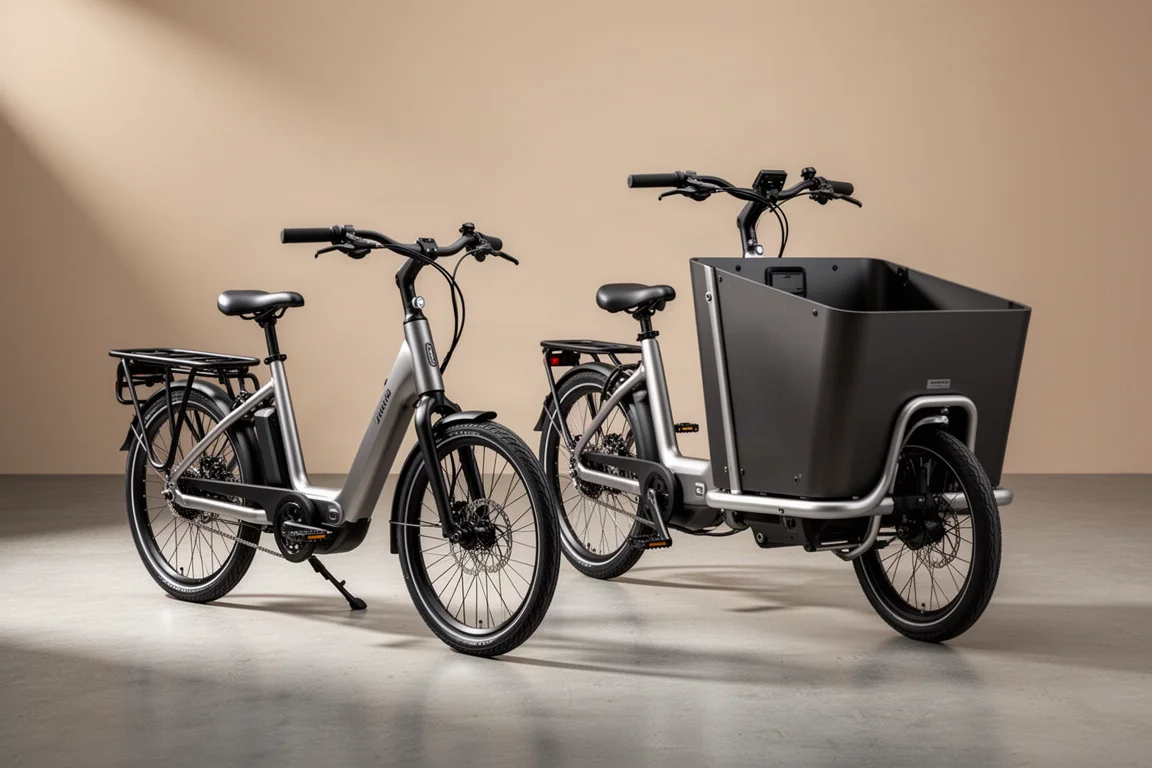
Tern GSD vs Riese & Müller Load 5: Which Electric Cargo Bike Layout Suits You
A longtail and a front loader compared on carrying capacity, handling, and everyday practicality, plus what first-time riders notice in the first ten minutes.
Electric Cargo Bikes
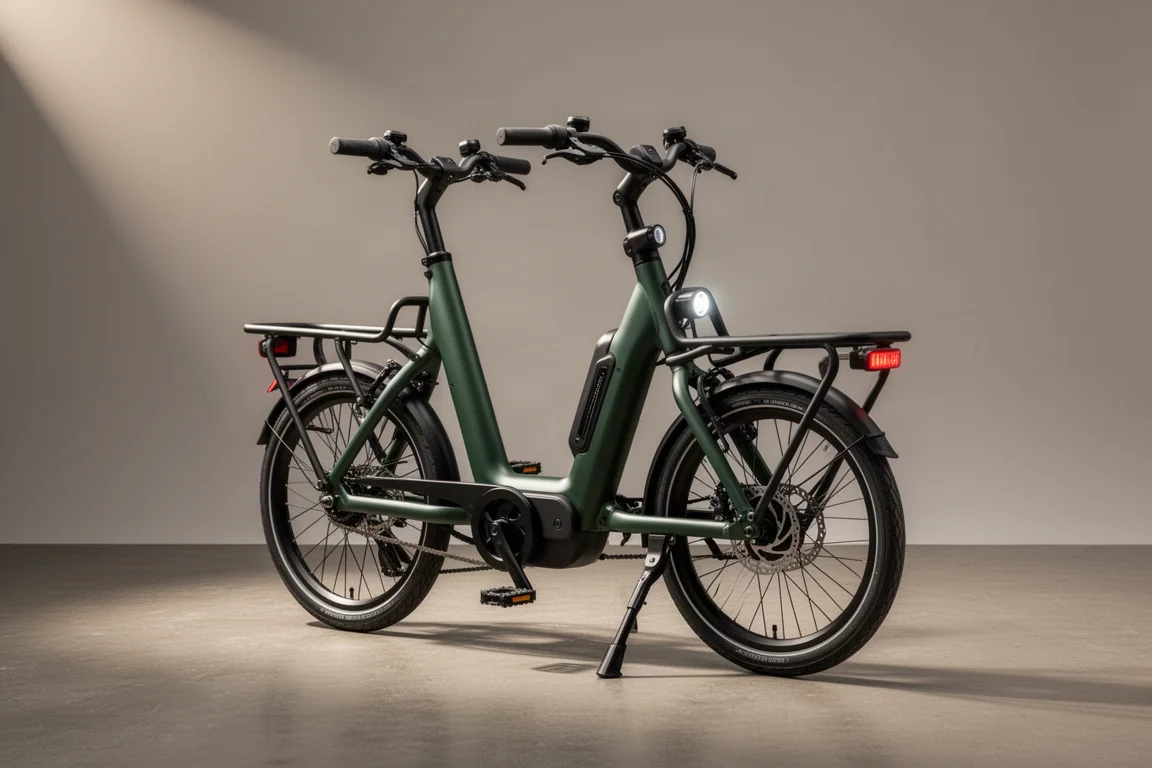
Tern GSD Review: The Compact Electric Cargo Bike, Third Generation
A practical look at the third generation Tern GSD, from its 210 kg capacity and Bosch Cargo Line motor to battery options and the features worth paying for.
Electric Cargo Bikes
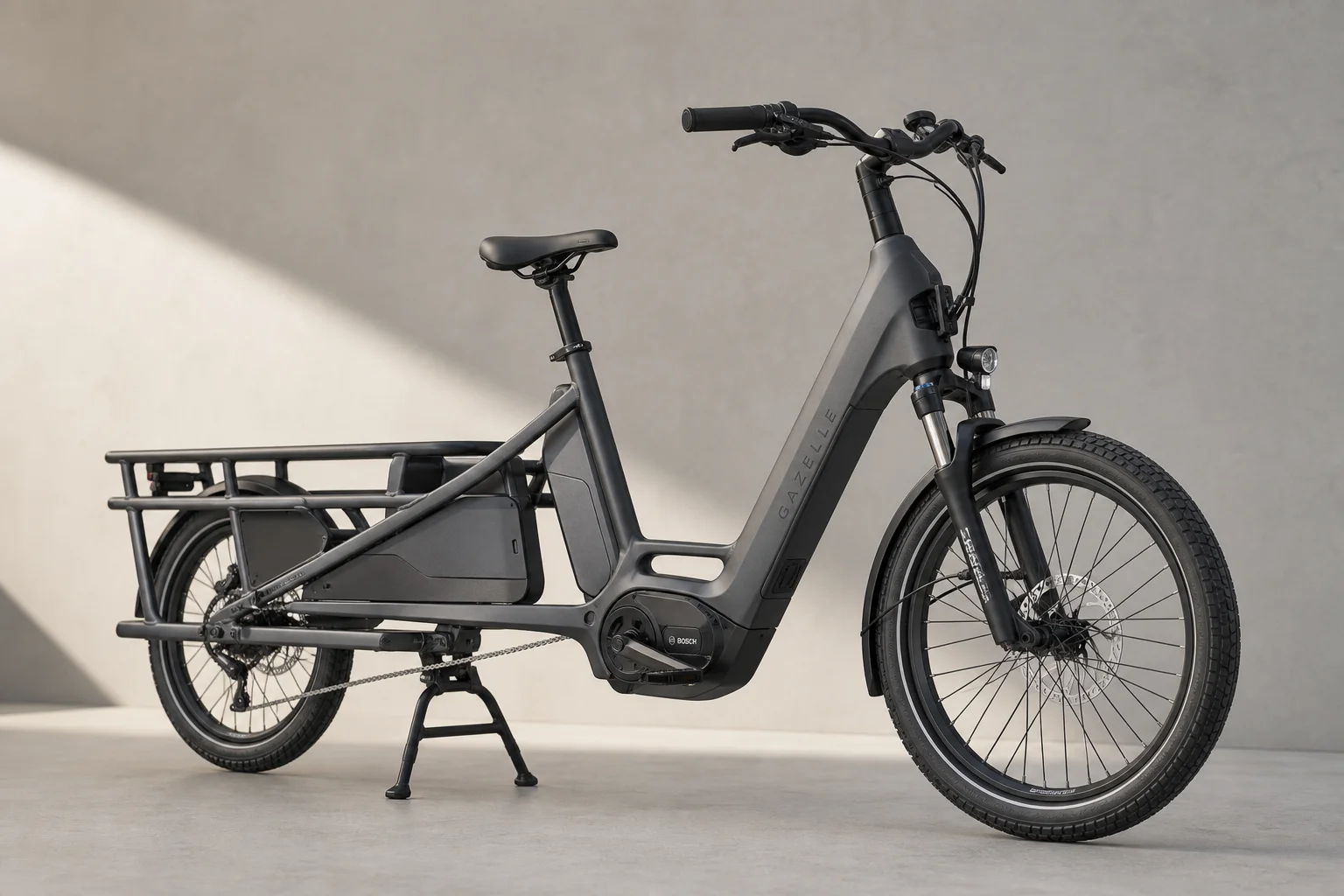
Urban Arrow Breeze Longtail Cargo Bike Review: A Practical Family Commuter
The Urban Arrow Breeze combines an upright Dutch riding position with modern cargo-bike utility, making it a compelling one-bike solution for family transport.