Electric Cargo Bikes
Tern GSD vs Riese & Müller Load 5: Which Electric Cargo Bike Layout Suits You
A longtail and a front loader compared on carrying capacity, handling, and everyday practicality, plus what first-time riders notice in the first ten minutes.
Introduction
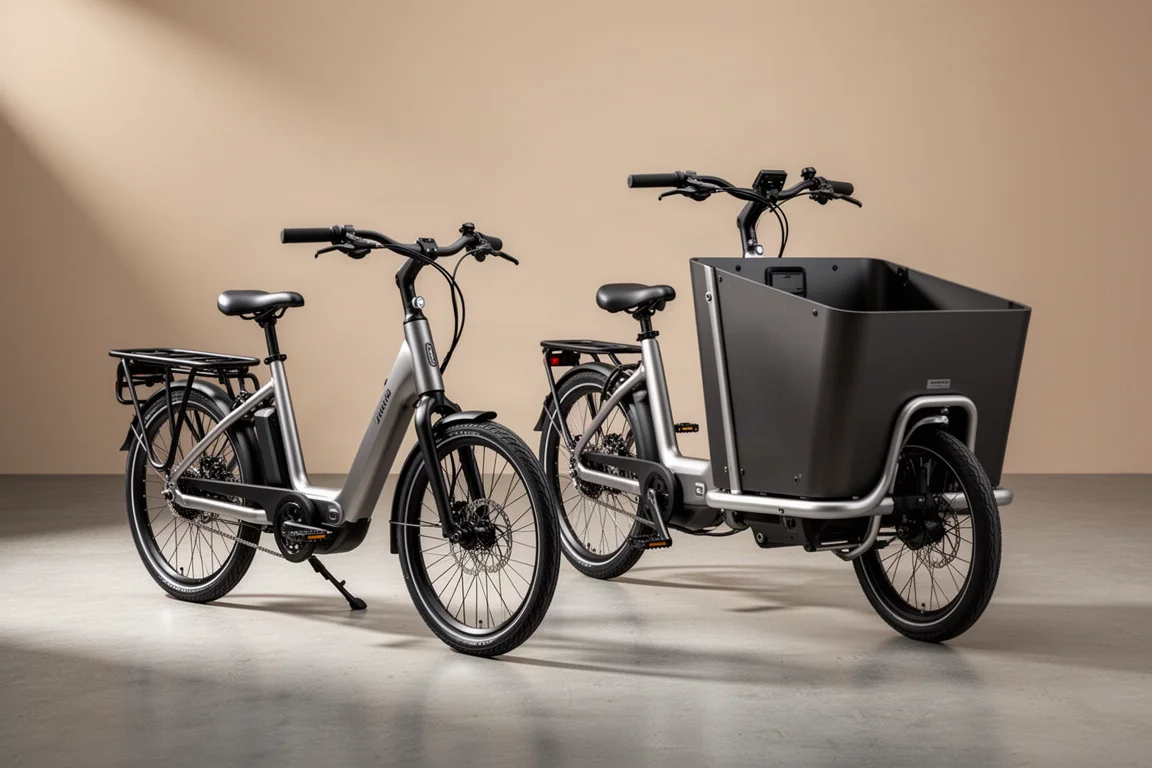
Electric cargo bikes come in two main layouts, and the choice between them shapes almost everything about how the bike feels to ride and what it can carry. A longtail puts the load behind the rider. A front loader places a large bucket ahead of the handlebars.
The Tern GSD and the Riese & Müller Load 5 are strong examples of each approach. Both are top-of-the-range electric cargo bikes with similar levels of specification, including the latest Bosch Cargo Line motor and Bosch ABS. What separates them is where the cargo goes, and that single difference changes capacity, handling, and how quickly a new rider feels at home.
How Longtail and Front-Loader Cargo Bikes Differ
A longtail keeps the rider’s position close to that of a conventional bike and extends the frame rearward to take panniers, racks, and accessories. A front loader places a box or bucket between the front wheel and the rider, which changes both the steering geometry and the weight distribution.
First-time riders notice the difference straight away. On a front loader the front wheel sits out of sight, and the steering can feel unusual for the first few minutes. On a longtail the bike reads as familiar, which is exactly why some riders settle in faster. Both layouts work, but they ask different things of the rider.
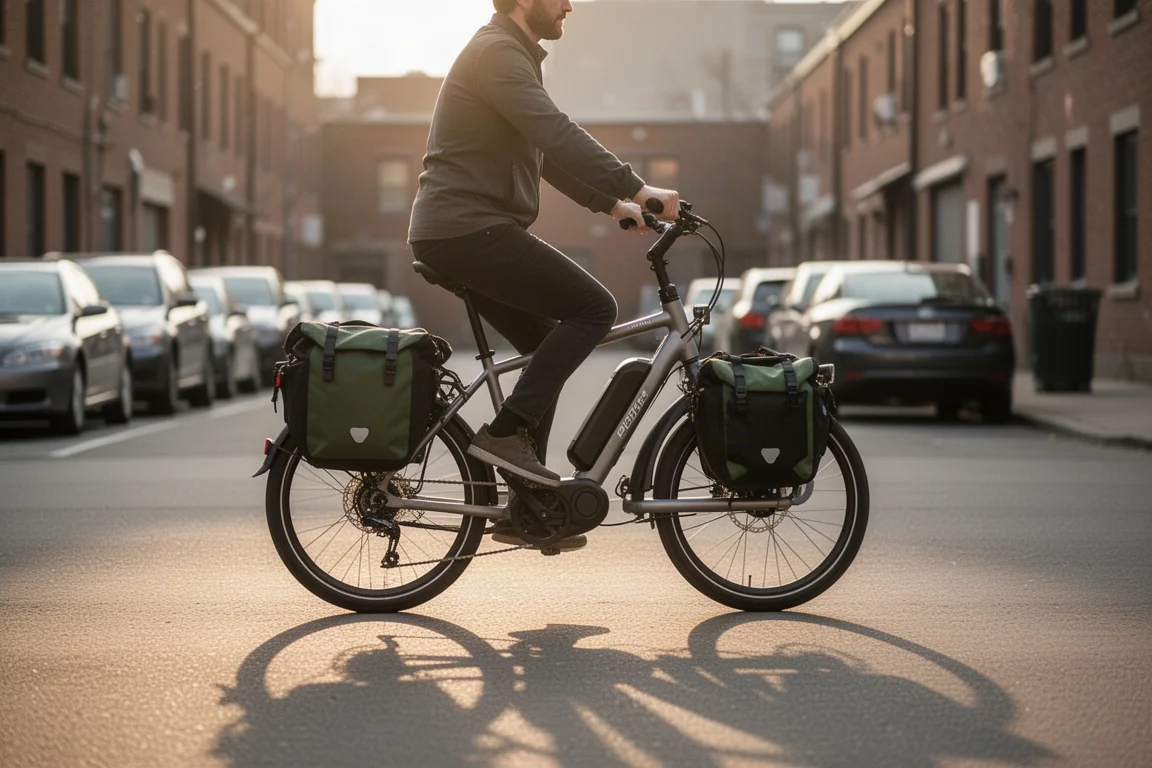
Riders who spent time on both described the front loader as harder to set off on and less intuitive in tight turns, yet smoother and more flowing once underway. The longtail drew the opposite reaction: instantly familiar, but easy to forget that there is weight behind you.
Tern GSD: The Longtail Cargo Bike
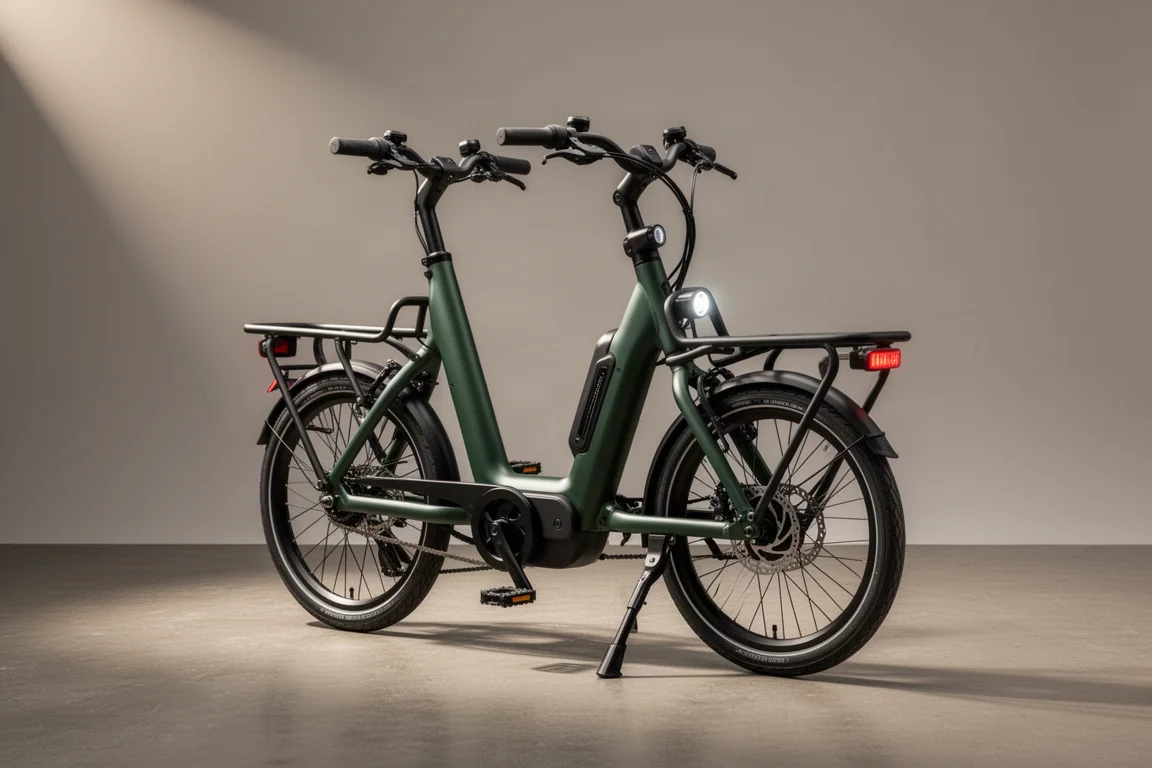
The Tern GSD is a longtail design, with the load carried over the rear wheel. It is one of the best-known examples of the format and suits riders who want cargo capability without stepping too far outside normal bike behaviour.
Luggage capacity reaches up to 160 litres in the Storm Box setup, split between two panniers with a small amount of space on top. That covers shopping, bags, and daily kit well, though it is less suited to large or bulky single items. On passenger duty, a longtail can take two pretty large children, and it is also better suited to carrying an adult passenger than a front loader.
Longtail bikes like this are typically lighter, smaller, and more agile than front loaders. If a route ends with a short flight of steps, the Tern GSD is the easier of the two to lift and carry.
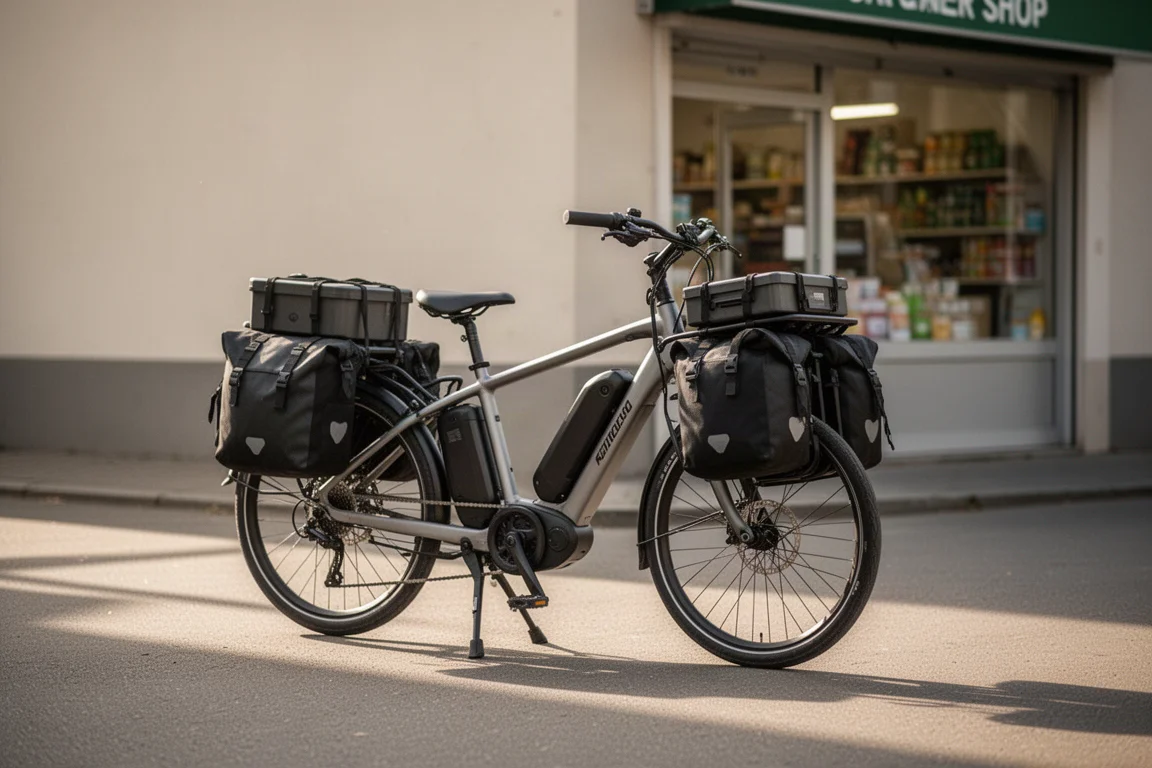
Handling is where the longtail wins converts. Riders consistently described it as feeling like a normal bike, easy to get used to, and more predictable through tight corners. The trade-off is that this familiarity can hide the extra mass behind the rear wheel, so the load is easy to forget.
Riese & Müller Load 5: The Front Loader
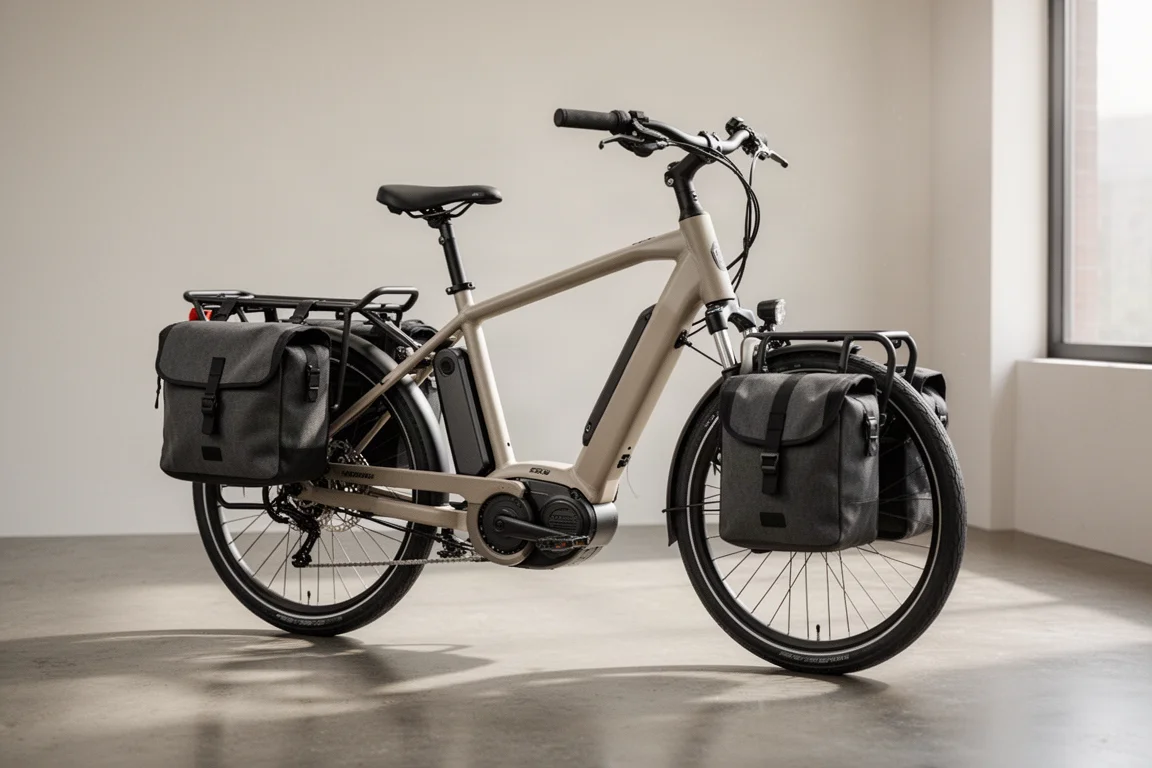
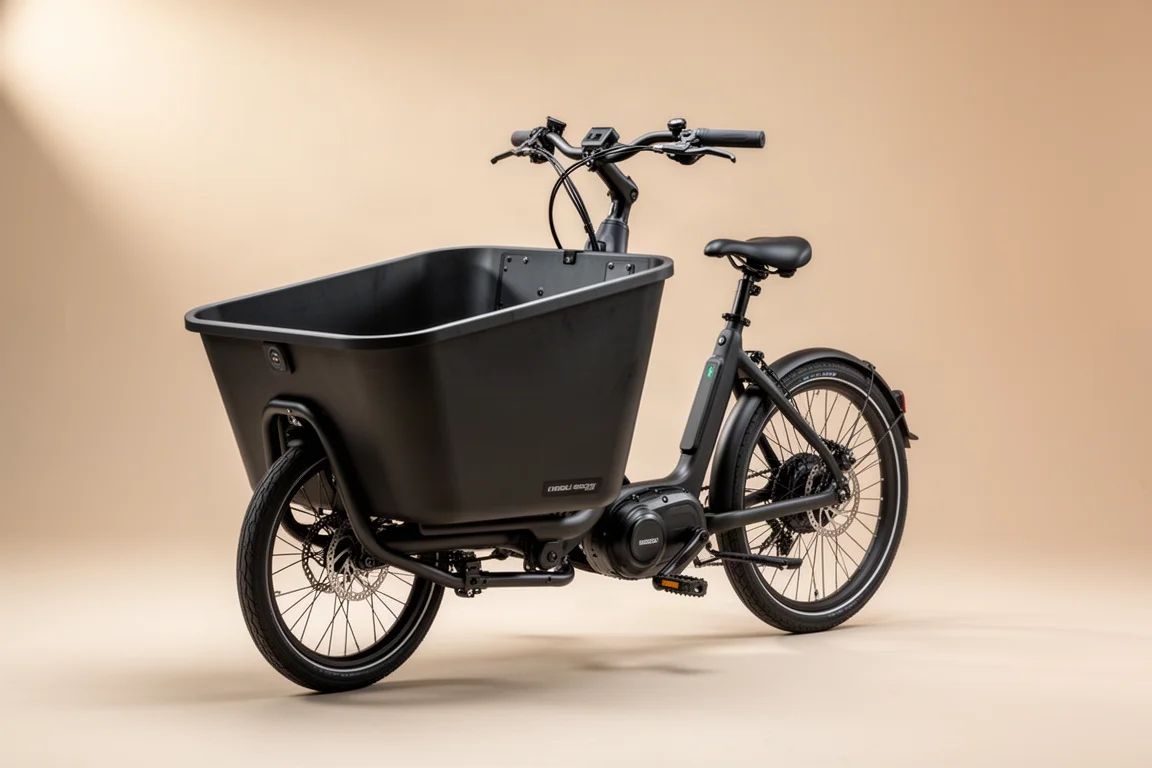
The Riese & Müller Load 5 is a front loader, with a large bucket ahead of the rider. This layout exists for one reason above all: volume. Front loaders can generally carry more than longtails, and it is feasible to reach around 200 litres, roughly the same as the boot of a small hatchback car.
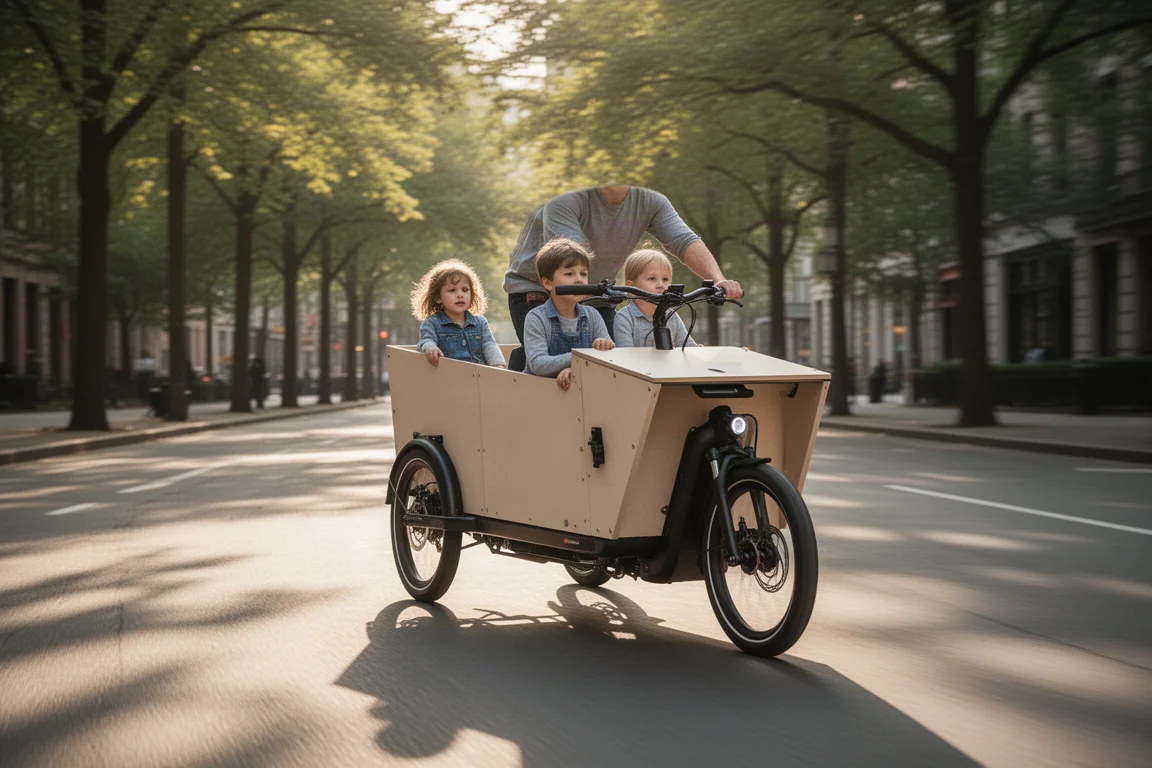
This particular model can carry three children, something a rear-loading longtail cannot do. For families, that capacity is the whole argument. Loading is refreshingly simple as well, since bulky items can be dropped straight into the bucket with minimal fuss.
The costs are physical. These are big bikes, so storage at home or at work takes more thought, and poorly designed city infrastructure can be awkward to navigate. New riders also took longer to feel settled, largely because the front wheel is out of view and the steering feels unfamiliar at first.
Weight changes the picture once the bike is moving. Riders found the front loader twitchy when lightly loaded but more stable with a passenger or cargo up front, and several preferred it over longer, smoother stretches even after struggling with awkward turns.
Shared Bosch Cargo Line Power and Safety
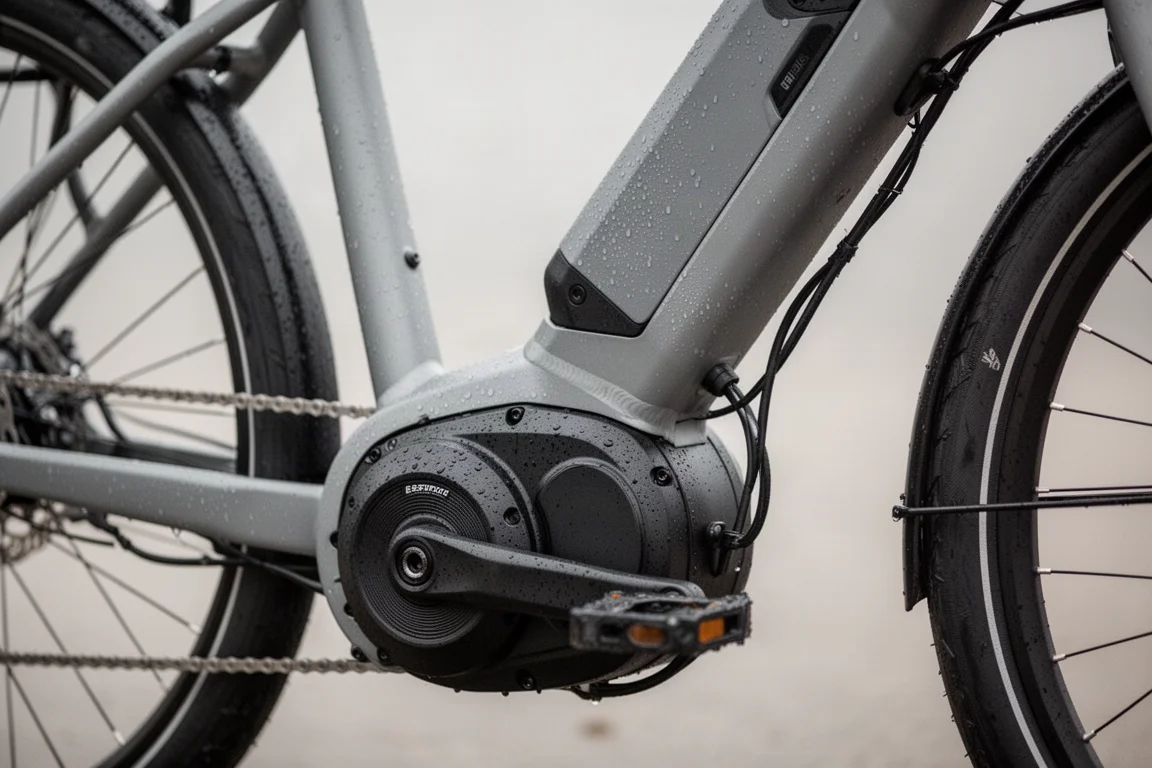
Both bikes use the latest Bosch Cargo Line motor, rated at 100 Nm of torque and 750 W of power. That output matters on a cargo bike, because moving passengers or a heavy shop up a hill is a different job from riding solo. More power was clearly something riders wanted, and this generation delivers it.
The delivery stays manageable. There are three levels of assist before the fourth and most powerful setting, cargo mode, so the extra output arrives without feeling alarming. Bosch ABS is fitted to both bikes as well, giving car-like braking assistance that helps on slippery surfaces.
On the software side, the Bosch Flow app covers motor output tuning, range information for a planned journey, and cycling-specific satnav. Bikes fitted with the Bosch Connect module add security features such as a tracker and an alarm. Those security functions sit behind a paid subscription within the Bosch Flow app.
Buying Advice: Which Layout Fits Your Routine
The honest answer is that both layouts can work for almost any rider. First-time riders got comfortable on both bikes within about ten minutes, including a circuit with tight corners, slow sections, and chicanes while carrying a 30 kg load.
Choose the front loader if maximum volume and child capacity are the priority. Three children, up to around 200 litres, and easy loading are difficult to argue with, and the bike settles down once there is weight in the bucket. Accept the longer learning curve, the larger footprint, and the extra care needed in tight spaces.
Choose the longtail if familiarity, agility, and easy storage matter more. The Tern GSD feels like a normal bike from the first pedal stroke, is simpler to manoeuvre and to lift, and still handles two large children or a substantial weekly shop. Just stay aware that the weight behind you is easy to forget.
A test ride in a shop car park may feel strange at first. That is normal, and it passes quickly. The useful comparison is the car analogy: a van or a pickup is never as nippy as a small hatchback, and that is the trade-off for carrying more.
Conclusion
The Tern GSD and the Riese & Müller Load 5 both make electric cargo bikes approachable, and both are built around the same Bosch Cargo Line motor and Bosch ABS. The decision comes down to layout. The longtail is the easier bike to live with day to day, while the front loader is the one that carries the most when capacity is the whole point.
Further reading
Related Reviews
Electric Cargo Bikes
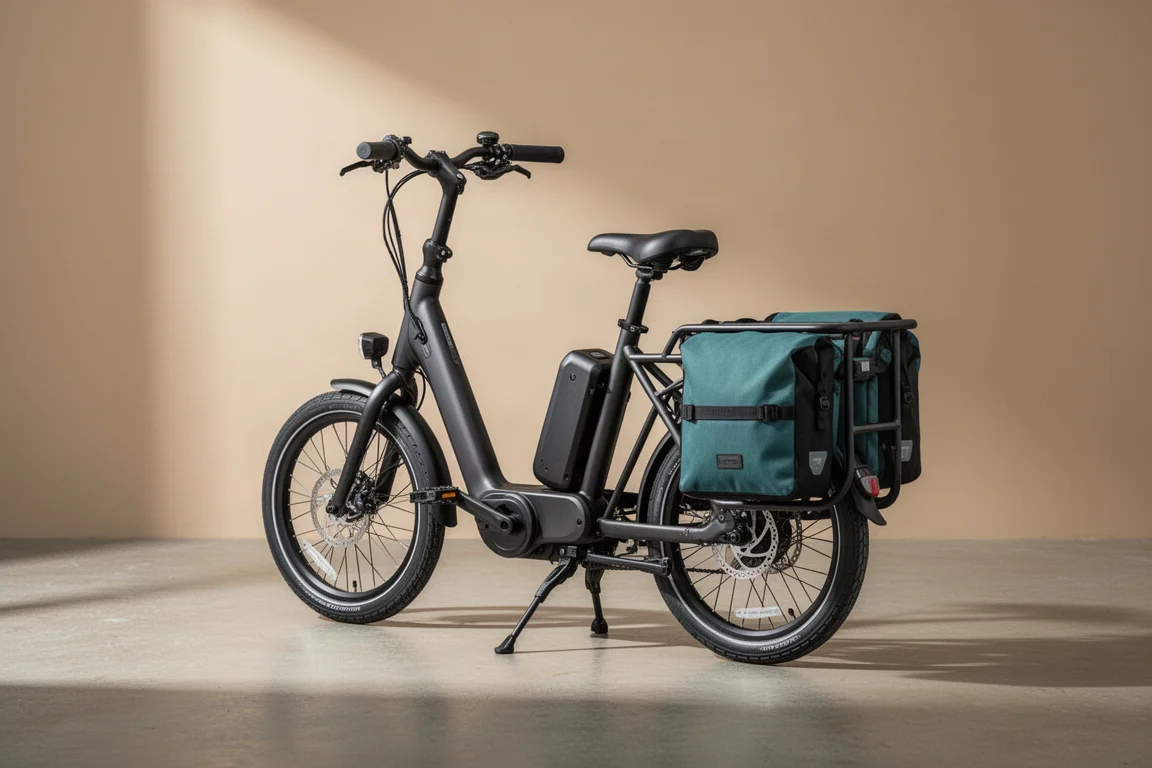
Tern GSD Review: The Compact Electric Cargo Bike, Third Generation
A practical look at the third generation Tern GSD, from its 210 kg capacity and Bosch Cargo Line motor to battery options and the features worth paying for.
Electric Cargo Bikes
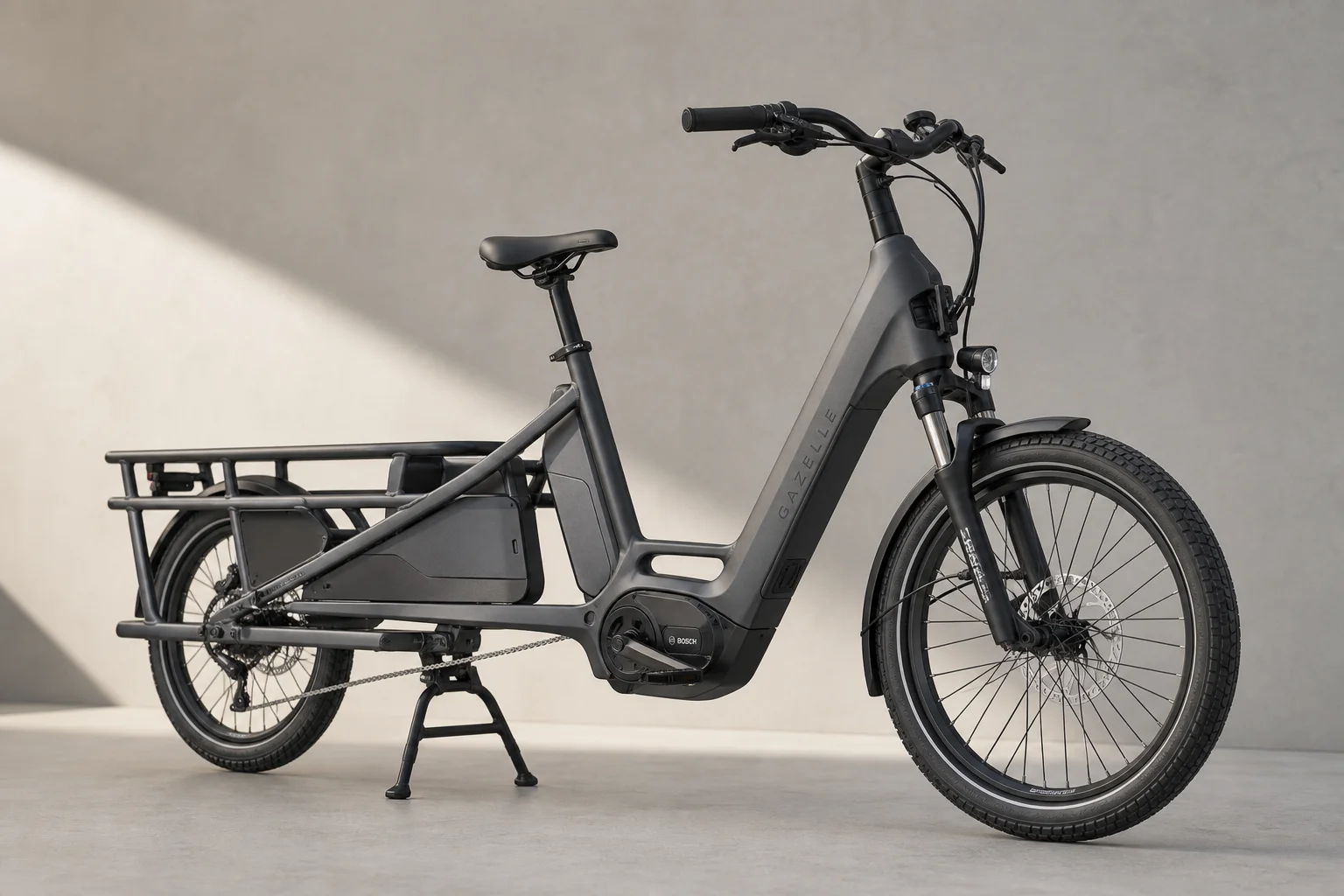
Tern GSD Review: The Compact Electric Cargo Bike That Replaces Car Trips
A practical look at the third generation Tern GSD, the compact electric cargo bike with up to 210 kg of capacity, Bosch Cargo Line power, and ABS plus connected features on the top models.
Electric Cargo Bikes
Urban Arrow Breeze Longtail Cargo Bike Review: A Practical Family Commuter
The Urban Arrow Breeze combines an upright Dutch riding position with modern cargo-bike utility, making it a compelling one-bike solution for family transport.