Electric Bikes
Tenways CGO 600 Pro Review: A Simple Belt-Drive City E-Bike
A single-speed electric city bike built around a carbon belt drive, a rear hub motor, and a removable battery, priced at the more affordable end of the e-bike market.
Introduction
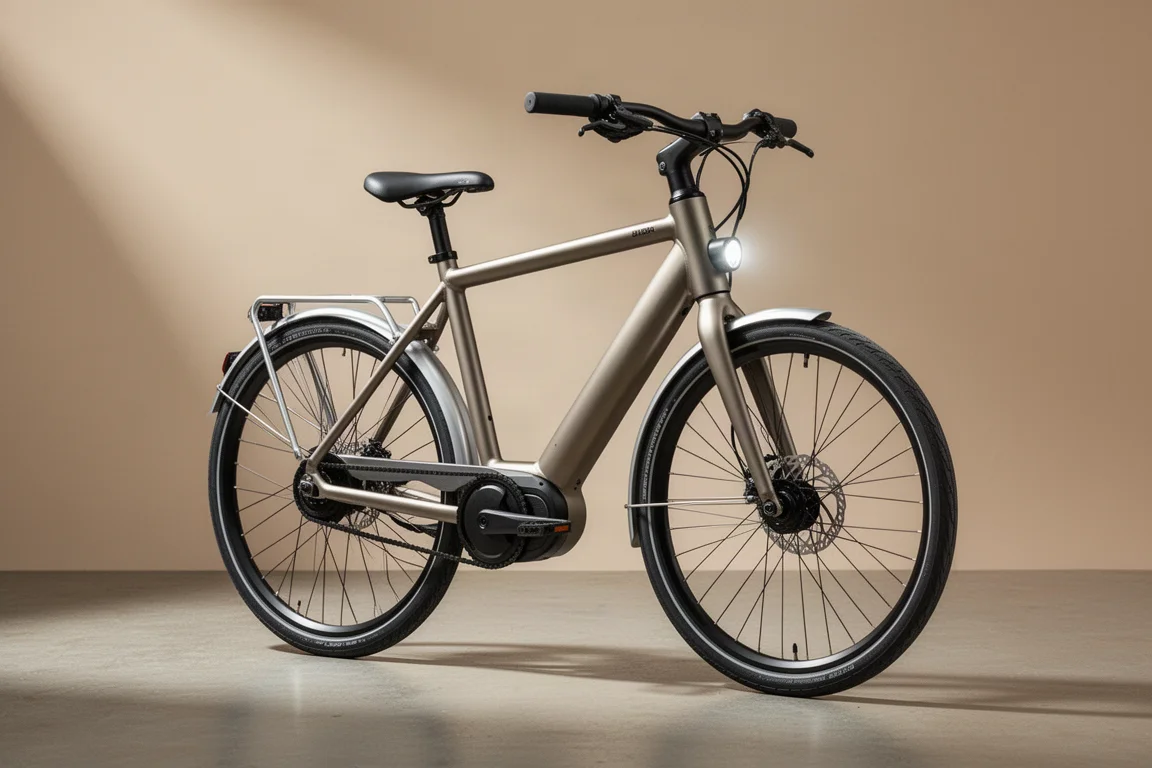
Electric bikes often promise convenience and then deliver complexity. There are gears to maintain, chains to clean, and controls that take time to learn. The Tenways CGO 600 Pro takes a different route. It is a single-speed city e-bike built around a carbon belt drive, a rear hub motor, and a removable battery, with a design brief that puts simplicity first.
At £1,799 it sits at the more affordable end of the e-bike market, and the package arrives well equipped: sturdy aluminium mudguards, hydraulic disc brakes, tough puncture-resistant tyres, and a front light integrated into the frame are all included. Four colour options are available, and the overall look is clean and modern rather than overtly technical. It does not scream electric bike. It simply looks like a bicycle for getting from A to B.

That restraint is deliberate, and it shapes almost everything about how the bike behaves in daily use.
Who the CGO 600 Pro Is For
The CGO 600 Pro is aimed squarely at short urban journeys. It suits riders who want to replace car trips for errands such as the shops, the gym, the library, or the post office, and it works just as well for anyone who wants to arrive without changing into cycling kit or worrying about oil marks on their clothing.
It is also a natural fit for people who would otherwise rely on public transport for short trips. Being able to leave whenever you want, rather than waiting for a bus that may be delayed or cancelled, changes how the journey feels. The bike can be used for exercise at the same time, which is a useful side effect of an everyday errand.
It is not aimed at long-distance riding. With a single gear and a battery designed around city-range trips rather than 50 to 100 km days out, it is best understood as a practical alternative to short car journeys. Experienced cyclists who already ride regularly may still find it slots neatly into their routine as a low-maintenance runaround.
Main Strengths
Simplicity runs through every part of the CGO 600 Pro, and that is precisely what makes it easy to recommend. There are no gears to think about, no derailleur to adjust, and no oily chain to clean. You choose an assistance level and ride.
That focus also keeps costs and maintenance down. There is no derailleur to wear out and no complex internal hub gear to service, so the mechanical side of ownership stays minimal.
Belt Drive and Low Maintenance
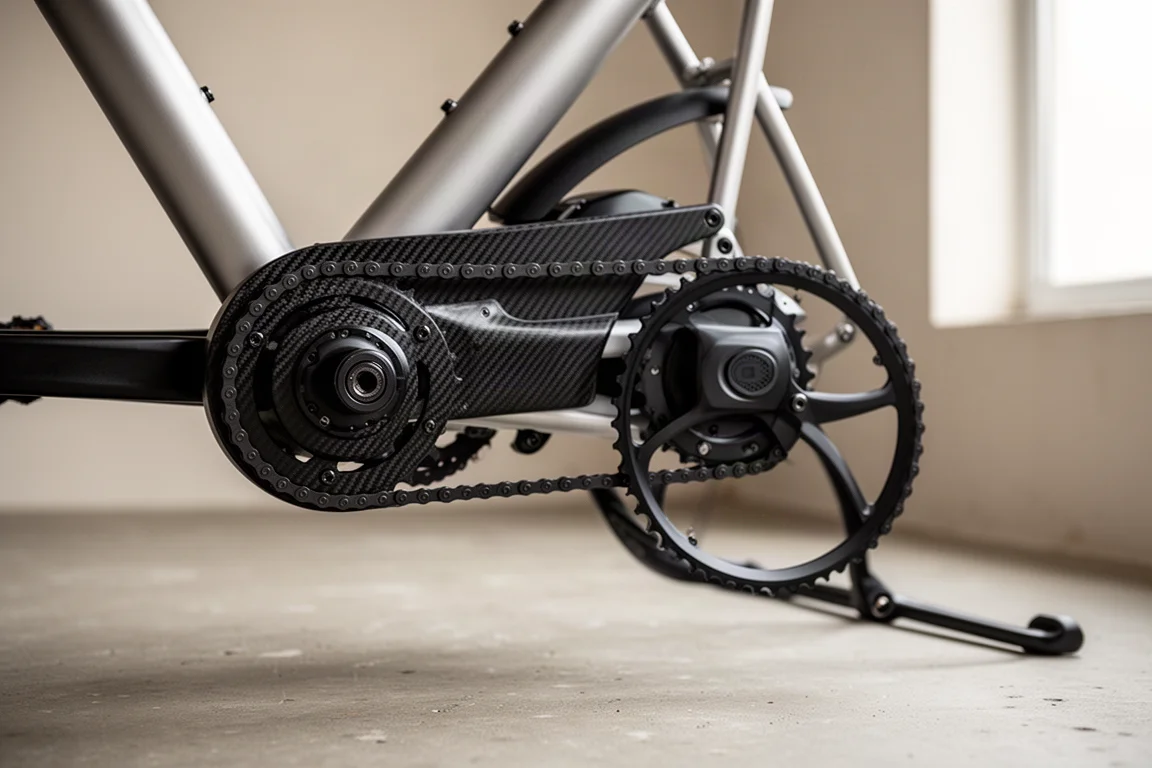
The most distinctive choice is the carbon belt drive in place of a metal chain. Because there is no oil involved, there is nothing to lubricate and nothing to transfer onto a leg or a trouser cuff on the way to the office. The belt is rated to last around 30,000 km, which means most owners will never need to replace it.
Combined with the single-speed drivetrain, this removes the parts that usually demand the most attention. For riders who simply want a bike that works whenever they wheel it out of the garage, the belt drive is the single most persuasive feature here.
Motor and Battery
Power comes from a 250 W rear hub motor with 40 Nm of torque. It is not the most powerful motor on the market, but it is more than ample for a bike with this brief. Assistance is delivered progressively, with no jerkiness or sudden surge, and the motor is responsive enough to get the bike up to speed quickly from a standing start at traffic lights.
The 360 Wh battery sits in the downtube and can be removed for charging, with the charging port located on the downtube itself. The claimed range is up to 100 km or 62 miles, although as with any electric bike that figure depends on rider weight, hills, headwind, and which assistance level is used. The bike’s own display, with a fully charged battery, indicates around 81 km at the lowest assistance level and around 55 km at the highest.
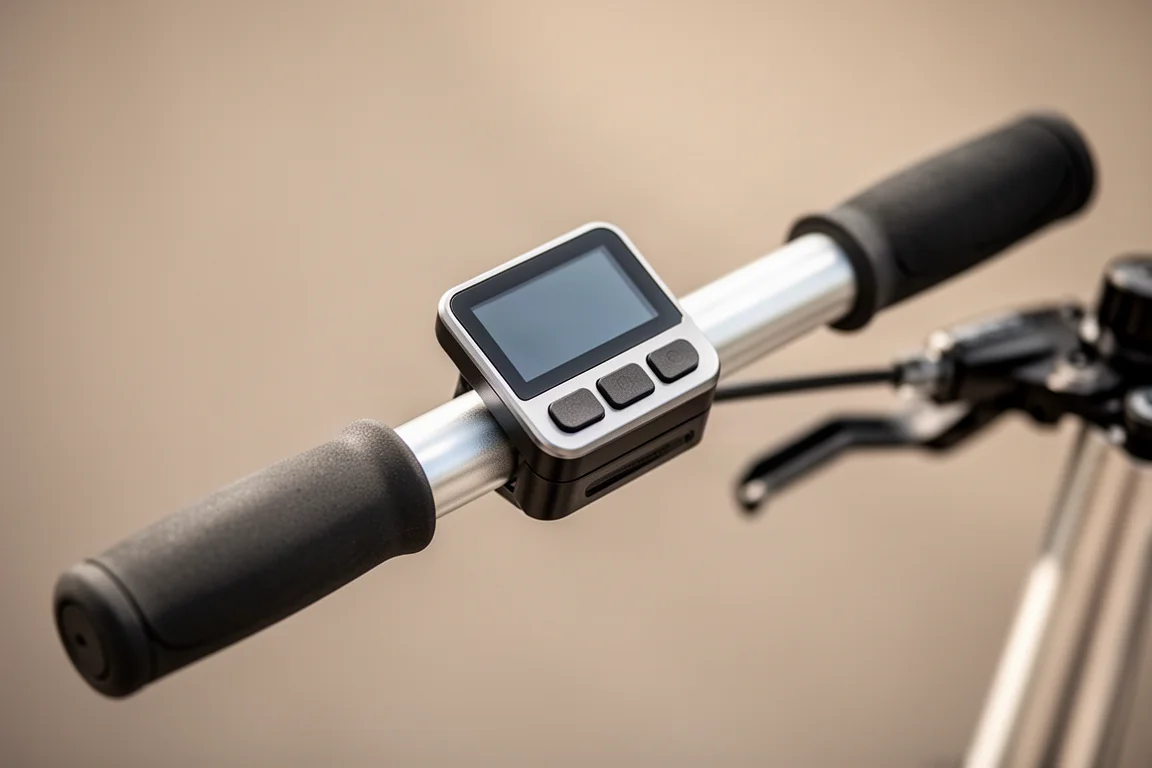
Three assistance levels are selected from a slim control unit on the handlebar. The screen is high definition rather than a touchscreen, and the buttons cycle through ride data including average speed, maximum speed, and remaining range. Level three feels quick and genuinely enjoyable. Level two is the sensible everyday setting, and it delivers good range without requiring any particular effort to conserve battery.
In practice the bike is best suited to short journeys of one, two, or three miles, and the battery can simply be topped up at home after each trip. There is no need to remove it, though the option is there.
Comfort and Control
Stopping power comes from hydraulic disc brakes with generous levers, which give plenty of confidence when you need to slow quickly. The steering is stable and predictable rather than twitchy, so riders who do not normally cycle can feel at home within a few minutes.
The flat handlebar height can be raised or lowered by adjusting the angle of the stem, which makes it easy to set up for an upright, high-visibility riding position in traffic. A quick release on the seatpost allows fast saddle height changes, so more than one person in a household can share the bike. The saddle and soft grips are comfortable, and the front light integrated into the frame is powerful and neatly resolved.
Weight figures are around 17.5 kg. That is light enough to pedal with the motor switched off on flat ground, though the bike does feel sluggish without assistance.
Things to Consider Before Buying
There is no suspension, and on bumpy roads with potholes and sunken drains the ride can feel firm and occasionally jarring, even with large tyres running at low pressure. A suspension stem or suspension seatpost would meaningfully improve comfort for anyone riding rougher surfaces, and it is the upgrade most likely to be worthwhile.
There is also no rear light integrated into the frame. The front light is built in beautifully, but the rear requires a separate unit that clips onto the seat tube, which is a less elegant solution.
The most significant limitation concerns speed. Assistance cuts out at 15.5 mph, which is the legal limit in this market. It is easy to reach that speed on a gentle downhill or with a tailwind, and once you are past it the single gear and the bike’s weight make going faster hard work. It does not matter for most rides, but it is noticeable when it happens.
Finally, the single-speed drivetrain has natural cadence limits. On a slight rise, cadence can feel high until the motor picks up and brings you back up to speed. A few gears would help in those moments, though on flatter city routes it is rarely an issue.
Buying Advice
The CGO 600 Pro makes the most sense for riders whose journeys are short and frequent. If that describes you, the value proposition is straightforward: the purchase price is roughly equivalent to a daily bus fare over about two years, and it removes the waiting, the delays, and the standing in the rain that come with scheduled transport. It also replaces a surprising number of short car trips.
Budget for two extras when planning the purchase. A good D-lock will protect the investment, and a rear light is worth adding on day one given that only the front light is integrated into the frame.
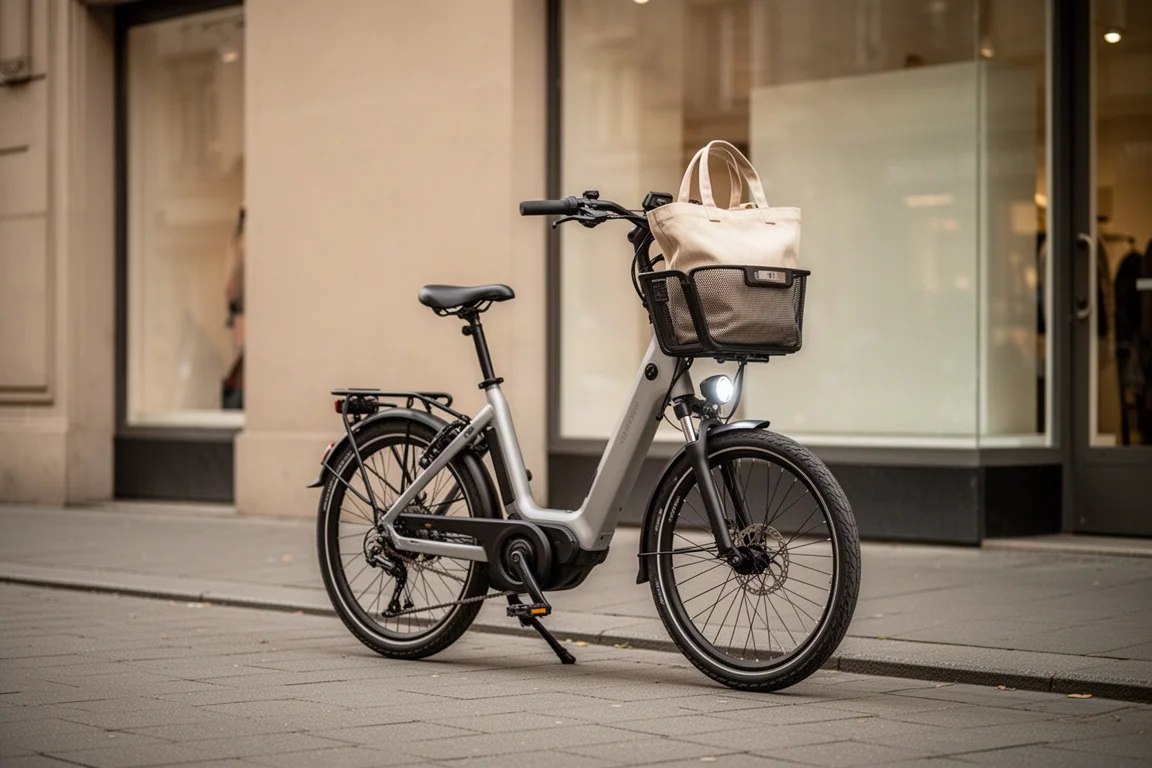
The removable battery is a practical plus for anyone without power in a garage or bike store, since it can be carried inside for charging. Given how simple the bike is to operate, it also suits households where several people share one machine for quick trips.
If your riding is mostly flat urban streets with a few gentle hills, the lack of gears and the modest motor output will never feel like a compromise. It is a genuinely pleasant bike to ride around town, and the assistance makes light work of errands, extra weight in a bag, headwinds, and tired legs.
Conclusion
The Tenways CGO 600 Pro succeeds because it does not try to do everything. A carbon belt drive, a single gear, a smooth and progressive hub motor, and a removable battery add up to an electric bike that is easy to live with and hard to fault for everyday city use.
It is not the right choice for long distance riding or for riders who regularly push beyond the assisted speed limit. But as a fuss-free replacement for short car and public transport journeys, it is a well-judged package at a competitive price, and one that should give most urban riders real confidence in their purchase.
Product link
View more details for Tenways CGO 600 Pro
This product is mentioned in the review. Check the specifications, options, and compatibility before buying.
View more details for Tenways CGO 600 ProFurther reading
Related Reviews
Electric Bikes
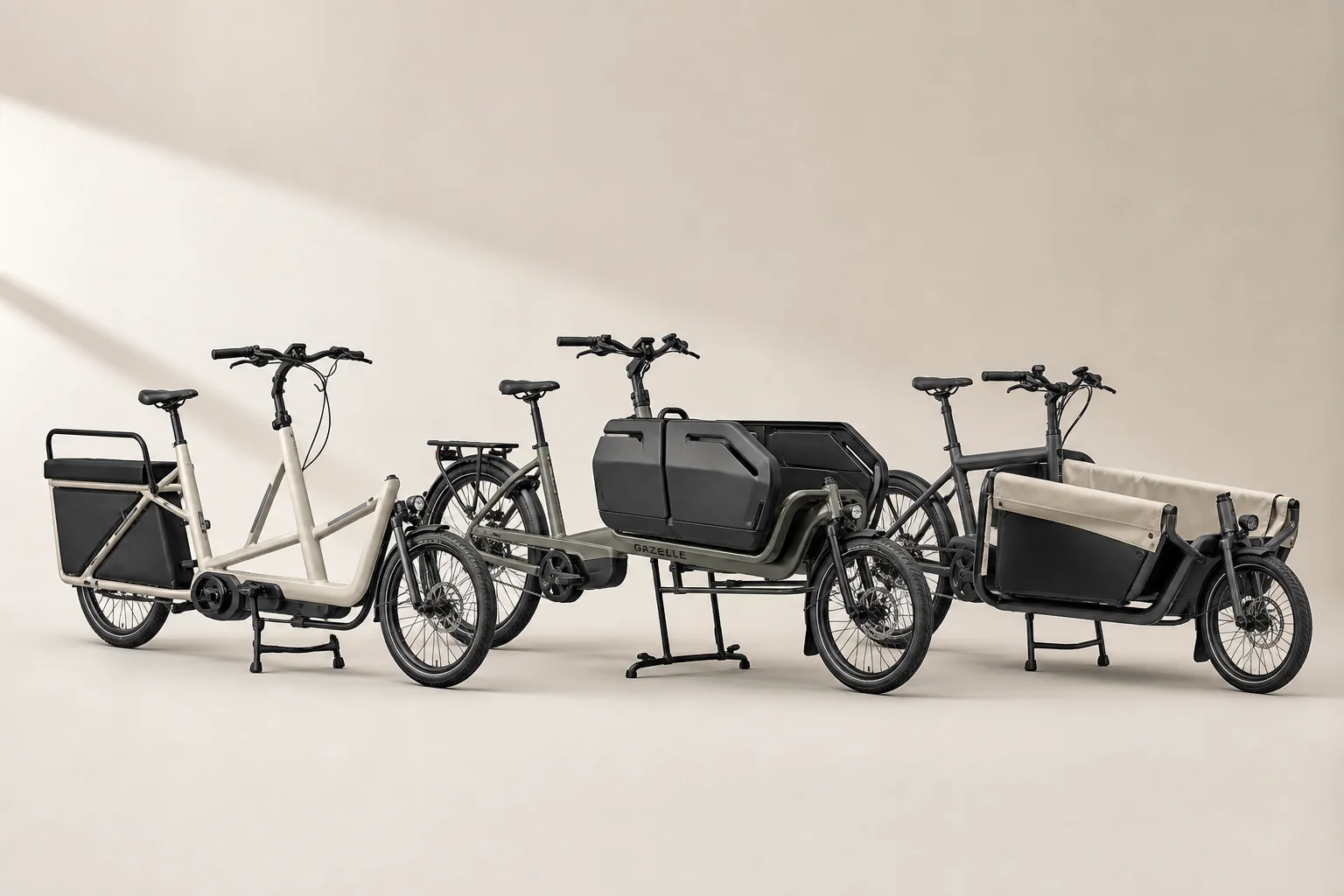
Best Cargo E-Bikes for Family Use: Three Practical Options for Car-Free Living
Three electric cargo bikes designed for families and everyday transportation, each with distinct strengths for replacing car trips and building community.

Electric Bikes
Best Electric Bikes 2026: The Most Exciting Launches From CES
From lightweight e-motos to compact city commuters, these are the most interesting electric bikes unveiled at CES 2026.
Electric Bikes
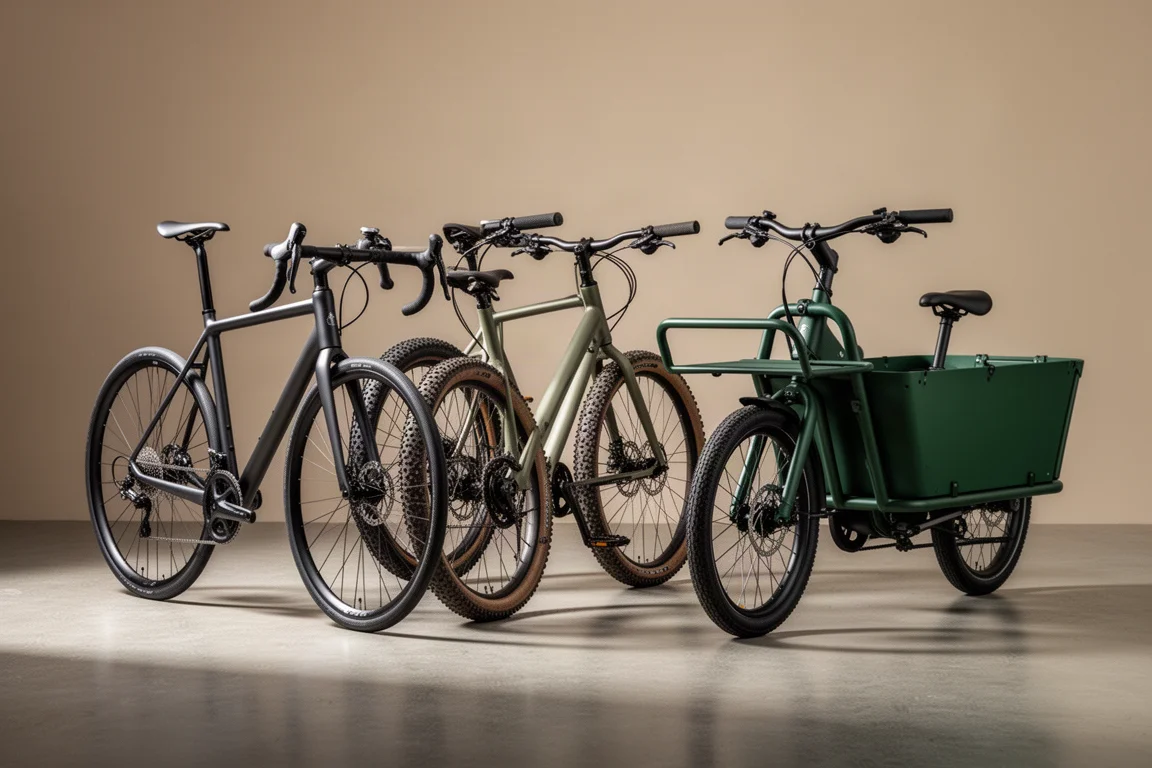
Best Electric Bikes 2026: Seven E-Bikes Worth a Closer Look
A practical look at seven electric bikes spanning endurance road, gravel, cargo and experimental designs, with the real strengths and trade-offs of each.